The Sketchbook From Auschwitz
- 115 stránok
- 5 hodin čítania

5,0


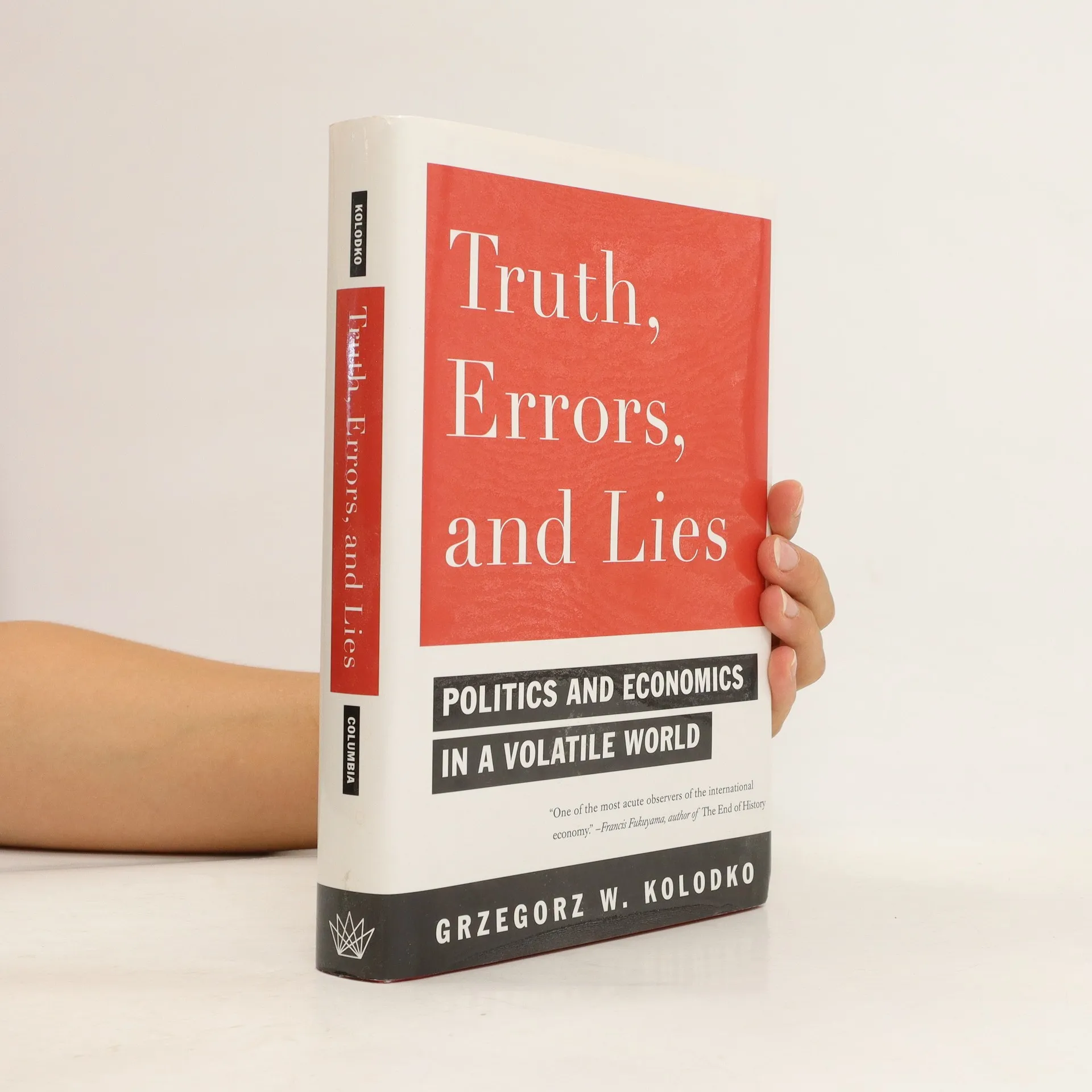
Grzegorz W. Kolodko, one of the world's leading authorities on economics and development policy and a key architect of Poland's successful economic reforms, applies his far-reaching knowledge to the past and future of the world economy, introducing a framework for understanding our global situation that transcends any single discipline or paradigm. Deploying a novel mix of scientific evaluation and personal observation, Kolodko begins with a brief discussion of misinformation and its perpetuation in economics and politics. He criticizes the simplification of complex economic and social issues and investigates the link between developments in the global economy and cultural change, scientific discoveries, and political fluctuations. Underscoring the necessity of conceptual and theoretical innovation in understanding our global economic situation, Kolodko offers a provocative study of globalization and the possibility of coming out ahead in an era of worldwide interdependence. Deeply critical of neoliberalism, which sought to transfer economic control exclusively to the private sector, Kolodko explores the virtues of social-economic development and the new rules of the economic game. He concludes with a look at our near and distant future, questioning whether we have a say in its making.
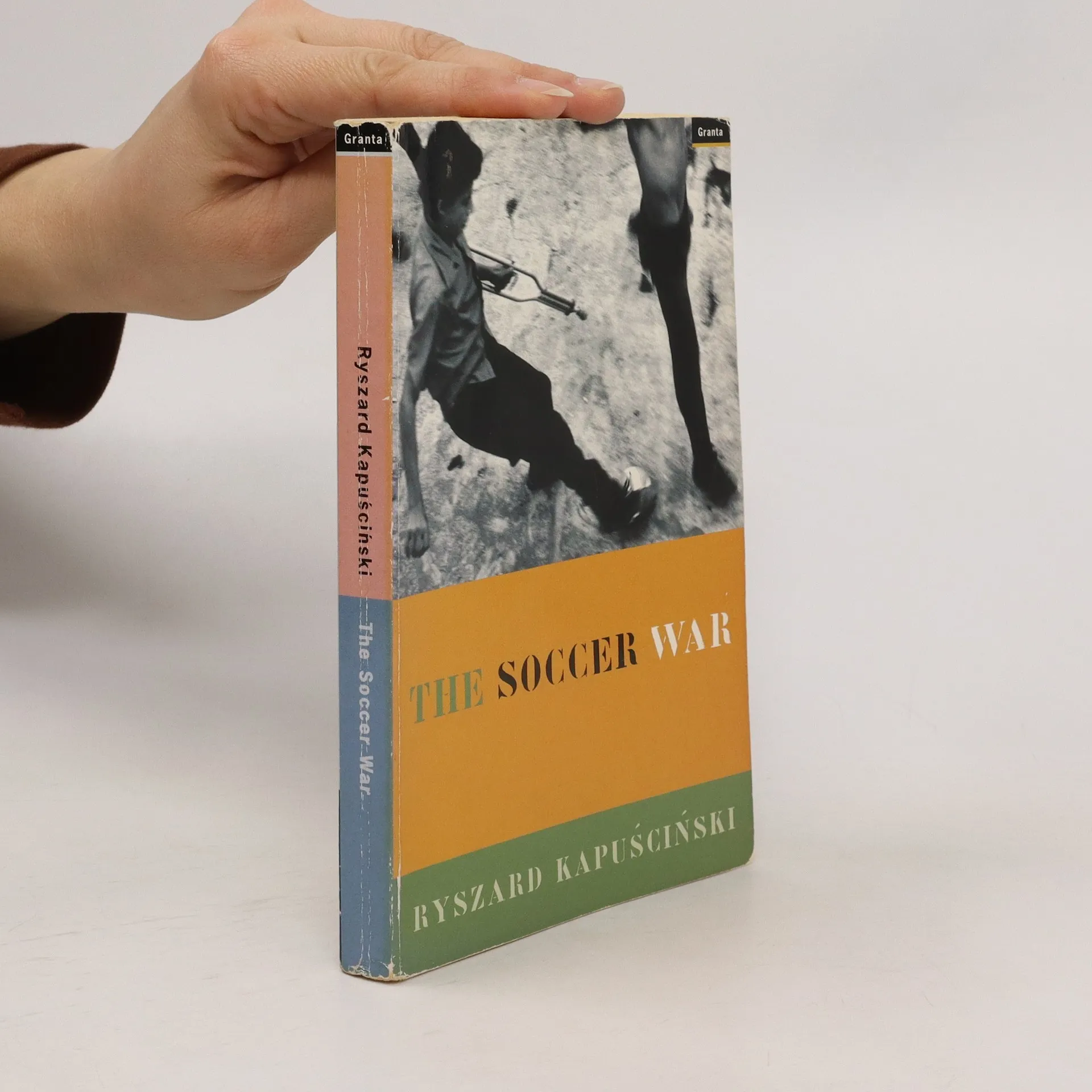
Part diary and part reportage, The Soccer War is a remarkable chronicle of war in the late twentieth century. Between 1958 and 1980, working primarily for the Polish Press Agency, Kapuscinski covered twenty-seven revolutions and coups in Africa, Latin America, and the Middle East. Here, with characteristic cogency and emotional immediacy, he recounts the stories behind his official press dispatches—searing firsthand accounts of the frightening, grotesque, and comically absurd aspects of life during war. The Soccer War is a singular work of journalism.
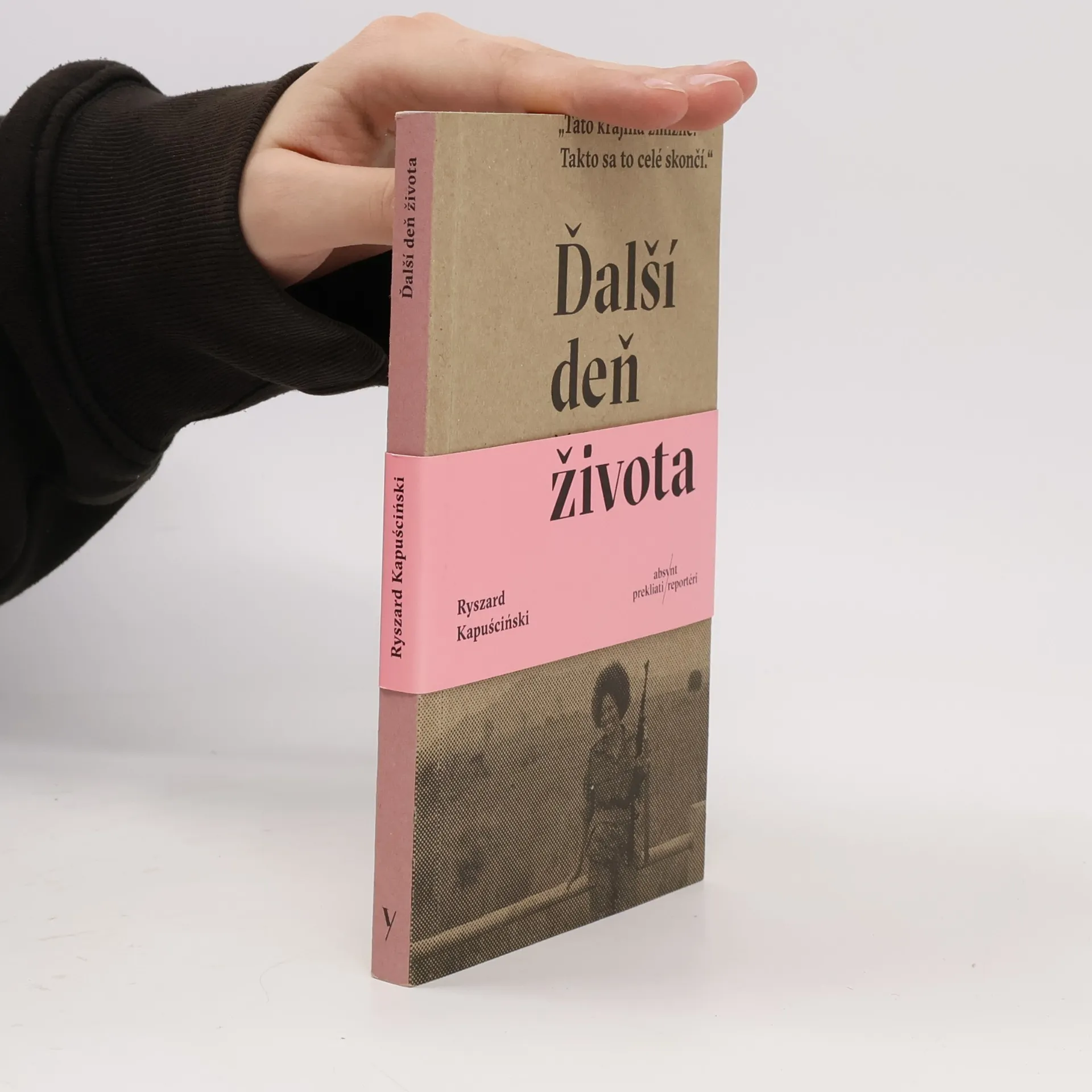
Kultová reportáž Ryszarda Kapuścińského, ktorý bol vždy tam, kde sa hýbali dejiny. V sedemdesiatych rokoch sa ocitol v rozvrátenej Angole na prahu dlhej občianskej vojny. Bola to dlhá vojna. A táto krajina v nej takmer celkom vykrvácala. V roku 1974, pár mesiacov pred vyhlásením nezávislosti, býval Ryszard Kapuściński v Luande, hlavnom meste Angoly, kde pracoval ako zahraničný korešpondent. Sledoval mesto, ktoré sa postupne vyľudňovalo, pozoroval paniku utekajúcich portugalských kolonialistov, bol svedkom masového šialenstva, klinickej smrti jedného mesta pod neustálou hrozbou delostreleckého bombardovania. Neskôr odišiel priamo na front, na miesta, z ktorých všetci utekali, aby sa stal svedkom jednej z mnohých krvavých premien bývalých zámorských kolónií. Svoje angolské zážitky opísal vo výnimočnej knihe Ďalší deň života, ktorá nie je len o vojne a proti vojne, ale rozpráva aj o osamelosti reportéra uprostred dejinného chaosu, o nezmyselnosti vraždenia, o neistom zajtrajšku, no najmä o živote, ktorého cena rastie každým dňom. „Boli tam také situácie, v ktorých sme vedeli, že už ďalej nebudeme žiť. A každý deň sme s úľavou hovorili: Ďalší deň života, mám za sebou ďalší deň...“ povedal o svojom živote v Angole Ryszard Kapuściński.