Robert N. Bellah bol popredný americký sociológ náboženstva, ktorého dielo sa zaoberalo zásadnou témou zmyslu modernity. Hlboko skúmal vzťah medzi individualizmom a komunitou v americkej spoločnosti a varoval pred nebezpečenstvami nekontrolovaného individualizmu, ktorému chýba sociálna zodpovednosť. Jeho výskum osvetľoval hodnoty, ktoré sú základom demokratických inštitúcií, a skúmal vývoj náboženstva od praveku až po Axial Age. Bellahova rozsiahla práca poskytuje cenné poznatky o dynamike americkej spoločnosti a o hlbšom zmysle moderného života.
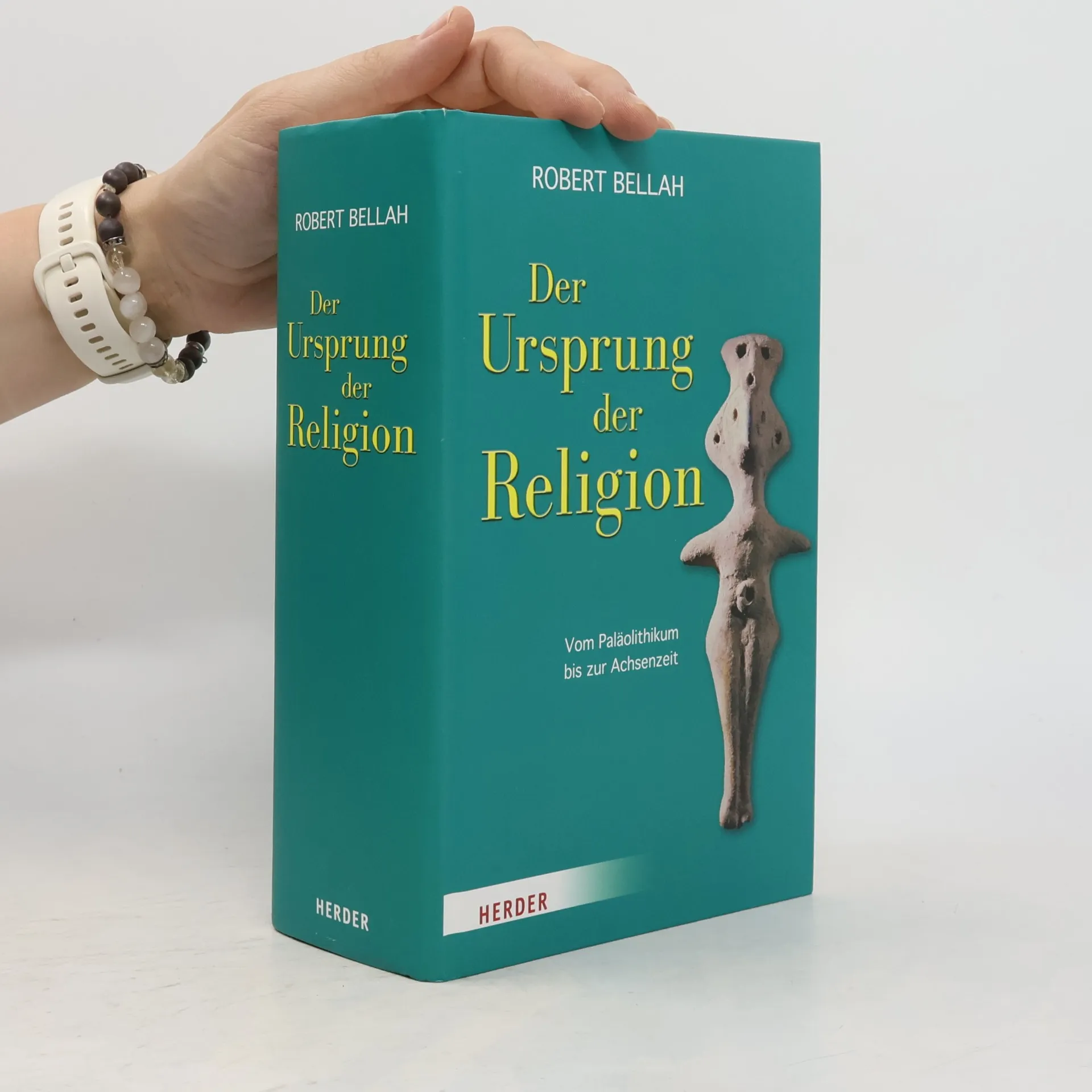
„Der Ursprung der Religion“ ist Robert N. Bellahs Alterswerk, in dem er mit Erkenntnissen aus Biologie und Evolutionspsychologie untersucht, wie Menschen vom Paläolithikum bis zum ersten Jahrtausend v. Chr. neue Lebensvorstellungen und Gemeinschaftsformen entwickelten. Er analysiert die Entstehung der Weltreligionen in vier Zivilisationen der Achsenzeit.
A New York Times Book Review Editors’ Choice An ABC Australia Best Book on Religion and Ethics of the Year Distinguished Book Award, Sociology of Religion Section of the American Sociological Association Religion in Human Evolution is a work of extraordinary ambition—a wide-ranging, nuanced probing of our biological past to discover the kinds of lives that human beings have most often imagined were worth living. It offers what is frequently seen as a forbidden theory of the origin of religion that goes deep into evolution, especially but not exclusively cultural evolution. “Of Bellah’s brilliance there can be no doubt. The sheer amount this man knows about religion is otherworldly...Bellah stands in the tradition of such stalwarts of the sociological imagination as Emile Durkheim and Max Weber. Only one word is appropriate to characterize this book’s subject as well as its substance, and that is ‘magisterial.’” —Alan Wolfe, New York Times Book Review “Religion in Human Evolution is a magnum opus founded on careful research and immersed in the ‘reflective judgment’ of one of our best thinkers and writers.” —Richard L. Wood, Commonweal
This landmark exploration of America's "habits of the heart" delves into the traits essential to our national character, highlighting the tension between individualism and the need for community. Based on a comprehensive five-year study of various American communities, the authors reveal that Americans often struggle to articulate moral meaning in their lives, trapped in a vocabulary dominated by individualism. Interviews with a diverse range of individuals—spouses, managers, therapists, business owners, and civic leaders—illustrate the challenges of committing to others in a society that emphasizes personal autonomy, where many feel ultimately alone and solely responsible for their choices. As a reflection of contemporary society, this work provides a thought-provoking perspective on Americans' quest for tradition and meaning. It encourages readers to examine their values and the direction of society, prompting introspection about personal habits and beliefs. The contents include an introduction, discussions on private and public life, and a conclusion focused on transforming American culture, alongside an appendix on social science as public philosophy.
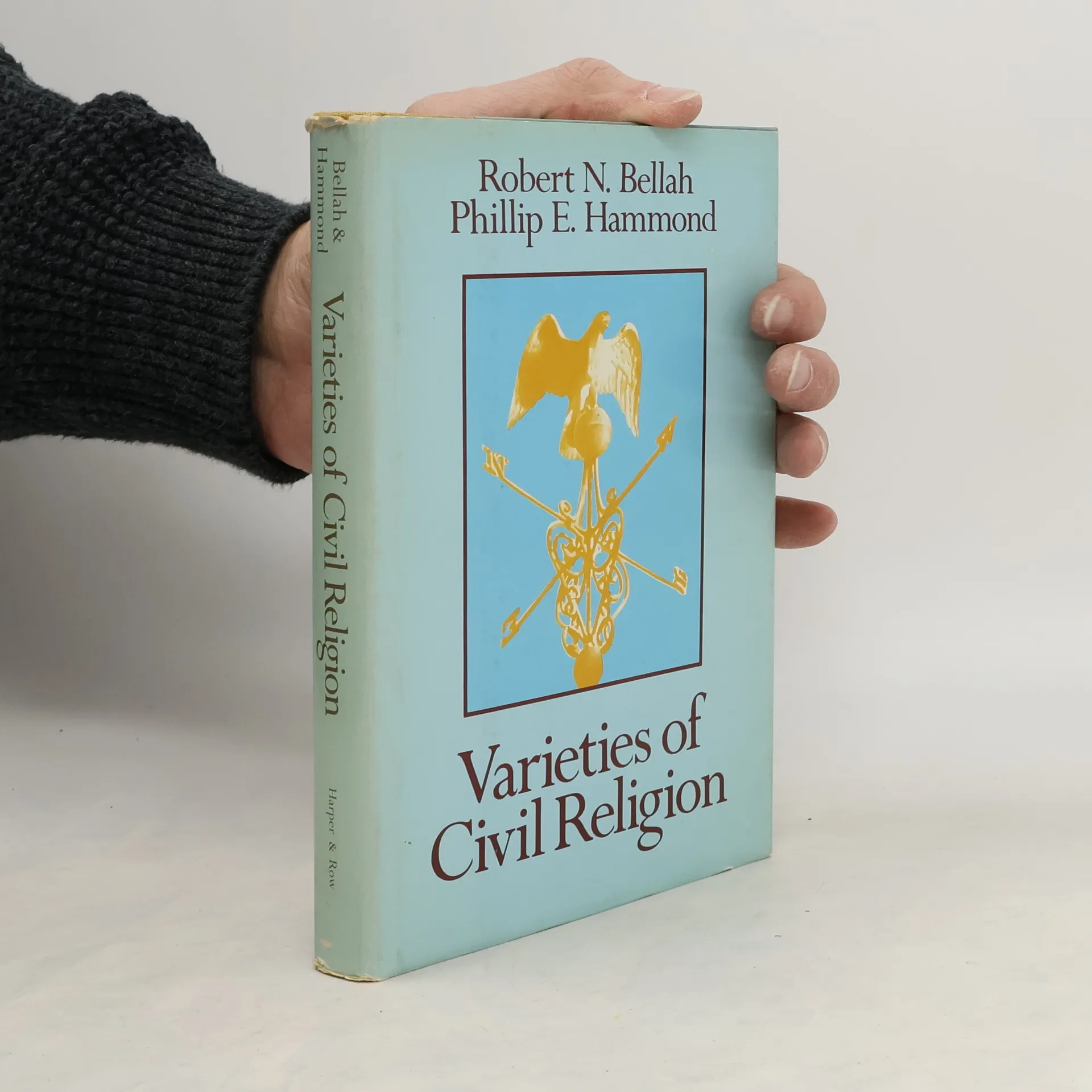
This latest statement in the field pioneered by Robert Bellah explores the force of religion in politics and society. The authors offer a thoughtful, carefully researched analysis of international varieties of civil religion, comparing them with the American case. They trace the development of the peculiarly American model -- a mixture of traditional religious forms, patriotism, group identification, collective rituals, and sheer American enthusiasm -- and argue that the unique vitality of the American civil religion stems from the pluralistic nature of the American religious scene. Bellah and Hammond make comparisons with other representative societies, focusing on the Italian, Mexican, and Japanese experiences, to establish the conditions that make a civil religion possible. Varieties of Civil Religion shows how the American experience is distinctive and gives a context in which to take our pulse as a society.