This fourth and final Science and Philosophy in the Indian Buddhist Classics volume provides, through extensive passages, a window into the works of the great thinkers from the flowering of philosophy in classical India. This is the second philosophy volume in the Science and Philosophy series. Whereas the first philosophy volume presented the views of the non-Buddhist and Buddhist schools in sequence, the present work selects specific topics for consideration, including the nature of the two truths, the analysis of self, the Yogacara explanation of reality, emptiness in the Madhyamaka tradition, a survey of logic and epistemology, and the Buddhist explanation of language and meaning. Like earlier volumes, it provides, through extensive extracts, a window into the works of the masters of the Nalanda tradition. The final section on language is particularly unique and largely crafted by Thupten Jinpa.
Thupten Jinpa Poradie kníh (chronologicky)
Dr. Geshe Thupten Jinpa Langri je popredným prekladateľom Jeho Svätosti Dalajlámu a prezidentom Inštitútu tibetských klasikov. Jeho dielo zahŕňa preklad dvanástich kníh Dalajlámu. Jeho práca sa zameriava na hlboké porozumenie a sprístupnenie tibetského myslenia a duchovných tradícií.





Science and Philosophy in the Indian Buddhist Classics
- 550 stránok
- 20 hodin čítania
Tsongkhapa. A Buddha in the land of snows
- 480 stránok
- 17 hodin čítania
Ľudia sa v dnešnom svete boja, že keď budú príliš hodní, ostatní ich začnú zneužívať, a že keď budú príliš hodní sami k sebe, zlenivejú. Pomocou vedy, buddhistickej a západnej psychológie a skúseností z vlastného života autor vysvetľuje, ako sa zbaviť stresu, poraziť depresiu, zlepšiť svoje zdravie, dosiahnuť svoje ciele a zmeniť svet.
A Fearless Heart
How the Courage to Be Compassionate Can Transform Our Lives
- 304 stránok
- 11 hodin čítania
The highly acclaimed thought leader and English translator of the Dalai Lama shows us how compassion works as a powerful inner resource that can yield surprising and compelling benefits—not just for others, but for ourselves. The Buddhist practice of mindfulness first caught on in the West when we began to understand its many practical benefits. Now Thupten Jinpa, Ph.D., introduces a practice with even greater life-changing power: compassion. Based on the revolutionary course in Compassion Cultivation Training at Stanford that Jinpa helped to create, A Fearless Heart shows us that compassion can be a path through suffering, a key to robust health, and even an effective way to reach our goals. Yet we fear compassion. We worry that if we are too compassionate with others, they will take advantage of us, and too much self-compassion will make us slackers. Pulling from the latest Western research as well as traditional Buddhist psychology, Jinpa offers simple daily practices that will help readers train their compassion muscle for a greater meaning, connection, and fulfillment.
For many Tibetans, the phrase "the Kadam masters” evokes a spiritual golden age in Tibet--an image of a community of simple monks devoted to humble rectitude in the service of others. These Tibetan masters are particularly famed for their pithy spiritual sayings, poignant utterances that capture essential teachings in digestible bites. The sayings reveal an absence of confusion about what makes for a truly happy life, one grounded in ethics, love, and insight borne of meditation. The teachings of the Kadam masters have spiritually nourished the Tibetan people for nearly a millennium. The Kadampa tradition began in the eleventh century with the arrival in Tibet of the Indian Bengali teacher Atisa, who heralded a large-scale revival of Buddhism there with a return to the basics. Although these Tibetan teachings emerged nearly a thousand years ago, within a specific historical cultural context, like many of the world’s great spiritual teachings, the teachings of the Kadam masters embody wisdom that resonates beyond the boundaries of time, culture, and language. To modern-day Tibetan Buddhists, this volume will offer in an accessible format some of the most loved teachings of the Tibetan tradition. For practitioners of other religious traditions, the texts collected in this special
Essential Mind Training
- 279 stránok
- 10 hodin čítania
"Tibetans revere the mind training (lojong) tradition for its practical and down-to-earth advice. The key to happiness is not a life free of problems but rather the development of a mind capable of transforming any problem or situation into a cause of happiness. Translated and introduced by the Dalai Lama's own translator, Thupten Jinpa, Essential Mind Training contains eighteen individual works, including such renowned classics as Eight Verses on Mind Training and The Seven-Point Mind Training."--Page 4 of cover.
His Holiness the Dalai Lama
- 96 stránok
- 4 hodiny čítania
Photographer Don Farber has followed His Holiness, the DalaiLama for 30 years. This documentary and inspirational work celebratesthe life and work of a leader unique in the modernworld. Farberas photographs capture the charismatic spiritualfigure, highlighting the reverence shown him wherever he goes.Of equal interest are the quieter moments that reveal the privateindividual and his compelling humanity. Through followingin the footsteps of His Holiness we learn more about his character,and about the central tenets of Tibetan Buddhisma
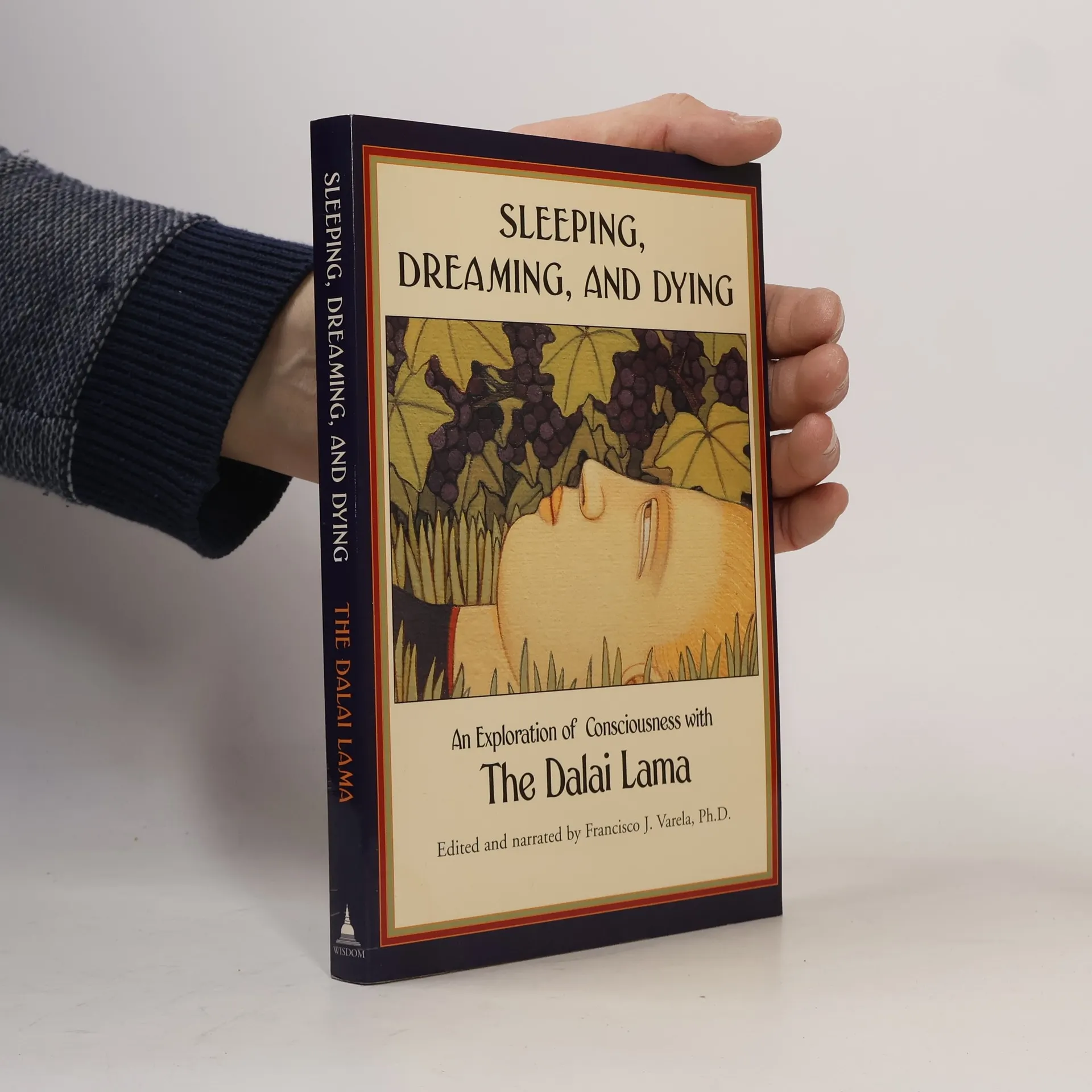
This absorbing account details a dialogue between leading Western scientists and the Dalai Lama of Tibet, focusing on transitional states of consciousness that are pivotal in both modern science and Buddhist practice. The discussions center on three key moments: sleep, dreams, and death, offering engaging insights into topics such as lucid dreaming, near-death experiences, and the nature of consciousness. Narrated by neuroscientist Francisco Varela, the book opens with philosopher Charles Taylor's reflections on personal identity, setting the stage for remarkable exchanges with scientists like Dr. Jerome Engel and Dr. Joyce MacDougal. These conversations reveal significant convergences between Western scientific thought and Buddhist contemplative practices, as seen in Dr. Jayne Gackenbach's exploration of lucid dreaming, which elicits a fascinating response from the Dalai Lama regarding dream manipulation in Buddhist meditation. However, the dialogue also uncovers notable divergences, such as the Dalai Lama's skepticism about near-death experiences as discussed by Joan Halifax. The engaging nature of these conversations makes the work accessible and intriguing for readers interested in psychology, neuroscience, Buddhism, or the realms of dreams.
The Tibetan Book of the Dead
- 592 stránok
- 21 hodin čítania
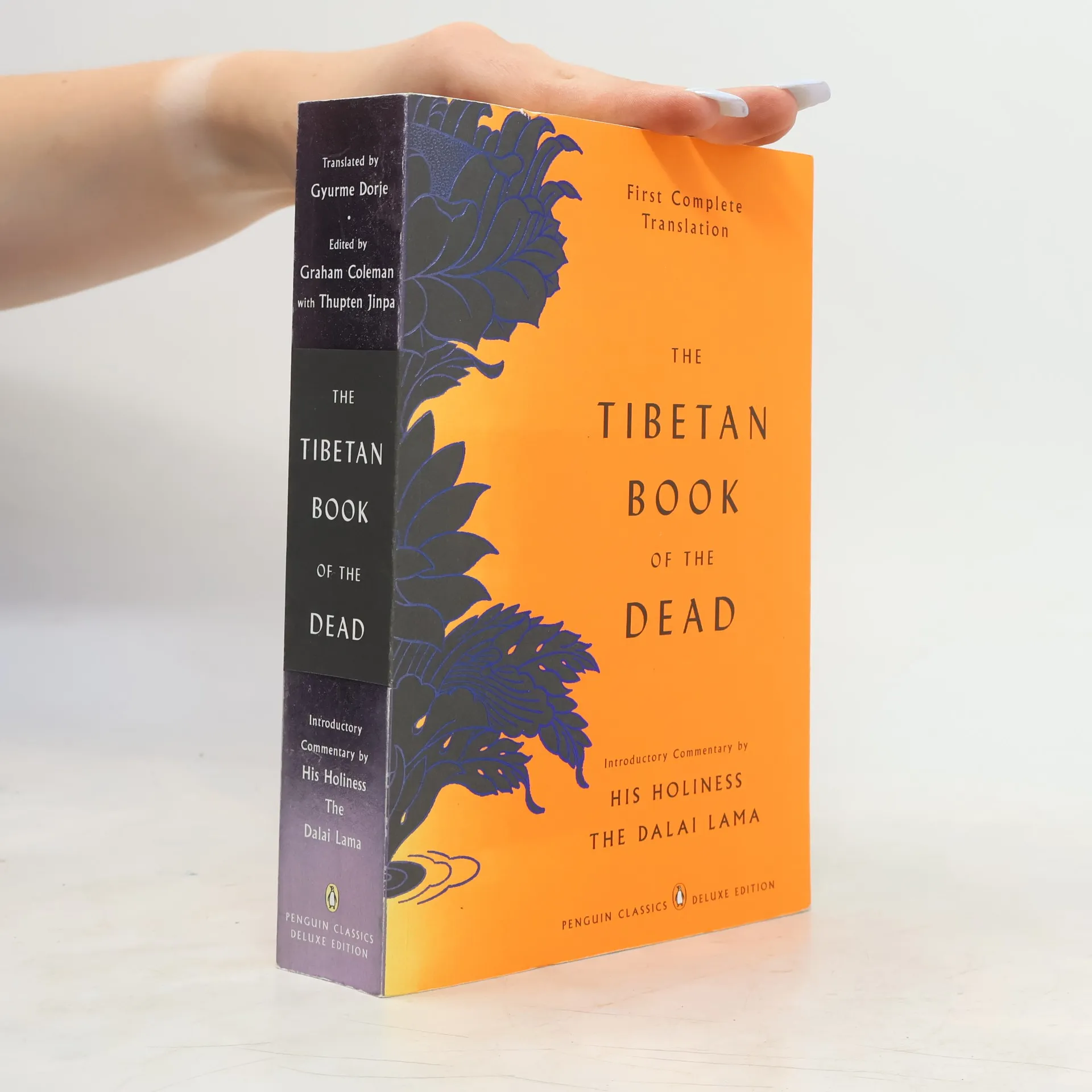
An unabridged translation of the essential Buddhist text, introduced by the Dalai Lama and translated with the support of leading contemporary Buddhist masters, seeks to preserve the insights and intentions of the original work. Reprint. 25,000 first printing.
The Essence of the Heart Sutra
- 192 stránok
- 7 hodin čítania
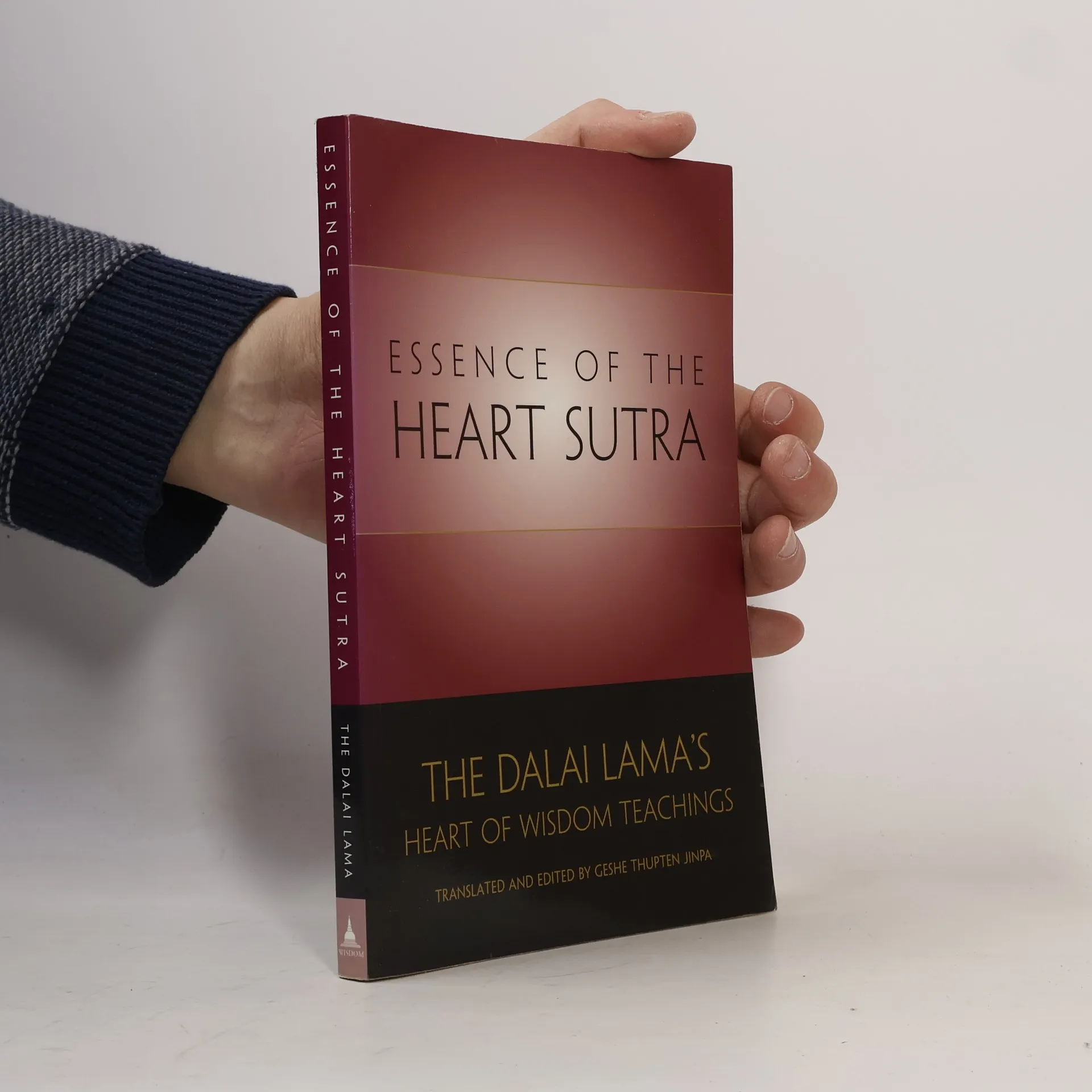
For more than two thousand years, the Heart Sutra has been part of the daily life of millions of Buddhists. This concise text, so rich and laden with meaning, concentrates the very heart of Buddhism into a powerful and evocative teaching on the interdependence of all reality.In Essence of the Heart Sutra , the Dalai Lama masterfully unpacks the Heart Sutra so that any reader can benefit from its teachings - teachings meant to help us release ourselves from suffering and live with true compassion. Comprised of his "Heart of Wisdom" talks, originally delivered to thousands of listeners in 2001, the book offers the Dalai Lama's commentary as well as his easy-to-follow overview of Buddhist philosophy that places the sutra within its historical and philosophical context. With additional contributions by scholar and translator Thupten Jinpa, Essence of the Heart Sutra is the authoritative presentation of a text seminal to the world's religious heritage.
Illuminating the Path to Enlightenment
- 209 stránok
- 8 hodin čítania
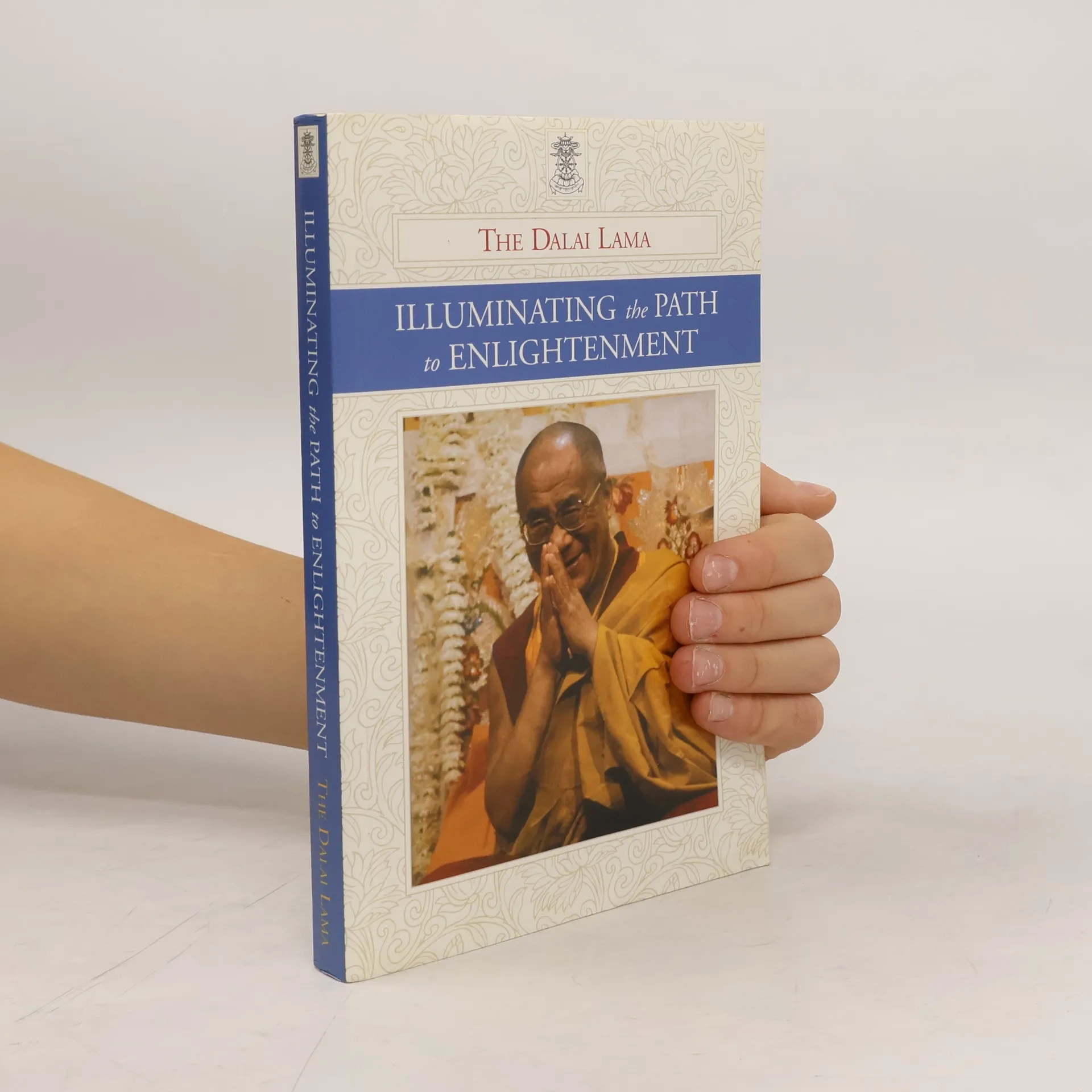
A commentary on Atisha Dipamkara Shrijnana's A lamp for the Path to Enlightenment and Lama Je Tsong Khapa's Lines of experience
Self, Reality and Reason in Tibetan Philosophy
Tsongkhapa's Quest for the Middle Way
- 264 stránok
- 10 hodin čítania
The book offers a contemporary reinterpretation of Tsongkhapa's Middle Way philosophy, highlighting its relevance and application in modern times. By reconstructing the ideas of this influential 14th-century Tibetan philosopher, it aims to make his teachings accessible to today's readers, emphasizing the philosophical depth and practical implications of his work.
Based on the Dalai Lama’s talks in London this ebook addresses the current difficulties facing humanity including: racial hatred, gender and environmental protection.Modern life is so full of confusion and suffering that people need the courage to face their anger and hatred, in order to transfrom their lives and relationships.This ebook describes in a clear and simple style how to live and die well and how to bring wisdom and compassion into our everyday lives.‘Genuine compassion is based on a clear acceptance or recognition that others, like oneself, want happiness and have the right to overcome suffering. On that basis one develops concern about the welfare of others, irrespective of one’s attitude to oneself. That is compassion.’The Dalai Lama