


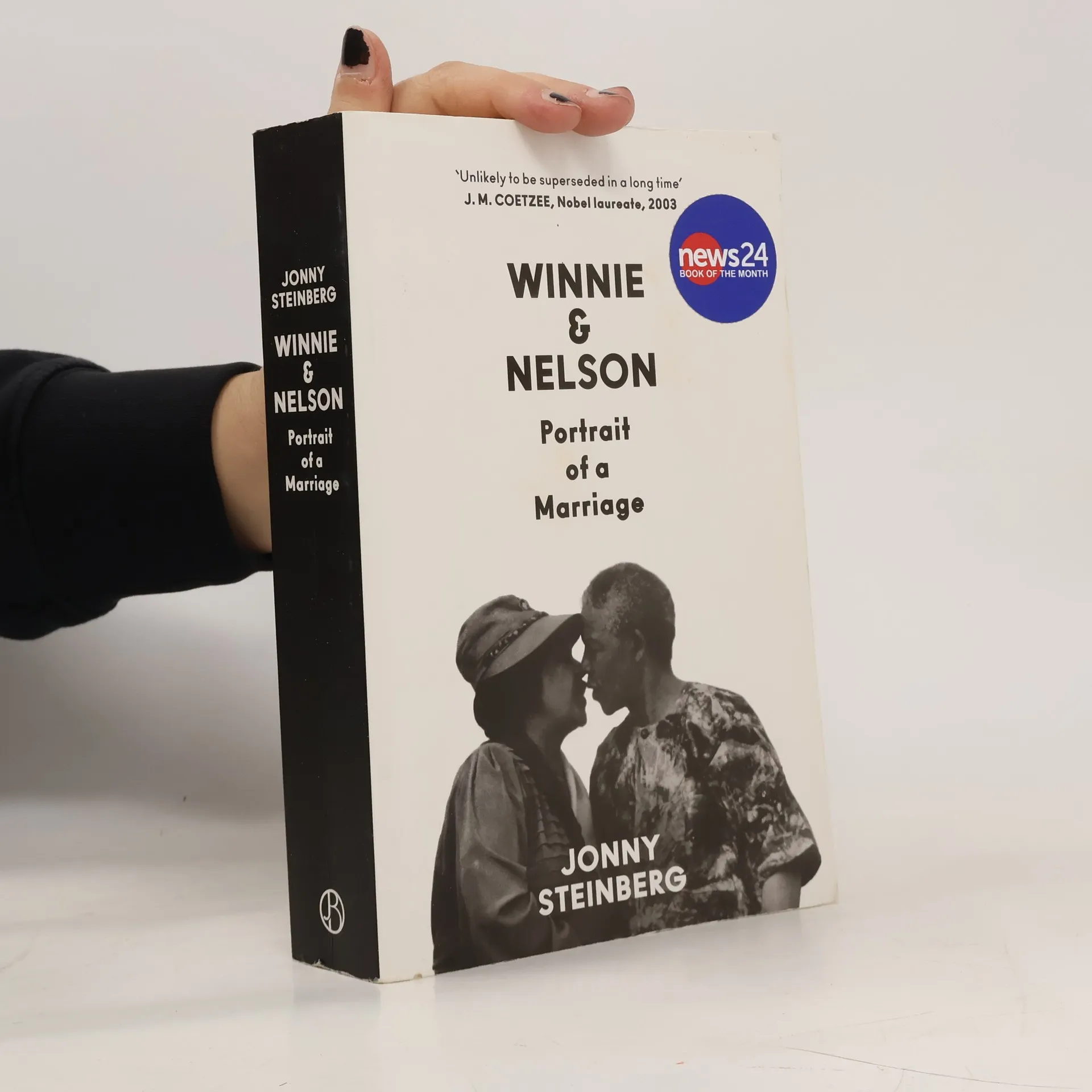
Winnie and Nelson
- 550 stránok
- 20 hodin čítania
From one of South Africa’s foremost nonfiction writers comes a deeply researched account of Nelson Mandela’s relationship with Winnie Madikizela-Mandela. Drawing on never-before-seen material, Steinberg uncovers the fractures and bonds at the heart of this volatile political marriage that unfolded on the world stage. While Mandela is a celebrated figure of the twentieth century, his marriage to Winnie has received less attention. During his imprisonment, Mandela idealized his wife, expressing his love in letters as if they were young lovers. In contrast, Winnie, a political equal, grew increasingly estranged from his views, secretly attempting to orchestrate an armed seizure of power, a move Mandela feared would lead to civil war. Steinberg narrates the complexities of their marriage—its longings, obsessions, and deceits—transforming South African history into a compelling political biography. This modern epic illustrates how trauma affected not only the couple but the entire nation, presenting a Shakespearean drama where love and commitment intertwine with profound questions of revolution. Steinberg reveals the lengths to which these entwined leaders would go for each other and where they ultimately drew the line, recognizing that their union was not merely a marriage but a contest over the future of the fight against apartheid.