The Kodansha Kanji Dictionary
- 2055 stránok
- 72 hodin čítania




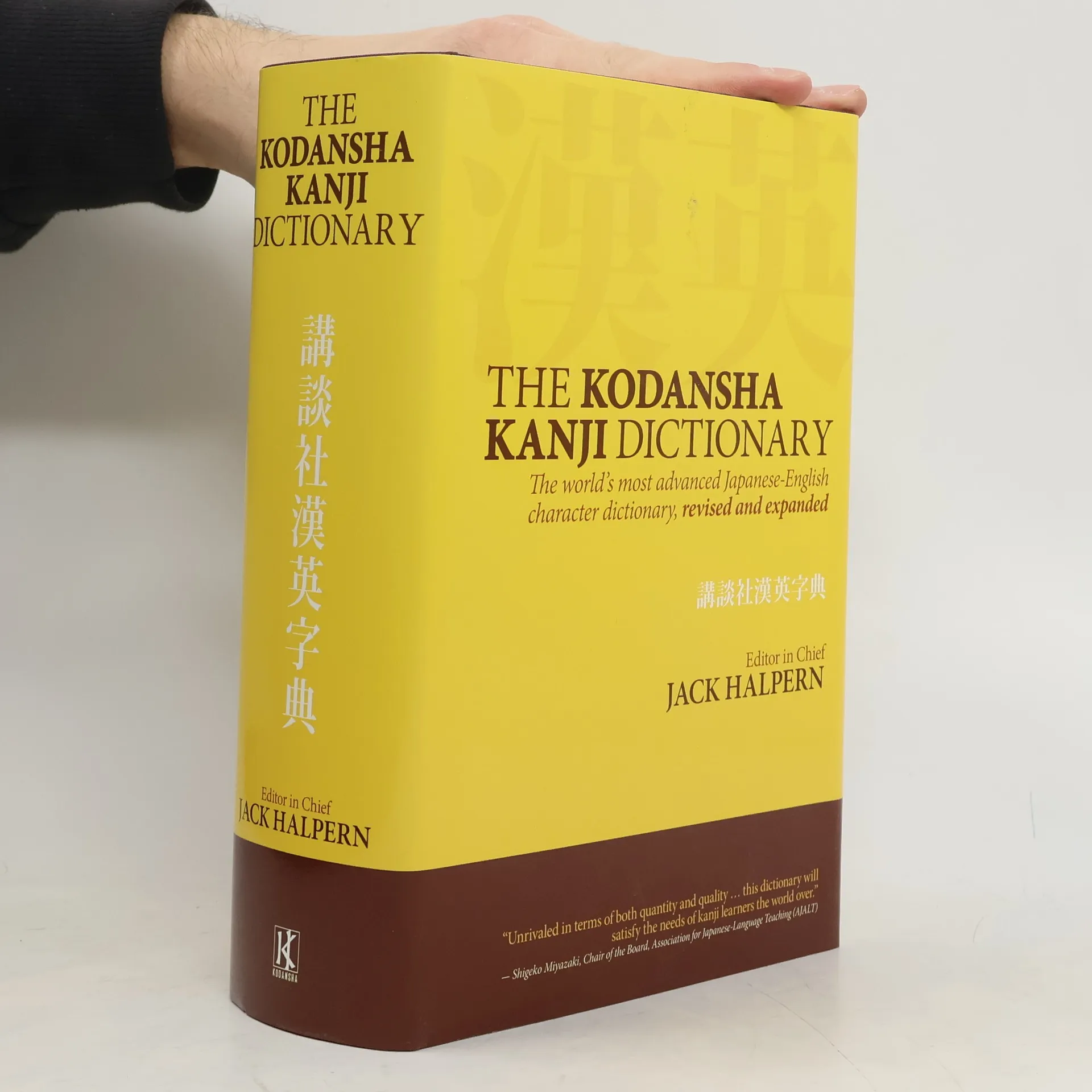
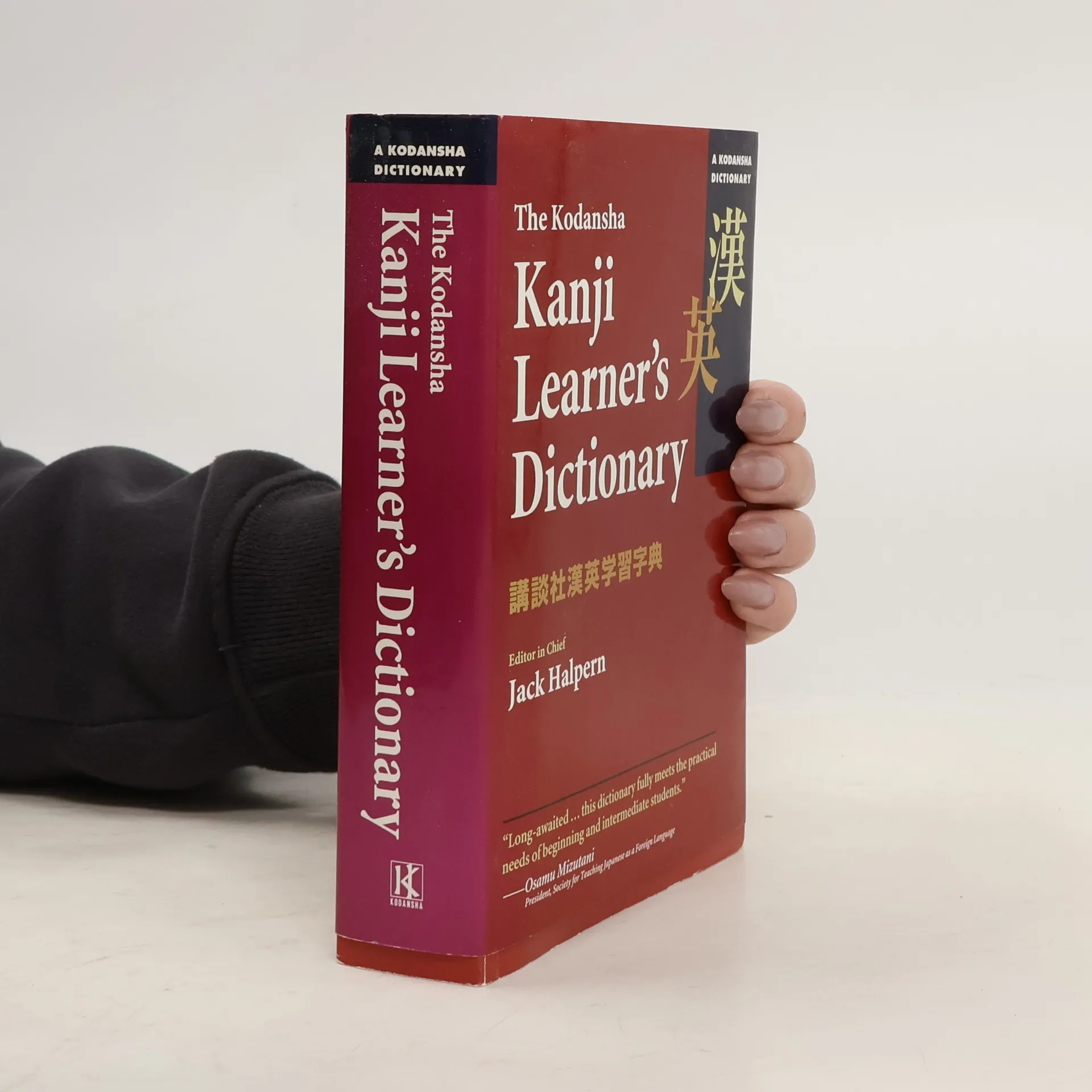
<em>The Kodansha Kanji Learner's Dictionary</em> answers the urgent need for an easy-to-use kanji dictionary compact enough to be easily carried around, yet detailed enough to satisfy the practical needs of the beginning and intermediate learner. Its basic goal is to give the learner a thorough understanding of kanji by providing instant access to a wealth of useful information on the meanings, readings, and compounds. Normally, the learner must memorize numerous compounds as unrelated units. A unique feature of this dictionary that overcomes this difficulty is the core meaning, a concise keyword that defines the dominant sense of each character, followed by detailed character meanings and numerous compounds that clearly show how thousands of building blocks are combined to form countless compound words. Another unique feature is the System of Kanji Indexing by Patterns (SKIP), an indexing system that enables the user to locate characters as quickly and as accurately as in alphabetical dictionaries. Modern linguistic theory has been effectively integrated with sophisticated information technology to produce the most useful kanji learner's dictionary ever compiled. For the first time, learners have at their fingertips a wealth of information that is linguistically accurate, easy to use, and carefully adapted to their practical needs. FEATURES o 2,230 entry characters, including all the kanji in the Joyo and Jinmei Kanji lists o 41,000 senses for 31,300 words and word elements show how each character contributes to the meanings of compounds o 1,200 homophones with core meanings explain differences between closely related characters o 386 variant forms used in prewar literature and in names o 1,945 stroke order diagrams show you how to write each kanji stroke by stroke o 7,200 character readings, including name readings o Over 2,000 cross-references and five appendixes give instant access to a mass of useful reference data
To read Japanese, students need to recognize over 2,000 kanji. This dictionary includes all these kanji and over 20,000 frequently used compounds formed from them. Unlike traditional kanji dictionaries, it is user-friendly, allowing for quicker and easier lookup using four patterns instead of 214. Kanji and their compounds are arranged by core meanings (highlighted in red), helping students understand the interrelation of individual kanji meanings and their compounds. This approach not only aids in finding English equivalents but also enhances comprehension of kanji functionality. Additionally, the dictionary offers various tools for students. There are five lookup methods, each serving a distinct purpose. Guides on the corners and margins of pages assist in locating specific kanji. Confusing kanji are cross-referenced for easy comparison. Stroke order is presented in sequential frames, and the frequency of each kanji's appearance in Japanese newspapers is noted. For digital users, JIS and Unicode numbers are also included, making this resource comprehensive and accessible for learners.