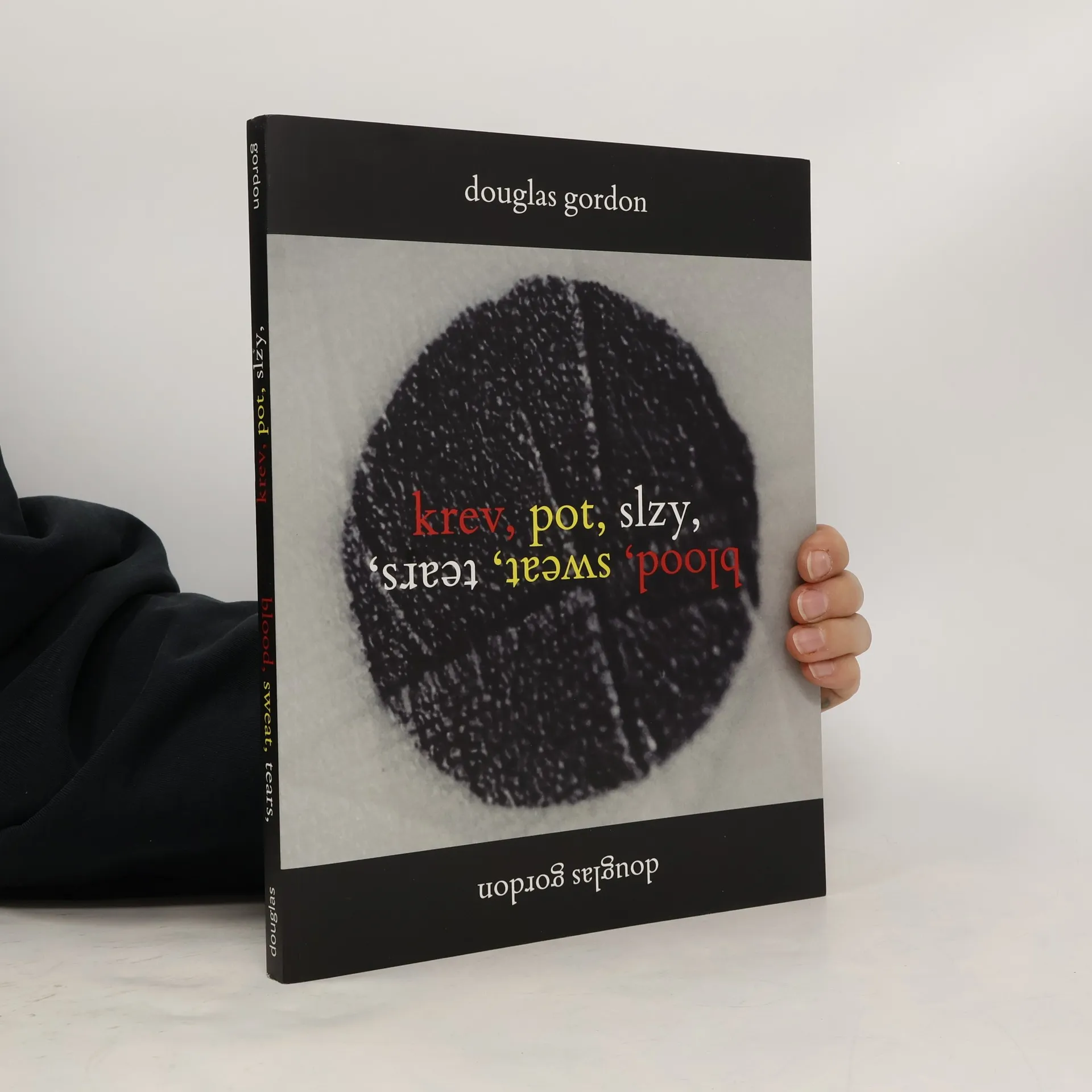
Douglas Gordon : krev, pot, slzy
- 142 stránok
- 5 hodin čítania


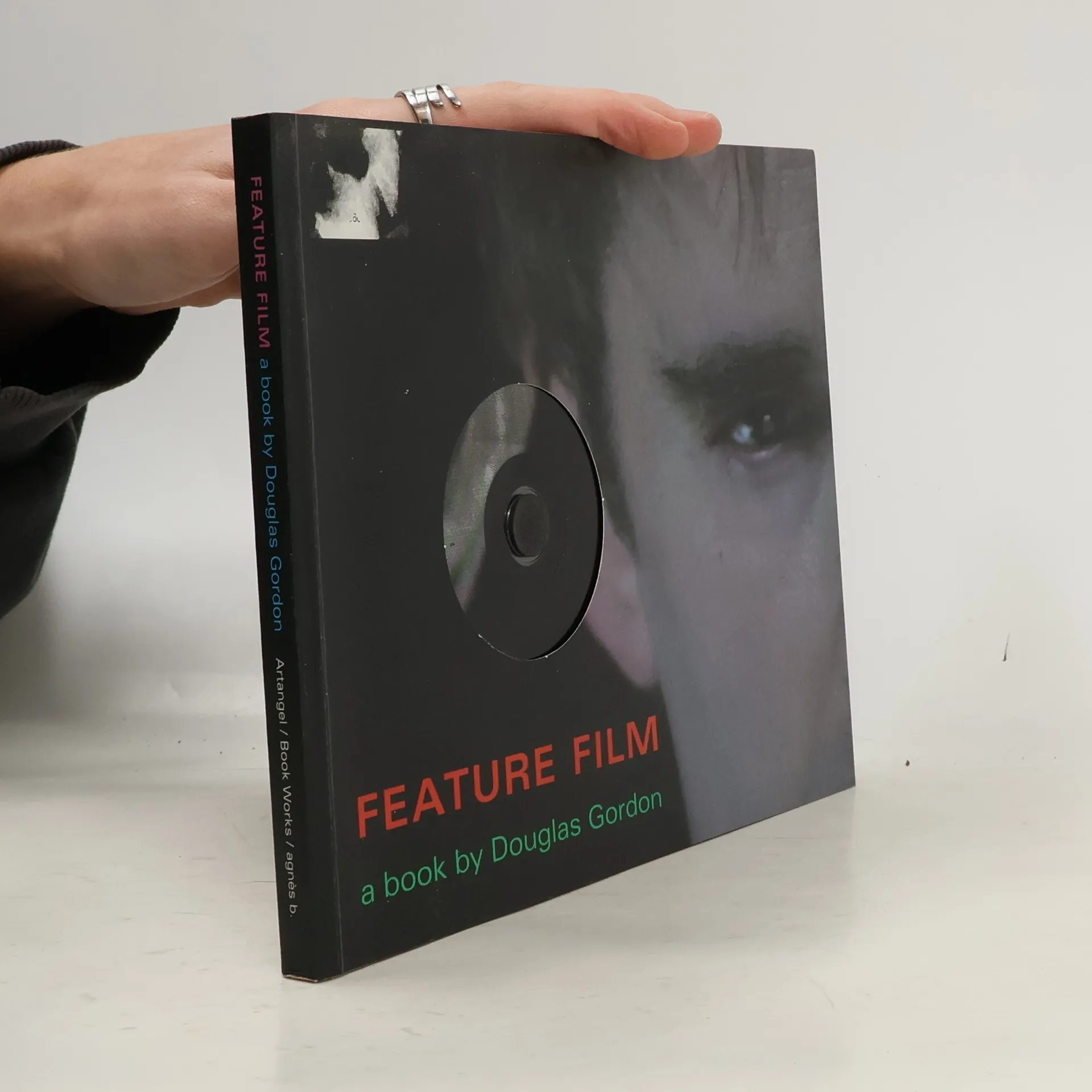
Following his extraordinary 24 Hour Psycho, Douglas Gordon's latest film, Feature Film, further explores Alfred Hitchcock's dramatic devices. Where 24 Hour Psycho considered the effect of Hitchcock's thriller if extended to 24 hours and devoid of sound, Feature Film examines Vertigo's intense, anxiety-inducing music if separated from its on-screen narrative. This book contains stills from Gordon's film of Paris Opera conductor James Conlon rehearsing Bernard Hermann's Vertigo score Focusing on Conlon's hands, arms, and facial expressions, the stills provide a fascinating look at the sweeping and subtle gestures that comprise his physical interpretation of Vertigo's musical accompaniment. This book also includes a CD of the music actually recorded during the filming, as well as a separate insert containing two essays with background information on the music, the composer, and Gordon's film work.
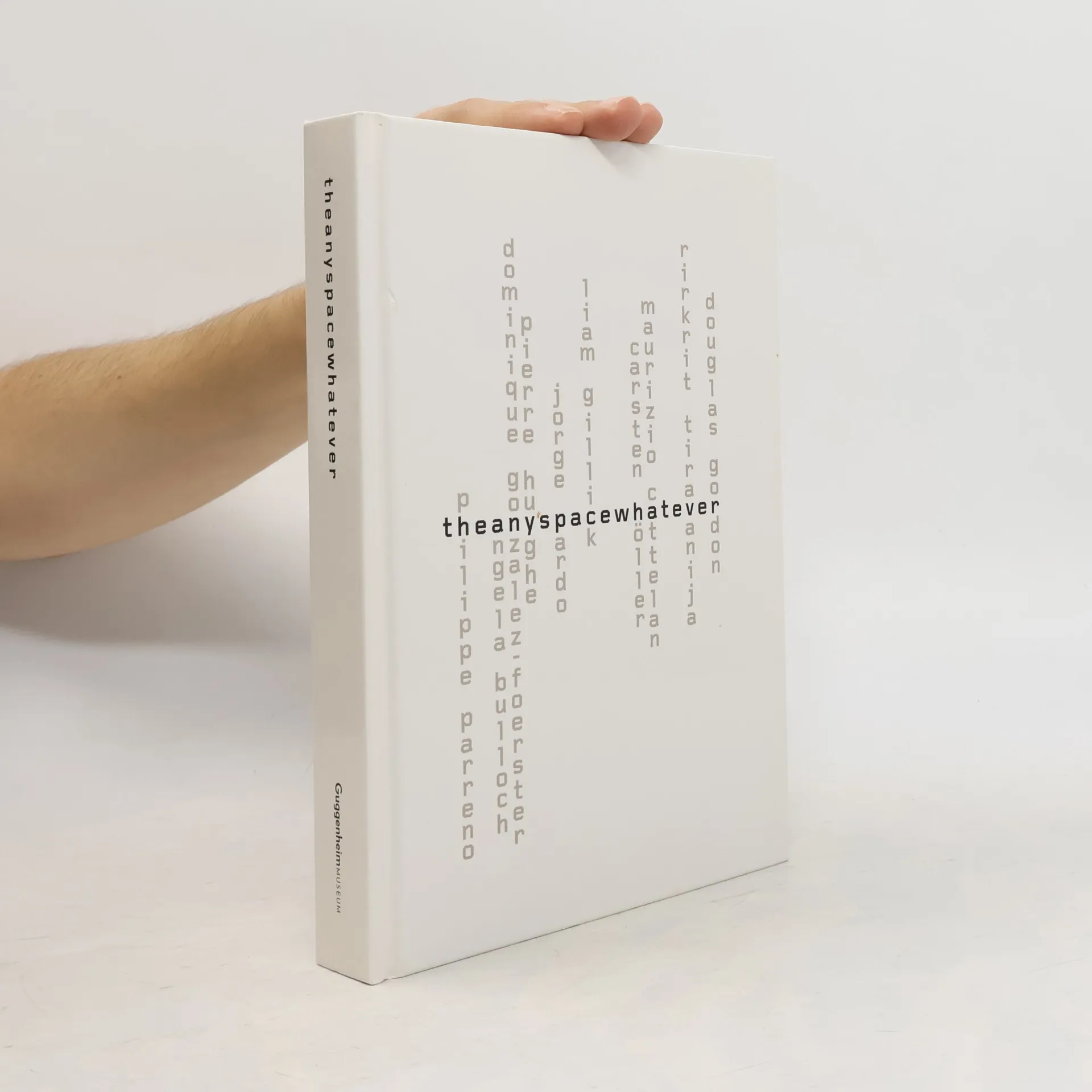
During the 1990s a number of artists claimed the exhibition as their medium. Working independently or in various collaborative constellations, they eschewed the individual object in favor of the exhibition environment as a dynamic arena, ever expanding its physical and temporal parameters. For these artists an exhibition can comprise a film, a novel, a shared meal, a social space, a performance or a journey. Their work engages directly with the vicissitudes of everyday life, offering subtle moments of transformation. This catalogue, which accompanies a major exhibition at the Solomon R. Guggenheim Museum, New York, is the first in the U.S. to examine the dynamic interchange among a core group of these artists--Angela Bulloch, Maurizio Cattelan, Liam Gillick, Dominique Gonzalez-Foerster, Douglas Gordon, Carsten Höller, Pierre Huyghe, Jorge Pardo, Philippe Parreno and Rirkrit Tiravanija--a many-sided conversation that helped shape the cultural landscape of the 1990s and beyond.
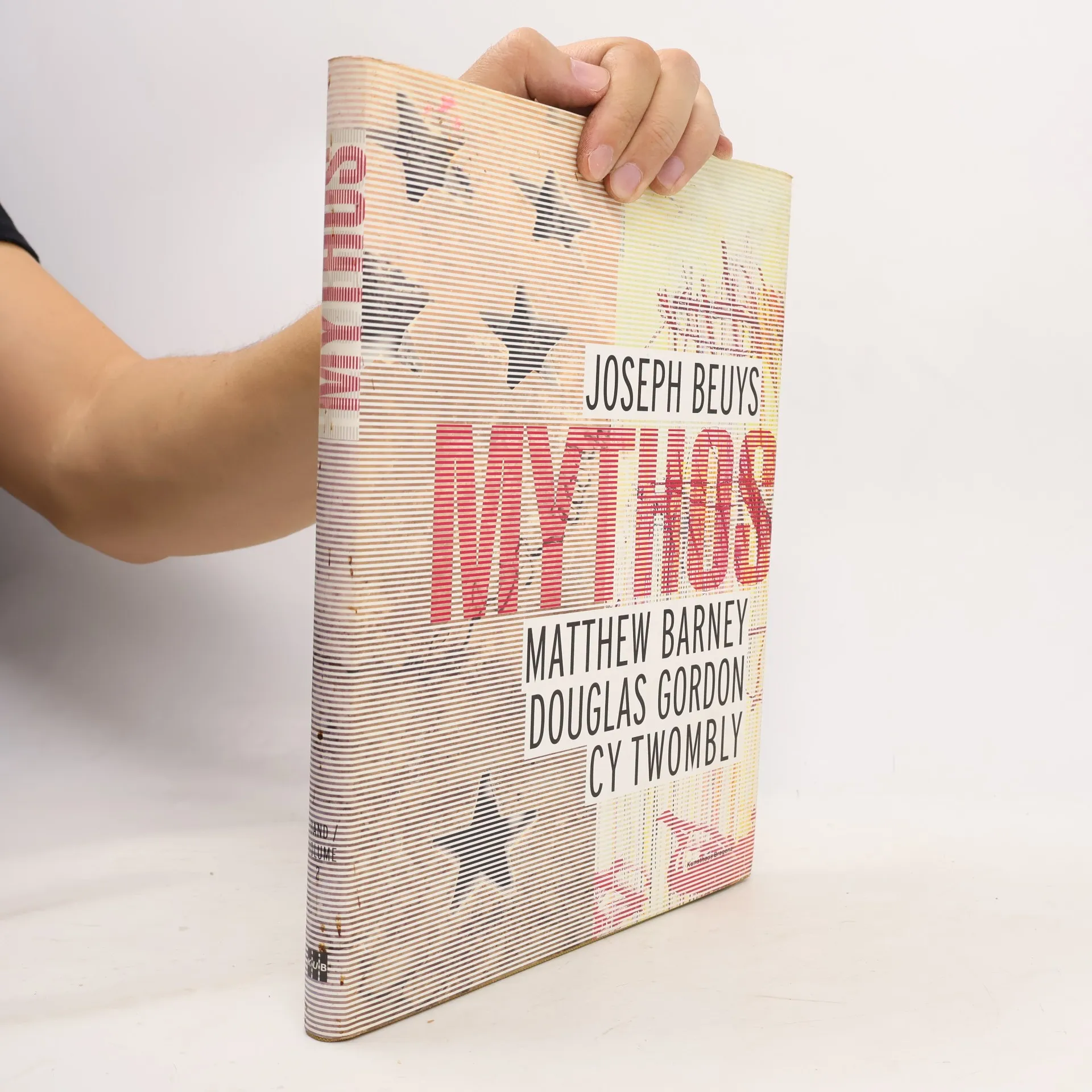
Als Marcel Duchamp 1913/14 seine Ready-Mades erfand, ahnte niemand, welchen Einfluss dies auf die zeitgenössische Kunst haben würde. Reale Gegenstände auf dem „leeren Thron“ der künstlerischen Schöpfung stellten die Rolle des Künstlers und die Bedingungen des Kunsturteils in Frage. Der Band „Re-Object“ präsentiert Marcel Duchamp sowie Gerhard Merz, Damien Hirst und Jeff Koons, die sich markant mit diesem Thema auseinandersetzen. Im Gegensatz dazu beleuchtet der Band „Mythos“ die Werke von Douglas Gordon, Matthew Barney und Cy Twombly in Verbindung mit Joseph Beuys. Jeder Band enthält zwei Essays, die das Thema aus historischer Perspektive und im Kontext zeitgenössischer Kunstentwicklungen einführen. „Re-Object“ zeigt aktuelle Positionen, bei denen das Objekt sowohl Ausgangspunkt als auch Fokus ist, während „Mythos“ eine verwandte, jedoch entgegengesetzte künstlerische Strategie präsentiert. Die Kataloge sind reich illustriert mit Fotos der Werke und großen Bildern der Installationen im Kunsthaus Bregenz. Sie dokumentieren, wie die ausgewählten Künstler den Themen „Objekt“ oder „Mythos“ zugeordnet werden können. Biografien sowie Ausstellungs- und Bibliografien runden die Erkundung zweier bedeutender Strömungen der Kunst des 20. Jahrhunderts ab.
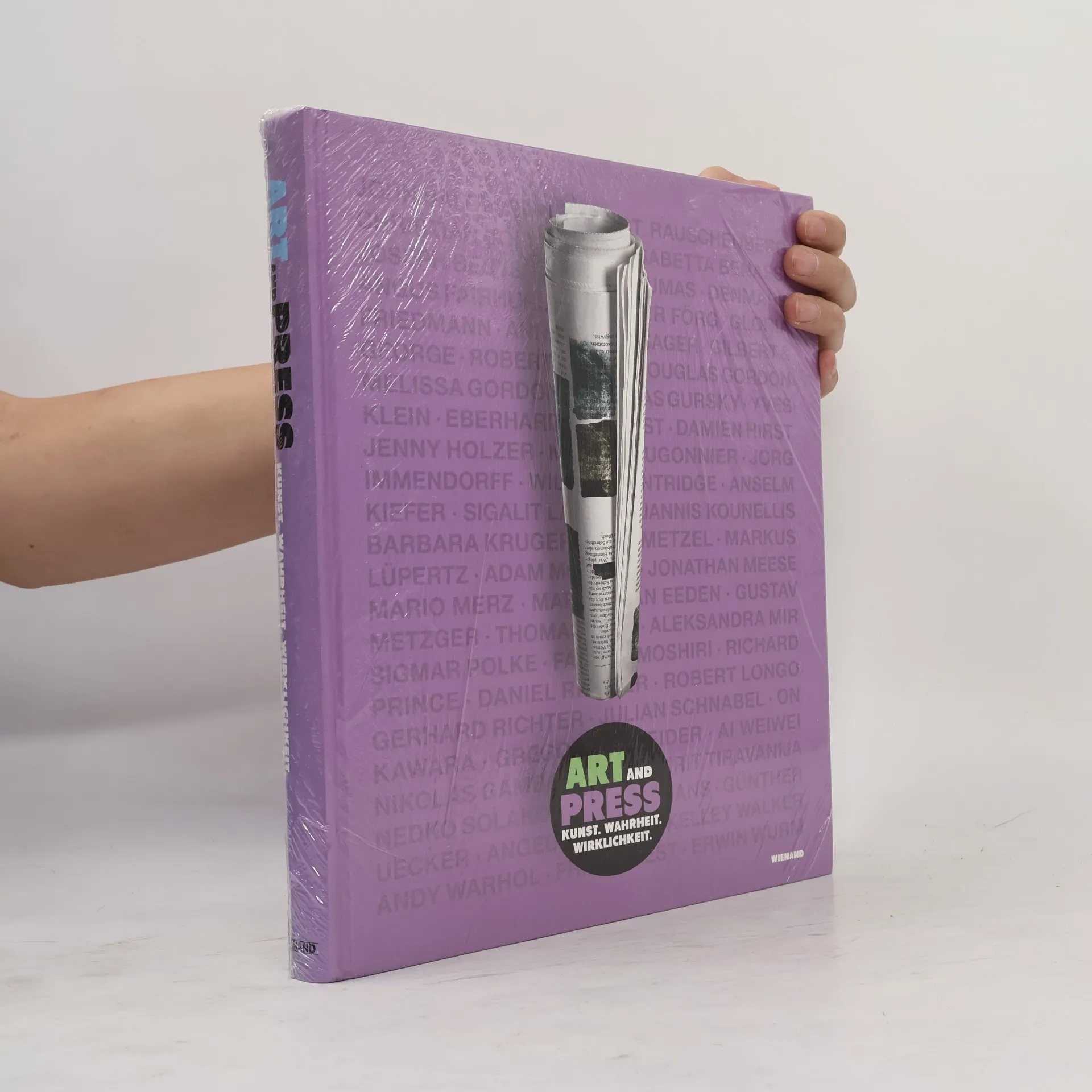
Was verbindet Presse und Bildende Kunst? Wie beeinflusst die Zeitung unsere Gesellschaft? Wie gehen Künstler mit diesem Medium um? Und welche gegenseitige Einflussname existiert zwischen Kunst und Zeitung? Auf diese spannenden Fragen gibt der opulente Band „Art and Press“ ausführliche Antworten. Bildreich und detailgenau beleuchtet der Katalog die faszinierenden Positionen von namhaften Gegenwartskünstlern wie Christian Boltanski, Andreas Gursky, Eberhard Havekost, Anselm Kiefer, Barbara Kruger, Rirkrit Tiranvanija, Daniel Richter, Gerhard Richter, Franz West und vielen anderen. Ein historischer Überblick bis ins frühe 19. Jahrhundert – zu sehen sind Werke von Honoré Daumier, Paul Cézanne, Pablo Picasso, Max Beckmann und anderen – rundet das bis heute aktuelle Thema gelungen ab.
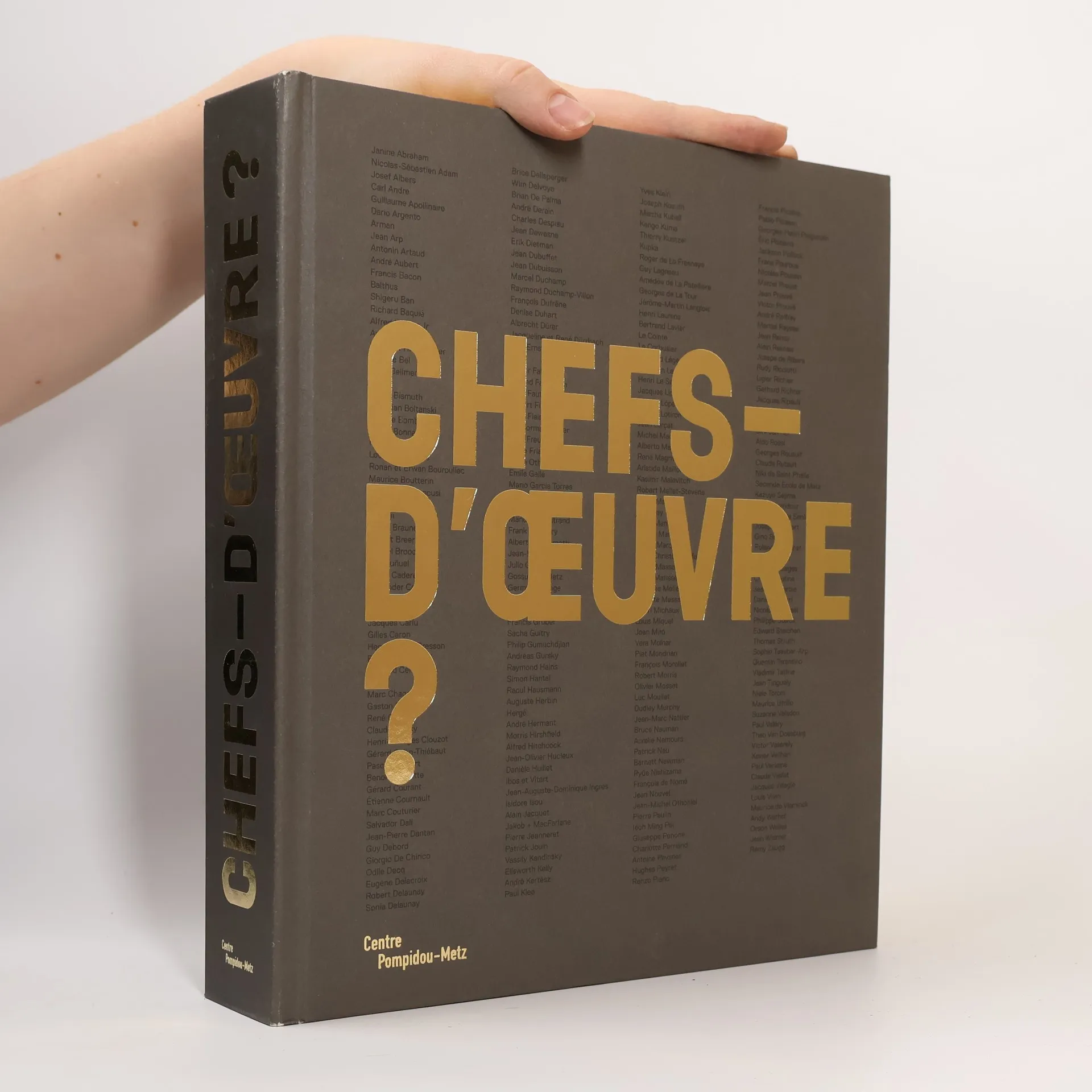
Chefs d'uvre L'exposition d'ouverture du centre Pompidou-Metz.