
Do Vianoc stíhaš objednať ešte 6 dní a 11 hodín.
Bookbot

Susan Dunn

    Susan Dunnová je profesorkou literatúry a histórie myšlienok na Williams College. Jej práca sa ponára do zložitých intelektuálnych a politických prúdov, ktoré formovali moderný svet. Zameriava sa na analýzu kľúčových momentov v histórii myslenia, ktoré odhaľujú hlbšie pravdy o ľudskej povahe a spoločnosti. Jej štýl písania je precízny a prenikavý, čím sprístupňuje komplexné témy širšiemu publiku.

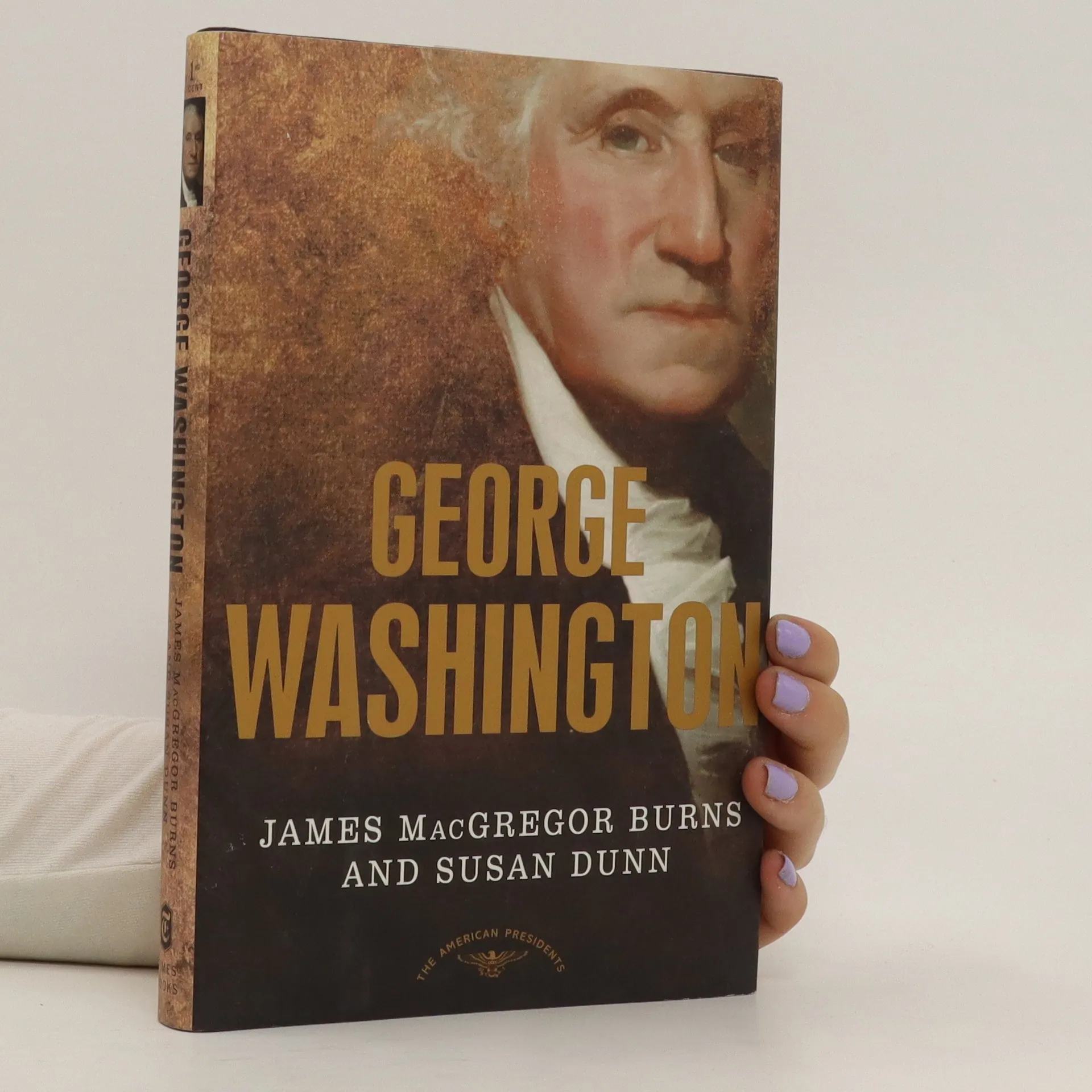
    George Washington
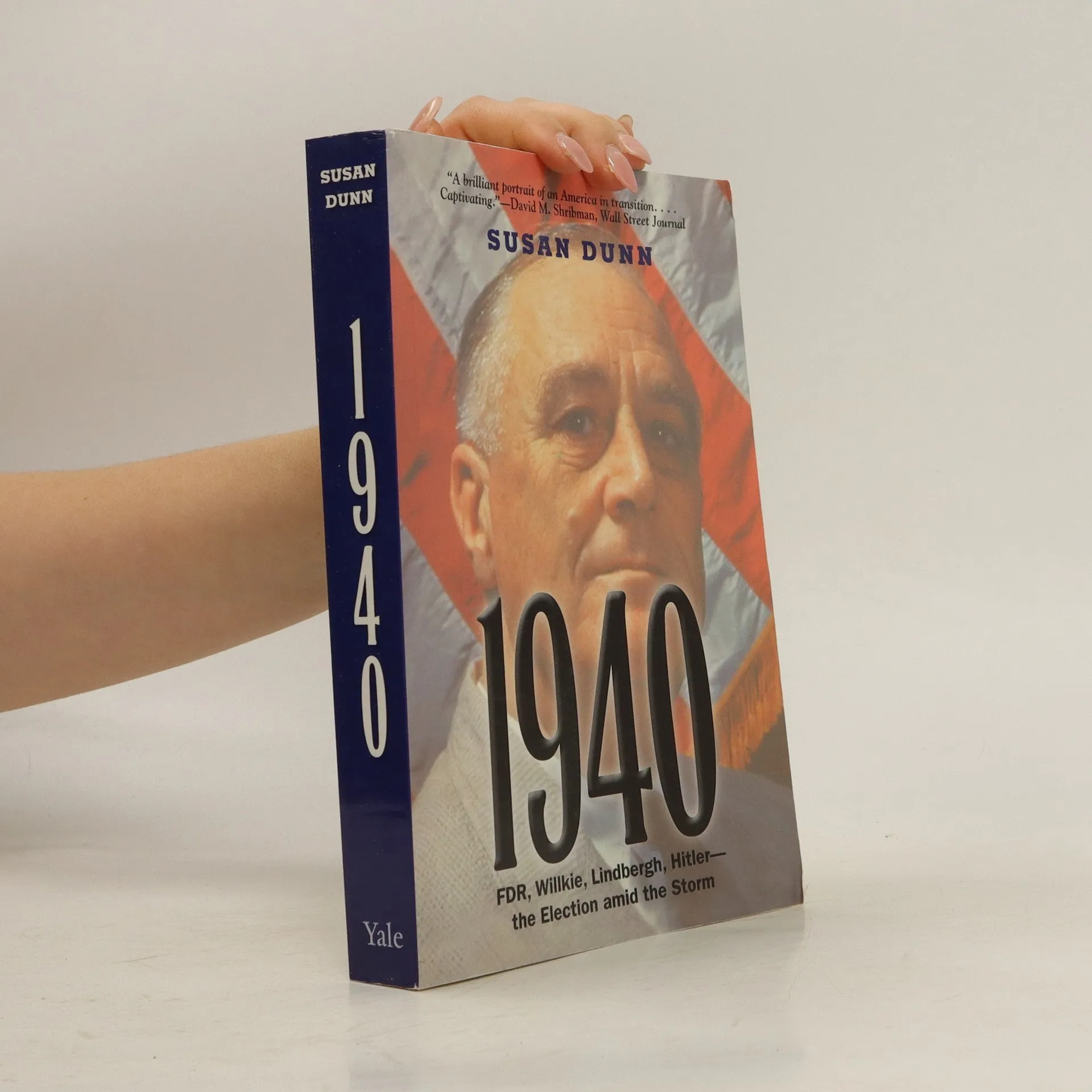
    1940
    • 1940

      • 432 stránok
      • 16 hodin čítania

      The spellbinding story of the Roosevelt-Willkie election season, when bitterly divided Americans debated the fate of the nation and the world In 1940, against the explosive backdrop of the Nazi onslaught in Europe, two farsighted candidates for the U.S. presidency--Democrat Franklin D. Roosevelt, running for an unprecedented third term, and talented Republican businessman Wendell Willkie--found themselves on the defensive against American isolationists and their charismatic spokesman Charles Lindbergh, who called for surrender to Hitler's demands. In this dramatic account of that turbulent and consequential election, historian Susan Dunn brings to life the debates, the high-powered players, and the dawning awareness of the Nazi threat as the presidential candidates engaged in their own battle for supremacy. 1940 not only explores the contest between FDR and Willkie but also examines the key preparations for war that went forward, even in the midst of that divisive election season. The book tells an inspiring story of the triumph of American democracy in a world reeling from fascist barbarism, and it offers a compelling alternative scenario to today's hyperpartisan political arena, where common ground seems unattainable.

      1940
    • A premier leadership scholar and an eighteenth-century expert define the special contributions and qualifications of our first presidentRevolutionary hero, founding president, and first citizen of the young republic, George Washington was the most illustrious public man of his time, a man whose image today is the result of the careful grooming of his public persona to include the themes of character, self-sacrifice, and destiny.As Washington sought to interpret the Constitution's assignment of powers to the executive branch and to establish precedent for future leaders, he relied on his key advisers and looked to form consensus as the guiding principle of government. His is a legacy of a successful experiment in collective leadership, great initiatives in establishing a strong executive branch, and the formulation of innovative and lasting economic and foreign policies. James MacGregor Burns and Susan Dunn also trace the arc of Washington's increasing dissatisfaction with public life and the seeds of dissent and political parties that, ironically, grew from his insistence on consensus. In this compelling and balanced biography, Burns and Dunn give us a rich portrait of the man behind the carefully crafted mythology.

      George Washington