James S. Ackerman bol popredným bádateľom v oblasti dejín umenia, ktorý sa preslávil svojimi hlbokými analýzami talianskej renesančnej architektúry. Jeho práca sa vyznačovala precíznym skúmaním foriem a ideológií v architektúre, najmä so zameraním na vzťah medzi priestorom a jeho kultúrnym významom. Ackermanova schopnosť prepojiť detailný architektonický rozbor s širšími historickými a filozofickými kontextami z neho robí mimoriadne vplyvného teoretika umenia. Jeho diela naďalej inšpirujú bádateľov aj milovníkov umenia, ktorí sa zaujímajú o pochopenie vývoja európskej architektúry a jej ideového pozadia.
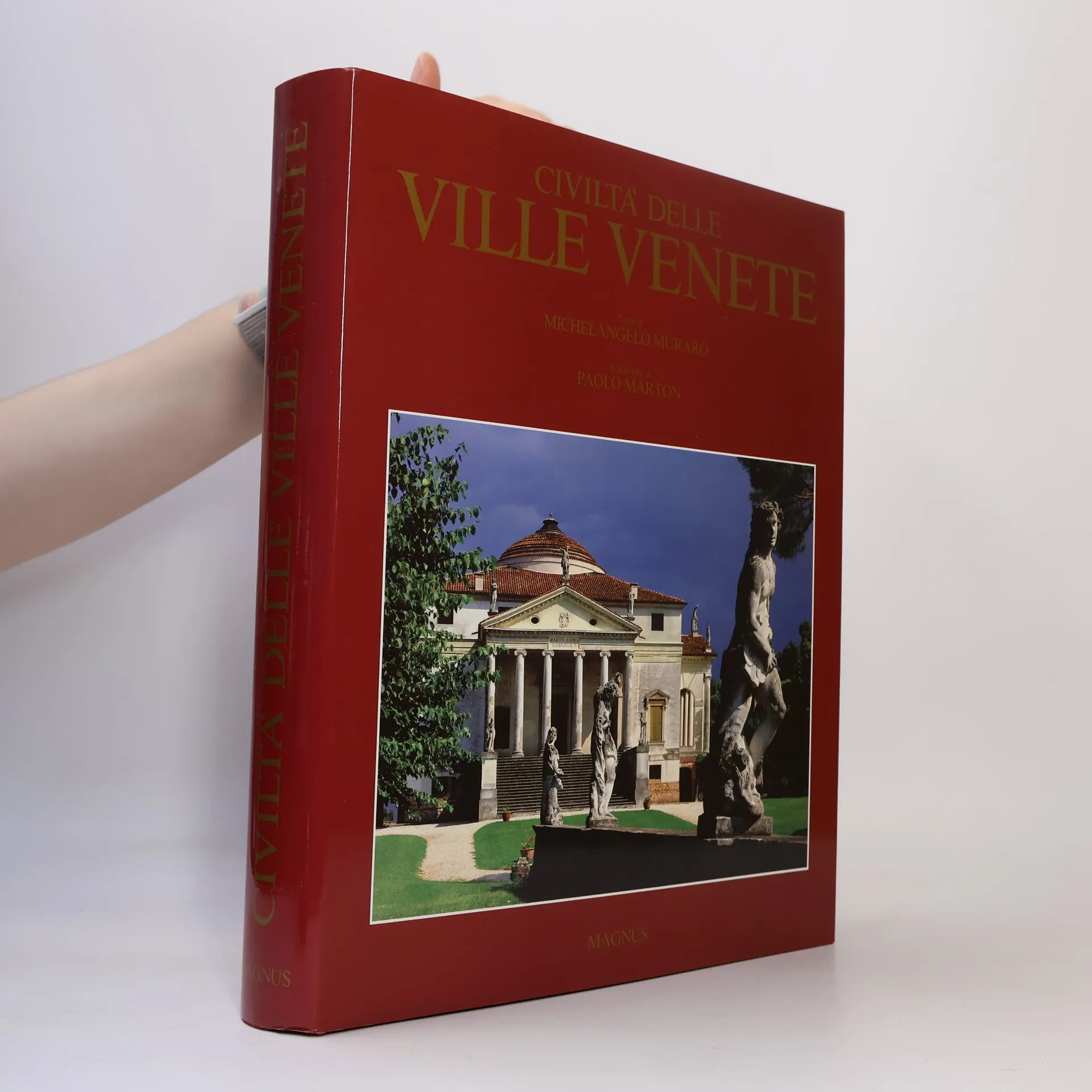
Il volume indaga il fenomeno "villa" nella varietà delle sue componenti storiche, artistiche e di costume simbolo della mentalità e della storia della regione Veneto. Il libro riccamente illustrato ed in edizione cofanetto, raccoglie anche una raccolta di stemmi nobiliari delle famiglie patrizie venete.
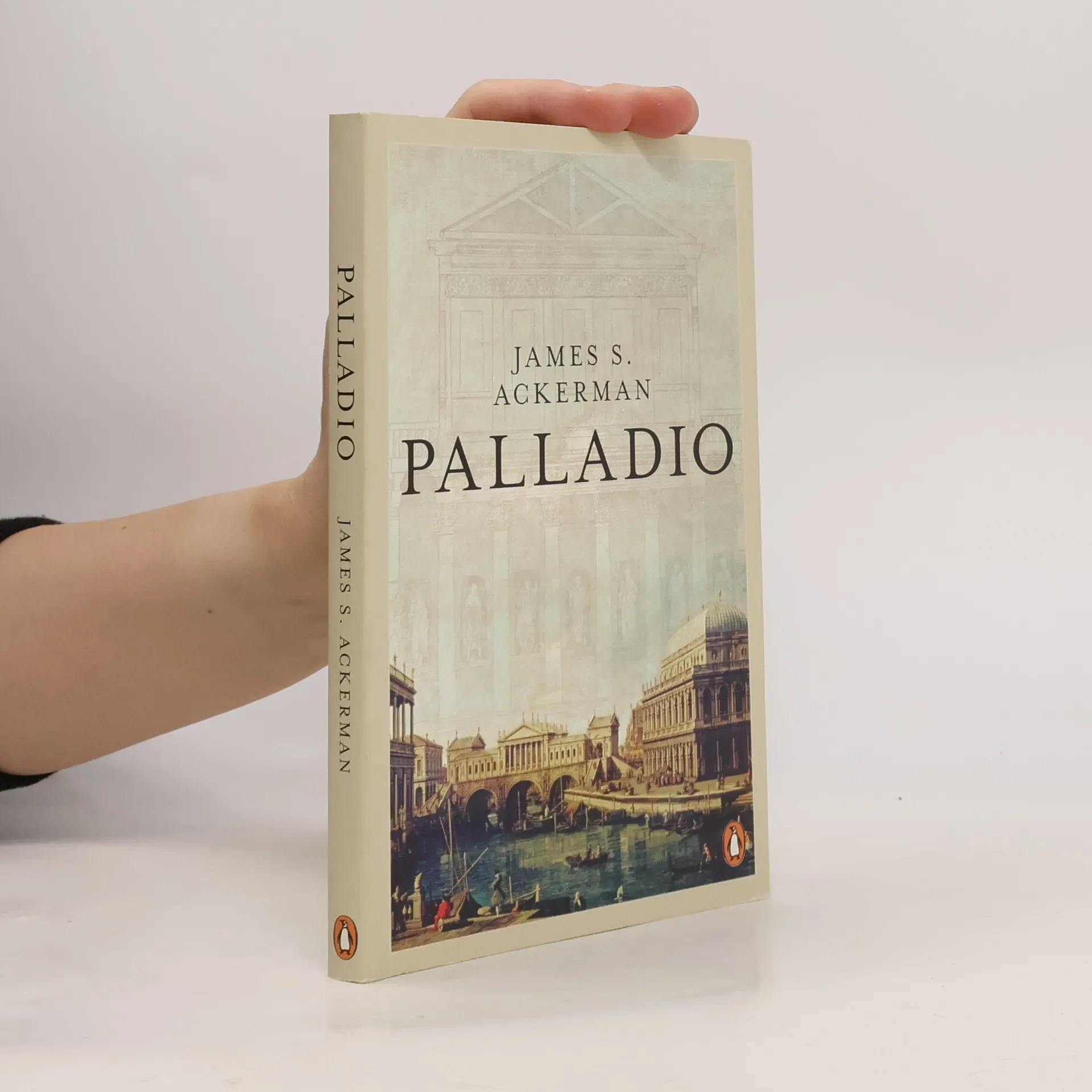
Palladio (1508-80) combined classical restraint with constant inventiveness.
In this study, Professor Ackerman sets Palladio in the context of his age -
the Humanist era of Michelangelo and Raphael, Titian and Veronese - and
examines each of the villas, churches and palaces in turn.
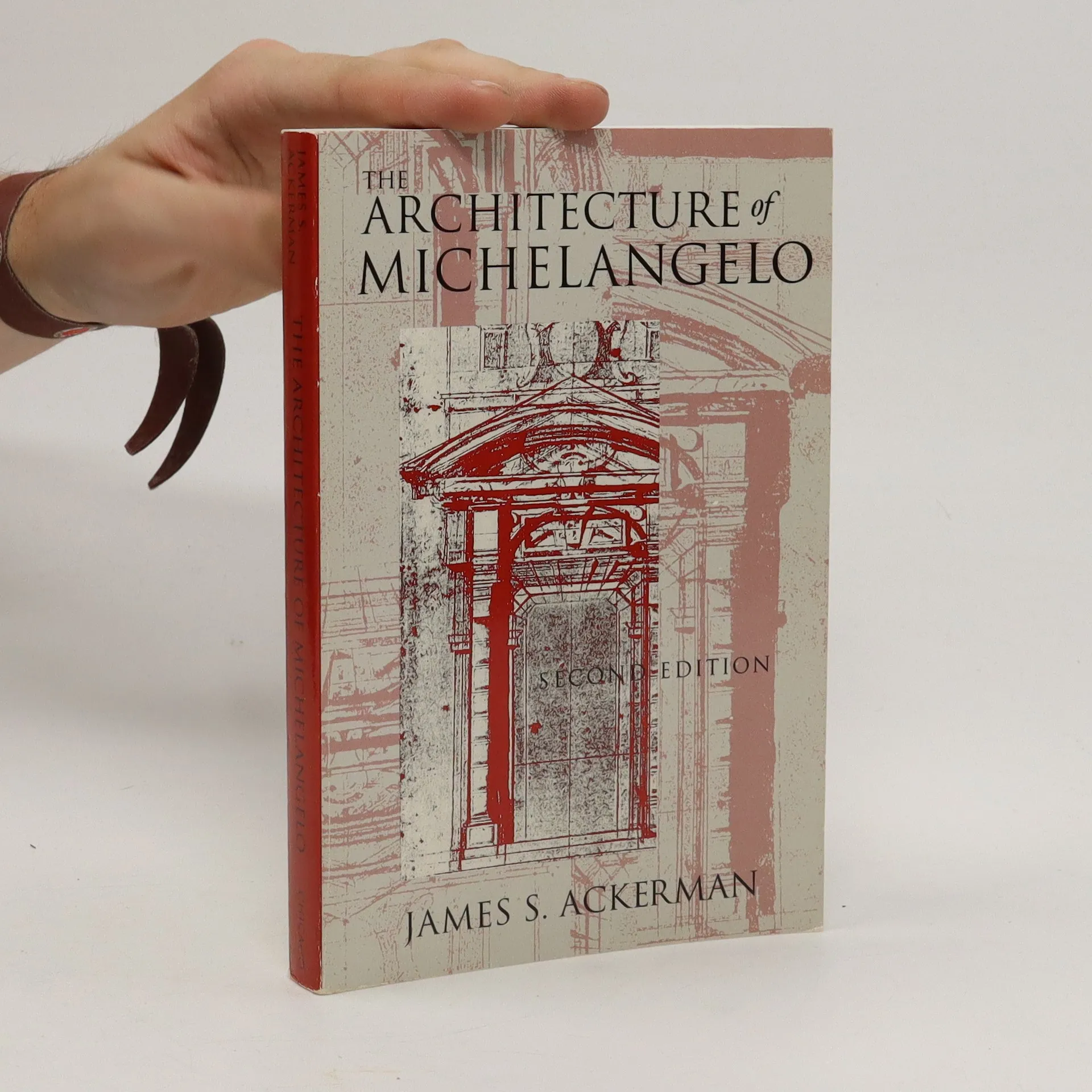
In this widely acclaimed work, James Ackerman considers in detail the buildings designed by Michelangelo in Florence and Rome—including the Medici Chapel, the Farnese Palace, the Basilica of St. Peter, and the Capitoline Hill. He then turns to an examination of the artist's architectural drawings, theory, and practice. As Ackerman points out, Michelangelo worked on many projects started or completed by other architects. Consequently this study provides insights into the achievements of the whole profession during the sixteenth century. The text is supplemented with 140 black-and-white illustrations and is followed by a scholarly catalog of Michelangelo's buildings that discusses chronology, authorship, and condition. For this second edition, Ackerman has made extensive revisions in the catalog to encompass new material that has been published on the subject since 1970.