

This work provides a comprehensive examination of World War II's effects on Indigenous societies, utilizing historical and ethnographic sources. It highlights how these communities emerged from wartime trauma with social structures and cultural ideas that have influenced their roles in contemporary global politics. By centering Indigenous voices and agency, the analysis reveals the diverse wartime experiences of these groups, linking the study to comparative history, Indigenous studies, and anthropology. Indigenous peoples, often on the margins of Allied and Axis powers, participated in various capacities—as soldiers, scouts, laborers, and victims—shaped by complex questions of loyalty and citizenship. Their combat roles varied, from integration into national armies to service in ethnic units, leveraging local knowledge that influenced military outcomes. The war's impact extended beyond the front lines, affecting Indigenous civilians through bombing, displacement, and economic disruption. As empires dissolved, Indigenous individuals in newly independent nations sought autonomy, while veterans faced ongoing racism at home. National governments misinterpreted military service as a desire for assimilation, yet wartime experiences reinforced many communities' dedication to their cultures and spurred activism. By the century's end, Indigenous rights emerged as a significant political force, advocating for local self-determination a
Lin Poyer Poradie kníh (chronologicky)

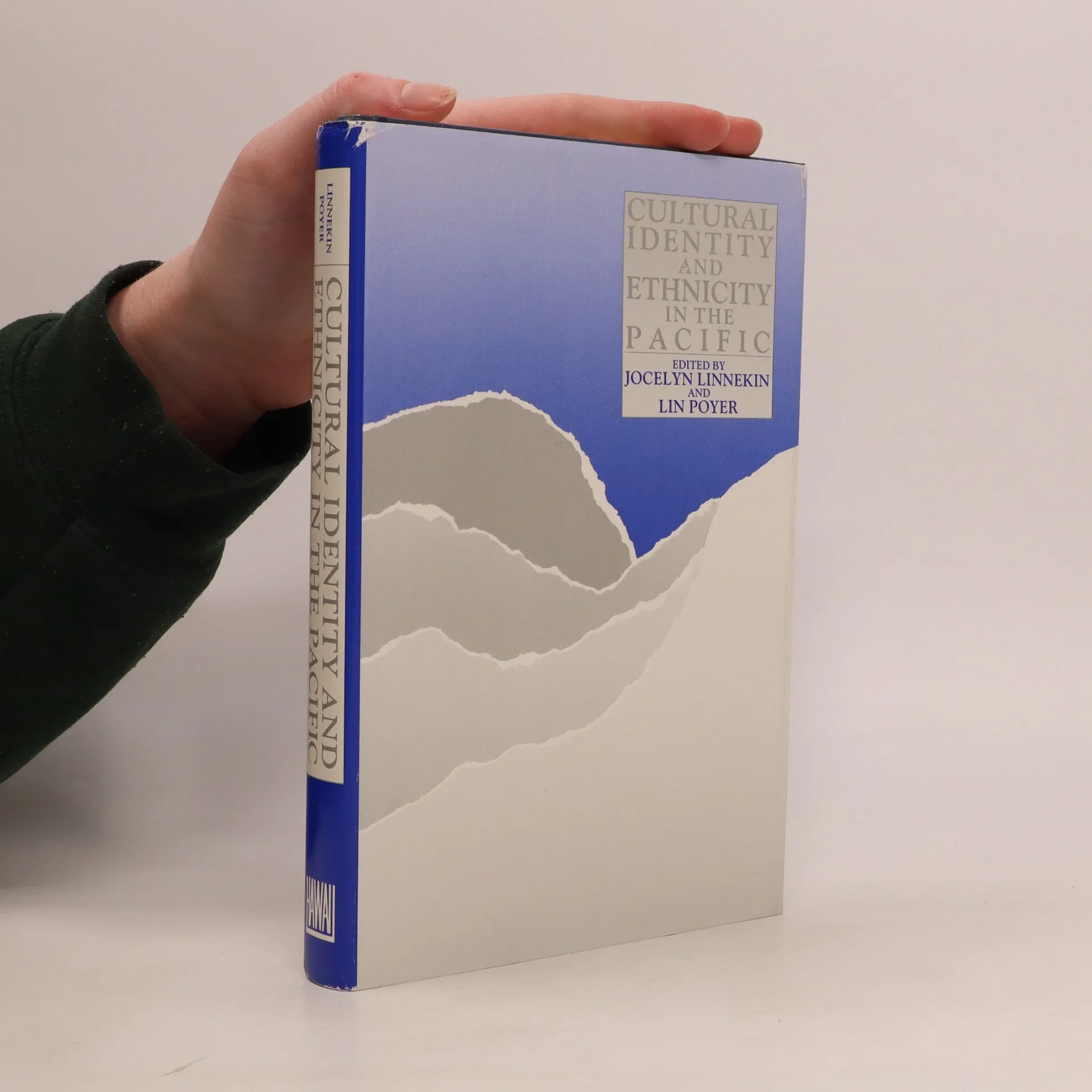
Cultural Identity and Ethnicity in the Pacific
- 323 stránok
- 12 hodin čítania