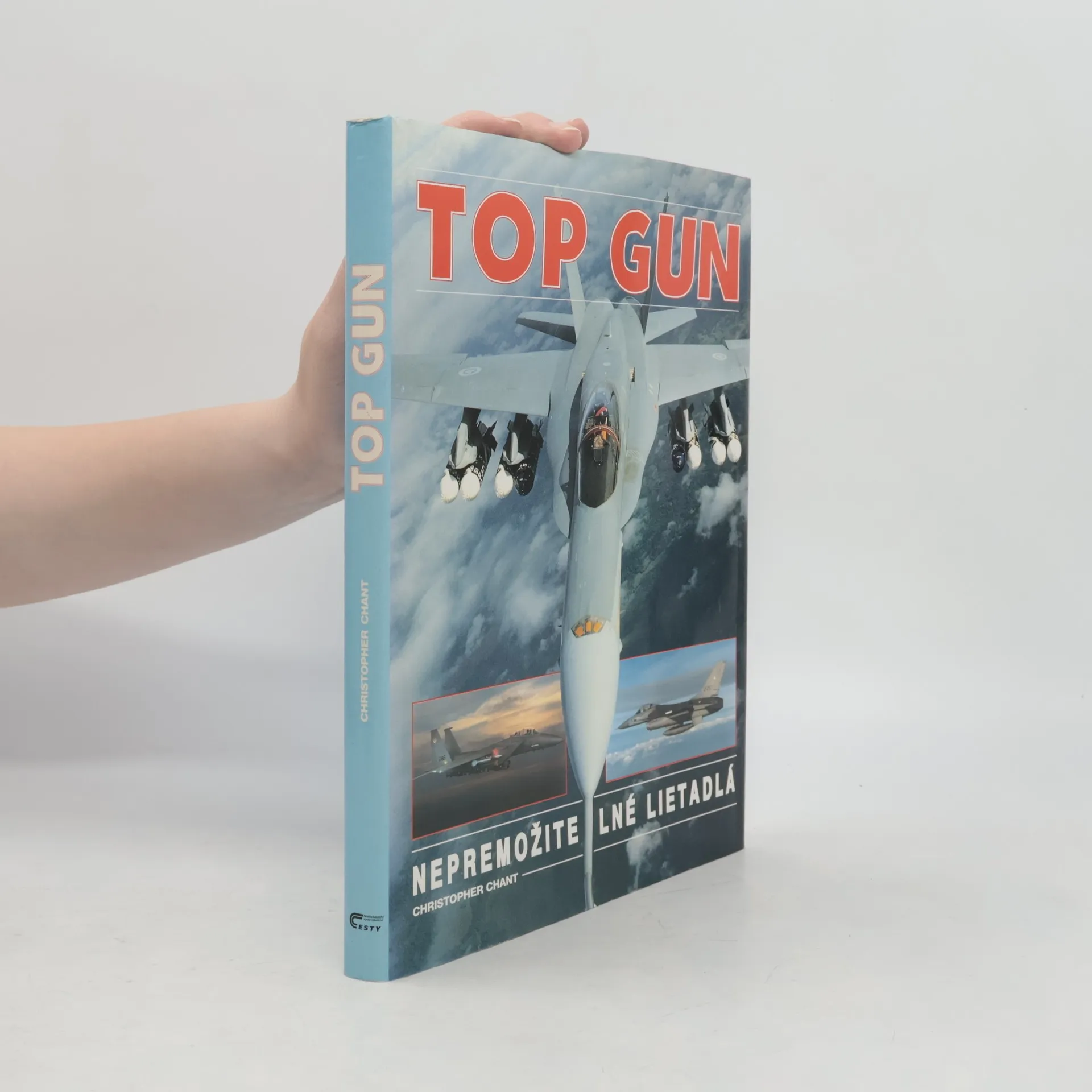
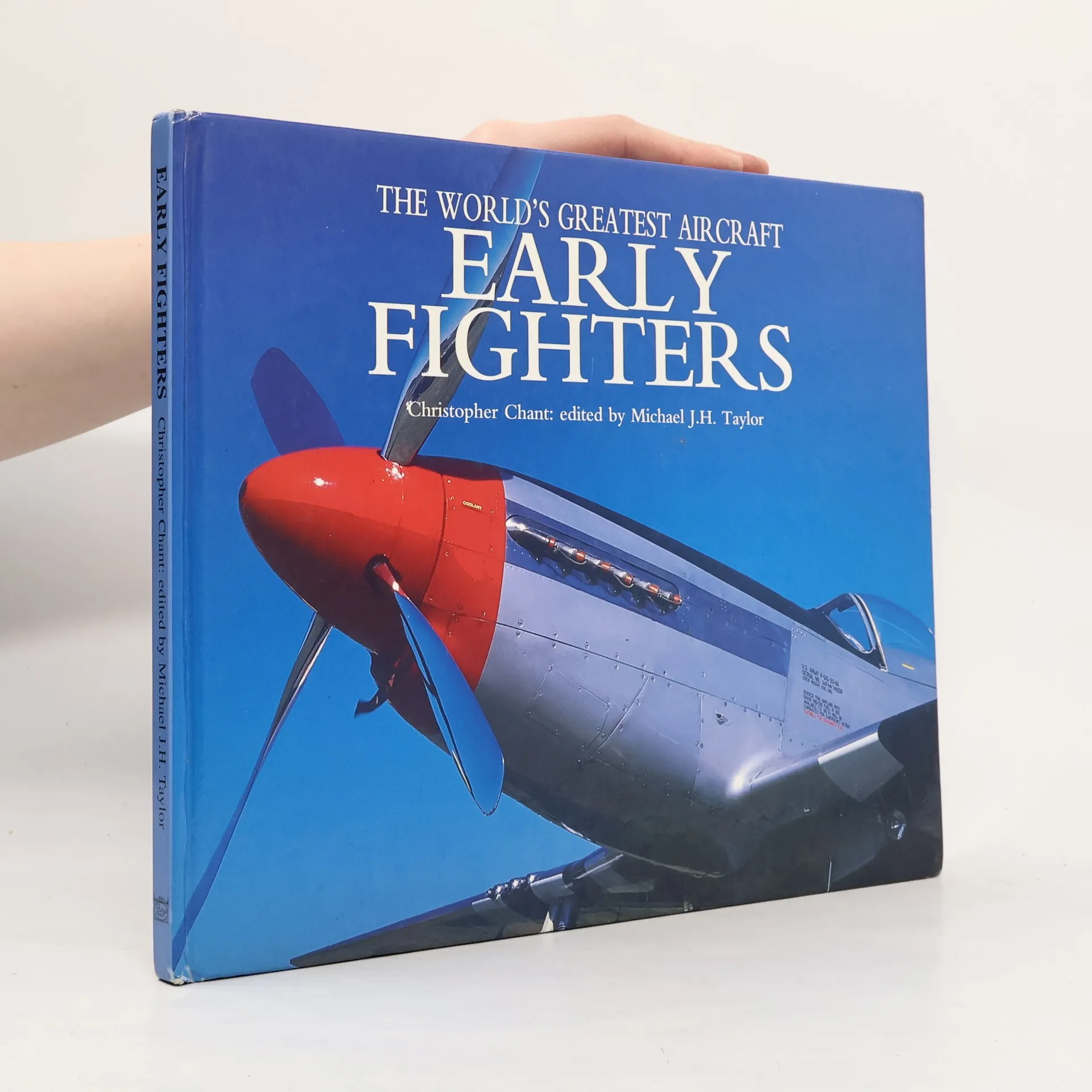
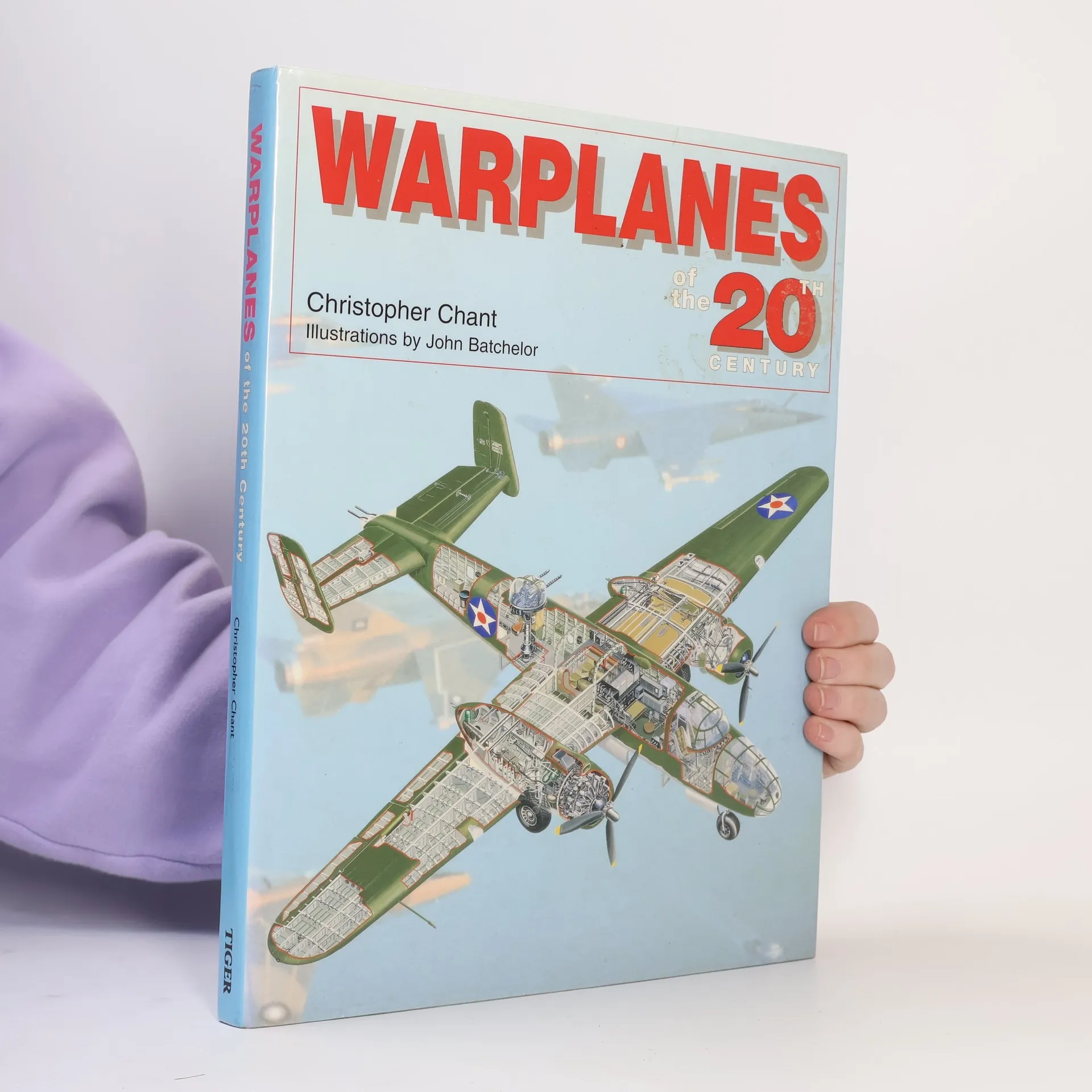
A highly illustrated guide to Allied fighter aircraft that fought in Europe
during World War II featuring all the main models flown by the Allied air
forces from 1939 to 1945. The book covers unit markings, organization, numbers
of aircraft flown by campaign and exhaustive specifications for each model,
with more than 200 artworks.
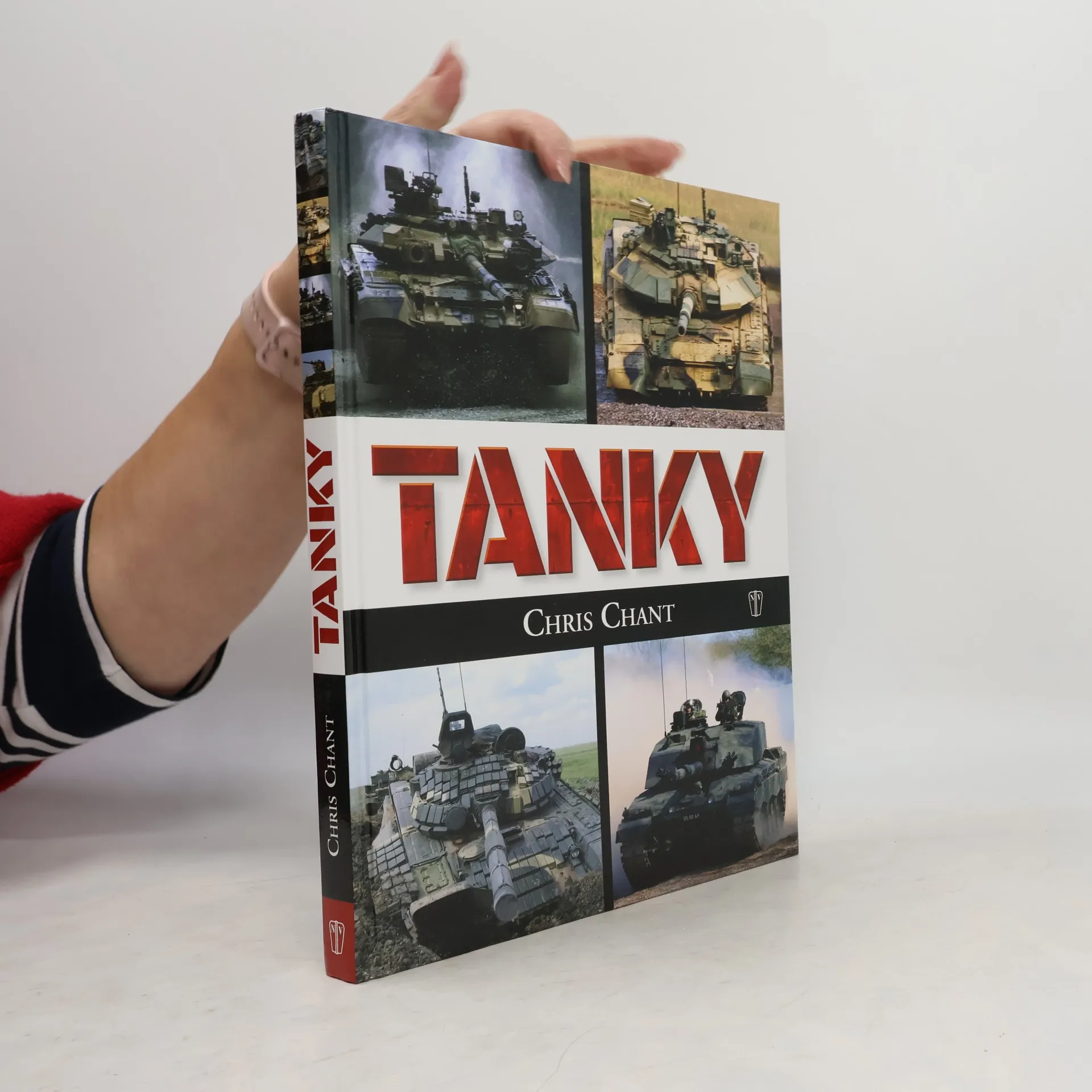
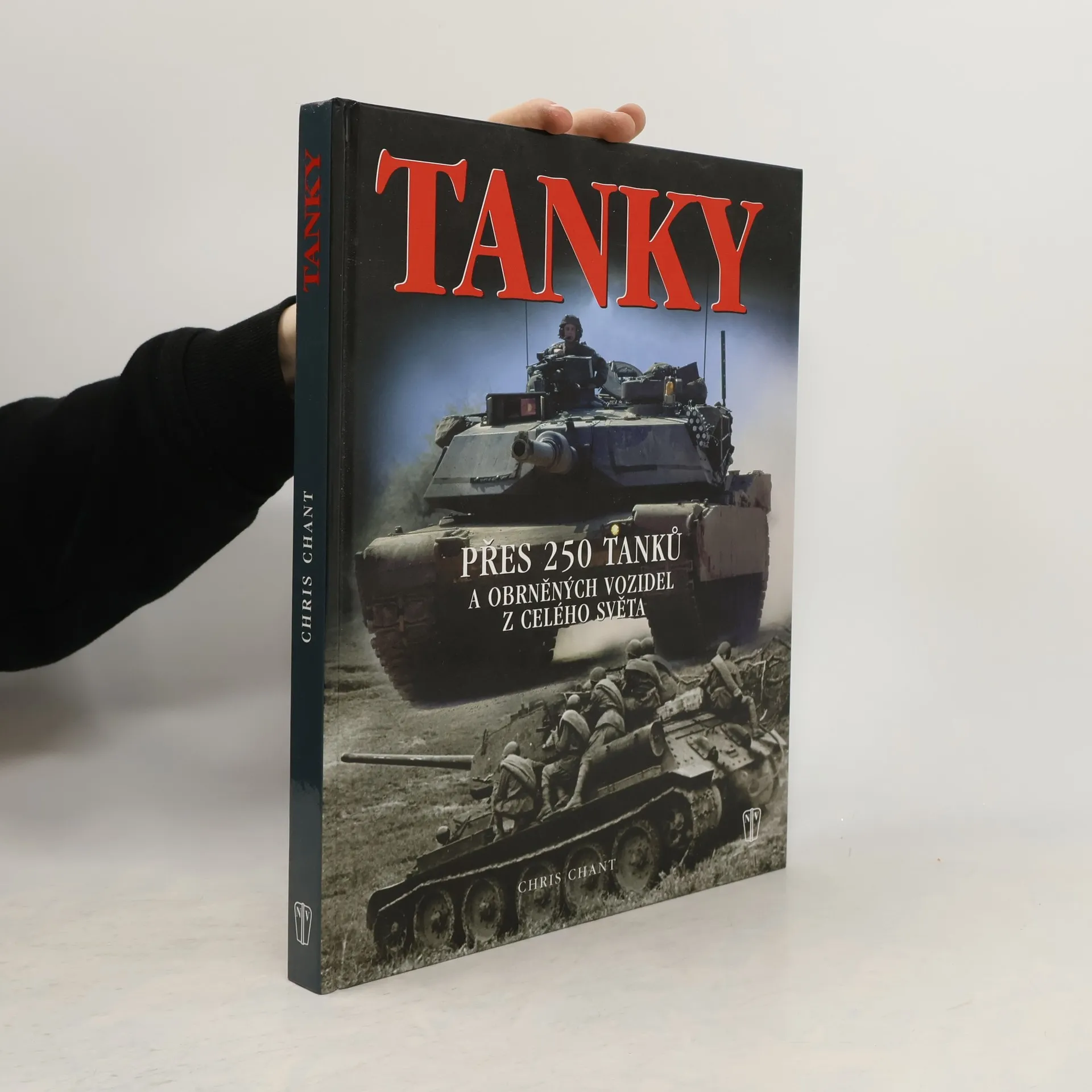
Tanky se na bojišti poprvé objevily roku 1916 a jejich následný vzestup podstatným způsobem ovlivnil průběh válek 20. století. Publikace Tanky představuje znamenitě zpracovaný úvod do dějin zbraně nahánějící strach všem, kdo se s ní na bitevním poli setkali. Dovíte se o taktikách boje tanků a jejich vytrvání na bojišti. Seznámíte se s významnými typy tanků a obrněných bojových vozidel za posledních téměř sto let. U každého vyobrazeného tanku jsou uvedeny základní technické údaje podvozku, výzbroje a pancéřové ochrany.
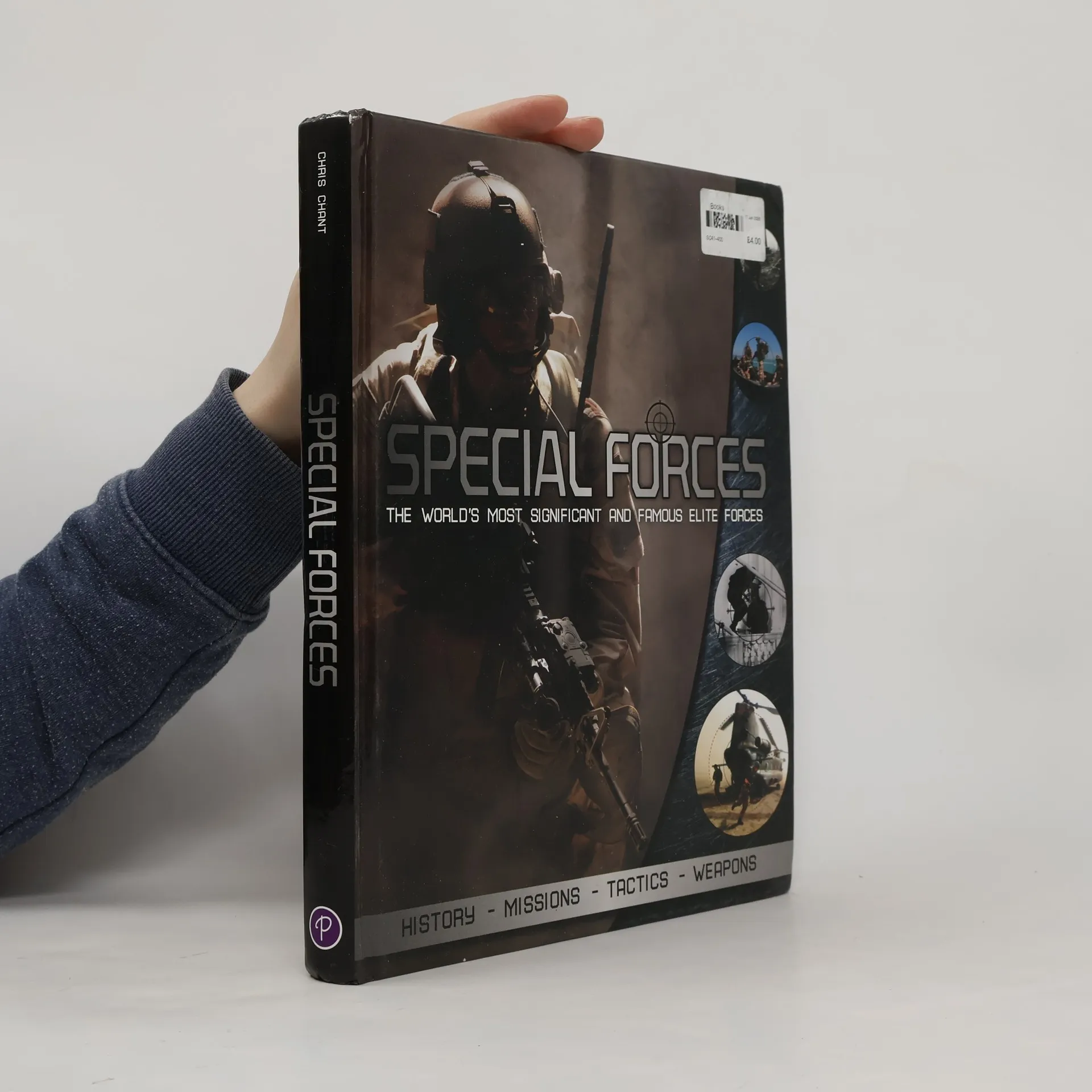
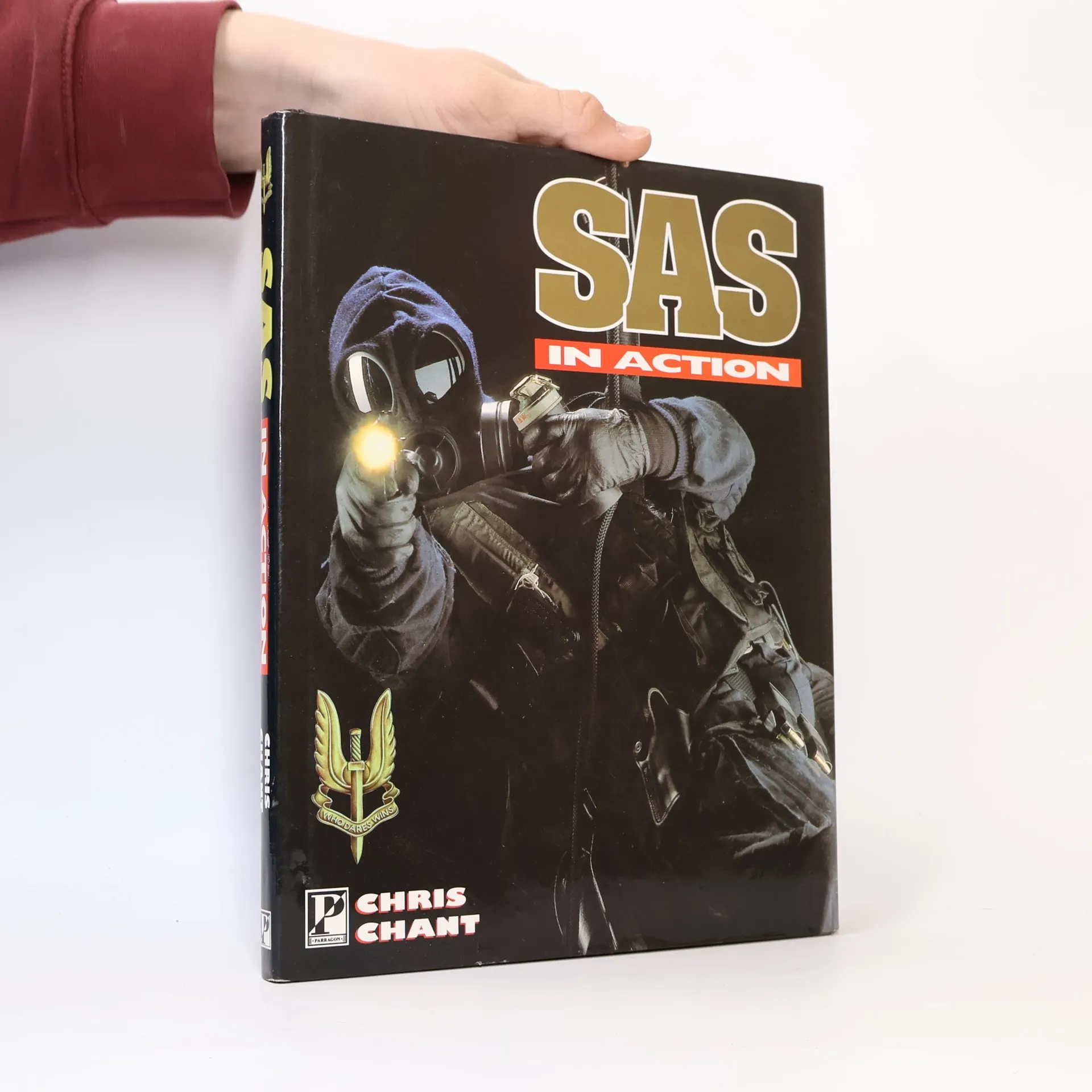
The World's Most Significant and Famous Elite Forces - History - Missions - Tactics - Weapons
240 stránok
9 hodin čítania
Special Forces deploys an impressive blend of authoritative text and dramatic photographs to reveal the qualities and skills of the special forces soldier at every stage of their selection, training and operational life. Detailed attention is also given to weapons, combat equipment and methods of transport, while over 25 historical special forces operation features describe combat missions undertaken between 1960 and the present day.
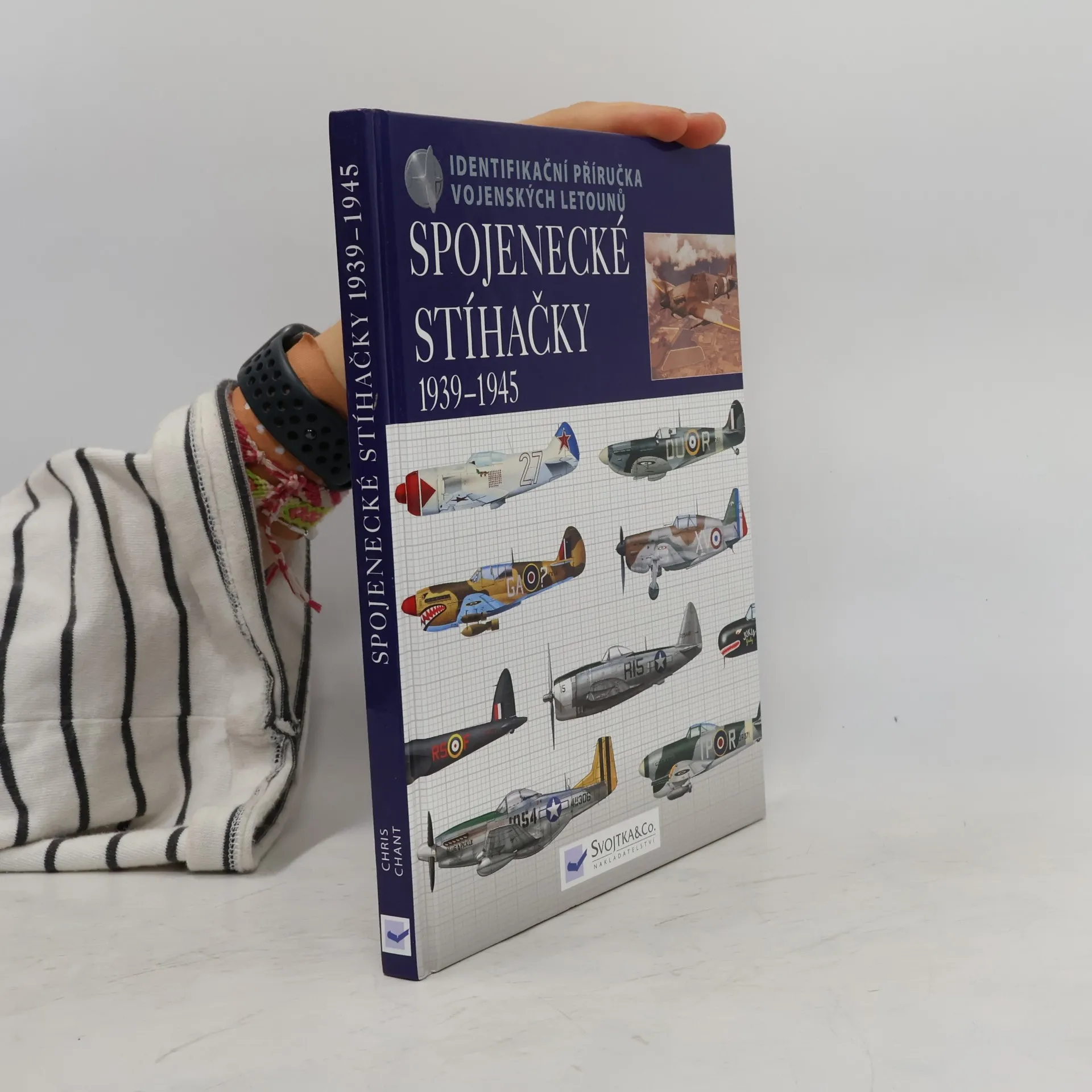
Tato identifikační příručka je bohatě ilustrovaným průvodcem spojeneckými stíhačkami na evropských bojištích 2. světové války. Uvádí všechny hlavní modely provozované spojeneckými leteckými silami v letech 1939 až 1945 s množstvím detailů, a to včetně označení jednotek, organizace, počtů letadel v jednotlivých kampaních a s podporou technicko-taktických dat každého modelu. Najdete v ní více než 200 barevných profilů a desítky archivních fotografií každé významné spojenecké stíhačky. Stane se jistě nepostradatelnou příručkou pro modeláře a pro letecké nadšence, kteří se zabývají 2. světovou válkou.
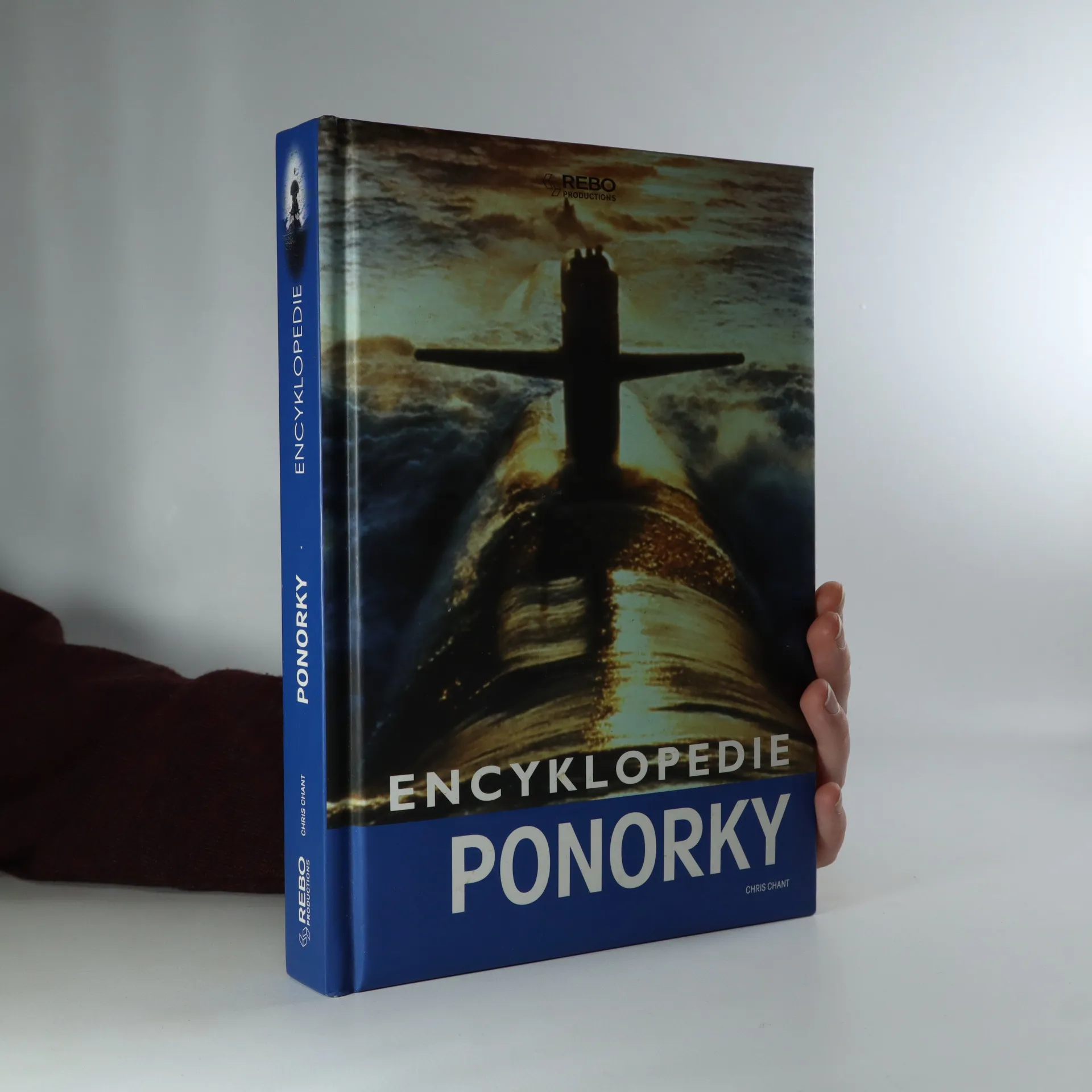
Historie ponorek je dlouhá a první pokusy o ovládnutí podmořského prostoru k vojenským účelům pravděpodobně sahají až do doby před 2000 let. Encyklopedie ponorek přináší nejen zasvěcené informativní texty o historii ponorek, o jejich fungování, technické údaje o jednotlivých typech ponorek, ale také velké množství fotografií a vynikajících ilustrací Johna Batchelora, jednoho z nejlepších technických kreslířů na světě.
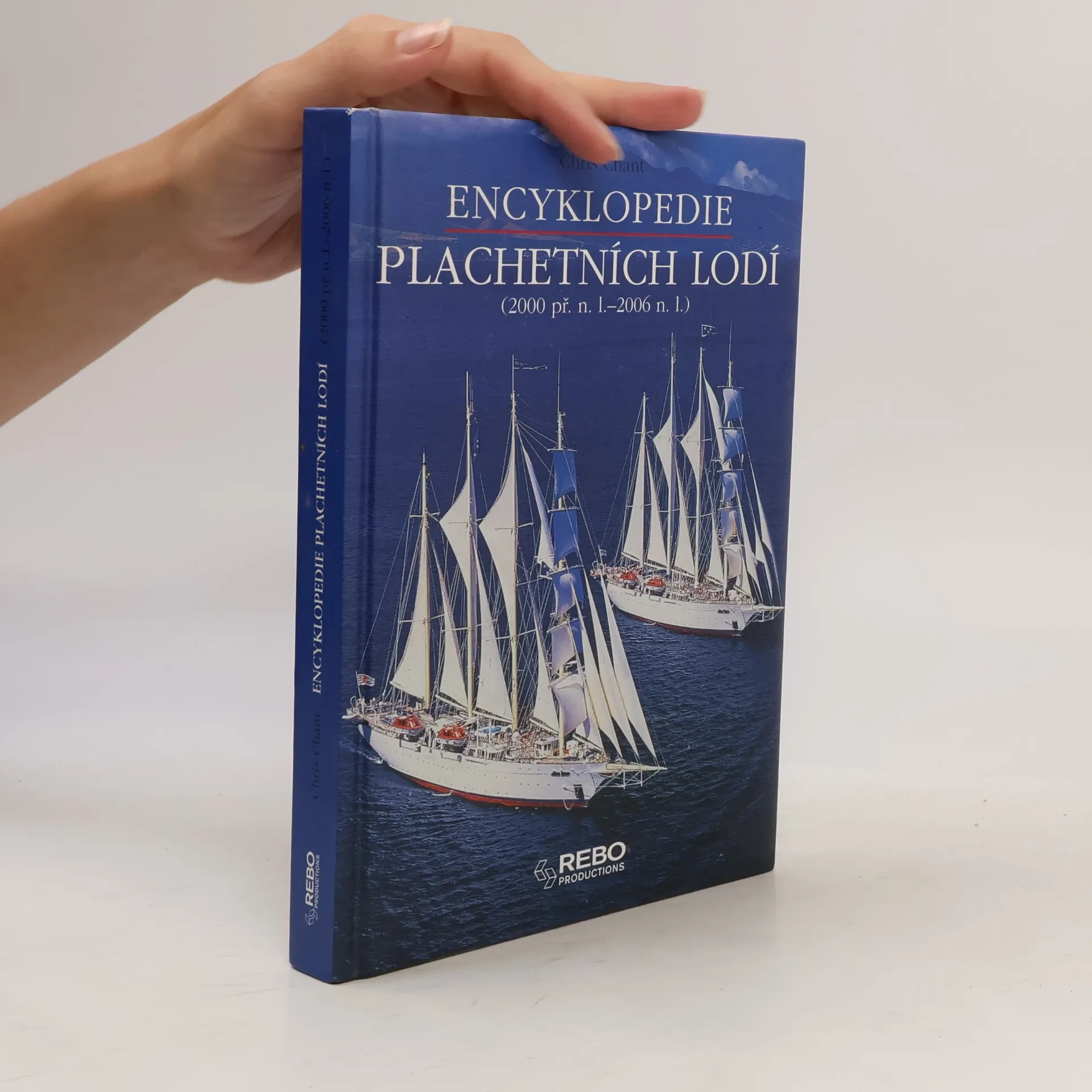
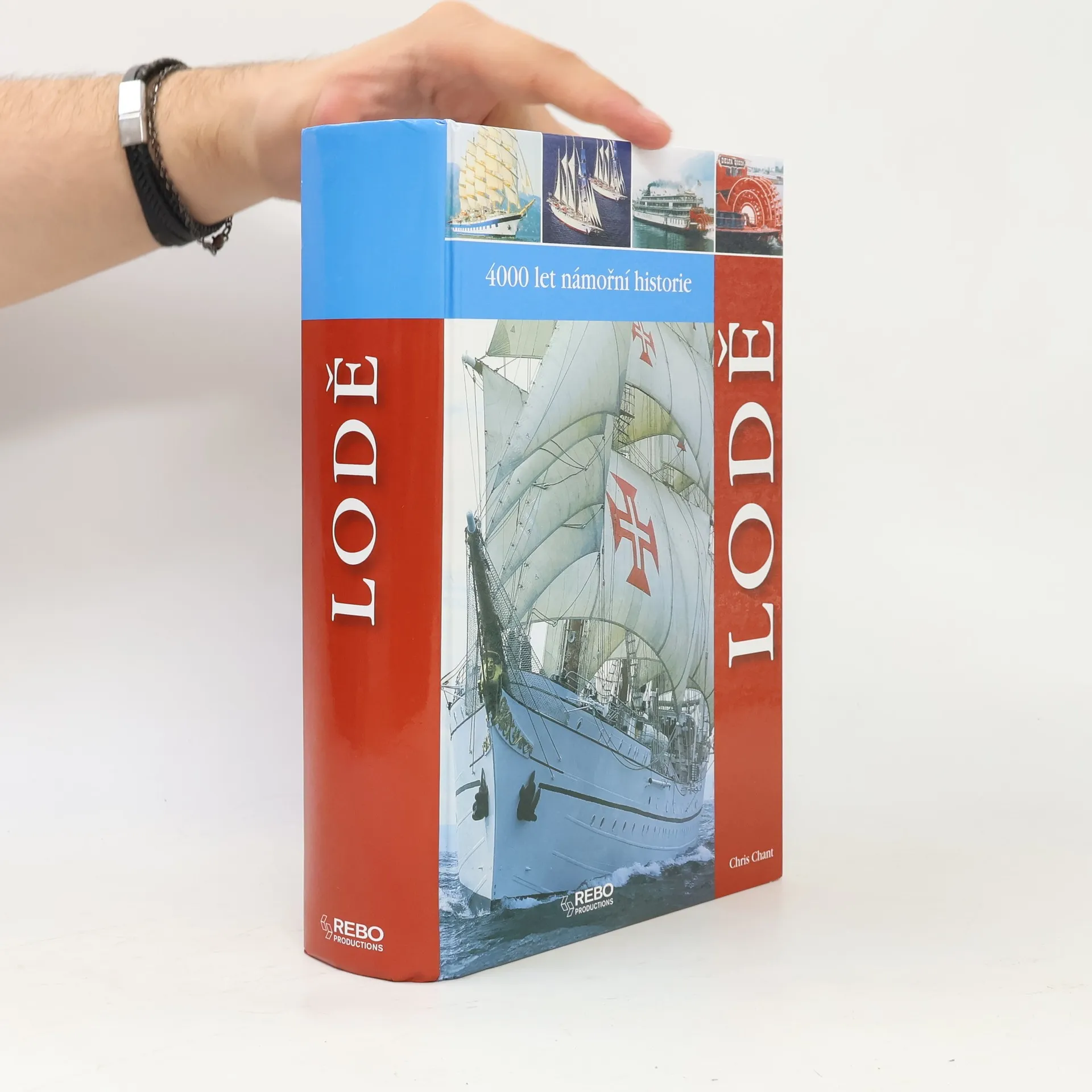
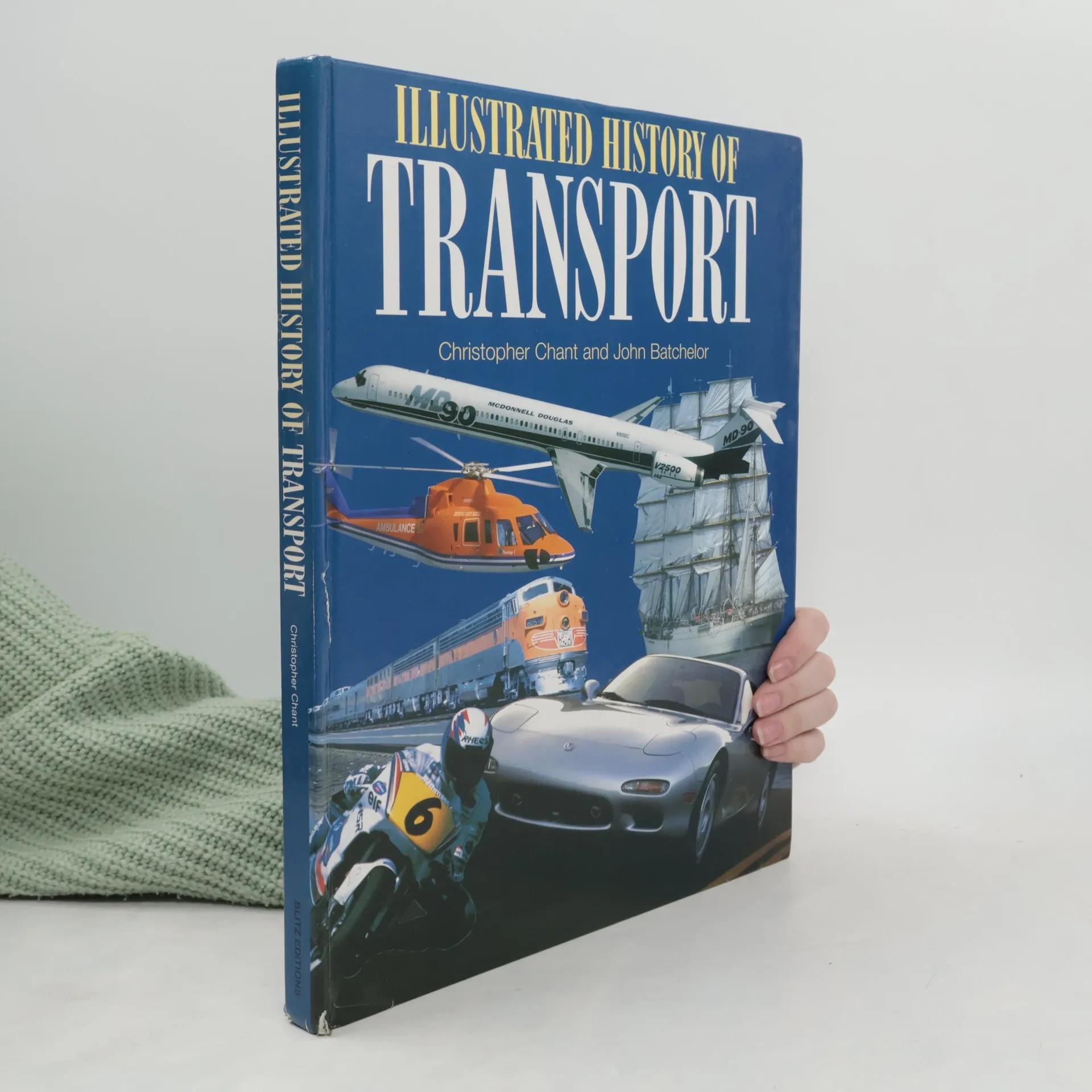
Tato bohatě ilustrovaná kniha mapuje historii plavidel, od nejjednodušších člunů a lodí, které používali naši předkové před 2000 lety, až po současné moderní výletní a letadlové lodě či tankery. Encyklopedická příručka shrnuje nejzajímavější informace a technické údaje o jednotlivých typech lodí. Je rozdělena do tří částí, které jsou věnovány plachetním, parním a válečným lodím. Zasvěcené texty doplňuje velké množství fotografií a vynikajících ilustrací Johna Batchelora, jednoho z nejlepších technických kreslířů na světě.
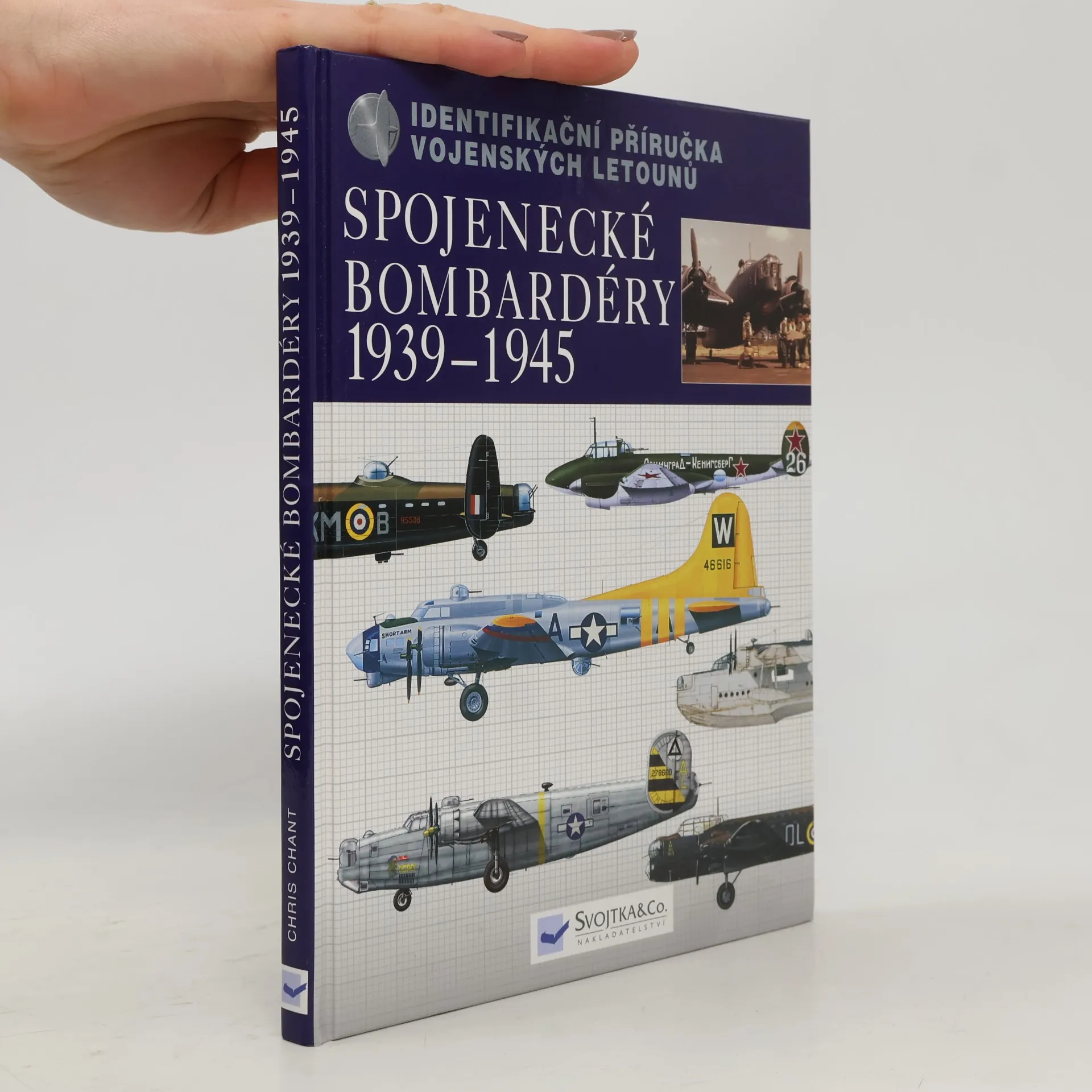
Tento průvodce obsahuje 200 barevných podrobných kreseb všech hlavních typů bombardérů, které používali Spojenci na evropských bojištích 2. světové války. Je řazen podle států a v jejich rámci jsou v něm popsány formace jednotek, insignie letounů a znaky letek belgických, britských, nizozemských, francouzských, sovětských a amerických bombardérů.
Historie ponorek je dlouhá a první pokusy o ovládnutí podmořského prostoru k vojenským účelům pravděpodobně sahají až do doby před 2000 let. Encyklopedie ponorek přináší nejen zasvěcené informativní texty o historii ponorek, o jejich fungování, technické údaje o jednotlivých typech ponorek, ale také velké množství fotografií a vynikajících ilustrací Johna Batchelora, jednoho z nejlepších technických kreslířů na světě.
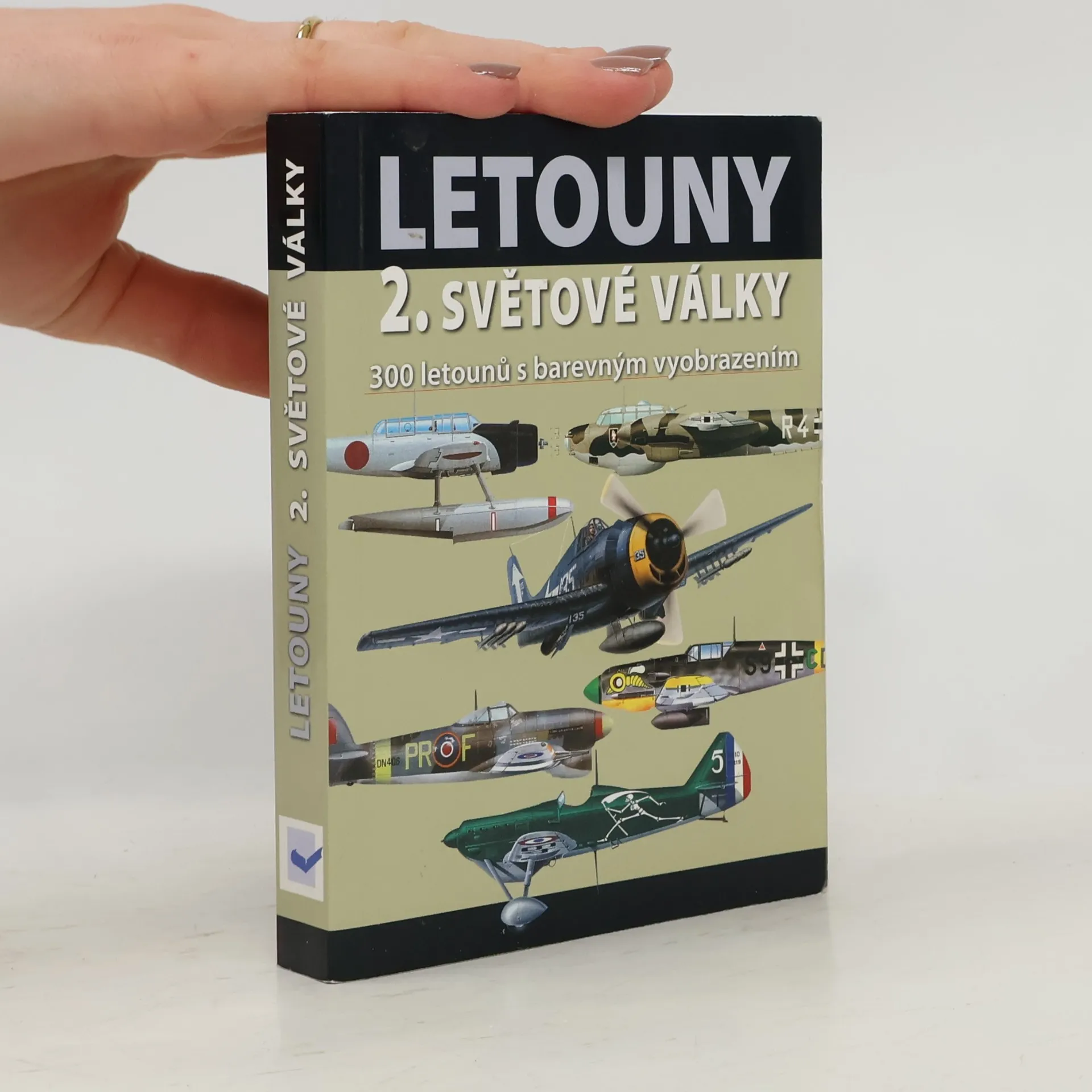
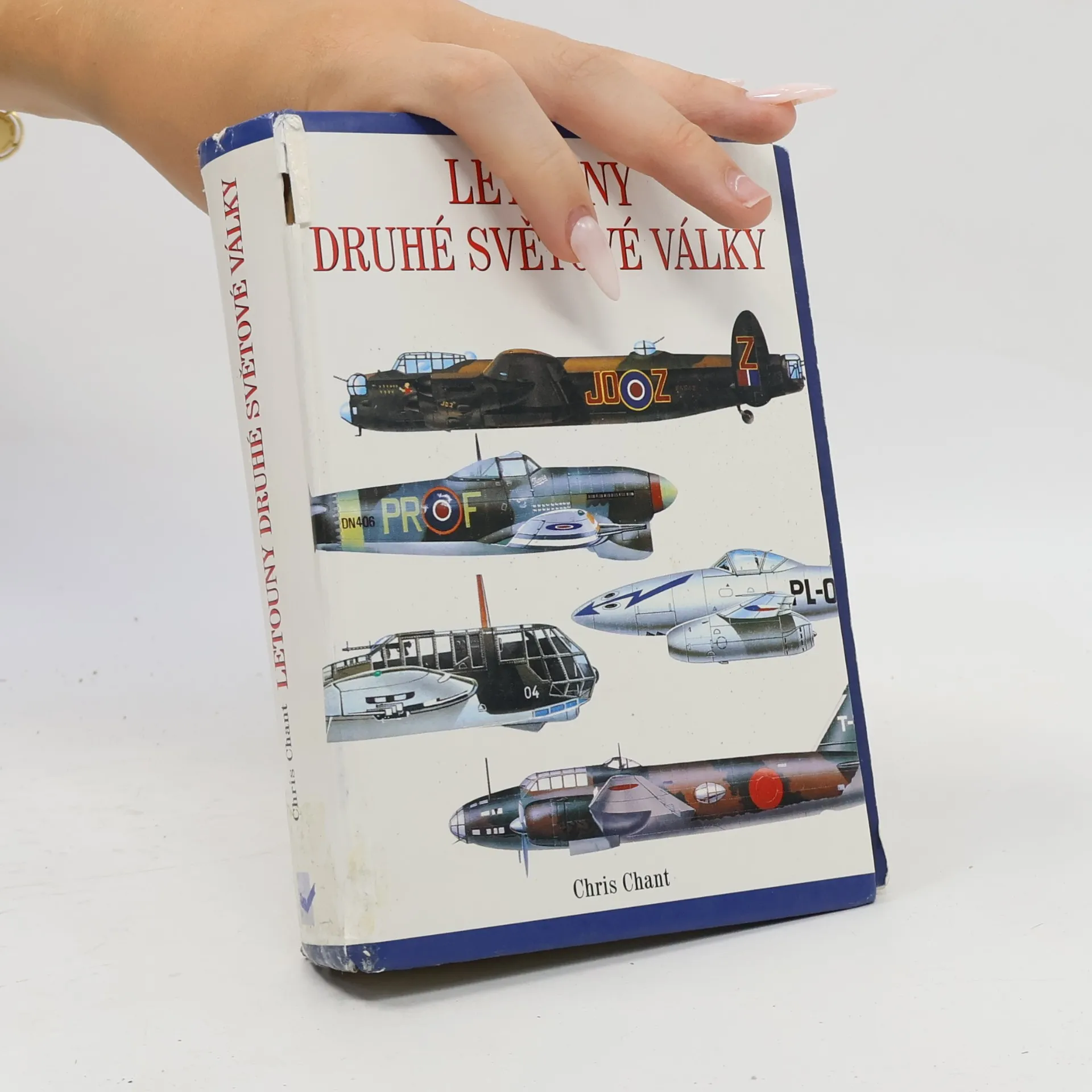
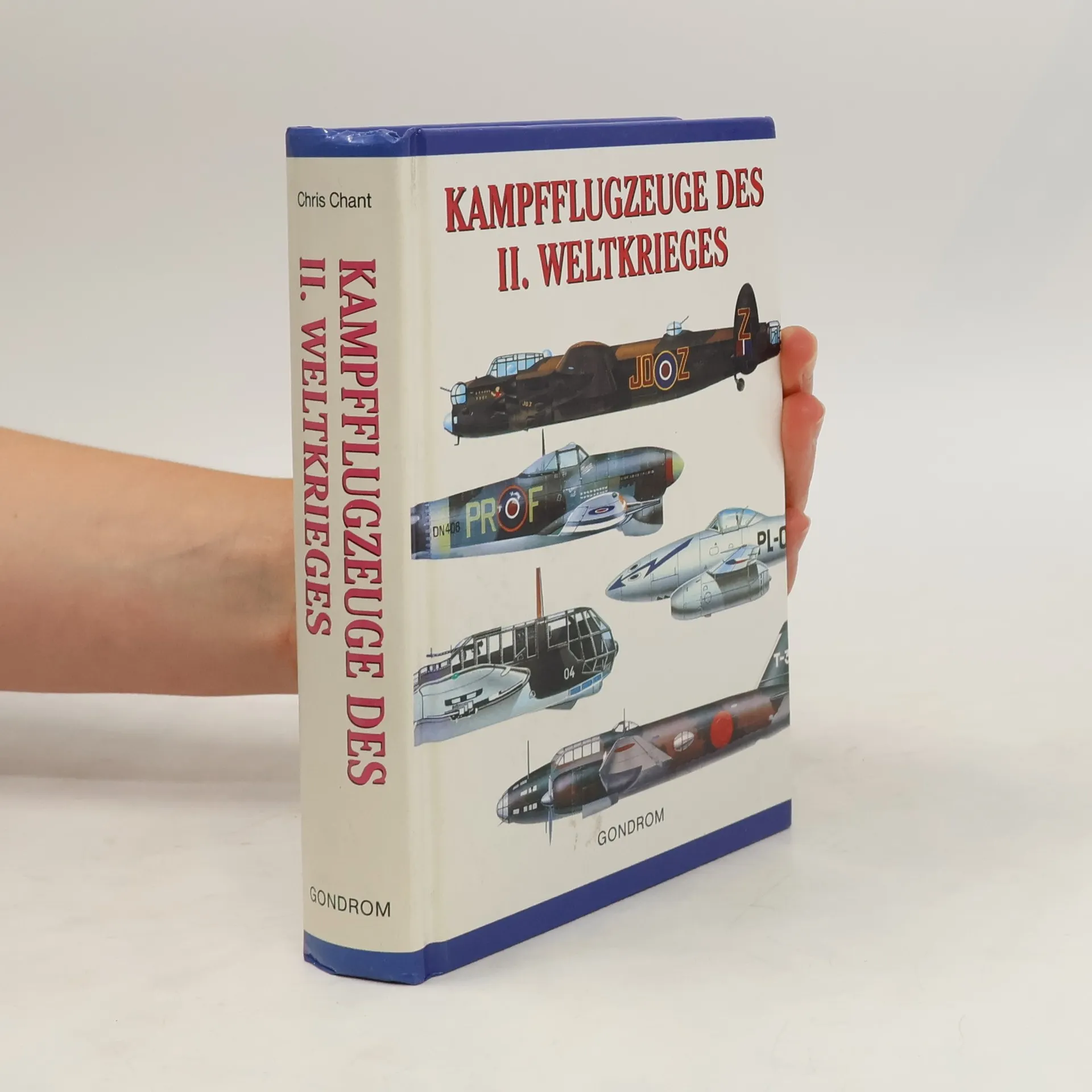
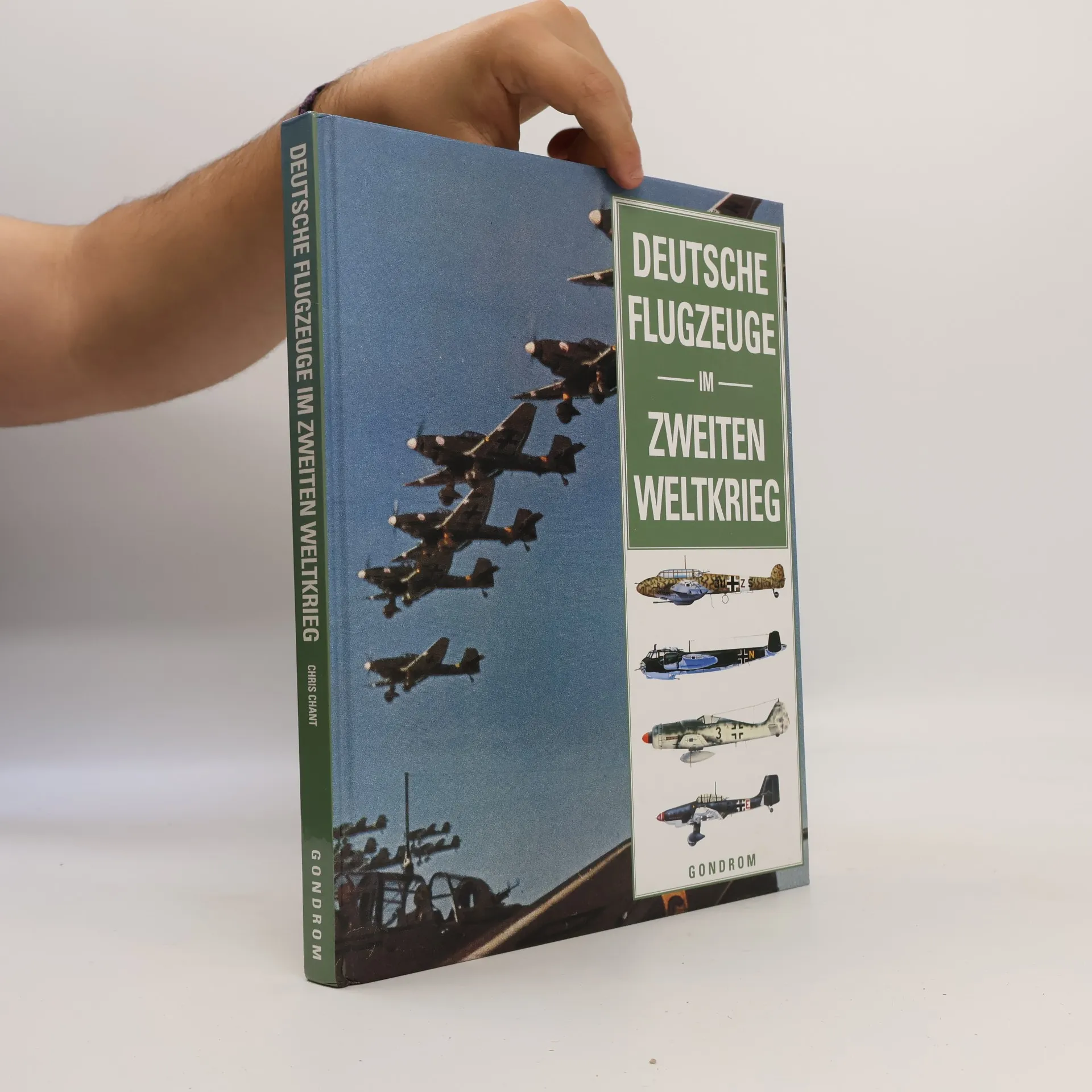
Kniha obsahuje popis 300 letounů z období druhé světové války s barevným vyobrazením. U každého letounu jsou uvedeny údaje o rozměrech, hmotnostech, výzbroji, pohonných jednotkách, o jeho vývoji a nasazení.
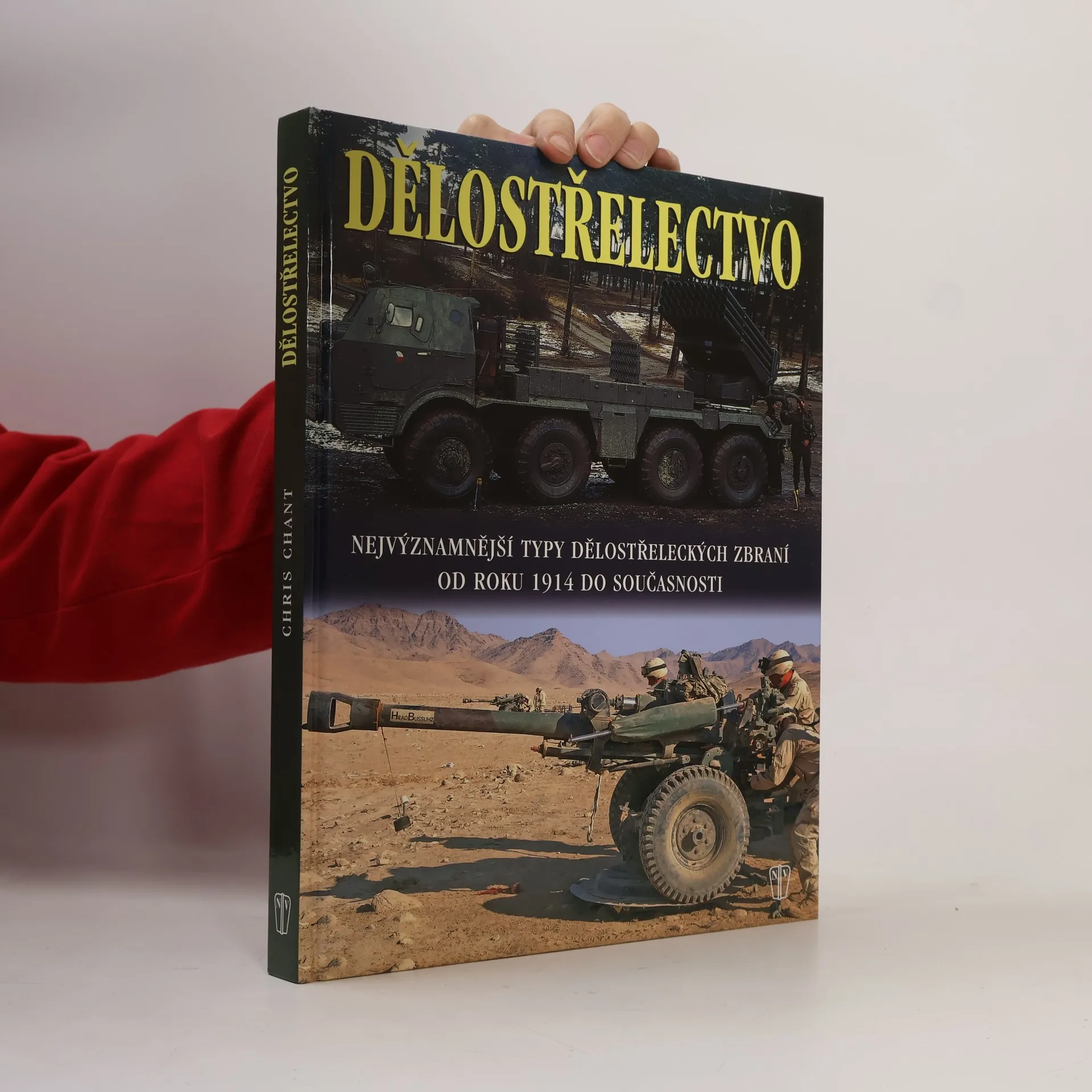
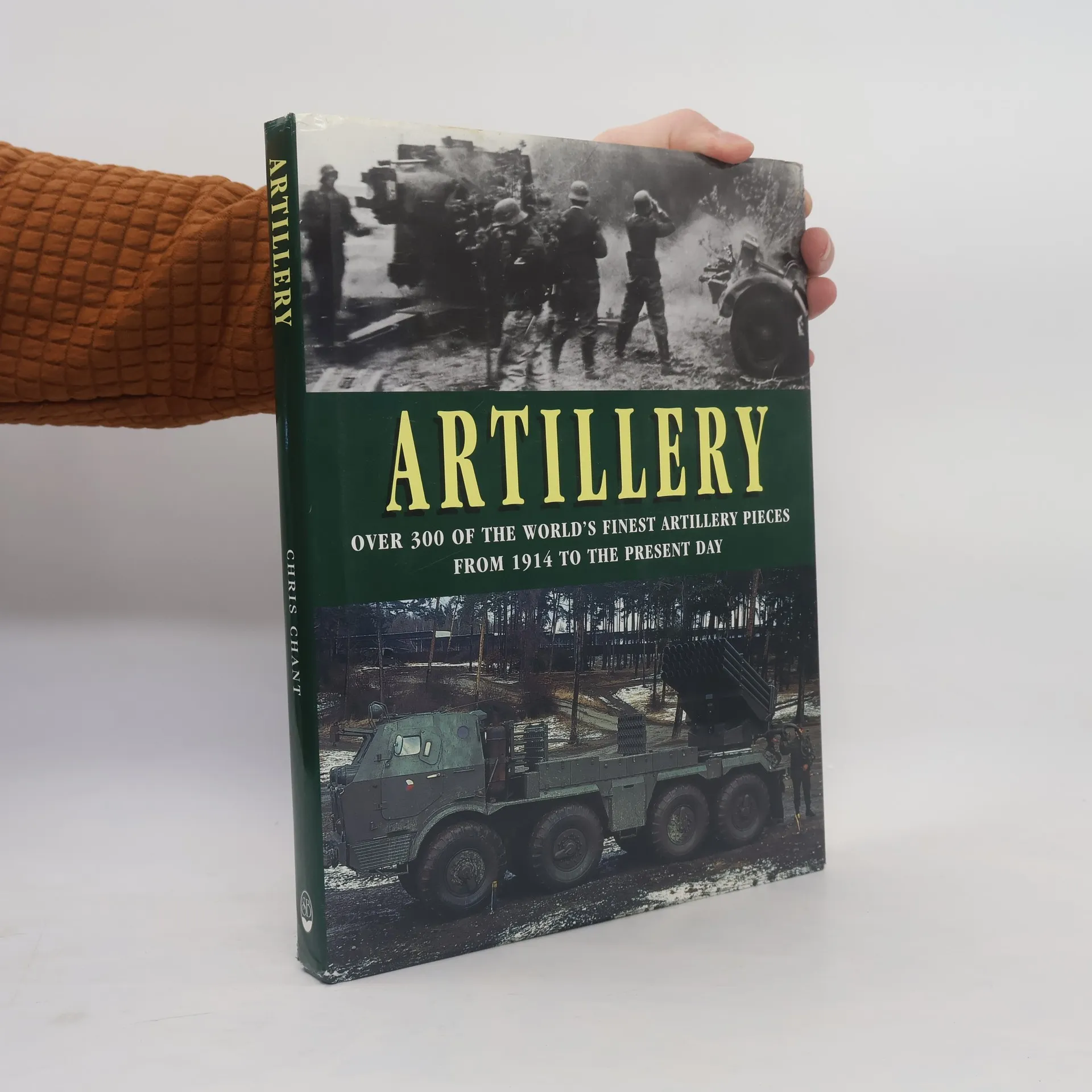
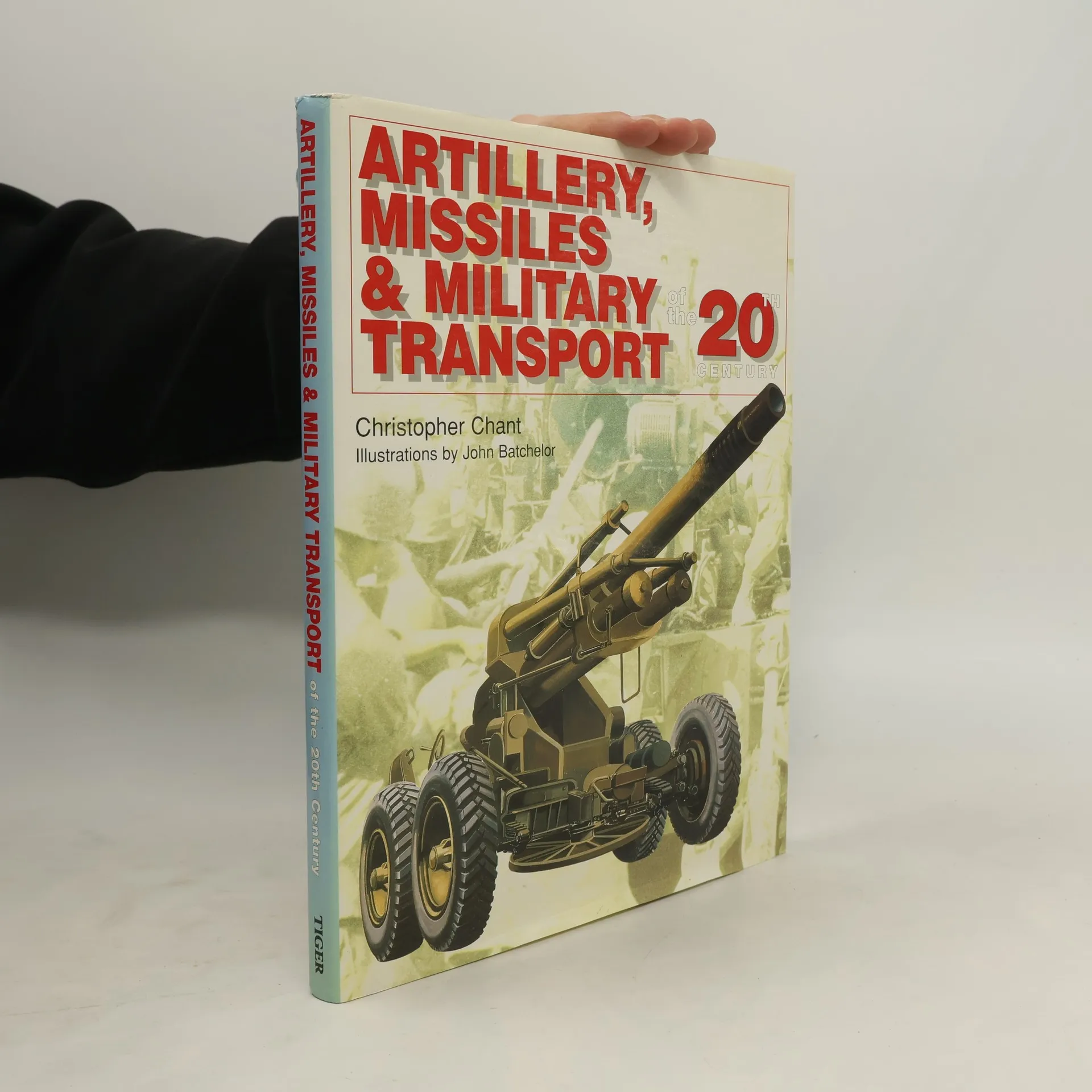
Podrobný průvodce dělostřeleckou technikou od roku 1914 do současnosti. Autentické fotografie a podrobné barevné kresby. Historie vzniku, bojové uplatnění, základní takticko-technická data, polní a těžké dělostřelectvo, železniční děla a obrněné vlaky, samohybné dělostřelectvo, protitankové kanóny, raketové dělostřelectvo, protiletadlové kanóny, tažené dělostřelectvo, taktické rakety, moderní raketomety.
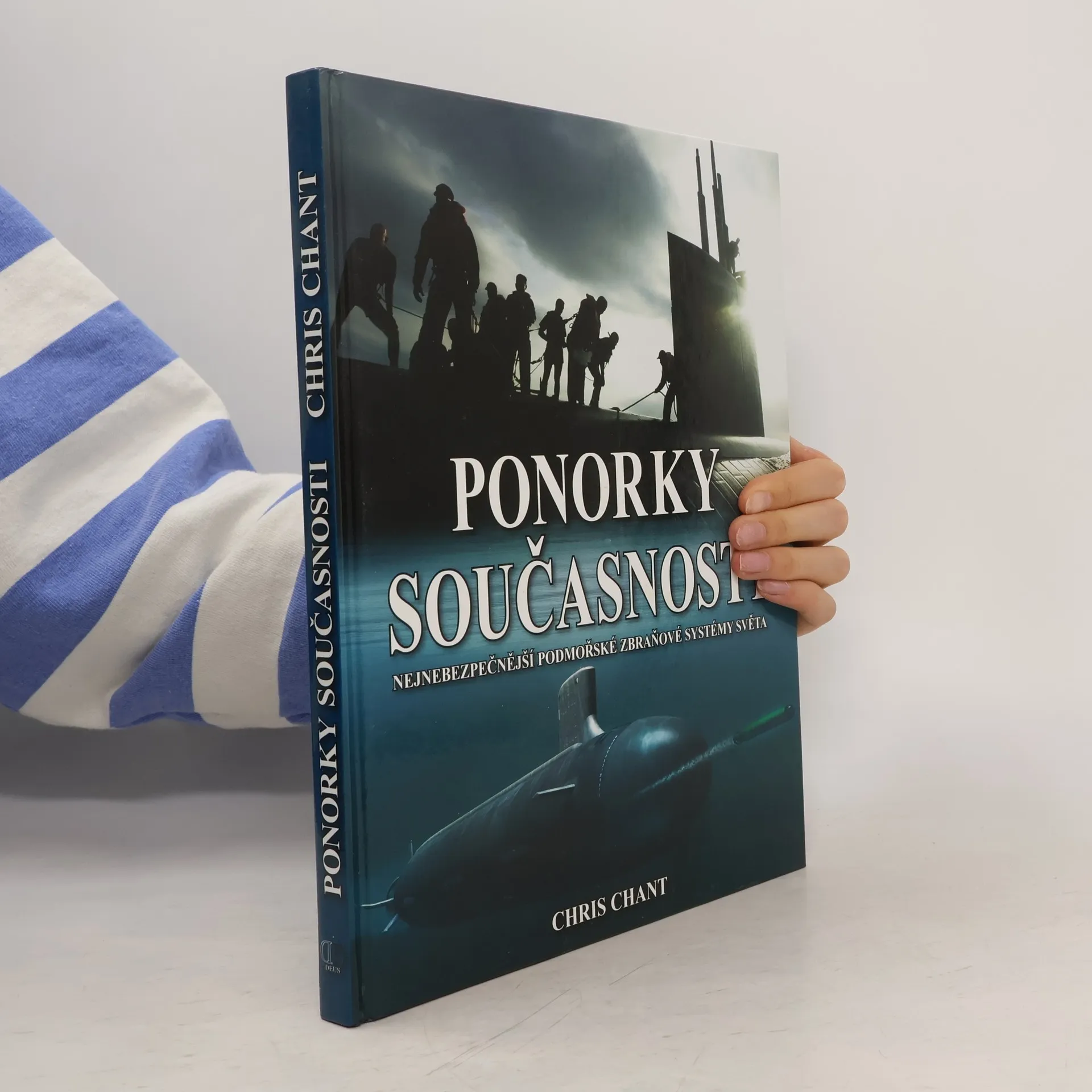
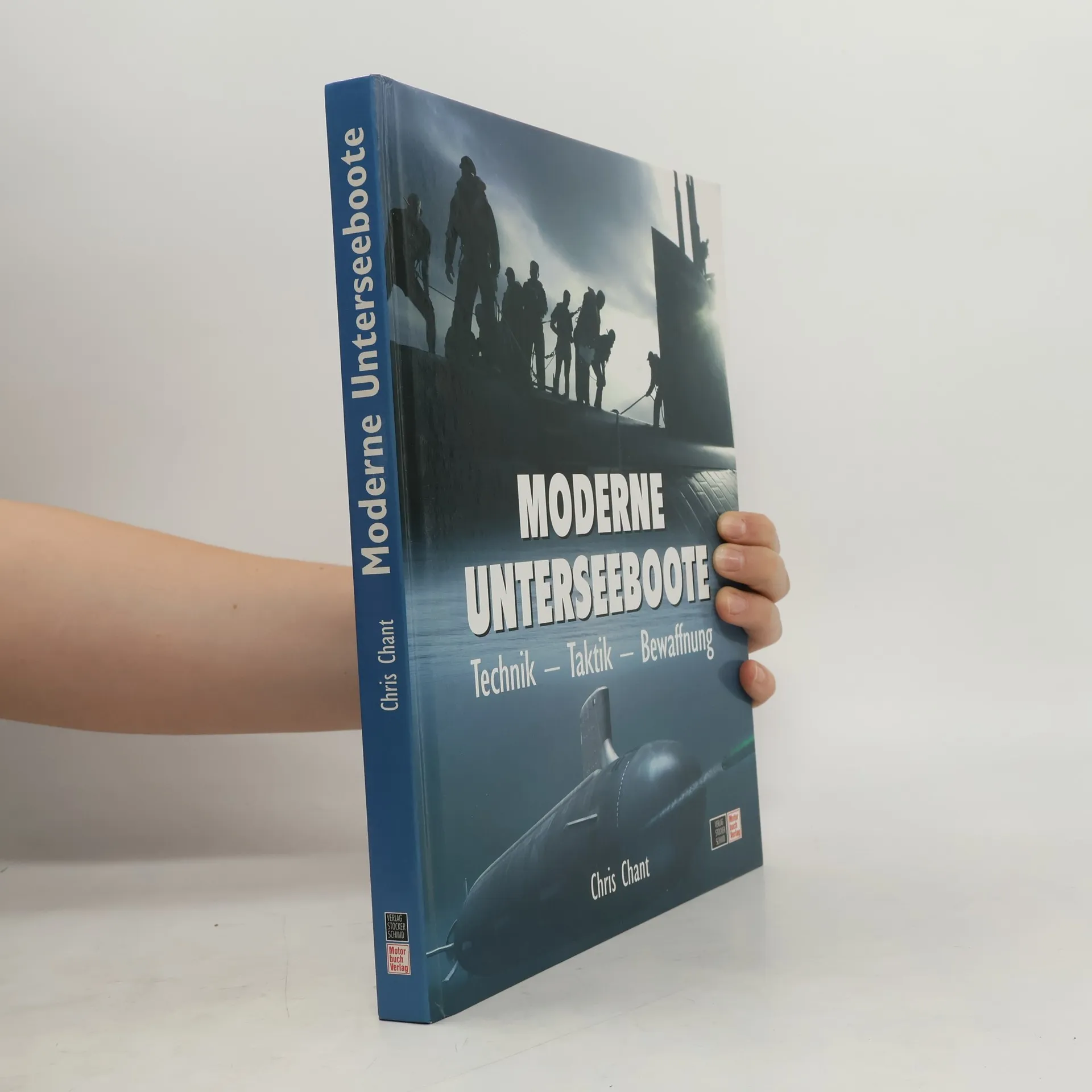
Kniha popisuje různé třídy a druhy ponorek, které jsou v současné době ve službě, od obrovských atomových ponorek s balistickými střelami přes útočné ponorky až po ponorky poháněné dieselovým motorem, které střeží obrovské oblasti oceánů a námořní cesty. Autor popisuje historii, výkon, zbraně a vybavení jednotlivých tříd ponorek a nezapomíná ani na protiponorkové prostředky a zbraně.
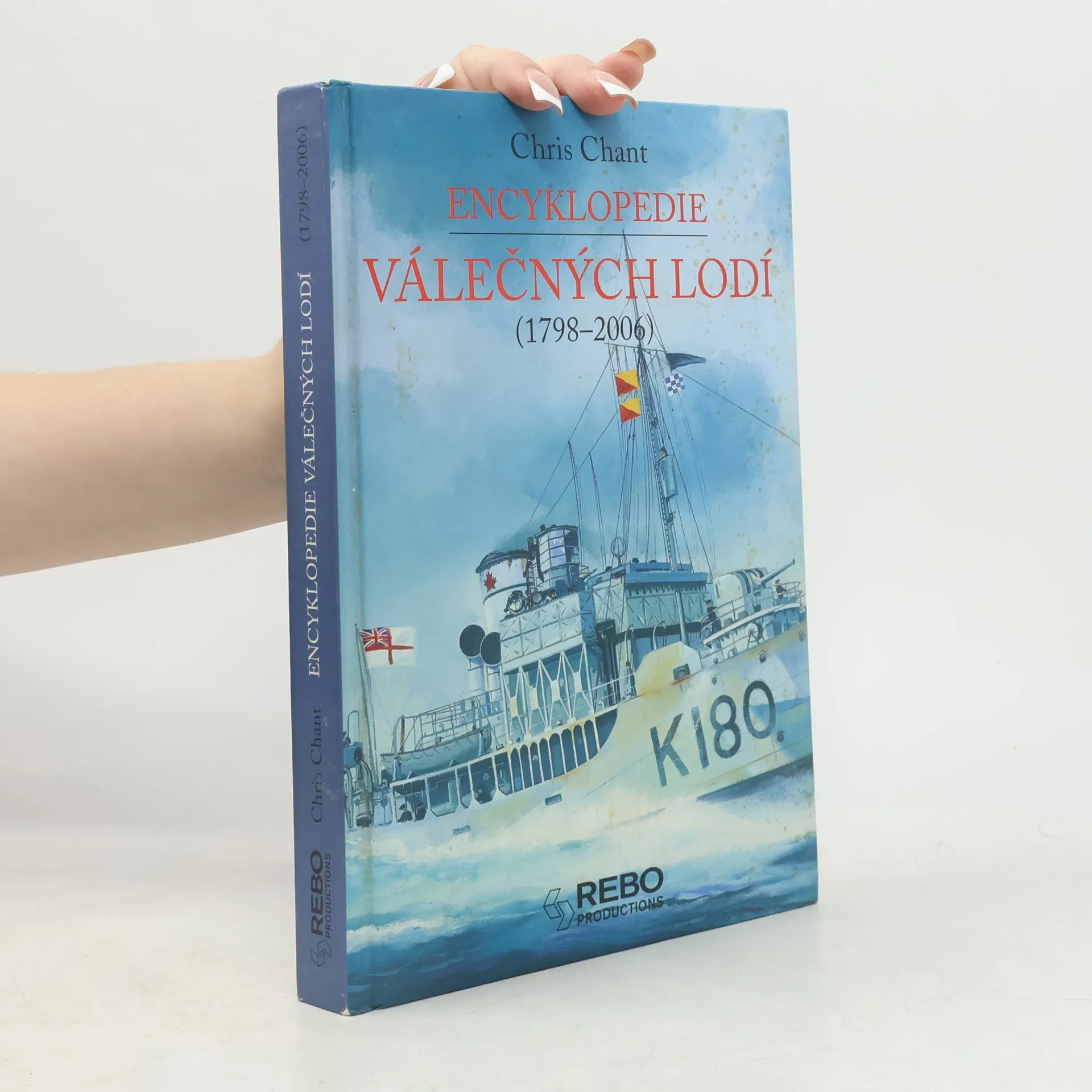
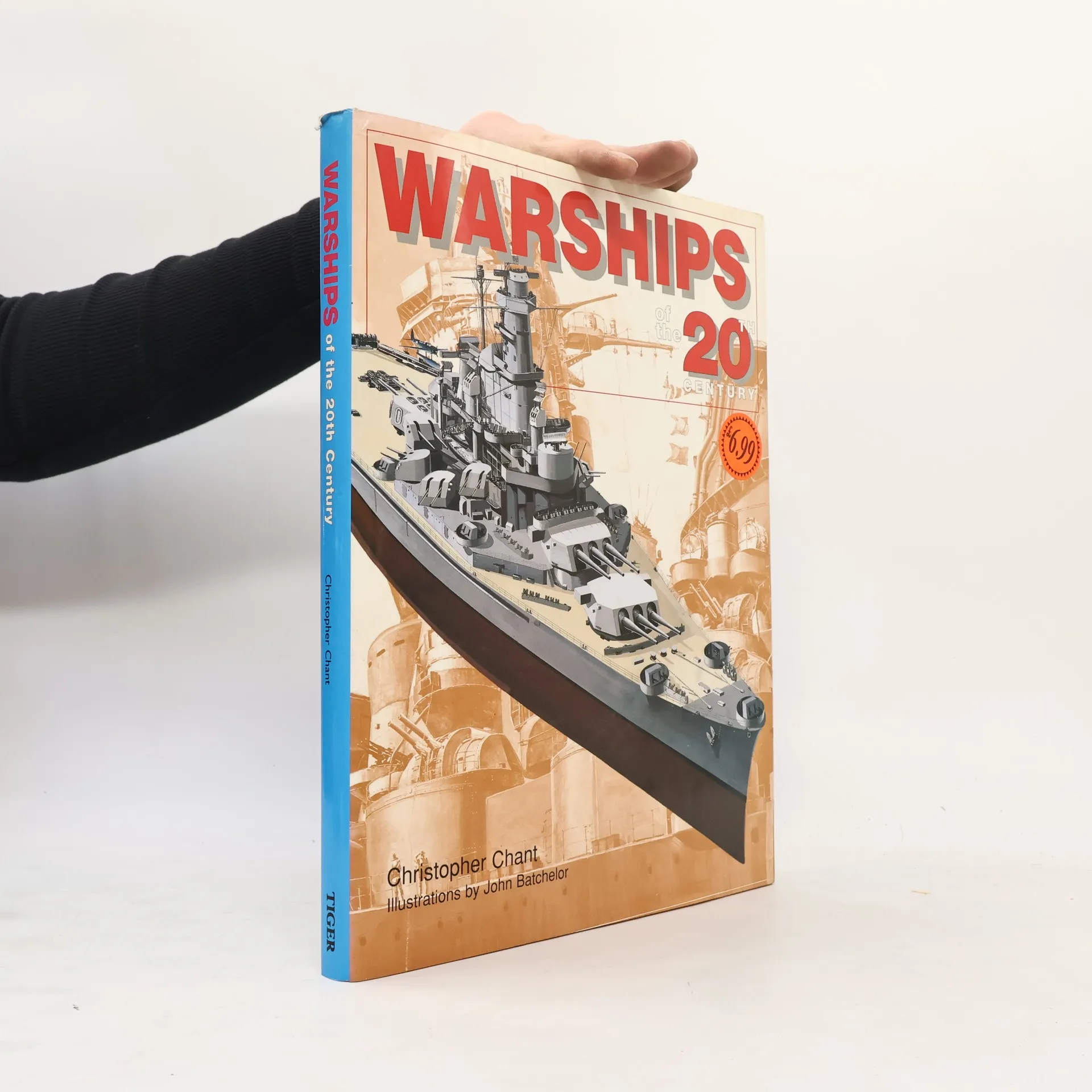
Encyklopedie válečných lodí (1798-2006) představuje 125 typů válečných lodí od malých plavidel rychlého útoku o výtlaku pouhých několika tun po obrovské bitevní lodě a letadlové lodě současnosti. Kniha přináší podrobný pohled do historie a technického vývoje válečných lodí od dob využití strojního pohonu po nejmodernější plavidla s jaderným pohonem. První válečné lodě se strojním pohonem se objevily na počátku 19. století, poté následoval obrovský skok v rozvoji průmyslu a techniky ve druhé polovině 19. století, který přinesl stavbu pancéřových trupů a větší přesnost a dostřel zbraní. Od počátku minulého století parní turbína nahradila pístový parní stroj, mazut nahradil uhlí. Nadvláda bitevních lodí trvala až do druhé světové války, kdy rozhodující roli ve vedení námořní války převzalo letectvo a ponorky. Od poloviny 20. století představují základ projektů válečných lodí jaderný pohon, parní turbíny a vznětové motory, děla byla převážně nahrazena řízenými střelami a lidské oko doplněno radarem a dalšími senzory. Encyklopedie válečných lodí (1798-2006) přináší nejen zasvěcené informativní texty a technické údaje o jednotlivých typech lodí, ale také velké množství fotografií a vynikajících ilustrací Johna Batchelora, jednoho z nejlepších technických kreslířů na světě.
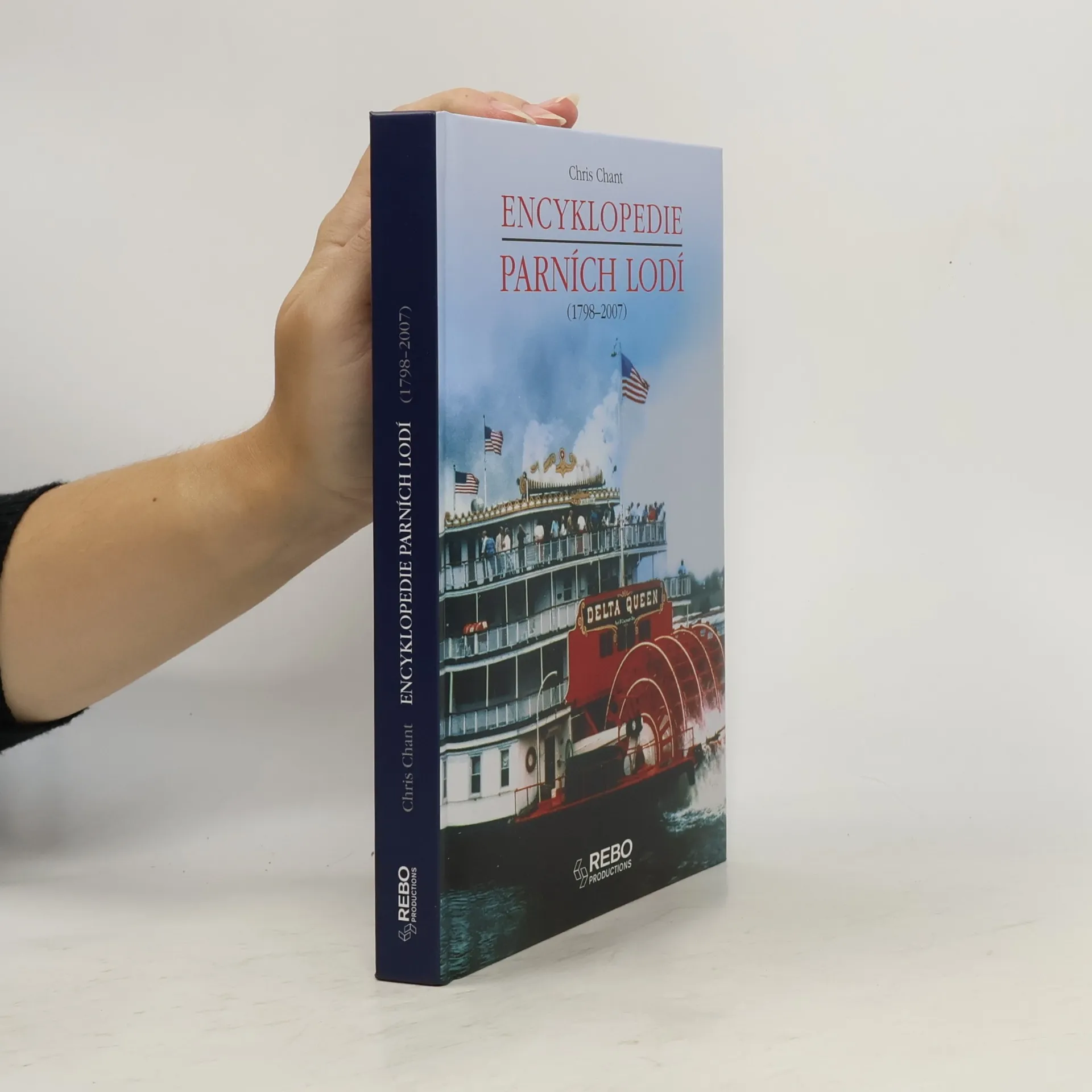
Tato encyklopedie zahrnuje 125 typů nejen parních lodí sloužících převážně k obchodním účelům. Popisuje základní znaky prvních parou poháněných lodí používaných jako remorkéry, ale také obrovských plavidel současnosti poháněných spíše naftou než parou. V knize jsou popsány první transatlantické lodě určené pro přepravu osob, velké zaoceánské parníky z let 1880–1960, ale i další typy plavidel, jako jsou letadlové lodě a tankery, které sehrály významnou úlohu během první i druhé světové války, či specializované nákladní lodě pro dopravu kontejnerů a hromadných nákladů, jež bývají vybaveny jeřáby a dalšími zařízeními, která usnadňují vykládku a nakládku.
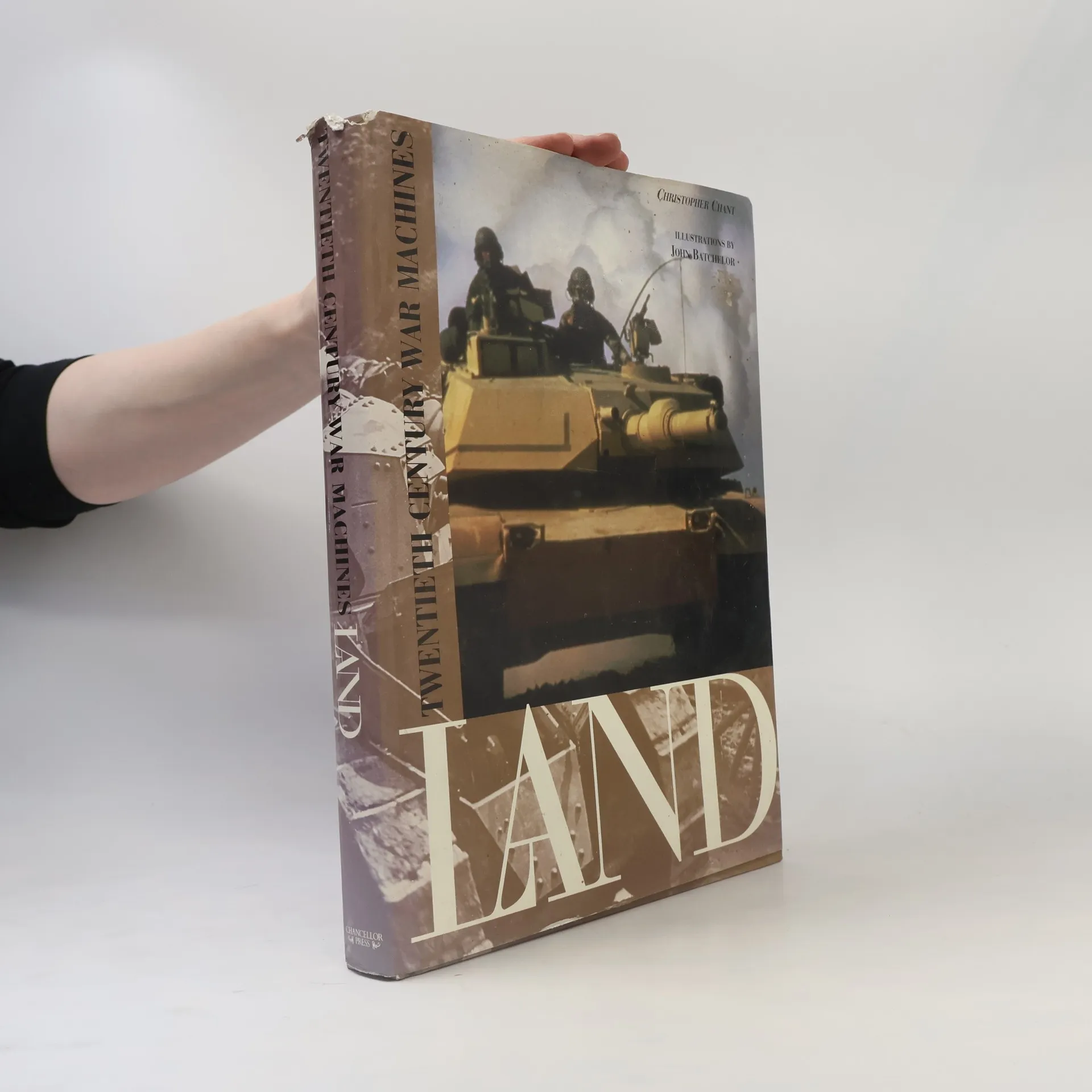
Kniha slovem i obrazem představuje historické pozadí vzniku tanků a dalších obrněných vozidel, jejich první zástupce, úspěšné i neúspěšné taktické koncepce a bitvy a války, o jejichž výsledku rozhodly především tanky. V knize je představeno přes 250 typů tanků a jiných bojových vozidel z období od 1. světové války až do současnosti. U každého typu je uvedena stručná historie jeho vzniku, jeho bojové uplatnění a základní technické údaje. Typy mimořádně významné z technického nebo taktického hlediska jsou představeny podrobněji....
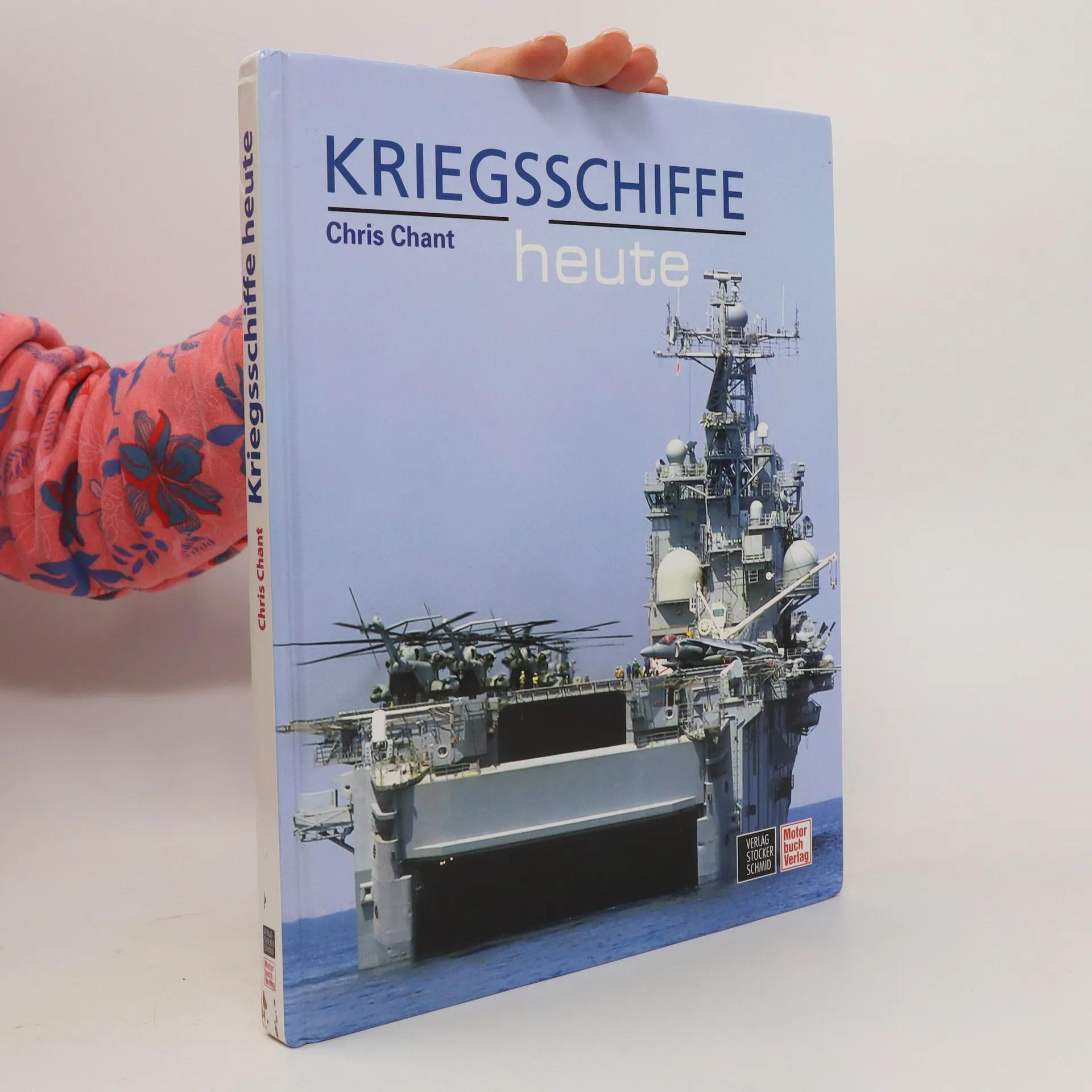
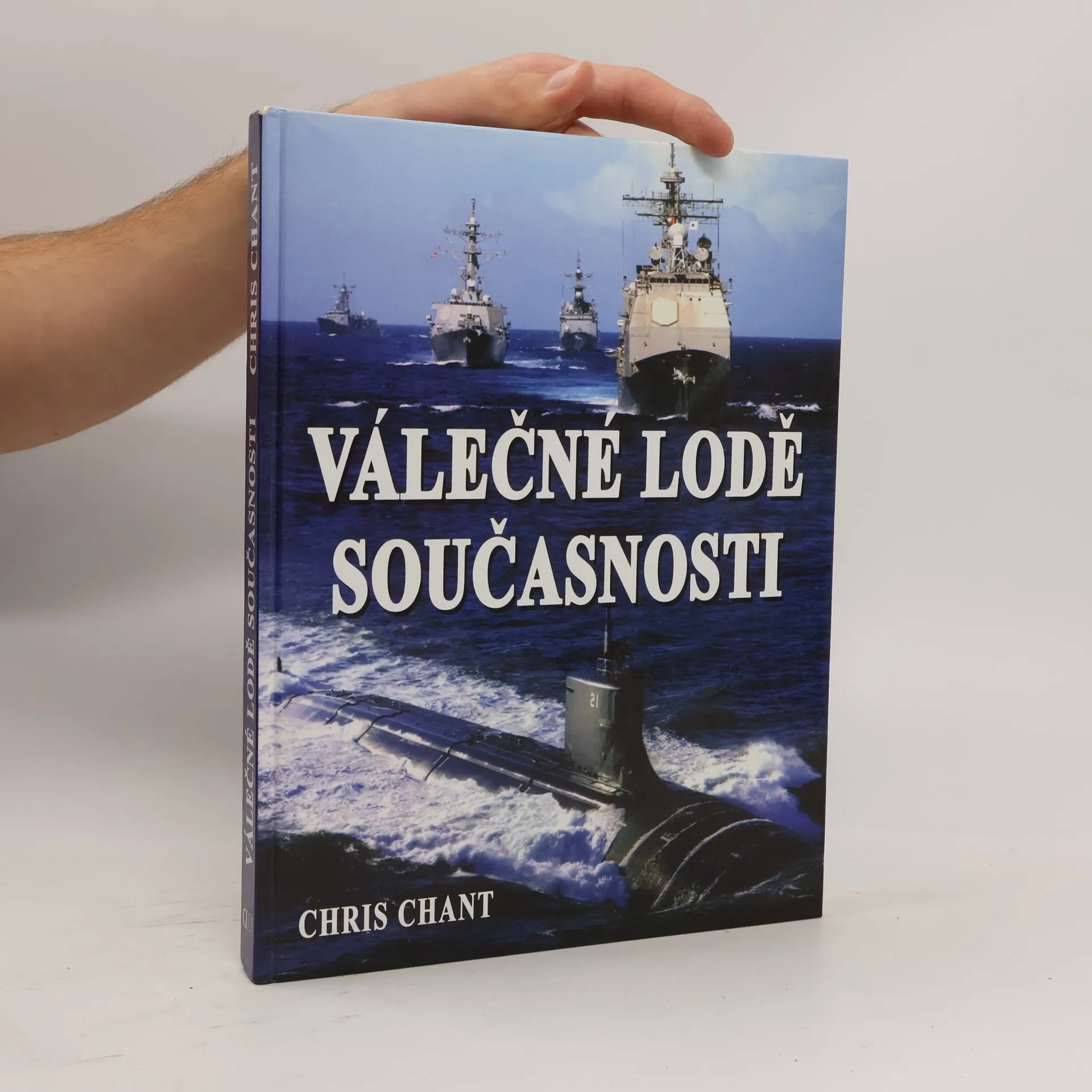
Kniha Válečné lodě současnosti, doplněná barevnými uměleckými a akčními fotografiemi, je vyčerpávajícím průvodcem námořními plavidly, která jsou v současné době součástí námořních sil celého světa, a to od nejmodernějších amerických letadlových lodí po vysloužilé křižníky používané námořními silami jihoamerických států. Autor se v úvodu zabývá podmínkami vedení námořní války v současnosti a poté postupně přibližuje jednotlivé typy válečných lodí včetně letadlových lodí, křižníků, torpédoborců, ponorek, minolovek, hláskovacích plavidel a zásobovacích lodí.
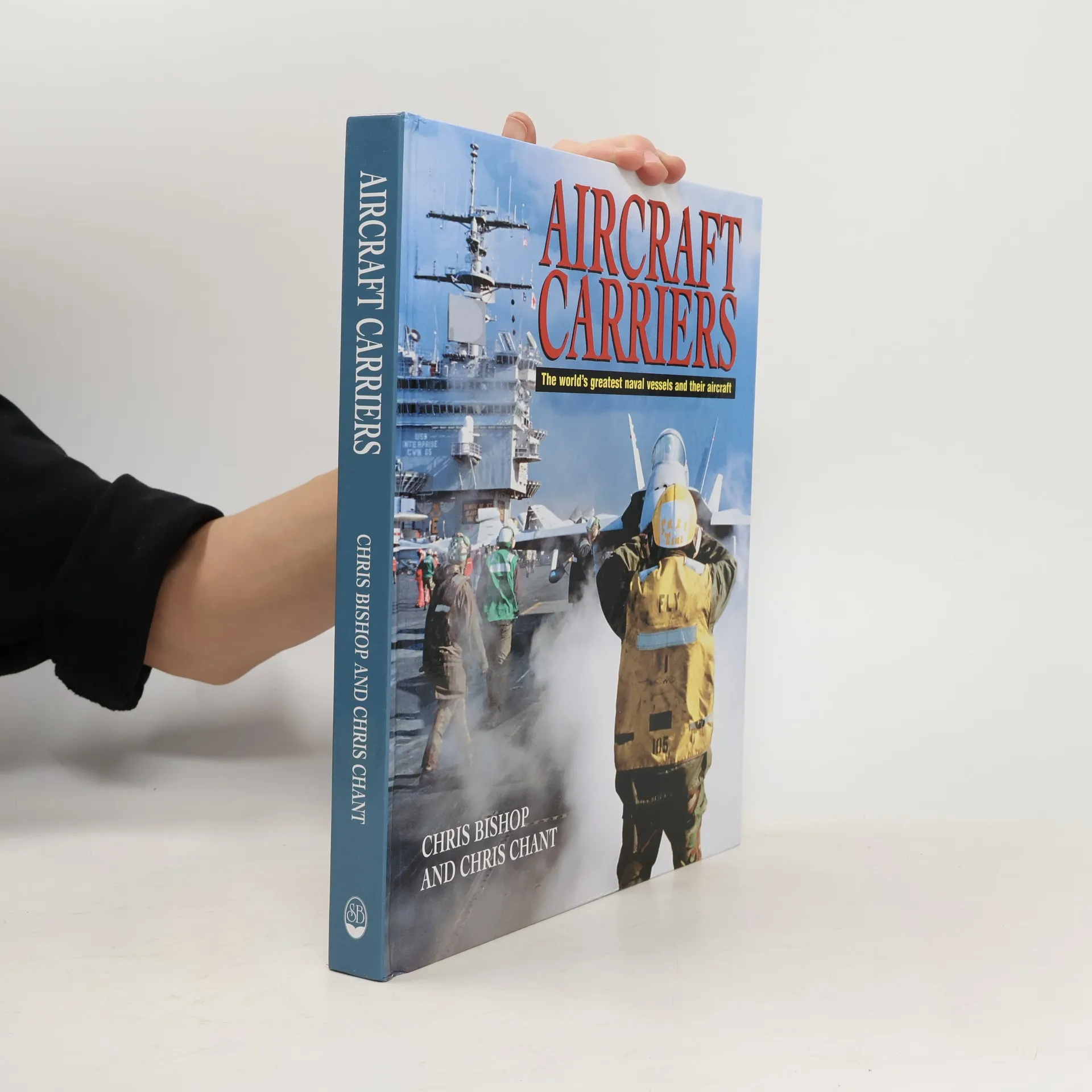
Výpravná fotografická publikace přibližuje vývoj, konstrukci, vybavení i nasazení letadlových a speciálních transportních lodí od 2. světové války do současnosti.
Describes the different types of submarines in service today, from the giant yet barely detectable ballistic missile submarines to the nuclear and diesel powered attack submarines that patrol the high seas and shipping lanes.
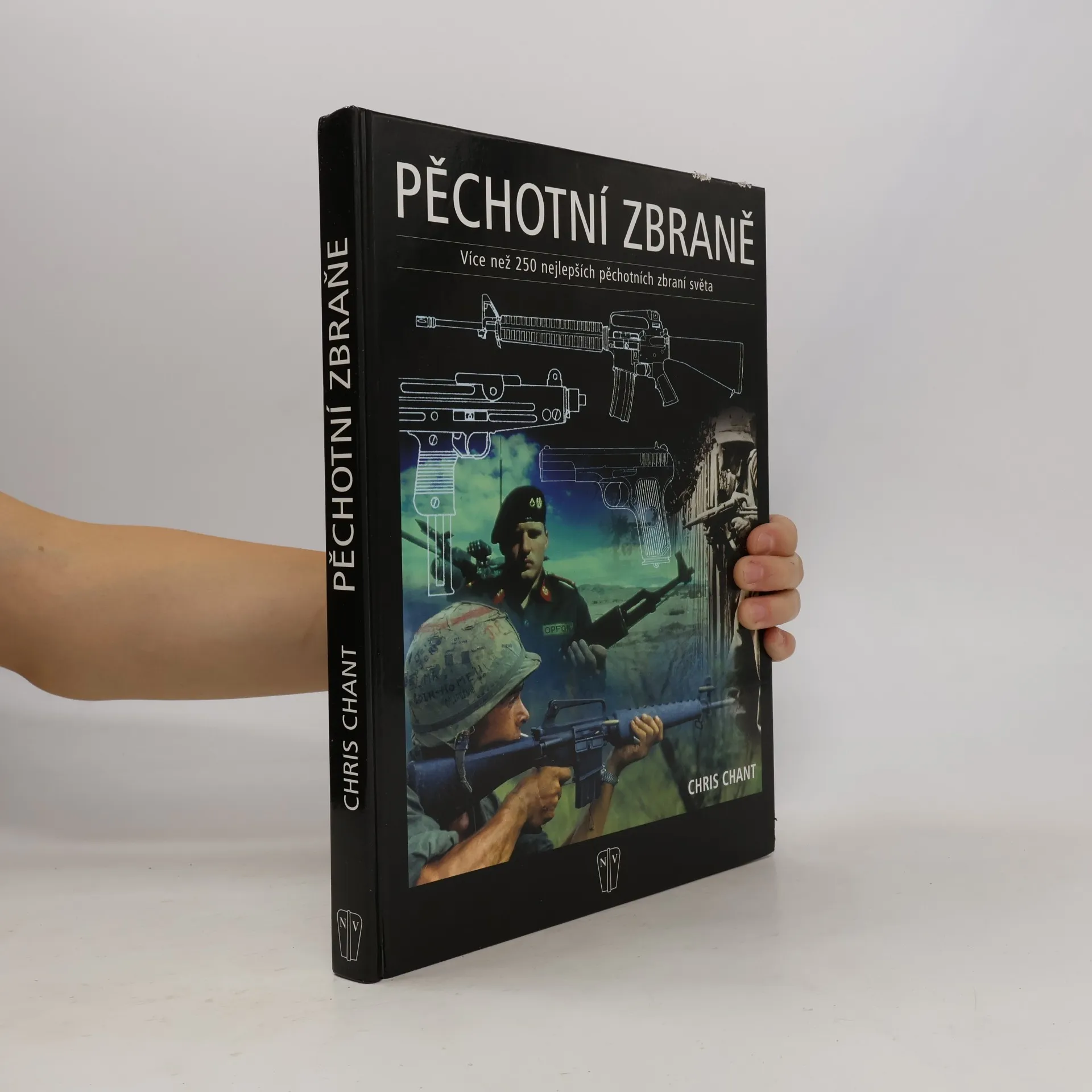
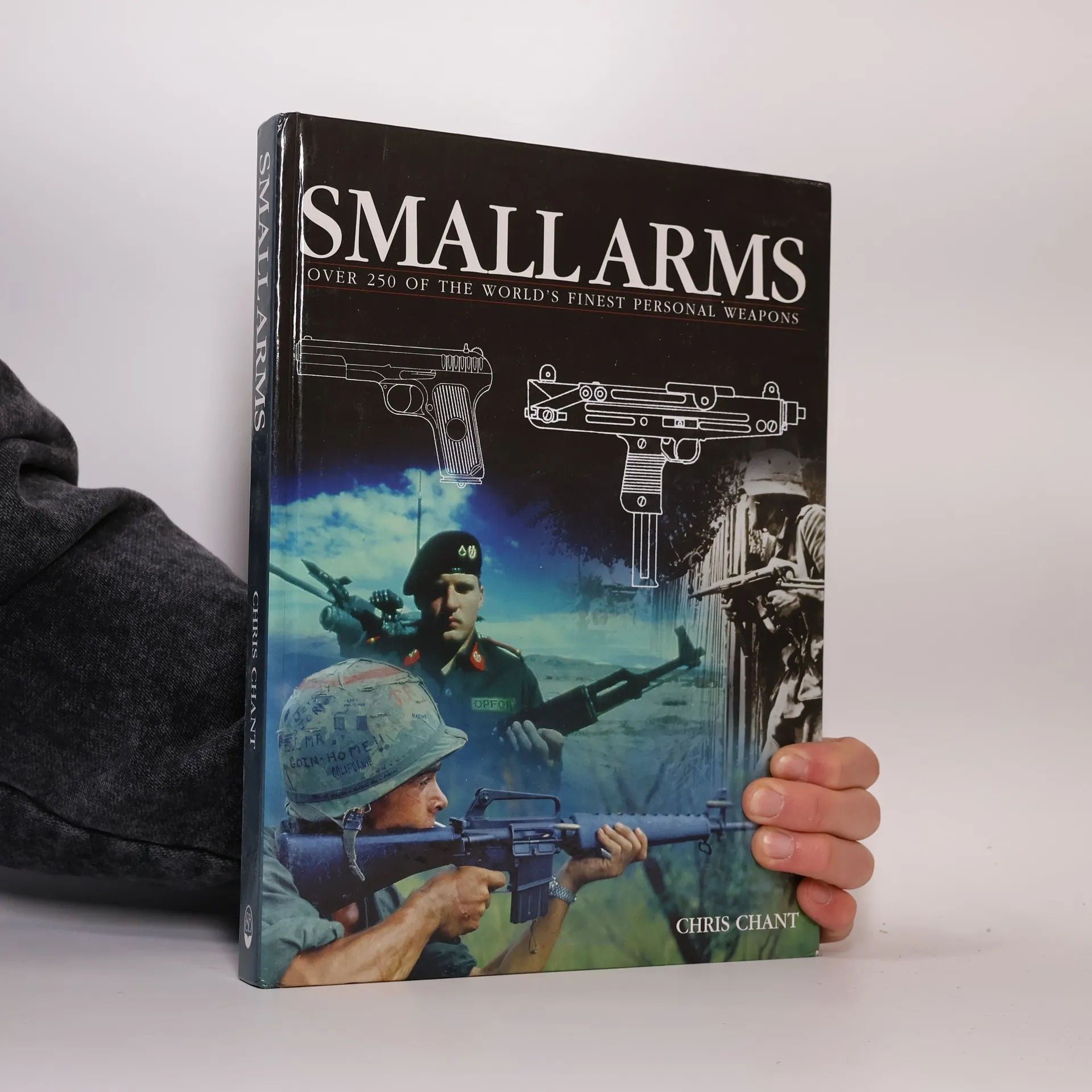
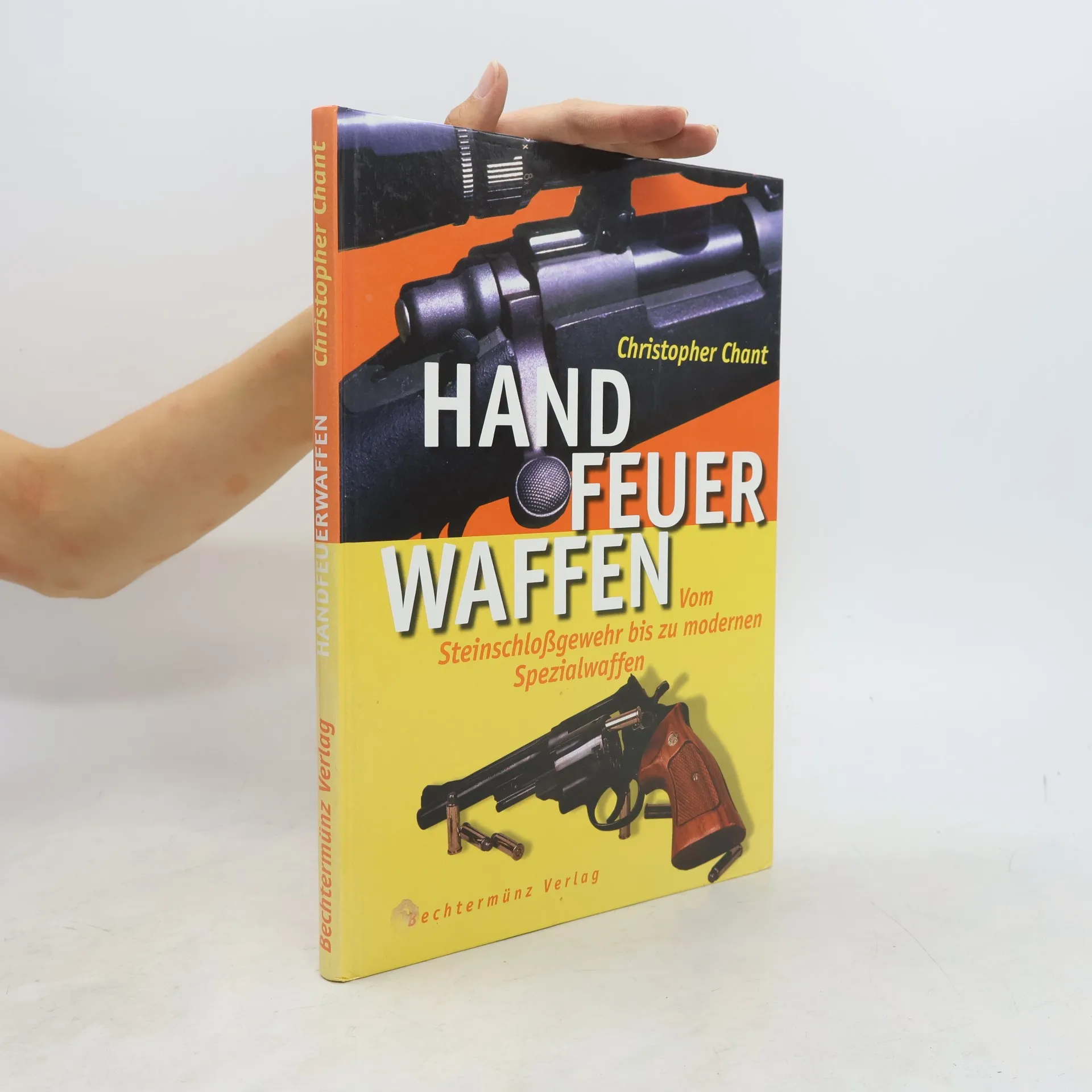
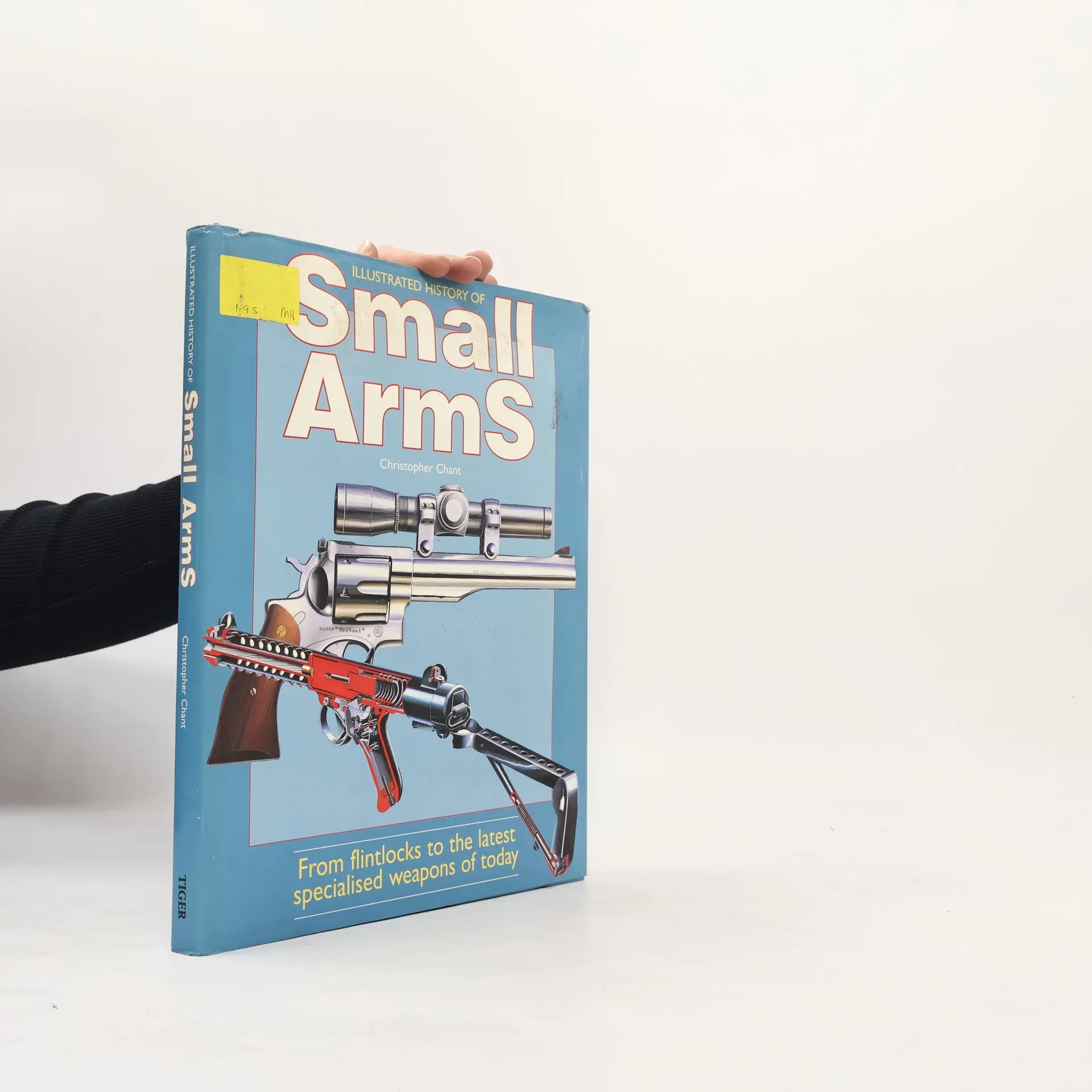
Více než 250 nejlepších pěchotních zbraní světa. Od německé pistole Luger k americké útočné pušce M16. Kniha Pěchotní zbraně je vyčerpávající a bohatě ilustrovanou publikací, v níž jsou zařazeny všechny nejdůležitější ruční zbraně světa vyráběné v minulém století. Od pistolí přes pušky, samopaly až po kulomety a další osobní zbraně vojáka. V poslední kapitole se autor zabývá výhledem na zbraně 21. století. Kniha poskytuje přístupnou formou velké množství informací pro každého zájemce o ruční palné zbraně.
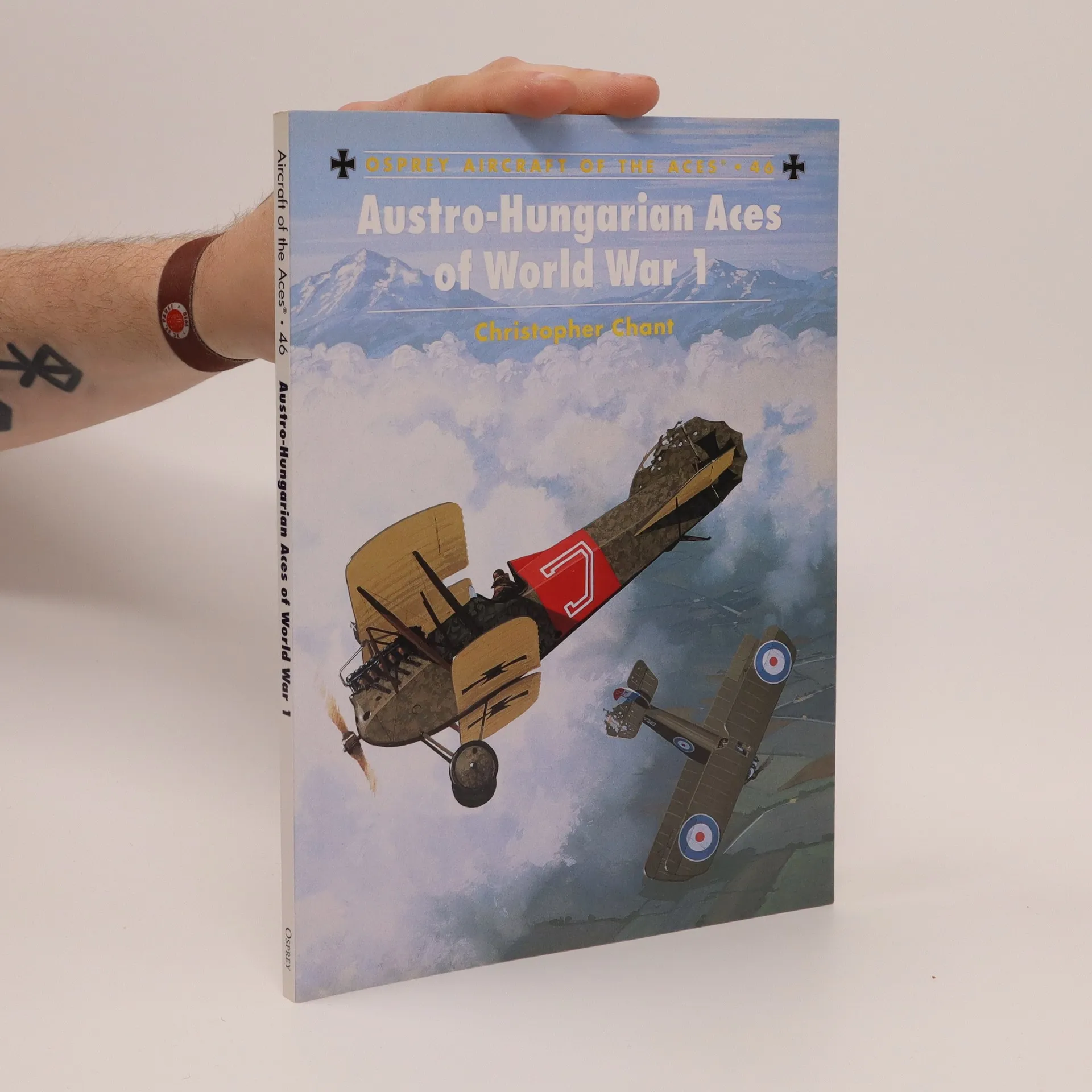
Starting the war with only 35 aircraft, Austro-Hungarian industry went on to produce only moderate numbers of poor quality aircraft. The fliers of the Austro-Hungarian Empire operating on the Serbian and Russian fronts were fortunate at first, finding themselves faced by small numbers of aircraft yet more obsolescent than their own. Serbia fell in 1915, but when Italy declared war the Austro-Hungarians were still faced with a two-front war – a static front against Italy, and a far more fluid one against Russia. Austro-Hungarian fighter pilots performed bravely and often very effectively under extremely difficult geographic, climatic and operational conditions.
Kniha obsahuje popis 300 letounů z období druhé světové války s barevným vyobrazením. U každého letounu jsou uvedeny údaje o rozměrech, hmotnostech, výzbroji, pohonných jednotkách, o jeho vývoji a nasazení.
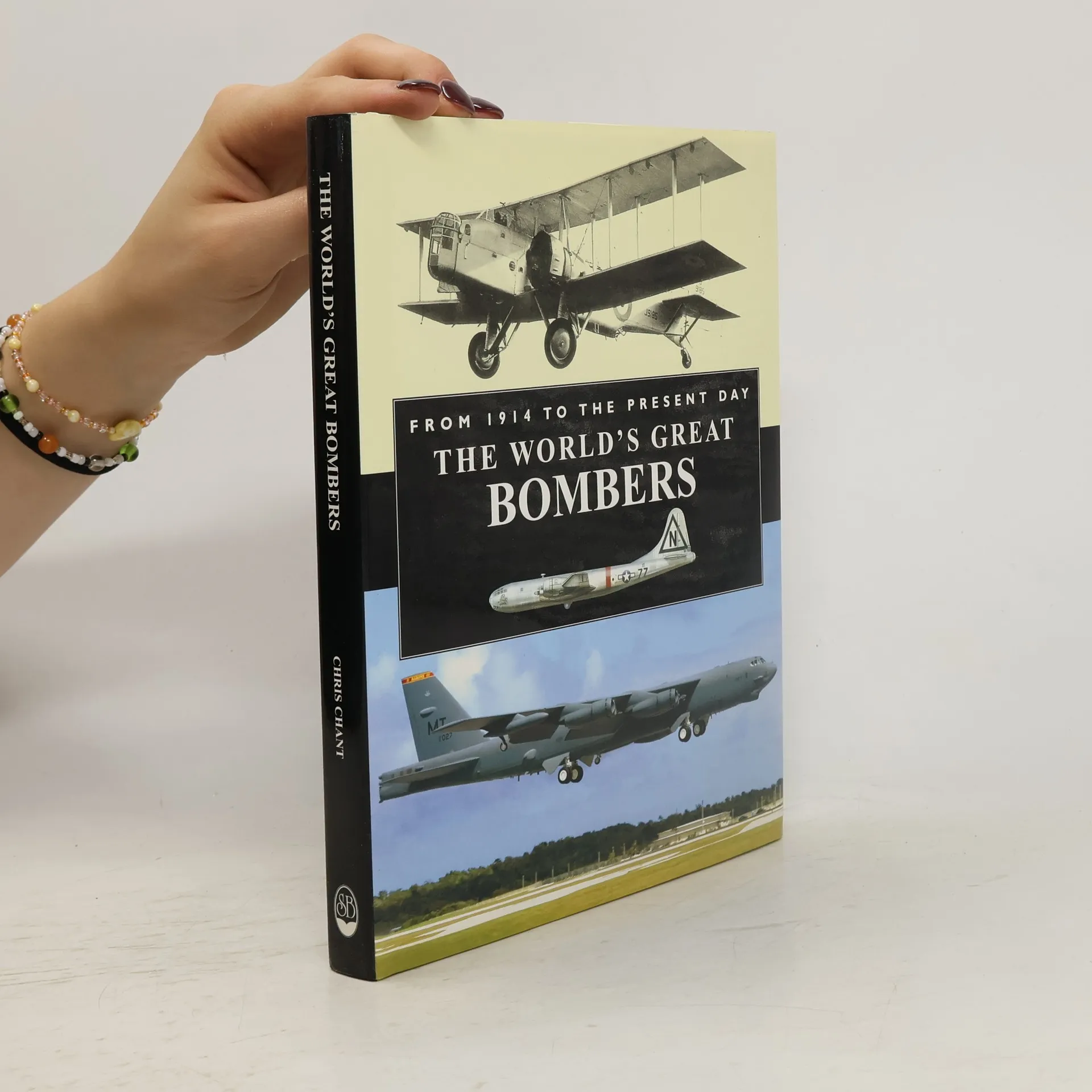
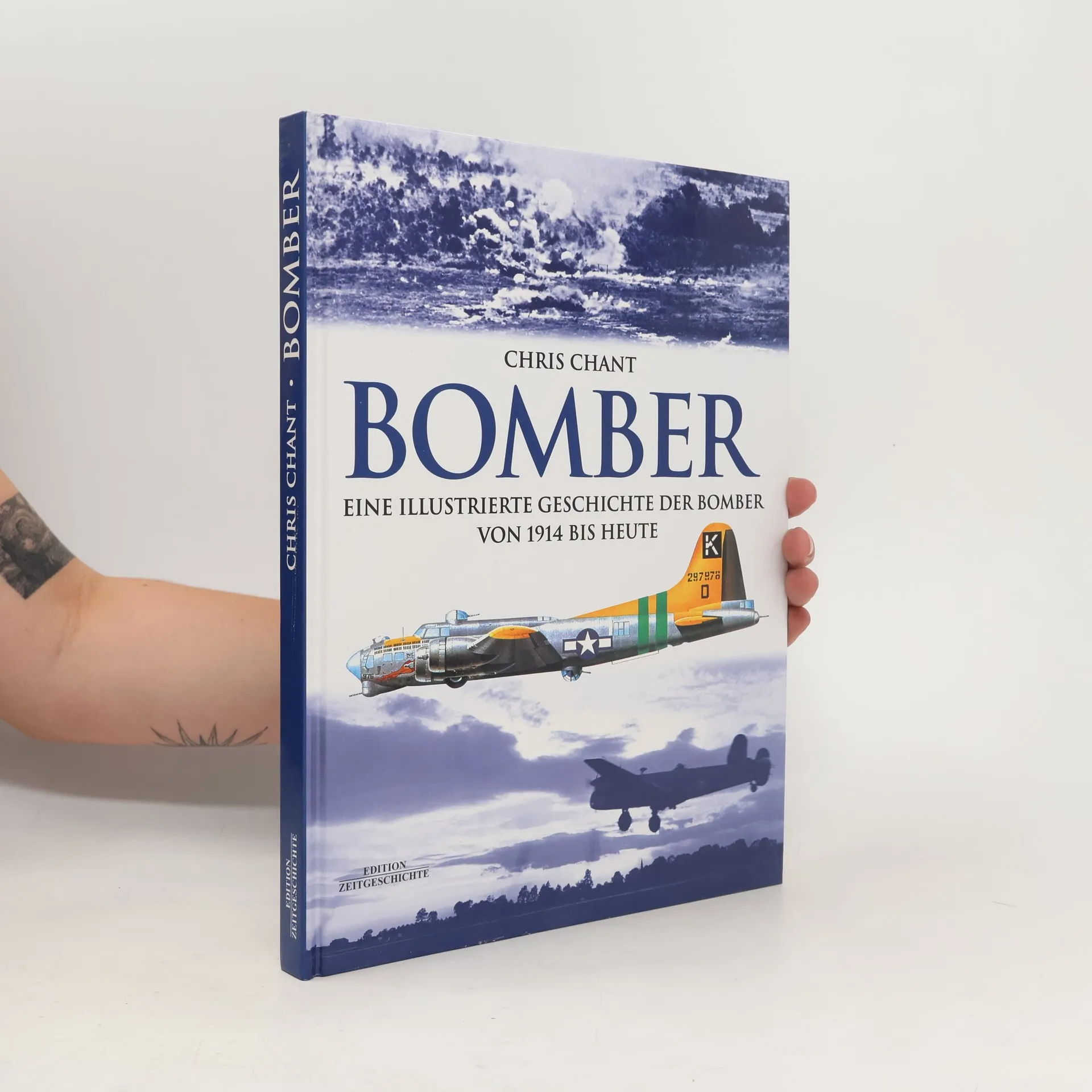
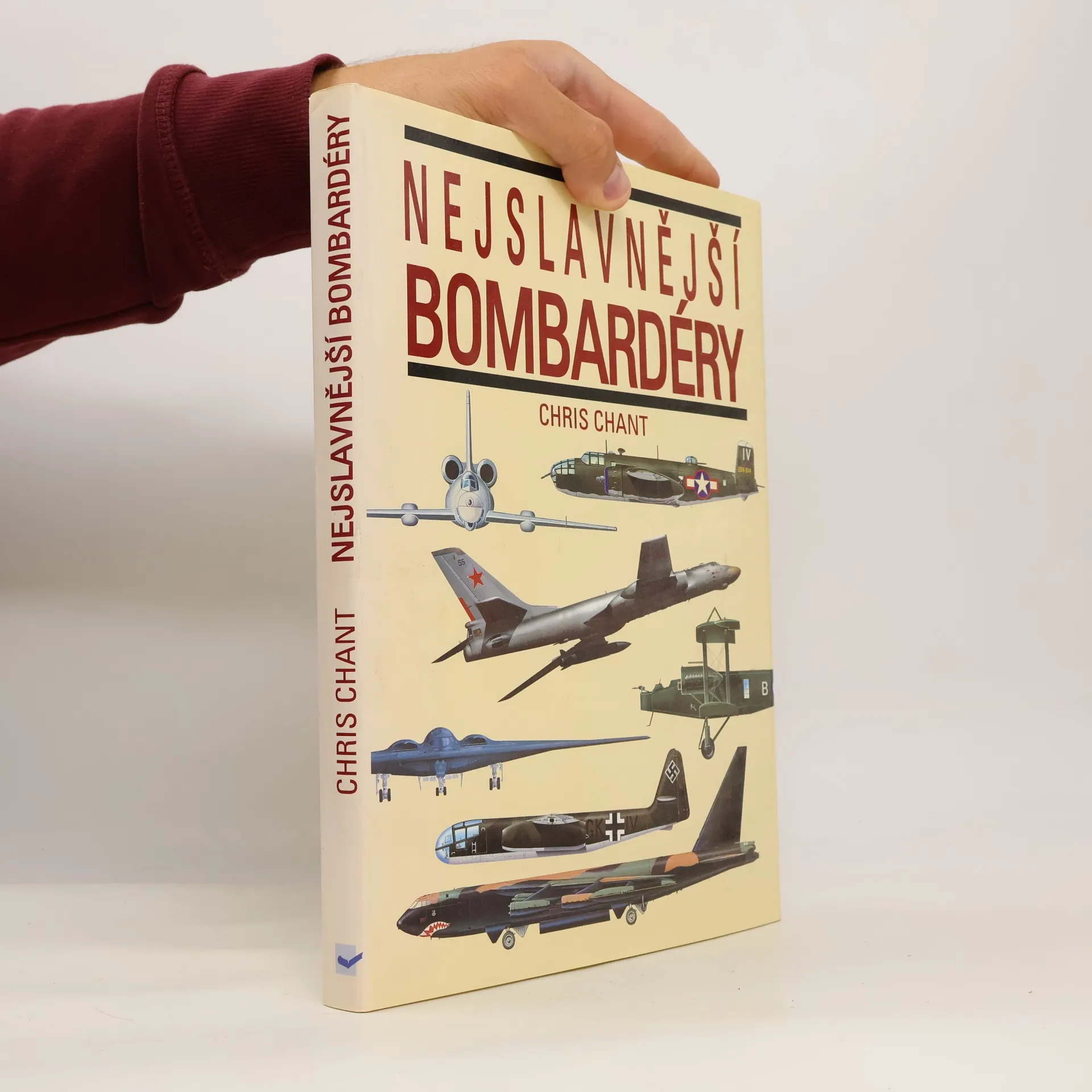
Kniha obsahuje více než 60 barevných kamufláží a 80 fotografií bombardérů.U jednotlivých letounů naleznete mnoho informací včetně technických specifikací.
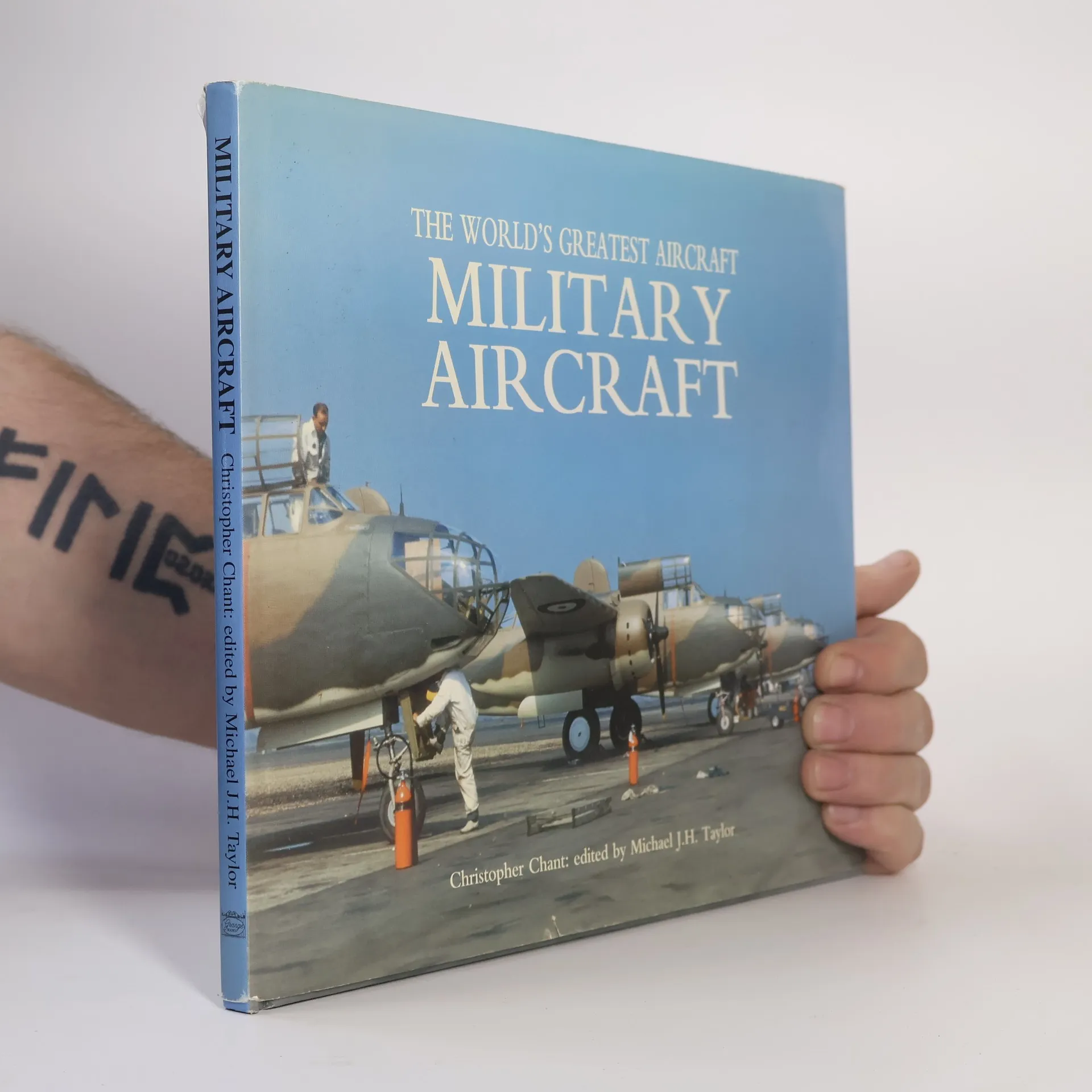
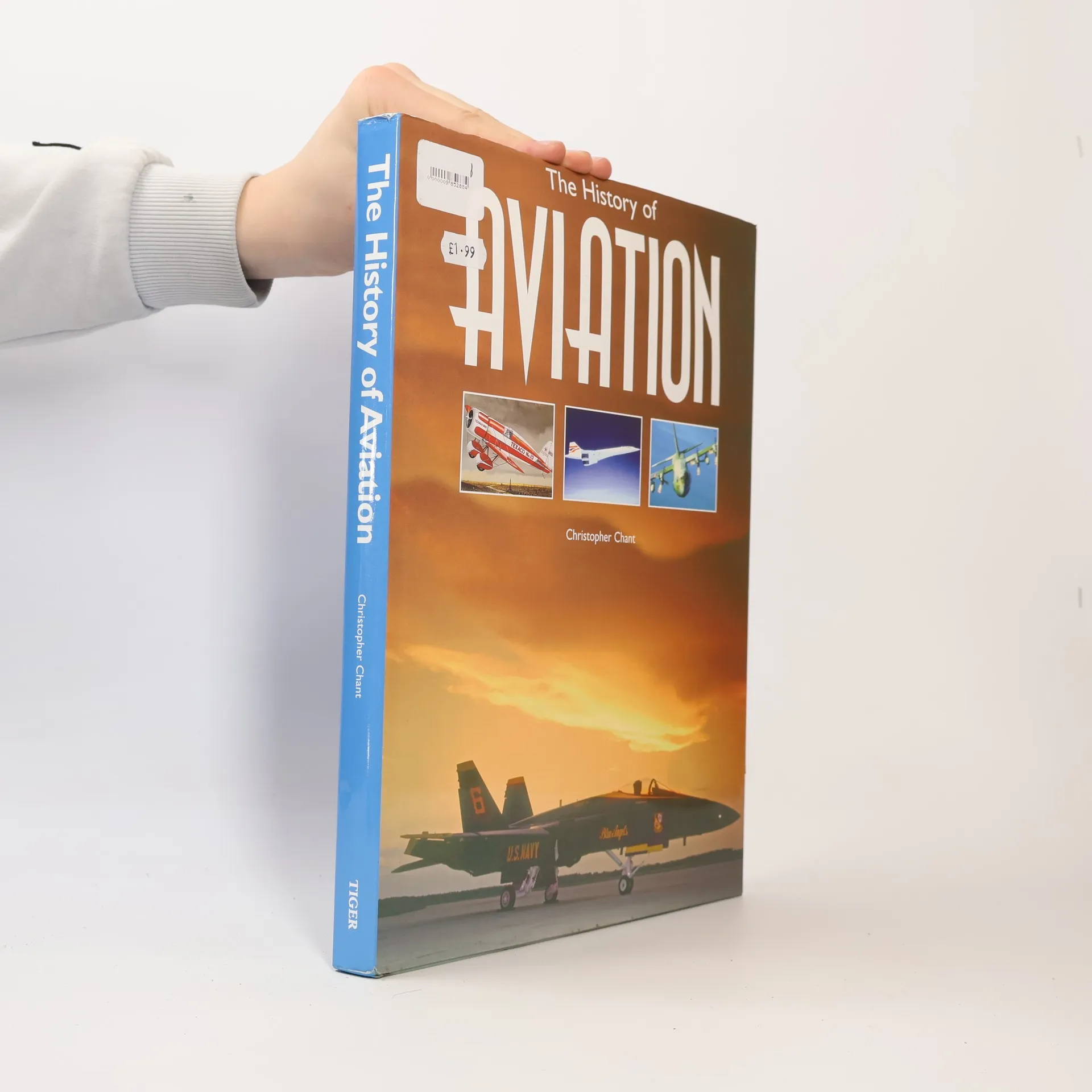
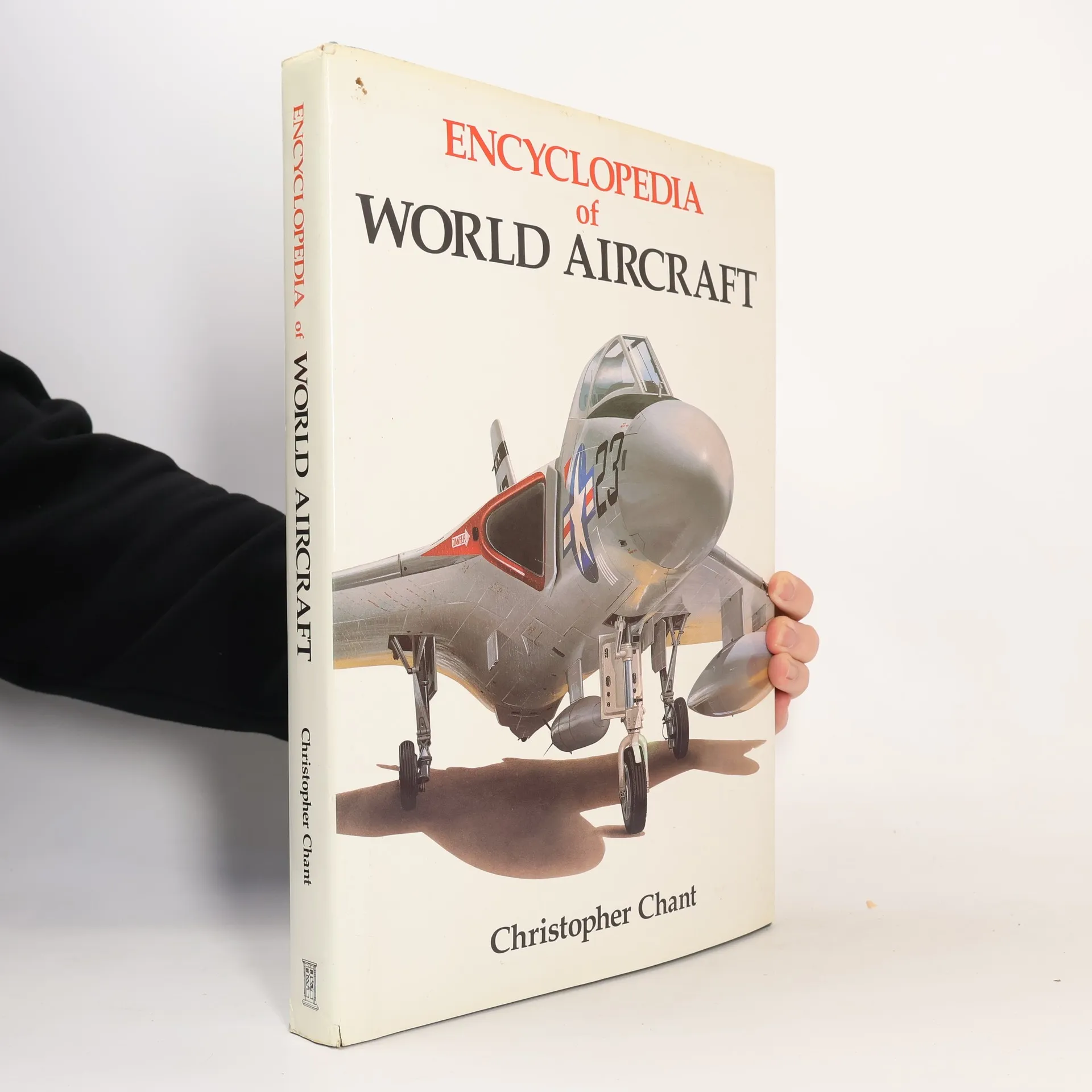
Drawings, photographs, and text describe a variety of military aircraft, both U.S. and foreign, including the Martin Marauder, Tupolev Badger, Dassault Mirage, Handley Page Victor, and Grumman Hawkeye.
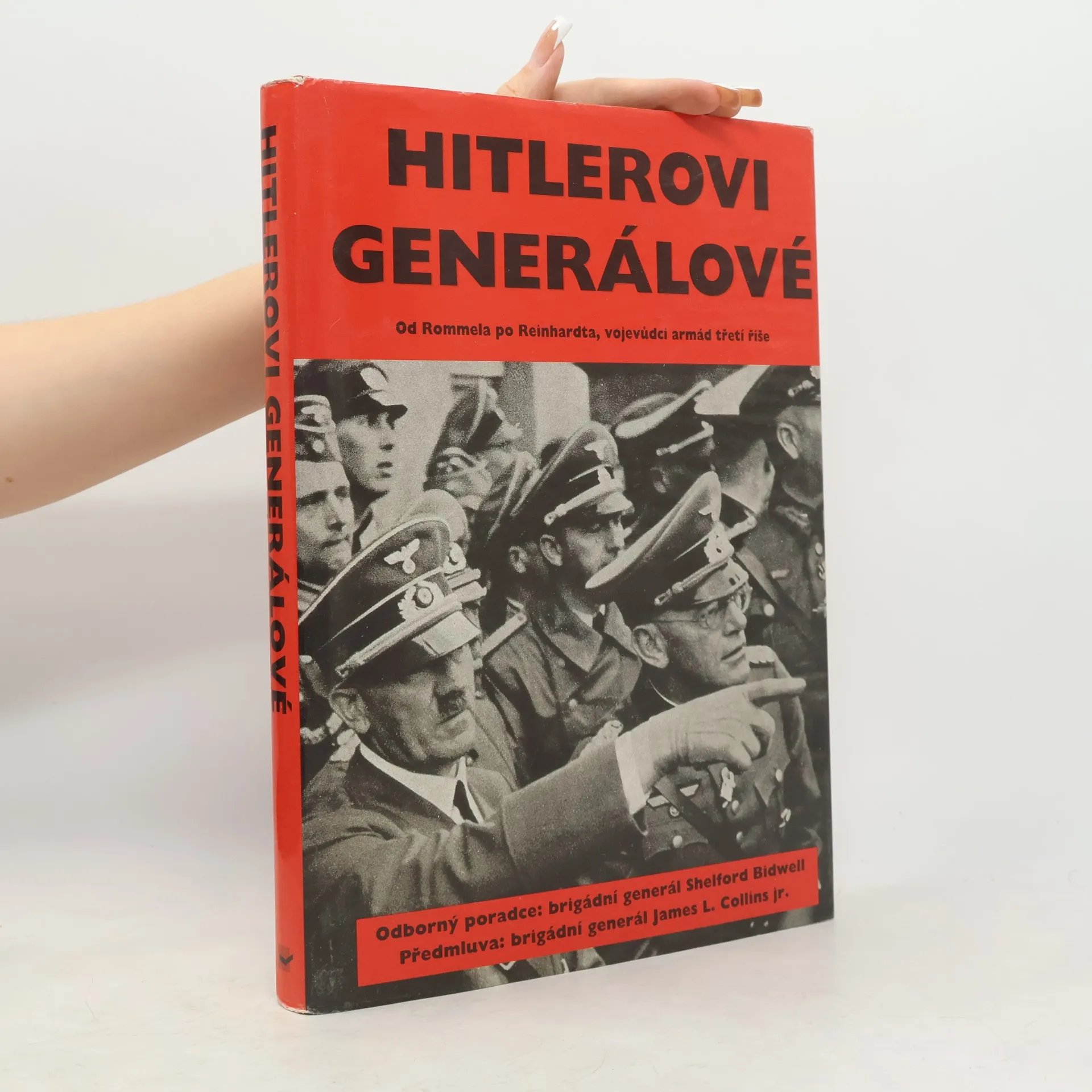
Kniha Hitlerovi Generálové je vojenskou a politickou analýzou generality Třetí říše. Kniha, vybavená celou řadou jedinečných fotografií se svým širokým záběrem stává jednou z nejkomplexnějších publikací o druhé světové válce.
Drawings, photographs, and text describe a variety of fighter planes, both U.S. and foreign, in use in World Wars I and II, including Britain's Sopwith Camel, the German Fokker and Messerschmitts, the American Curtiss series and the Lockheed Lightning.
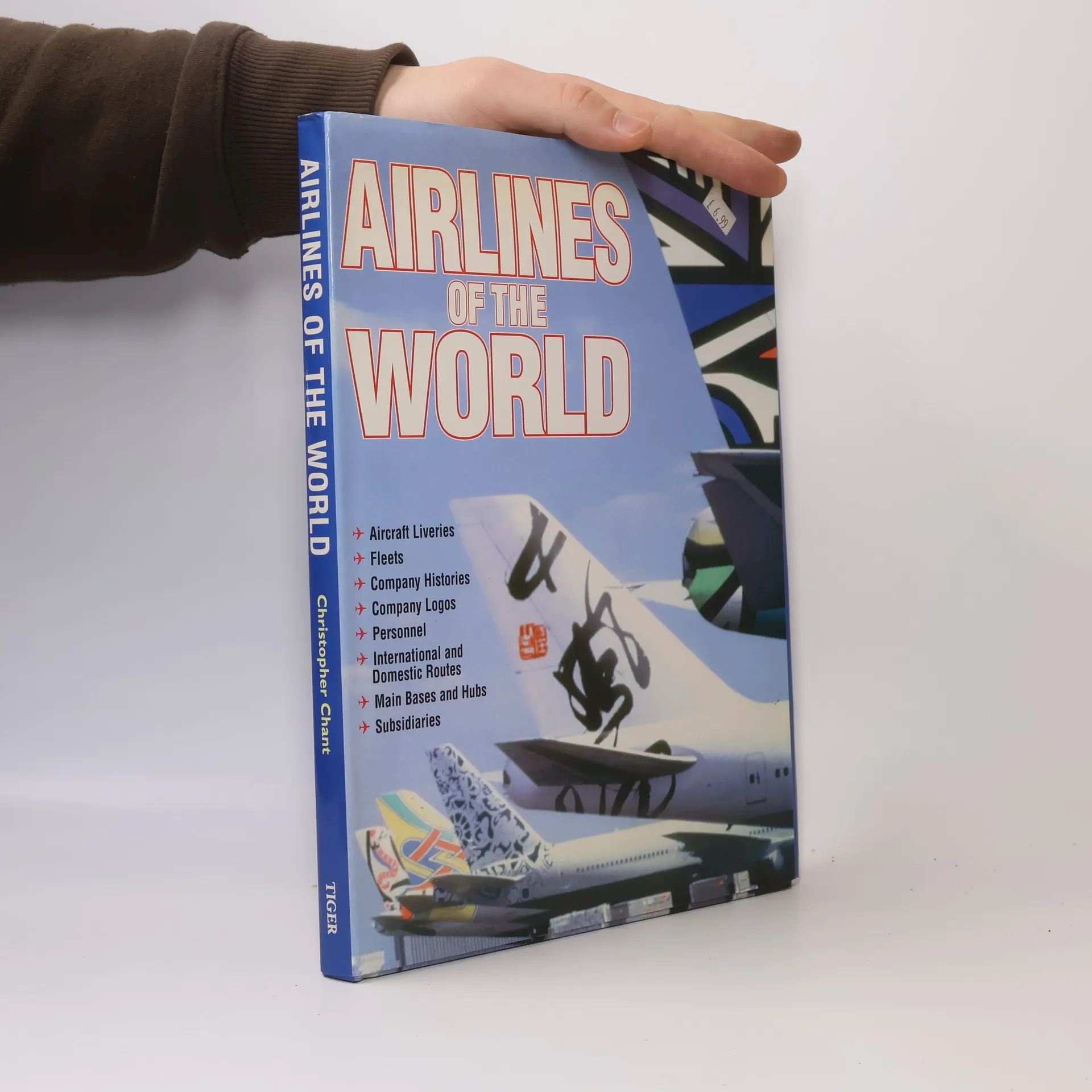
Packed with details of the world's most successful airlines. Based in all parts of the world and each operating a complex network of domestic, regional and intercontinental flights, these airlines are a major force in the world economy as they carry large numbers of business class passengers and freight, and also exercise an important social influence with their involvement in the mass transportation market for economy- or coach-class passengers. Each airline is described with its location, origin, nature, marketing alliances, number of employees, aircraft types and numbers together with machines on order and option, hubs and bases, primary and secondary route networks, numbers and types of simulators for the training of flightcrews, maintenance capabilities, and history.
Autor rozdělil svou práci, do níž zařadil i řadu u nás dosud méně známých faktů, na čtyři části (1. světová válka, meziválečné období, 2. světová válka a poválečné období), v nichžpřibližuje vývoj tanku v jednotlivých zemích a vliv technického pokroku v této oblasti na taktiku boje. Do publikace, jež na našem trhu dosud chybí, zařadil všechny nejznámější typy tanků, dále ty, které ovlivnily další vývoj tohoto bojového vozidla nebo jsou konstrukčně zajímavé, i tanky, které významnou měrou ovlivnily výsledky bojů.
Viete o tom, že Švédi vyvinuli tank, ktorý nemá vežu, ale buldozérovú radlicu, takže sa môže zakopať do zeme, a tým zvýšiť svoju bezpečnosť? Viete, ktorá stíhačka na svete má najväčšiu manévrovateľnosť, a prečo?
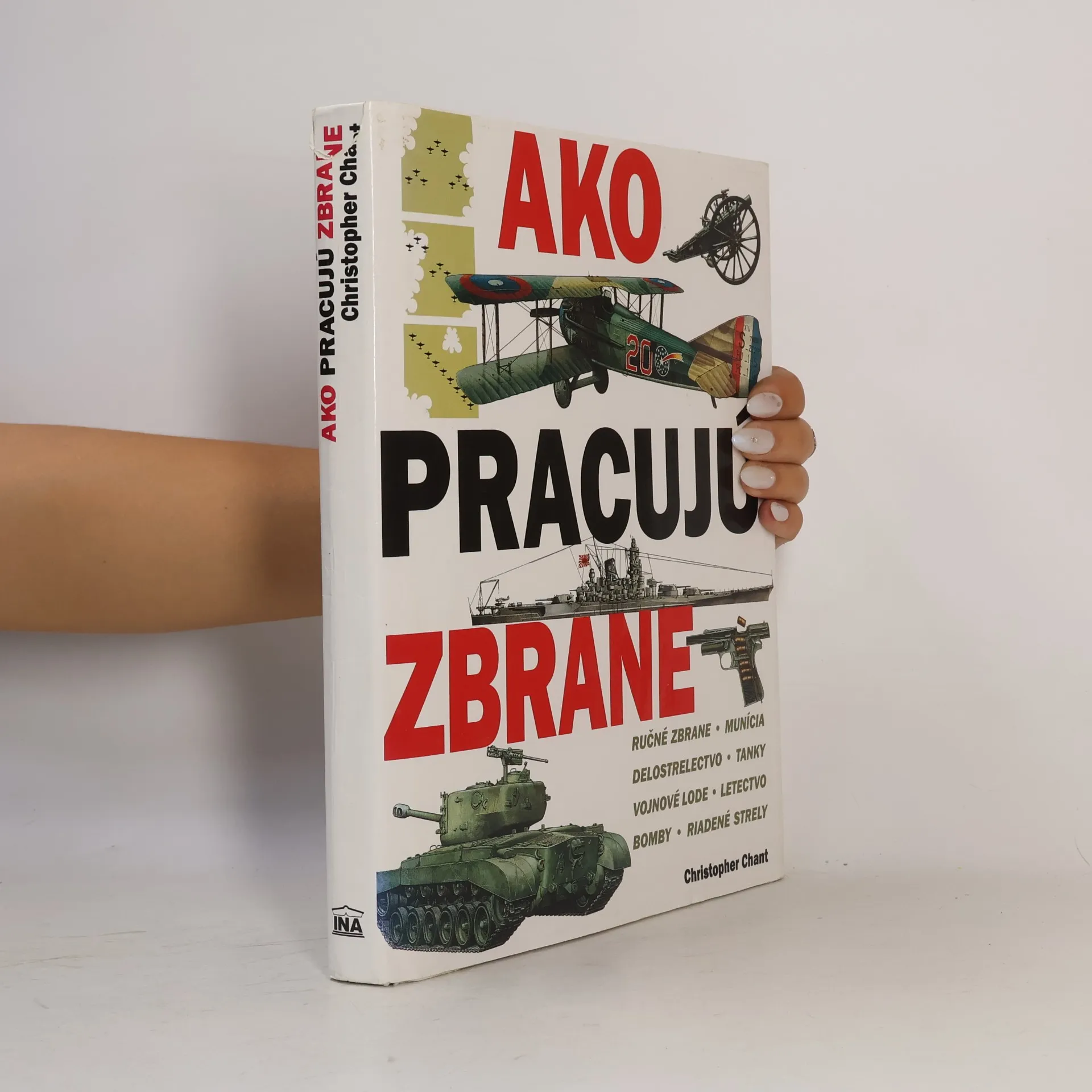
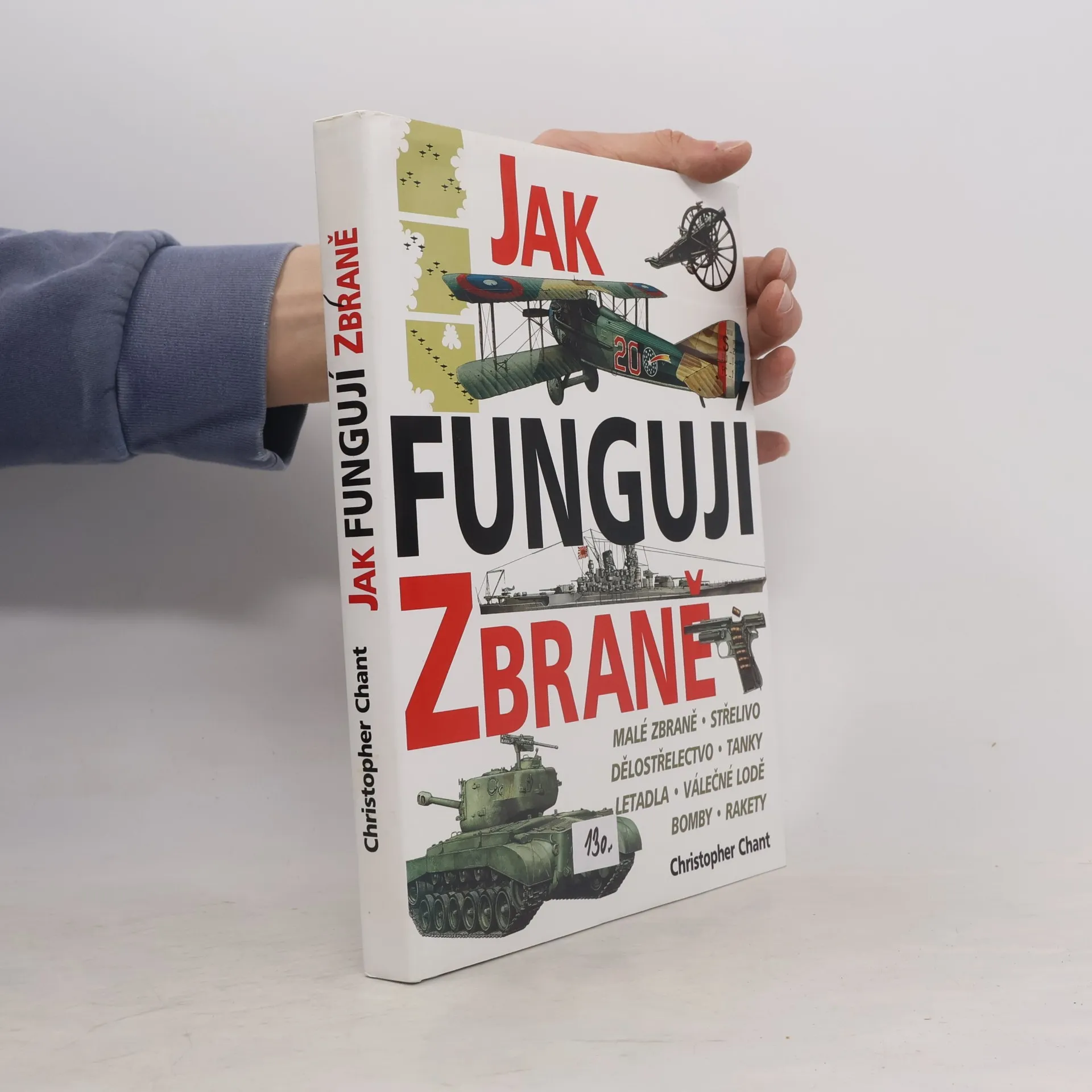
Kniha najskôr zrozumiteľne a stručne opisuje vývoj zbraní až do dvadsiateho storočia a potom sa sústreďuje na šesť rôznych oblastí - ručné zbrane a muníciu, delostrelectvo, tanky, letectvo, vojnové lode a nakoniec bomby a riadené strely. Každá časť obsahuje široký výber príkladov, ktoré ilustrujú postupný vývin a zavádzanie novej techniky do stále zložitejších zbraňových systémov.
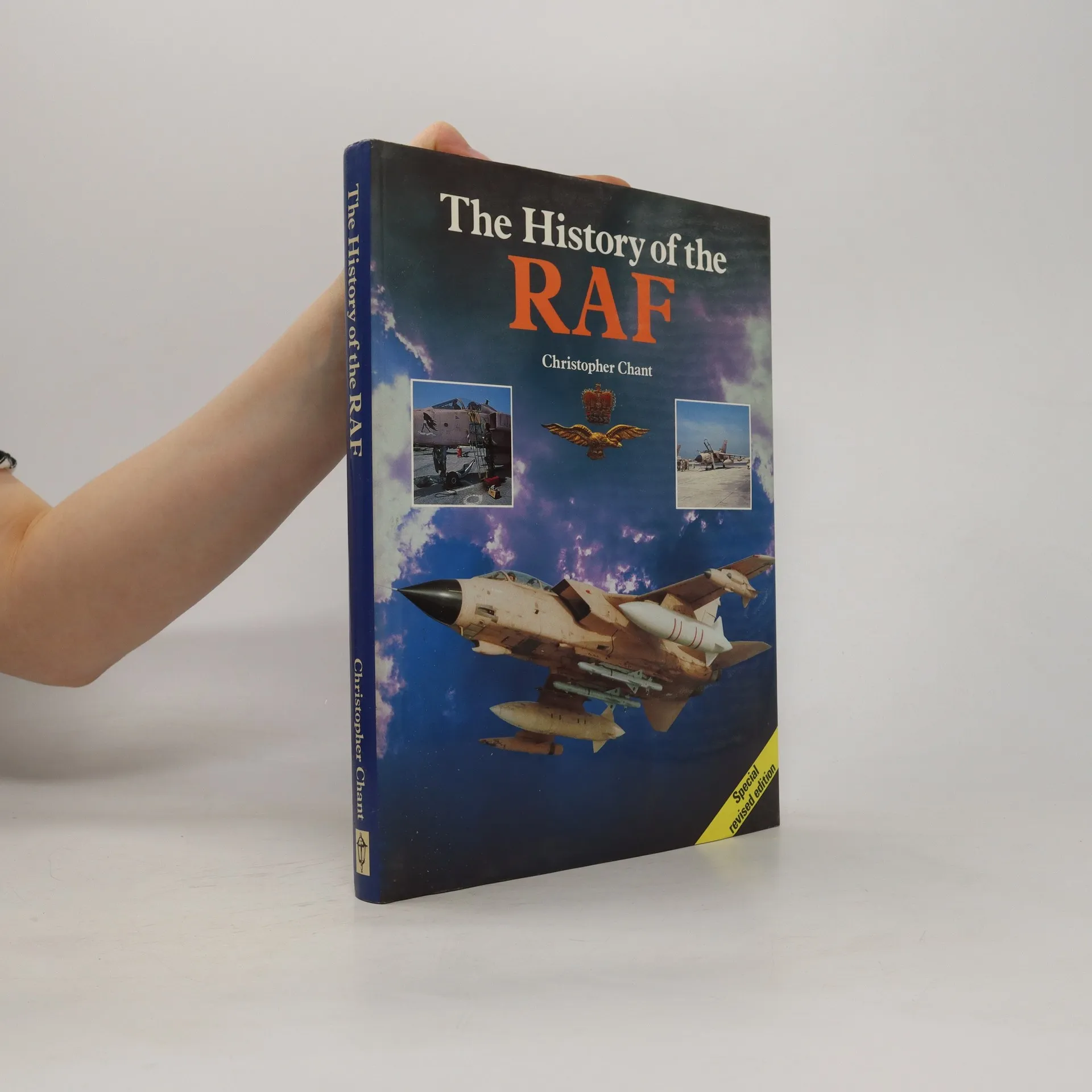
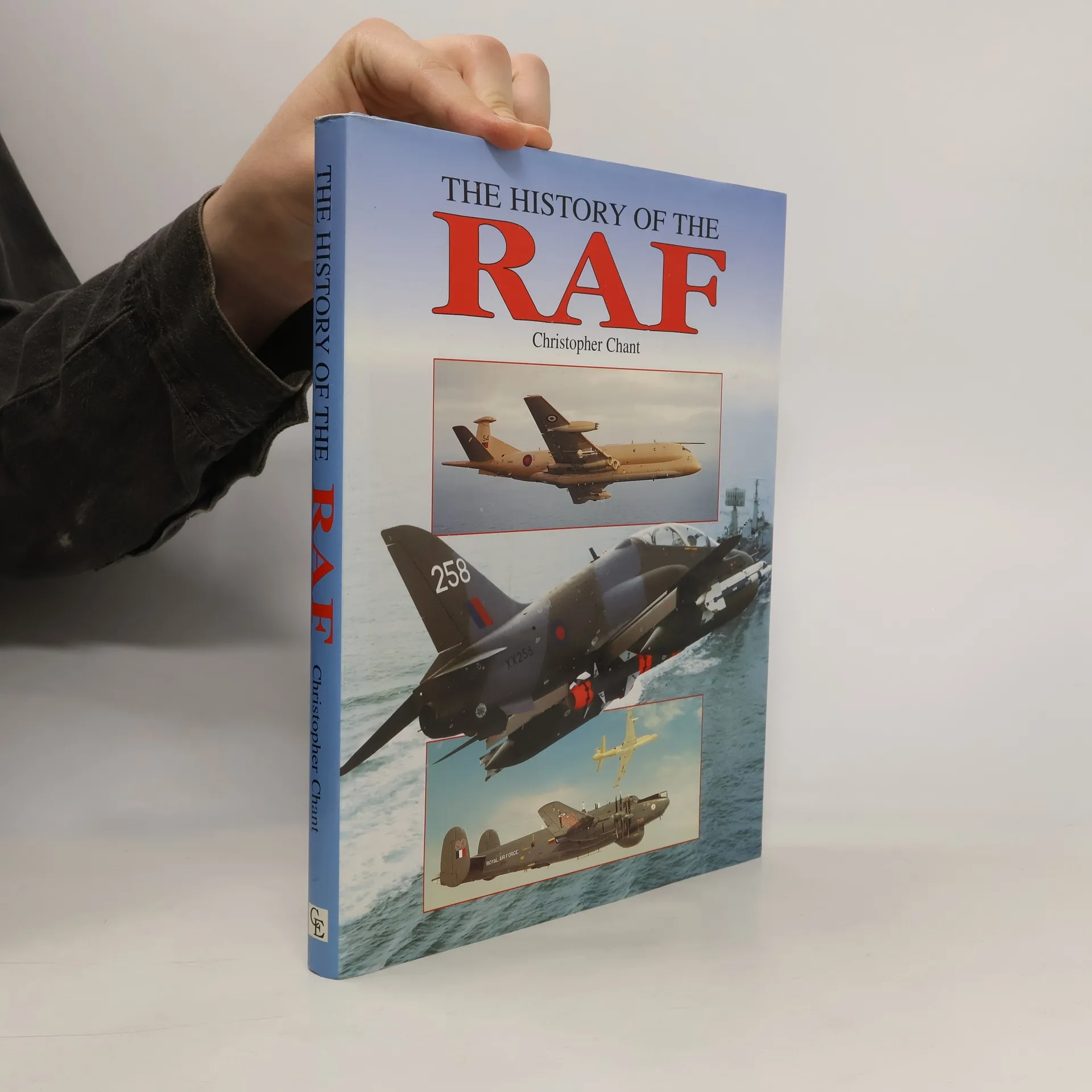
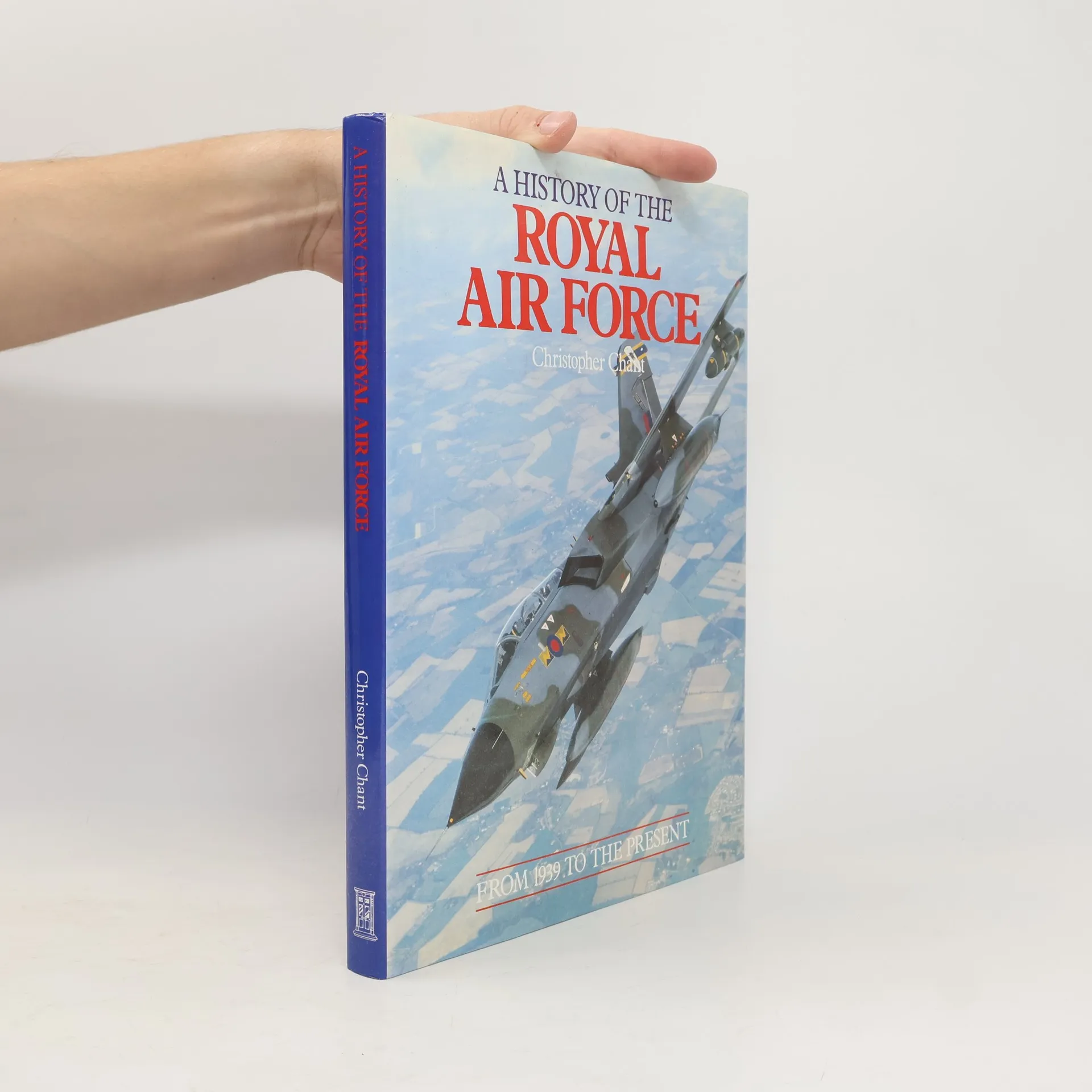
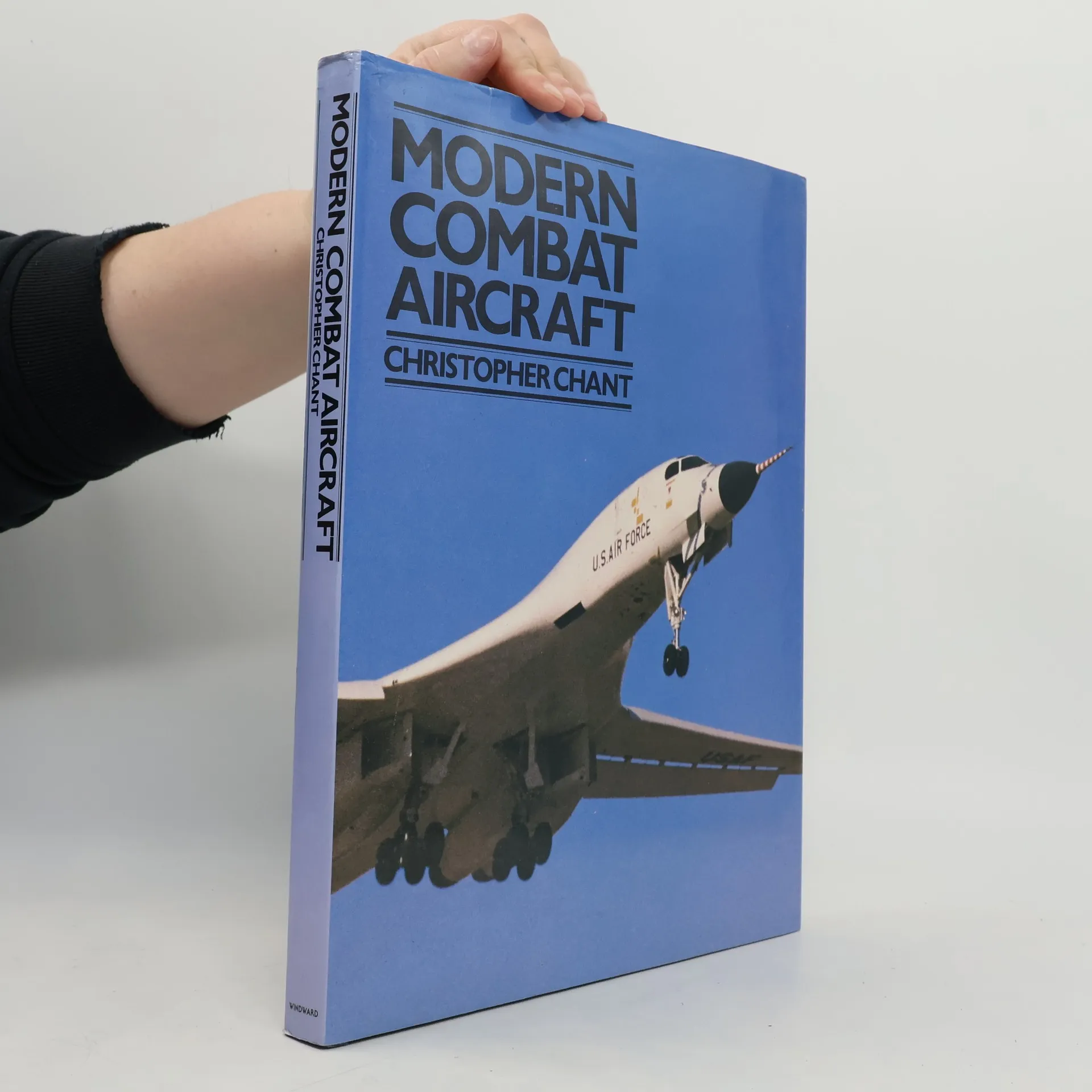
British Air Force History. No damage to book, DJ has slight shelfware & curl to some edges, damp stain on inside of DJ at the top edge book not affected.NO International or Priority.
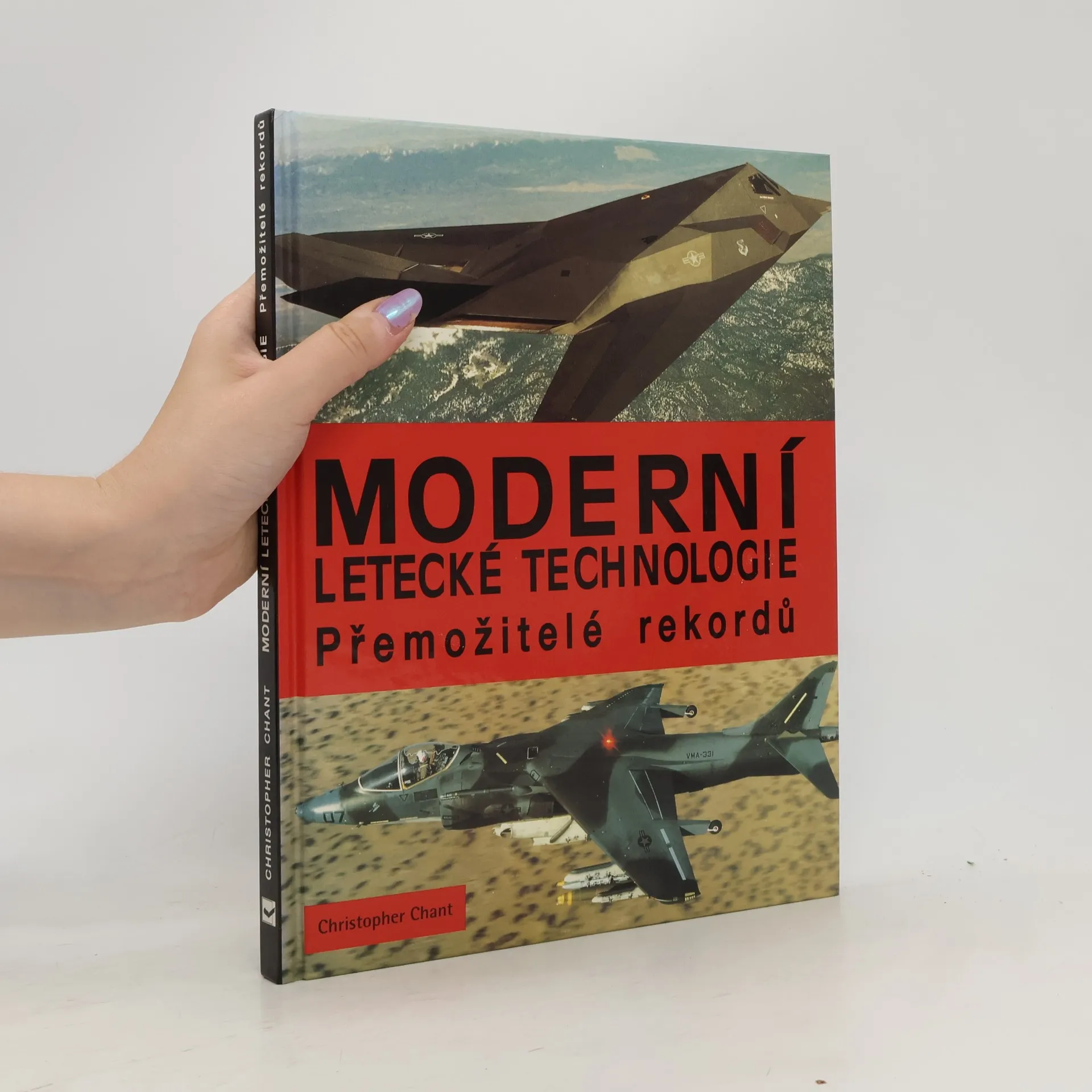
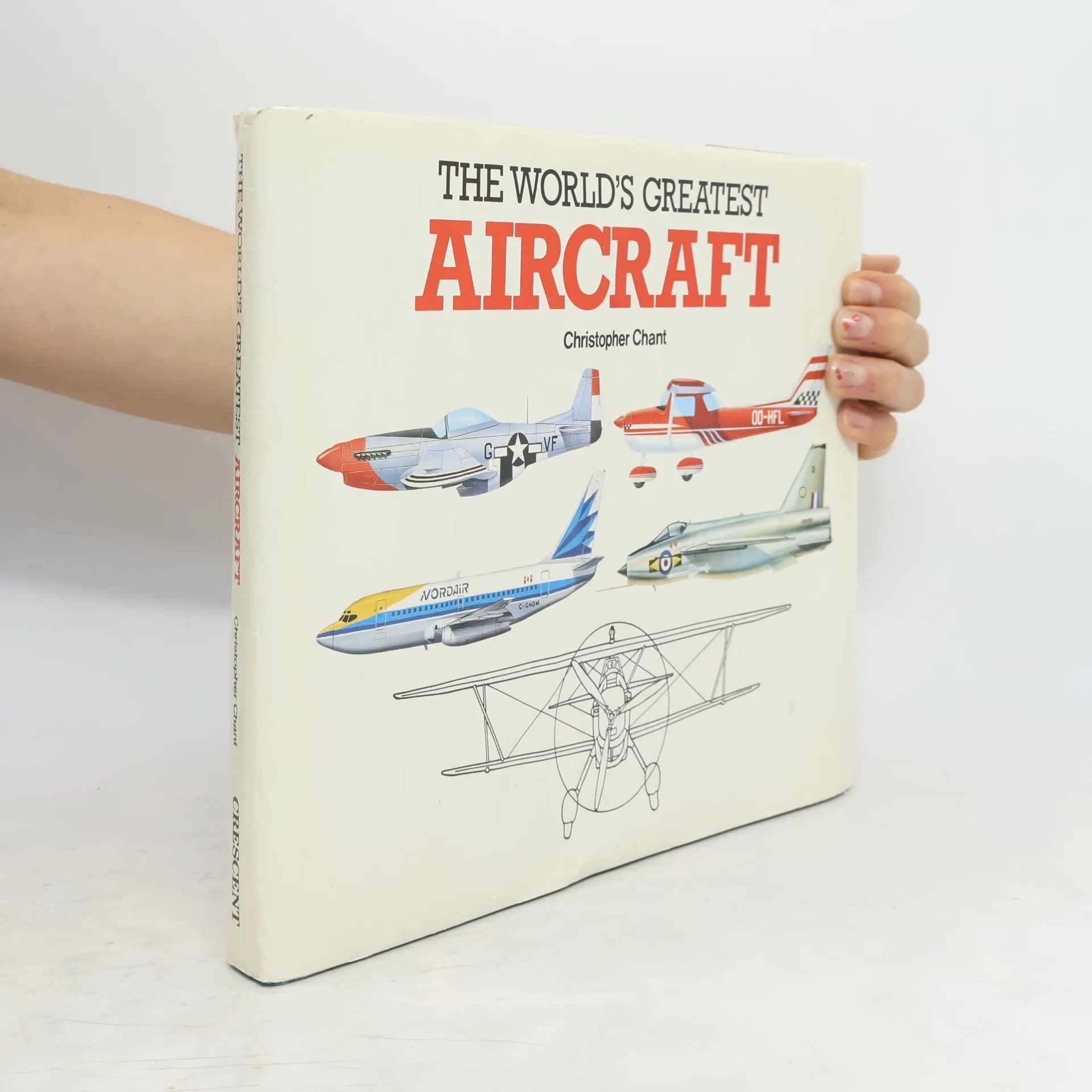
Full-color illustrations bring airplane technology to life in this vibrant guide to the biggest, the smallest, the highest flying, the stealthiest, and the fastest civilian and military aircraft ever built.
Aerospace Technology, From the Light Fighter to the B2 Stealth Bomber
128 stránok
5 hodin čítania
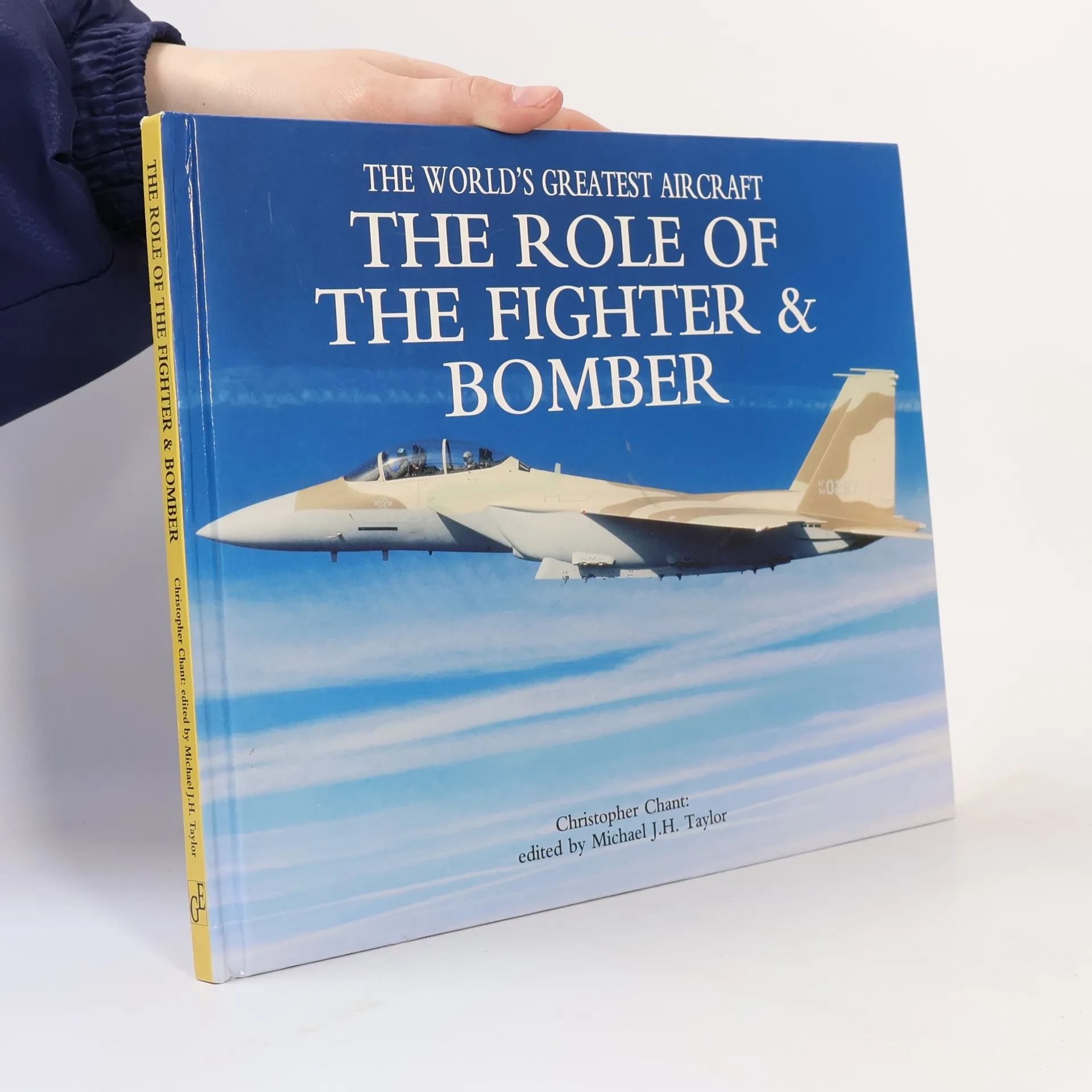
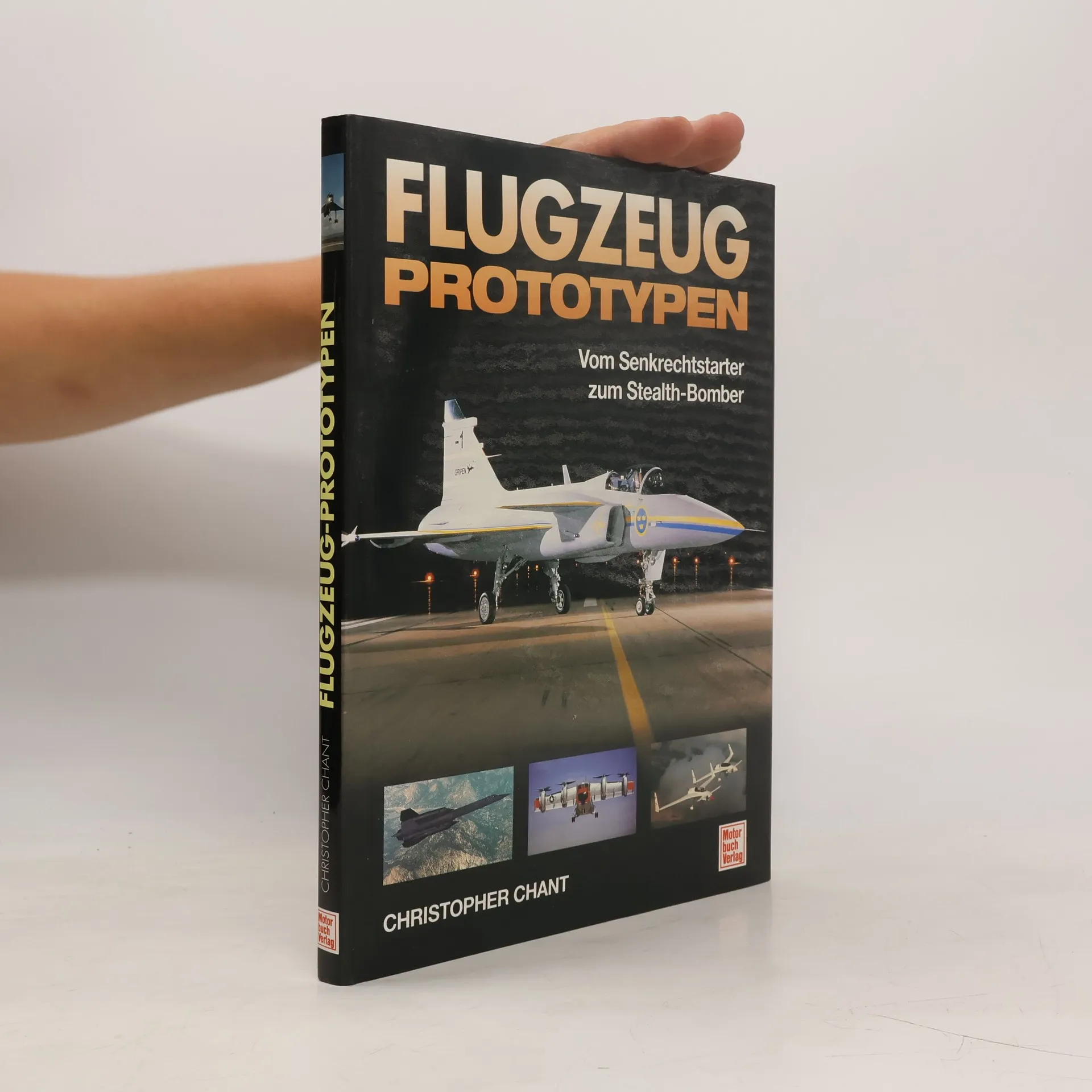
Relates in detail the development of some fascinating prototype aircraft from WW2 thru 1989, and relates how many evolved into mass-produced machines. Also explains the historical background, for example, how the destruction of Hiroshima and Nagasaki changed the concept of bombing. Covering bombers, fighters and research aircraft from around the world, this book tells the story of technical achievement meeting mil. need. The development of turbojet powered machines, rocket motors, innovative wing shapes, the introduction of vertical take off and landing technology and much more are explained in detail. More than 100 photos and illustrations in color.
Since the creation of the standing army in 1661, when each regiment was known by the name of its current colonel, there have been many reforms and rationalizations of the British army. From 31 cavalry regiments and 113 infantry regiments in 1881, at the time of this title's first publication in 1988, the army had reduced to just 16 regiments of armour and 39 regiments of infantry through processes of absorption and amalgamation. The Handbook of British Regiments provides insight into the lineage and history of the approximately 85 regiments and corps which formed the British army towards the end of the 1980s. Comprehensive in coverage, each has a separate entry giving factual details in a layout standardized for easy comparison, including current title, colonel-in-chief, uniform and history, amongst others. A key title amongst Routledge reference reissues, this handbook provides an accessible guide to specialists as well as lay enthusiasts, and illustrates a sense of the continuity and inherited tradition of each regiment and corps.
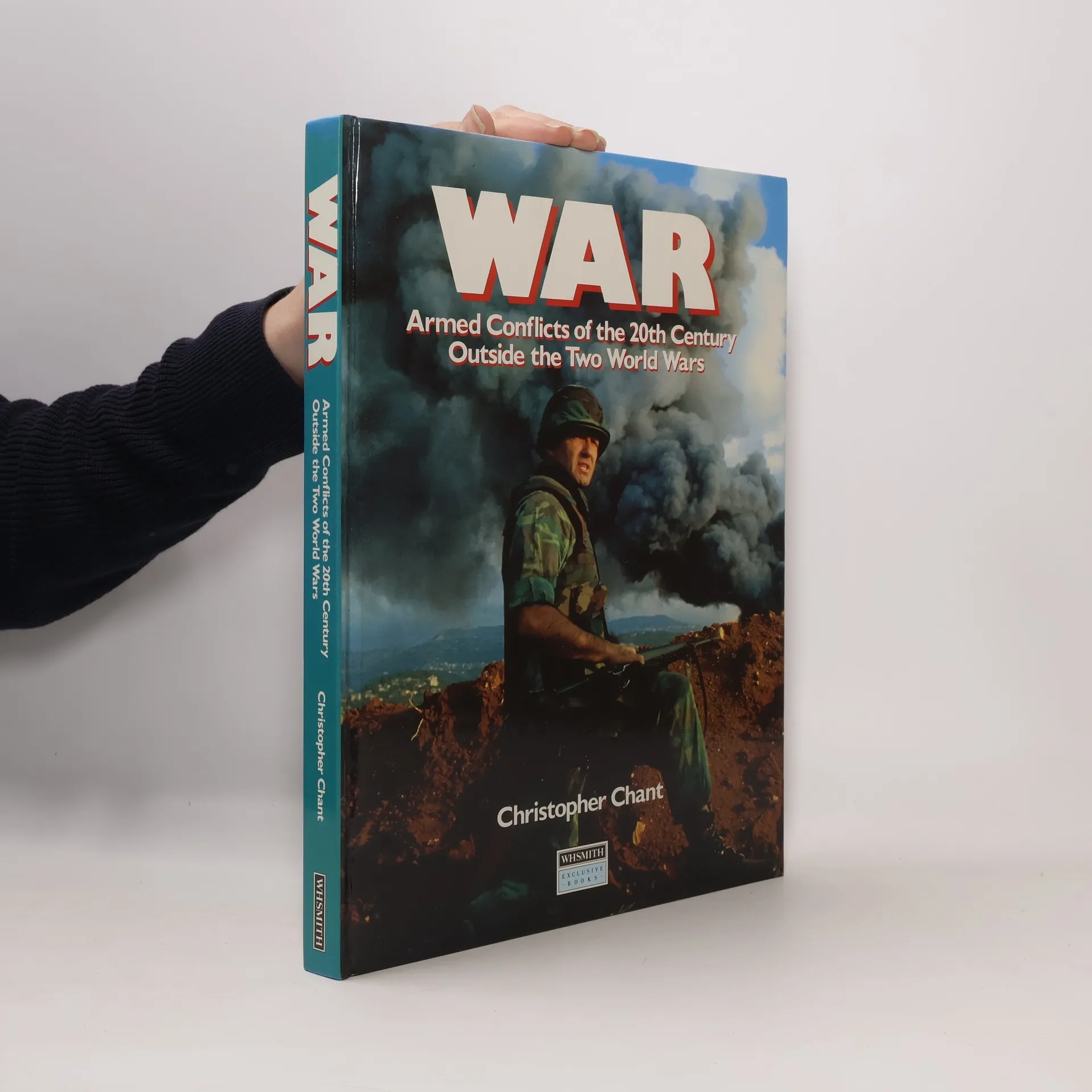
Armed Conflicts of the 20th Century Outside the Two World Wars
256 stránok
9 hodin čítania
RO60074964. WAR, ARMED CONFLICTS OF THE 20th CENTURY OUTSIDE THE TWO WORLD WARS. 1988. In-4. Relié. Bon état, Couv. convenable, Dos satisfaisant, Intérieur frais. 256 pages. Photo en noir et blanc en frontispice. Illustré de nombreuses photos en couleur et en noir et blanc, dans et hors texte. Texte sur 2 colonnes.. Avec Jaquette. . . Classification Dewey : 420-Langue anglaise. Anglo-saxon
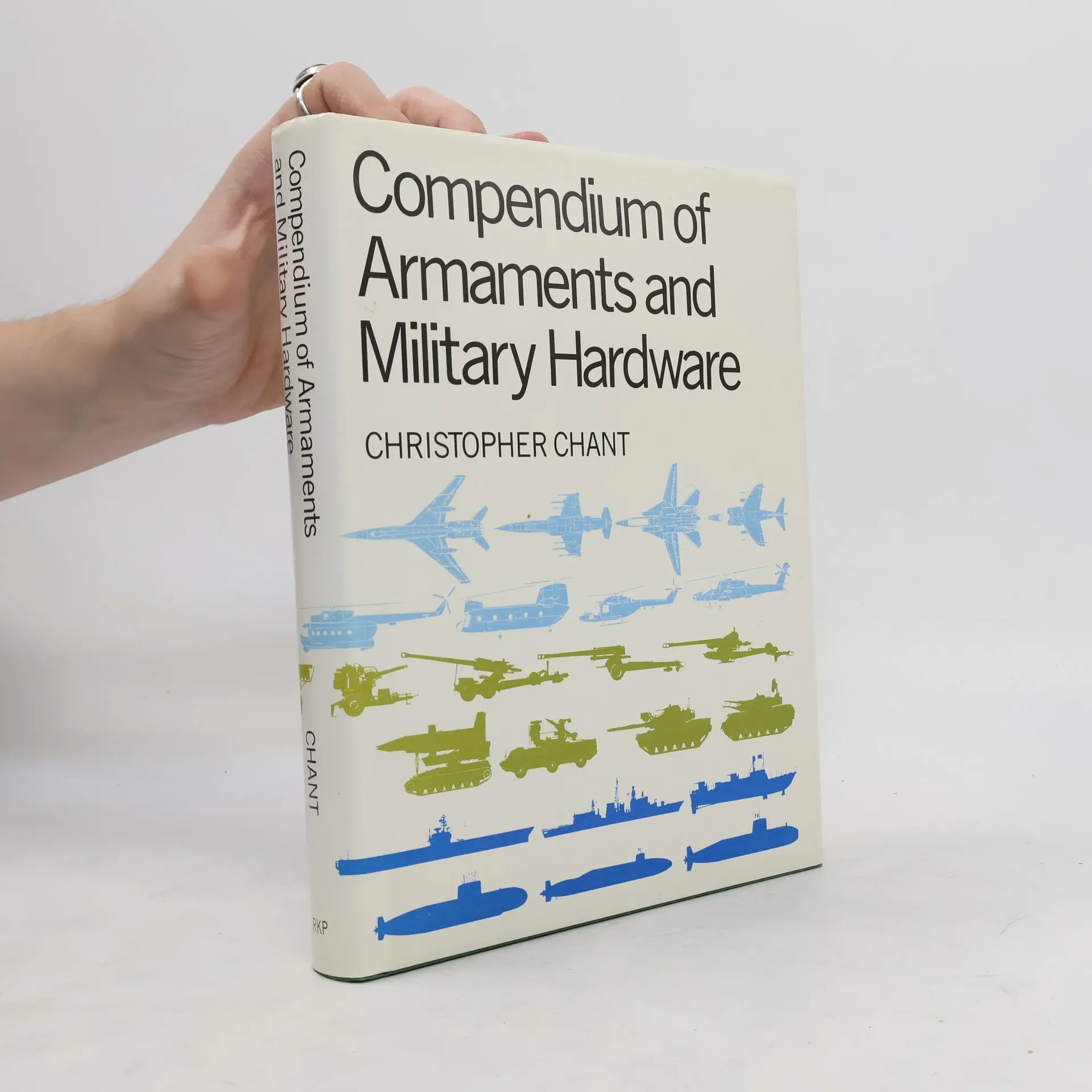
Provides within a single volume the salient technical and operational details of all the most important weapons. The complete range of hardware used in land, sea and air forces throughout the world is covered.