

Drawing on new documentary evidence for this edition, the author is able to give a fuller account of Mahler's childhood and youth, and of his years as an opera conductor in Cassel, Prague, Leipzig, Budapest, Hamburg and Vienna. All Mahler's works are discussed.
Includes entries for more than two thousand composers of all nationalities and eras, and includes definitions of musical terms and forms, and descriptions of musical instruments.
Focusing on the complexities of maritime piracy in Somalia, this report analyzes the root causes of the conflict and the various stakeholders involved in addressing it. It explores the legal, social, militaristic, economic, and political challenges that arise from different international approaches to combating piracy. The paper aims to provide a comprehensive understanding of the multifaceted nature of this issue and the obstacles faced by those attempting to resolve it.
Focusing on the challenges of remote workforce management, this book offers practical strategies to engage and motivate employees while maintaining productivity and profitability. HR professional Michael Kennedy shares insights tailored for the digital age, helping leaders foster a thriving remote team.
Focusing on practical applications, this guide to plastics thermoforming emphasizes materials, processes, part design, and tool design. The second edition features an expanded chapter on environmental issues, including discussions on green plastics, and highlights the importance of quality control in operations. It provides insights into real products and processes, making it a valuable resource for students and professionals, including manufacturing managers, process engineers, and quality engineers. The updated content enhances the original work, ensuring relevance in today's industry.
Arminius, a Germanic prince raised in Rome, has sworn vengeance against the Empire that butchers his people. He wants to make a queen of the woman he loves, Honoria, a fellow slave. Now fifty thousand Romans will die to give her a throne she never asked for...or wanted. Lush, beautiful illustrations bring to life a brutal tale of love and war from the birth of the Roman Empire. Collects Dead Romans #1 - 6
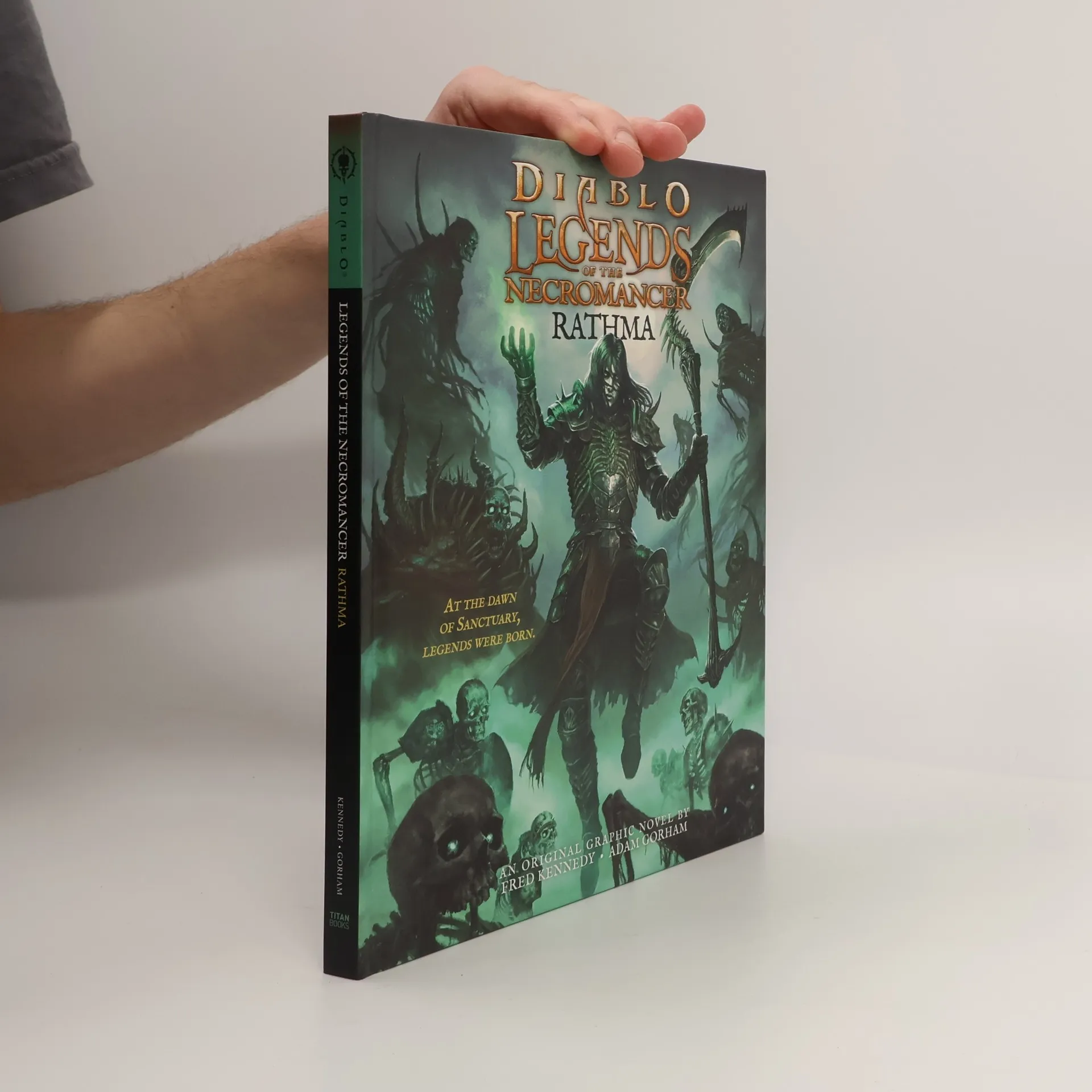
Don't miss this exclusive, original Diablo (R) graphic novel chronicling the
origins of Rathma, founder of the necromancer class, protector of the balance
between life and death. Centuries after Lilith's banishment, her son,
Linarian, has buried his lineage, denying his innate ability to control life
and death. But when a ruthless queen shatters his peace and summons him to the
ruined citadel of the Firstborn, Linarian must take up the mantle to save
Sanctuary from her twisted intentions. As his power grows, a familiar voice
calls to him from the darkness, showing him the potential of his talents and
the perilous road he must walk to understand them. From the Diablo (R)
development team and critically acclaimed author-artist duo Fred Kennedy and
Adam Gorham comes a compelling, magnificently illustrated new tale. Legends of
the Necromancer: Rathma lays bare how the death of innocence can come to
define us, or become the catalyst that helps us grow.
Story of artist-bloke YODi (Young O'Dork idiot) has who created characters
since1969. As 2000 began, he dreamt he was in Arizona to meet The Hopis in an
underground kiva. An extraordinary meeting of lifelong friends, comic book
heroes, and Old Souls. The Nonogon Nomads gathered to quell a villain
BeeHellZeeBug before he could take over the Universe
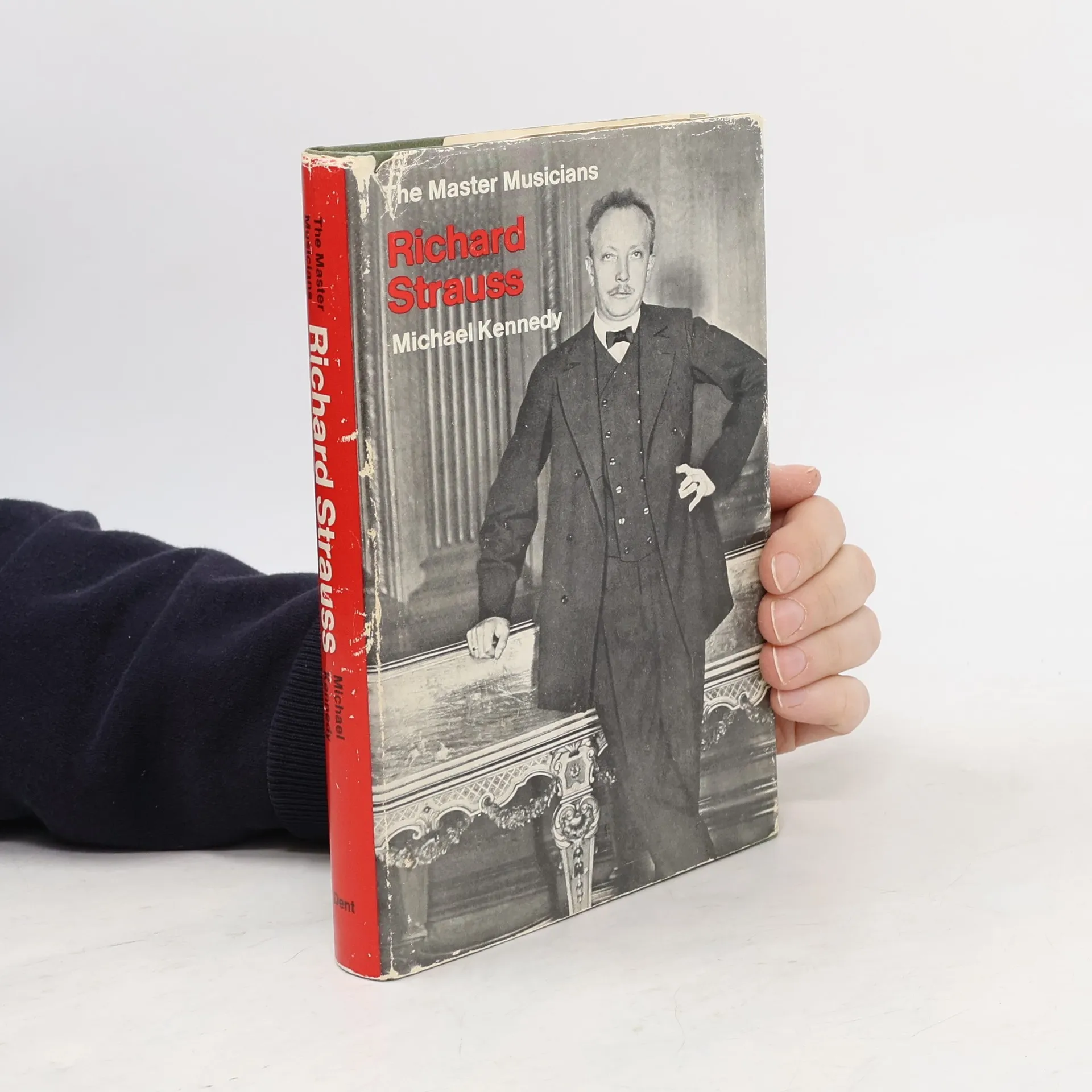
Was Richard Strauss the most incandescent composer of the twentieth century or merely a bourgeoisie artist and Nazi sympathizer? For the fifty years since his death on September 8, 1949, Richard Strauss has remained dogmatically elusive in the wider body of musical and historical criticism. Lauded as nothing less than the "greatest musical figure" of his time by Canadian musician, Glenn Gould, in 1962, Strauss also has attracted his share of posthumous epithets: in summary, an artist who lived off his own fat during his later years. As recently as 1995, the English critic Rodney Milnes wrote, "the court of posterity is still reserving judgment." In Richard Strauss: Man, Musician, Enigma, biographer Michael Kennedy demonstrates that the many varying shades of criticism that have painted this figure in the past half century resemble the similar understandings and misunderstandings held by his contemporaries--perceptions that touched almost every aspect of Strauss' life and career. Introducing his detailed work more as a broad explication than a firm answer to the Straussian riddle, Kennedy's scope includes the exuberant, extroverted Strauss of young adulthood as well as the phlegmatic and aloof middle-aged man who resembled a "prosperous bank manager;" the arch-fiend of modernism and the composer who redefined the term; a man who professed to lack all spiritual curiosity and a musician who penned the touching ballet Der Kometentanz; an at times almost humble family man and an artist who claimed to be as interesting as Napoleon and Alexander the Great. Kennedy clearly elucidates his enigmatic subject by building his analysis around the few constants in Strauss' life: his profound admiration for German culture, his dependence on his own family for guidance, and his "Nietzschean total absorption in art." This frame offers everyone from Straussian scholars to general readers an insightful and easy-to-follow biographical narrative. Kennedy also deals at length with Strauss' problematic relationship with Nazi authorities, detailing his incompatible roles as the father-in-law of a Jewish woman and as one of the country's leading composers. Michael Kennedy is the chief music critic of the (London) Sunday Telegraph and the author of many books about music.