

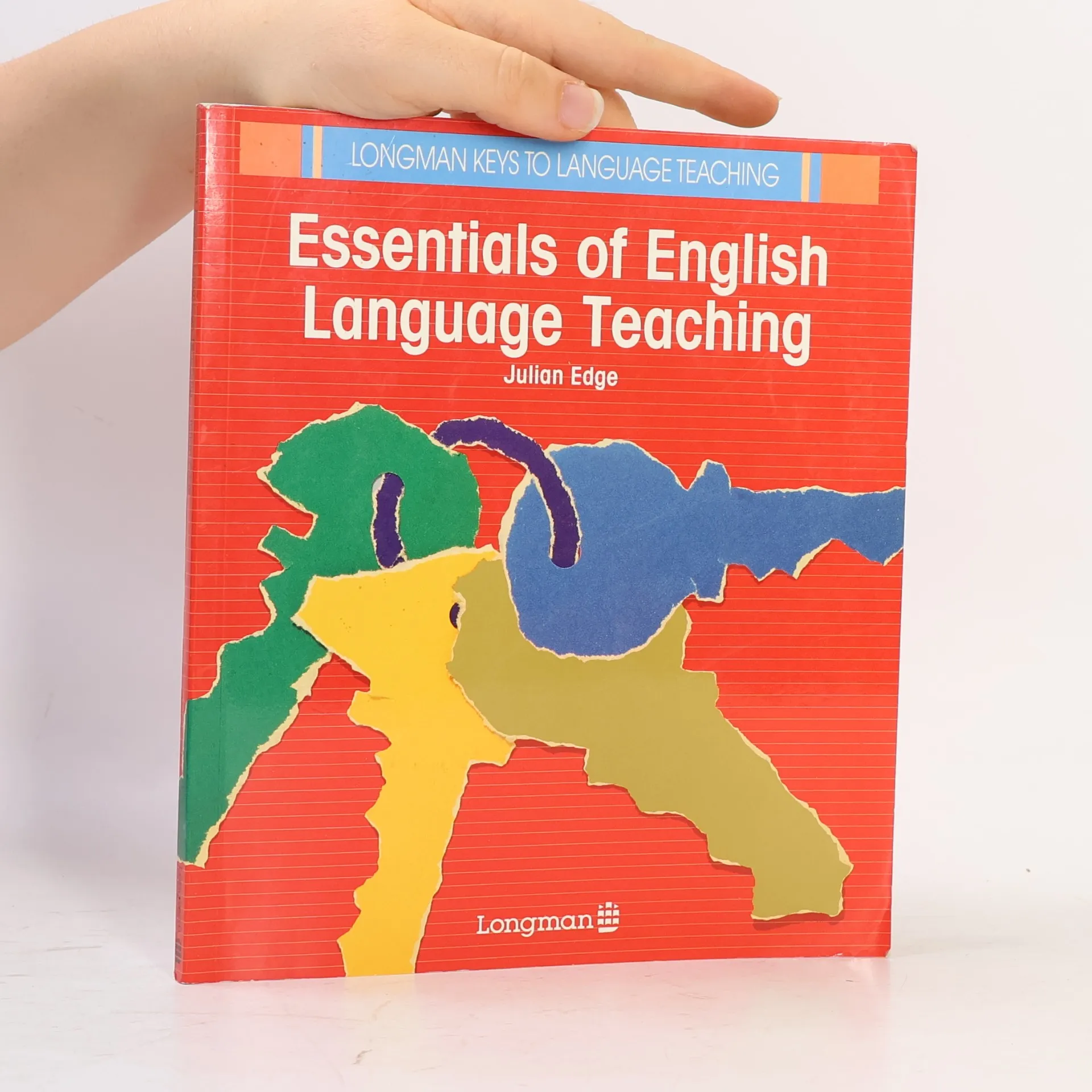
This series for teachers and teacher trainers gives sound, straightforward advice on good teaching methods, and practical suggestions for lessons and activities.Examples of teaching methods and materials show how they guide teachers in the decisions they must make for their own classrooms.
Julian Edge Poradie kníh (chronologicky)
1. január 1948
Autor sa od roku 1969 venuje výučbe angličtiny ako cudzieho jazyka (TESOL) a čoraz viac sa zapája do vzdelávania učiteľov v tejto oblasti. Fascinuje ho interakcia medzi osobným a profesijným rozvojom a spôsob, akým sa individuálny rozvoj najlepšie dosahuje v sociálnej interakcii. Jeho písanie sa posunulo od akademickej prózy k zdieľaniu skúseností a spoločnému úsiliu o pochopenie ich významu. Vo svojej práci skúma vzdelávanie učiteľov TESOL, pričom využíva reinterpretácie mýtov a úryvkov zo svojich vlastných skúseností na načrtnutie obrazu odboru, ako ho formoval.

Cooperative Development
Professional Self-Development Through Cooperation With Colleagues
- 110 stránok
- 4 hodiny čítania
This is a practical guide to professional self-development. It provides awareness-raising activities for the individual and a framework of structured actvities for colleagues working together. The emphasis is on enabling teachers to develop their own teaching according to their knowledge and experience. The first part of the book shows teachers how to acquire the skills necessary to explore their own situations and to discover their own ways of gaining more satisfaction from their teaching. The second part discusses background ideas and the use of co-operative development in classroom research as well as teacher education and assessment. The "Teacher to Teacher" series aims to provide a forum for new ideas, for exploring poblems and issues of concern to all teachers and teacher trainers. It is for all teachers who are looking for professional development.
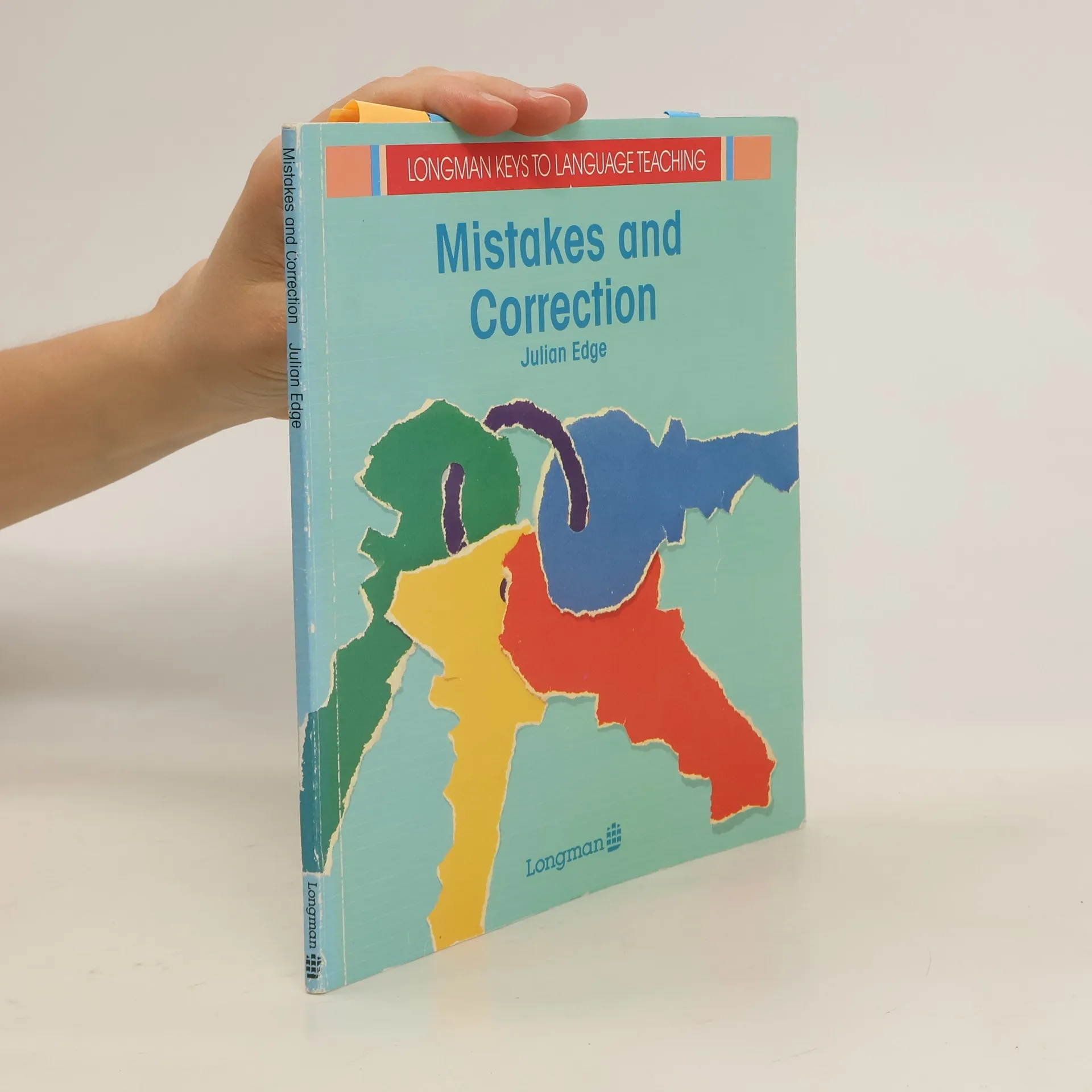
This book encourages the teacher to see mistakes as an important part of the learning process. It looks at the different kinds of mistakes that learners make and offers practical advice on when to correct mistakes and when to leave them, and on how best to correct them in both written and oral work. It includes chapters showing the teacher how to adopt a positive attitude towards mistakes and how to use them as a vital tool in encouraging the students' progress in English. The author looks at the need to balance accuracy and fluency and gives practical suggestions on how to correct students' mistakes whilst maintaining their enthusiasm for English and encouraging them to speak freely. The author gives advice on different correction techniques and activities to help teachers try out new techniques in their own classrooms. Examples of exercises and activities from coursebooks are given, together with student responses, and the author shows how these may be corrected with the maximum benefit to the student and the class as a whole.