
Bookbot

Rolf Staudt Knihy

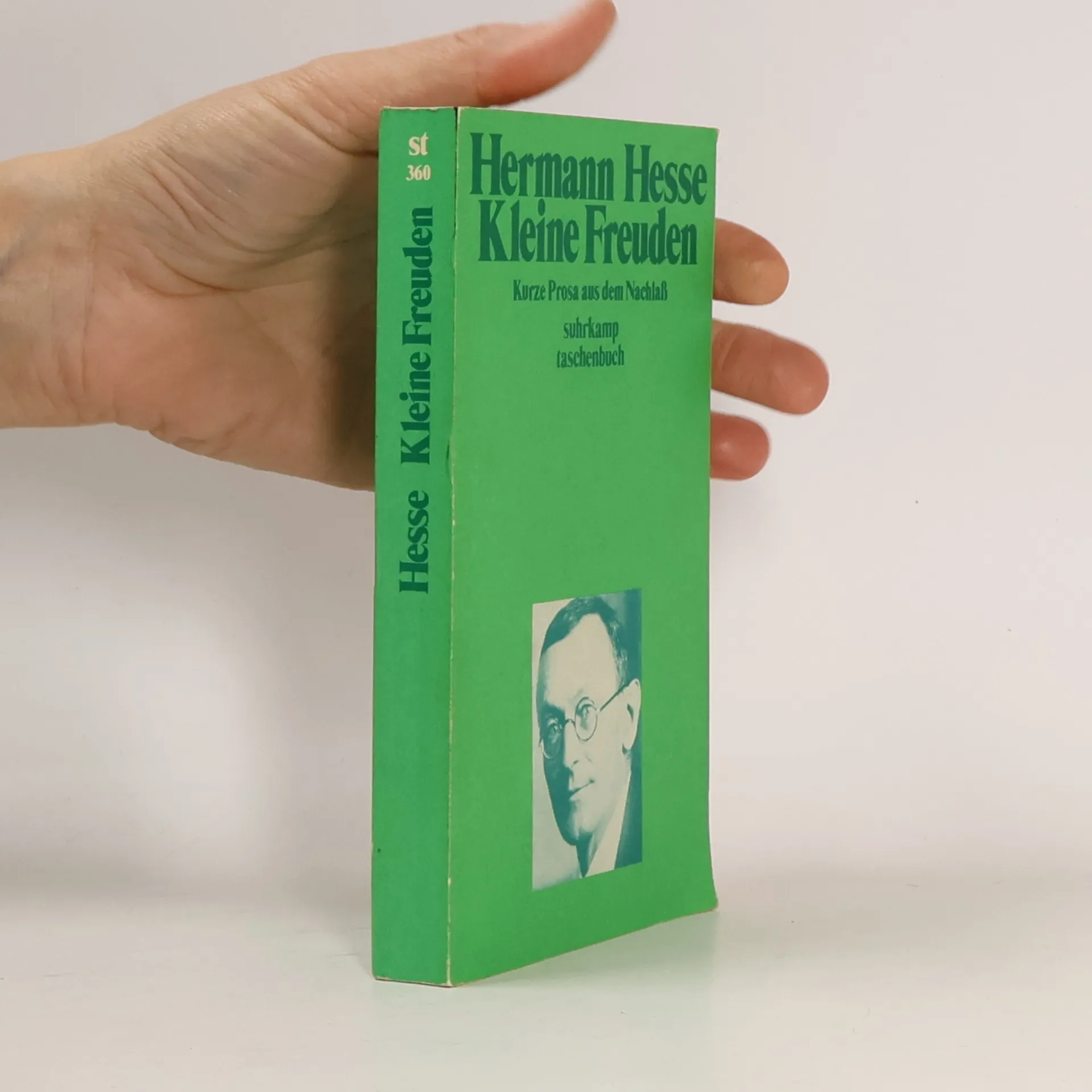
    Stepný vlk
    The joke
    The Futurological Congress
    Das Prinzip Hoffnung 3
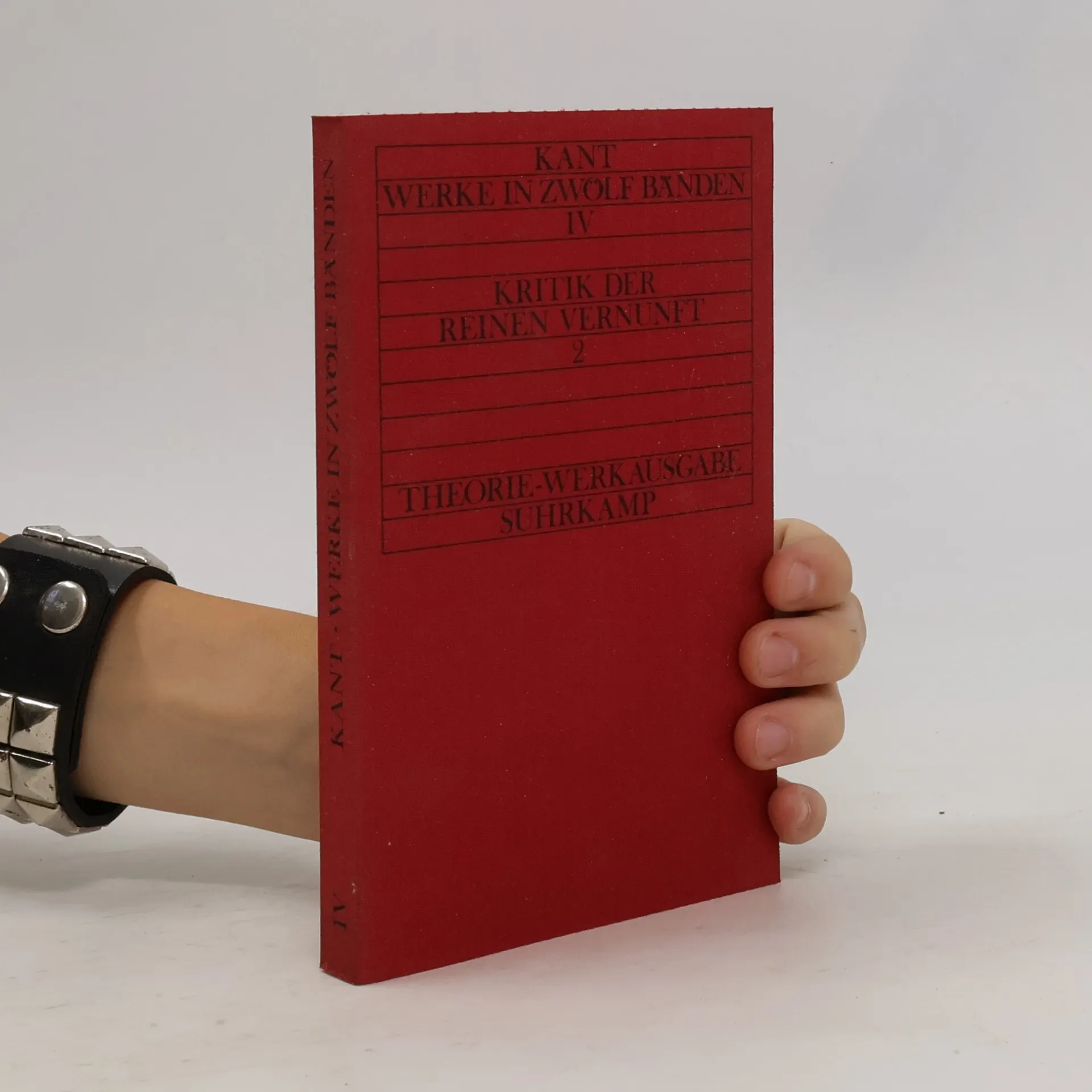
    Kritik der reinen Vernunft 2
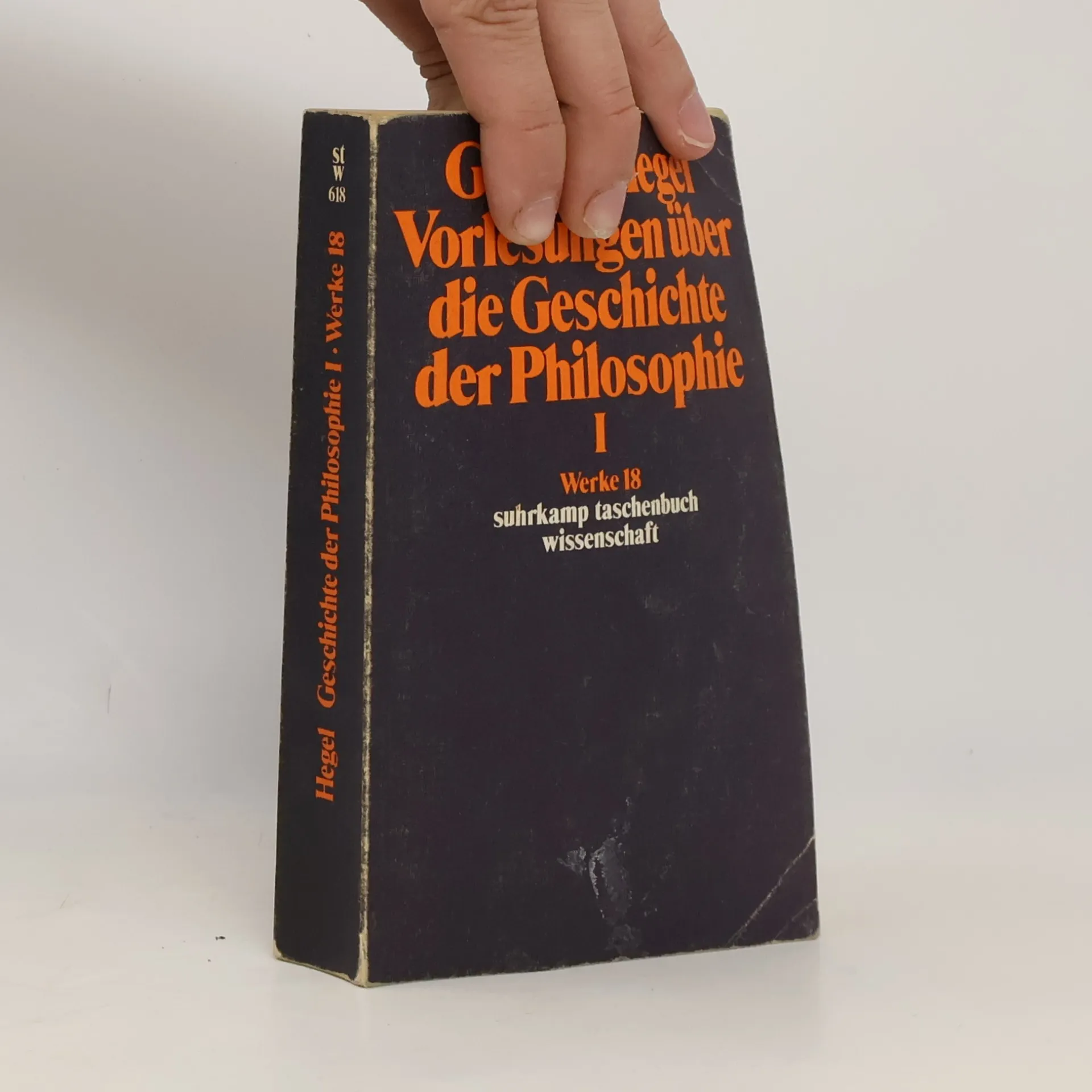
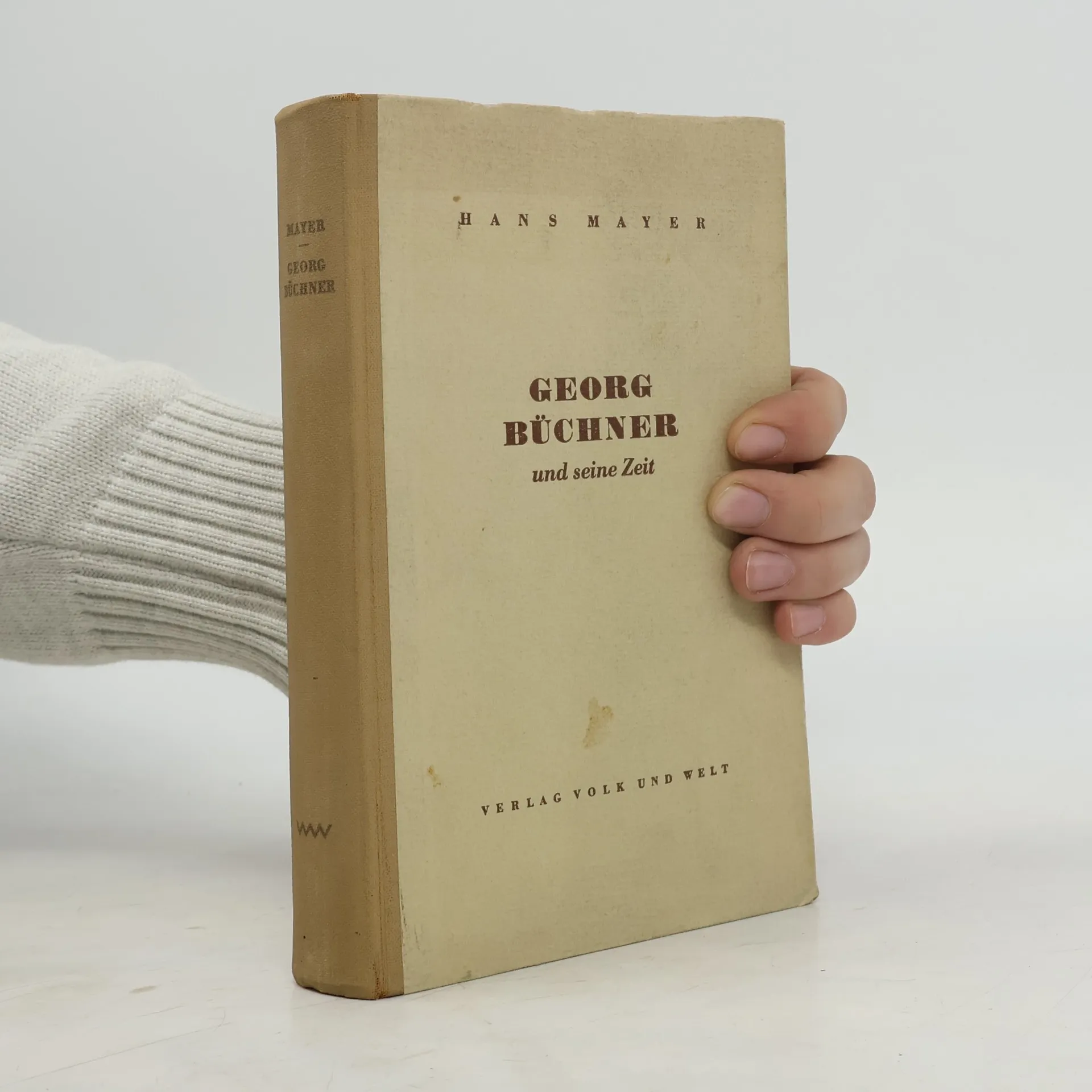
    Über den Prozeß der Zivilisation 2
    • Über den Prozeß der Zivilisation 2

      Soziogenetische und psychogenetische Untersuchungen

      "Die Soziologie des 20. Jahrhundertshatdie langfristigen Transformationen der Gesellschafts- und Persönlichkeitsstukturen weitgehend aus den Augen verloren. Im Werk von Norbert Elias sind gerade diese langfristigen Prozesse das zentrale Thema: Wie ging eigentlich die »Zivilisation« im Abendlande vor sich? Worin bestand sie? Und welches waren ihre Antriebe, ihre Ursachen oder Motoren? Bei Elias' Arbeit handelt es sich weder um eine Untersuchung über eine »Evolution« im Sinne des 19. Jahrhunderts noch um eine Untersuchung über einen unspezifischen »sozialen Wandel« im Sinne des 20.; seine Arbeit ist grundlegend für eine undogmatische, empirisch fundierte soziologische Theorie sozialer Prozesse."
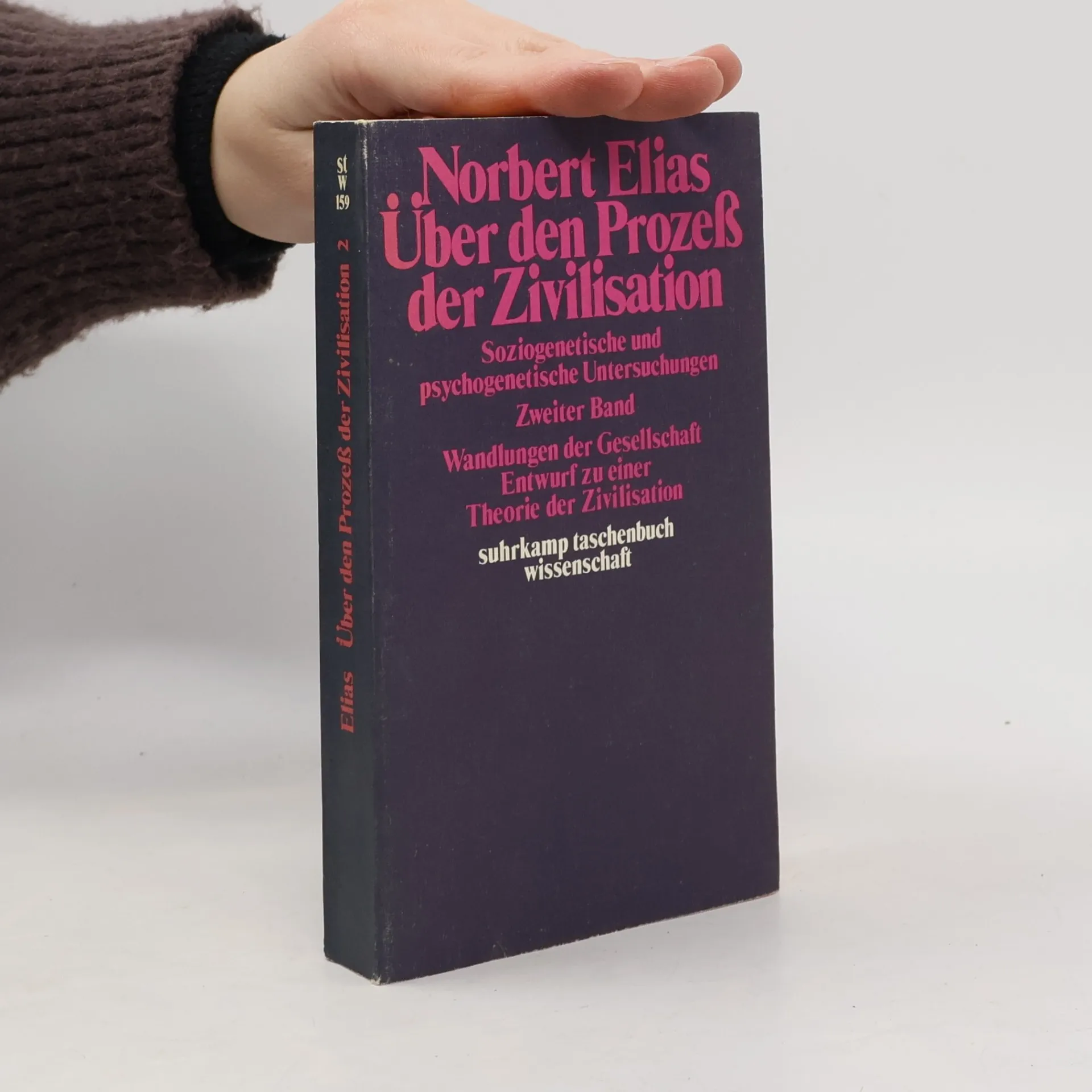
      Über den Prozeß der Zivilisation 2
      4,6
    • 2 Bände: Taschenbuchausgaben von 1980 (4. Aufl., 26.-30. Tausend), Suhrkamp Verlag. Gesamt: 717 Seiten.

      Kritik der reinen Vernunft 2
      4,3
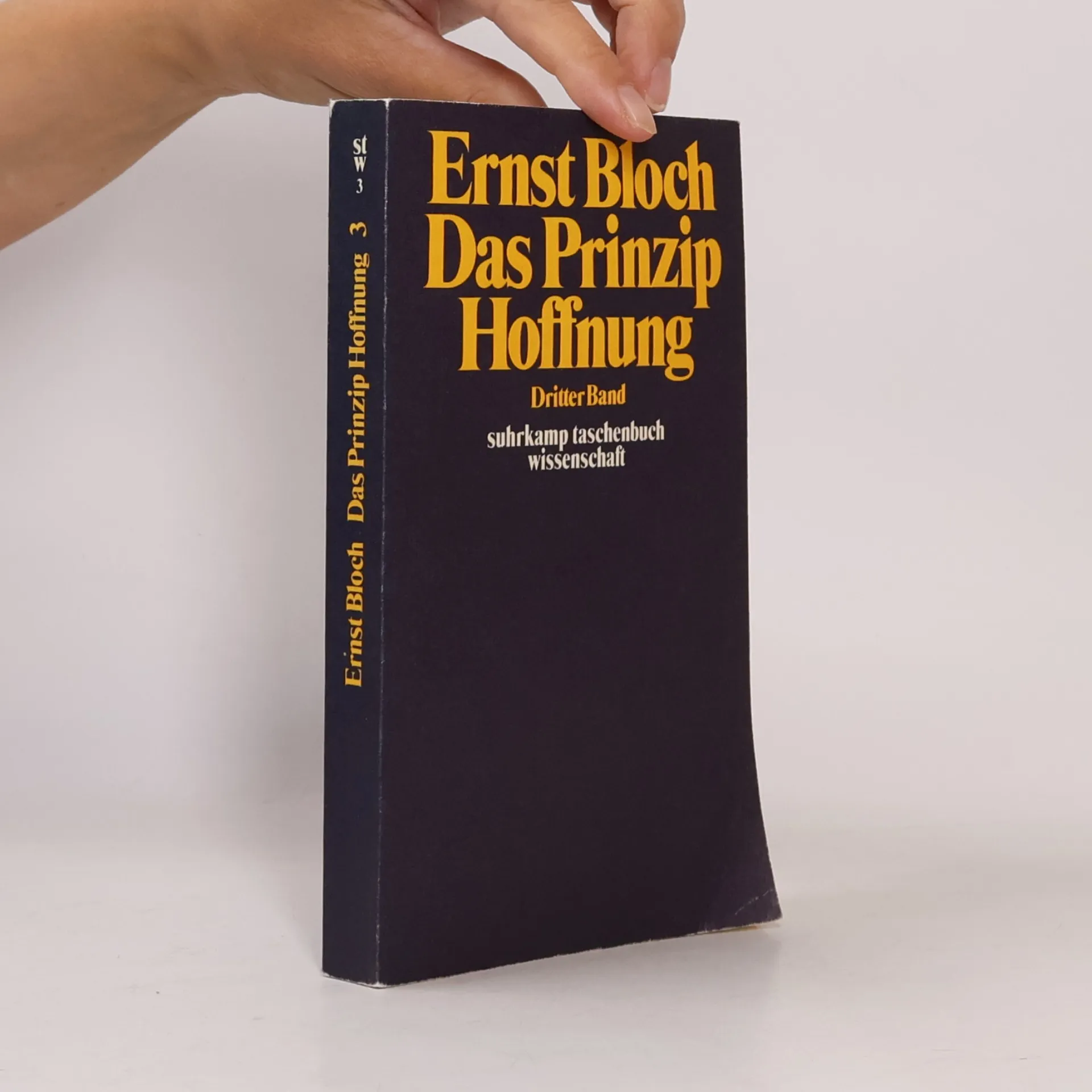
    • Das Prinzip Hoffnung 3

      • 1655 stránok
      • 58 hodin čítania

      Der Text gliedert sich in mehrere Teile, die verschiedene Aspekte menschlicher Wünsche und Träume beleuchten. Im ersten Teil wird die Thematik der Tagträume und deren Unterschiede zu Nachtträumen behandelt. Es wird erörtert, wie Wünsche im Alter variieren und welche Bilder sie hervorrufen. Der zweite Teil widmet sich dem antizipierenden Bewusstsein, das die Triebe des Menschen analysiert und deren historische Begrenztheit reflektiert. Hier wird auch die Rolle des Noch-Nicht-Bewussten und der utopischen Funktion in der menschlichen Psyche untersucht. Im dritten Teil wird die Darstellung von Wunschbildern in verschiedenen Medien wie Märchen, Film und Theater thematisiert. Es wird die Frage aufgeworfen, wie Menschen sich schöner darstellen und welche Rolle das Spiegelbild dabei spielt. Der vierte Teil beschäftigt sich mit der Konstruktion einer besseren Welt, indem er utopische Ideen in Bereichen wie Gesundheit, Gesellschaftssysteme und Technik betrachtet. Der letzte Teil thematisiert die Identität und die moralischen sowie spirituellen Dimensionen des erfüllten Augenblicks. Hier wird die Suche nach dem höchsten Gut und die Beziehung zwischen Individuum und Gemeinschaft beleuchtet. Der Text bietet eine facettenreiche Analyse von Wünschen, Träumen und der menschlichen Natur, die sowohl philosophische als auch praktische Perspektiven umfasst.

      Das Prinzip Hoffnung 3
      4,2
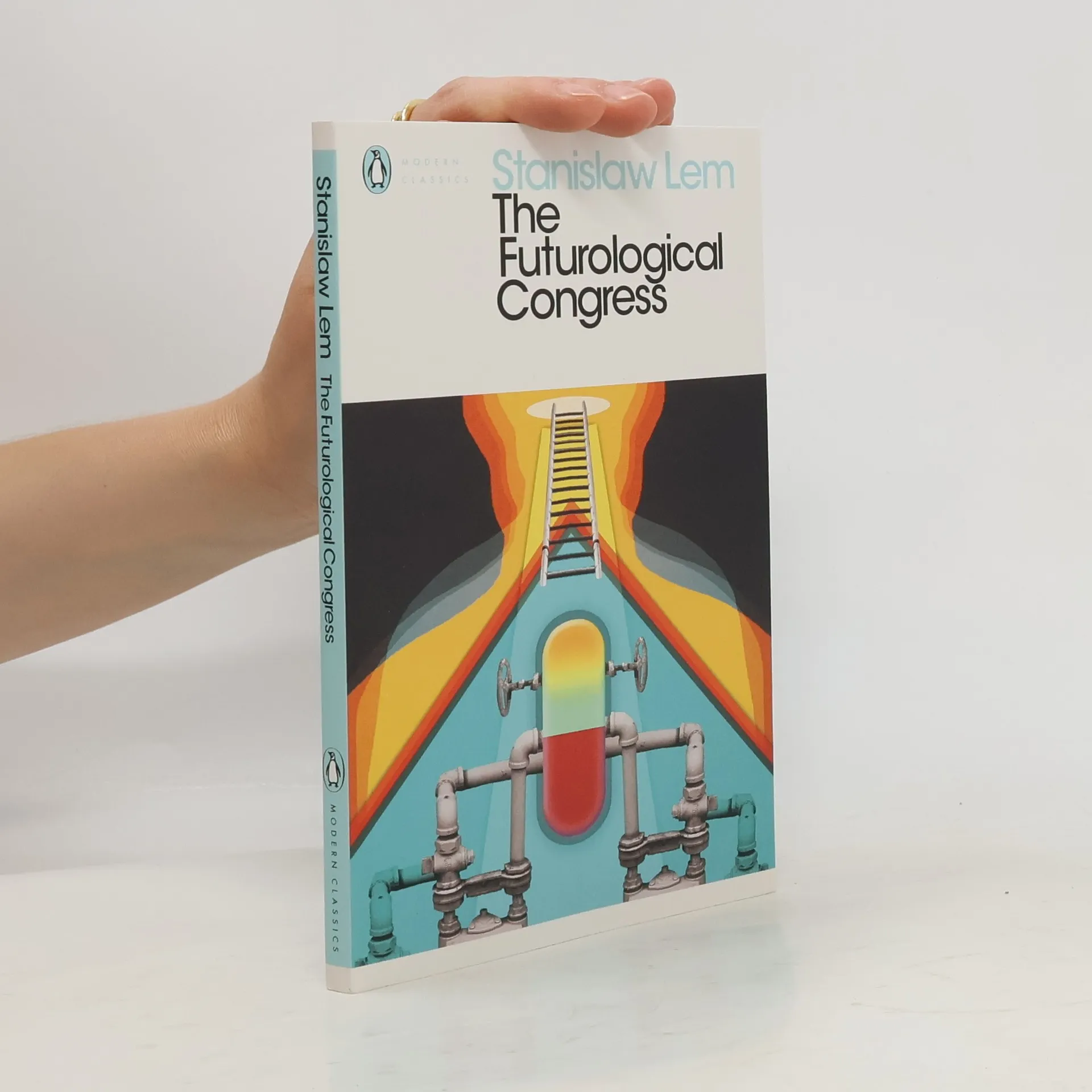
    • The Futurological Congress

      • 144 stránok
      • 6 hodin čítania

      'A giant of twentieth-century science fiction' Guardian 'This Room Guaranteed BOMB-FREE. From the Management' Hapless cosmonaut Ijon Tichy has been sent back to earth to attend the Eighth Futurological Congress in smog-bound, overpopulated Costa Rica, holed up with an assortment of scientists in a luxury hotel (fully equipped with tear gas sprinklers in case things get out of hand). But when an unfortunate incident occurs involving a revolution and hallucinogenic drugs in the water supply, Tichy finds himself shot, frozen and thawed out in a future beyond anything he could ever have imagined.

      The Futurological Congress
      4,2
    • The joke

      • 272 stránok
      • 10 hodin čítania

      This is the first novel by the author of "Immortality", which won "The Independent" Award for Foreign Fiction in 1991. Milan Kundera is also the author of "The Book of Laughter and Fogetting".

      The joke
      4,2
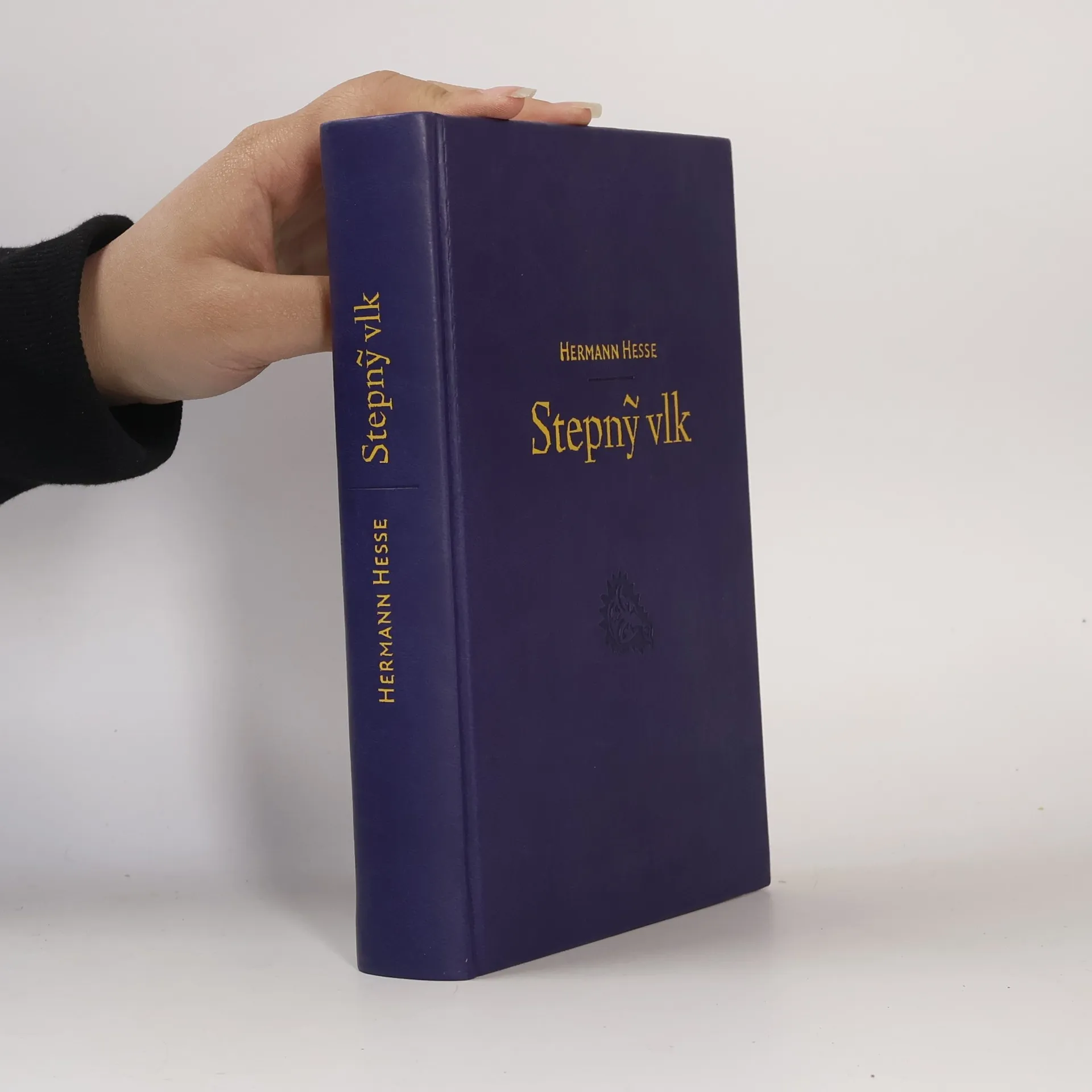
    • Stepný vlk

      • 267 stránok
      • 10 hodin čítania

      Tento svoj najslávnejší román písal autor v ťažkej psychickej i fyzickej situácii koncom 20-tych rokov. Pre svoje protivojnové názory bol neustále napádaný, bez prostriedkov, rozviedol sa, mal zdravotné a psychické problémy – zvažoval samovraždu. Touto knihou sa zachránil. Sám o tom píše v dosiaľ u nás nepublikovanom predslove, ktorý nakoniec pôvodné i následné vydania neobsahovali. Toto vydanie obsahuje ešte predslov z roku 1942 a vynikajúcu štúdiu tohto diela z pera Volkera Michelsa, ktorú nám pre toto slovenské vydanie poskytol. Preklad Magda Takáčová, básne preložil Marián Hatala, edične pripravila a vydanie s Volkerom Michelsom, najvýznamnejším znalcom Hesseho, diela konzultovala Daniela Humajová. Ako ilustrácie použil vydavateľ autorov akvarel „Maškarný ples“, ktorý namaľoval v čase písania Stepného vlka.

      Stepný vlk
      4,2
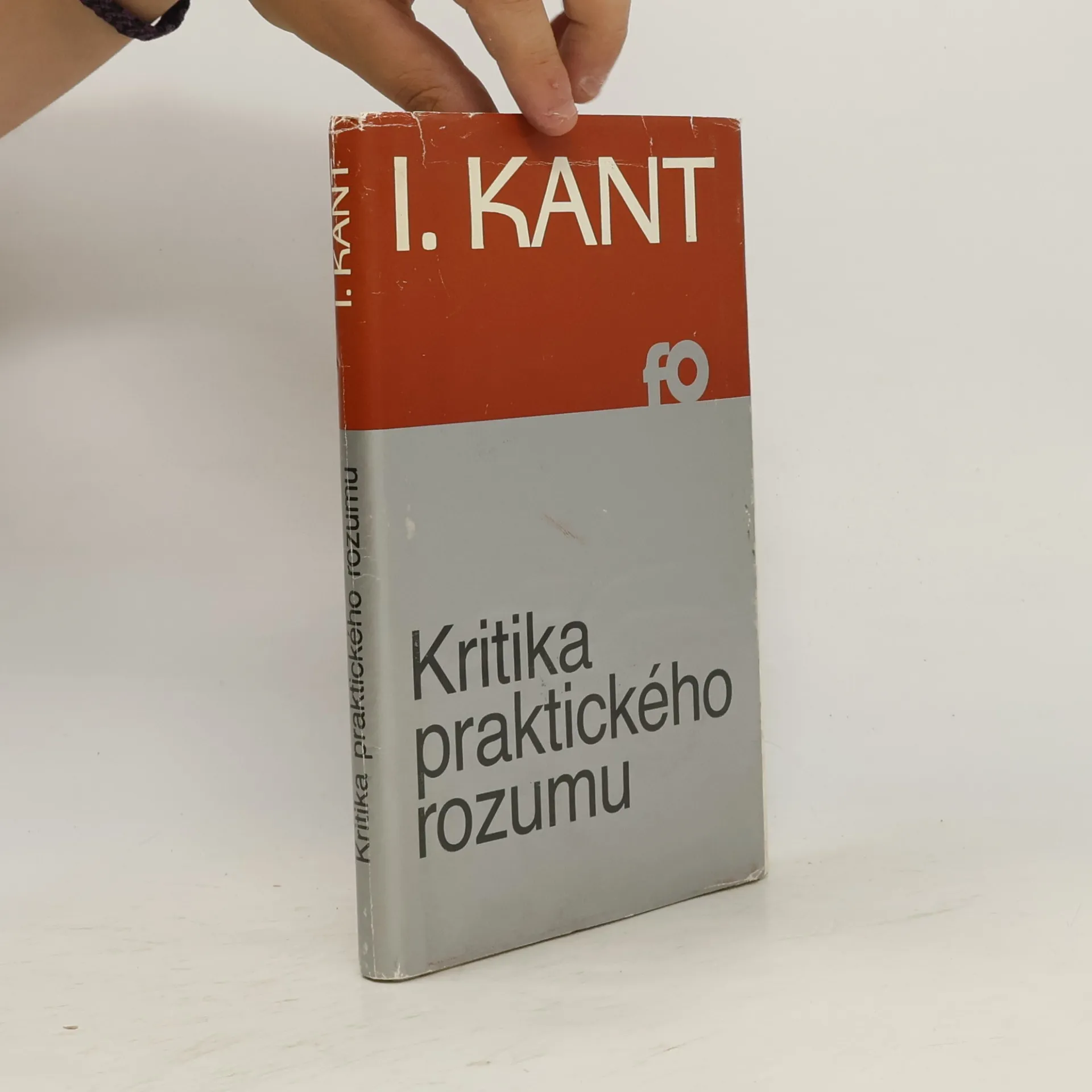
    • Kritika praktického rozumu

      • 184 stránok
      • 7 hodin čítania

      „Dve veci napĺňajú myseľ vždy novým a vzrastajúcim obdivom a hlbokou úctou...“ Tieto slová Immanuela Kanta, vyryté na jeho náhrobnom kameni, sú vyjadrením jeho hlbokého presvedčenia, ktoré formuluje v Kritike praktického rozumu. Tento text, považovaný za aktuálnejší než jeho predchádzajúca Kritika čistého rozumu, sa zaoberá praktickými otázkami morálky a etiky v každodennom živote. Kant vyzýva jednotlivca, aby konal podľa zásady, ktorá má univerzálnu platnosť, a tým sa obracia na svedomie a mravný zákon v človeku. Podľa neho je dôležité potláčať egoizmus a zmyslovosť a usilovať sa o úctu k ľudskosti, čím sa človek povyšuje nad svoje nízke pudy. Kant zdôrazňuje, že rozum a morálnosť sú kľúčové pre ľudskú dôstojnosť a jednotu. Tým, že človek prekonáva svoje zmyslové impulzy, dosahuje vyšší stav existencie a približuje sa k ideálu najvyššieho dobra, ktorý je spojený s božským vzorom. Morálny zákon, ktorý Kant oslavuje, je nevyhnutný pre prežitie ľudstva, a preto je jeho posolstvo naliehavé a aktuálne. Kantova výzva k morálnemu konaniu je pre každého z nás výzvou, aby sme sa stali lepšími a zodpovednejšími bytosťami v spoločnosti.

      Kritika praktického rozumu
      4,1
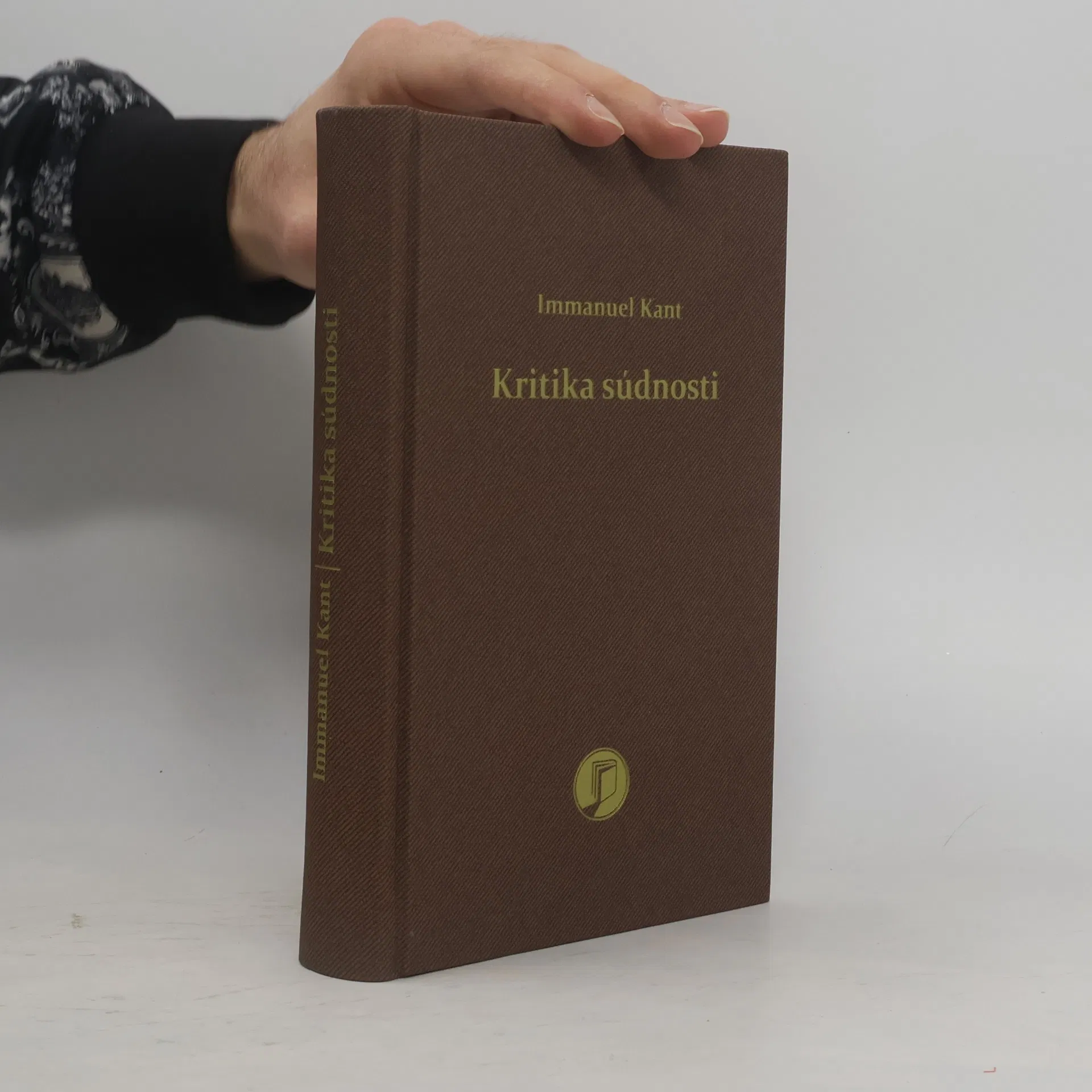
    • Kritika súdnosti

      • 384 stránok
      • 14 hodin čítania

      Tretia zo slávnych kritík Immanuela Kanta, patrí medzi najvýznamnejšie diela západného filozofického myslenia. V slovenskom preklade vychádza po viac než 230-ich rokoch od svojho vzniku po prvý raz. Kant sa v nej pokúša nájsť spojujúci článok medzi prírodou ako predmetom čistého rozumu a slobodou ako predmetom praktického rozumu. V jej prvej časti rozvíja svoju filozofickú estetiku ako náuku o estetických súdoch a v druhej teleológiu ako náuku o výklade prírody prostredníctvom kategórií účelu. Uplatňujúc koncept súdnosti analyzuje množstvo fenoménov, napríklad krásu v prírode a umení, originalitu umeleckých diel, genialitu, vkus, vznešenosť, či systematickú jednotu prírody. Vychádza v edícii IDEA v preklade Patrície Elexovej a doslovom Miroslava Marcelliho.

      Kritika súdnosti
      4,1
    • Upon entering Switzerland, Mr. White is arrested on suspicion of being the missing sculptor Anatol Ludwig Stiller. Friends, his brother, his wife Julika, and the prosecutor support this suspicion in their statements. However, Mr. White's writings during his detention contradict this assertion, emphasizing, "I am not Stiller!" Through various narratives, he attempts to escape this identity assignment, which he finds questionable, yearning for the freedom to be someone else. The story explores how the self becomes a claim to the world, opposing it with a counterclaim, a non-self. Instead of the self, a fabricated identity emerges, becoming an object. The narrative transforms the self into a criminal case. Frisch, through this form, becomes a narrator who tells not first about Stiller but about himself, about White. Stiller becomes the other whose identity he investigates, as it is constantly asserted that he is identical to him. This narrative form allows for a self-presentation that engages the reader and encourages participation. Without this involvement, Stiller remains neither readable nor comprehensible.

      Stiller
      4,0
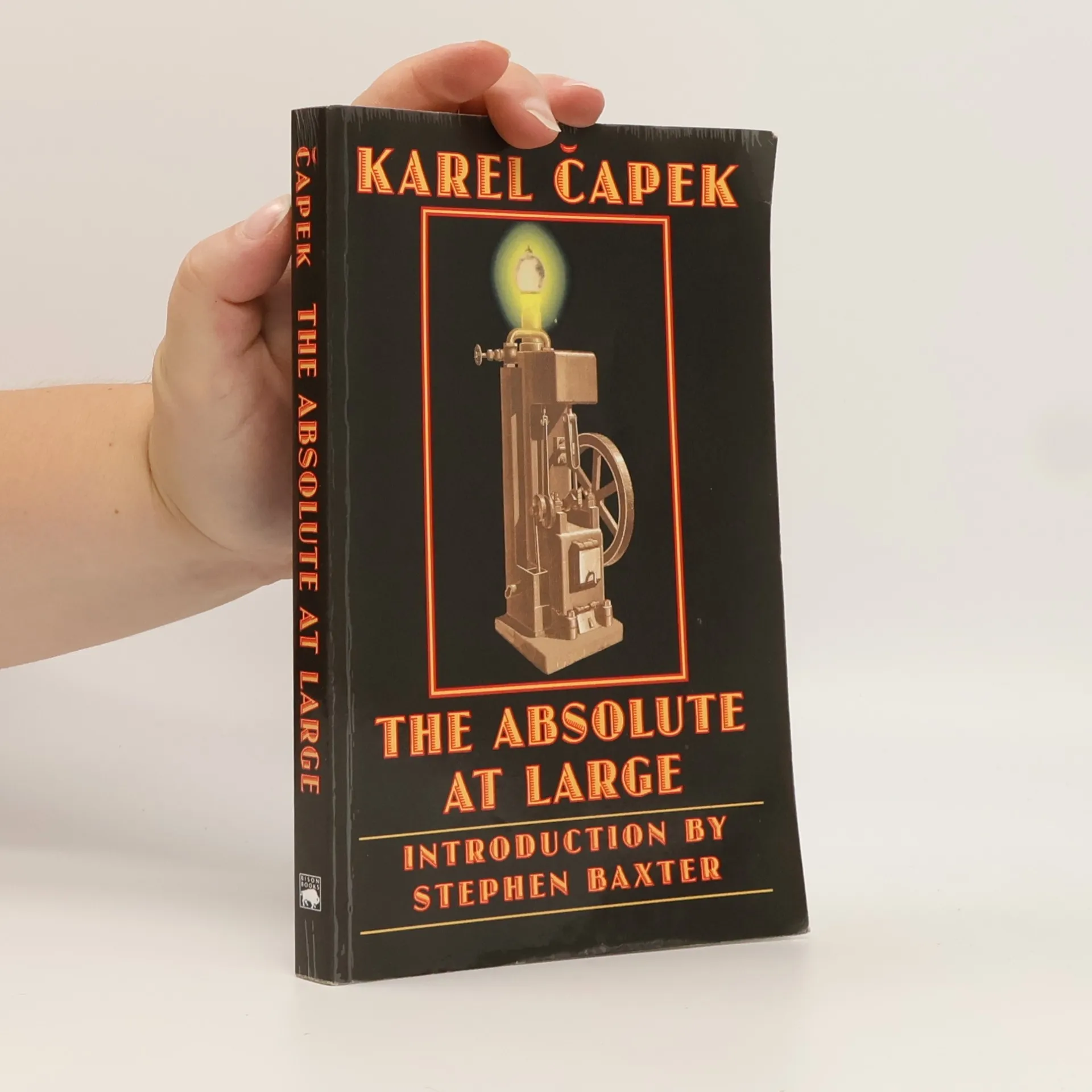
    • The Absolute at Large

      • 248 stránok
      • 9 hodin čítania

      A brilliant scientist invents the Karburator, a reactor that can create abundant and practically free energy. However, the Karburator's super- efficient energy production also yields a powerful by-product the Absolute, the spiritual essence held within all matter, into the world.

      The Absolute at Large
      3,9
    • In this book, Claude Lévi-Strauss presents and applies the structural method to the study of ideas, arts, and societies. He addresses major questions of structural anthropology and discusses methodological issues. The work defines and illustrates his ambition to conduct a genuine scientific analysis of human phenomena without distorting them, preserving their concrete richness and the subtle nuances reflected in their diversity.

      Structural anthropology
      3,7
    • A Sorrow Beyond Dreams

      • 112 stránok
      • 4 hodiny čítania

      The acclaimed writer Peter Handke's extraordinary confrontation with his mother's suicide.

      A Sorrow Beyond Dreams
      3,7
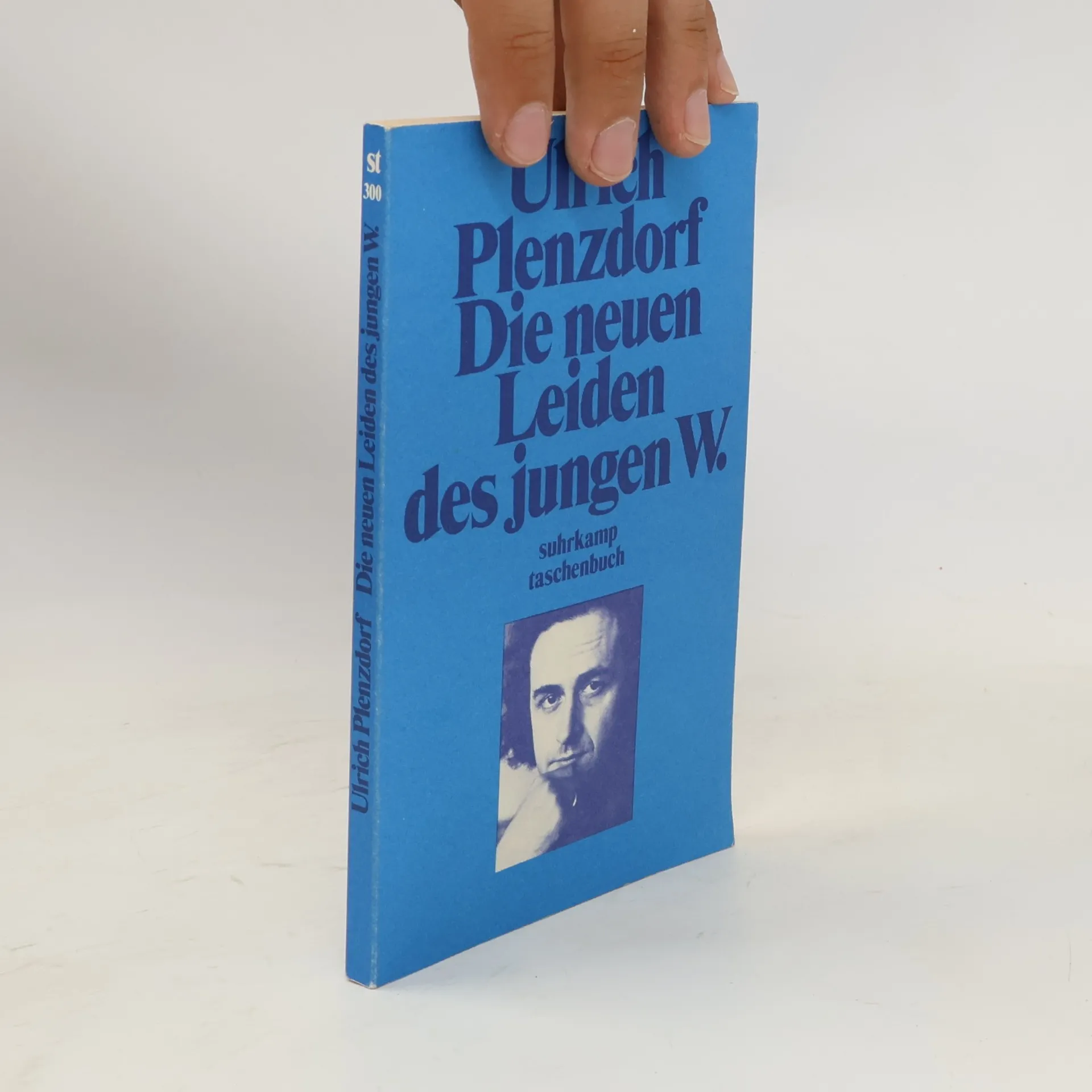
    • Die neuen Leiden des jungen W.

      • 148 stránok
      • 6 hodin čítania

      »Die ›neuen‹ Leiden des jungen W. sind die alten: Liebe, die als Eifersucht schmerzt, gestörtes Verhältnis zur Mitwelt, das als verletzter Ehrgeiz quält. Auch Werther 1972 liebt eine verlobte, später verheiratete Frau namens Charlotte, die er nicht wie sein Vorgänger Lotte, sondern ›Charlie‹ nennt« Rolf Michaelis, Frankfurter Allgemeine Zeitung.

      Die neuen Leiden des jungen W.
      3,3