Nathalia Brodskaïa Poradie kníh (chronologicky)
Nathalia Brodskaïa je kurátorkou v Ermitáži v Petrohrade. Jej výskum sa zameriava na francúzskych maliarov z konca 19. a začiatku 20. storočia. Skúma diela umelcov ako Rousseau, Renoir, Derain, Vallotton, Vlaminck a Van Dongen, ako aj hnutia ako fauvizmus a naivné umenie. Brodskaïa vo svojej práci skúma jedinečné štýly a témy, ktoré definovali toto kľúčové obdobie v dejinách umenia.

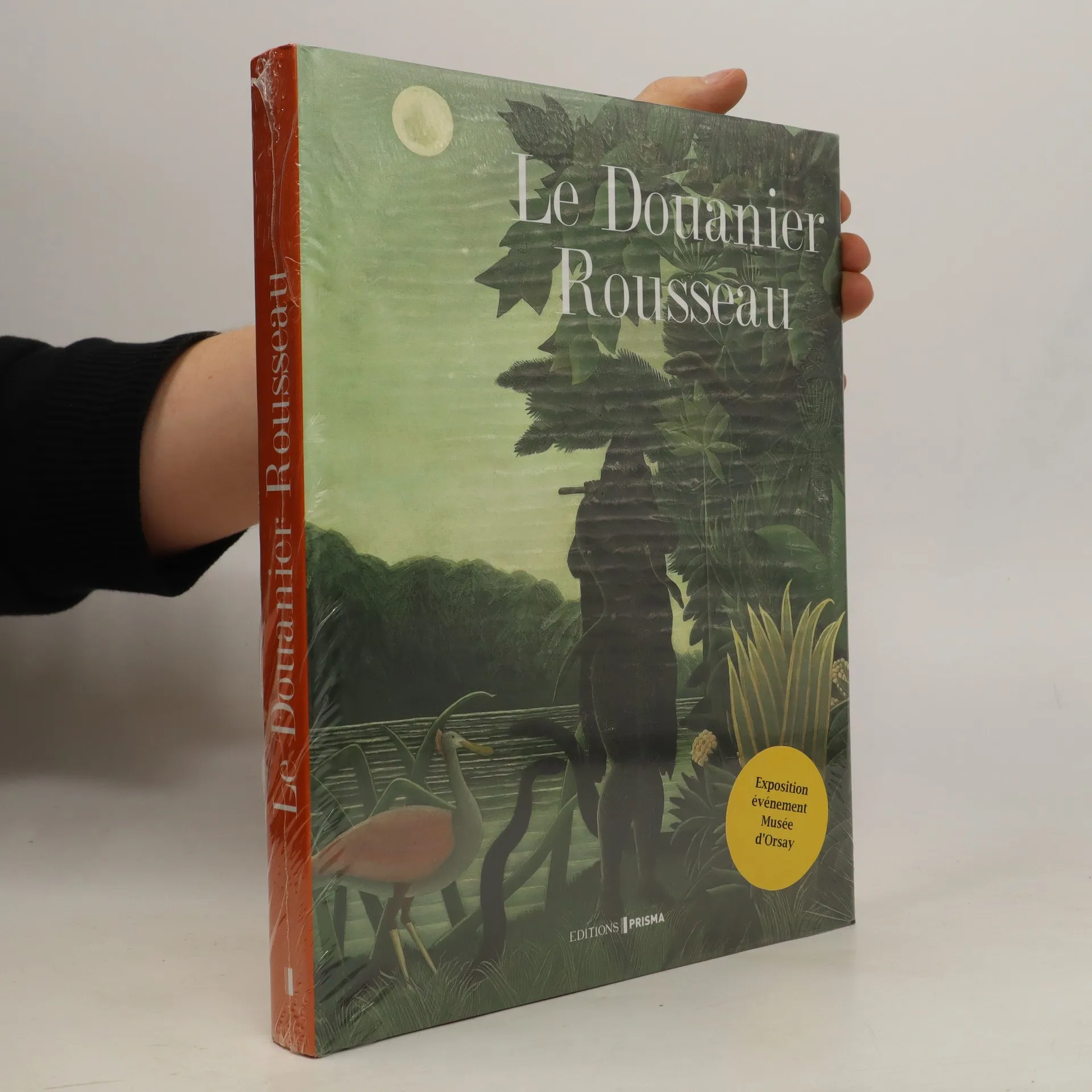
Cet ouvrage exceptionnel retrace le travail du peintre Henri Rousseau, dit Le Douanier Rousseau. Bien que ces toiles représentent souvent des paysages de jungle, il n'a jamais quitté la France : il trouve son inspiration dans les livres illustrés, les jardins botaniques et dans ses rencontres avec des soldats ayant participé à l'intervention française au Mexique. Le texte de Nathalia Brodskaïa nous éclaire ici sur la naissance de l'art naïf et sur le rôle déterminant du Douanier Rousseau dans cette nouvelle vision de l'art. En dépit de l'aspect enfantin qui lui valu beaucoup de moqueries, ses toiles montrent une technique élaborée. Les premières critiques positives arrivent vers 1891, période à laquelle il rencontre de nombreux artistes, peintres ou écrivains qui seront fortement influencés par son travail comme Guillaume Apollinaire, Edgar Degas, Paul Gauguin, Toulouse-Lautrec ou encore Pablo Picasso. « Ce qu'il voyait n'était qu'amour et nous fera toujours des yeux émerveillés ». Paul Eluard
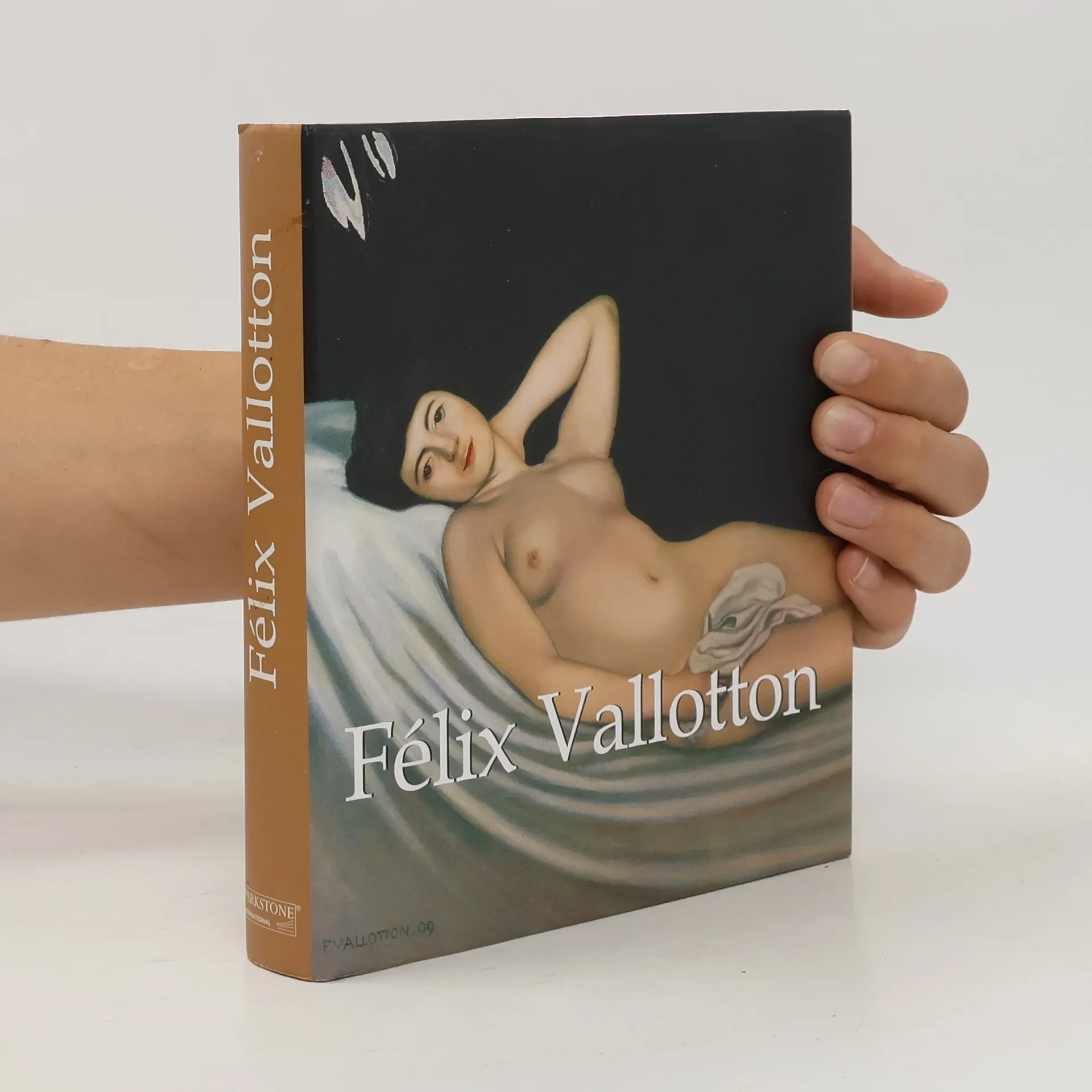
Der Maler schweizer Herkunft Vallotton (1865-1925) zeichnete sich bereits sehr früh durch seinen Stil und seine vorzeitige Reife aus. Während seiner ersten Jahre in Paris übte er die verschiedensten Tätigkeiten aus und zeichnete Illustrationen für Zeitschriften. Seine Holzschnitte verschafften ihm große Bekanntheit. Erwar ein geschickter Schilderer, und sein Werk enthält eine ironische, manchmal gar zynische Seite besonders in der Ausführung seiner Porträts. In seinen Landschaften jedoch kommt auch die große Sensibilität des Künstlers zum Ausdruck. Die Grundlagen seiner Malerei werden besonders deutlich in seinen geordneten, erstarten Interieurs, von denen eine teilnahmslose Melancholie ausgeht.
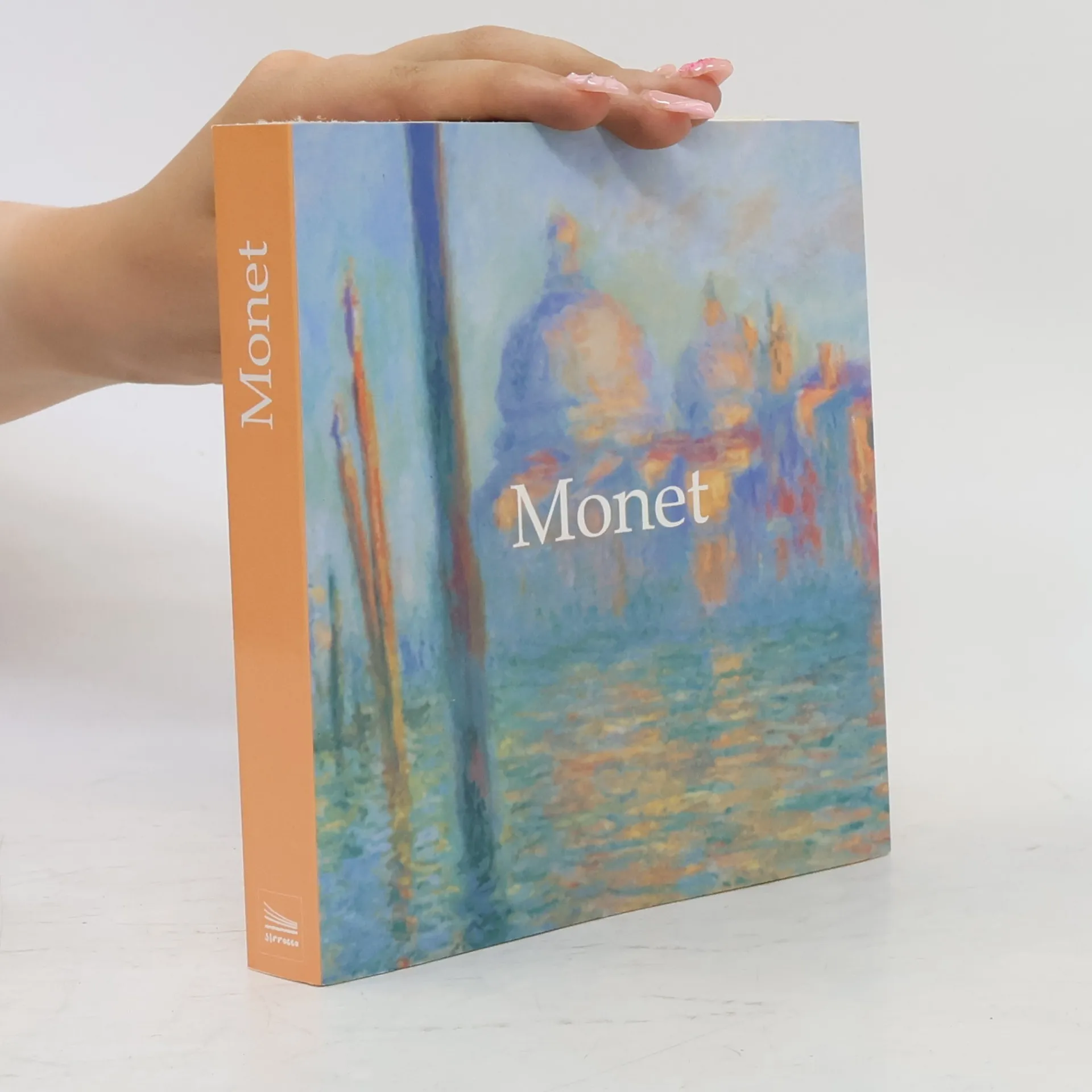
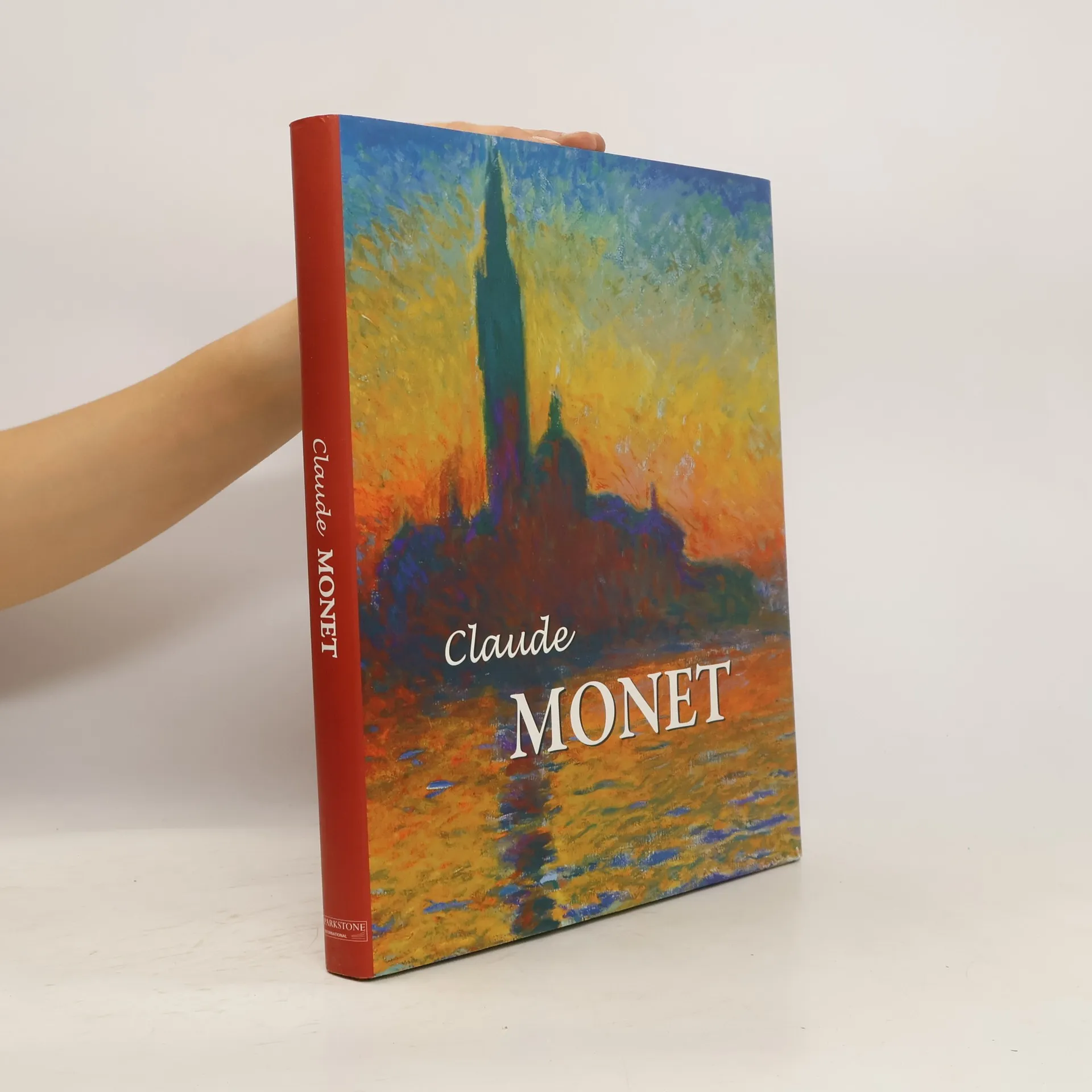
For Monet, the act of creation was always a painful struggle. His obsession to express emotions and to transmit light effects over nature was much more intense than his contemporaries. In his words: “Skills come and go… Art is always the same: a transposition of Nature that requests as much will as sensitivity. I strive and struggle against the sun…should as well paint with gold and precious stones.”
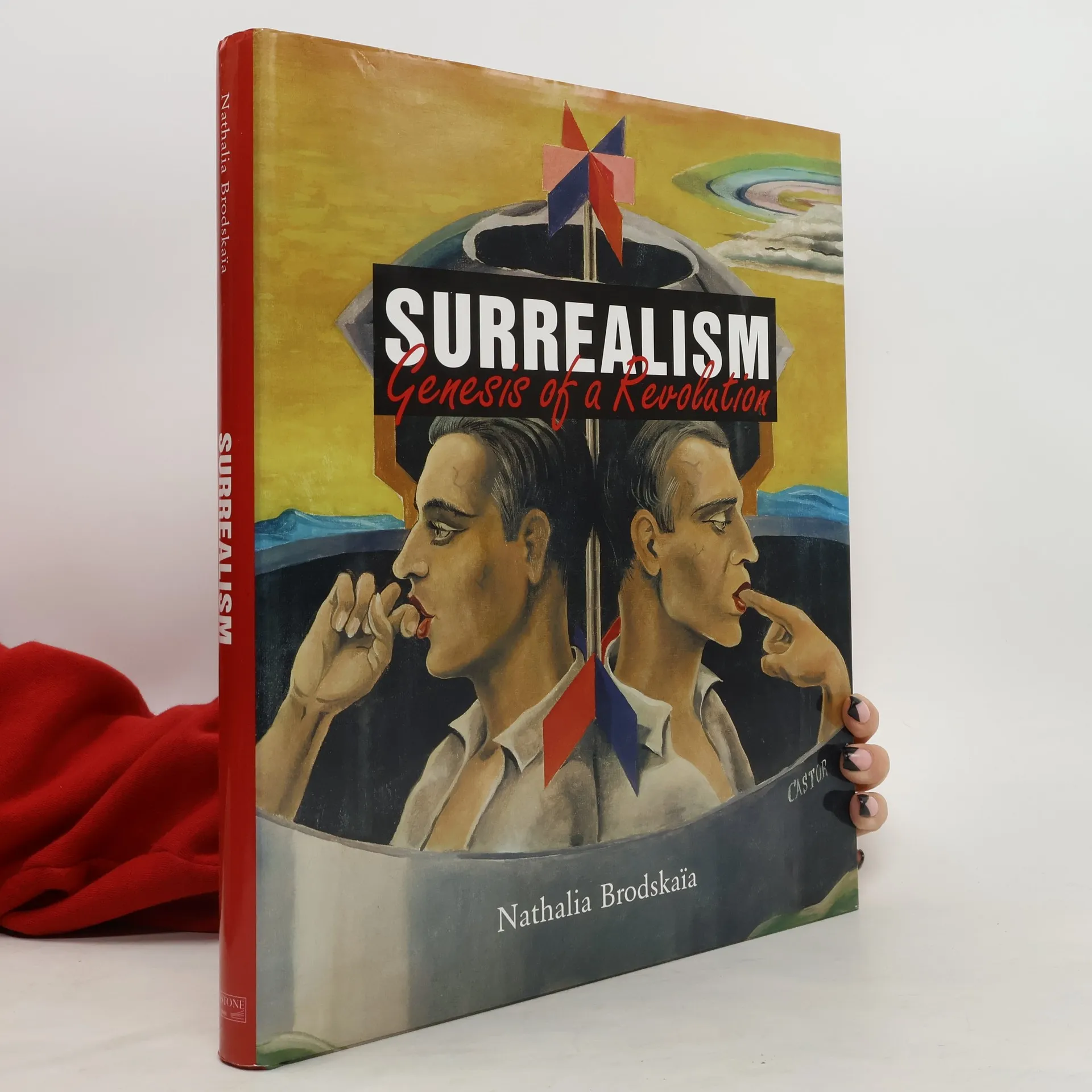
The Dada movement and then the Surrealists appeared in the First World War aftermath with a bang: revolution of thought, creativity, and the wish to break away from the past and all that was left in ruins. This refusal to integrate into the Bourgeois society lead Georg Grosz to remark of Dada, "it's the end of-isms." Breton asserted that Dada does not produce perspective, "a machine which functions full steam, but where it remains to be seen how it can feed itself." Surrealism emerged amidst such feeling. These artists often changed from one movement to another. They were united by their superior intellectualism and the common goal to break from the norm. Describing Dada with its dynamic free-thinkers, and the Surrealists with their aversive resistance to the system, the author brings a new approach which strives to be relative and truthful. Provocation and cultural revolution: Dada and the Surrealists, aren't they above all just a direct product of creative individualism in this unsettled period?
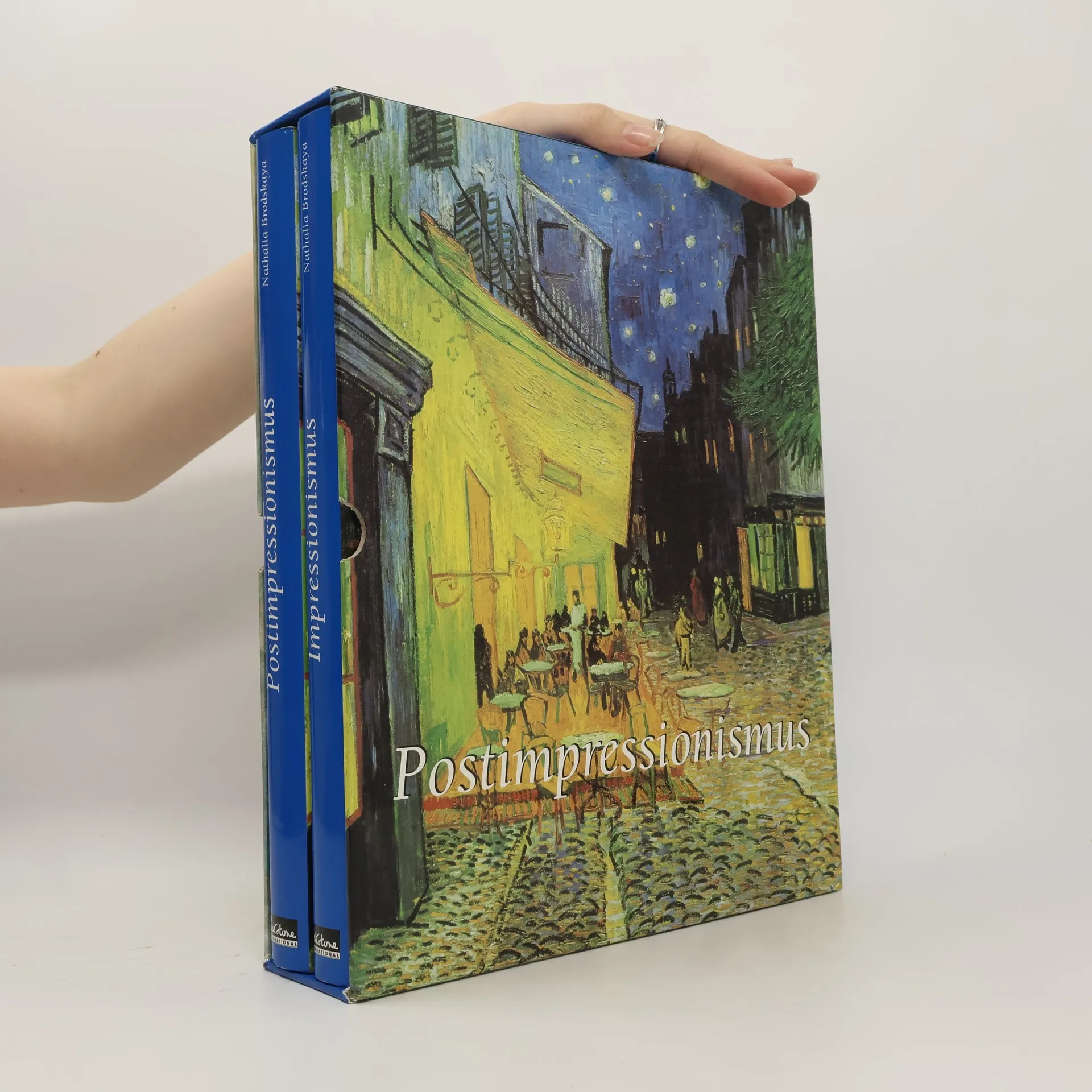
Impressionismus & Postimpressionismus
- 512 stránok
- 18 hodin čítania
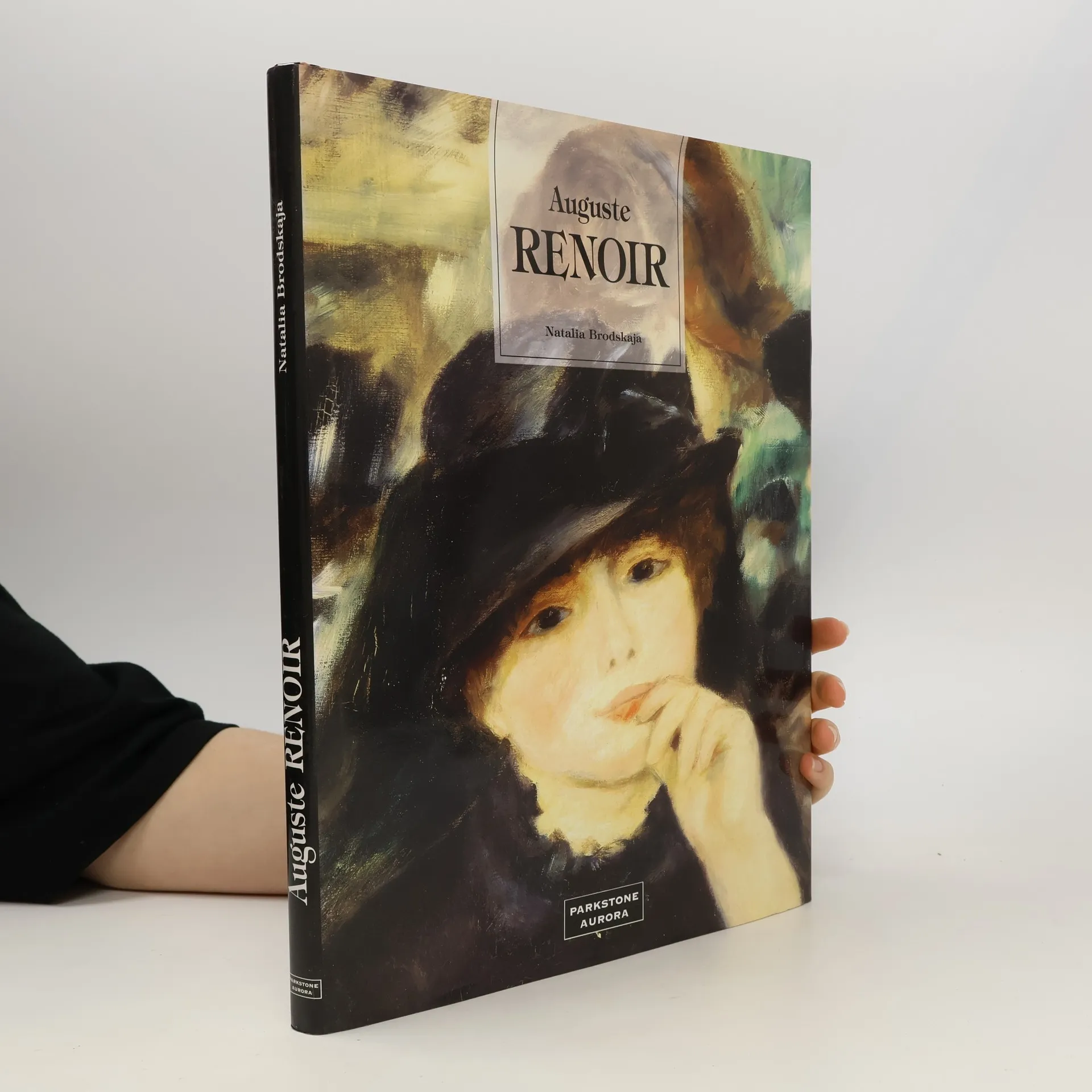
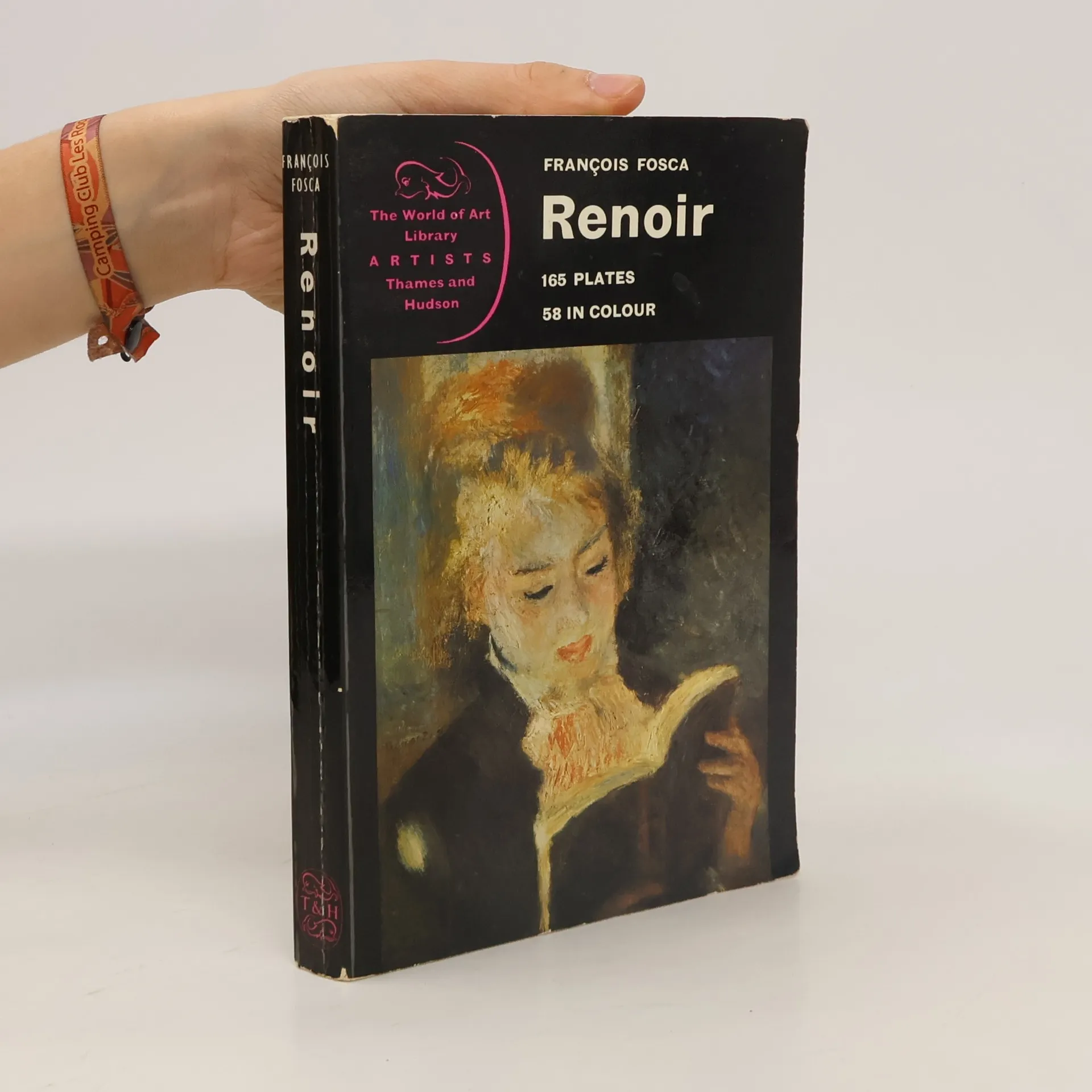
Sun-kissed, charming, and sensual, the work of Pierre-Auguste Renoir champions painting at its most lighthearted and luminous. This essential artist introduction selects key works from his extensive oeuvre to explore his Impressionist innovations as much as his traditions in pursuit of beauty, harmony, and the female form.
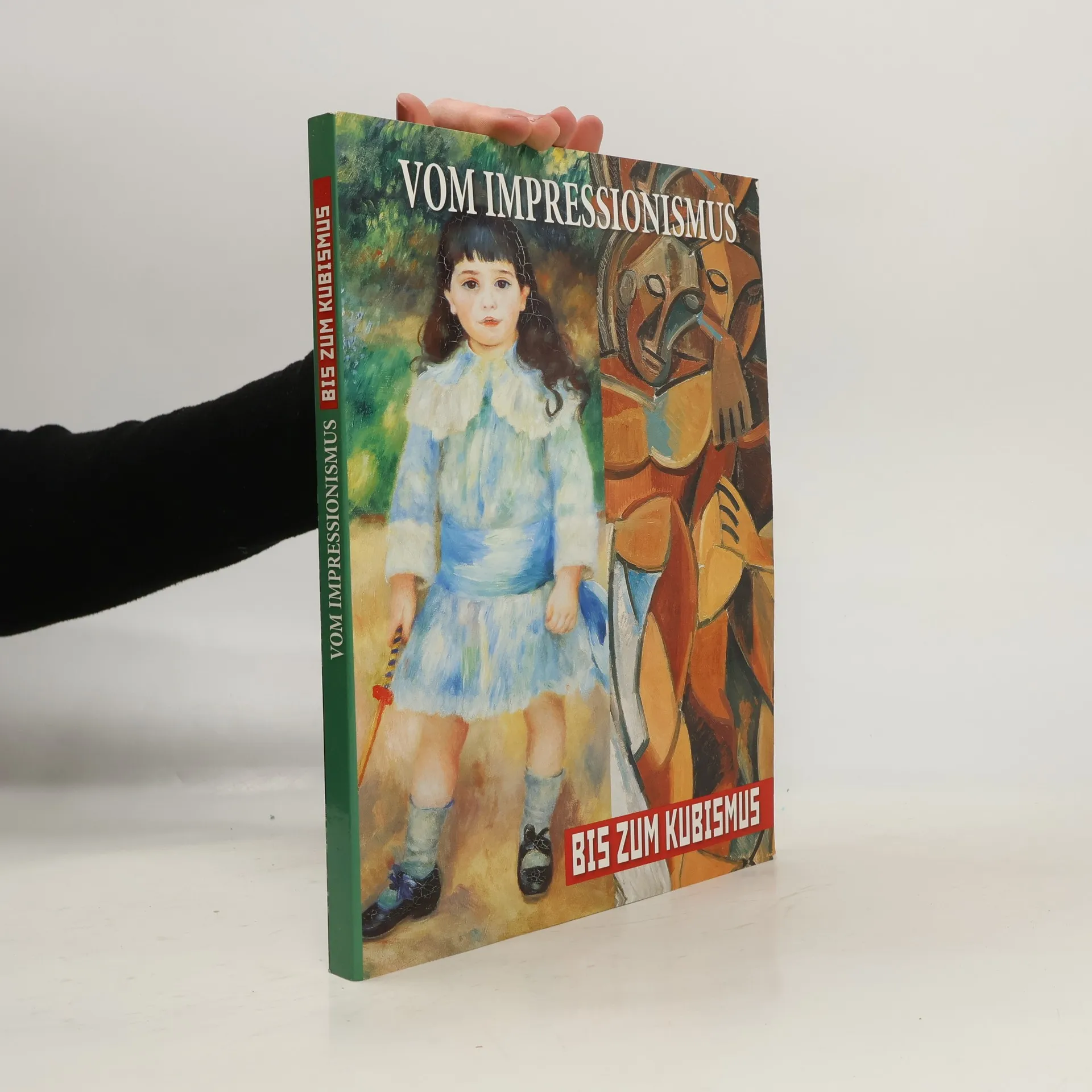
Naive Kunst.
- 192 stránok
- 7 hodin čítania
With invoice - Shipment from Germany
Auguste Renoir
- 156 stránok
- 6 hodin čítania
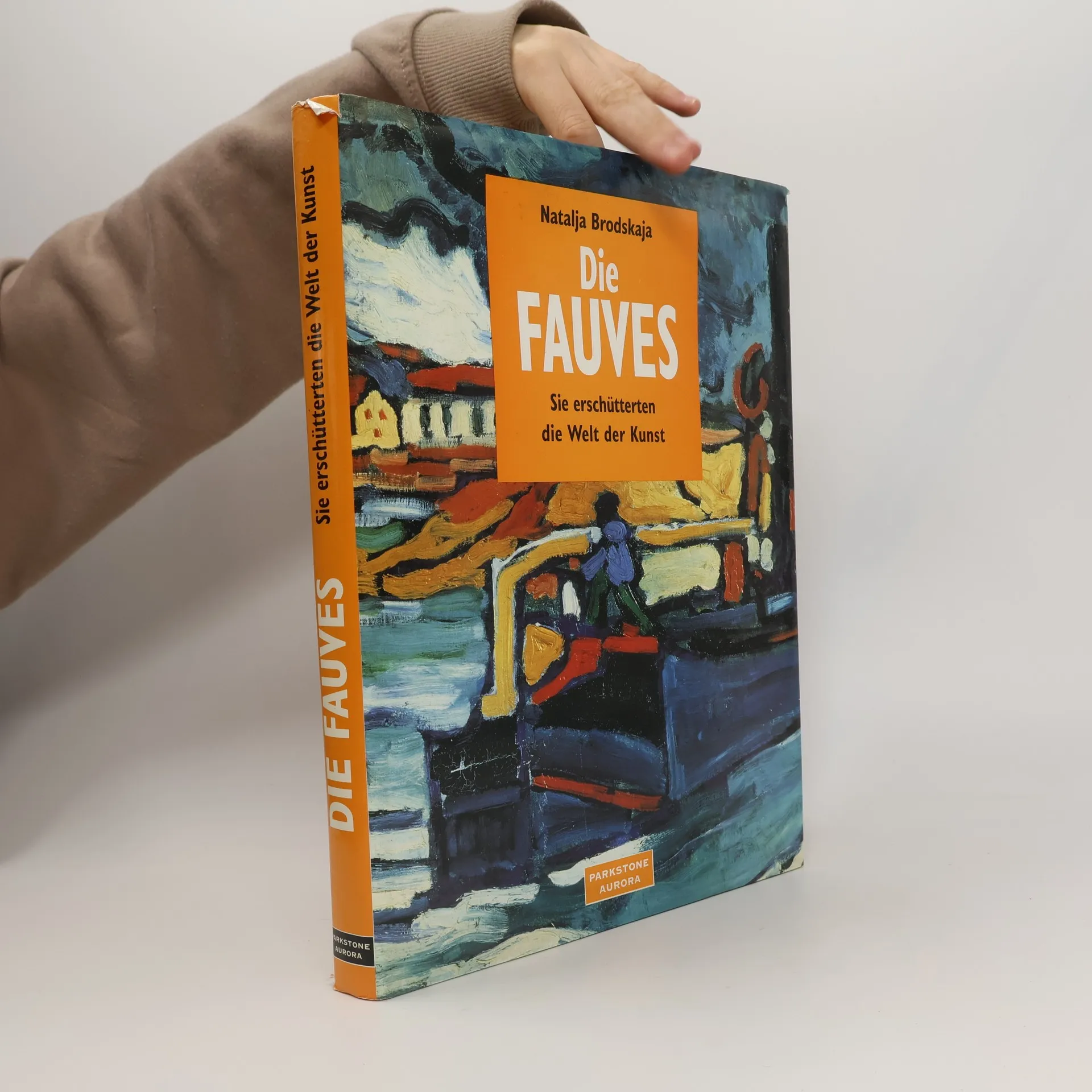
Die Fauvisten
- 287 stránok
- 11 hodin čítania
Geboren zu Beginn des 20. Jahrhunderts, brach der Fauvismus 1905 mit großer Kontroversität auf der Salon d'Automne in die künstlerische Szene ein, indem er leuchtende, lebendige Farben gegen die künstlerische Konvention warf. Angetrieben von Veränderung suchten Künstler wie Matisse, Derain und Vlaminck nach einer neuen chromatischen Sprache, indem sie Farbe aus ihrem gewohnten Kontext heraus verwendeten. Befreit von der strengen Technik der École des Beaux-Arts nutzten sie blockartige Farben als ihr Hauptmittel und sättigten ihre beeindruckenden Gemälde. Die Autorin lädt uns ein, diese lebendige künstlerische Evolution zu erleben, die, obwohl sie nur einen kurzen Zeitraum umfasste, ihren Einfluss auf dem Weg zur Moderne hinterließ.