Bookbot

Ernle Dusgate Selby Bradford

    11. január 1922 – 8. máj 1986

    Tento britský historik sa špecializoval na svet Stredozemného mora a námorné témy. Jeho vlastné rozsiahle skúsenosti s plavbou v Stredomorí dodávali jeho dielam jedinečnú autenticitu. Jeho písanie sa vyznačovalo hlbokým porozumením námorných bitiek a životov tých, ktorí ich zažili. Prostredníctvom svojich diel preniesol čitateľov do srdca námorných konfliktov a objavov. Jeho práca skúmala nielen strategické aspekty, ale aj ľudské príbehy v pozadí historických udalostí na mori.

    Ernle Dusgate Selby Bradford
    Siege. Malta 1940-1943
    The story of the Mary Rose
    Hannibal
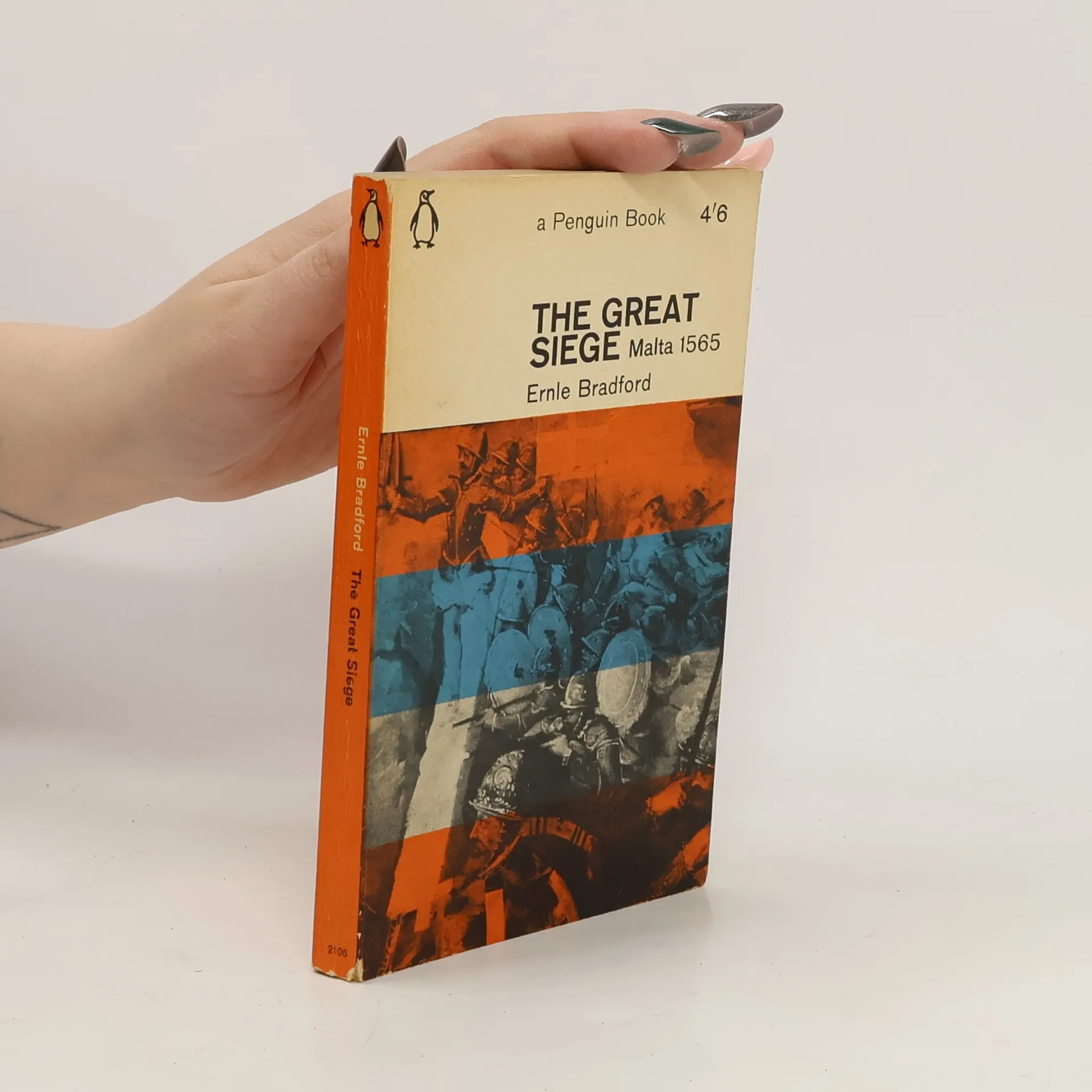
    The Great Siege: Malta 1565
    Sultánův admirál
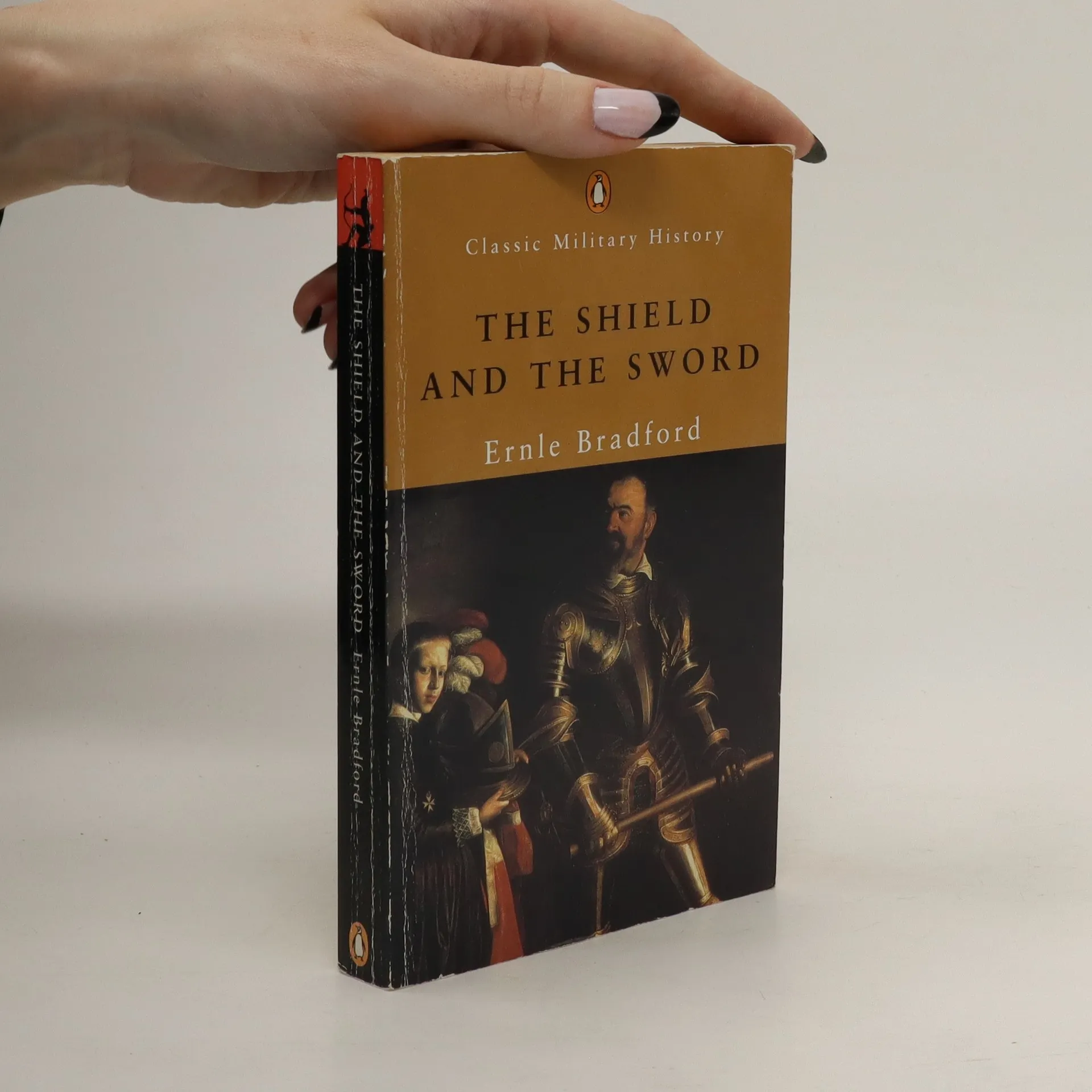
    The shield and the sword : the knights of St. John
    • 2003

      Siege. Malta 1940-1943

      • 248 stránok
      • 9 hodin čítania
      3,7(46)Ohodnotiť

      Situated halfway between Europe and Africa, Malta played a central role in the battles for the mastery of North Africa. The island was the vital supply base for British and Imperial troops in the to-and-fro desert campaigns against first Italy and then Germany and Rommel's Afrika Korps. The three-year siege of Malta was one of the longest sieges in history. In this thrilling account the author, who first came to know and love Malta whilst serving with the Royal Navy during the Second World War, paints a vivid picture of the suffering of the island and its population. He draws on personal accounts and reminiscences of the participants; he tells of the occasional despair that turned to joy when the convoys got through with much-needed supplies and of the bravery of both the civilians and the armed forces stationed there that won for Malta the George Cross.

      Siege. Malta 1940-1943
    • 2000

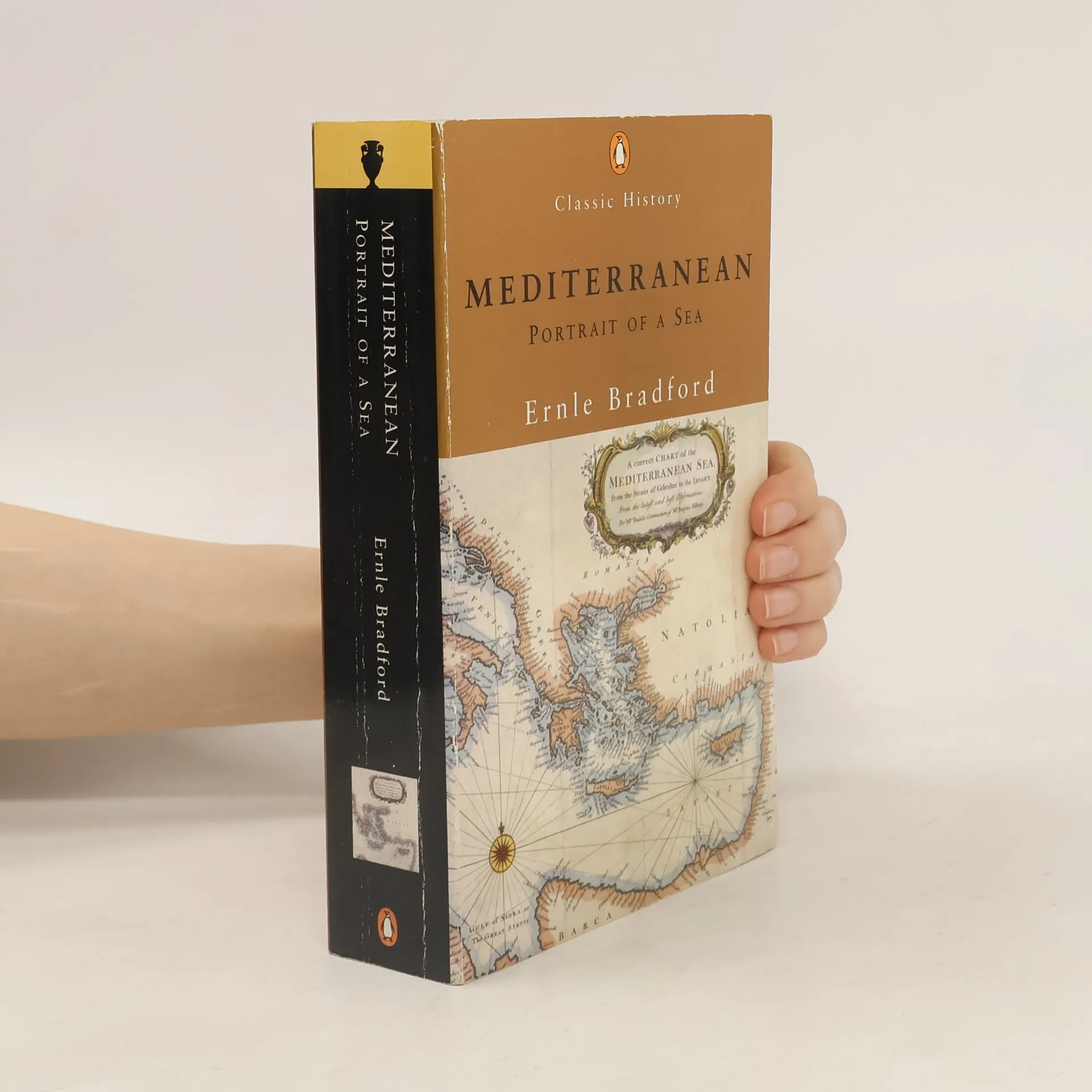
      Mediterranean

      Portrait of a Sea

      • 612 stránok
      • 22 hodin čítania

      For thousands of years people have sailed, traded, and fought across the waters of the Mediterranean. On its shores and islands they have built cities, colonised, dreamed, conquered and fallen. This sea, which brings together three continents, was the cradle of western civilisation.

      Mediterranean
    • 1999
    • 1995
    • 1985

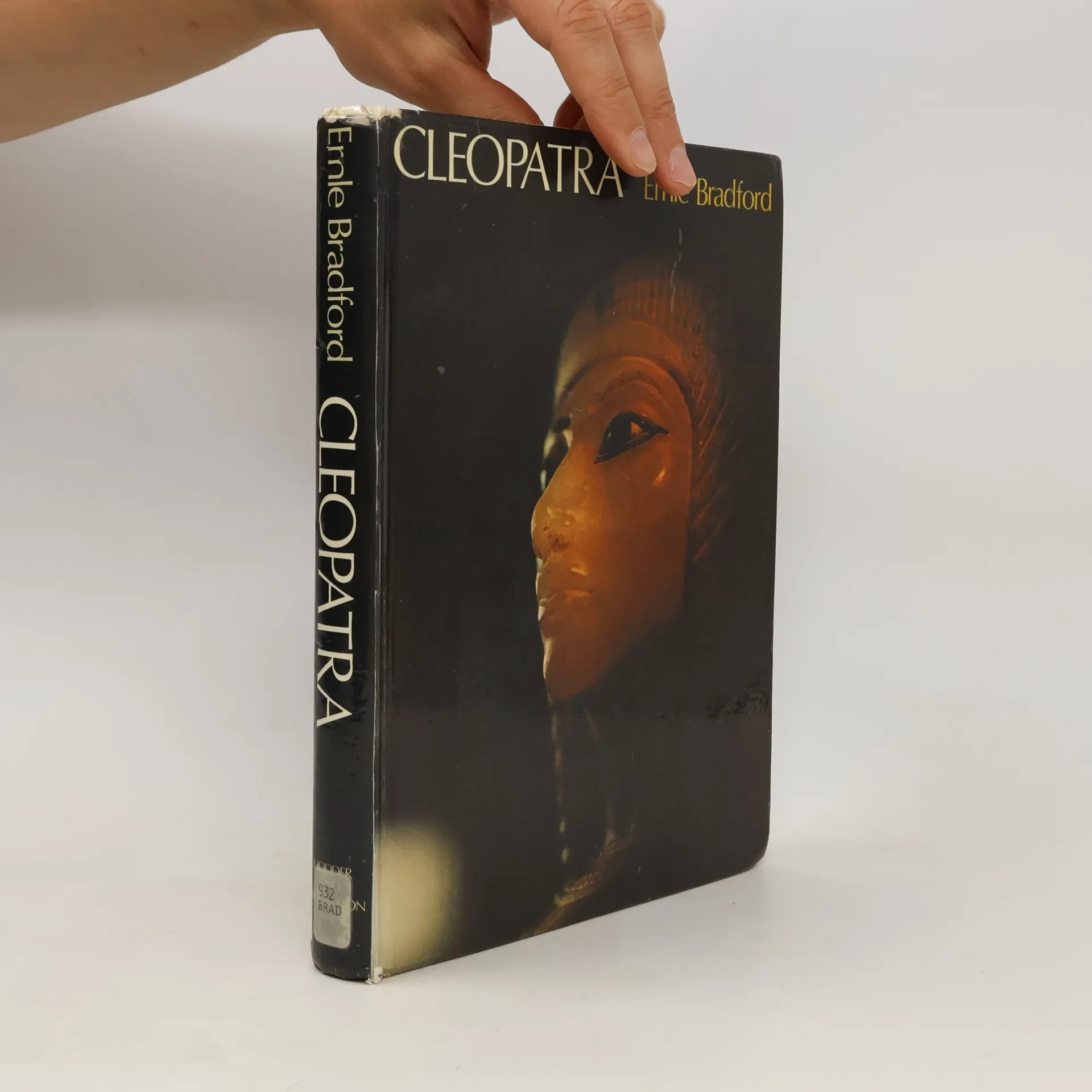
      Although endowed with oratorical and literary gifts, Julius Caesar is known to us primarily as a man of action. So it's not surprising that Bradford's popular biography is largely a succession of actions--most of them, also unsurprisingly, military actions. Caesar was indeed almost always fighting someone, either subjugating northern Europe, Britain, or Egypt, or engaged in civil war with the forces of Pompey. Bradford (Hannibal, Nelson, etc.) is reasonably good on the big campaigns and the big battles, apportioning judicious doses of praise, blame, or fortune as he sees fit (and he's aware, too, that most of Caesar's opponents were not well-trained troops). But on Caesar as a political figure, Bradford is on softer ground. Caesar, he claims, had finely honed political instincts; by this Bradford seems to mean that he knew how to pass around the spoils. The claim that Caesar's republican adversaries sealed the fate of republicanism when they assassinated him, bringing chaos to the order he had maintained and ushering in Imperial rule, has a nice ring to it; but there is not enough background to the conflict between Caesar, Cicero, Cato, and the rest to substantiate it. In short, all the usual material is here--from calendars to Cleopatra--and while it's pretty easy to take, it doesn't add up to much that is enduring. For general readers, though: as serviceable an introduction as presently exists.

      Julius Caesar
    • 1984
    • 1983
    • 1982

      An analysis of artifacts recovered from the Mary Rose, a sixteenth-century warship that sank off the coast of England evaluates the importance of the ship as an archaeological record of life in Tudor England

      The story of the Mary Rose