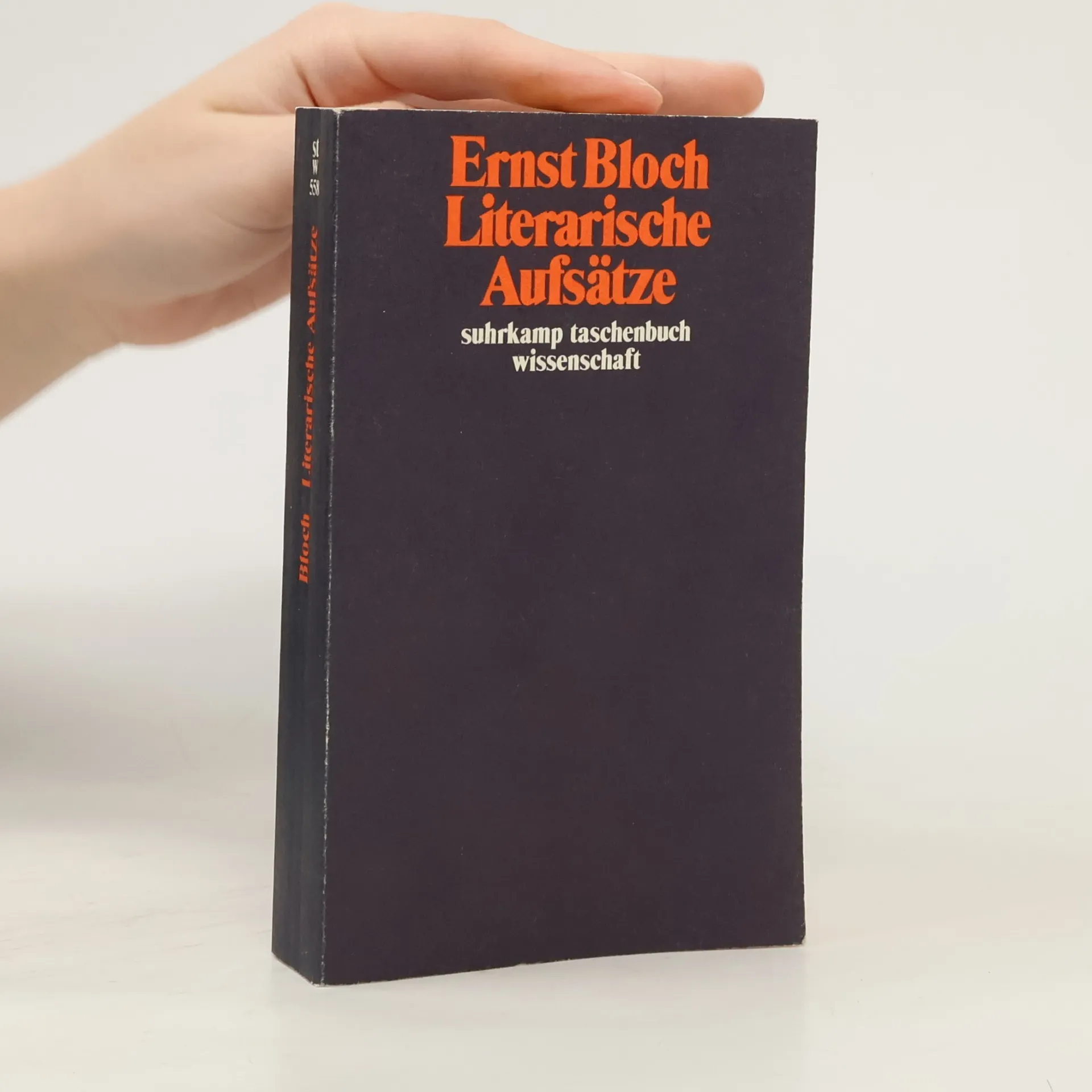
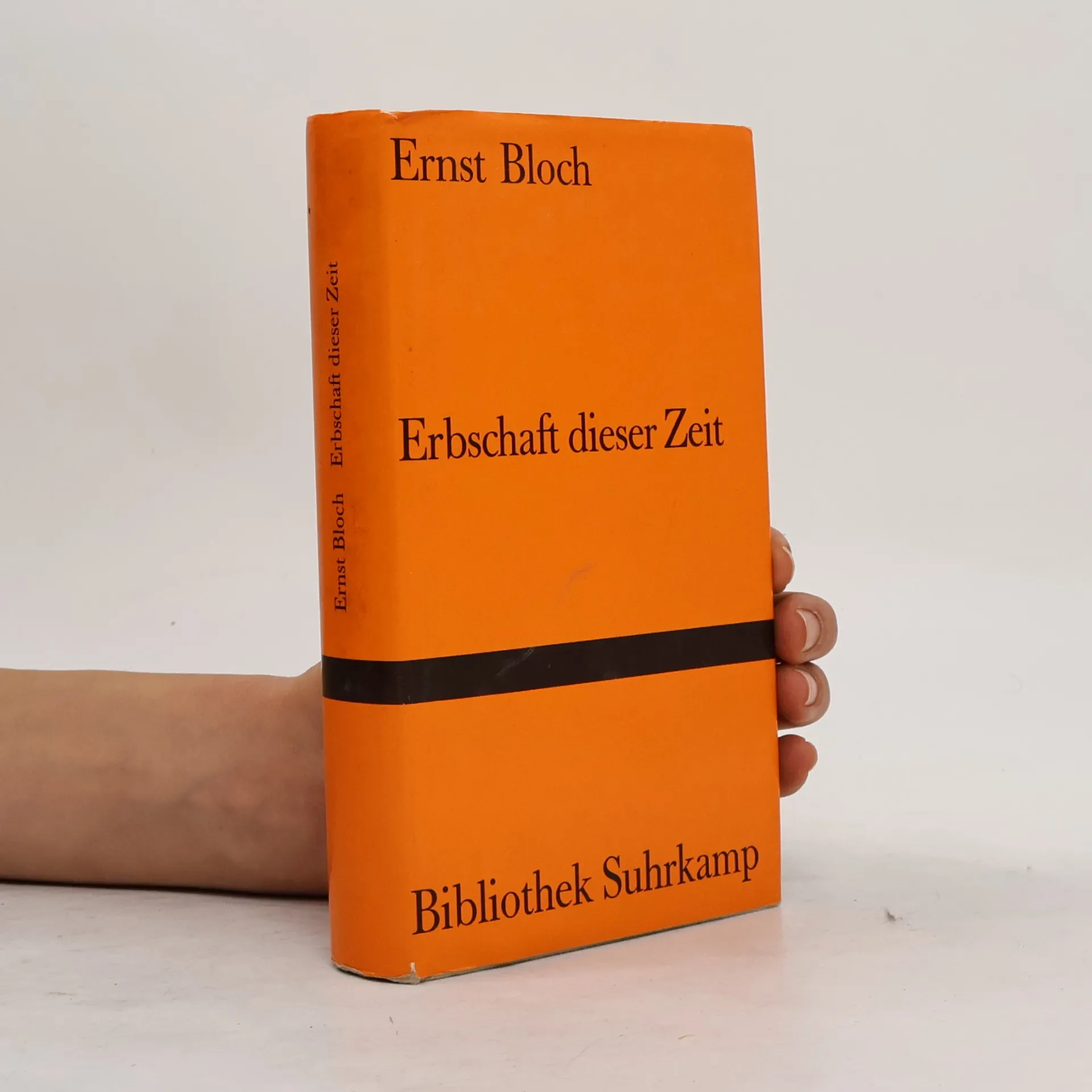
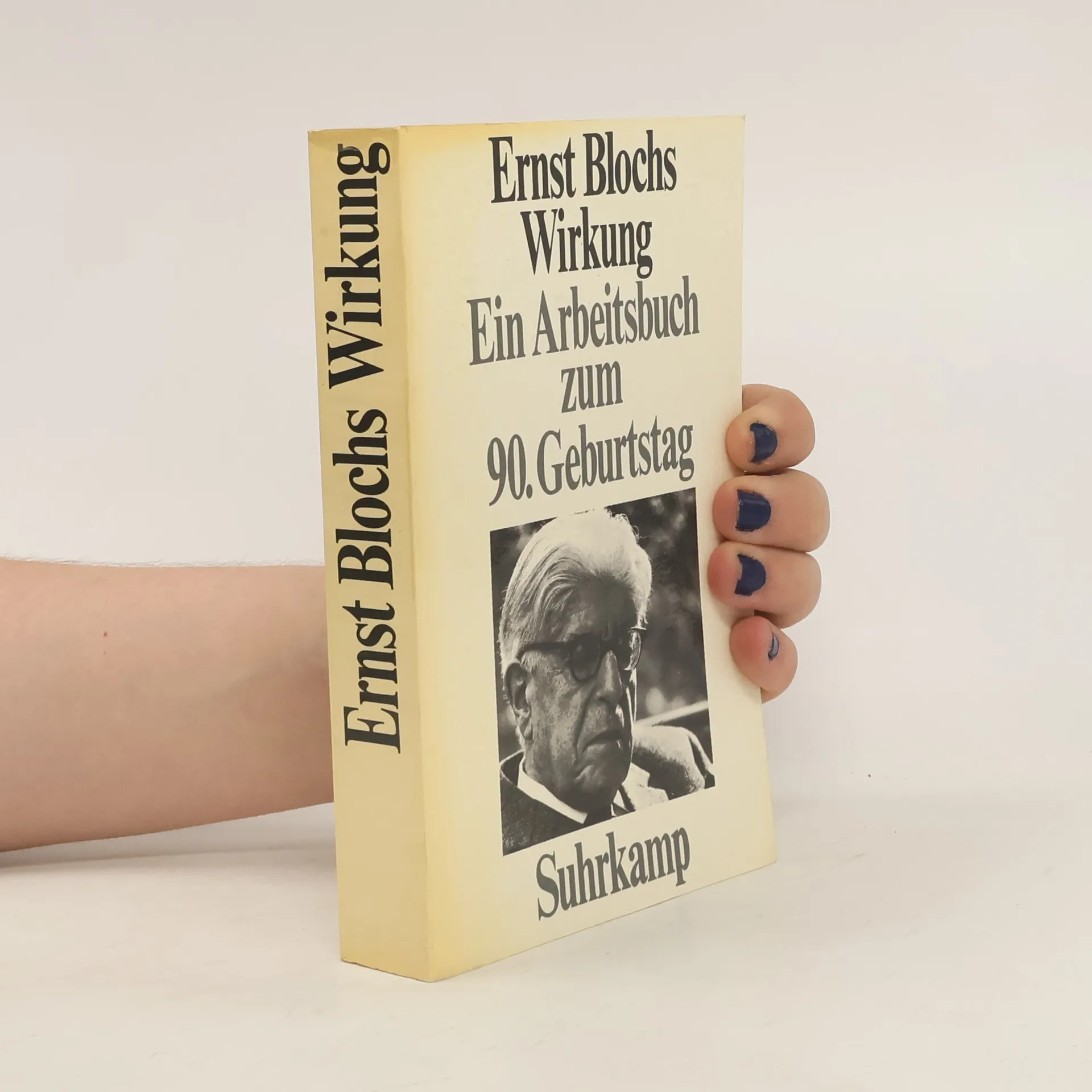
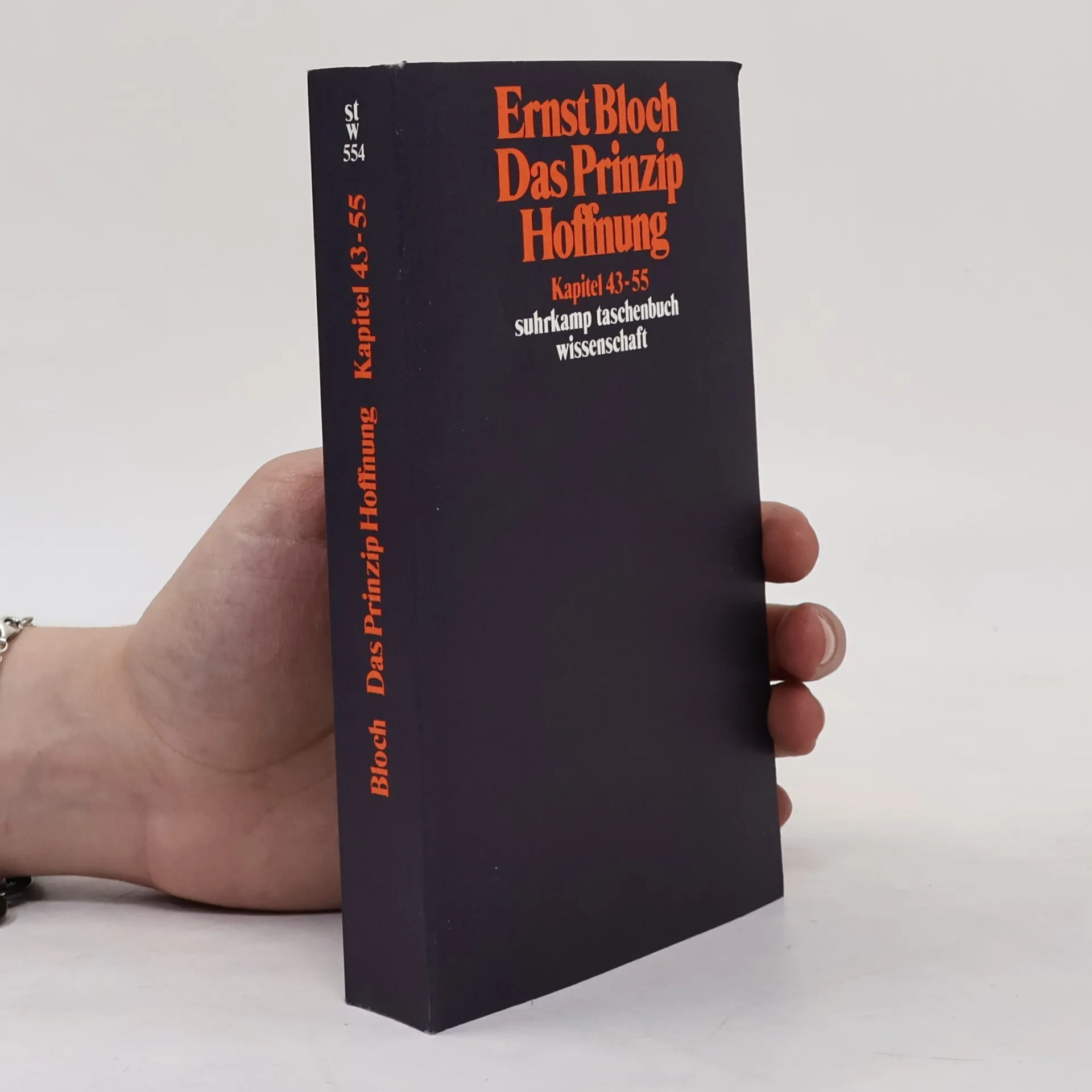
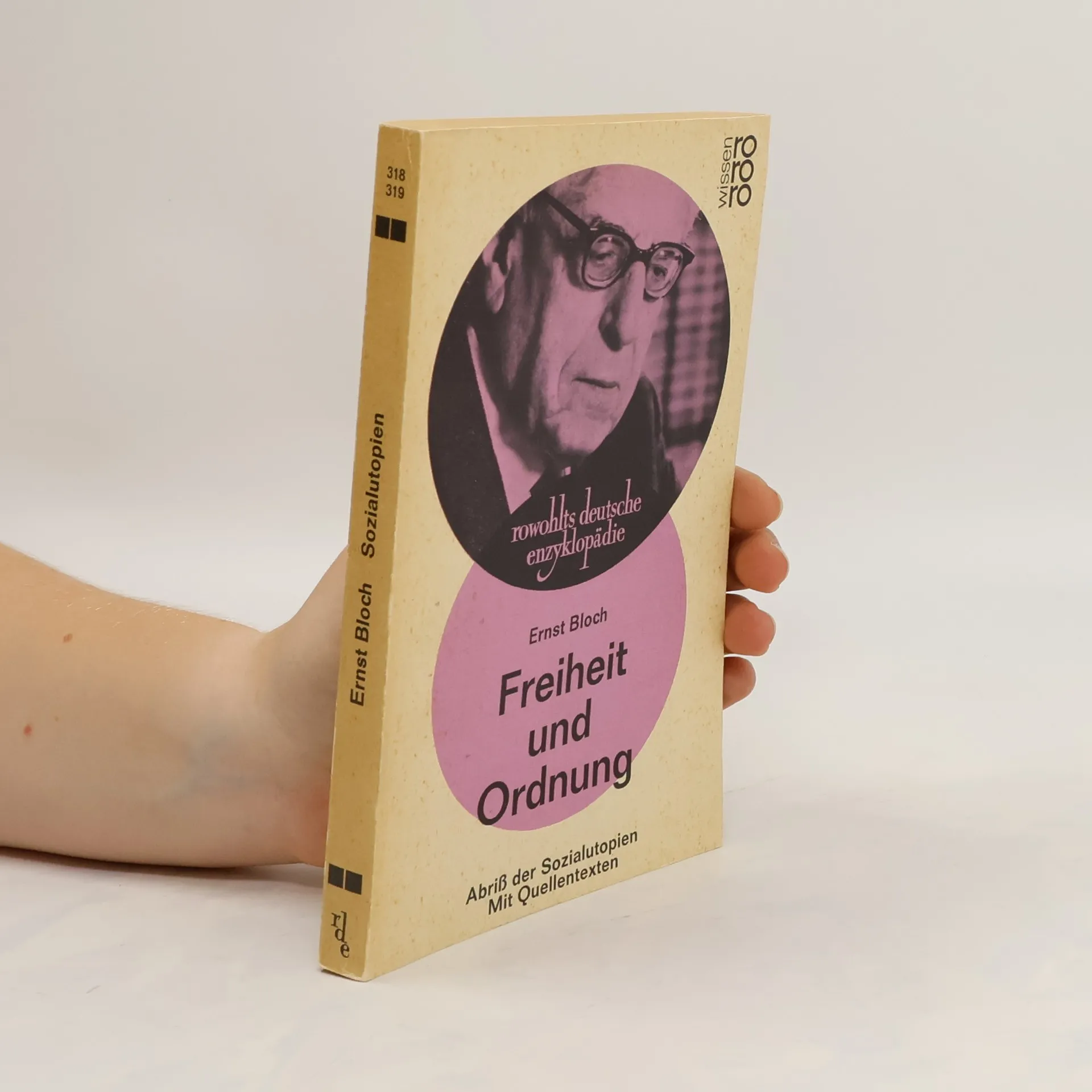
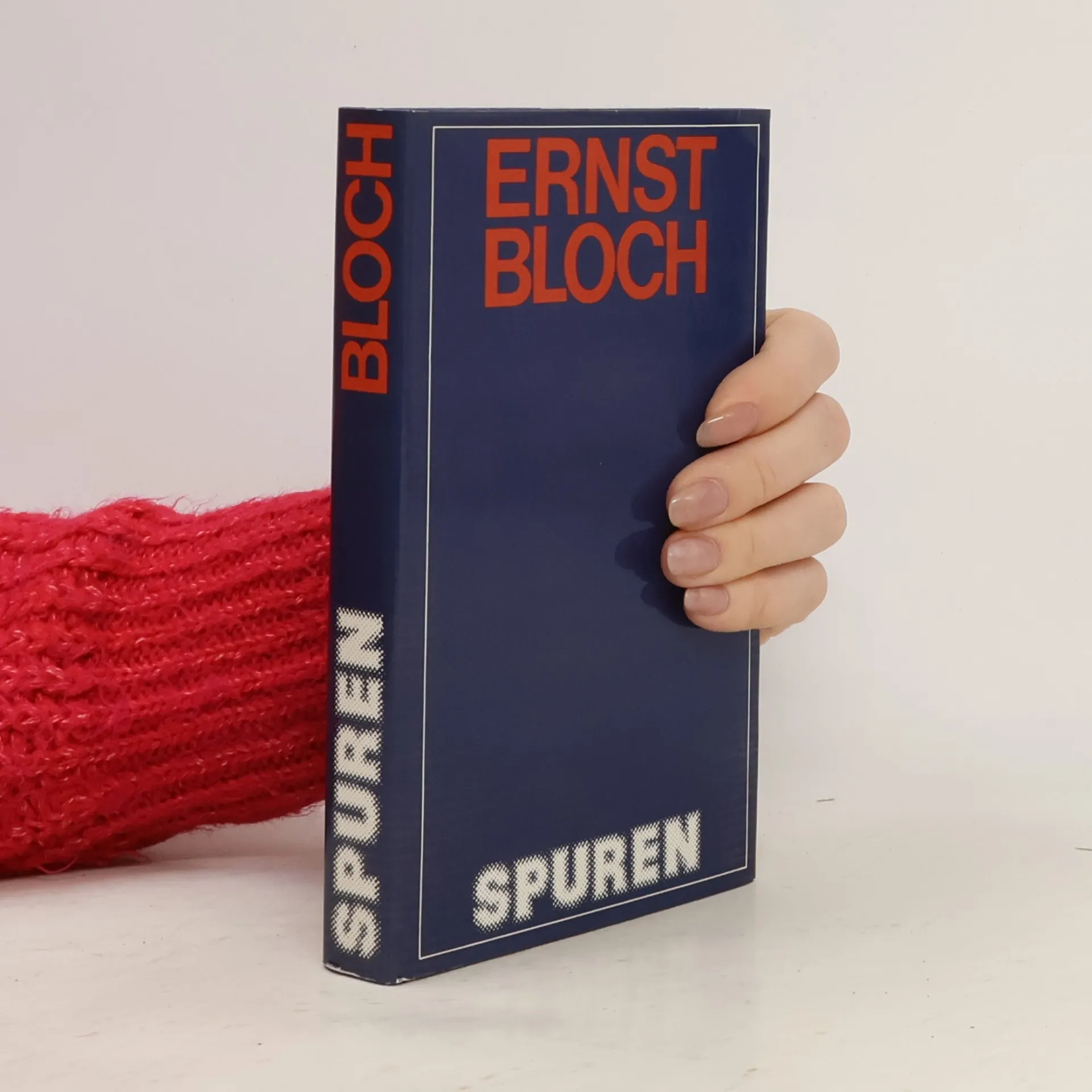
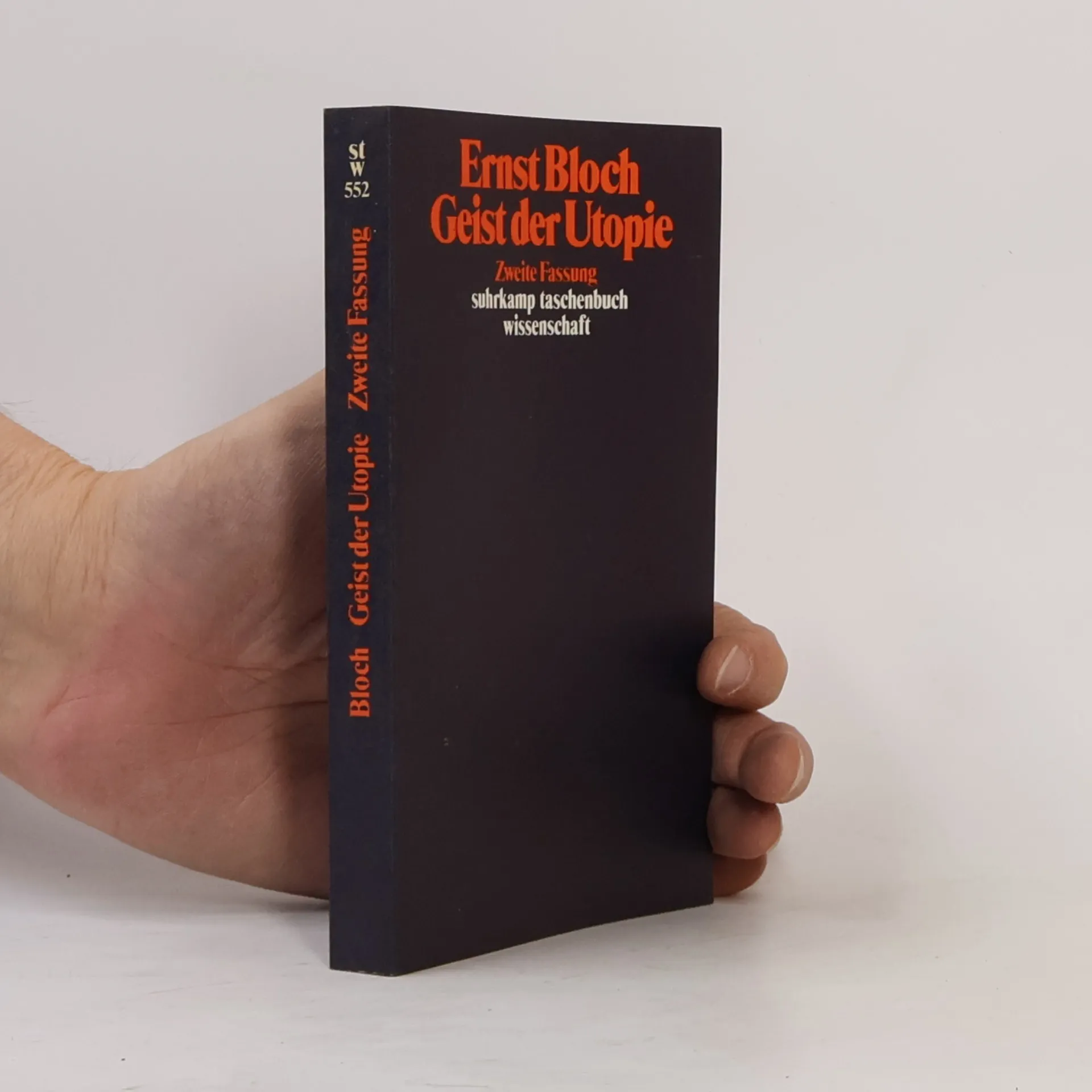
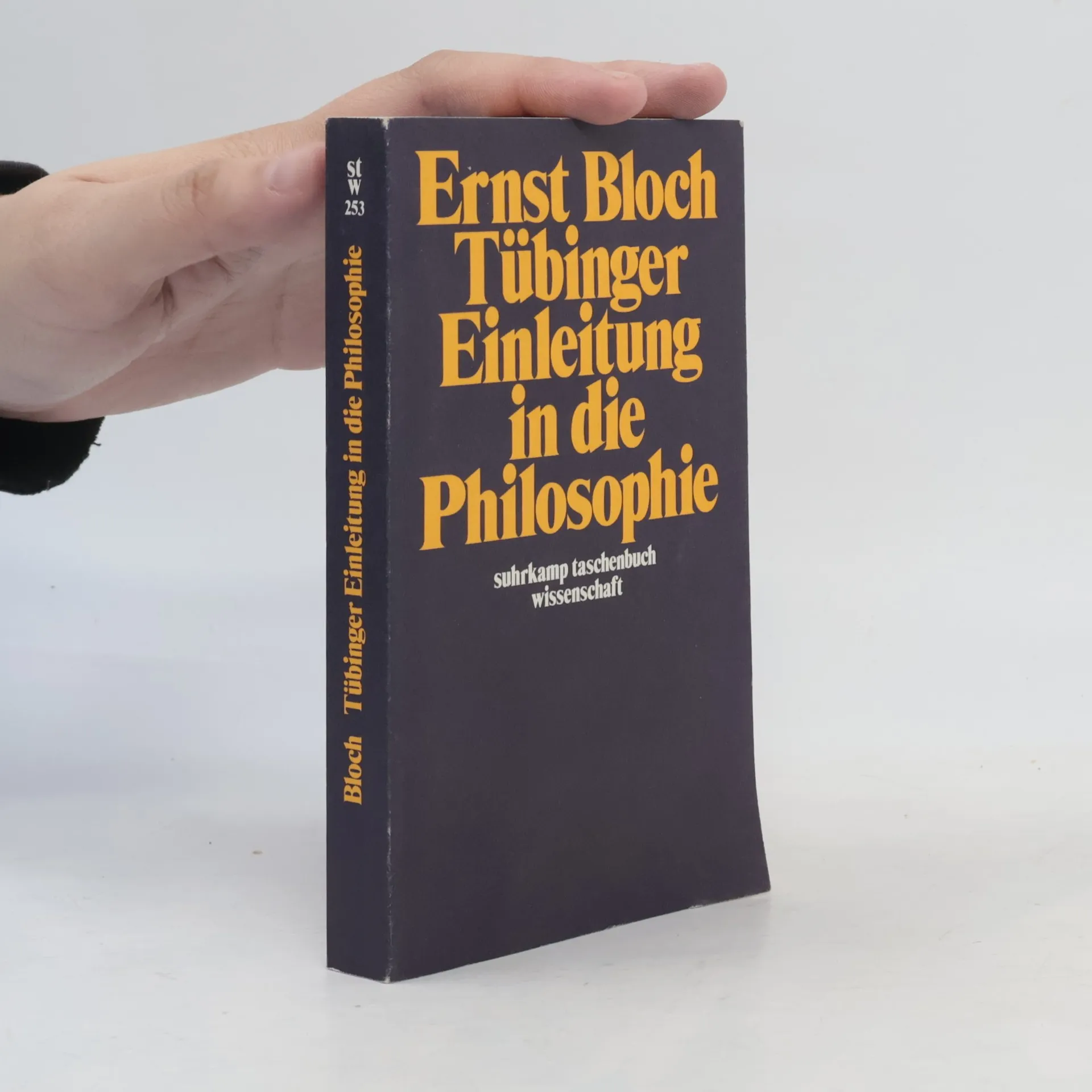
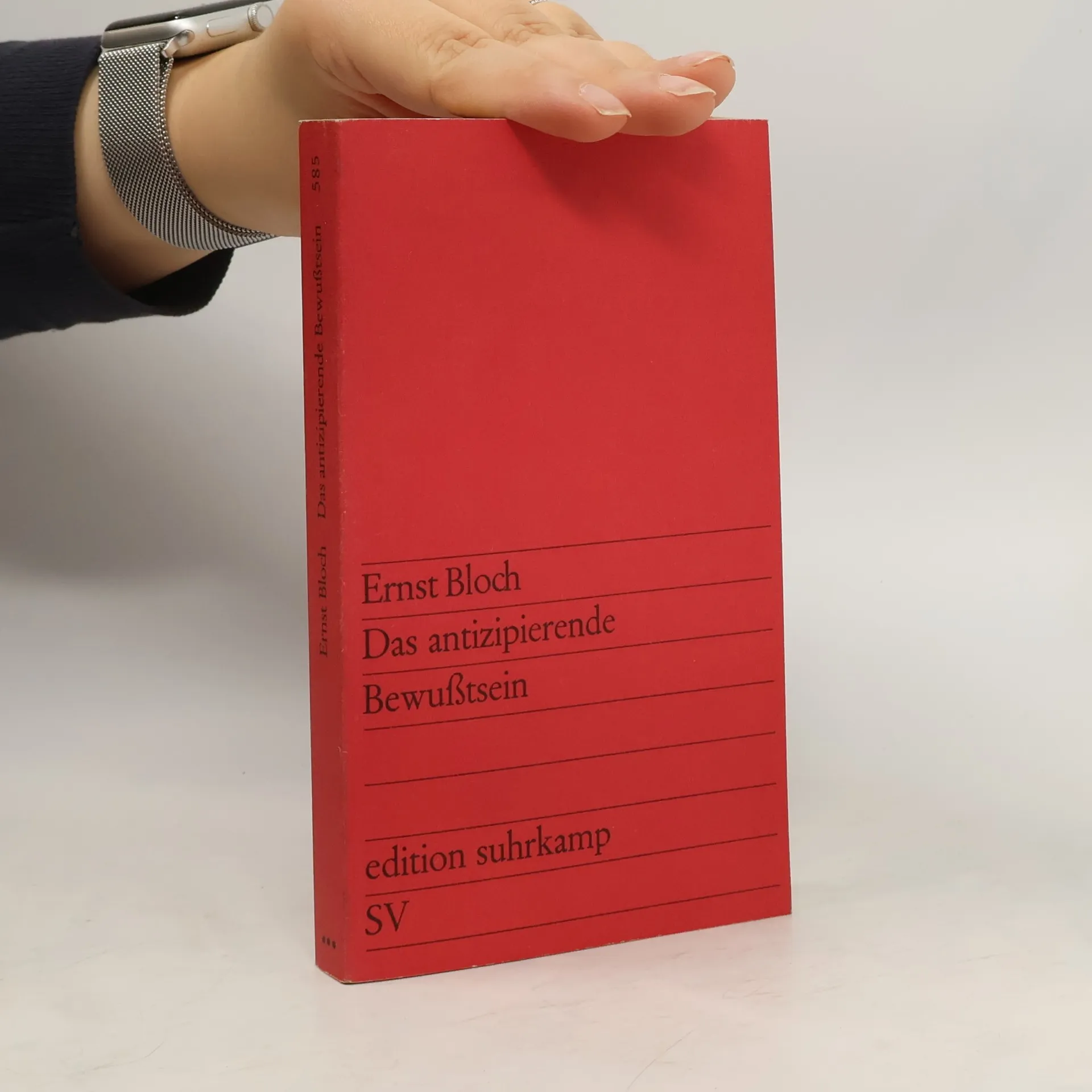
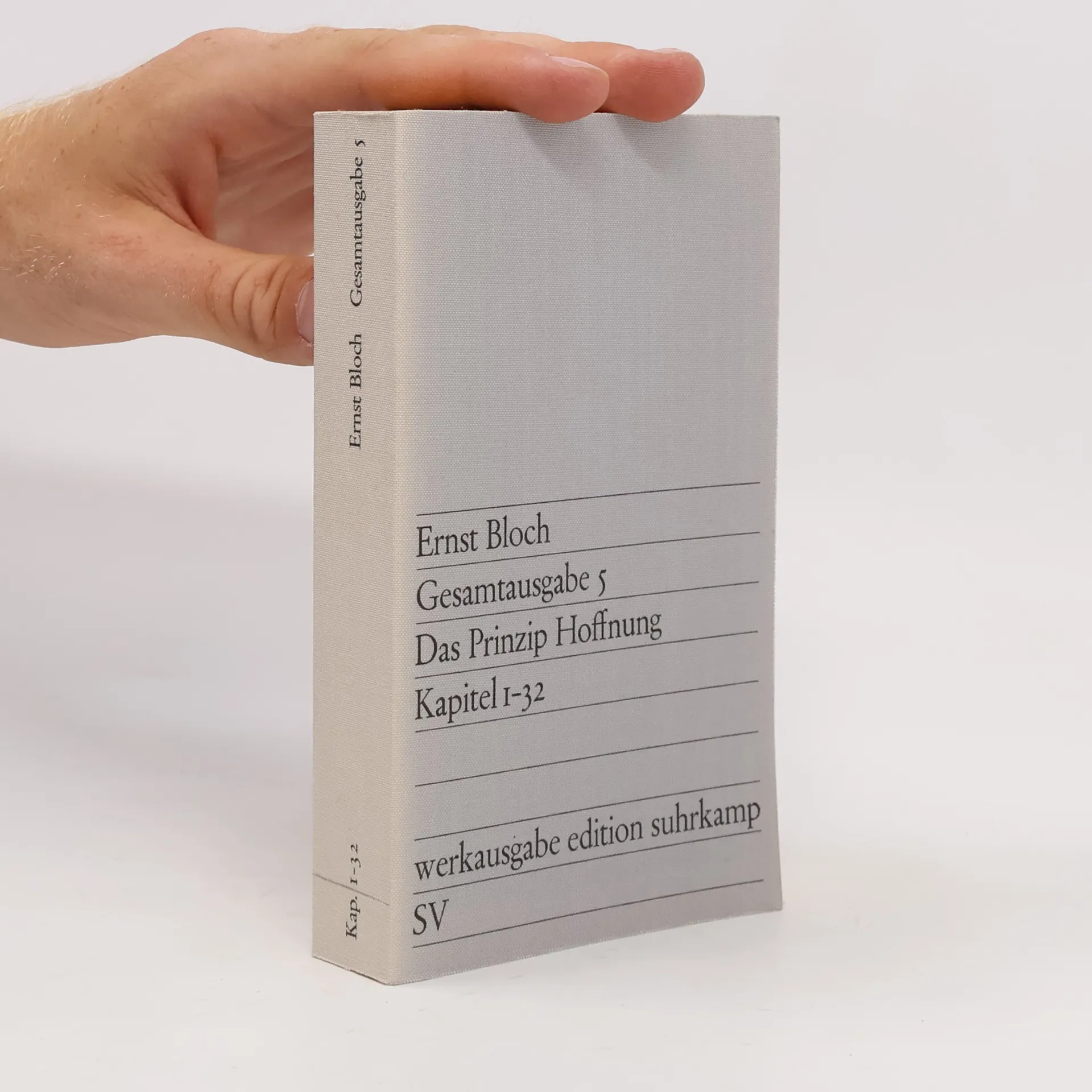
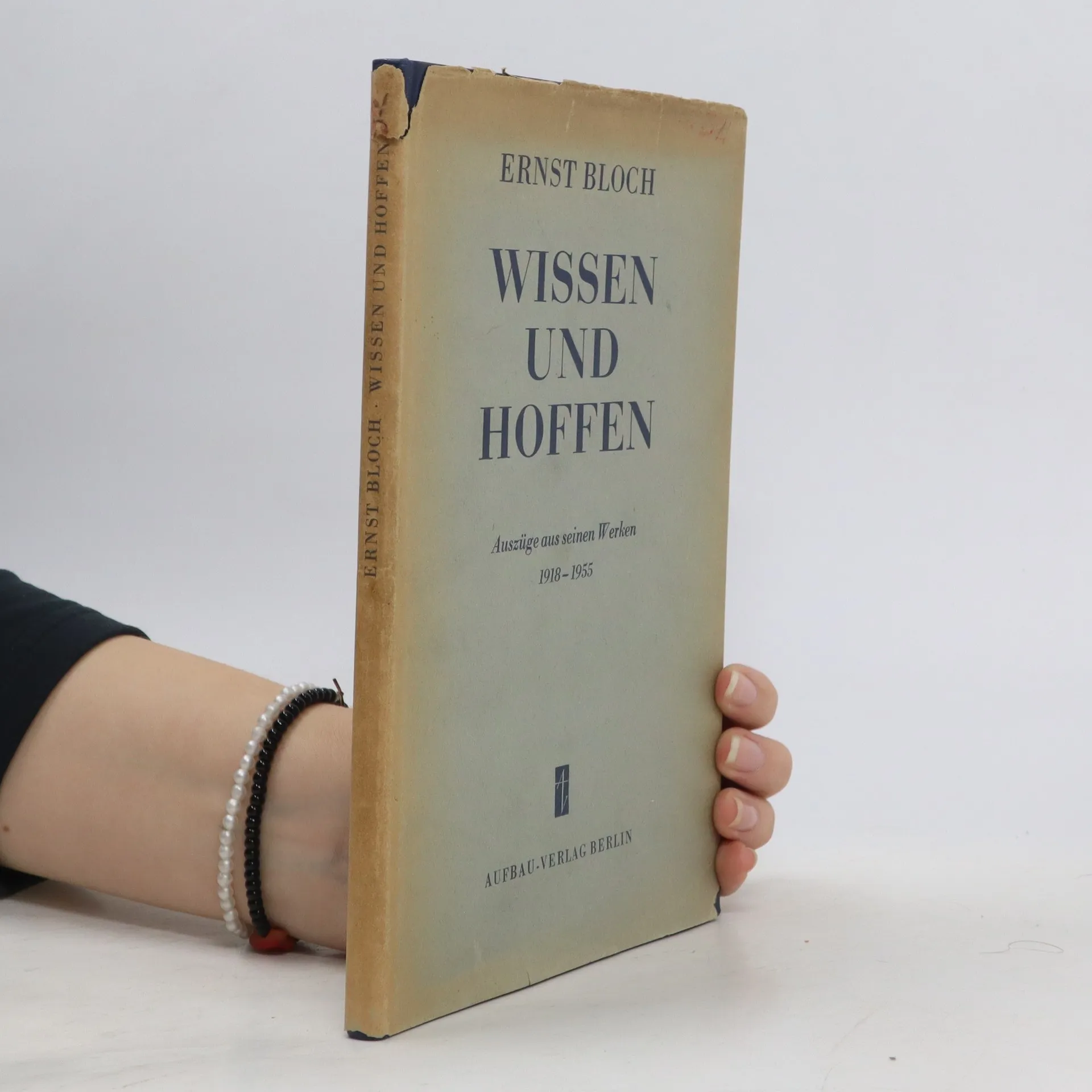
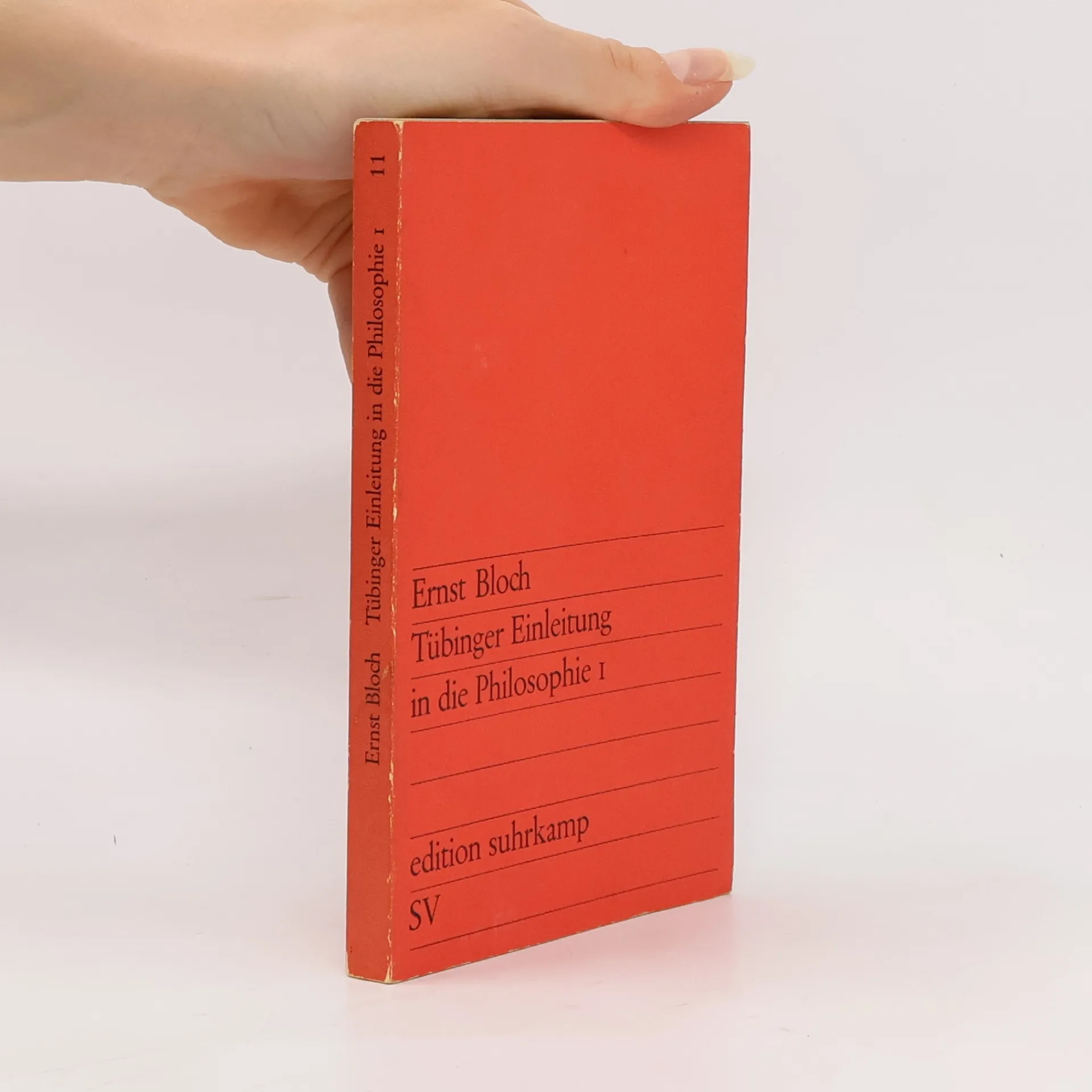
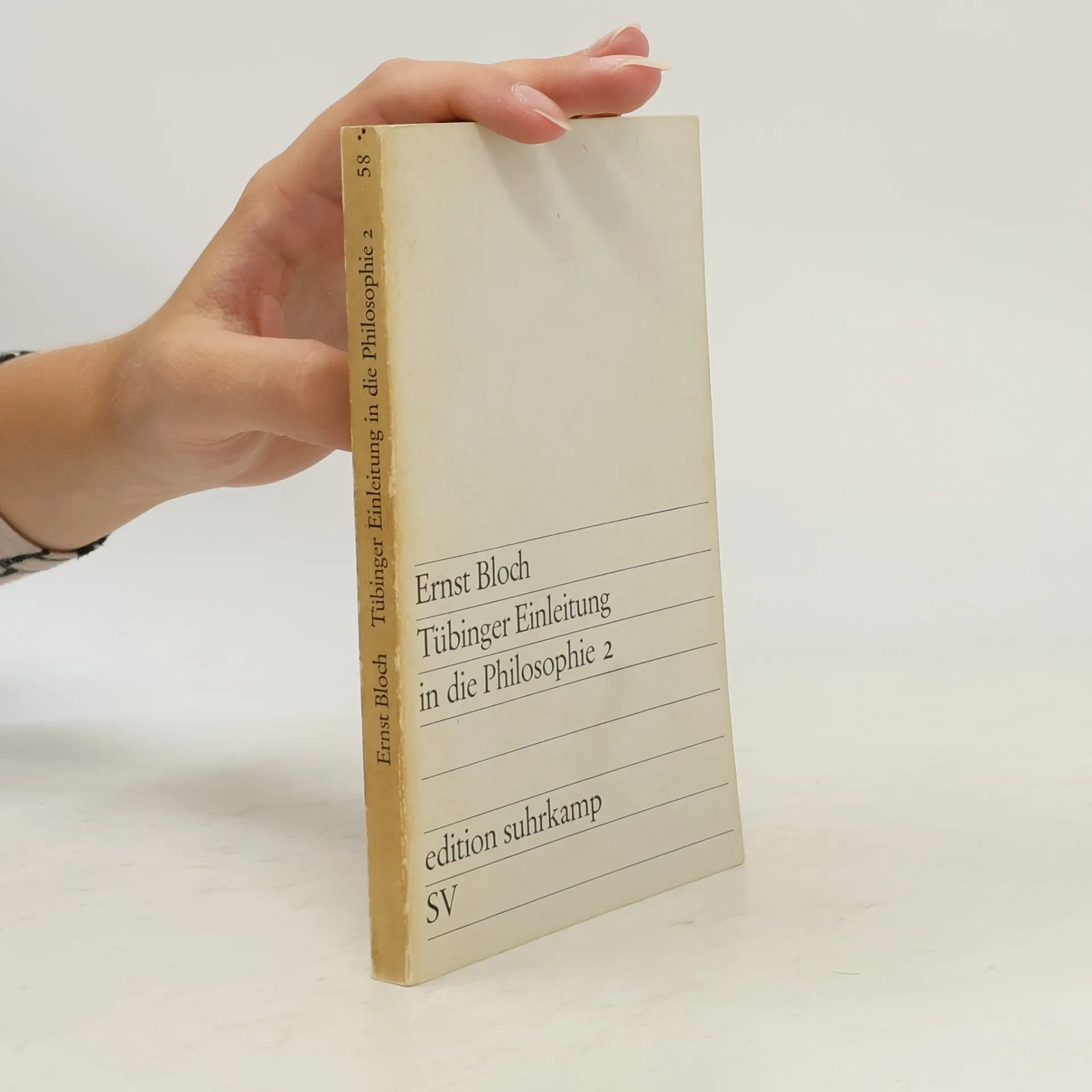
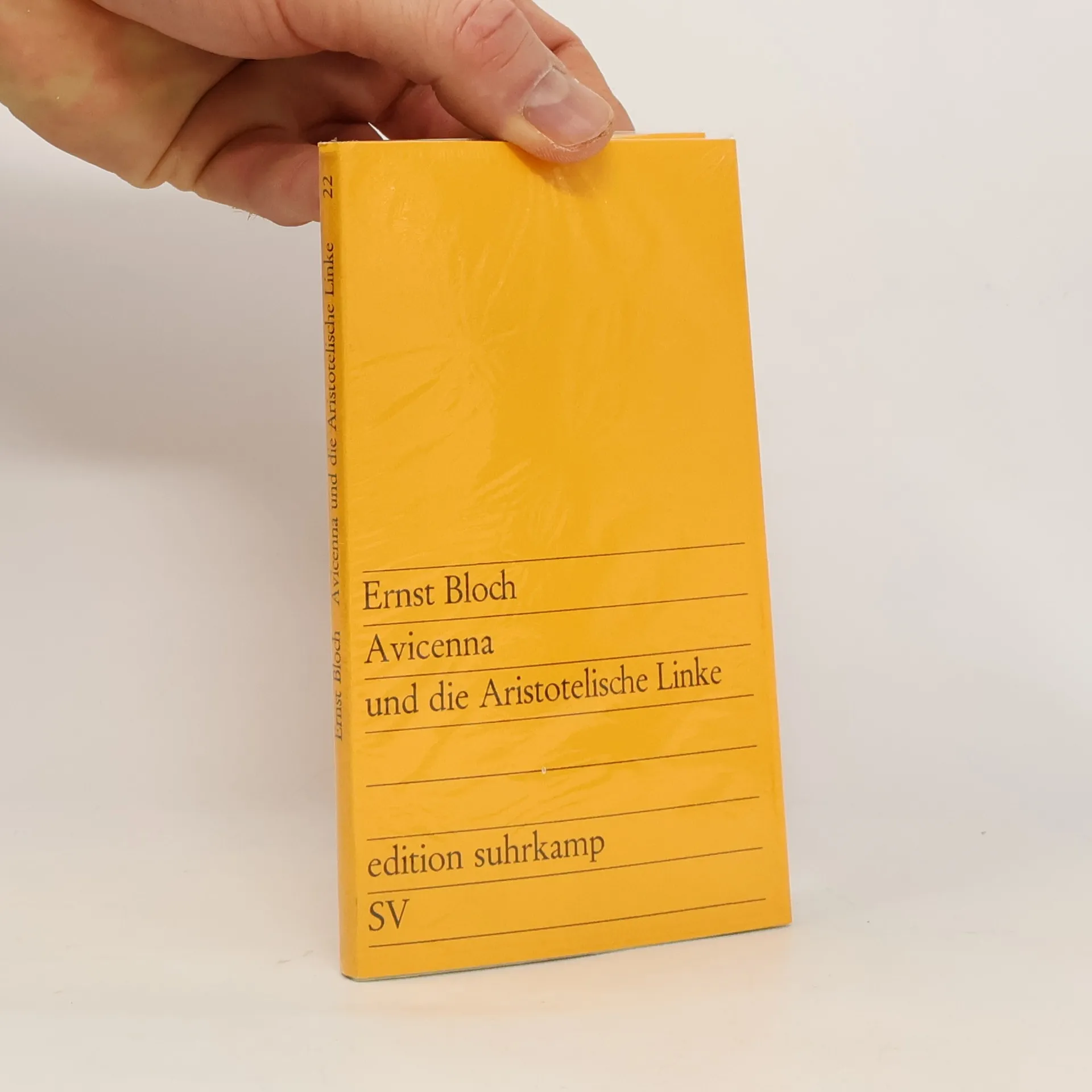
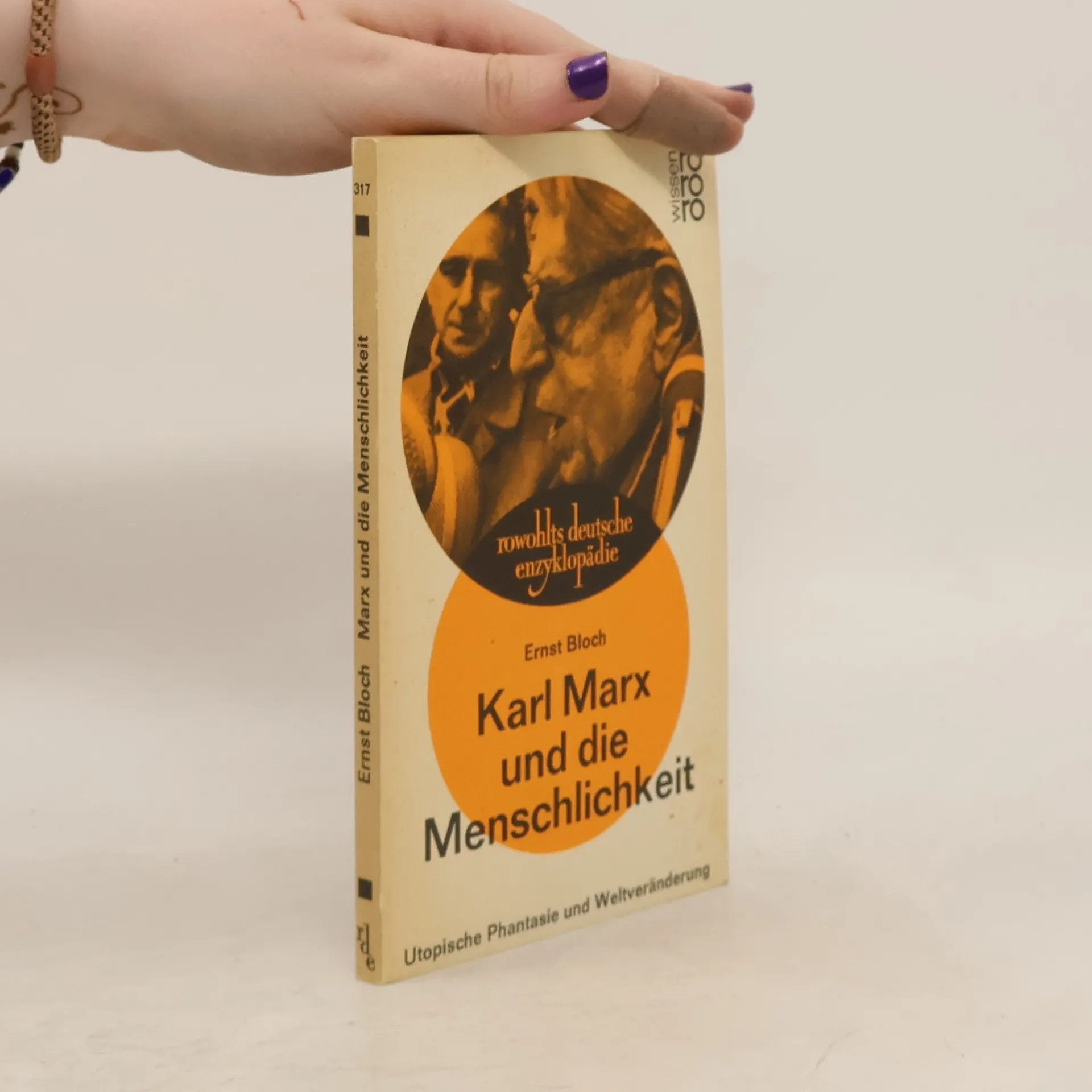
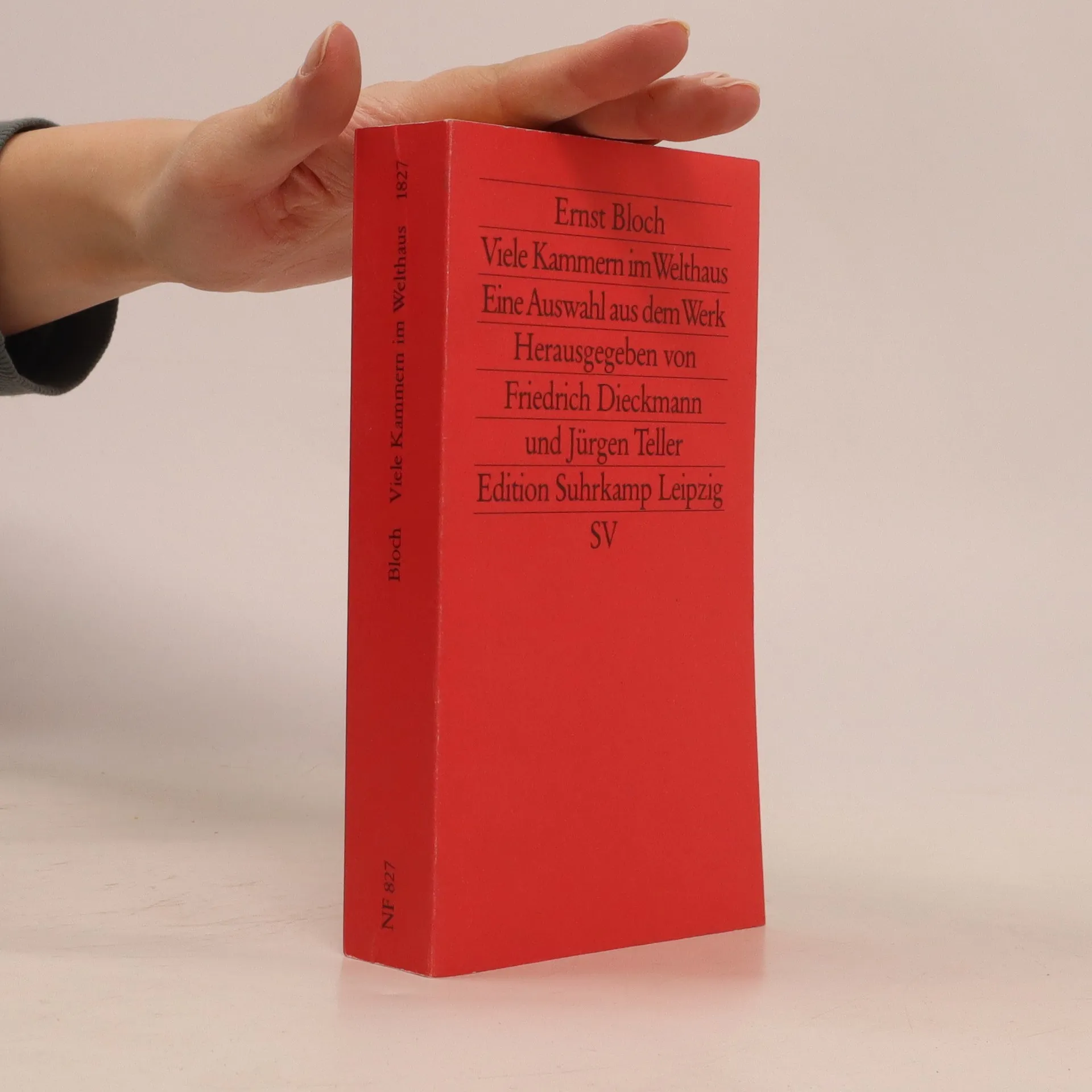
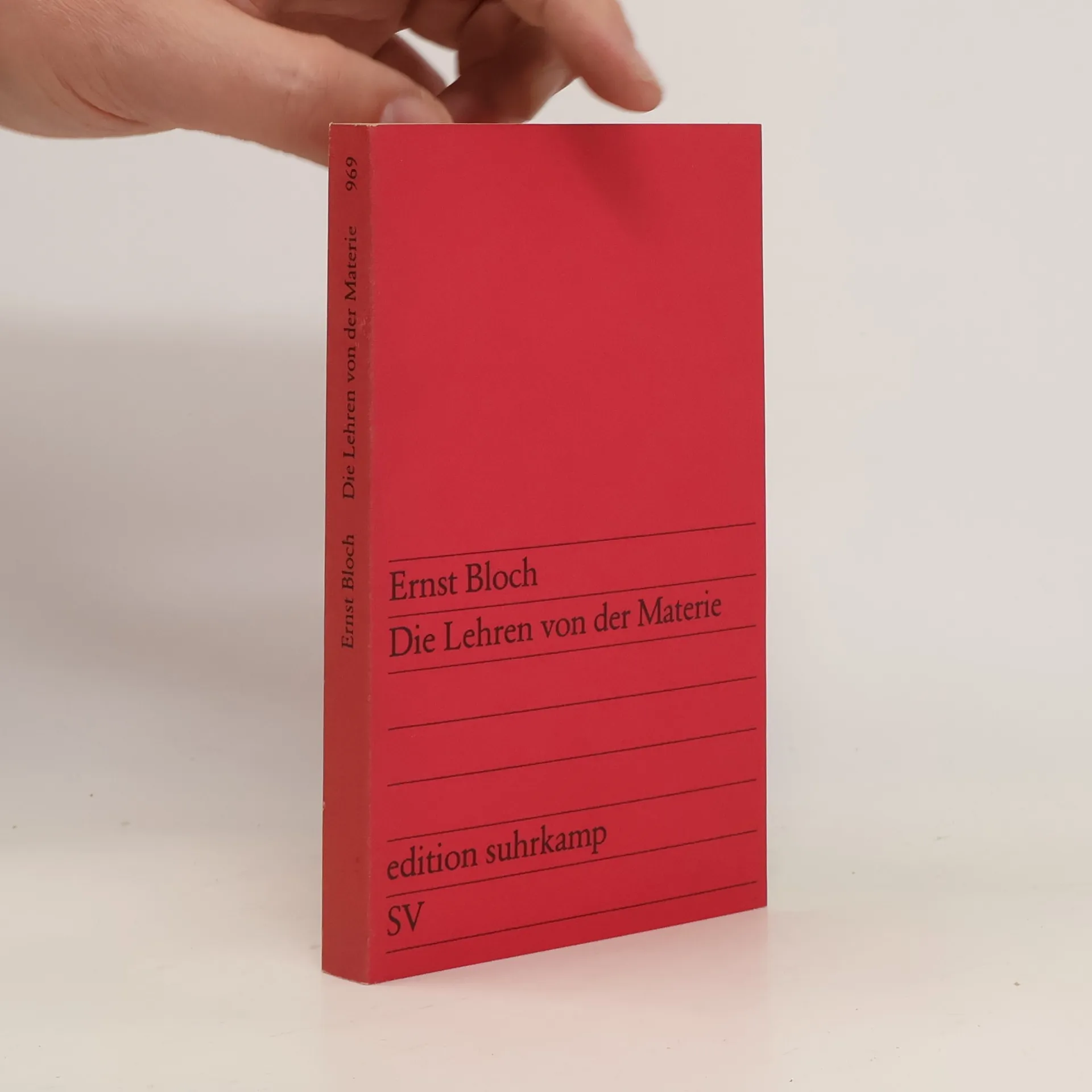
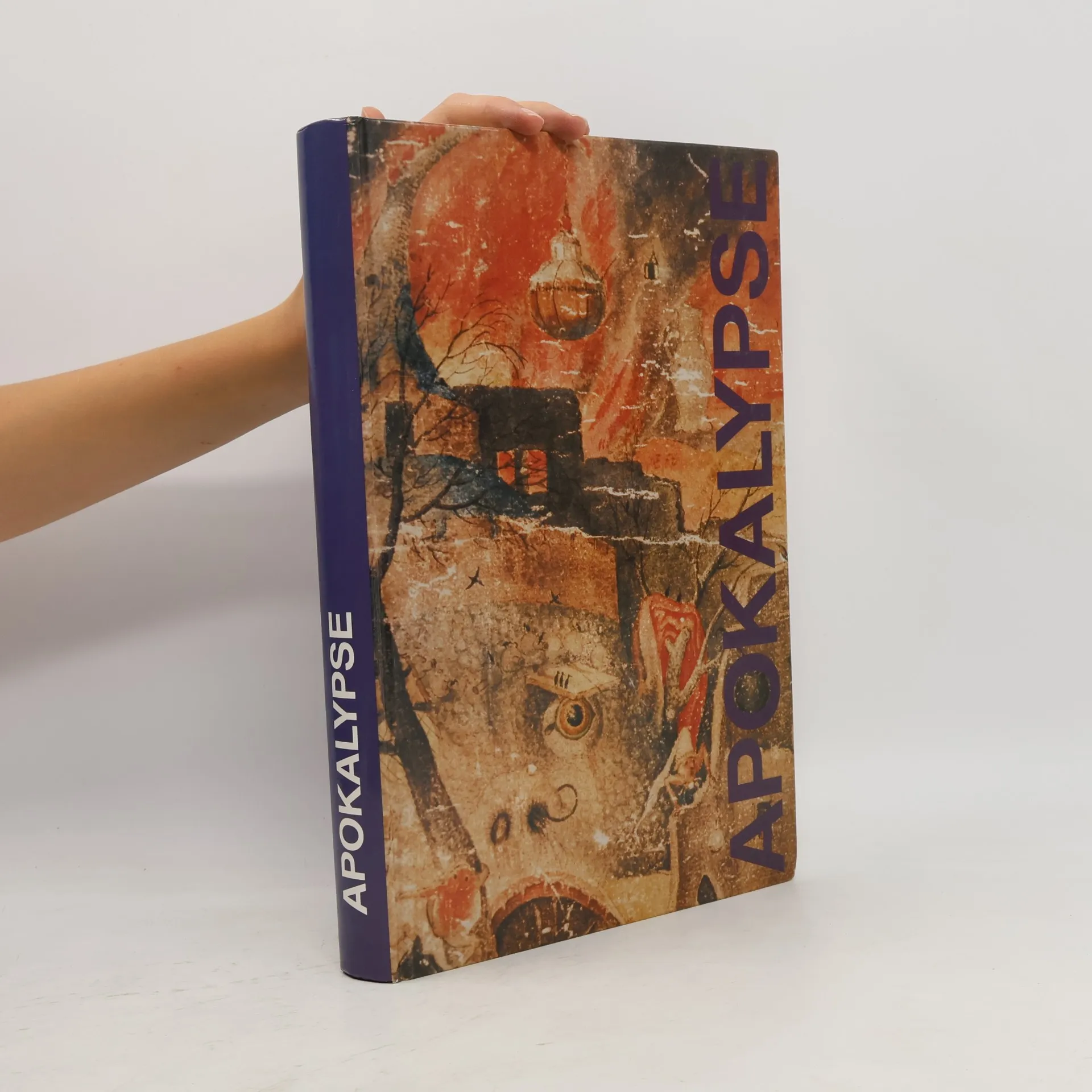
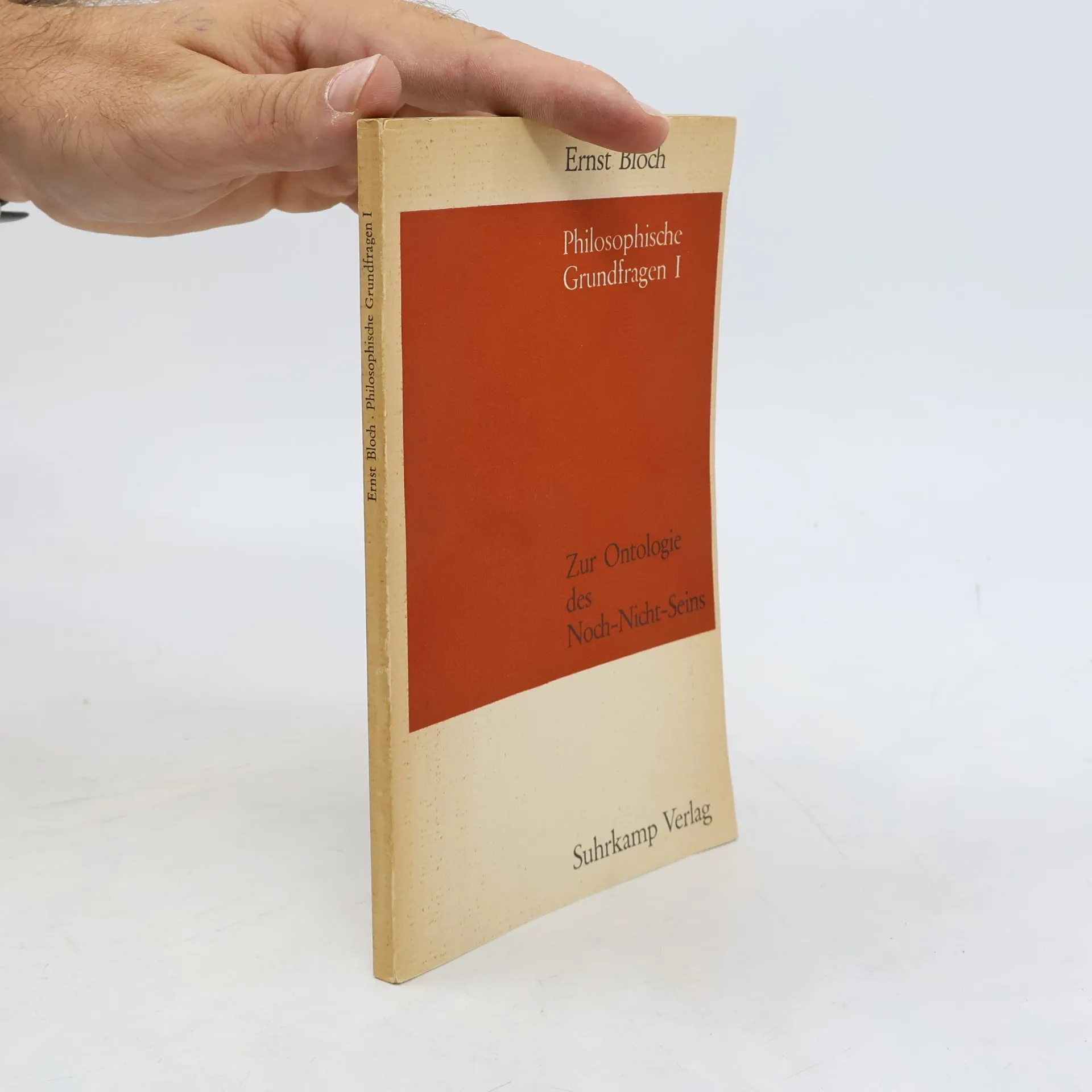
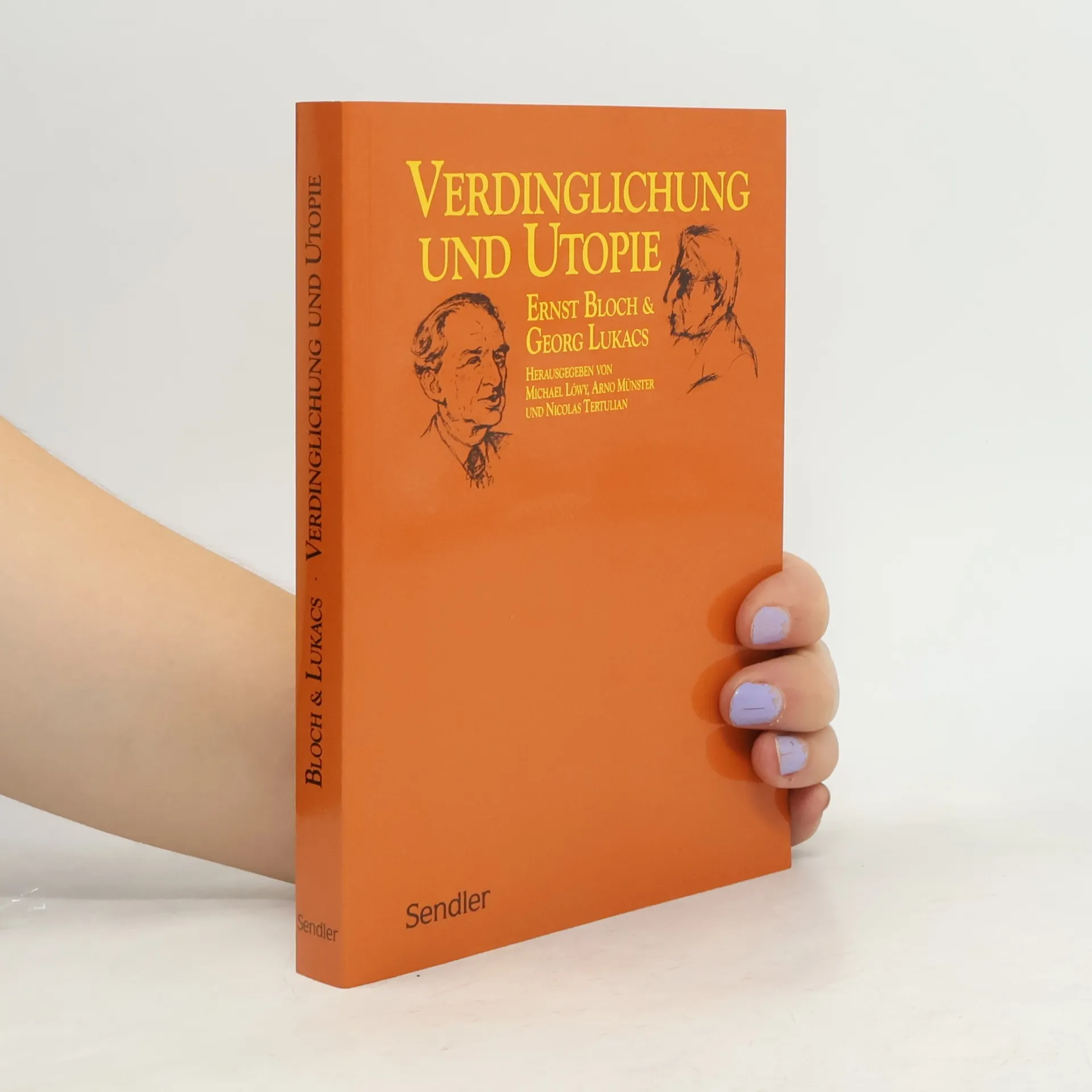
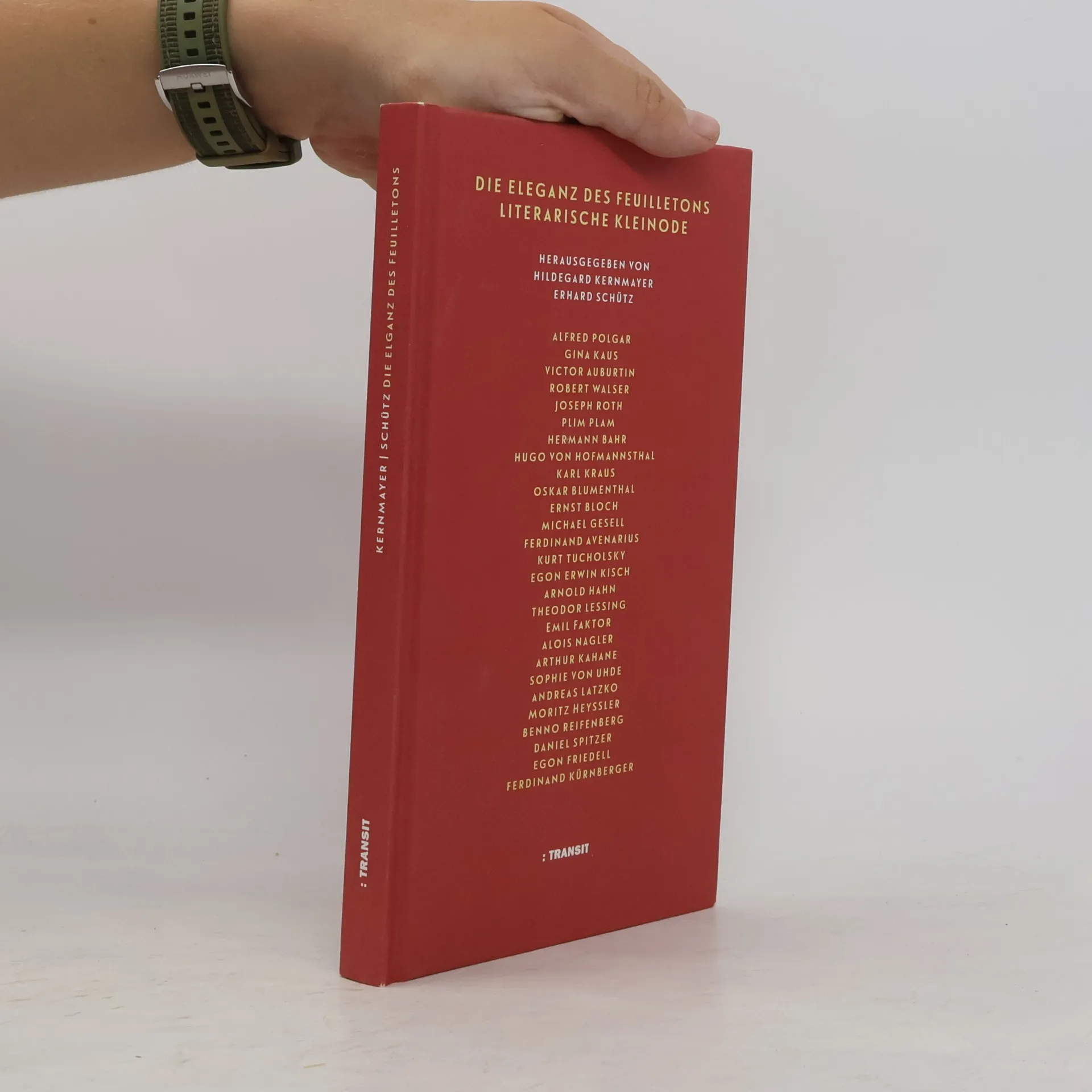
Ernst Bloch bol jedným z veľkých filozofov a politických intelektuálov dvadsiateho storočia v Nemecku. Jeho dielo sa vyznačuje hlbokým skúmaním nádeje a utópie, ktoré považoval za základné hnacie sily ľudského pokroku a slobody. Blochov filozofický prístup bol ovplyvnený marxizmom, ale zároveň ho presahoval tým, že kládol dôraz na transcendentné a duchovné aspekty ľudskej existencie. Jeho myslenie sa snaží prepojiť materialistické chápanie sveta s neustálym hľadaním lepšej budúcnosti.
Ernst Bloch je klasickým filosofem 20. století, kterého proslavila především práce Princip naděje. Jeho myšlení mělo zásadní vliv na tradici neortodoxního marxismu, ale také např. na československý marxisticko-křesťanský dialog. V češtině dosud nebyly dostupné žádné překlady Blochových textů, proto chce výbor tuto mezeru zaplnit. Cílem je zprostředkovat autorovy myšlenky ze zásadních oblastí jeho zájmu, jakými jsou ontologie, náboženství, politická teorie a estetika. Výbor je doplněn úvodní studií, která uvede do základů Blochova myšlení a zasadí vybrané texty do kontextu jeho díla.
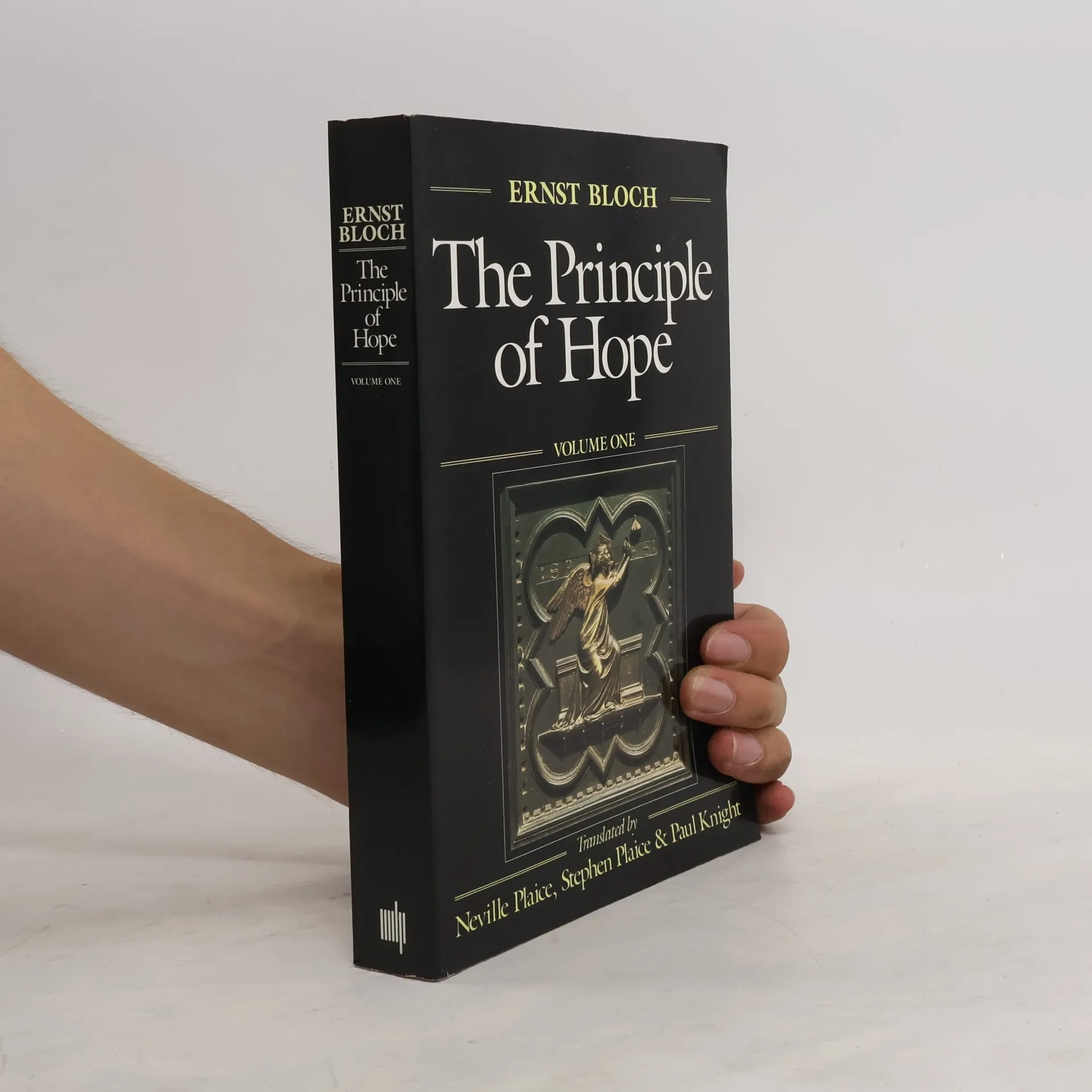
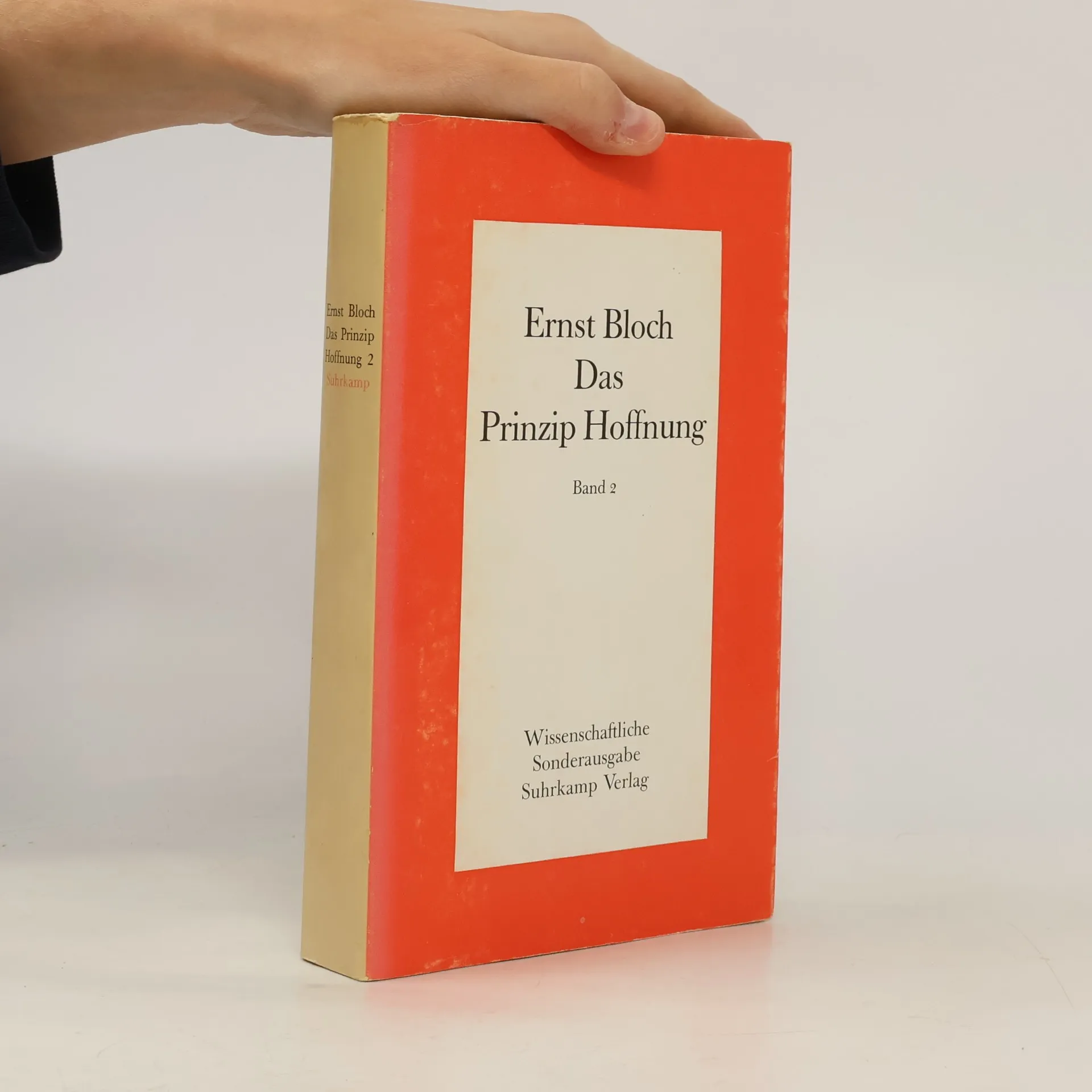
The Principle of Hope is one of the great works of the human spirit. It is a critical history of the utopian vision and a profound exploration of the possible reality of utopia. Even as the world has rejected the doctrine on which Bloch sought to base his utopia, his work still challenges us to think more insightfully about our own visions of a better world.The Principle of Hope is published in three volumes: Volume 1 lays the foundations of the philosophy of process and introduces the idea of the Not-Yet-Conscious - the anticipatory element that Bloch sees as central to human thought. It also contains a remarkable account of the aesthetic interpretations of utopian "wishful images" in fairy tales, popular fiction, travel, theater, dance, and the cinema. Volume 2 presents "the outlines of a better world." It examines the utopian systems that progressive thinkers have developed in the fields of medicine, painting, opera, poetry, and ultimately, philosophy. It is nothing less than an encyclopedic account of utopian thought from the Greeks to the present. Volume 3 offers a prescription for ways in which humans can reach their proper "homeland," where social justice is coupled with an openness to change and to the future.
An intense and lively debate on literature and art between thinkers who became
some of the great figures of twentieth-century philosophy and literature
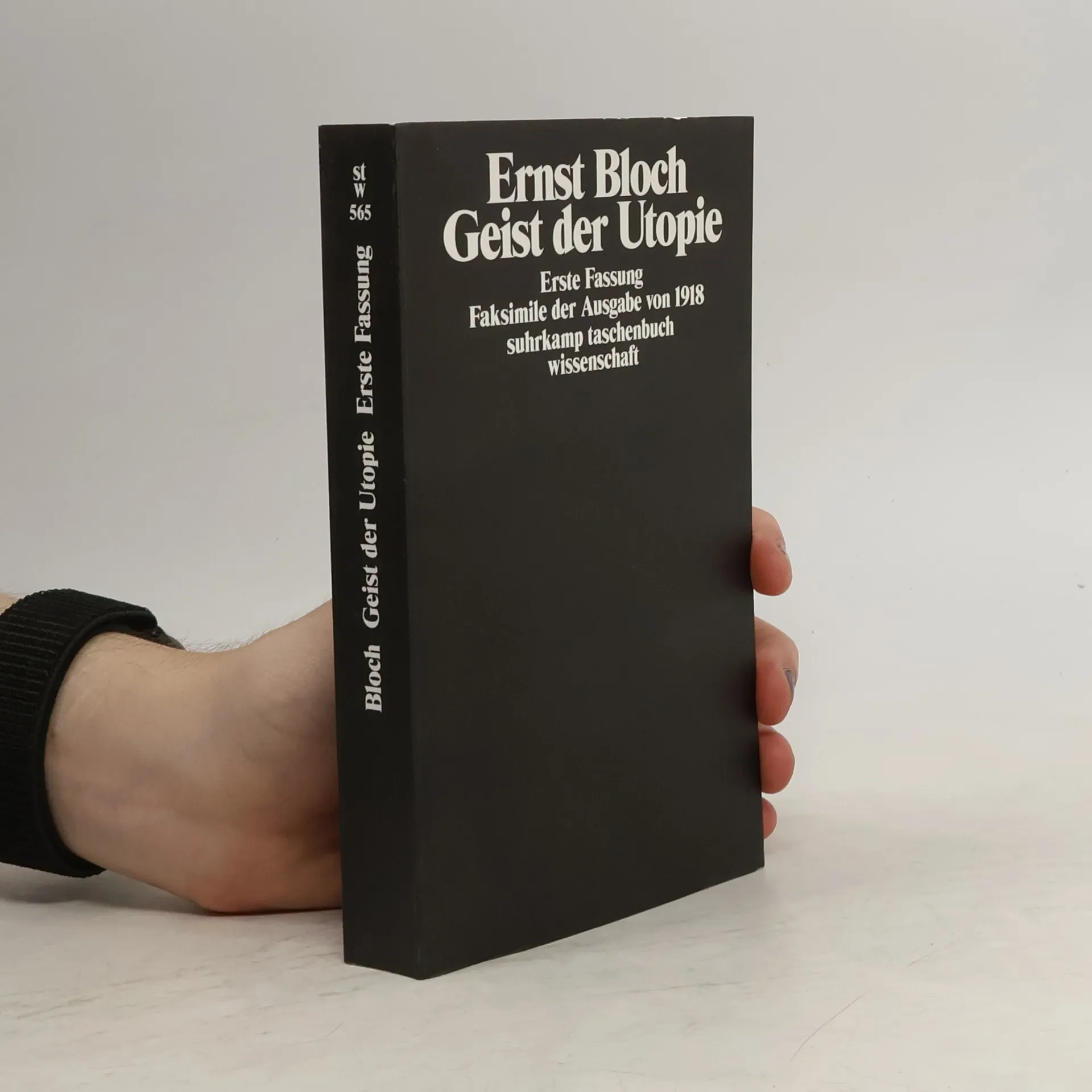
The Spirit of Utopia, written mostly in 1915-16, published in its first
version just after the First World War, republished five years later, 1923, in
this version is presented for the first time in English translation. schovat
popis
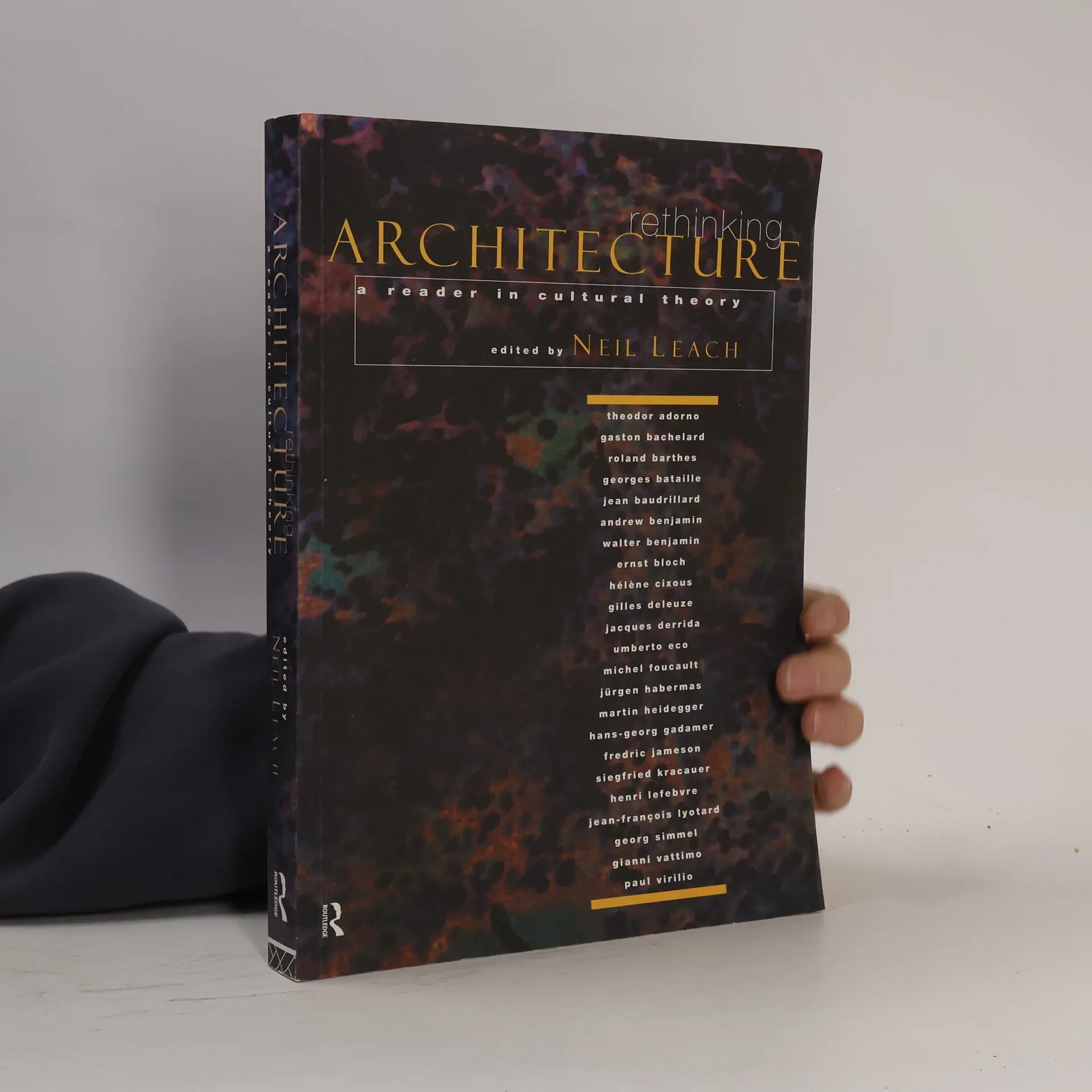
The collection features essential writings from influential philosophers and cultural theorists of the twentieth century, exploring the foundational ideas that have shaped urban environments and architectural experiences. It delves into the theoretical frameworks that underpin contemporary architecture, offering insights into the cultural and philosophical contexts that inform our understanding of space and design. This compilation serves as a critical resource for those interested in the intersection of architecture, philosophy, and urban theory.
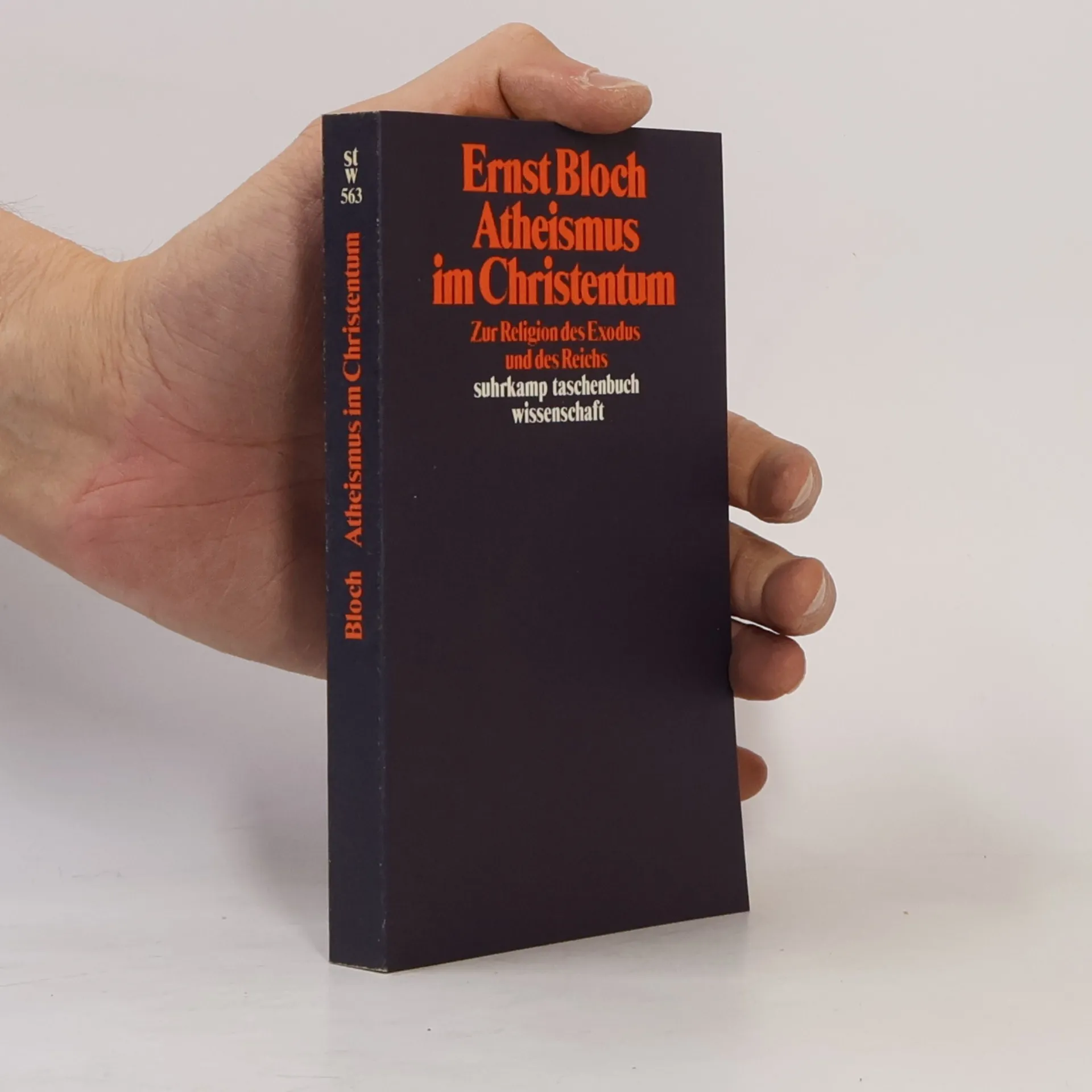
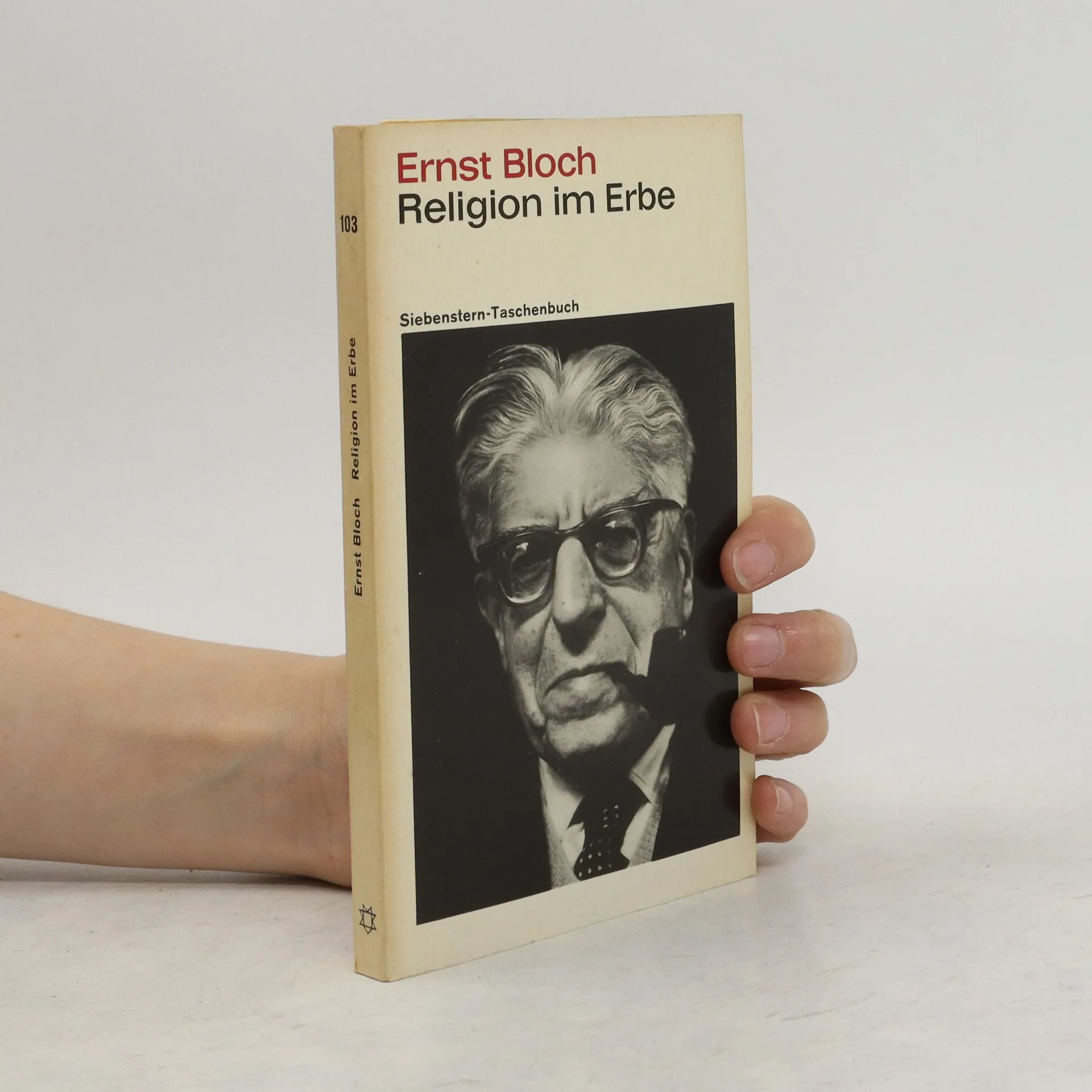
Atheismus im Christentum, erstmals 1968 erschienen, gilt - neben dem dritten Band von Das Prinzip Hoffnung - als Ernst Blochs wichtigster Beitrag zur Religionsphilosophie und hat die Theologie in der zweiten Hälfte des 20. Jahrhunderts maßgeblich beeinflußt. Blochs profunde Kenntnisse vor allem des Judentums und des Christentums verschmelzen vor dem Hintergrund seines Marxismus zu einer originellen Kritik sowohl an den hierarchischen Strukturen des Christentums als auch an der Leere des Atheismus. Legendär sind seine Ausführungen zum Verhältnis von Marxismus und Religion. Nur ein Atheist kann ein guter Christ sein, gewiß aber auch: Nur ein Christ kann ein guter Atheist sein - so lautet ein Schlüsselsatz dieses Buches, das mit einer Reflexion über Marx und das Abtun der Entfremdung endet.
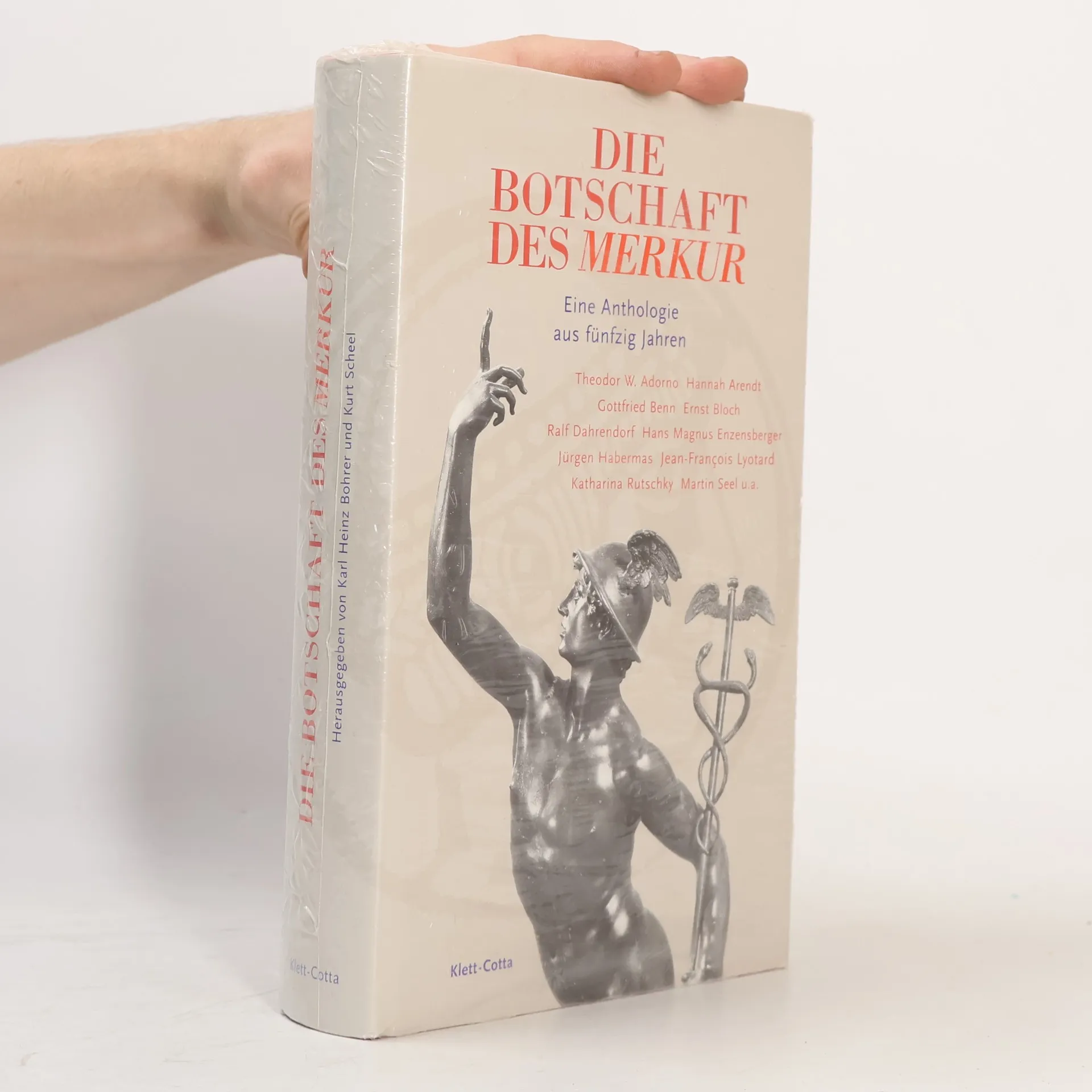
Mit Beiträgen von Theodor W. Adorno, Hannah Arendt, Jean Améry, Gottfried Benn, Hans Magnus Enzensberger, Jürgen Habermas, Ralf Dahrendorf, Ernst Bloch u. a.
Ernst Bloch (1885-1977) erhielt seine Ausbildung in Philosophie und Physik in verschiedenen Städten Deutschlands. Er arbeitete eine Zeit lang im Bereich Literatur. Sein erstes Werk, Vom Geist der Utopie, wurde 1918 veröffentlicht. In den 1930er Jahren nahm er den Marxismus an. Nach der Machtergreifung der Nationalsozialisten verließ er sein Land und gründete in Amerika mit deutschen Flüchtlingen einen Verlag. Nach dem Zweiten Weltkrieg ließ er sich in Ostdeutschland nieder und wurde 1948 als Professor für Philosophie an die Universität Leipzig berufen. 1955 erhielt er den Nationalpreis des Landes. Aufgrund seiner Kritik an der Entwicklung des marxistischen Denkens wurde er 1957 als Revisionist erklärt. 1961 zog er nach Westdeutschland, wo an der Universität Tübingen ein eigener Lehrstuhl für ihn eingerichtet wurde, und er unterrichtete bis zu seinem Lebensende. In dem vorliegenden Buch sieht Bloch nicht die Wiedergeburt der Antike in der Renaissance, sondern die Geburt eines neuen Menschen und einer neuen Gesellschaft: der bürgerlichen Gesellschaft. Er stellt uns dieses allgemein vernachlässigte historische Wendepunkt durch die Philosophen der Renaissance vor und bezieht dabei auch Wissenschaftler wie Galileo, Kepler und Newton ein. Er präsentiert uns die Renaissance-Revolution, die in der Kunst als revolutionär bekannt ist, in einem umfassenden Bild.
Was sind die Voraussetzungen des Rechts? Wie ist seine historische Rechtfertigung? Was sind seine Grenzen und seine Zukunft? Ernst Bloch betrachtet den Naturrechtstheoretiker im Rahmen seiner Entwicklung, in einem theoretischen Kontext, der eine völlig andere Perspektive sowohl vom ideologischen Antikommunismus als auch von einem veralteten sozialistischen Vorschlag eröffnet. Vom Sophisten bis zu Carl Schmitt illustriert der vorliegende Band den vielfältigen Weg der grundlegenden Rechtskategorien im Licht ihrer moralischen, ethischen und metaphysischen Wertigkeiten. Ein breiter Raum wird der Theologie von Thomas von Aquin und Luther, dem rationalistischen Naturrecht, Kant, Hegel und dem schwierigen Verhältnis von Marx und dem Marxismus, einschließlich des Stalinismus, gewidmet.
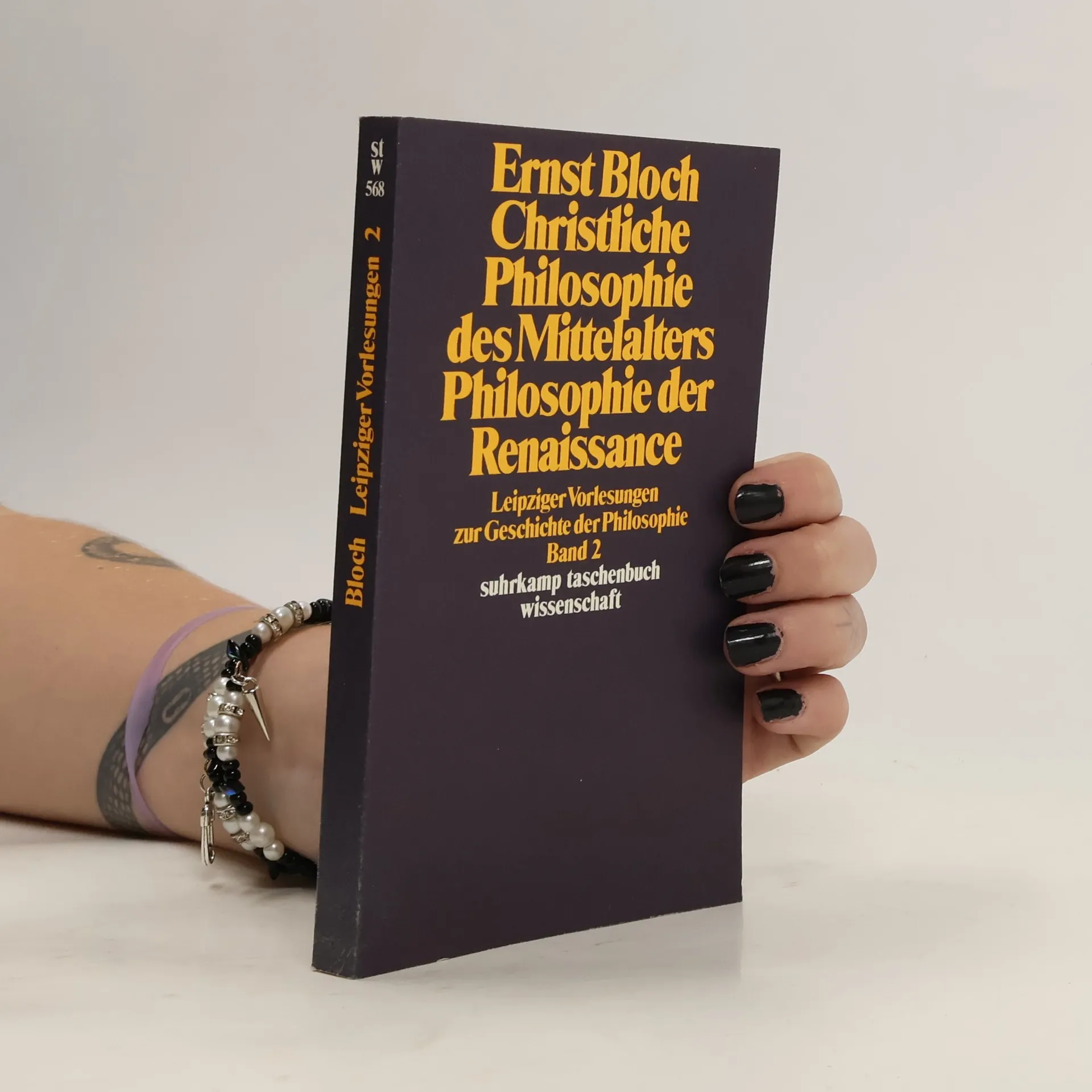
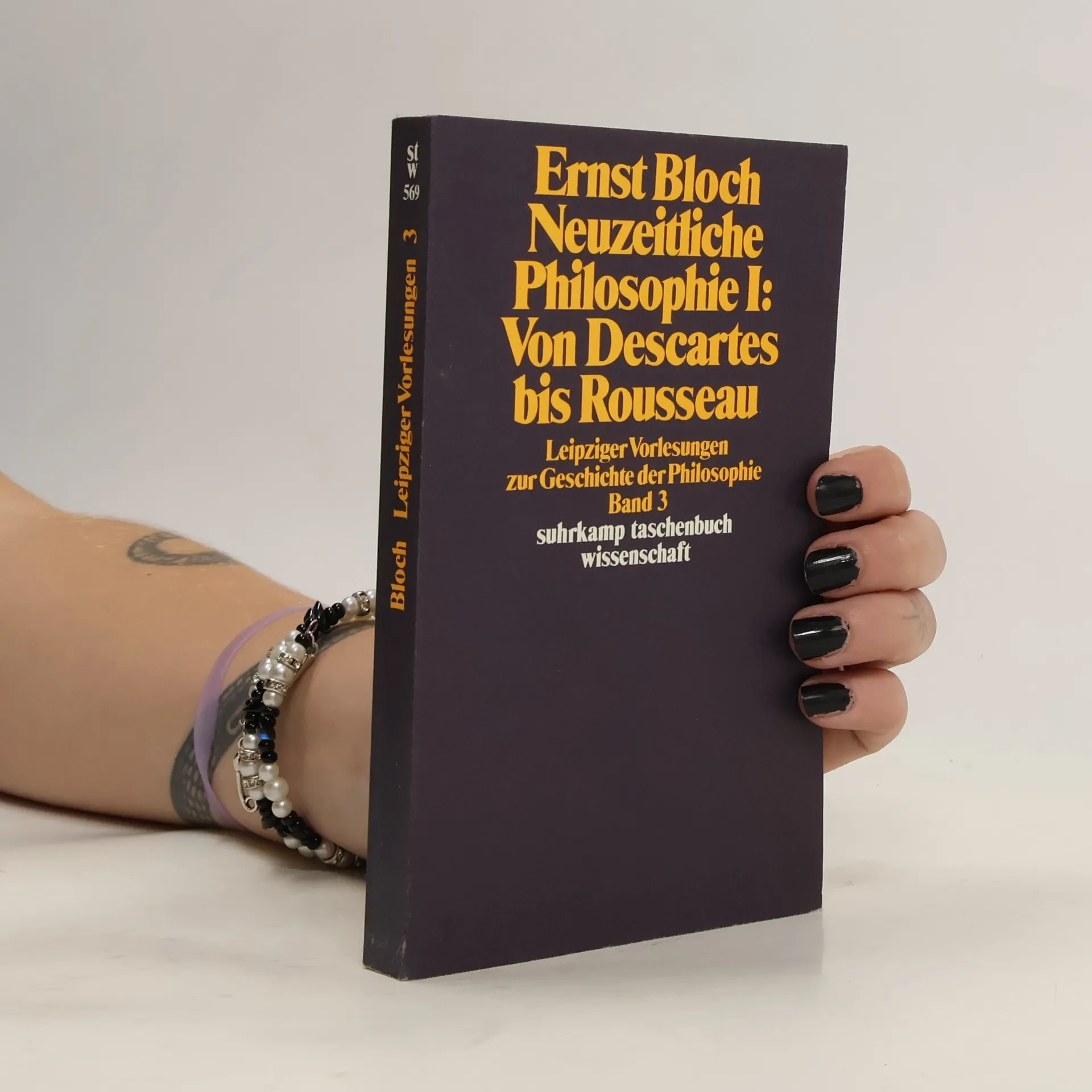
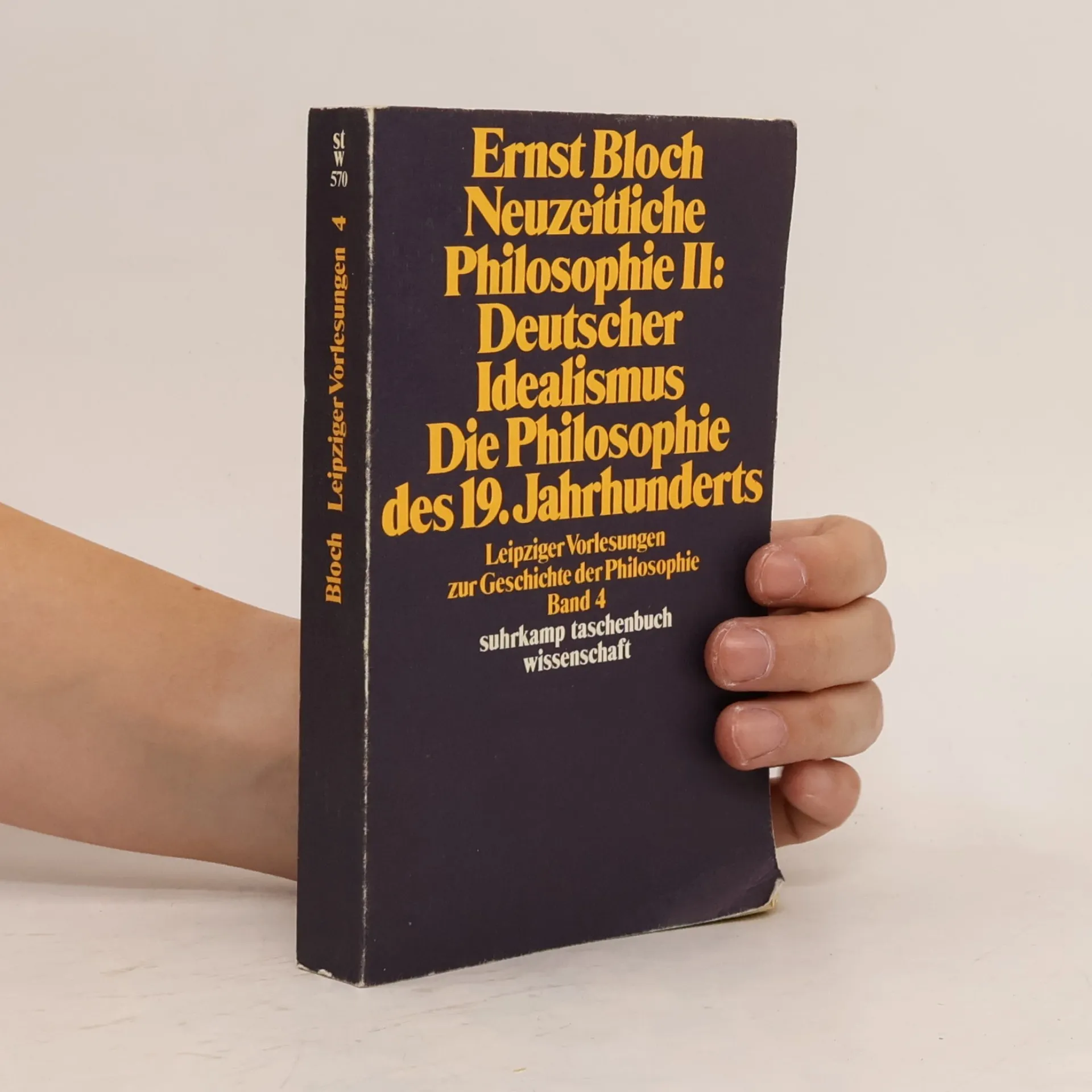
Der Inhalt umfasst verschiedene philosophische Epochen und zentrale Denker. Die Einleitung behandelt grundlegende Konzepte wie Bias, Thales, Anaximander, Pythagoras, Protagoras und Platons Reisen nach Syrakus. Es folgt eine Analyse der christlichen Philosophie des Mittelalters, beginnend mit Lehrbetrieb und Buchform, und behandelt bedeutende Figuren wie Scotus Eriugena, Roscellin, Anselm von Canterbury, Abälard, Albertus Magnus, Thomas von Aquin, Roger Bacon, Duns Scotus und Wilhelm von Occam sowie die Mystik und die Laienbewegung bis hin zu Nikolaus von Cusa.
Die Renaissance wird als eine Zeit des Wandels und der frühen kapitalistischen Blüte betrachtet, mit einem Fokus auf die Anfänge bürgerlicher Philosophie und Denkern wie Marsiglio Ficino, Giovanni Pico della Mirandola, Telesio, Patrizzi und Pomponazzi. Die Werke von Giordano Bruno und Tommaso Campanella werden eingehend untersucht, einschließlich ihrer Ansichten zu Erkenntnis, Selbstgewissheit und sozialen Utopien. Theophrast Paracelsus wird in Bezug auf die Verbindung von Innen und Außen sowie die Selbstheilung der Welt betrachtet. Jakob Böhme thematisiert das Böse in Gott und die Gegensätze der Welt. Francis Bacon wird für seinen empiristischen Ansatz und die technische Utopie gewürdigt. Abschließend wird die Entstehung der mathematischen Naturwissenschaften sowie die Staatsvertragslehre von Thomas Hobbes und deren Auswirkungen auf spätere Denker behandelt.
Absicht Die Selbstbegegnung 1. Ein alter Krug 2. Die Erzeugung des Ornaments 3. Der komische Held 4. Philosophie der Musik 5. Über die Gedankenatmosphäre dieser Zeit 6. Die Gestalt der unkonstruierbaren Frage Karl Marx, der Tod und die Apokalypse
Vorwort ERSTER TEIL (BERICHT) - KLEINE TAGTRÄUME behandelt verschiedene Aspekte menschlicher Wünsche und Träume. Es beginnt mit der Idee, dass wir oft leer starten und das Verlangen nach mehr empfinden. Die Erzählungen zeigen Flucht und Rückkehr, reifere Wünsche und ihre Darstellungen, sowie die Wünsche, die im Alter verbleiben. Der ZWEITE TEIL (GRUNDLEGUNG) - DAS ANTIZIPIERENDE BEWUSSTSEIN untersucht das menschliche Streben, die Triebe und deren historische Begrenztheit. Es wird zwischen Tag- und Nachtträumen unterschieden, wobei Tagträume oft als Antizipation fungieren. Der Dritte Teil (ÜBERGANG) - WUNSCHBILDER IM SPIEGEL thematisiert, wie Menschen sich schöner machen und welche Wunschbilder in verschiedenen Medien reflektiert werden. Der VIERTE TEIL (KONSTRUKTION) - GRUNDRISSE EINER BESSEREN WELT befasst sich mit Utopien in Gesundheit, Gesellschaft und Technik und beleuchtet historische und moderne soziale Wunschbilder. Schließlich behandelt der FÜNFTE TEIL (IDENTITÄT) - WUNSCHBILDER DES ERFÜLLTEN AUGENBLICKS Themen wie Moral, Musik und Religion, und reflektiert über das höchste Gut und die Suche nach einem erfüllten Leben. Die Erzählungen und Analysen bieten einen tiefen Einblick in die menschliche Psyche und die ständige Suche nach Erfüllung und Verbesserung.
Der Text gliedert sich in mehrere Teile, die verschiedene Aspekte menschlicher Wünsche und Träume beleuchten. Im ersten Teil wird die Thematik der Tagträume und deren Unterschiede zu Nachtträumen behandelt. Es wird erörtert, wie Wünsche im Alter variieren und welche Bilder sie hervorrufen. Der zweite Teil widmet sich dem antizipierenden Bewusstsein, das die Triebe des Menschen analysiert und deren historische Begrenztheit reflektiert. Hier wird auch die Rolle des Noch-Nicht-Bewussten und der utopischen Funktion in der menschlichen Psyche untersucht.
Im dritten Teil wird die Darstellung von Wunschbildern in verschiedenen Medien wie Märchen, Film und Theater thematisiert. Es wird die Frage aufgeworfen, wie Menschen sich schöner darstellen und welche Rolle das Spiegelbild dabei spielt. Der vierte Teil beschäftigt sich mit der Konstruktion einer besseren Welt, indem er utopische Ideen in Bereichen wie Gesundheit, Gesellschaftssysteme und Technik betrachtet.
Der letzte Teil thematisiert die Identität und die moralischen sowie spirituellen Dimensionen des erfüllten Augenblicks. Hier wird die Suche nach dem höchsten Gut und die Beziehung zwischen Individuum und Gemeinschaft beleuchtet. Der Text bietet eine facettenreiche Analyse von Wünschen, Träumen und der menschlichen Natur, die sowohl philosophische als auch praktische Perspektiven umfasst.
Das Buch gliedert sich in mehrere Teile, die sich mit verschiedenen Aspekten menschlicher Wünsche und Träume befassen. Im ersten Teil wird das Konzept der Tagträume untersucht, beginnend mit der Idee des leeren Anfangs und der Sehnsucht nach mehr. Es werden Themen wie Flucht, Rückkehr und die Reifung von Wünschen behandelt, wobei auch die Unterschiede zwischen Tag- und Nachtträumen thematisiert werden. Der zweite Teil widmet sich dem antizipierenden Bewusstsein und den grundlegenden menschlichen Trieben, deren historische Begrenztheit und die verschiedenen Auffassungen über diese Triebe.
Im dritten Teil wird der Einfluss von Wunschbildern in verschiedenen Medien wie Märchen, Film und Theater betrachtet, während der vierte Teil sich mit der Konstruktion einer besseren Welt durch soziale und technische Utopien beschäftigt. Hier werden historische und gegenwärtige soziale Wunschbilder sowie die Rolle der Technik in der Gesellschaft thematisiert. Der letzte Teil behandelt die Identität und die moralischen Vorstellungen des erfüllten Augenblicks, wobei Aspekte wie Freundschaft, Gemeinschaft und die Suche nach Glück im Mittelpunkt stehen.
Insgesamt wird eine umfassende Analyse der menschlichen Wünsche und ihrer Darstellung in verschiedenen kulturellen Kontexten geboten, die sowohl philosophische als auch praktische Überlegungen anstellt.
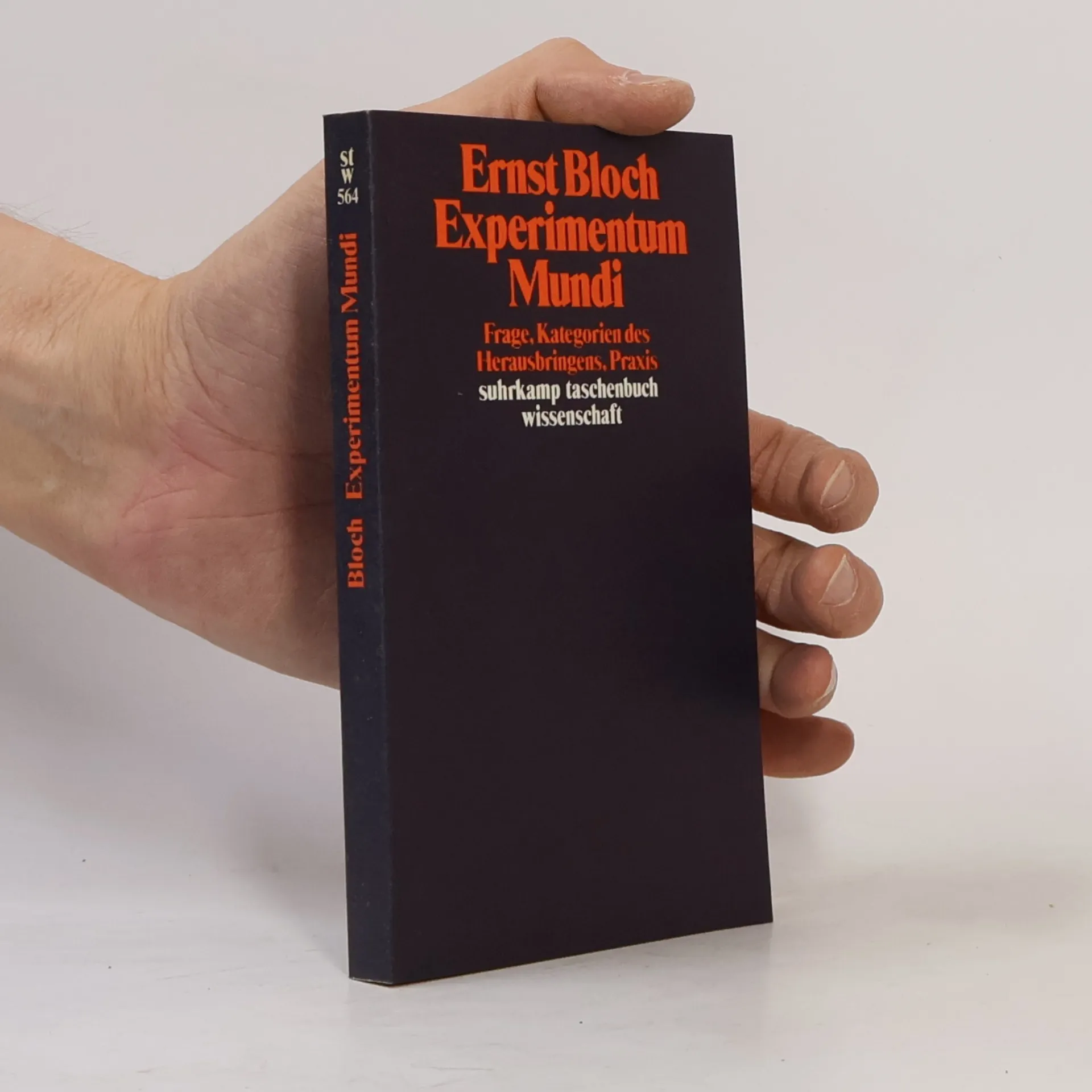
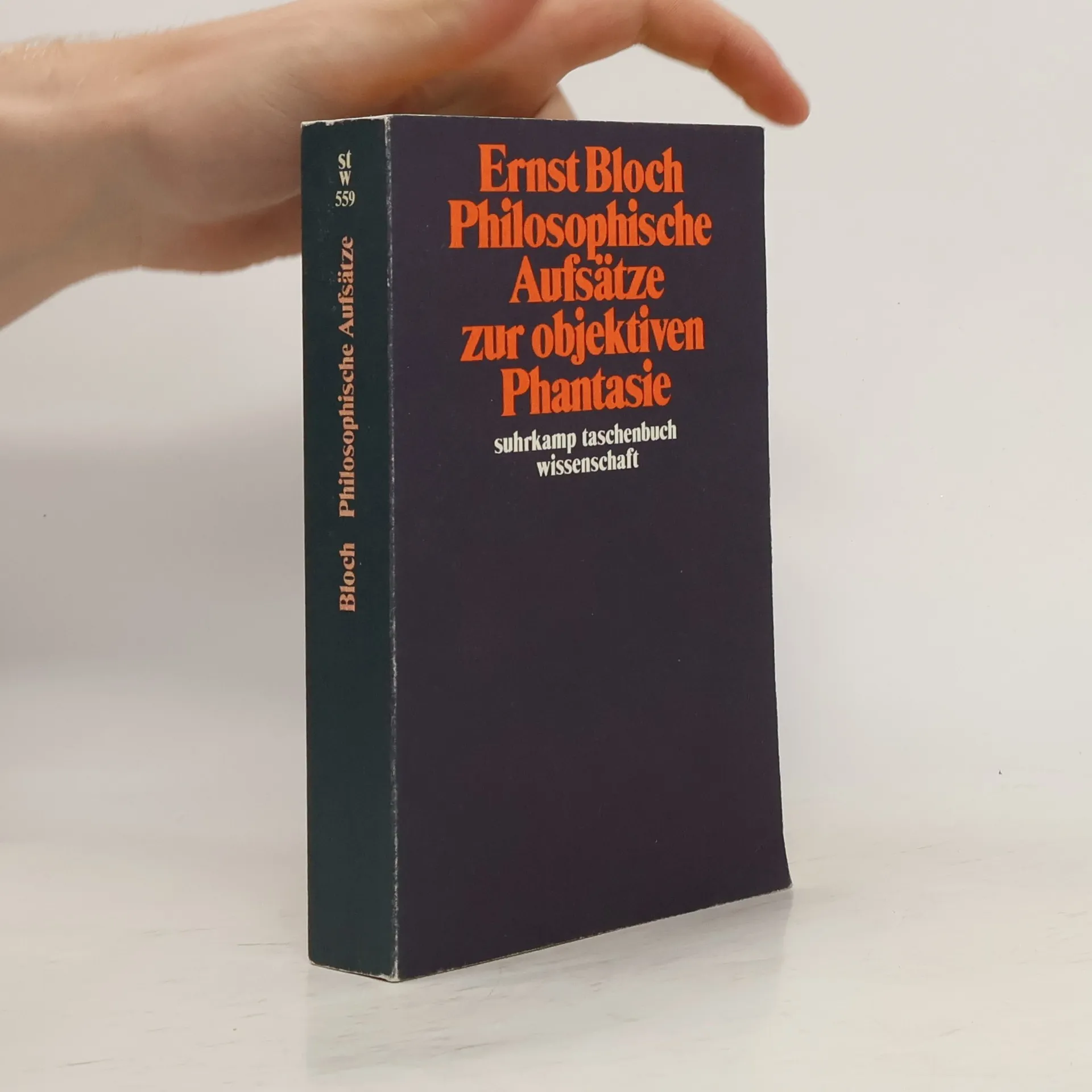
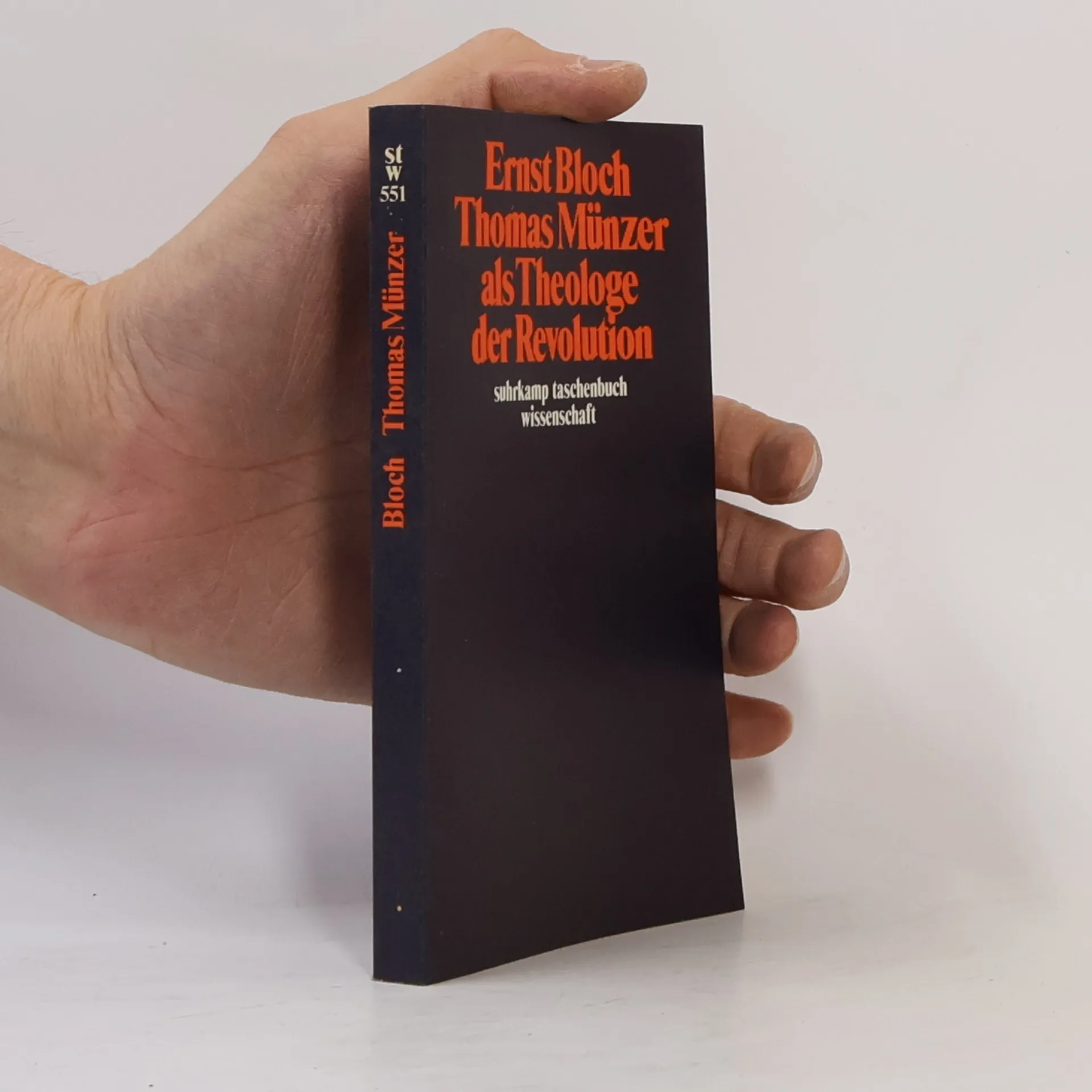
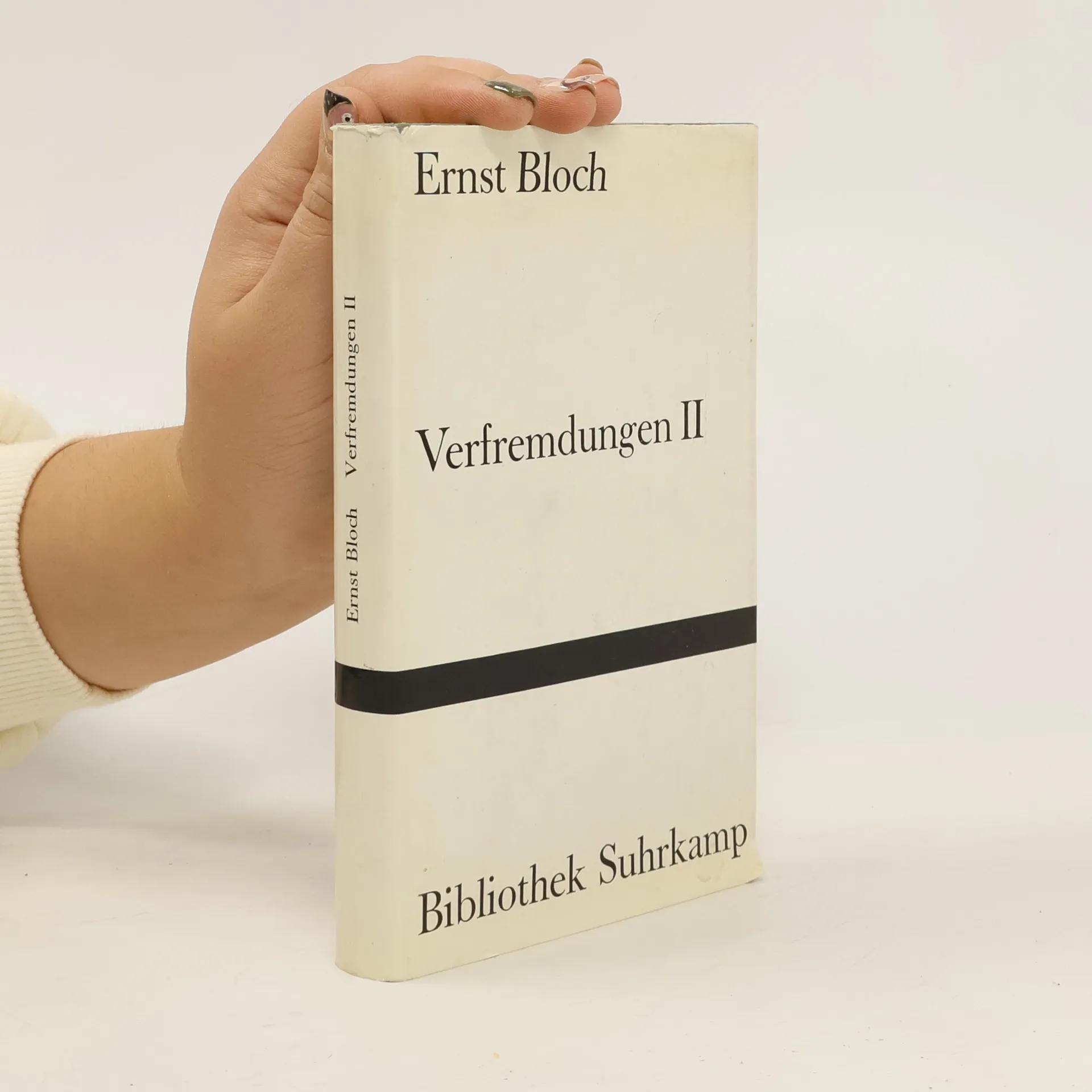
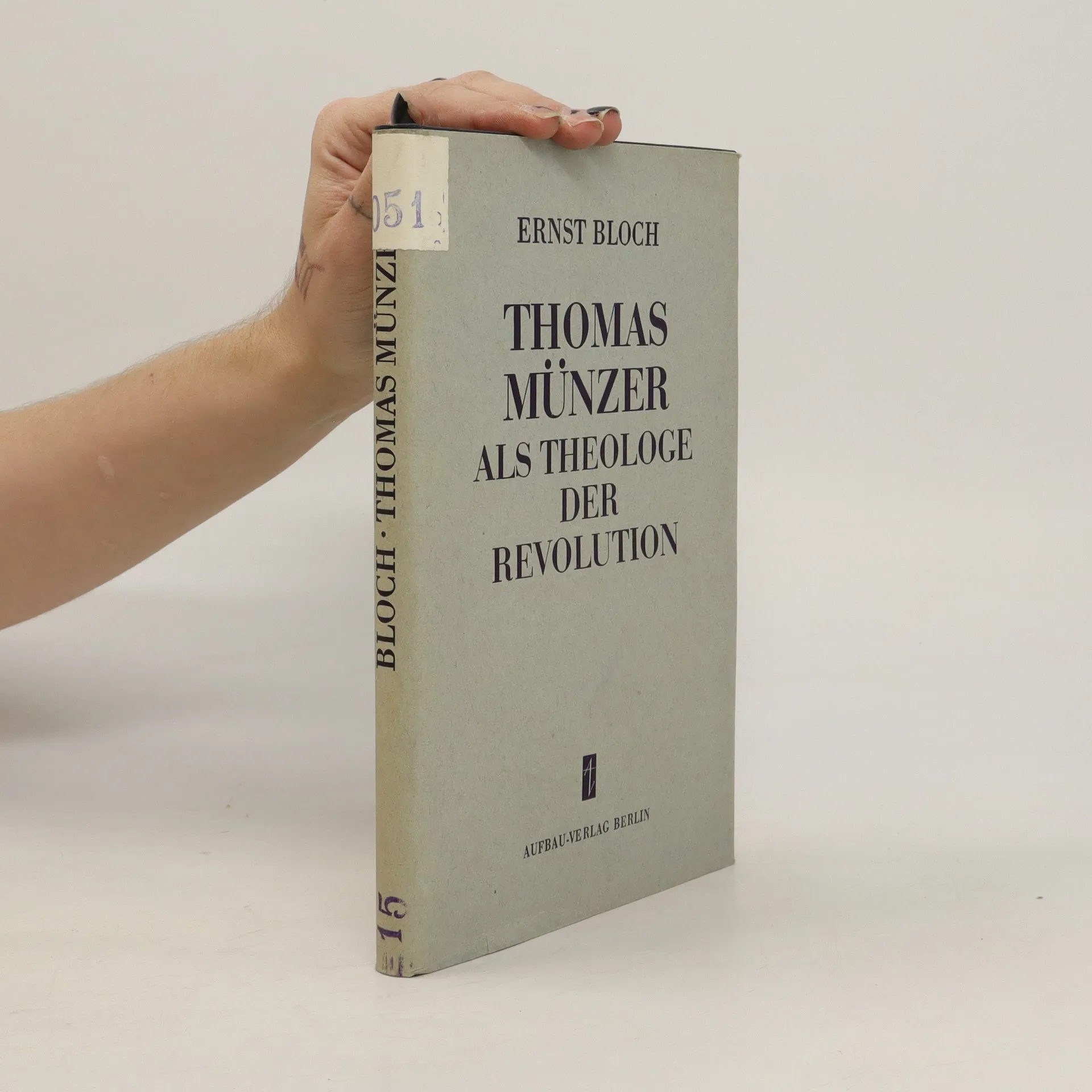
Ernst Bloch Werkausgabe 01. Spuren 02. Thomas Münzer als Theologe der Revolution 03. Geist der Utopie. Zweite Fassung 04. Erbschaft dieser Zeit 05. Das Prinzip Hoffnung 06. Naturrecht und menschliche Würde 07. Das Materialismusproblem, seine Geschichte und Substanz 08. Subjekt-Objekt. Erläuterungen zu Hegel 09. Literarische Aufsätze 10. Philosophische Aufsätze zur objektiven Phantasie 11. Politische Messungen, Pestzeit, Vormärz 12. Zwischenwelten in der Philosophiegeschichte 13. Tübinger Einleitung in die Philosophie 14. Atheismus im Christentum 15. Experimentum Mundi 16. Geist der Utopie. Erste Fassung Ergänzungsband: Tendenz-Latenz-Utopie
Die Werkausgabe von Ernst Bloch umfasst zahlreiche Titel, darunter "Spuren", "Thomas Münzer als Theologe der Revolution", "Das Prinzip Hoffnung" und "Geist der Utopie" in zwei Fassungen. Ein Ergänzungsband behandelt die Themen Tendenz, Latenz und Utopie.
Diese Studie über Marx dient nicht nur als hervorragende Einführung in den einflussreichsten der "weltlichen Philosophen", sondern ist auch eine bedeutende Zusammenfassung der zentralen Themen von Blochs eigenem profundem und weitreichendem Denken. Besonderes Augenmerk gilt der politischen Reifung des jungen Karl Marx sowie seinen Studien und der intellektuellen Beziehung zu wichtigen Denkern seiner Zeit. Bloch schließt mit einem aufschlussreichen Aufruf an den Westen, Marx neu als einen Denker zu betrachten, der für zeitgenössische soziale Fragen nach wie vor von entscheidender Relevanz ist, und nicht lediglich als den Vater eines sowjetisierten politischen Systems.
Veröffentlicht 1935 in Zürich, behandelt das Werk die Wurzeln des Massenkonsenses zum Nationalsozialismus, ein Thema, das auch Intellektuelle wie Walter Benjamin und Theodor Wiesengrund Adorno beschäftigte. Der provokante Titel schlägt vor, vom gegenwärtigen Moment zu erben, nicht von der Vergangenheit. Blochs innovative Methode zur Erzählung der Geschichte des Nationalsozialismus umfasst ein ungeordnetes, frei kombinierbares Sammelsurium von Phänomenen, das von politischen Propagandasymbolen bis zu den sozioökonomischen Bedingungen der verarmten Schichten reicht. Dieses Spektrum umfasst auch das literarische, künstlerische, filmische und philosophische Imaginäre, das Deutschland in den zwanziger und dreißiger Jahren prägte. Bloch fordert die Leser auf, die Augen weit offen zu halten – eine zentrale Botschaft seines Buches. Die Erbschaft der Gegenwart bedeutet, die Aktualität neu zu betrachten, ihre Grenzen zu erweitern und durch unkonventionelle, oft bizarre Aspekte frischen Wind inmitten von einbalsamierten Reliquien oder deprimierender Leere zuzulassen. In vielerlei Hinsicht stellt dieses Werk das Laboratorium des Prinzips Hoffnung dar, das 1955 veröffentlicht wurde.
Die Digitalisierung aller Lebensbereiche verändert unsere Gesellschaften ähnlich radikal wie die industrielle Revolution vor 200 Jahren: Internet-Konzerne sichern sich die Kontrolle über ganze Branchen; Spähprogramme stellen das Recht auf informationelle Selbstbestimmung infrage. Angesichts dieser historischen Herausforderung ergriff Martin Schulz, der Präsident des Europäischen Parlaments, im Februar 2014 mit einem kämpferischen Appell in der Frankfurter Allgemeinen Zeitung das Wort. An der von Schulz angestoßenen Diskussion beteiligten sich seither zahlreiche prominente Persönlichkeiten aus Wirtschaft, Wissenschaft und Politik. Der Band enthält die Beiträge dieser längst überfälligen Debatte.
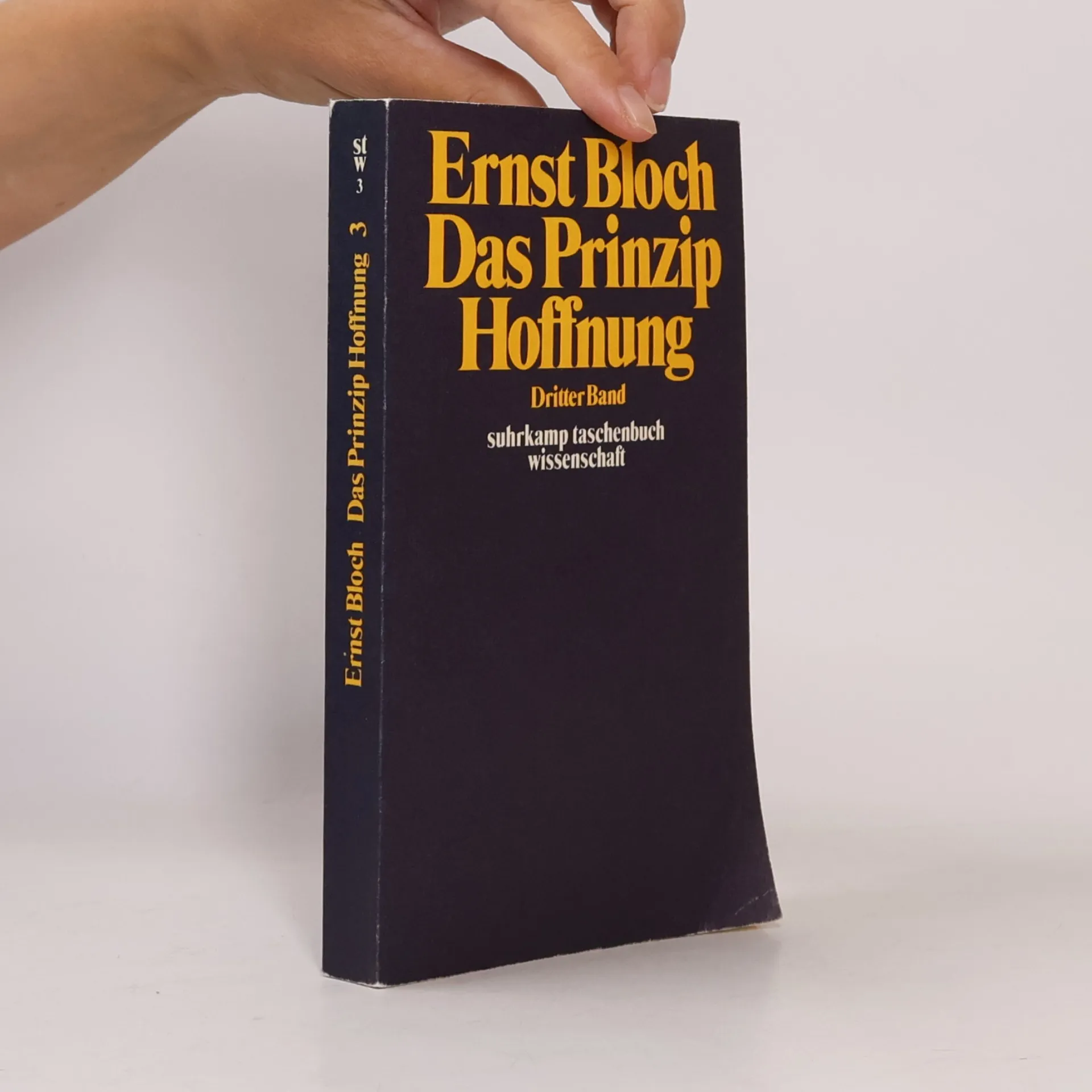
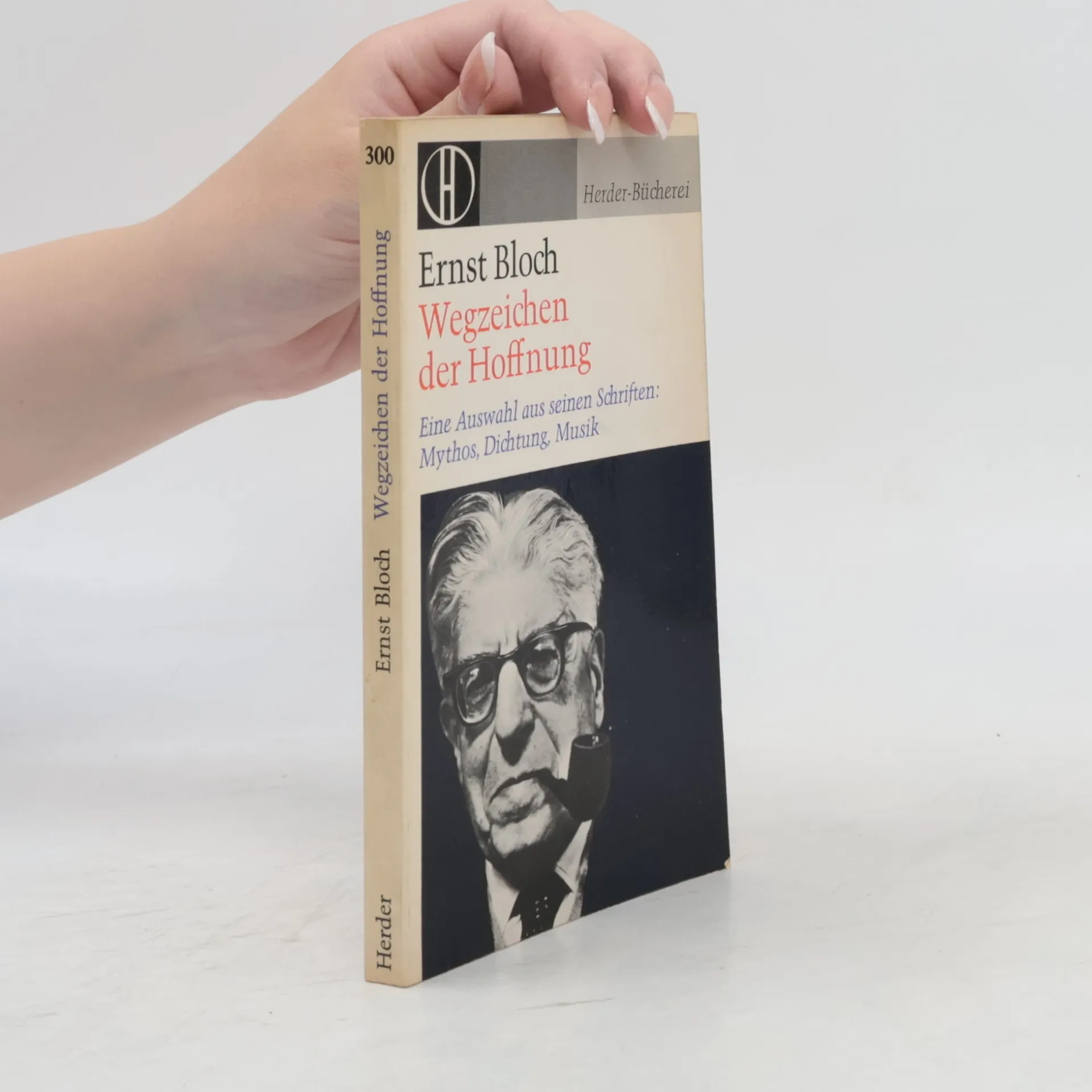
Im Gegensatz zur Aktualität und zur Ideologie der "Ende der Geschichte" erweist sich "Das Prinzip Hoffnung" - das seine Ontologie auf die Potenzialität des Seins und die Offenheit für Veränderung gründet - heute als kühn unzeitgemäß, aber reich an Anregungen zu immer offenen Themen. In den fünf Teilen, die sein Meisterwerk bilden, erkundet Bloch die utopische Dimension des Denkens in all seinen vielfältigen Erscheinungsformen: über das "Prinzip des Vergnügens" der alten Utopien hinaus, aber auch über das "Prinzip der Realität", verstanden als passive Akzeptanz des Gegebenen. Ein großer Teil des "Prinzip Hoffnung" ist einer Phänomenologie der utopischen Bewusstseinszustände gewidmet: von den tiefsten Wünschen des Einzelnen über Kunstwerke und große kollektive Mythen bis hin zu den Formen, die sich in der Konsumkunst ankündigen. In all diesen Formen zeichnen sich durch eine "Ontologie des Noch-Nicht" die Züge einer versöhnten Realität ab, die als Leitfaden und Orientierung für das historische Handeln dienen. In diesem Sinne identifiziert "Das Prinzip Hoffnung" ein mögliches Gegenmittel gegen Nihilismus und Angst: ohne Erlösung und Rettung zu versprechen, ohne den Fall einiger Idole mit dem Fall der Ideale zu verwechseln.
Im Gegensatz zur aktuellen Ideologie der "Ende der Geschichte" ist "Das Prinzip Hoffnung" - das seine Ontologie auf das Potenzial des Seins und die Öffnung für Veränderungen gründet - heute kühn unzeitgemäß, aber reich an Anregungen zu immer offenen Themen. In den fünf Teilen, die sein Meisterwerk bilden, erkundet Bloch die utopische Dimension des Denkens in all seinen vielfältigen Manifestationen: über das "Prinzip des Vergnügens" der alten Utopien hinaus, aber auch über das "Prinzip der Realität", verstanden als passive Akzeptanz des bereits Gegebenen. Ein großer Teil des "Prinzip Hoffnung" ist einer Phänomenologie der utopischen Bewusstseinszustände gewidmet: von den tiefsten Wünschen des Einzelnen über Kunstwerke und große kollektive Mythen bis hin zu den Formen, die sich in der Konsumkunst ankündigen. In all diesen Formen skizzieren sich durch eine "Ontologie des Noch-nicht" die Züge einer versöhnten Realität, die als Leitfaden und Orientierung für das historische Handeln dienen. In diesem Sinne identifiziert "Das Prinzip Hoffnung" ein mögliches Gegenmittel gegen Nihilismus und Angst: ohne Erlösung und Rettung zu versprechen, ohne den Fall einiger Idole mit dem Fall der Ideale zu verwechseln.
Im Gegensatz zur Aktualität und zur Ideologie der "Ende der Geschichte" erweist sich "Das Prinzip Hoffnung" - das seine Ontologie auf der Potenzialität des Seins und der Offenheit für Veränderung gründet - heute als kühn unzeitgemäß, aber reich an Anregungen zu immer offenen Themen. In den fünf Teilen, die sein Meisterwerk bilden (begonnen 1938 und erstmals 1959 veröffentlicht), erforscht Bloch die utopische Dimension des Denkens in all seinen vielfältigen Manifestationen: über das "Prinzip des Vergnügens" der alten Utopien hinaus, aber auch über das "Prinzip der Realität", verstanden als passive Akzeptanz des bereits Gegebenen. Ein großer Teil des "Prinzip Hoffnung" ist einer Phänomenologie der utopischen Bewusstseinszustände gewidmet: von den tiefsten Wünschen des Einzelnen über Kunstwerke und große kollektive Mythen bis hin zu den Formen, die sich in der Konsumkunst ankündigen. In all diesen Formen zeichnen sich durch eine "Ontologie des Noch-nicht" die Züge einer versöhnten Realität ab, die als Leitfaden und Orientierung für das historische Handeln dienen. In diesem Sinne identifiziert "Das Prinzip Hoffnung" ein mögliches Gegenmittel gegen Nihilismus und Angst: ohne Erlösung und Rettung zu versprechen, ohne den Fall einiger Idole mit dem Fall der Ideale zu verwechseln.
Ernst Simon Bloch wurde am 8. Juli 1885 in Ludwigshafen am Rhein geboren und starb am 4. August 1977 in Tübingen. Er entstammte einer jüdischen Familie aus der Pfalz und studierte von 1905 bis 1908 Philosophie bei Theodor Lipps und Oswald Külpe. 1908 promovierte er. 1913 heiratete er die Bildhauerin Else von Stritzky und engagierte sich als Kriegsgegner. Von 1917 bis 1919 lebte er mit seiner Frau in der Schweiz, wo er für das Archiv für Sozialwissenschaften arbeitete. 1917 vollendete er sein Werk Geist der Utopie. Nach dem Tod seiner Frau heiratete er 1922 die Malerin Linda Oppenheimer, die Ehe hielt bis 1928. In Berlin war er mit Bertolt Brecht, Kurt Weill, Theodor W. Adorno und Walter Benjamin befreundet und kämpfte gegen die NSDAP. Nach Hitlers Machtübernahme emigrierte er mit seiner Lebensgefährtin Karola Piotrowska in die Schweiz, wo sie 1934 heirateten. Von 1934 bis 1937 lebten sie in Paris, Sanary und Prag, bevor sie in die USA emigrierten. Dort schrieb Bloch an bedeutenden Werken. 1948 erhielt er einen Lehrstuhl für Philosophie in Leipzig, den er bis 1961 trotz Konflikten mit der SED innehatte. Kurz vor dem Mauerbau hielt er einen Vortrag in Tübingen und entschied sich, in Westdeutschland zu bleiben, wo er bis zu seinem Tod 1977 lehrte.
Jokes and anecdotes, curiosities and horrors, riddles and sensations – few have entertained their readers as diversely as Johann Peter Hebel. In a compact space, he blends amusement and contemplation, transforming brief readings into literary delights. From 1808 onward, Hebel's widely circulated and immensely popular annual calendars featured a multitude of concise, witty stories drawn directly from life. The finest of these are gathered in the renowned "Schatzkästlein," which established Hebel's reputation as an unmatched master of the short form. His admirers range from Jean Paul and Johann Wolfgang Goethe to Leo Tolstoy, Walter Benjamin, Heinrich Böll, and contemporary authors, attesting to the enduring appeal of this quintessentially popular classic. With timeless tales like those of Zundelfrieder and Zundelheiner or "Kannitverstan," Hebel created gems that are fundamental to German literature. This selection, expertly compiled by Werner Weber, includes the famous "Unverhoffte Wiedersehen," which Ernst Bloch deemed "the most beautiful story in the world."
Für den in der Gesamtausgabe erschienenen Band »Spuren« hatte Ernst Bloch 21 Texte neu geschrieben. Diese erweiterte Ausgabe erscheint jetzt in der Bibliothek Suhrkamp. »Wie nun? Ich bin. Aber ich habe mich nicht. Darum werden wir erst.« Dieser Text aus den »Spuren« steht als Motto über Blochs Gesamtwerk, er ist auch das Thema der »Spuren«. Es sind »Spuren«, die hinführen zu Sinn und Deutung des Daseins, »im Erzählen merkend, im Merken das Erzählte meinend«. Es sind Spuren, die auch von der Geschichte der eigenen Jugend Blochs berichten. Diese Parabeln, die zu den Glücksfällen deutschen Denkens und deutscher Prosa gehören, sind heute so fabelhaft und wahr wie vor siebzig Jahren, als sie gesammelt, gedacht und geschrieben wurden.
Absicht
Die Selbstbegegnung
1. Ein alter Krug
2. Die Erzeugung des Ornaments
3. Der komische Held
4. Philosophie der Musik
5. Über die Gedankenatmosphäre dieser Zeit
6. Die Gestalt der unkonstruierbaren Frage
Karl Marx, der Tod und die Apokalypse
Dieses historische Buch kann zahlreiche Tippfehler und fehlende Textpassagen aufweisen. Käufer können in der Regel eine kostenlose eingescannte Kopie des originalen Buches vom Verlag herunterladen (ohne Tippfehler). Es enthält keine Indizes und ist nicht dargestellt. In der 1921er Ausgabe wird die Schuldfrage der herrschenden Klasse zugeschrieben. Der Schein von Ruhe und Ordnung wird dadurch zerstört, und ein zentrales Problem des Aufruhrs wird sichtbar. Es wird argumentiert, dass nicht nur die gewalttätige Gegenbewegung gegen Gewalt, sondern auch deren Besitz und Ausübung zum Schutz der herrschenden Klasse Aufruhr darstellen. Der frühe Sozialist Moh Tih erkannte, dass Aufruhr nicht nur dort entsteht, wo der Sohn den Vater nicht liebt, sondern auch dort, wo der Vater seine Untertanen nicht liebt. Hier zeigt sich, wie Ichsucht und Gewalt von oben herab wirken und das Interesse der Herrschenden außerhalb der Gemeinschaft suchen. Das Aufruhrproblem wird somit von der bloßen Revolte auf das statische, gewalttätige Regime verschoben. Es geht weniger um die Bewegung der Gewalt, sondern um deren Besitz und die kodifizierte Einrichtung als Obrigkeit. Diese Aspekte bleiben das unchristliche Wesen, das von verschiedenen Denkern kritisiert wurde. Der Kampf wird als unterschiedlich wahrgenommen, je nachdem, ob er um des eigenen oder um anderer willen geführt wird.
Das Verhältnis zwischen jüdischem Messianismus und anarchistischer Utopie ist trotz seiner zahlreichen Berührungspunkte durch eine spannungsreiche Verschiedenheit unterschiedlicher Positionen gekennzeichnet. Es reicht von radikaler Unvereinbarkeit wie bei Gershom Scholem und Gustav Landauer bis hin zu wechselseitiger Befruchtung und Erhellung wie im Fall von Ernst Bloch und Walter Benjamin. Eine mögliche Verbindung dieser Pole steht und fällt mit der Überwindung des traditionellen Gegensatzes zwischen Atheismus und Religion, Materialismus und Spiritualität, Nationalismus und Romantik. Michael Löwy konzentriert sich dabei auf eine Gruppe von deutsch-jüdischen Intellektuellen (u.a. Benjamin, Kafka, Rosenzweig, Buber, Scholem, Löwenthal, Landauer, Bloch, Lukács, Fromm), deren Beiträge zu diesem Thema bis heute weitgehend unabgegolten sind.
Ernst Simon Bloch wurde am 8. Juli 1885 in Ludwigshafen am Rhein geboren und starb am 4. August 1977 in Tübingen. Er entstammte einer jüdischen Familie und studierte von 1905 bis 1908 Philosophie. 1913 heiratete er die Bildhauerin Else von Stritzky und engagierte sich gegen den Krieg, was ihn 1917 bis 1919 in die Schweiz führte. Dort beendete er sein Werk Geist der Utopie. Nach dem Tod seiner Frau heiratete er 1922 die Malerin Linda Oppenheimer, die Ehe hielt bis 1928. Bloch kehrte nach Berlin zurück, wo er mit prominenten Freunden wie Bertolt Brecht und Walter Benjamin verkehrte und sich politisch gegen die NSDAP engagierte. Nach Hitlers Machtübernahme emigrierte er mit seiner Lebensgefährtin Karola Piotrowska in die Schweiz. Nach ihrer Heirat 1934 lebten sie in Paris, Sanary und Prag, bevor sie in die USA gingen, wo Bloch bedeutende Werke verfasste. 1948 erhielt er einen Lehrstuhl für Philosophie in Leipzig, den er bis 1961 trotz Konflikten mit der SED innehatte. Kurz vor dem Mauerbau hielt er einen Vortrag in Tübingen und entschied sich, in Westdeutschland zu bleiben. Dank seiner Freunde konnte er eine Gastprofessur in Tübingen antreten, wo er bis zu seinem Tod lebte. Karola Bloch rettete 1933 viele von Blochs Manuskripten und sorgte während des Exils für die Familie.
Ernst Simon Bloch wurde am 8. Juli 1885 in Ludwigshafen am Rhein geboren und starb am 4. August 1977 in Tübingen. Er entstammte einer jüdischen Familie aus der Pfalz und studierte von 1905 bis 1908 Philosophie bei Theodor Lipps und Oswald Külpe. 1908 promovierte er und heiratete 1913 die Bildhauerin Else von Stritzky. Als Gegner des Krieges lebte er von 1917 bis 1919 in der Schweiz und arbeitete in Bern für das Archiv für Sozialwissenschaften. 1917 vollendete er sein Werk Geist der Utopie. Nach dem Tod seiner Frau heiratete er 1922 die Malerin Linda Oppenheimer, doch die Ehe hielt nur bis 1928. Bloch kehrte nach Berlin zurück und trat der Kommunistischen Partei Deutschlands bei, während er mit Persönlichkeiten wie Bertolt Brecht und Walter Benjamin befreundet war. Politisch aktiv, kämpfte er gegen die NSDAP und wurde nach Hitlers Machtübernahme ausgebürgert. Er emigrierte mit seiner Lebensgefährtin Karola Piotrowska in die Schweiz, heirateten 1934 und lebten von 1936 bis 1938 in Prag, bevor sie in die USA gingen. Dort schrieb er bedeutende Werke und erhielt 1948 einen Ruf nach Leipzig, wurde jedoch 1957 emeritiert. Spuren und Das Prinzip Hoffnung erschienen 1959 im Suhrkamp Verlag. 1961 nahm er eine Gastprofessur in Tübingen an, wo er bis zu seinem Tod blieb.
»Als Herr Rathenau im Reichstag einen besonders schön gerundeten und klar verständlichen Satz beendet hatte, wurde ihm das Wort ›Feuilleton‹ zugerufen. Der Zuruf kam von den Bänken der Rechten und ist deshalb als ein Schimpfwort aufzufassen gewesen.« Victor Auburtin, 1921 Das Feuilleton, die Kleine Form, ist im deutschsprachigen Raum seit über hundert Jahren ein journalistischer Sonderfall und eine Nebenbühne, auf der man sich mit stilistischer Eleganz und gedanklicher Prägnanz bewähren muss. Sie kommt aus der Mode. Sie wird ersetzt durch schnell ins Netz gehauene abfällige oder zustimmende Kommentare, die der Ironie oder sprachlichen Feinheit keinen Platz lassen. Die beiden Herausgeber, seit Jahren wissenschaftlich oder als Autoren mit der Kleinen Form vertraut, rufen Texte in Erinnerung, in denen es genau um dieses pointierte, mit Leichtigkeit und Eleganz gepaarte Schreiben geht, das genaues Beobachten – und Lesen erfordert, den Leser dann aber mit überraschenden Einsichten und wohltuenden Zweifeln reichlich belohnt.