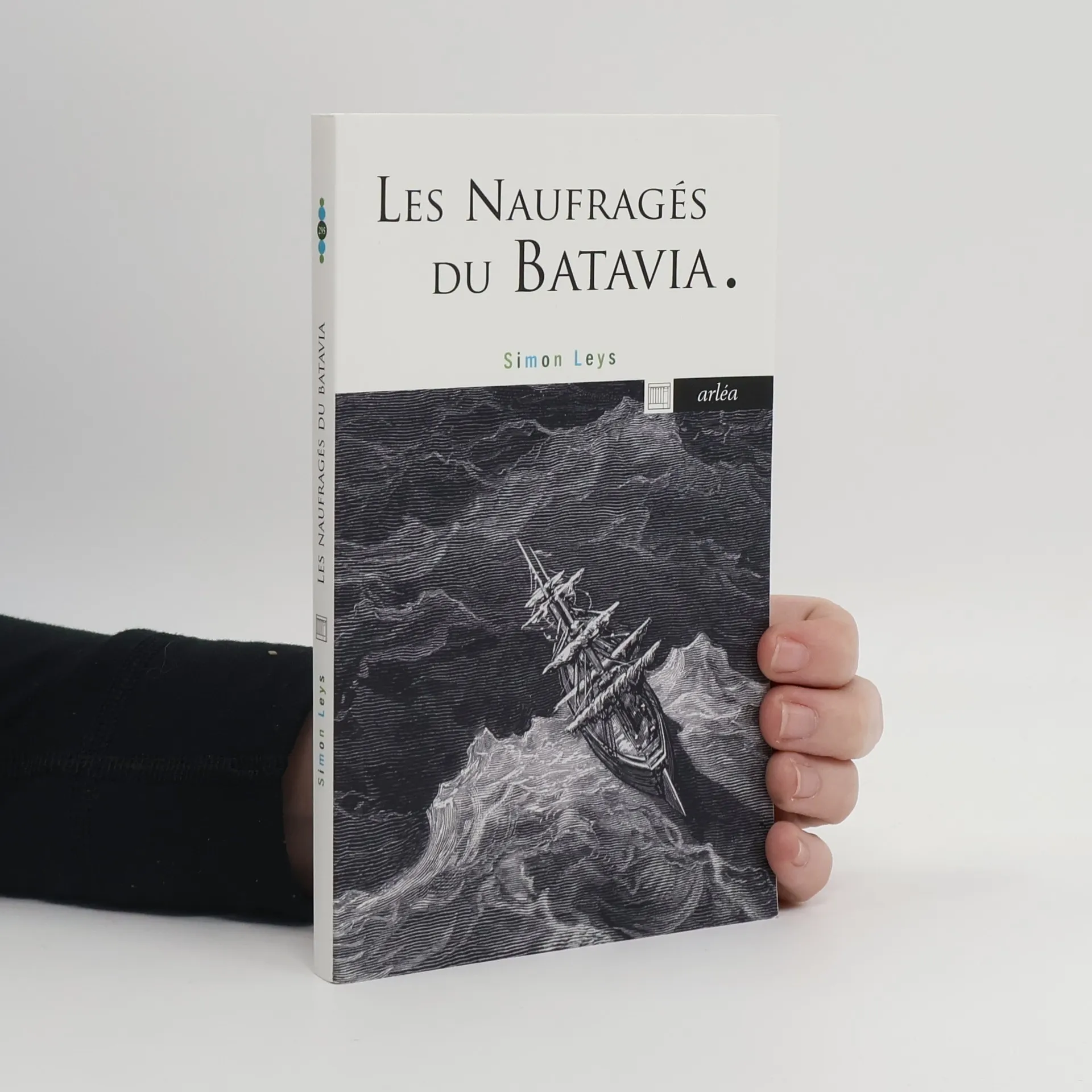
Les Naufragés du Batavia
Suivi de Prosper


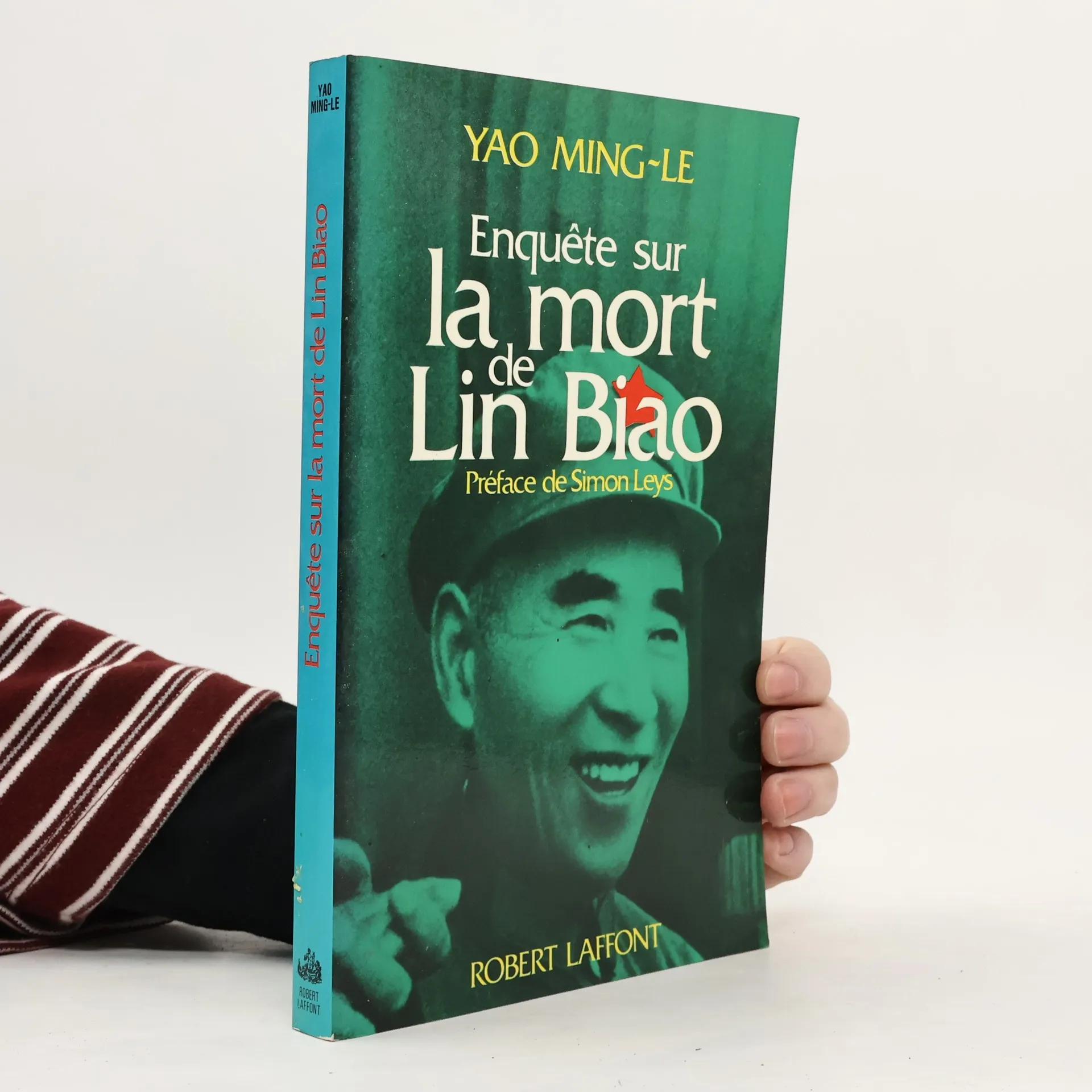
Simon Leys, pseudonym Pierre Ryckmans, bol belgický literárny vedec a sinológ, ktorý významne prispel k pochopeniu čínskej literatúry a politiky. Svojím písaním v troch jazykoch odhalil pravú povahu kultúrnej revolúcie a jeho práce si získali medzinárodné uznanie. Leys sa preslávil svojím prenikavým analytickým štýlom a schopnosťou spojiť literárnu kritiku s politickým komentárom, čím ponúkol čitateľom hlbší vhľad do zložitých spoločenských javov. Jeho diela zostávajú cenným zdrojom pre každého, kto sa zaujíma o čínsku kultúru a históriu.

Suivi de Prosper
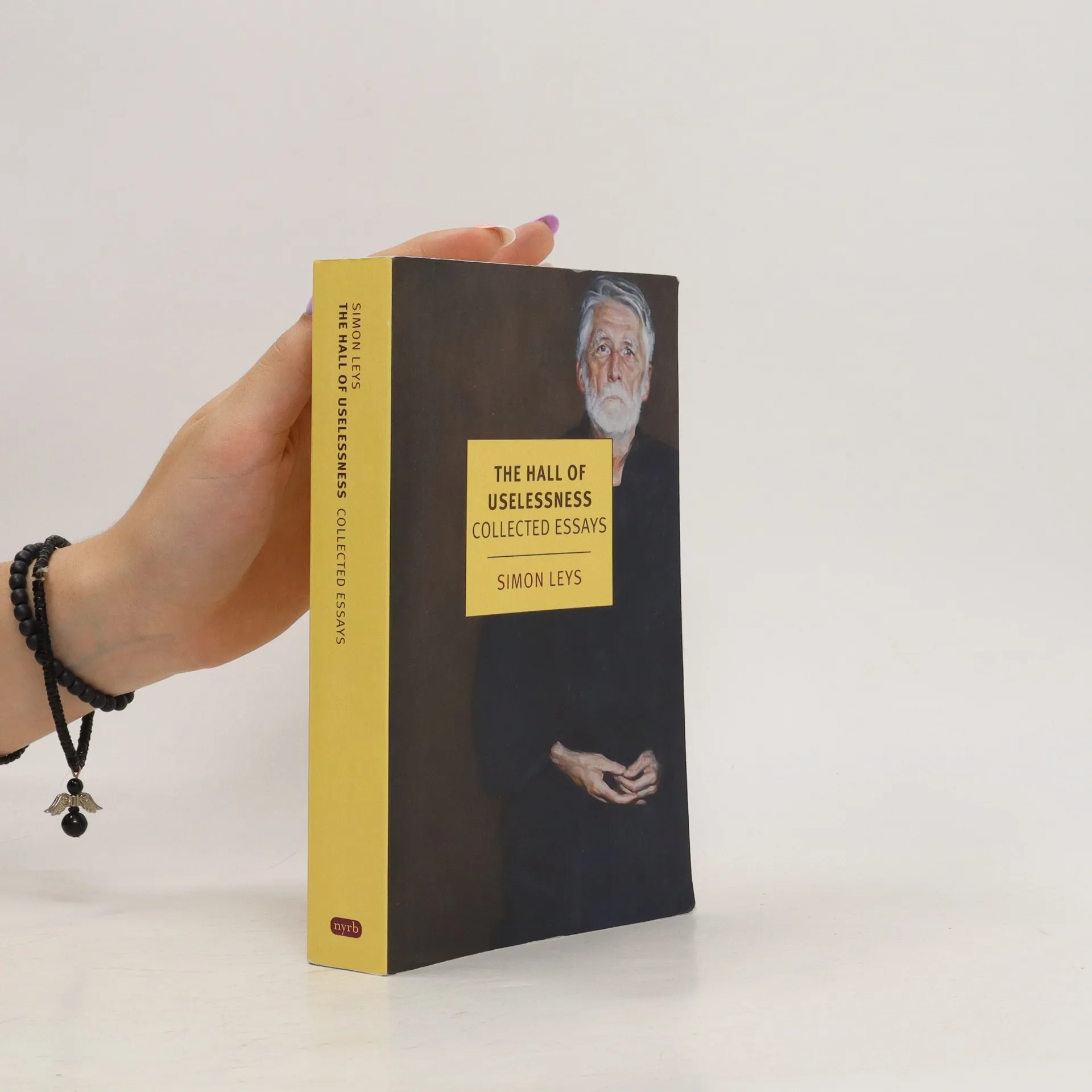
An NYRB Classics Original Simon Leys is a Renaissance man for the era of globalization. A distinguished scholar of classical Chinese art and literature and one of the first Westerners to recognize the appalling toll of Mao’s Cultural Revolution, Leys also writes with unfailing intelligence, seriousness, and bite about European art, literature, history, and politics and is an unflinching observer of the way we live now. The Hall of Uselessness is the most extensive collection of Leys’s essays to be published to date. In it, he addresses subjects ranging from the Chinese attitude to the past to the mysteries of Belgium and Belgitude; offers portraits of André Gide and Zhou Enlai; takes on Roland Barthes and Christopher Hitchens; broods on the Cambodian genocide; reflects on the spell of the sea; and writes with keen appreciation about writers as different as Victor Hugo, Evelyn Waugh, and Georges Simenon. Throughout, The Hall of Uselessness is marked with the deep knowledge, skeptical intelligence, and passionate conviction that have made Simon Leys one of the most powerful essayists of our time.
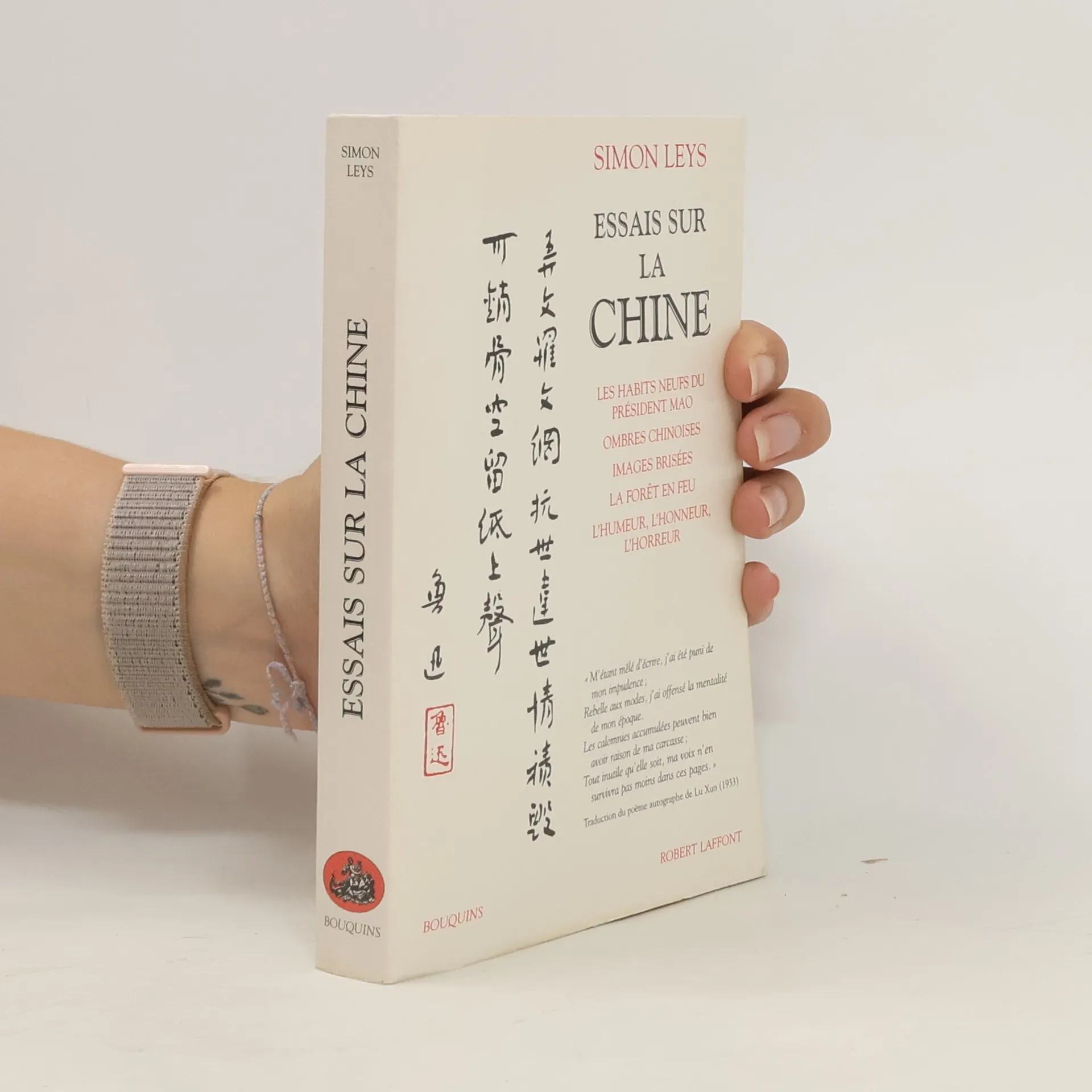
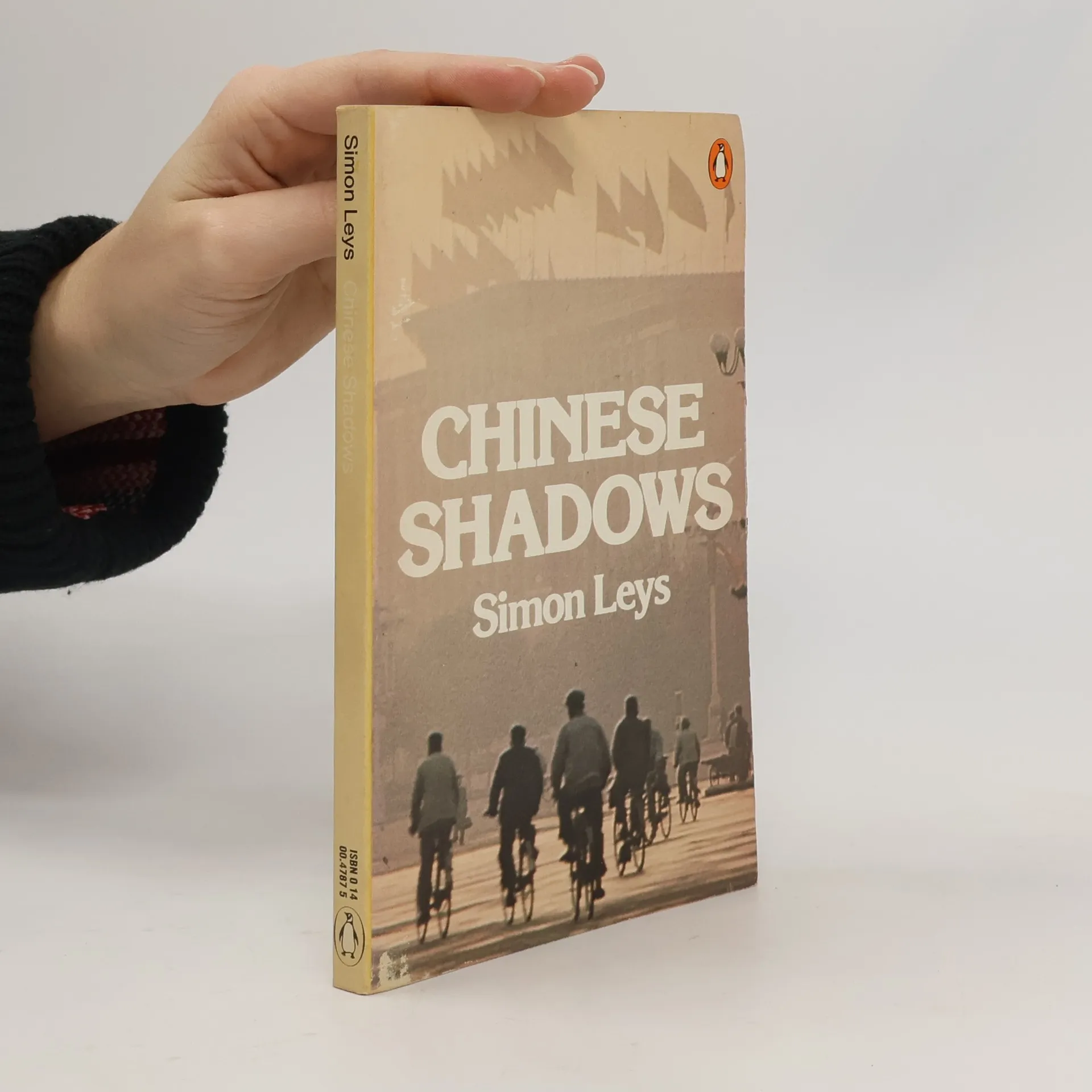
Une interprétation et une dénonciation de la Chine contemporaine à travers ces cinq essais iconoclastes aussi lucides et lumineux qu'implacables. Des textes rétifs à toute récupération politique.
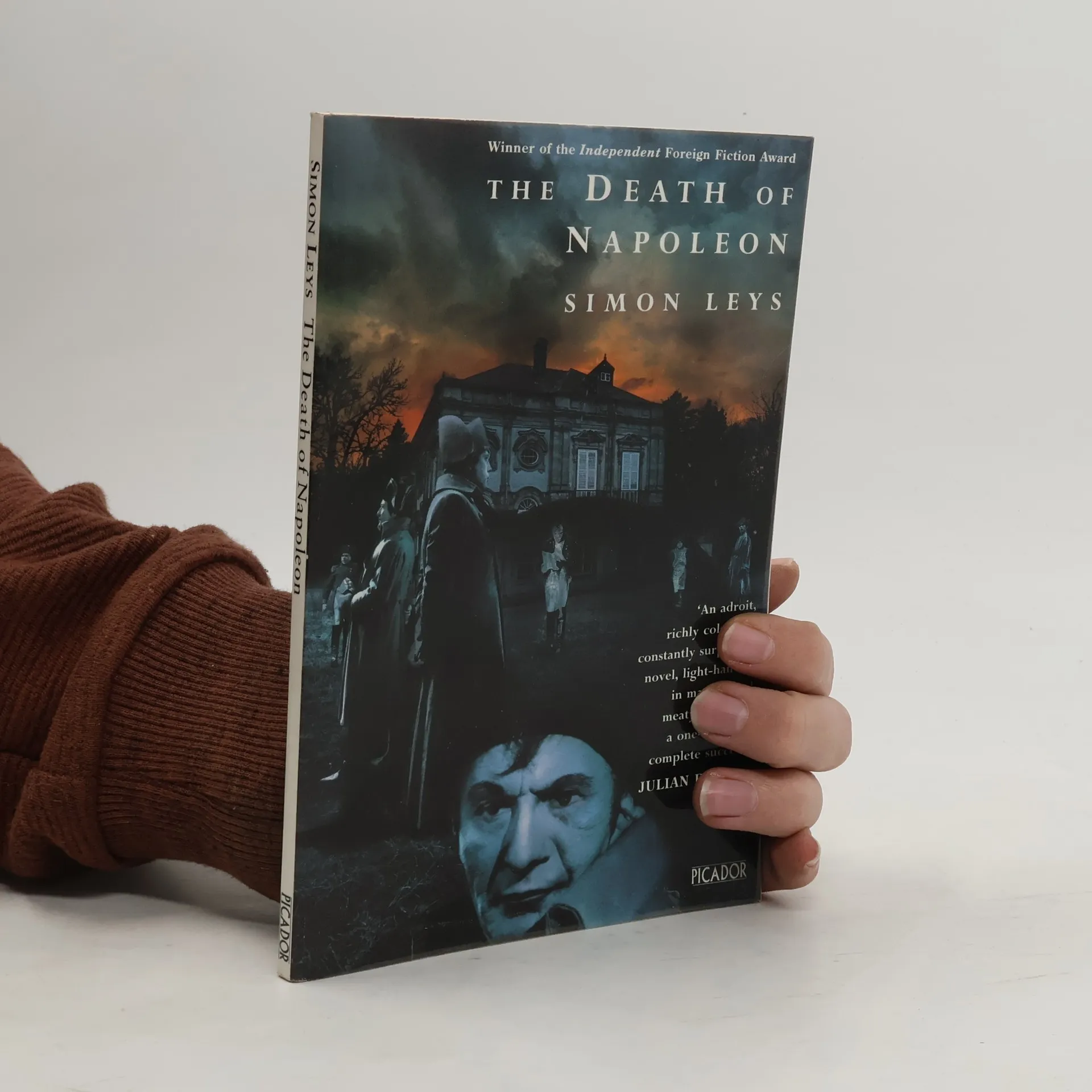
"Ladies and gentlemen, alas! The Emperor is dead." The news goes out across Europe, but in fact Napoleon has not died. By means of an ingenious escape, he has returned to the Continent, leaving an impersonator on St. Helena, and it is this double who has unexpectedly and very problematically passed away. Traveling incognito, the Emperor experiences a series of bizarre adventures which bring him face to face with the myth of Napoleon as it is disconcertingly played out in everyday life. After a visit to Waterloo and near-arrest at the French border, he eventually arrives in Paris, where he falls in with some veteran Bonapartists and visits an asylum where most of the inmates are laboring under the mistaken impression that they are he. Will Napoleon ever recapture his true identity? Who, in the end, is he, now that "the Emperor is dead"? Simon Leys's truculent, delightful fable poses these and other questions in a rare work of fiction that is continually surprising and effervescent.
As is.
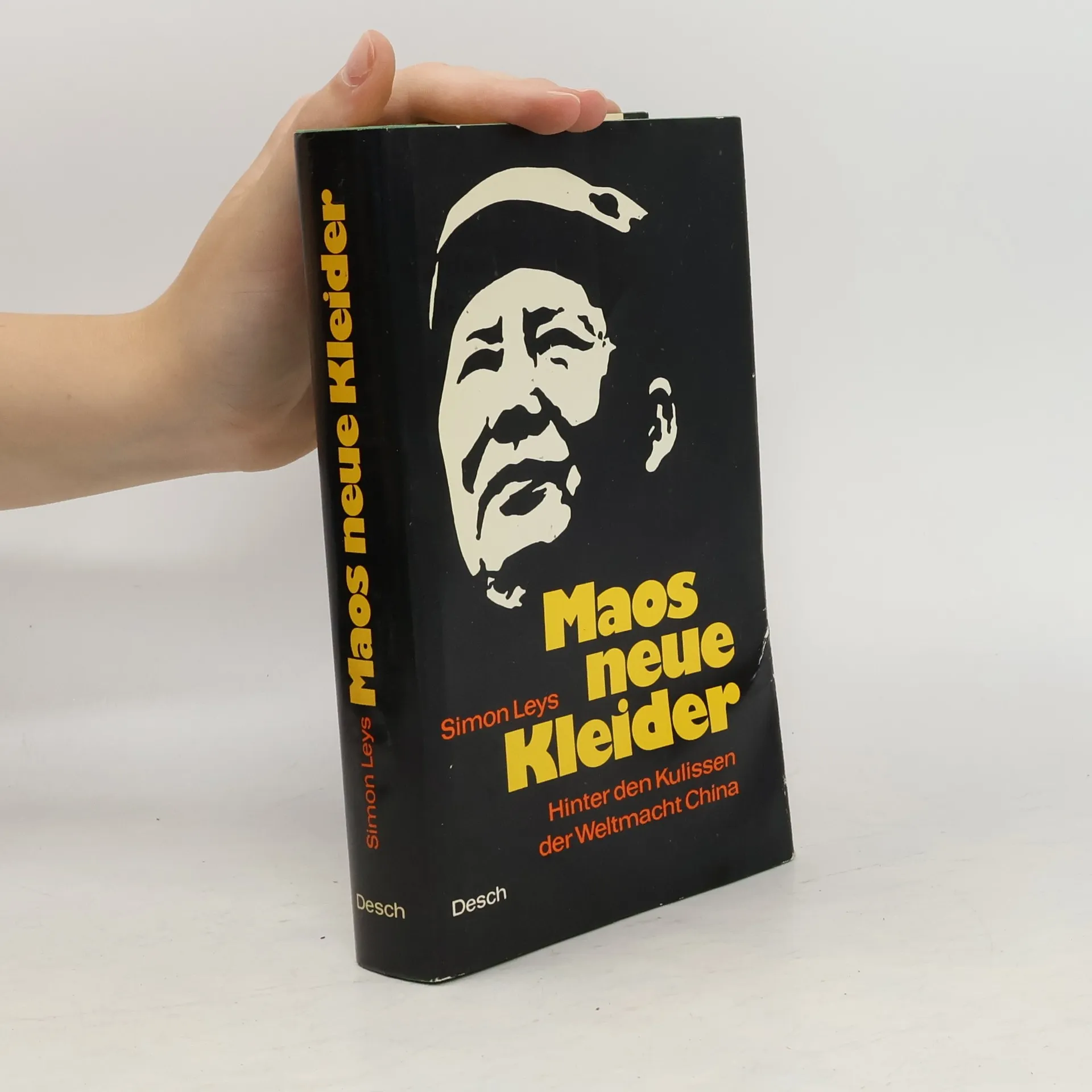
The second of Leys's trilogy on China's Cultural Revolution, describing the cultural and political upheaval under Mao's regime and expressing criticism of its Western supporters.