
Bookbot

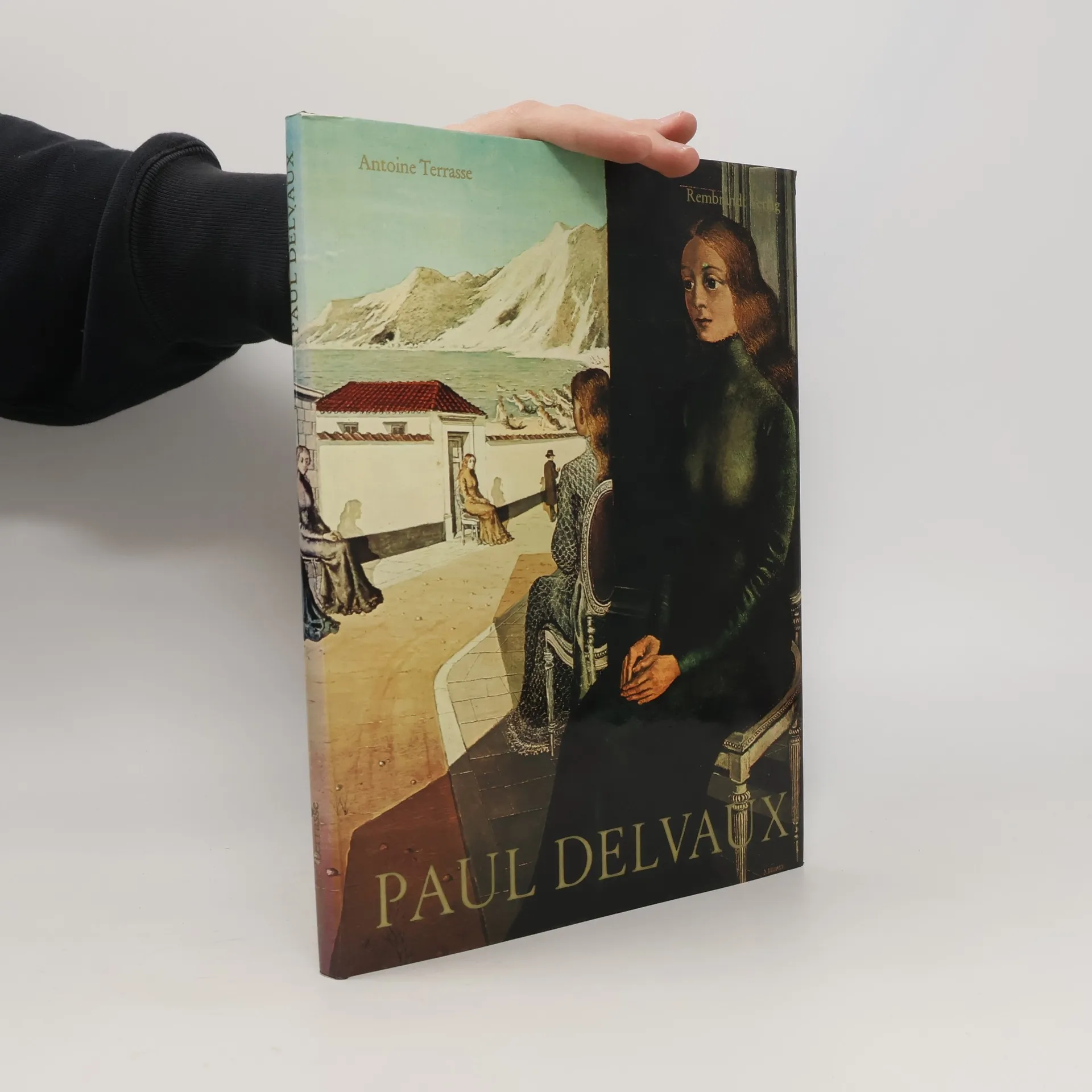
Paul Delvaux

    23. september 1897 – 20. júl 1994
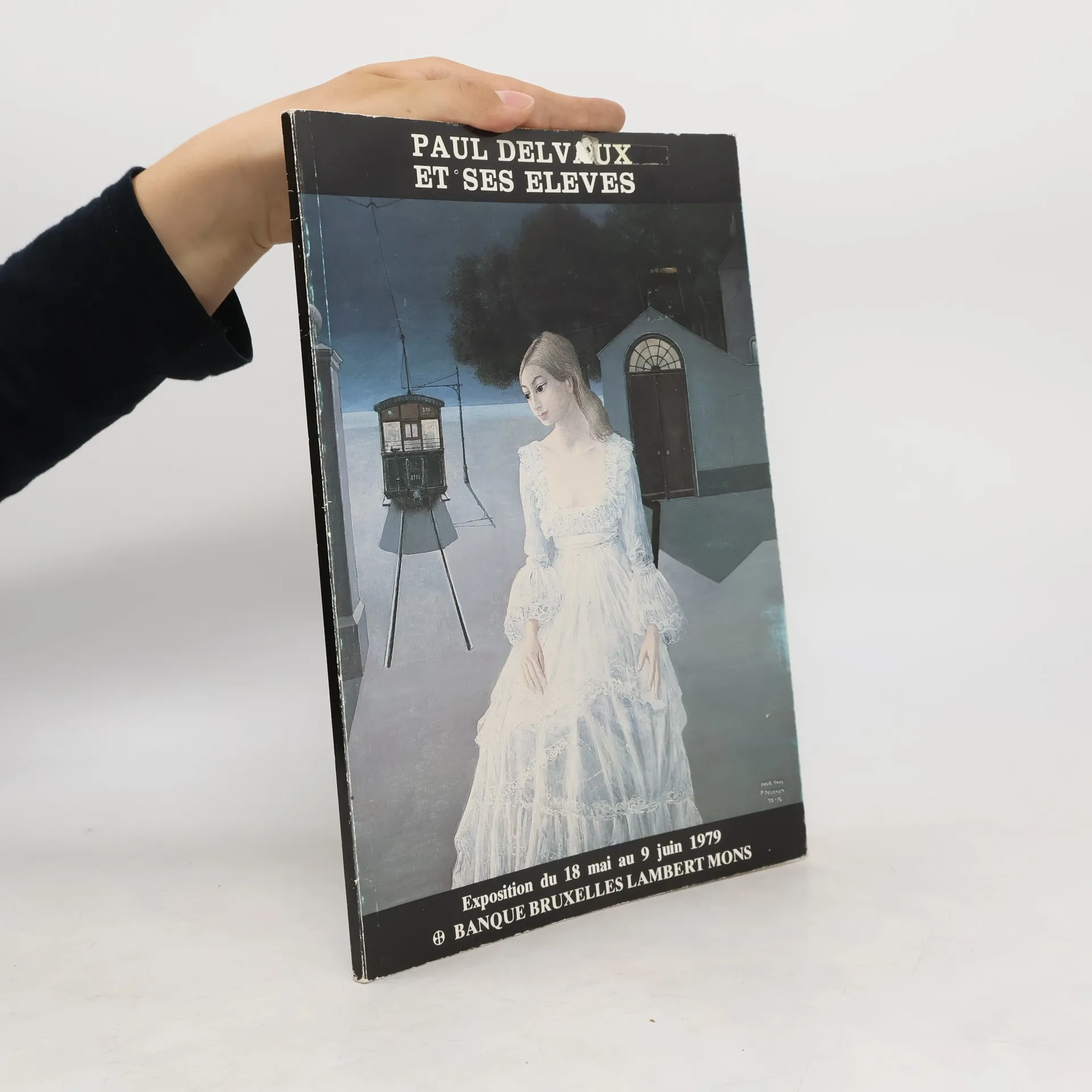
    Paul Delvaux
    Et ses eleves
    Expressionnisme Wallon
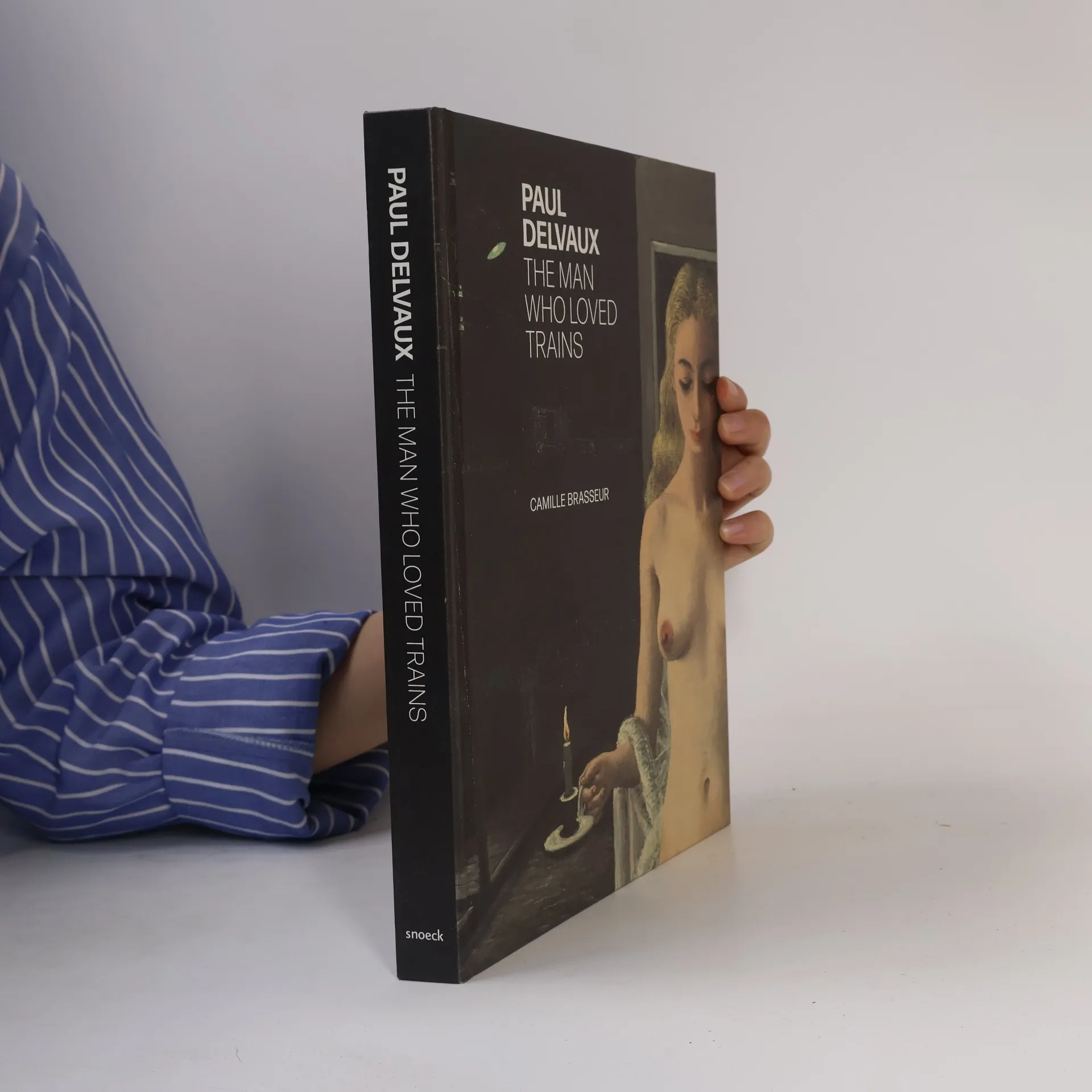
    Paul Delvaux. The Man Who Loved Trains
    • Paul Delvaux. The Man Who Loved Trains

      • 240 stránok
      • 9 hodin čítania

      Recognised as the painter of women and skeletons, Delvaux added another string to his bow by also becoming the painter of trains and stations. Fascinated by the great metal monsters of his childhood, spitting fire and hissing steam, Delvaux strove to reproduce these mysterious locomotives in all their detail. This book conjures up that journey through a number of stunning, illustrated comparisons, which also draw on photographs and drawings to reveal the man's passion for the world of the railwaymen, a community that he joined by being named the chef de gare d'honneur, or "Honorary Stationmaster" at Ottignies-Louvain-la-Neuve. This book offers an uncharted exploration to the heart of his moonlit railway works. The destination of Delvaux's trains is in the gift of those who behold them. Each work is an invitation to escape to dreamlike regions, where one train may hide another.

      Paul Delvaux. The Man Who Loved Trains
    • Expressionnisme Wallon

      Anton Carte, Marcel Caron, Paul Delvaux, Victor Leclercq, Jean Leroy, Auguste Mambour.

      • 199 stránok
      • 7 hodin čítania
      Expressionnisme Wallon
    • Paul Delvaux

      • 80 stránok
      • 3 hodiny čítania

      Diese Monografie untersucht das Werk des belgischen surrealistischen Malers Paul Delvaux, eines Kollegen von René Magritte, dessen bekannteste Werke seltsame Gruppierungen weiblicher Akte zeigen, die ins Leere starren und rätselhafte Gesten in surreal unpassenden Umgebungen machen – zum Beispiel während sie eine leere Straße entlanggehen, in einem Bahnhof liegen oder sich in einem Komplex klassischer Gebäude versammeln. Manchmal wandern diese eindringlichen Musen durch den Raum, begleitet von Skeletten; andere Male sitzen sie schweigend in langen, düsteren puritanischen Kleidern, als ob sie eine Buße absäßen.

      Paul Delvaux