

Bookbot

Ekkehard Grundmann

    28. september 1921 – 25. marec 2022
    Spezielle Pathologie
    Geschwülste · Tumors III
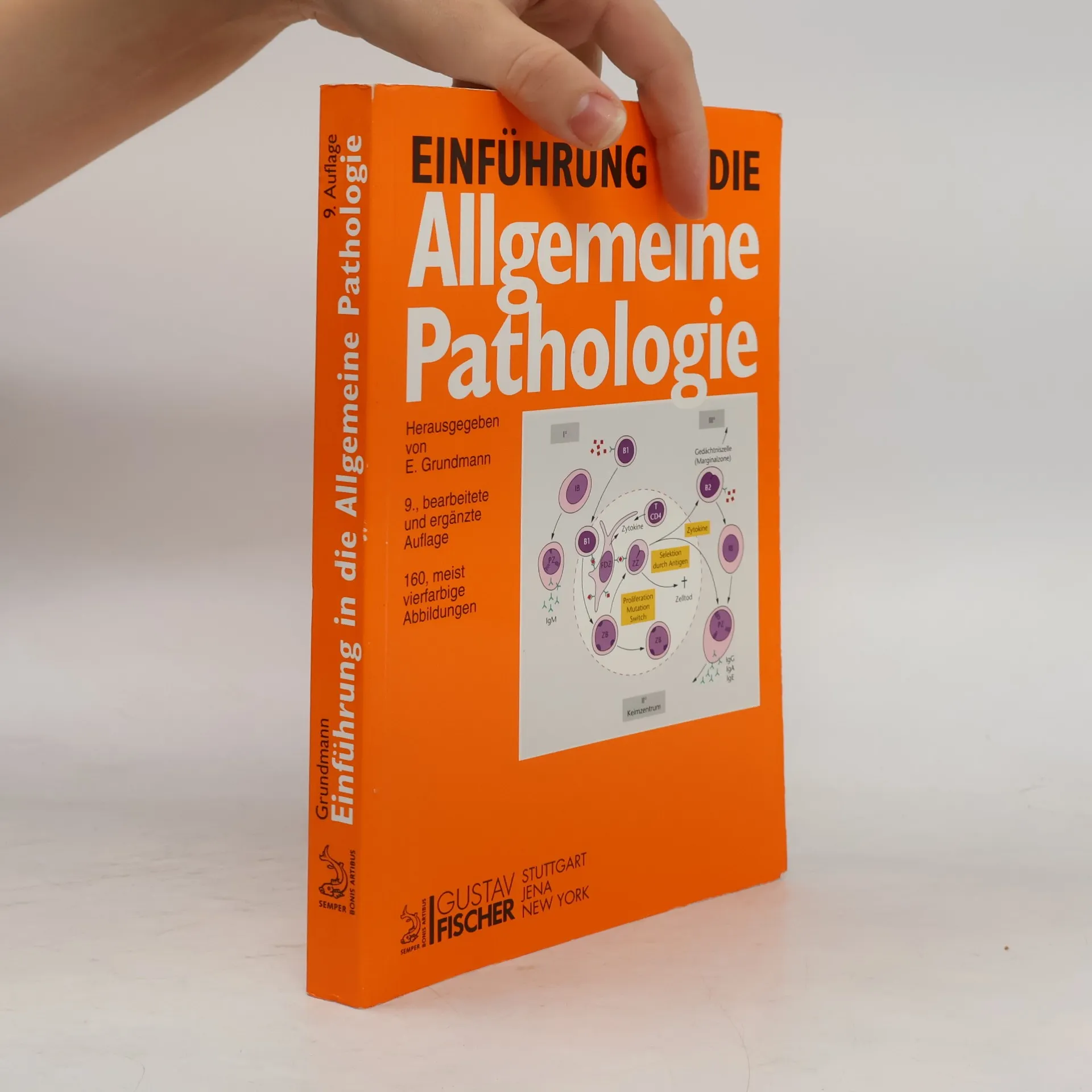
    Einführung in die allgemeine Pathologie und in Teile der pathologischen Physiologie entsprechend dem Gegenstandskatalog für den ersten Abschnitt der ärztlichen Prüfung
    Kursus der allgemeinen Histopathologie
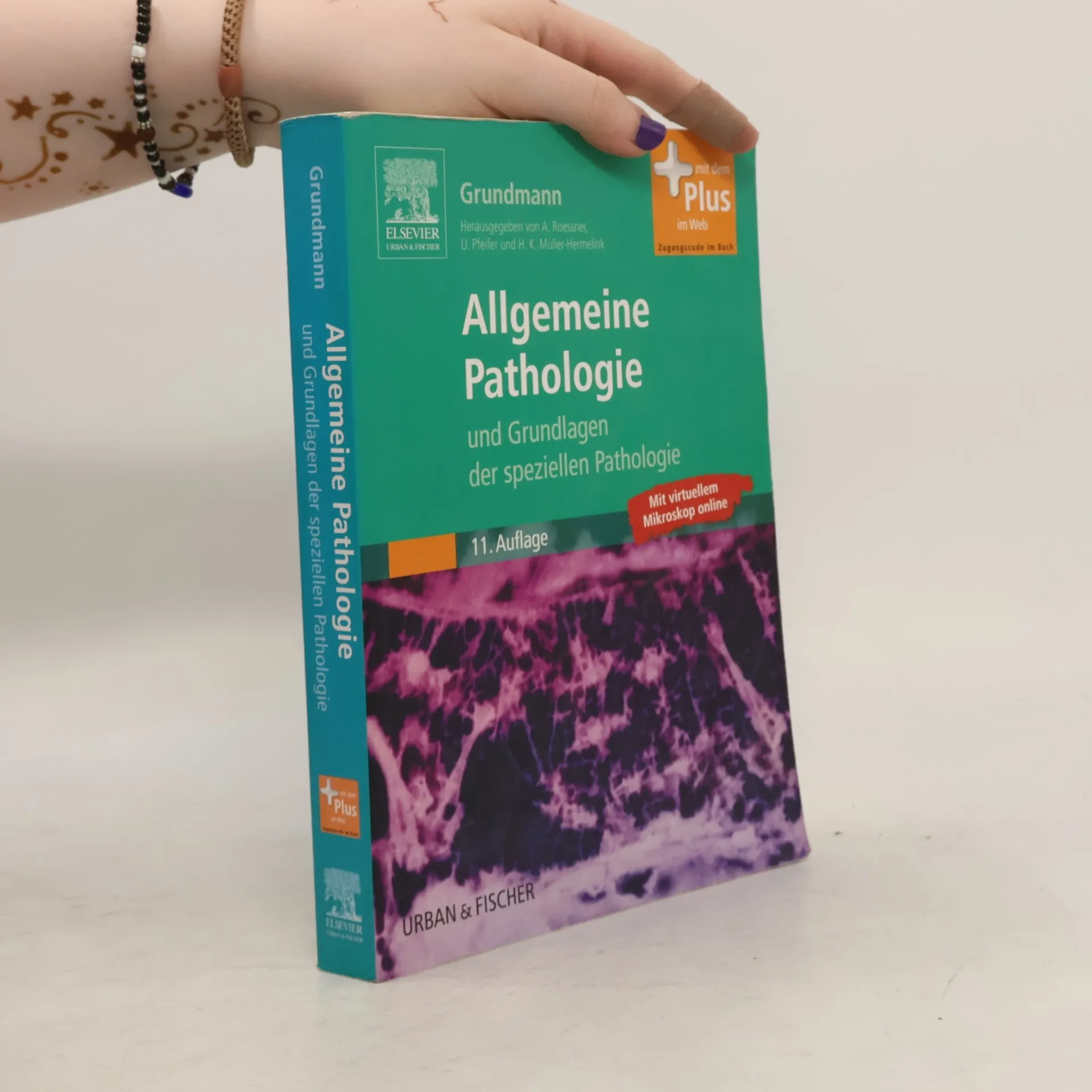
    Allgemeine Pathologie und Grundlagen der speziellen Pathologie
    Recent Results in Cancer Research - 54: Malignant Bone Tumors
    • Pathologie - Die Basis für das Verständnis von Krankheitsmechanismen und Reaktionsmustern Der Grundmann, Klassiker der Pathologie, ist bekannt für seine kompetente und umfassende Einführung in die Krankheitslehre. Der Schwerpunkt liegt auf der allgemeinen Pathologie. Dieser Haupt teil des Buches vermittelt umfassend und fundiert die allgemeinen Grundlagen und betont den aktuellen zell- und molekularbiologischen Kenntnisstand. Neu in dieser Auflage ist die Erweiterung der speziellen Pathologie: In kurzen und prägnanten Organ-Kapiteln werden systematisch die wesentlichen Kenntnisse der Organerkrankungen behandelt und durch zahlreiche Bilder veranschaulicht. Der Grundmann bietet damit die im gesamten Studium relevanten Pathologie-Kenntnisse. Wie gewohnt ist zur Lernunterstützung die Prüfungsrelevanz der Themen markiert. Dieses Buch kann mehr! Der Code im Buch schaltet zusätzliche Inhalte im Internet frei. Ein virtuelles Mikroskop mit zahlreichen, ausführlich erklärten Präparaten - zum Üben und Verstehen, sowie mediscript-Fragen. Das Beste: die Fragen sind den Kapiteln direkt zugeordnet - für den schnellen Wissens-Check.
      Allgemeine Pathologie und Grundlagen der speziellen Pathologie2008
      5,0
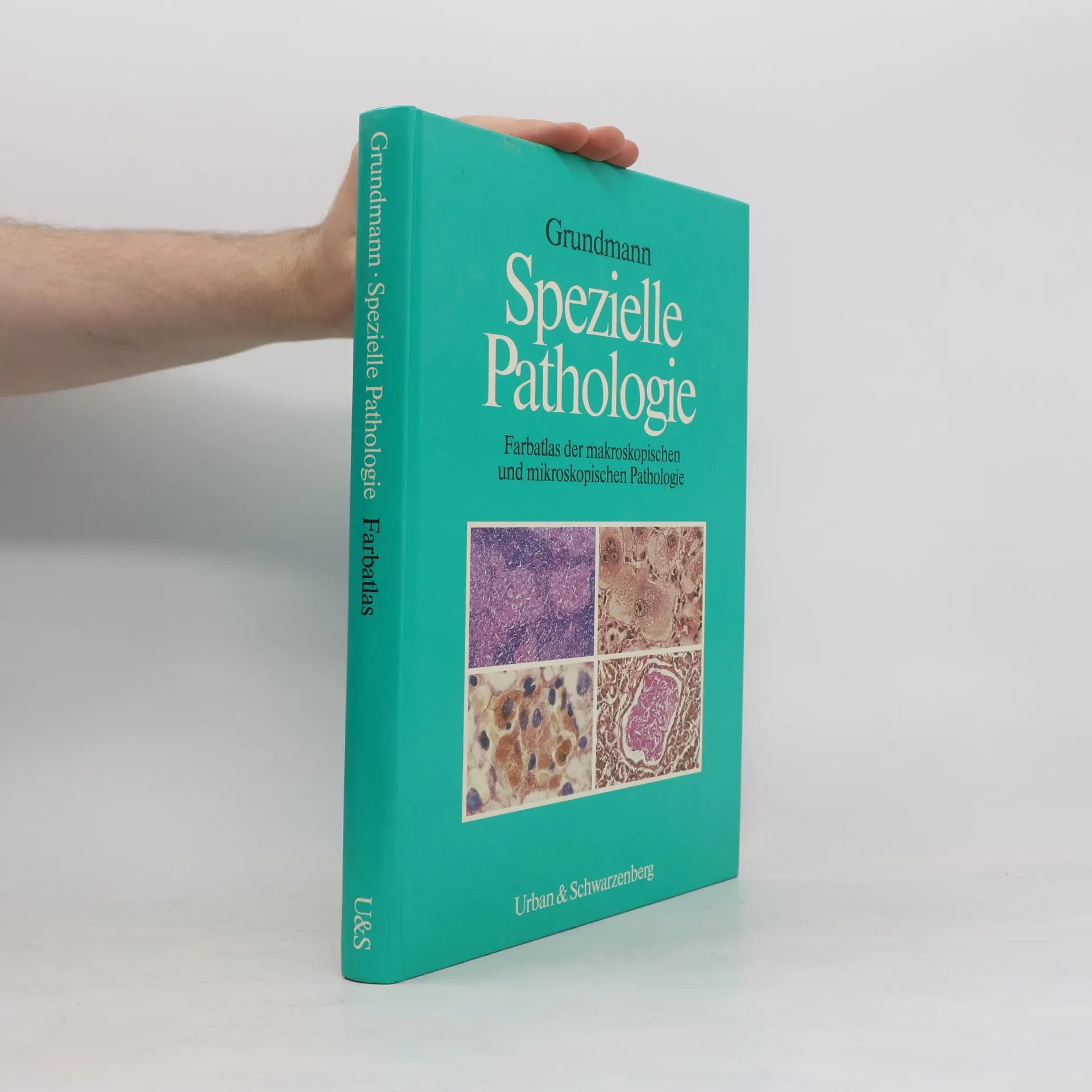
    • Spezielle Pathologie

      Atlasband. Farbatlas der makroskopischen und mikroskopischen Pathologie

      • 260 stránok
      • 10 hodin čítania
      Spezielle Pathologie1986
    • Recent Results in Cancer Research - 54: Malignant Bone Tumors

      VIth International Symposium of the Gesellschaft zur Bekämpfung der Krebskrankheiten Nordrhein-Westfalen e.V., Düsseldorf, October 17/18 1974

      • 282 stránok
      • 10 hodin čítania

      Bone tumors hold a unique position among human tumors due to their rarity and the recent establishment of reliable diagnostic criteria, developed over the last thirty years. An international classification code was outlined five years ago and has been critically applied by various working groups, yielding mixed results. The complexity of histologic manifestations in neoplastic bone presents challenges; even top diagnostic histologists can classify only about 85% of bone tumors using the proposed system. The fascination with osteoclastic giant cells has led to the misdiagnosis of "brown giant cell tumor" for various osteoclastic tumors, regardless of their benign or malignant nature. The classification of "giant cell tumors" remains contentious, particularly concerning their malignancy and benignity, and definitive conclusions will require extensive follow-up studies. However, progress is being made with the establishment of regional bone tumor registries in various countries, inspired by the American model, including efforts in the German Federal Republic.

      Recent Results in Cancer Research - 54: Malignant Bone Tumors1976
    • Geschwülste · Tumors III

      Modelle experimenteller Carcinogenese / Models of experimental Carcinogenesis (Handbuch der allgemeinen Pathologie)

      • 1200 stránok
      • 42 hodin čítania

      Bronchogenic carcinoma develops from chronic exposure to carcinogenic inhalants, particularly in cigarette smokers and uranium miners. Studies have identified morphological abnormalities in the bronchial mucosa before the onset of cancer, with similar lesions observed in dogs exposed to tobacco smoke. This suggests a series of histological and cytological changes that progress to invasive carcinoma with continued tobacco exposure. Interestingly, some early epithelial lesions may stabilize or even regress after carcinogen exposure ceases, as evidenced by the declining lung cancer risk in ex-smokers. This highlights the potential value of morphogenetic studies on experimentally induced respiratory tract neoplasms, especially when using models that closely mimic human bronchogenic carcinoma. Such research allows for a clearer understanding of the sequential changes leading to invasive cancer, which is more challenging to analyze in human samples. Additionally, it may help differentiate between reversible and irreversible lesions, as well as toxic versus carcinogenic changes. Insights gained from these studies could enhance the diagnosis of precancerous lesions and preinvasive carcinoma, emphasizing the interconnectedness of early diagnosis and effective therapy in lung cancer treatment.

      Geschwülste · Tumors III1975