

Bookbot

Erich Trapp

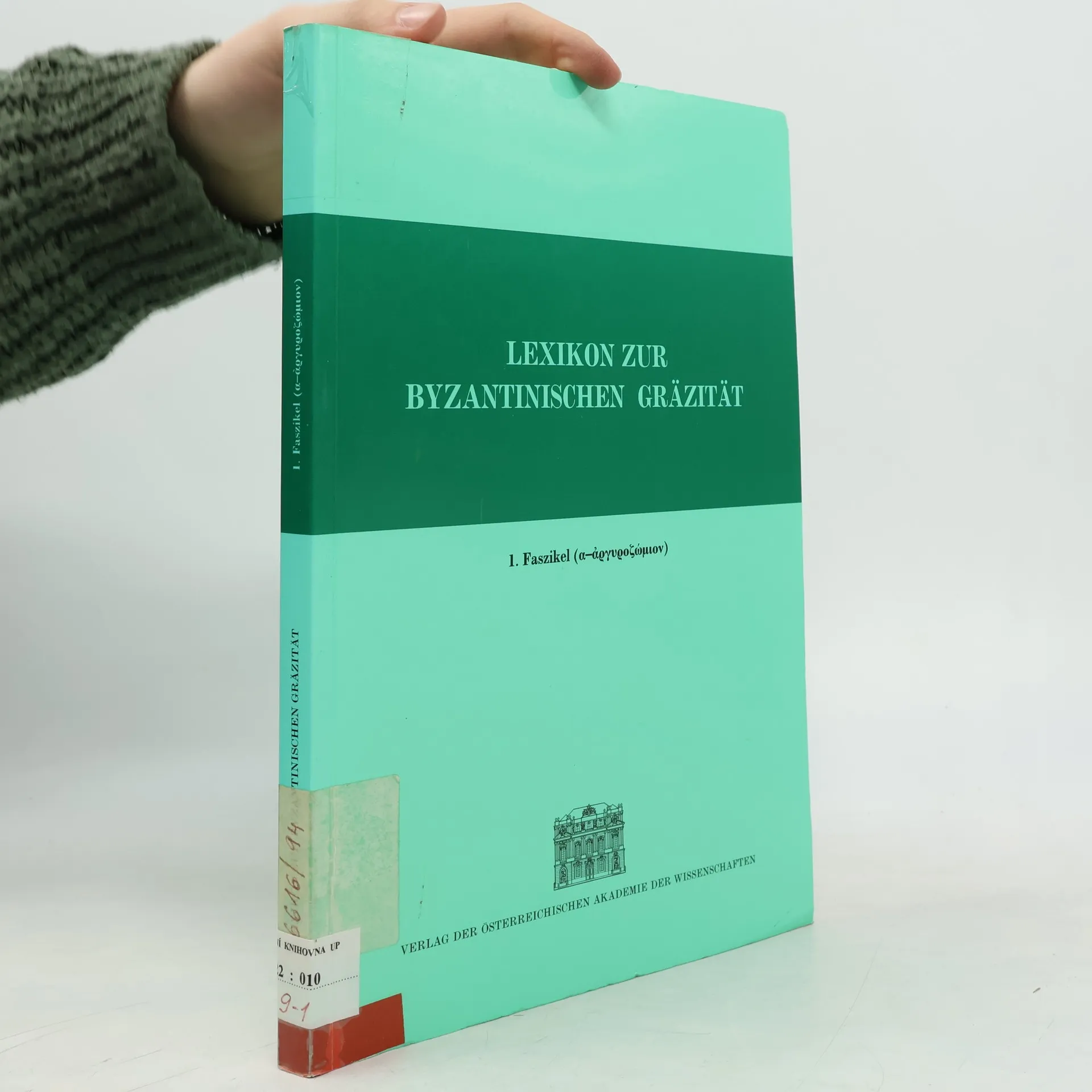
    Veröffentlichungen der Kommission für Byzantinistik - 1: Lexikon zur Byzantinischen Gräzität
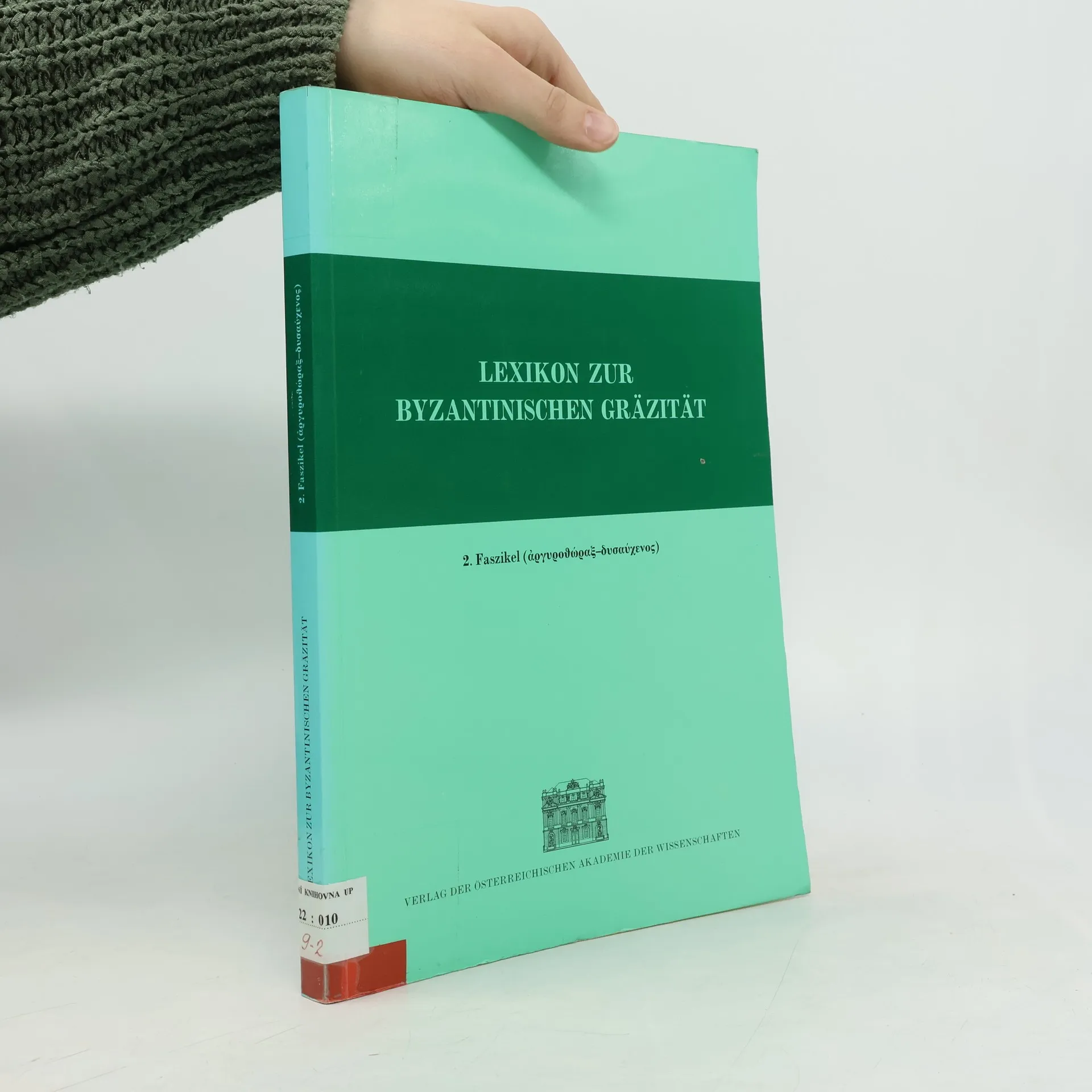
    Veröffentlichungen der Kommission für Byzantinistik - 2: Lexikon zur Byzantinischen Gräzität besonders des 9. - 12. Jahrhunderts
    Lexikon zur byzantinischen Gräzität besonders des 9. - 12. Jahrhunderts
    • Seit dem Pionierwerk des Charles Dufresne Sieur du Cange (Lyon 1688) hat sich die mittelgriechische Lexikographie nur sehr unvollkommen weiterentwickelt, so daß heute die Lücke in der Dokumentation des griechischen Wortschatzes zwischen der patristischen Gräzität einerseits und der volkssprachlichen Literatur der spätbyzantinischen Zeit andererseits besonders empfindlich geworden ist. Das Lexikon zur byzantinischen Gräzität (LBG) will diese Lücke weitestgehend schließen, indem es die Texte des 9. - 12. Jahrhunderts so vollständig wie möglich auswertet, aber auch Werke der früheren und späteren Epochen ergänzend mit einbezieht. Außer der Literatur im engeren Sinn wurden in reichem Maße Urkunden sowie in Auswahl das fachwissenschaftliche Schrifttum berücksichtigt. Das Lexikon wendet sich an Byzantinisten, Klassische Philologen, Neogräzisten, Theologen, Sprachwissenschaft-ler, Slavisten und Mediävisten.

      Lexikon zur byzantinischen Gräzität besonders des 9. - 12. Jahrhunderts
    • Since Charles Dufresne Sieur du Cange's pioneering work (Lyon 1688) Greek lexicography of the mediaeval period has been widely neglected with the result that a wide gap in the documentation of Greek vocabulary has now opened between late antique and Patristic Greek on the one hand and late Byzantine vernacular Greek on the other. The Lexikon zur byzantinischen Grazitat (LBG) attempts to fill this lacuna by gathering systematically new words and meanings from texts from the 9th to 12th centuries, supplemented by material from the earlier and later centuries. Besides literary texts, documents as well as selected legal and scientific sources have been included. The Lexicon will serve as a working instrument not only for Byzantinists, but also for classicists, mediaevalists, theologians, linguists etc. It will appear in eight fascicles of about 200 pages each. Fasc. 1-4 and 5-8 will form one volume. Subscribers will receive the cover for vol. I together with fasc. 4, the cover for vol.II and the definitive list of abbreviations together with fasc. 8.

      Veröffentlichungen der Kommission für Byzantinistik - 2: Lexikon zur Byzantinischen Gräzität besonders des 9. - 12. Jahrhunderts
    • Since Charles Dufresne Sieur du Cange's pioneering work (Lyon 1688) Greek lexicography of the mediaeval period has been widely neglected with the result that a wide gap in the documentation of Greek vocabulary has now opened between late antique and Patristic Greek on the one hand and late Byzantine vernacular Greek on the other. The Lexikon zur byzantinischen Grazitat (LBG) attempts to fill this lacuna by gathering systematically new words and meanings from texts from the 9th to 12th centuries, supplemented by material from the earlier and later centuries. Besides literary texts, documents as well as selected legal and scientific sources have been included. The Lexicon will serve as a working instrument not only for Byzantinists, but also for classicists, mediaevalists, theologians, linguists etc. It will appear in eight fascicles of about 200 pages each. Fasc. 1-4 and 5-8 will form one volume. Subscribers will receive the cover for vol. I together with fasc. 4, the cover for vol.II and the definitive list of abbreviations together with fasc. 8.

      Veröffentlichungen der Kommission für Byzantinistik - 1: Lexikon zur Byzantinischen Gräzität