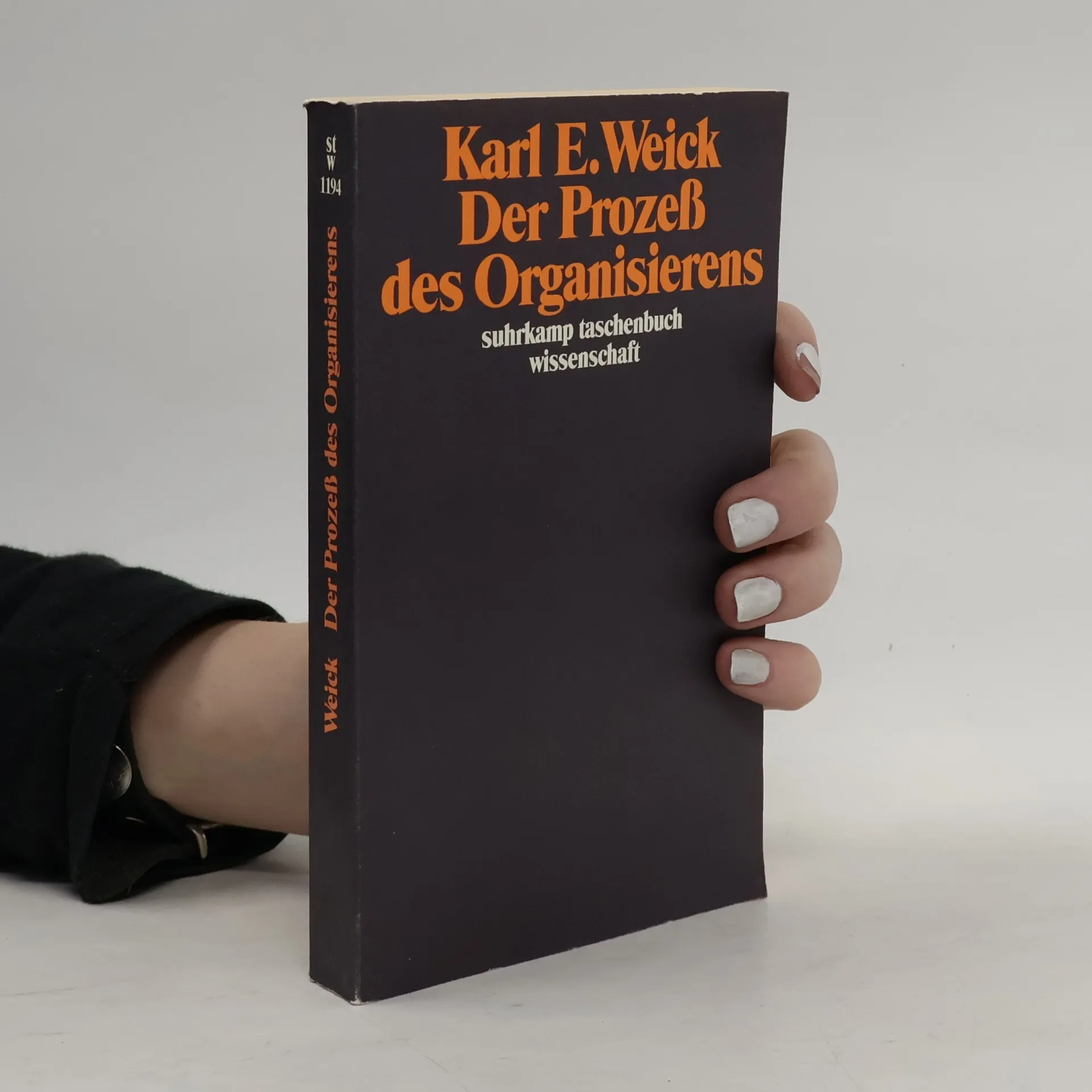
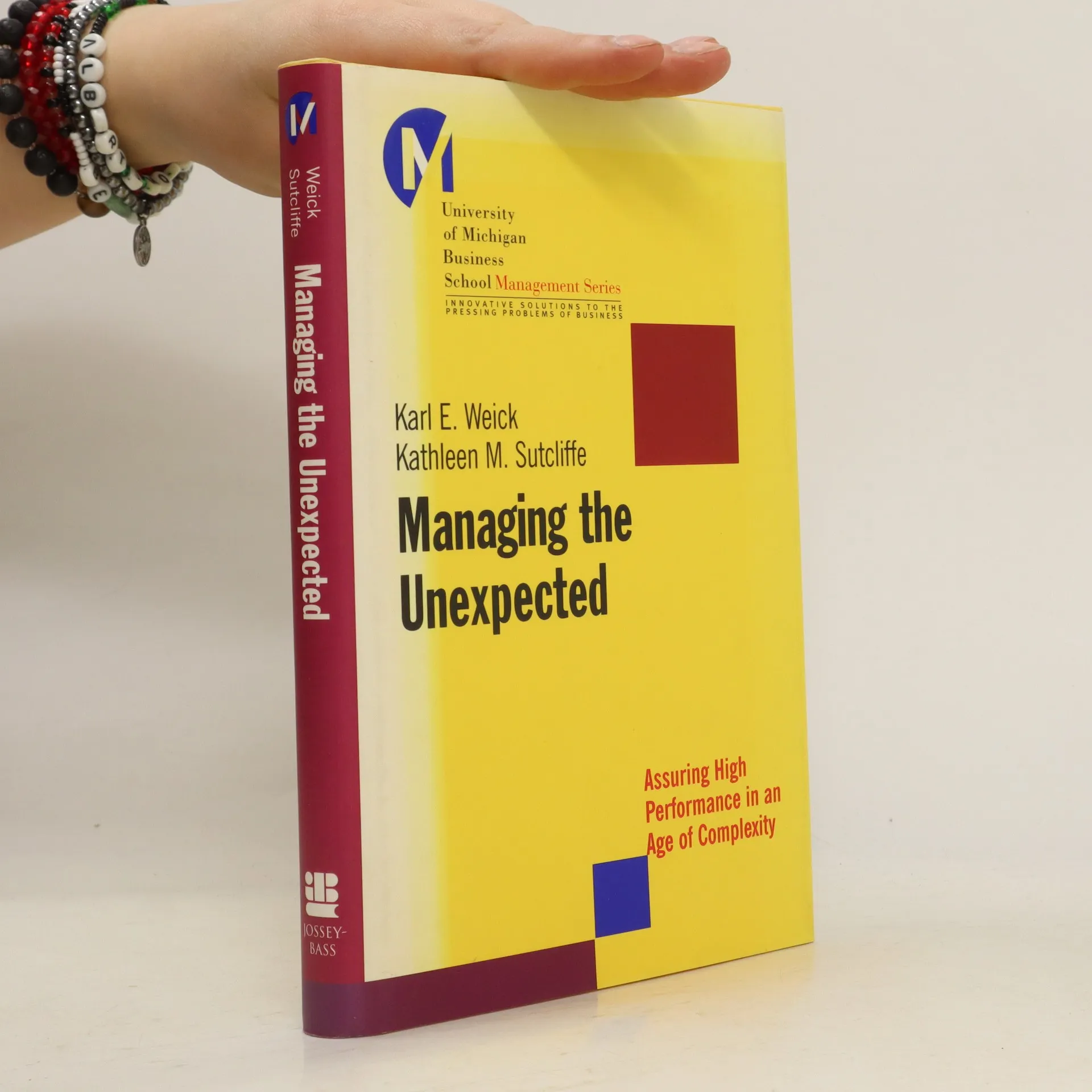
Tento americký teoretik organizačného štúdia je známy najmä svojimi priekopníckymi konceptmi, ako je "voľné spojenie", "pozornosť" a "smysluplnosť" v kontexte organizačného života. Jeho práca hlboko ovplyvnila spôsob, akým chápeme a analyzujeme zložité systémy a rozhodovanie v organizáciách. Vyniká schopnosťou odhaľovať skryté dynamiky a spôsoby, akými organizácie fungujú navzdory zdanlivej neistote. Jeho vhľady zostávajú relevantné pre každého, kto sa zaujíma o povahu ľudskej spolupráce a riadenia.
High reliability organizations (HROs), such as ER units in hospitals or firefighting units, are designed to perform under stress and pressure. This work aims to turn your organization into a panic-proof unit that can handle any emergency.
Weicks Sozialpsychologie des Organisierens ist keine Organisationstheorie im üblichen Sinne. Die strukturellen Merkmale von Organisationen, ihre Zielsetzungen, die Aufgabenteilung, die Ordnung der Entscheidungsprozesse - all dies zentrale Gegenstände der klassischen Organisationslehren - interessieren hier erst in zweiter Linie. Im Mittelpunkt steht vielmehr die Frage, wie Organisationen ihre Umwelt und sich selbst verstehen. Weick möchte eine Epistemologie des Organisierens schaffen, die selbst wieder eine Wirkung im Prozeß des Organisierens zu entfalten vermag, weil sie Begriffe bereitstellt, mit denen Menschen in Organisationen ihr Handeln begreifen können. In diesem Sinne wäre Weicks Theorie des Organisierens zugleich eine Metatheorie.