Madeleine Korbel Albrightová bola prvou ženou na poste ministerky zahraničných vecí Spojených štátov. Vynikala v diplomacii a medzinárodných vzťahoch, pričom jej politická kariéra bola poznačená snahou o presadzovanie demokracie a ľudských práv po celom svete. Albrightová zanechala nezmazateľnú stopu v americkej zahraničnej politike a jej odkaz naďalej inšpiruje budúce generácie diplomatov.
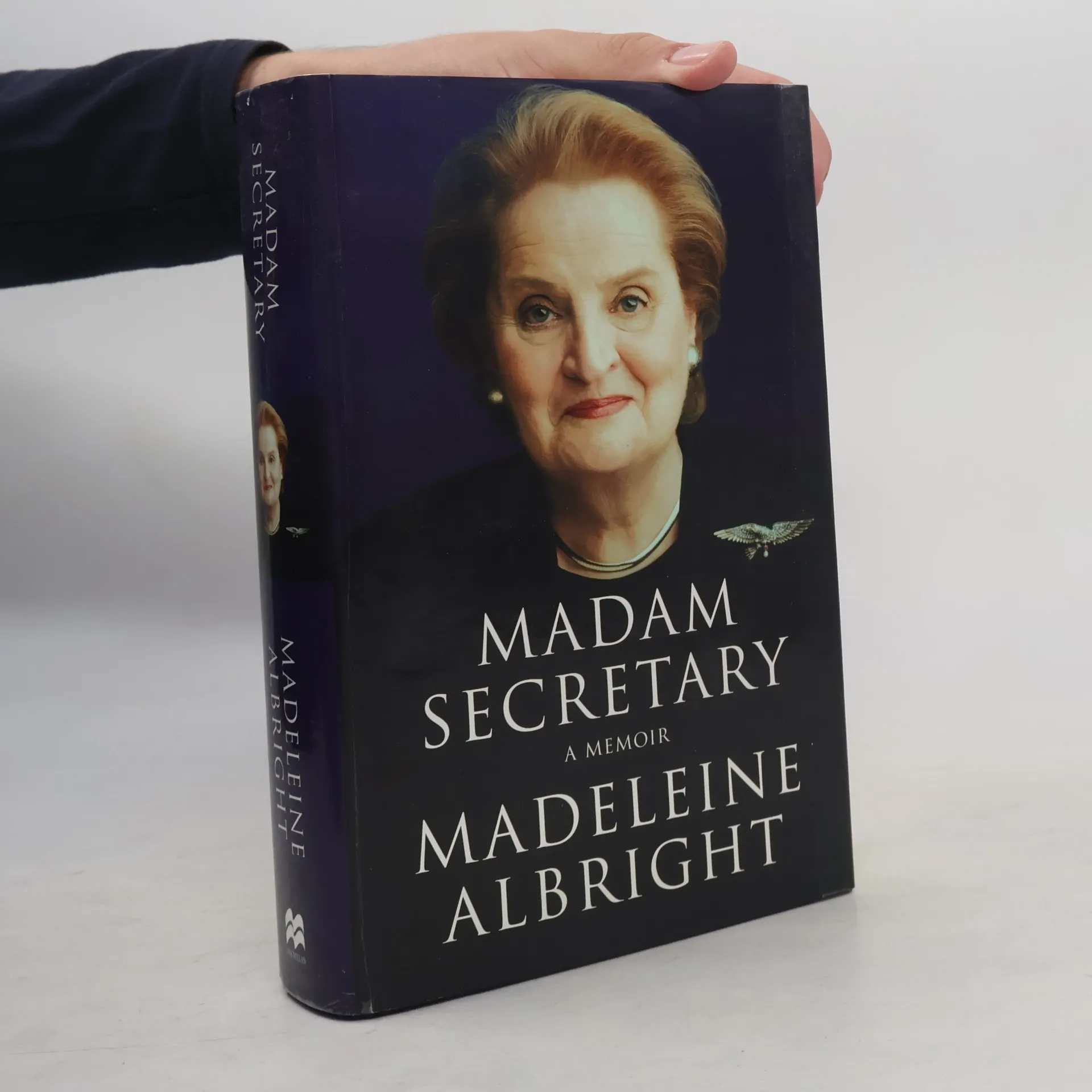
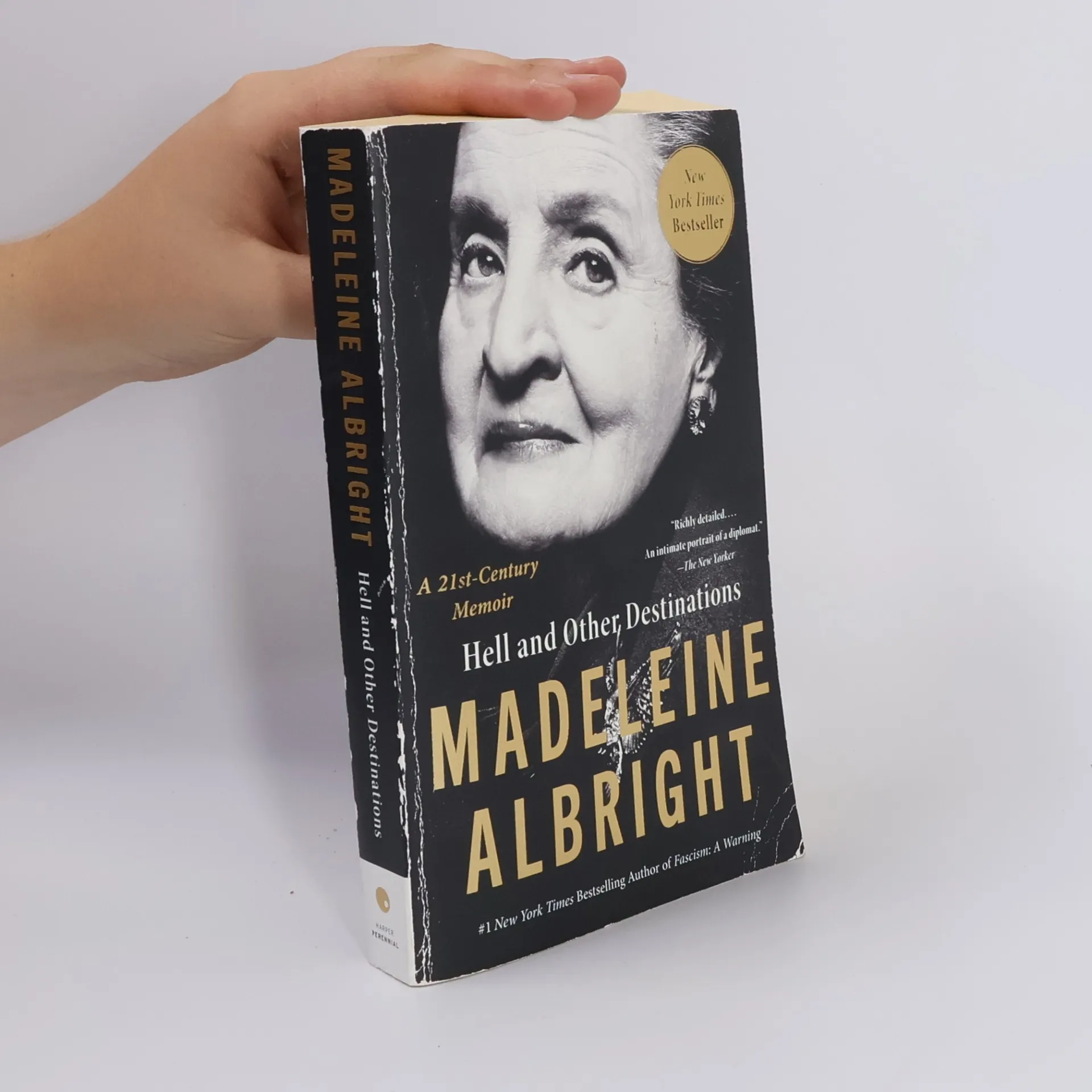
Leaving office in 2001 as America's first female Secretary of State, Albright considered the possibilities: she could write, teach, travel, give speeches, start a business, fight for democracy, help to empower women, campaign for favored political candidates, spend more time with her grandchildren. Instead of choosing one or two, she decided to do it all. Her memoir of the past twenty years is a haze of constant motion: navigating half a dozen professions, clashing with presidents and prime ministers, learning every day
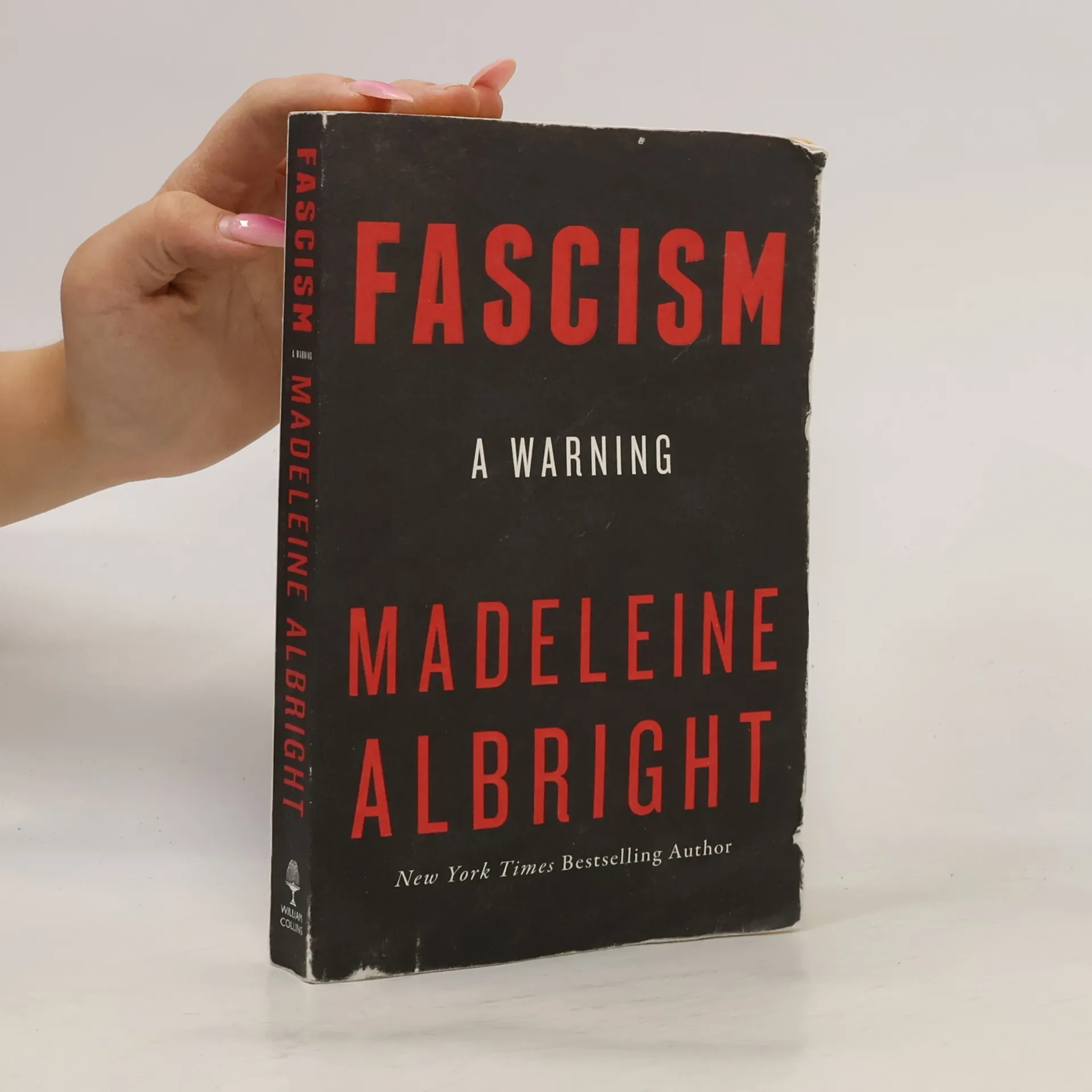
From a highly respected international leader comes a timely and personal examination of the resurgence of fascism and its threat to global freedom, prosperity, and peace. After the Cold War's end in the late 1980s, many believed democracy had triumphed. However, nearly thirty years later, history's direction appears uncertain as a repressive force reminiscent of fascism re-emerges across Europe, parts of Asia, and the United States. Drawing from her experiences growing up in Hungary under Hitler and the subsequent Communist regime, along with insights from her diplomatic career, the author illustrates how fascism thrives and why it is gaining traction worldwide. She identifies key factors contributing to its rise and warns of dire consequences if action is not taken against these forces, including economic catastrophe, increased terrorism, sectarian violence, humanitarian crises, human rights violations, and damage to America's global standing. The author proposes solutions to address these challenges, such as adapting to social media's impact, fostering economic growth, and bridging societal divides. Ultimately, she emphasizes that democracy's strength lies in its capacity for reasoned debate and self-correction, urging a collective effort to combat the threats posed by rising fascism.
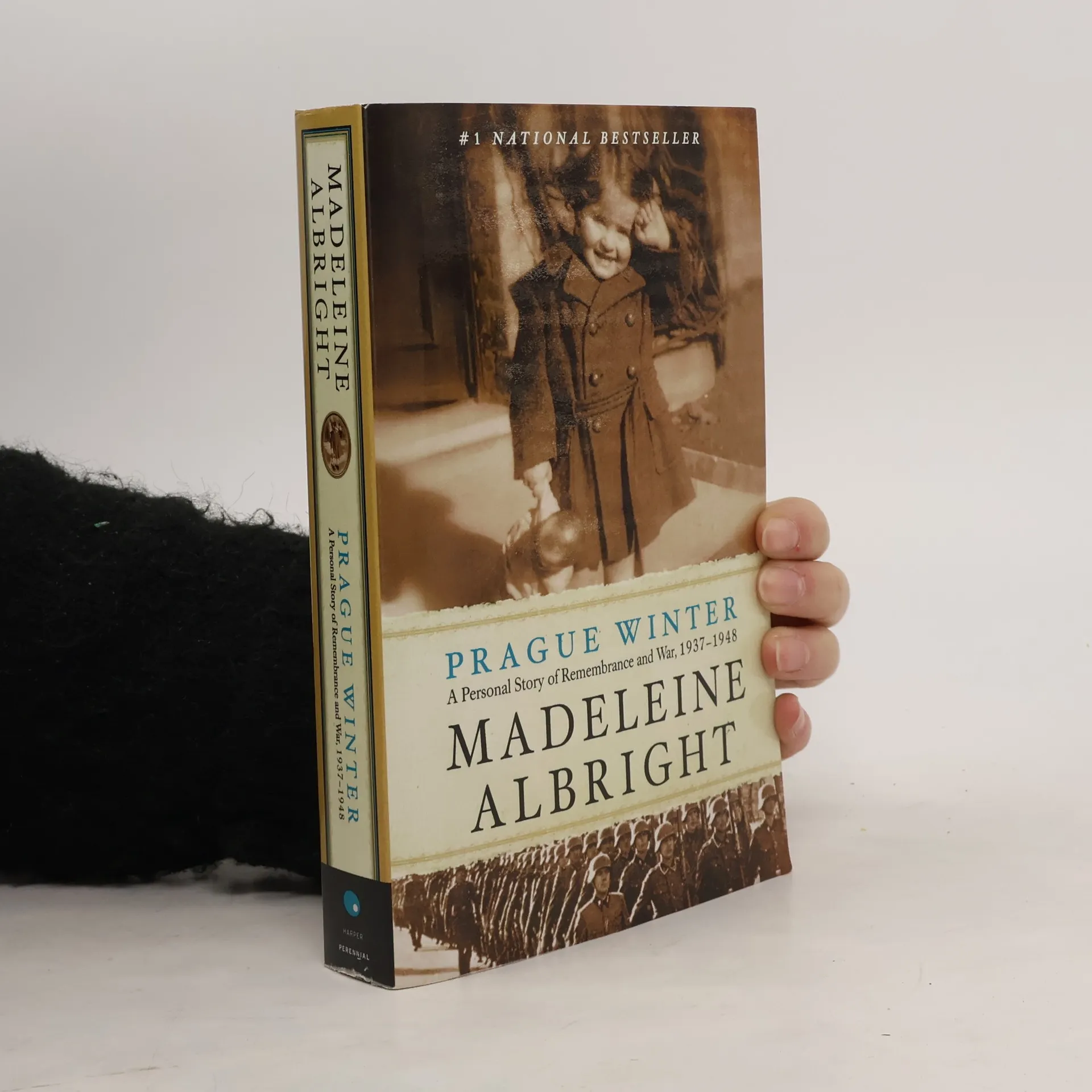
“A remarkable story of adventure and passion, tragedy and courage set against the backdrop of occupied Czechoslovakia and World War II.” —VÁclav Havel From former Secretary of State Madeleine Albright comes a moving and thoughtful memoir of her formative years in Czechoslovakia during the tumult of Nazi occupation, World War II, fascism, and the onset of the Cold War. An intensely personal journey into the past that offers vital lessons for the future, Prague Winter combines the intimacy of an autobiography with the drama of an exciting and well-told story—all underpinned by the gravity and intelligence of a serious work of history. The result is a highly readable and incisive work filled with tragedy and triumph, a resonant narrative informed by Albright’s remarkable life experience and her characteristic candor in speaking hard truths.
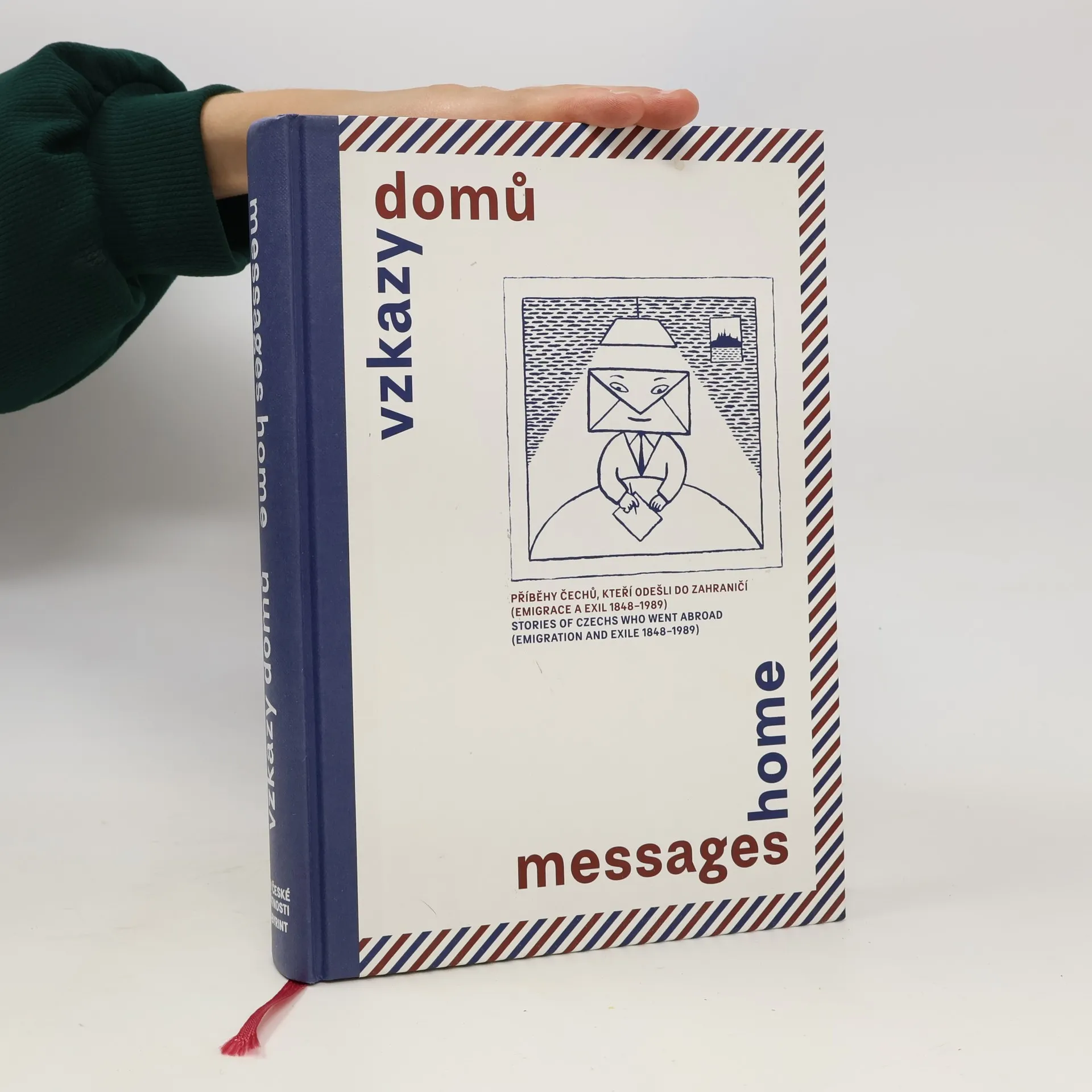
Kniha se zaměřuje na emigraci a exil v českých moderních dějinách, rozdělená do pěti chronologických oddílů, které pokrývají hlavní vlny emigrace od roku 1848 až po pád komunistického režimu v roce 1989. Úvodní studie charakterizují jednotlivá období, zkoumají důvody a podmínky života Čechů v zahraničí a ukazují, jak se exulanti a emigranti vztahovali ke své vlasti.
Hlavní část tvoří 30 příběhů Čechů, kteří odešli do zahraničí v 19. a 20. století. Tyto příběhy odhalují motivy a příčiny jejich odchodů, stejně jako sociální, politické a psychologické aspekty emigrace při hledání nového domova. Mezi vybranými osobnostmi jsou známé postavy jako kardinál Josef Beran, Soňa Červená a Karel Kryl, ale také méně známí, jako Vácslav Vondrák, Jan Letzel či generál Josef Buršík.
Publikace byla vydána u příležitosti Dne české státnosti 28. září 2012 jako poděkování těm, kteří přispěli k dobrému jménu své "staré vlasti" a pomáhali v těžkých historických obdobích. Autoři textů zahrnují Madeleine K. Albright a další, editorkou je Lucie Wittlichová.
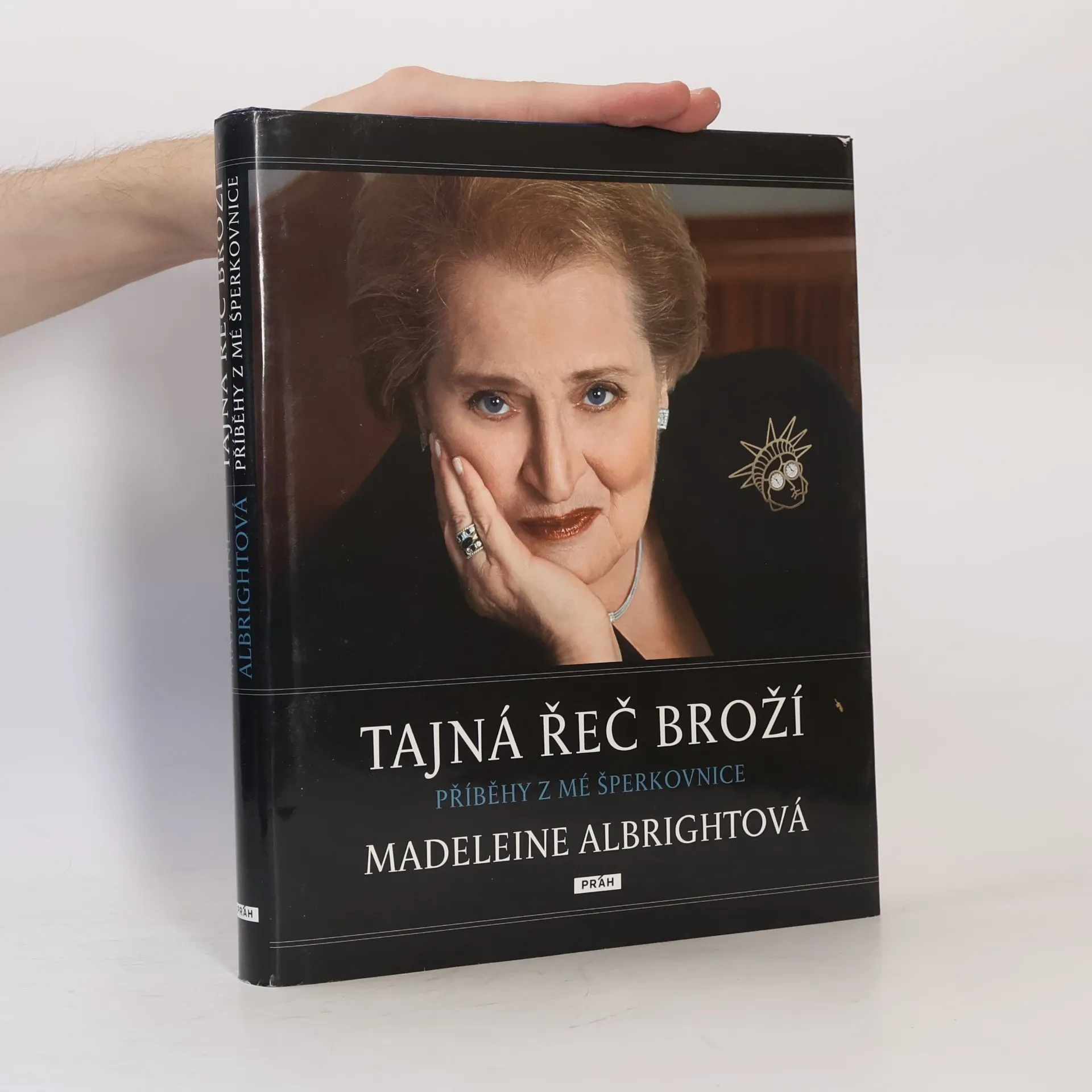
„Pomalu mi docházelo, že aniž bych to vědomě plánovala, staly se šperky součástí mého osobního diplomatického arzenálu. Bývalý prezident George H. W. Bush proslul svým výrokem „Čtěte mi ze rtů!“ (Read my lips). Začala jsem své kolegy i reportéry žádat, aby „četli z mých broží“ (Read my pins).“ Tajná řeč broží je bohatě ilustrovaná memoárová kniha i poutavé pojednání o sociálních dějinách. Umožňuje nám nahlédnout do soukromí Madeleine Albrightové prostřednictvím broží, které nosila. Její sbírka má nadnárodní i demokratický charakter – laciné brože za pár korun tu mají své čestné místo vedle značkových šperků i rodinného stříbra. Najdeme tu jak starožitného orla, jehož si bývalá ministryně zahraničí pořídila v době svého jmenování, tak zebry, které si vzala na setkání s Nelsonem Mandelou, či valentinské srdce vyrobené její tehdy pětiletou dcerou. Knihu Tajná řeč broží oživuje více než dvě stě fotografií a mnoho zajímavých a často humorných příběhů o špercích, světové politice a životě jedné z nejuznávanějších a nejvýraznějších amerických diplomatek.
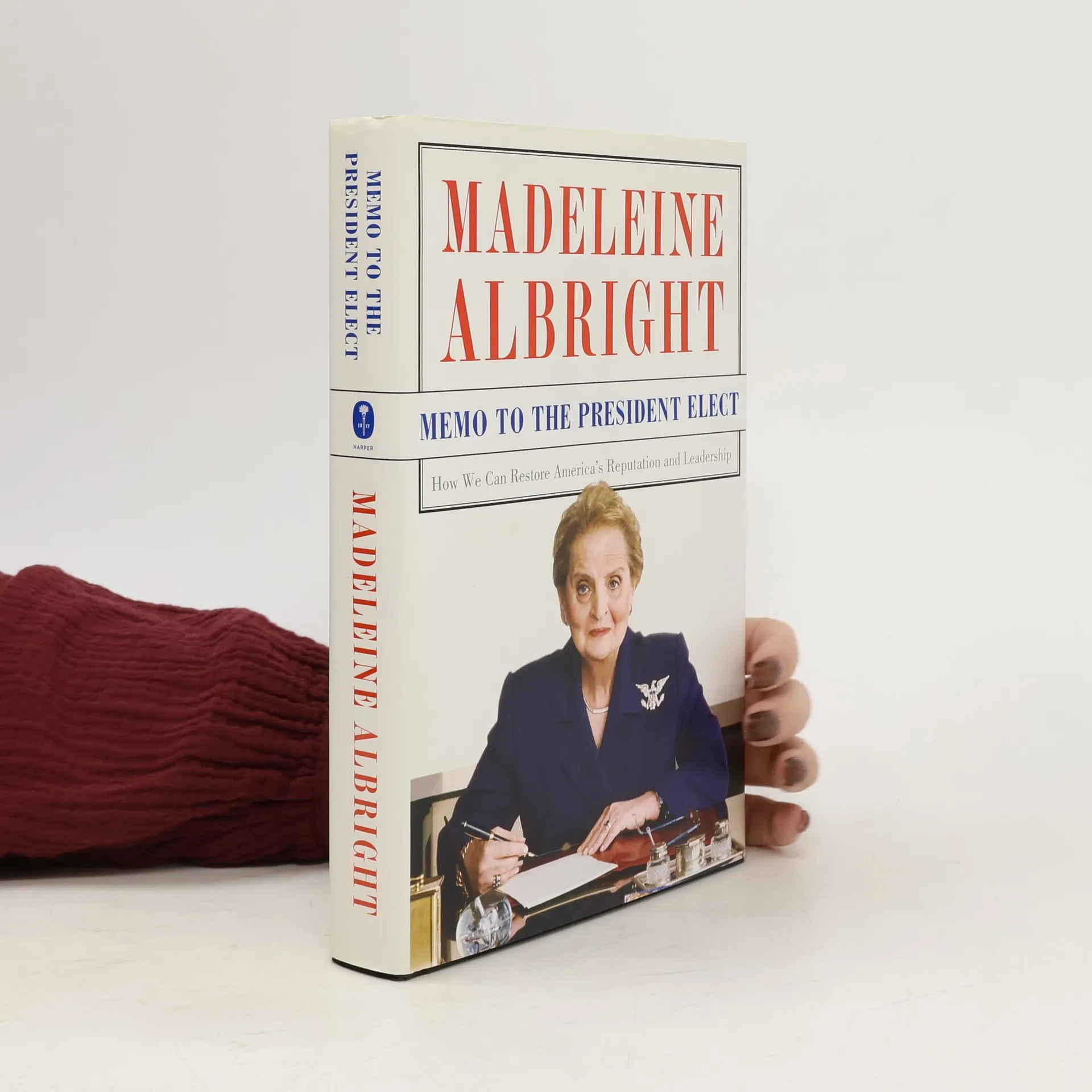
The book offers a comprehensive guide for the next U.S. president, emphasizing the importance of assembling a skilled foreign policy team and learning from past presidential errors. It advocates for strategic approaches to gain international support for American goals, highlighting the need for thoughtful leadership in global affairs.
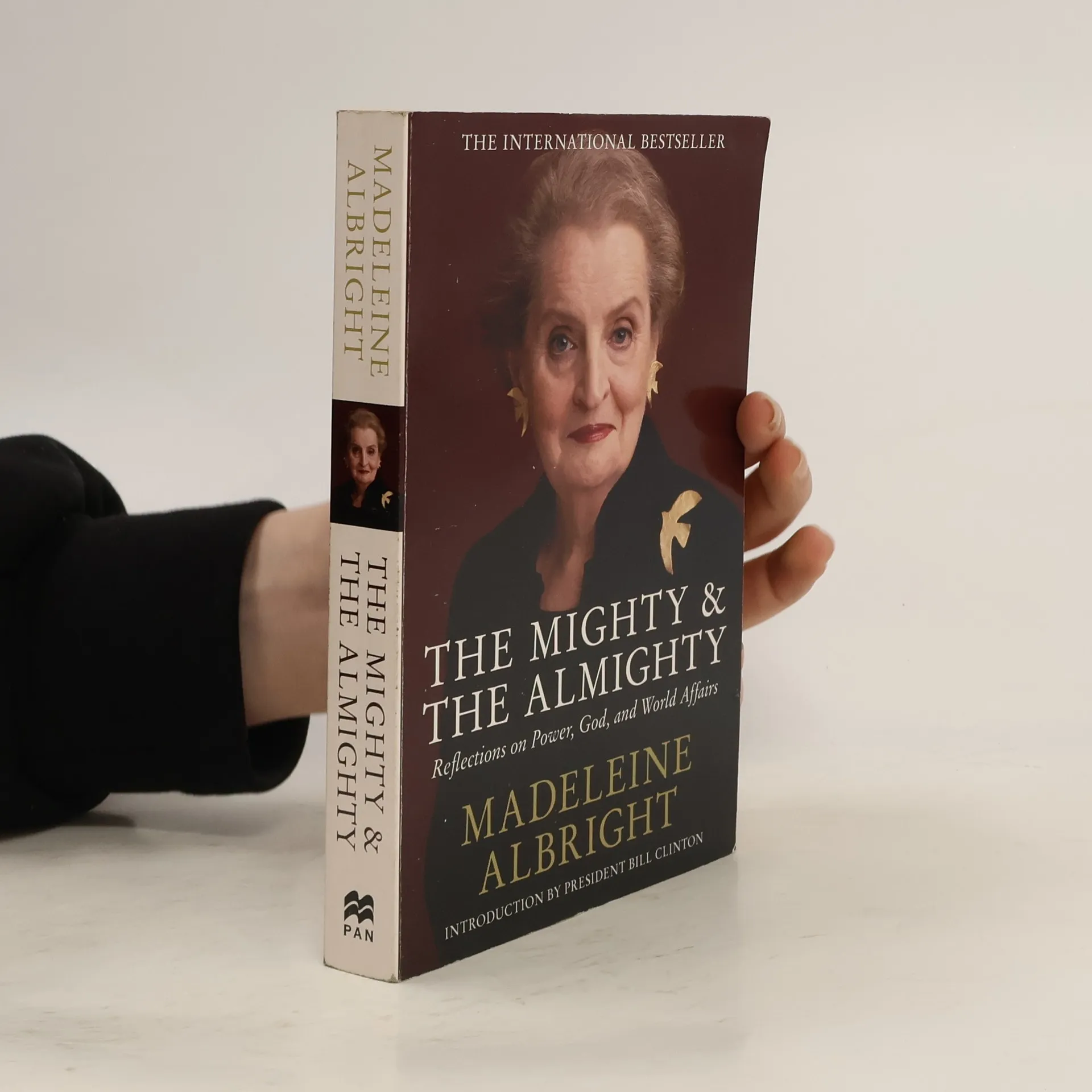
Does America, as George W. Bush has proclaimed, have a special mission, derived from God, to bring liberty and democracy to the world? This work presents an account which argues that understanding the place and power of religion - and knowing how best to respond to it - is essential if America is to lead successfully around the world.
Allows readers to understand World War II, not as seen through the eyes of soldiers, but through the eyes of children who survived the bombings, the blackouts, the hunger, the fear, and the loss of loved ones caused by the war.
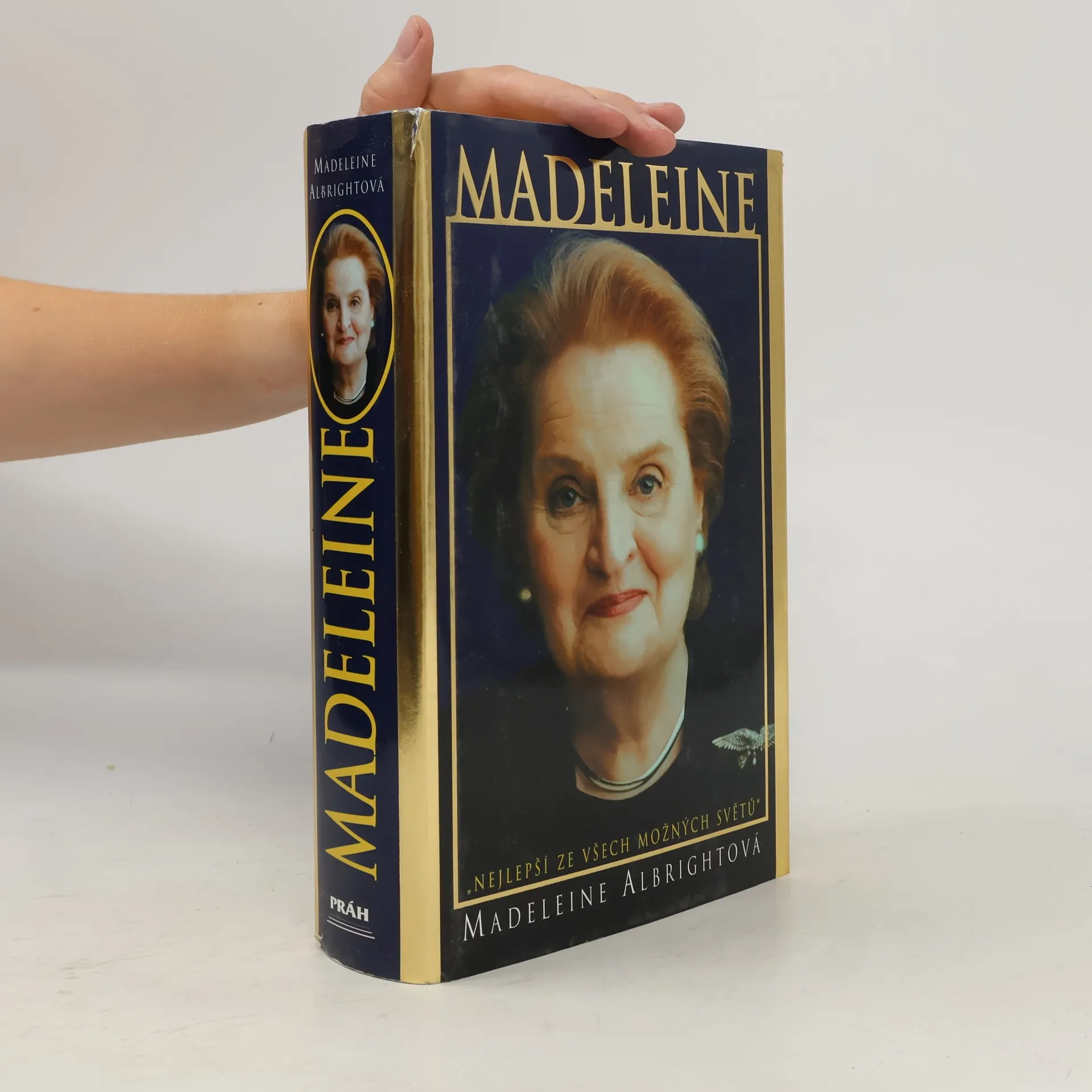
The highest-ranking woman in the history of U.S. government chronicles the story of her life, from her childhood as a Czechoslovakian refugee through her rise to power in the world of international diplomacy and policy-making, detailing her two terms as Secretary of State, her personal life, and the colorful personalities she met along the way.