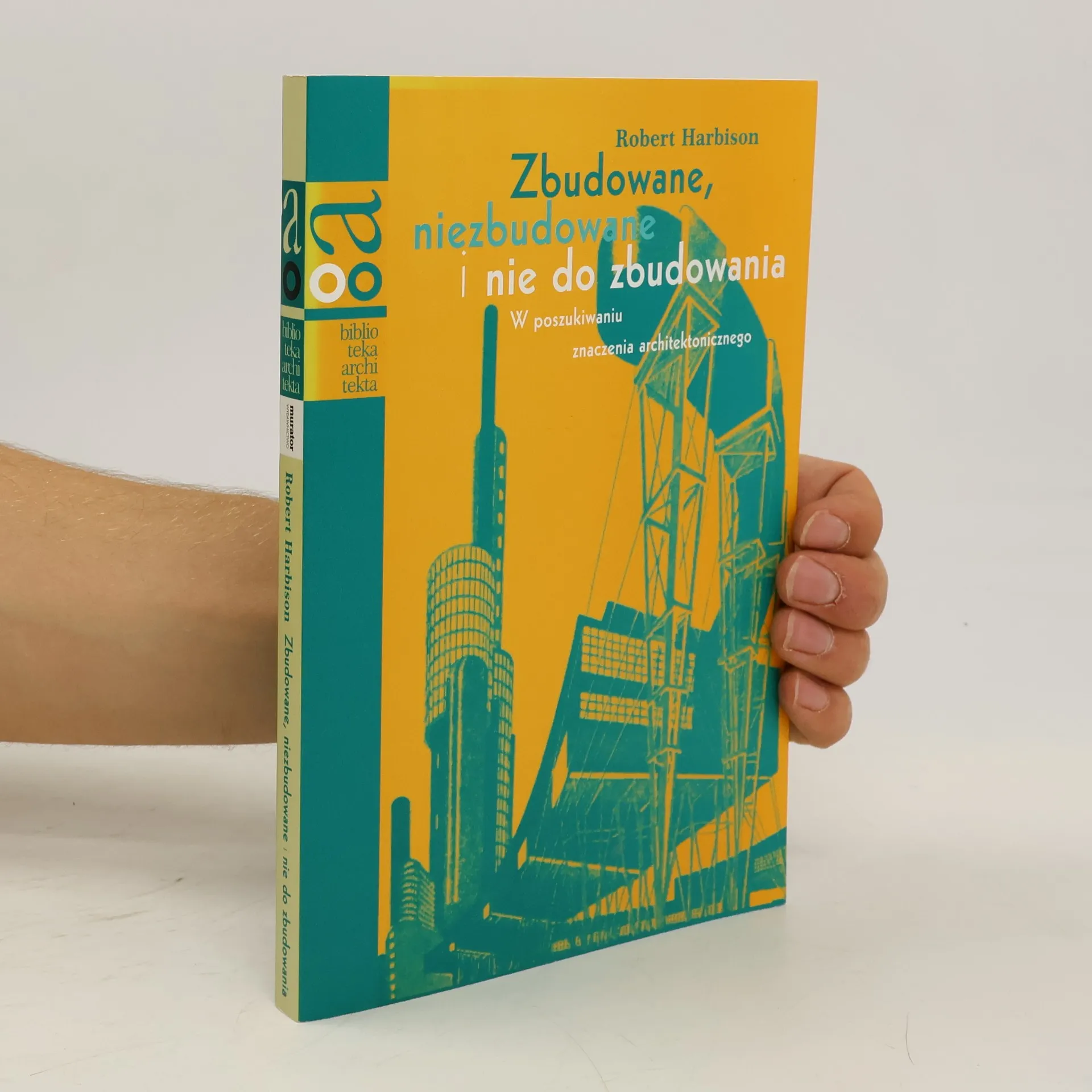
Robert Harbison has acquired a reputation for looking at architecture in a highly original way. The questions he asks are those deliberately suppressed by conventional architectural historians: What draws me to this building? What meaning intended or unintended - does it have? Has that meaning changed through time?
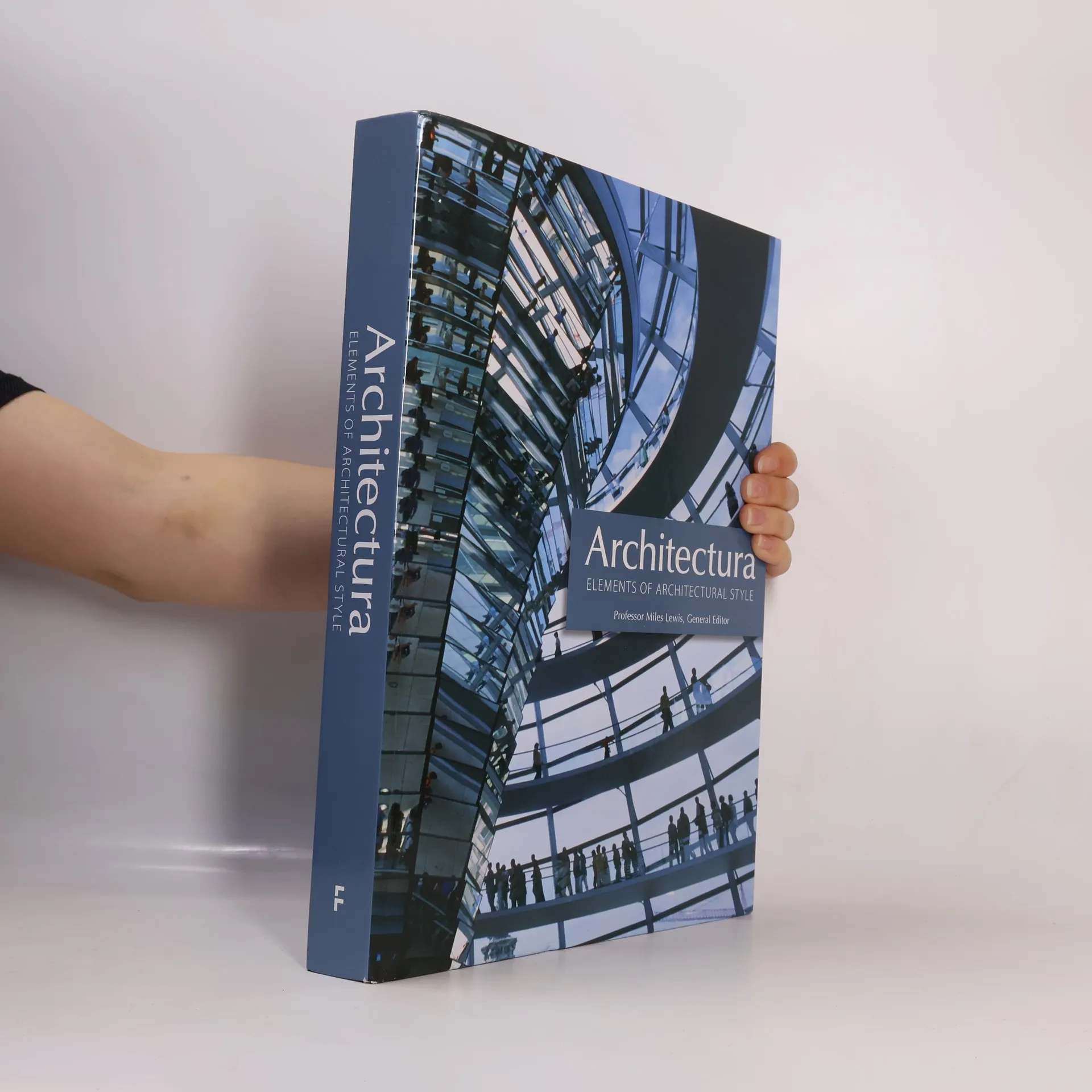
Art lovers, students, and travelers will appreciate this beautifully bound, lavishly illustrated book that explores the architectural elements of buildings and monuments. It delves into arches, domes, roofs, walls, entrances, windows, arcades, and ornamental details that define each structure's character. The volume presents these elements from both aesthetic and structural perspectives, featuring technical drawings alongside interior and exterior photos of global architectural landmarks. Structures range from classical Greek and Roman buildings to the modern Gateway Arch in St. Louis. Variations on architectural elements are illustrated and analyzed, including the Roman Arch, Lancet Arch of Gothic cathedrals, Ogee Arch of Venice's Palace of the Doges, and the Four-Centered Arch in Moorish Islamic architecture. Readers gain a deeper appreciation for the planning and construction behind cathedrals, mosques, government buildings, mansions, office blocks, museums, castles, and theaters. Hundreds of full-color photos and illustrations enhance the experience. A detailed analysis of the Hagia Sophia, originally a Christian church transformed into a mosque, showcases the construction techniques of ancient Roman architects, highlighting its magnificent central dome through cross-section drawings.