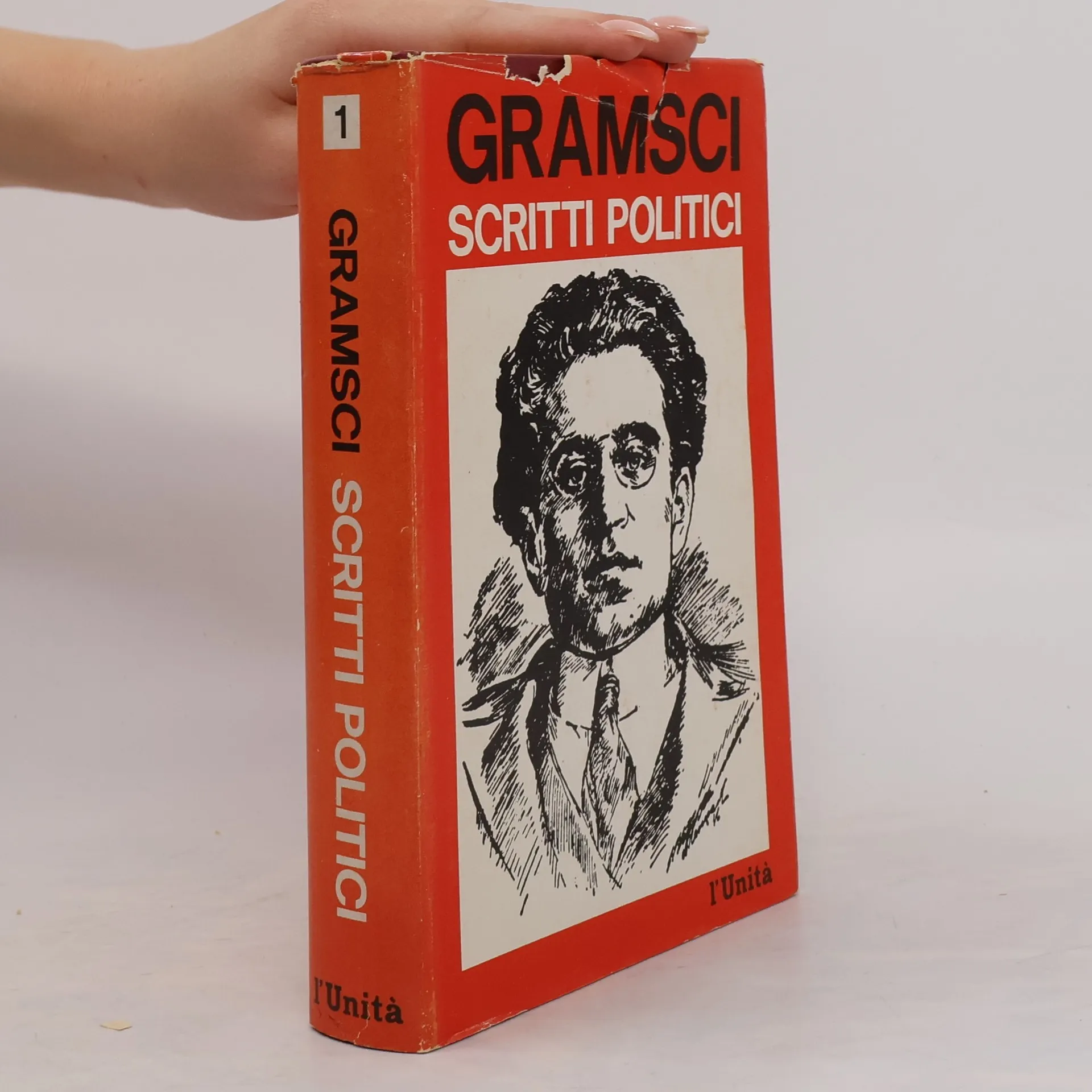
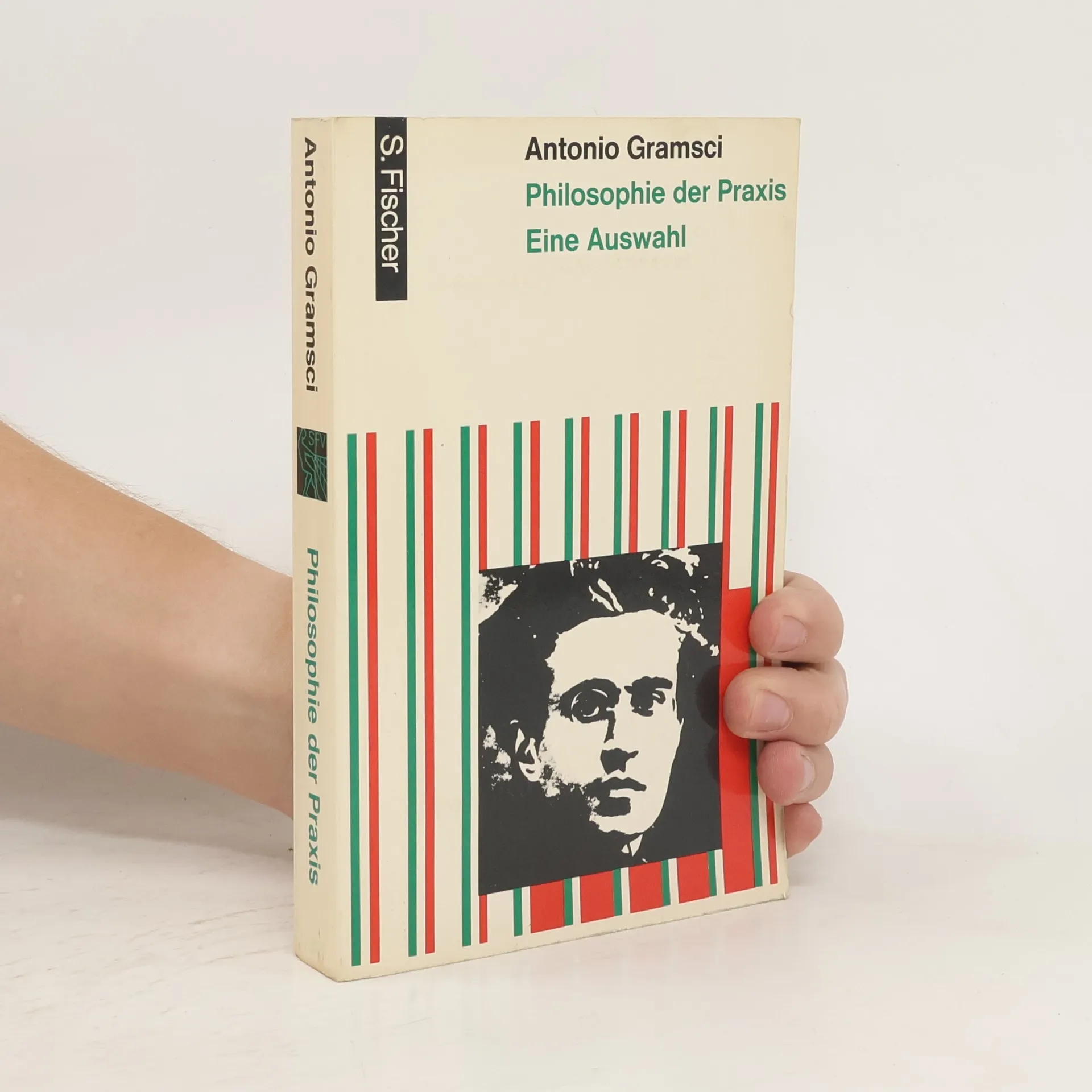
Gefängnisbriefe / Gefängnisbriefe Band IV
Briefwechsel mit der sardischen Familie 1926–1936


Antonio Gramsci bol mimoriadne originálny mysliteľ, ktorého dielo sa zaoberá hlbokou analýzou kultúry a politického vedenia. Bol kľúčovou postavou v marxistickej tradícii a je známy svojím konceptom kultúrnej hegemónie, ktorý vysvetľuje, ako si štát udržiava moc v kapitalistickej spoločnosti. Gramsciho práce, ovplyvnené jeho politickou angažovanosťou a skúsenosťou s väznením, ponúkajú prenikavý pohľad na vzťah medzi mocou, kultúrou a ideológiou. Jeho myšlienky naďalej formujú teoretické debaty o spoločenskej kontrole a politickej zmene.

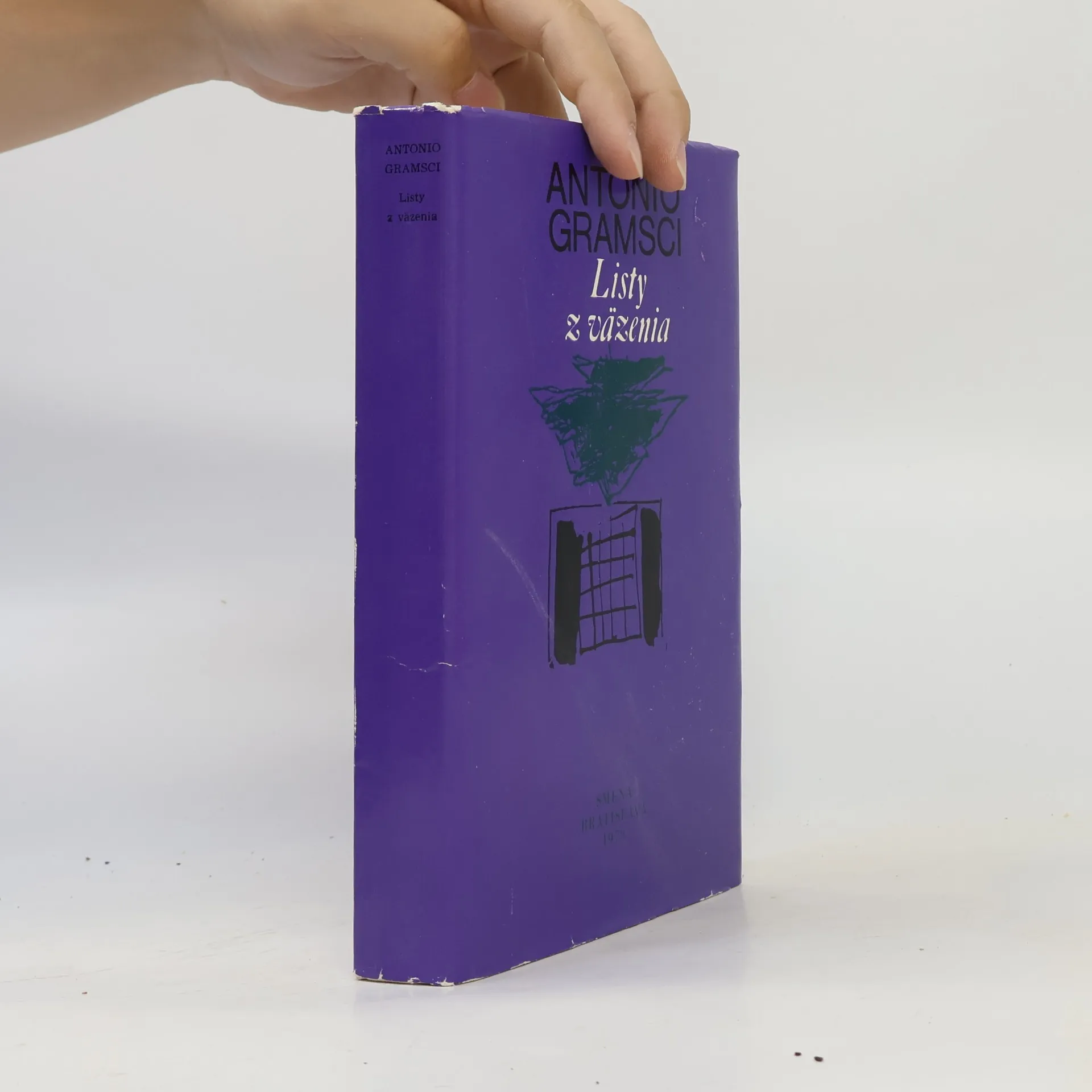
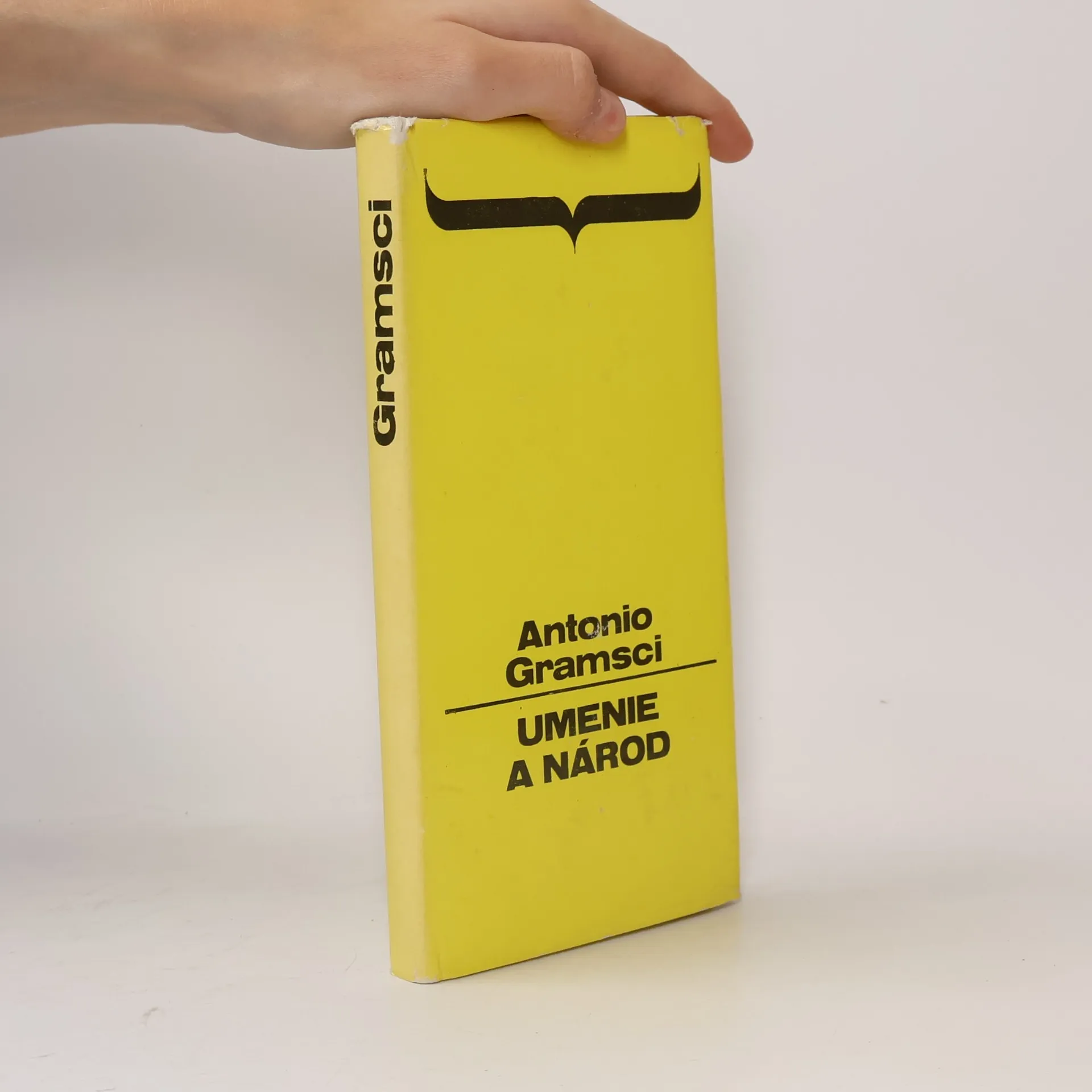
Briefwechsel mit der sardischen Familie 1926–1936
Antonio Gramscis Begriff der Subalternen ist im Kontext der Postkolonialen Studien von großer Bedeutung. In seinen »Gefängnisheften« entwickelt Gramsci diesen Begriff und verknüpft ihn mit der »Frage des Südens«, die sich auf die strukturelle Ungleichheit in Italien bezieht und die Hegemoniefrage territorialisiert. Der Reader enthält mehrere Frühschriften aus den Jahren 1919–1926, in denen Gramsci die politische Relevanz der Südfrage für die hegemoniale Strategie der italienischen Arbeiterbewegung analysiert. Besonders hervorzuheben ist der Aufsatz »Einige Gesichtspunkte der Südfrage« (1926), der eine Schlüsselrolle für sein Hauptwerk spielt. Er wird ergänzt durch Gramscis Beitrag zum III. Parteitag des PCI, die »Thesen von Lyon«, sowie Artikel aus dem Ordine Nuovo. Die kommentierte Neuübersetzung berücksichtigt den aktuellen Stand der Reflexion zu Gramscis Sprache und Begrifflichkeiten. Der zweite Teil des Readers enthält Auszüge aus den »Gefängnisheften«, in denen die Analyse der Südfrage vertieft wird, sowie zentrale Passagen zur Theorie der Subalternen. Diese verdeutlichen, dass der Begriff nicht lediglich das Proletariat bezeichnet und dass subalterne Gruppen nicht nur im Süden, sondern auch »an den Rändern der Geschichte« zu finden sind.
This volume presents the first complete translation of Antonio Gramsci's notes on the concept of subalternity, including the prison notebook devoted to the theme of subaltern social groups. It includes a critical apparatus that clarifies Gramsci's history, culture, and sources and contextualizes these ideas against his earlier writings and letters.
A collection of letters is also essentially a biography – here of a man recognized as one of the twentieth century’s leading thinkers. By translating and presenting for the first time many letters previously overlooked by other volumes, this collection greatly expands what the English-speaking world knows of him, both politically and personally. These extracts from his pre-prison correspondence—with his wife and her sister, international communist leaders, and fellow Italian revolutionaries—show his most important ideas at their beginnings, and give a well rounded picture of Gramsci’s political, intellectual, and emotional development. Antonio Gramsci (1891–1937) was a founding member of the Italian Communist Party, and among the twentieth century's most influential theorists.
This collection offers an in-depth exploration of Antonio Gramsci's insights into the interplay between culture and politics. It presents a wide array of his writings, making his complex theories accessible to English-speaking audiences. Through Gramsci's lens, readers will gain a better understanding of how cultural hegemony shapes political dynamics and societal structures, providing valuable context for contemporary political discourse.
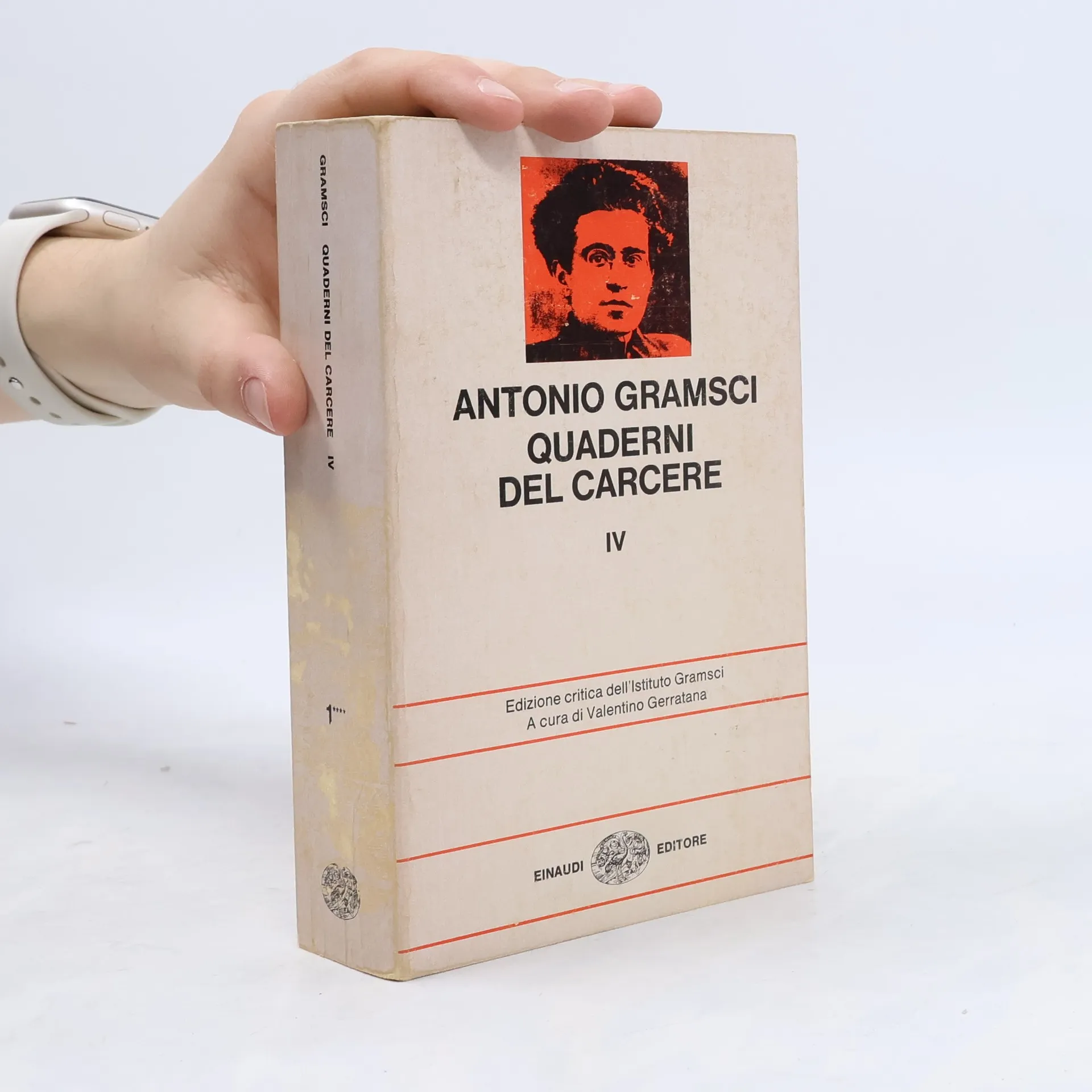
Kritische Gesamtausgabe in 10 Bänden
The collection features Antonio Gramsci's poignant and intimate prison letters, providing a profound insight into his thoughts and experiences during incarceration. Recognized as the definitive edition, it offers readers an authoritative perspective on Gramsci's reflections on politics, culture, and personal struggles, showcasing his literary prowess and philosophical depth. This edition stands out for its completeness, making it an essential resource for understanding Gramsci's legacy and influence.
Based on the authoritative Italian edition of Gramsci's work, 'Quaderni del Carcere', this translation presents the intellectual as he ought to be read and understood.
Antonio Gramsci (1892-1937) zählt zu den bedeutendsten politisch-philosophischen Denkern Europas, dessen Werk zunehmend in Deutschland rezipiert wird. Die Briefe, parallel zu den „Gefängnisheften“ verfasst, bieten einen Zugang zu Gramscis Persönlichkeit und den Wurzeln seines Denkens. Bereits 1947 erschien in Italien eine erste Auswahl der „Gefängnisbriefe“, die als herausragendes Dokument der europäischen Geistesgeschichte gefeiert wurde. Italo Calvino bemerkte, dass diese Sammlung von Familienbriefen ihren Wert in der europäischen Kultur behalten wird und von zukünftigen Generationen gelesen werden wird. Gramscis Selbstporträt entfaltet sich im Dialog mit seinen Briefpartnerinnen, insbesondere im zweiten Band, der den intensiven Austausch mit seiner Schwägerin Tanja Schucht von 1926 bis 1930 dokumentiert. Tanja hält den persönlichen und brieflichen Kontakt während seiner gesamten Haft aufrecht und ist eine zentrale Gesprächspartnerin für die Themen der Gefängnishefte. Zudem vermittelt sie die Diskurse über politische und ökonomische Theorien, die Gramsci mit Piero Sraffa führt. Der in Vorbereitung befindliche dritte Band wird die Jahre 1931 bis 1935 abdecken und endet mit Gramscis Überführung in die Klinik Quisisana in Rom im August 1935.
The notebooks of Antonio Gramsci, written during his imprisonment by the Italian Fascist regime, showcase a vast array of topics including history, political theory, and cultural analysis. These writings, intended for personal reflection rather than publication, provide insight into Gramsci's influential ideas on the role of intellectuals, education, and society. They serve as a unique glimpse into his intellectual process, revealing how he developed his thoughts on Americanism, Fordism, religion, and more, solidifying his legacy as a key figure in Western Marxism.
Jedes Verhältnis von >Hegemonie< ist notwendigerweise ein pädagogisches Verhältnis. Diese Studienausgabe bietet eine Auswahl der zentralen thematischen Entwürfe zu Erziehung und Bildung, einschließlich der Rolle der Intellektuellen in der Gesellschaft, der pädagogisch-ethischen Funktionen von Staat und Zivilgesellschaft sowie dem Alltagsverstand als Ausgangspunkt für gesellschaftliche Bildung und kritische Subjektwerdung. Auch schulpolitische Überlegungen, insbesondere die emanzipatorische Bedeutung der >Einheitsschule<, werden behandelt. Im Dezember 2002 wurde die Kritische Gesamtausgabe der Gefängnishefte mit dem Registerband abgeschlossen, was erstmals ein gründliches Studium von Gramscis politisch und wissenschaftlich relevanten Werk in deutscher Sprache ermöglicht. Die Gesamtausgabe bietet den vollständigen Entstehungskontext und setzt Maßstäbe für die Forschung. Für diejenigen, die aus verschiedenen Gründen nicht auf die Gesamtausgabe zugreifen können, werden in den kommenden Jahren thematische Auswahlbände erscheinen. Diese Bände werden thematisch verwandte Texte Gramscis zu politisch und theoretisch wichtigen Schwerpunkten zusammenstellen und mit wissenschaftlichen Kommentaren versehen, um sie für Studienzwecke zugänglich zu machen.
A selection of Gramsci's writings in one volume including his most important political, cultural and historical work. The collection focuses on key concepts - such as hegemony, passive revolution, civil society, common sense - and important texts on Americanism and Fordism, and popular culture. schovat popis
This volume was the first selection published from the Antonio Gramsci's Prison Nobebooks to be made available in Britain, and was originally published in the early 1970s. It contains most of the key writings by Gramsci, including the text of The Modern Prince.
Tra il 1916 e il 1918, sull'edizione torinese dell'Avanti!, Antonio Gramsci tenne una rubrica di scritti polemici e commenti di costume: "Sotto la mole". "Piove, governo ladro!" presenta una scelta di quegli articoli: piccoli apologhi sulla morale e sul costume degli italiani, condotti con lucida ironia. È un'occasione per vedere all'opera quel giornalismo "integrale", indipendente e spregiudicato ma animato da una limpida tensione morale, che Gramsci non si limitò soltanto a teorizzare.
Brings together Gramsci's writings on religion, education, science, philosophy and economic theory. The theme that links these writings is the investigation of ideology at its different levels, and the structures which embody and reproduce it.
A wide-ranging 1994 collection of Gramsci's pre-prison writings which reveals the genesis of much of his later innovatory work.
Italian
Jetzt komplett bei Argument Antonio Gramsci: Gefängnishefte Die deutsche Ausgabe der Gefängnishefte ist ein unverzichtbares Kompendium für alle politisch, kulturell und philosophisch Interessierten, die an den zentralen emanzipatorischen Gedankenformationen des 20. Jahrhunderts partizipieren wollen. "Gerade in diesen Wochen hat Gramscis Begriff der 'Zivilgesellschaft' ganz unverhofft neue Beachtung gefunden. In Zeiten knapper Kassen wirbt der Staat für ein erneuertes bürgerliches Selbstverständnis. Trüge die Gesamtausgabe dazu bei, Gramsci nicht als Ideologen, sondern als Analytiker öffentlicher Debatten und zugleich als ihren fähigen Moderator vorzustellen, hätte sie ihre vornehmste Aufgabe erfüllt."
Recueil de 47 lettres extraites de ##Lettres en prison## de Gramsci. L'auteur s'adresse particulièrement à ses enfants, alors qu'il est incarcéré pour vingt ans, à Turi, dans le sud de l'Italie. Dans des textes simples et graves, papa Antonio raconte, à Delio et Giuliano, ses deux fils, des histoires et des souvenirs d'enfance et s'intéresse à leurs activités scolaires et autres.
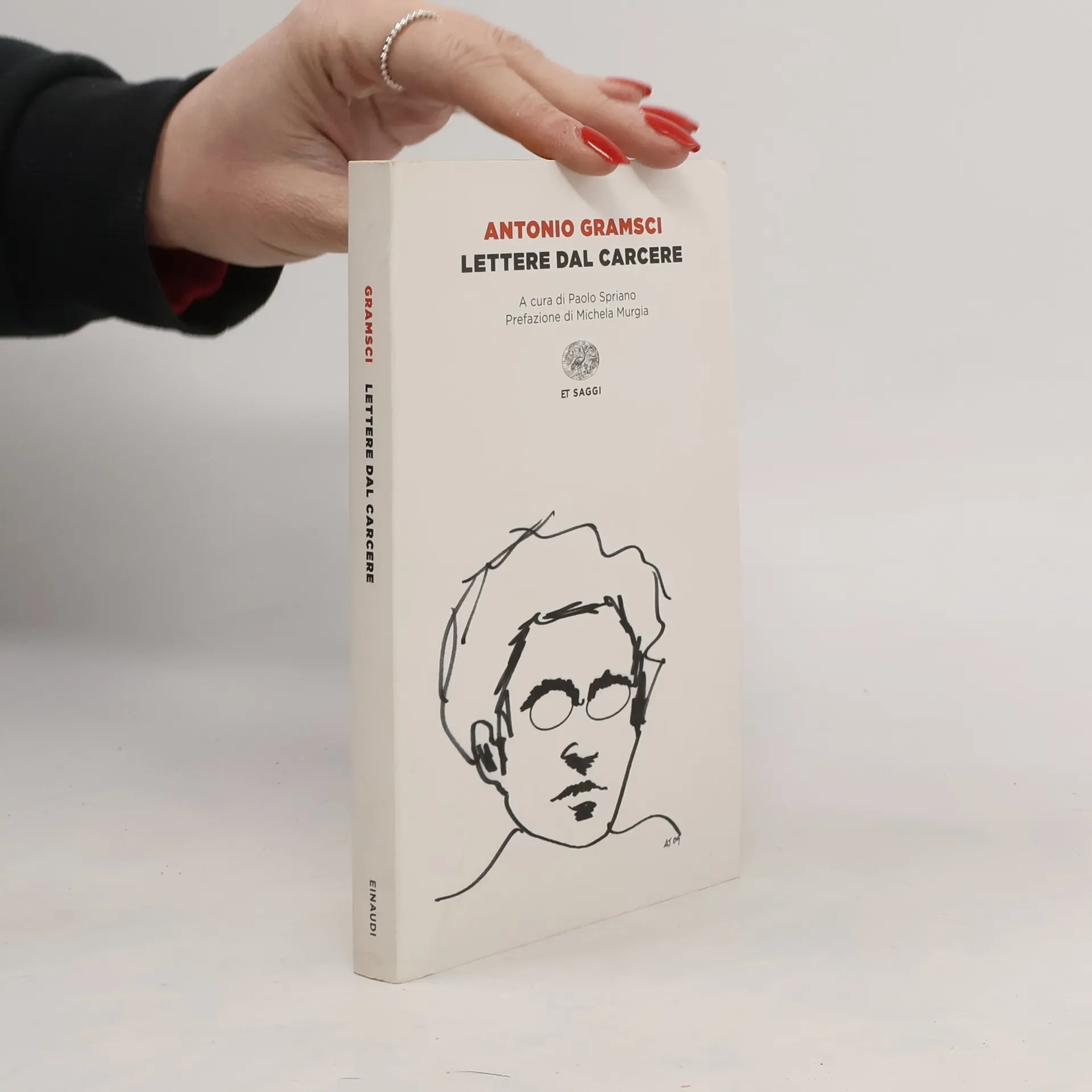
"Credi che la corrispondenza mi preme molto: è il solo legame che mi unisce al mondo ed è ciò che rompe di tanto in tanto la mia segregazione e il mio isolamento" scriveva Antonio Gramsci (Ales, 1891 – Roma, 1937) alla cognata Tania nel maggio 1927 dal carcere. Gramsci era stato condannato a 20 anni nel 1926 per ordine del regime fascista. Durante la prigionia scrisse numerose lettere ad amici e familiari, fin quando gli fu concessa la piena libertà il 21 aprile 1937, per gravi problemi di salute che lo portarono alla morte una settimana più tardi. Questa raccolta comprende le lettere scritte tra il 1926 e il 1936, le quali offrono uno sguardo sul mondo intellettuale e privato di un personaggio chiave della storia italiana, tra aneddoti quotidiani e riflessioni morali, tra piccole gioie, come una rosa che fiorisce o un passerottino che si fa imboccare di briciole, e grandi dolori, come la malattia, l'isolamento o le incomprensioni e i rimproveri a coloro da cui Gramsci si sente sempre più abbandonato.
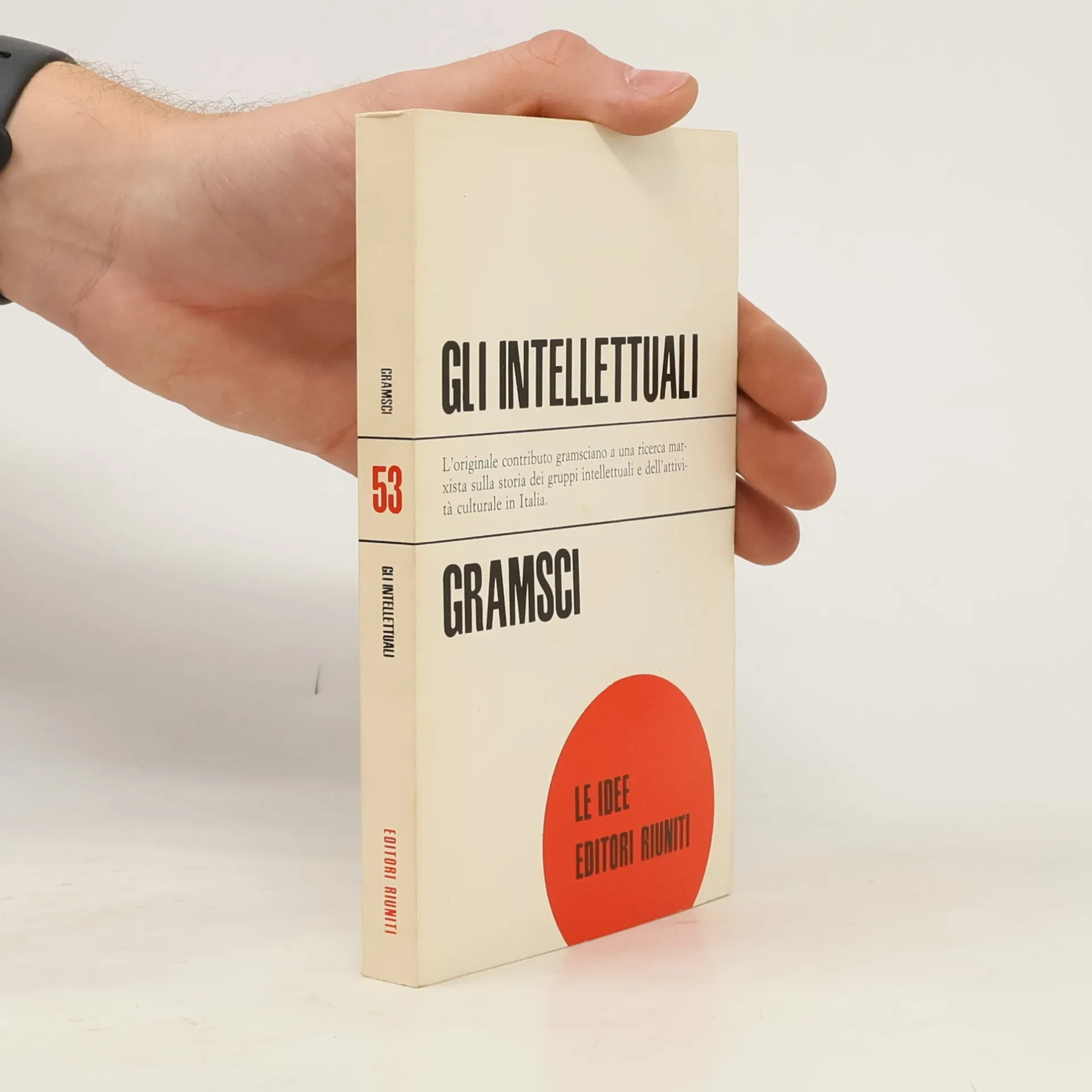
L'originale contributo gramsciano a una ricerca marxista sulla storia dei gruppi intellettuali e dell'attività culturale in Italia
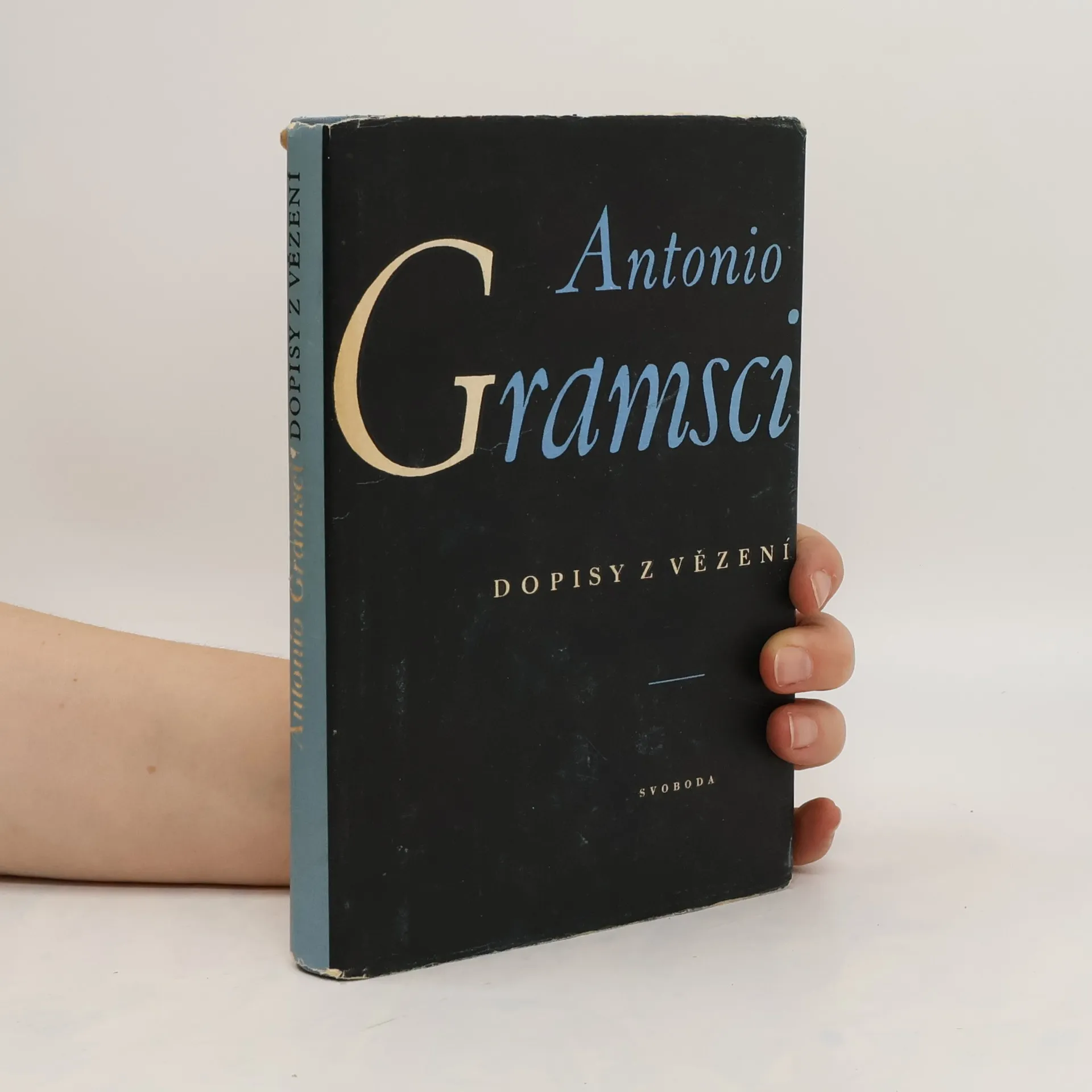
Die hier vorgelegte Auswahl der Briefe, die der italienische Philosoph und Politiker Antonio Gramsci aus den Gefängnissen des faschistischen Italien an Familienangehörige und Freunde schrieb, verfolgt in erster Linie das Ziel, das Interesse an der Person und dem Werk des Mannes zu wecken, der neben Georg Lukács der wohl bedeutendste marxistische Philosoph der Zeit zwischen den beiden Weltkriegen war.(Dieser Text bezieht sich auf eine frühere Ausgabe.)
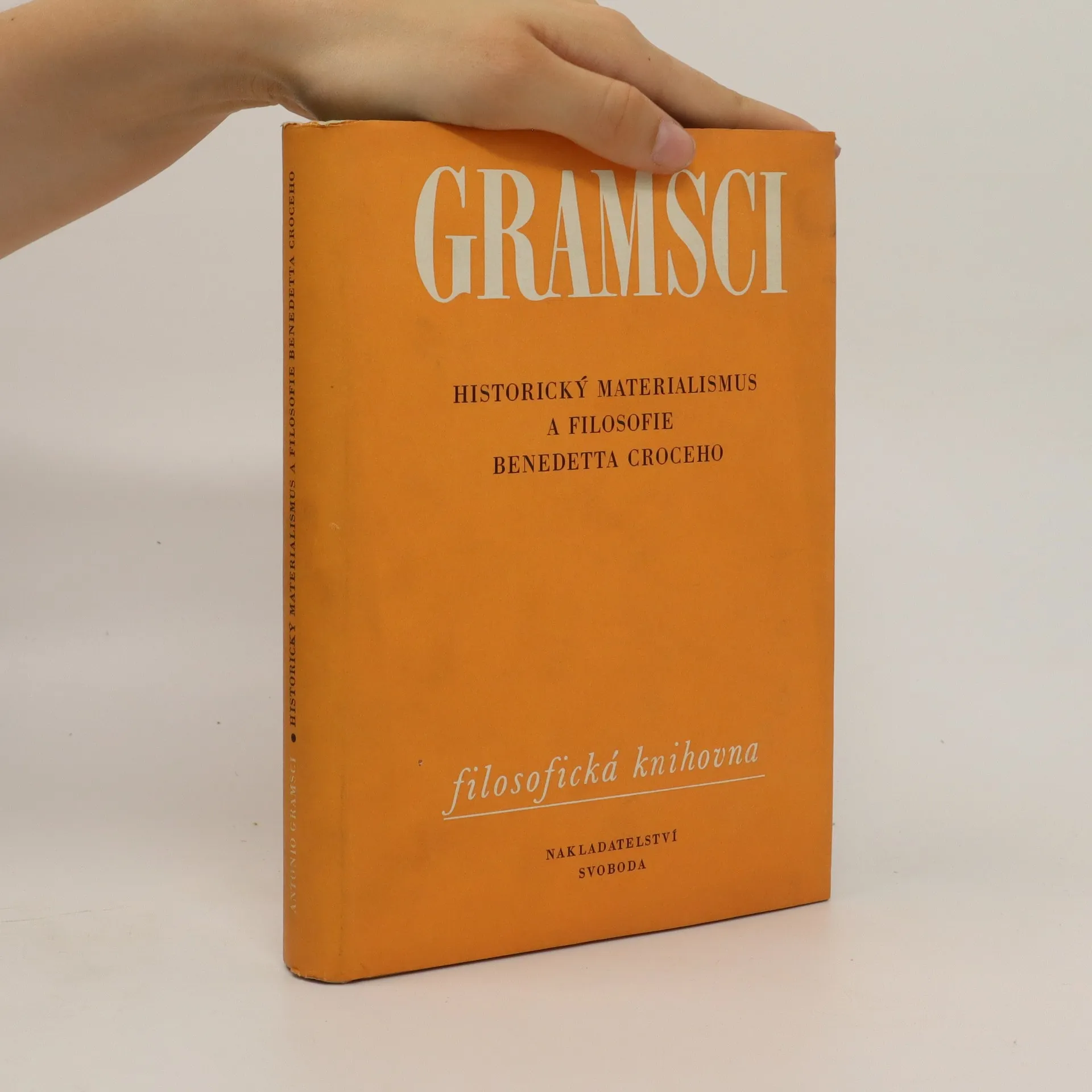
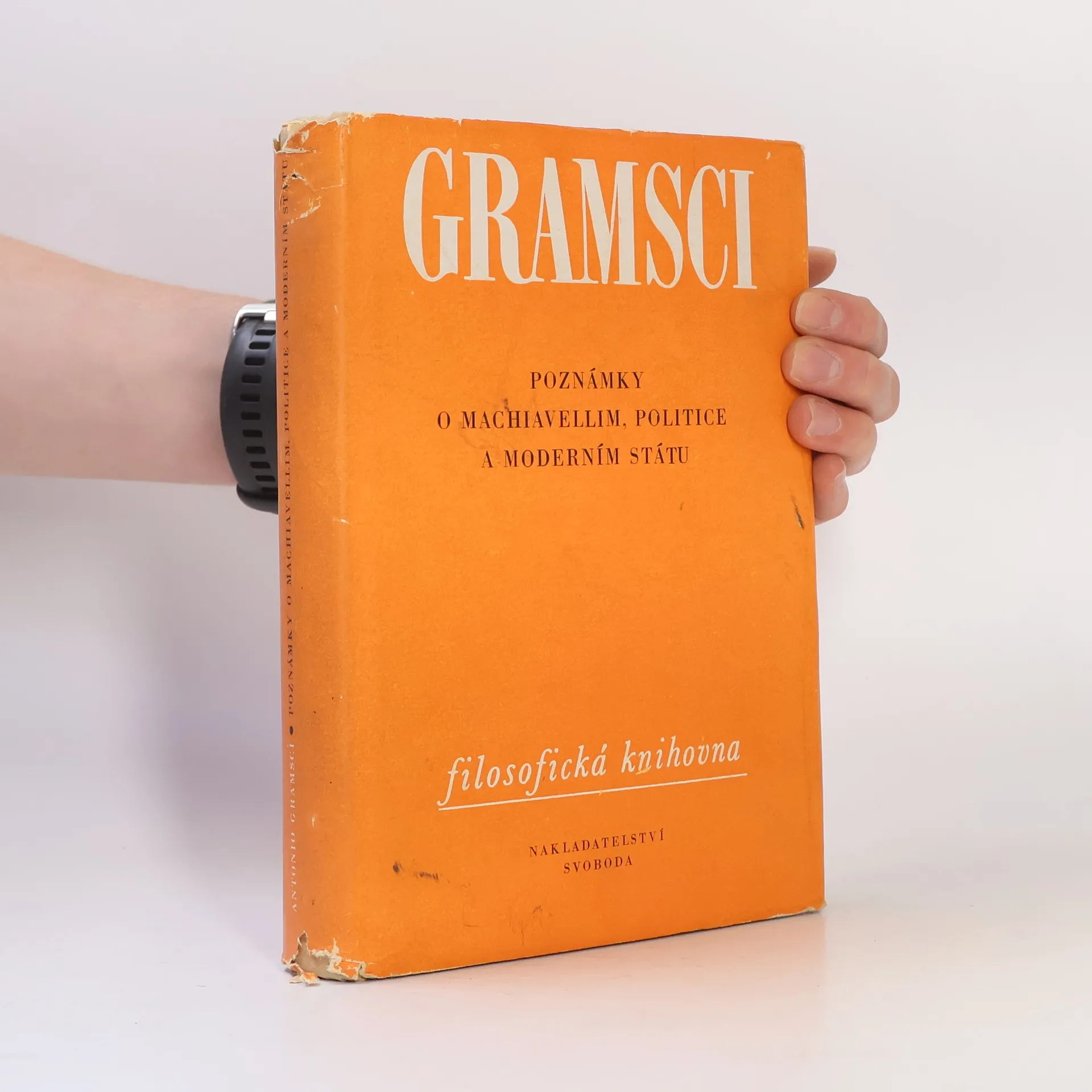
Kapesní výbor z Gramsciho politického myšlení se zaměřuje na klíčové aspekty vztahu mezi morálkou a politikou, politickými stranami a revolučním či reformistickým jednáním. Obsahuje poznámky k některým aspektům struktury politických stran v obdobích organických krizí, analýzu role státu a stran a úvahy o předvídání a perspektivě v politickém kontextu. Gramsciho myšlenky nabízejí hluboký pohled na dynamiku moci a ideologie, což je zásadní pro pochopení politických procesů a strategií.
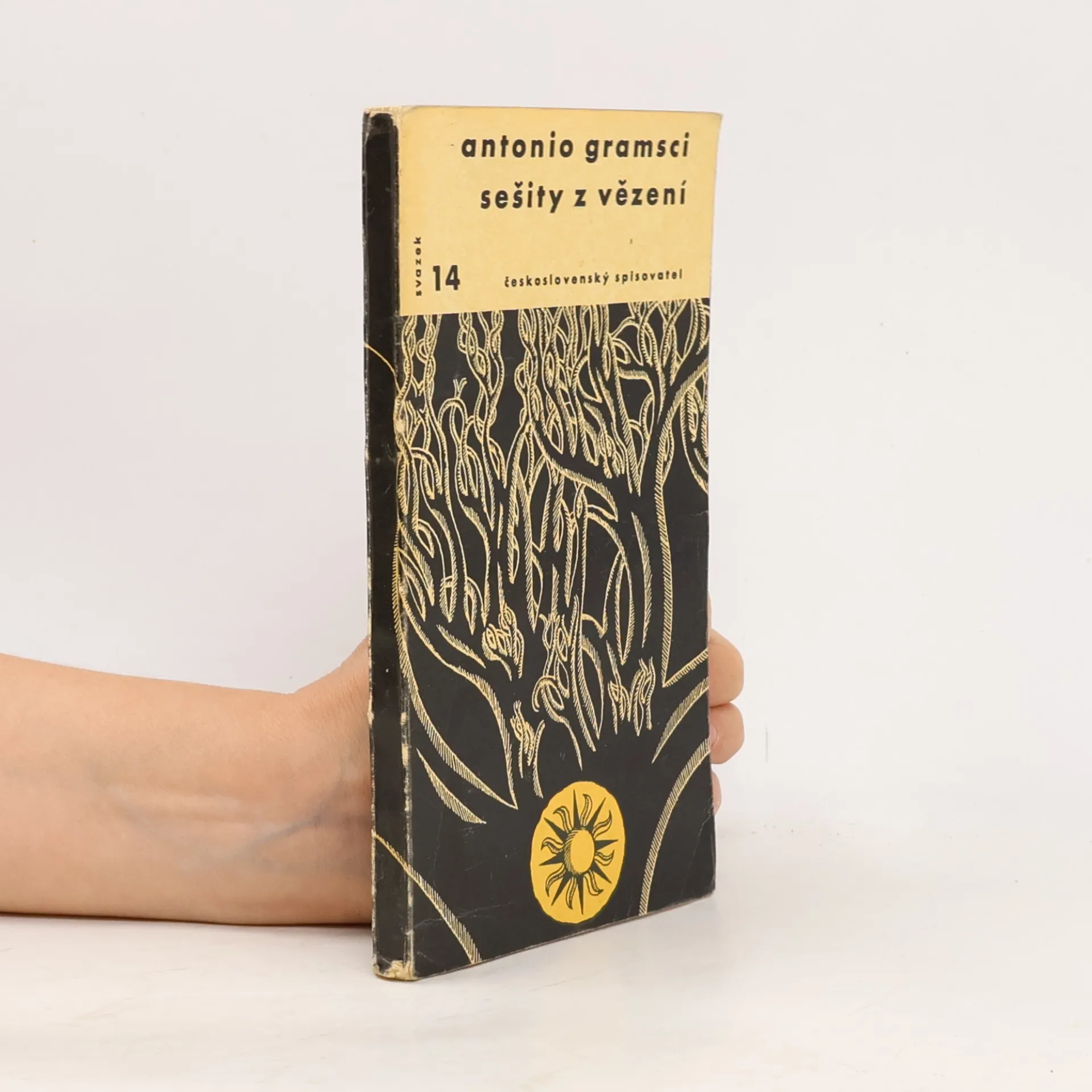
Výbor z kritických statí, které ve fašistickém vězení psal vedoucí představitel Komunistické strany Itálie. Obsahuje svérázné marxisticky podložené úvahy o italském kulturním životě, o lidové literatuře, o význačných představitelích italské literatury, o společenské funkci intelektuálů.
Výbor z kritických statí, které ve fašistickém vězení psal vedoucí představitel Komunistické strany Itálie. Obsahuje svérázné marxisticky podložené úvahy o italském kulturním životě, o lidové literatuře, o význačných představitelích italské literatury, o společenské funkci intelektuálů.