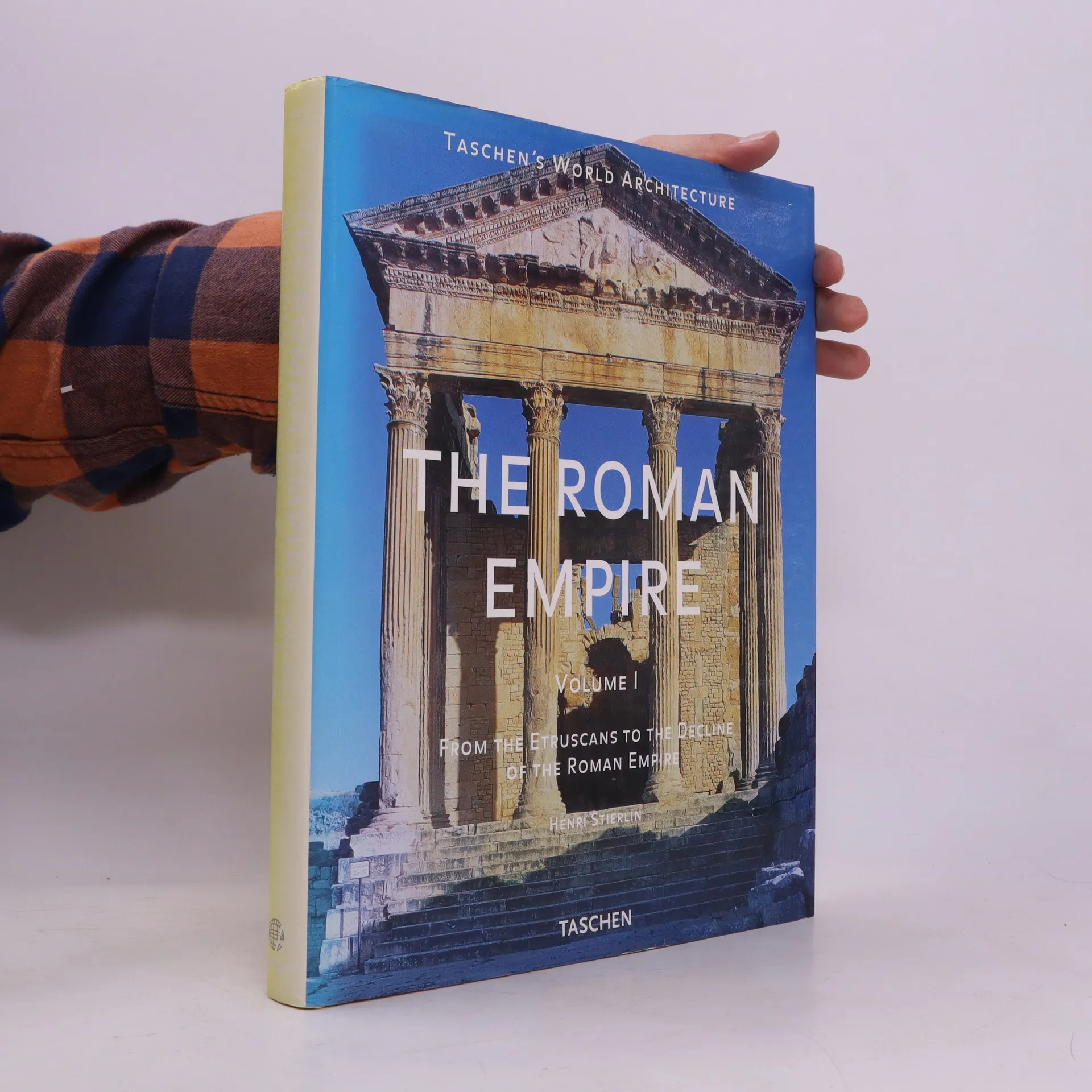
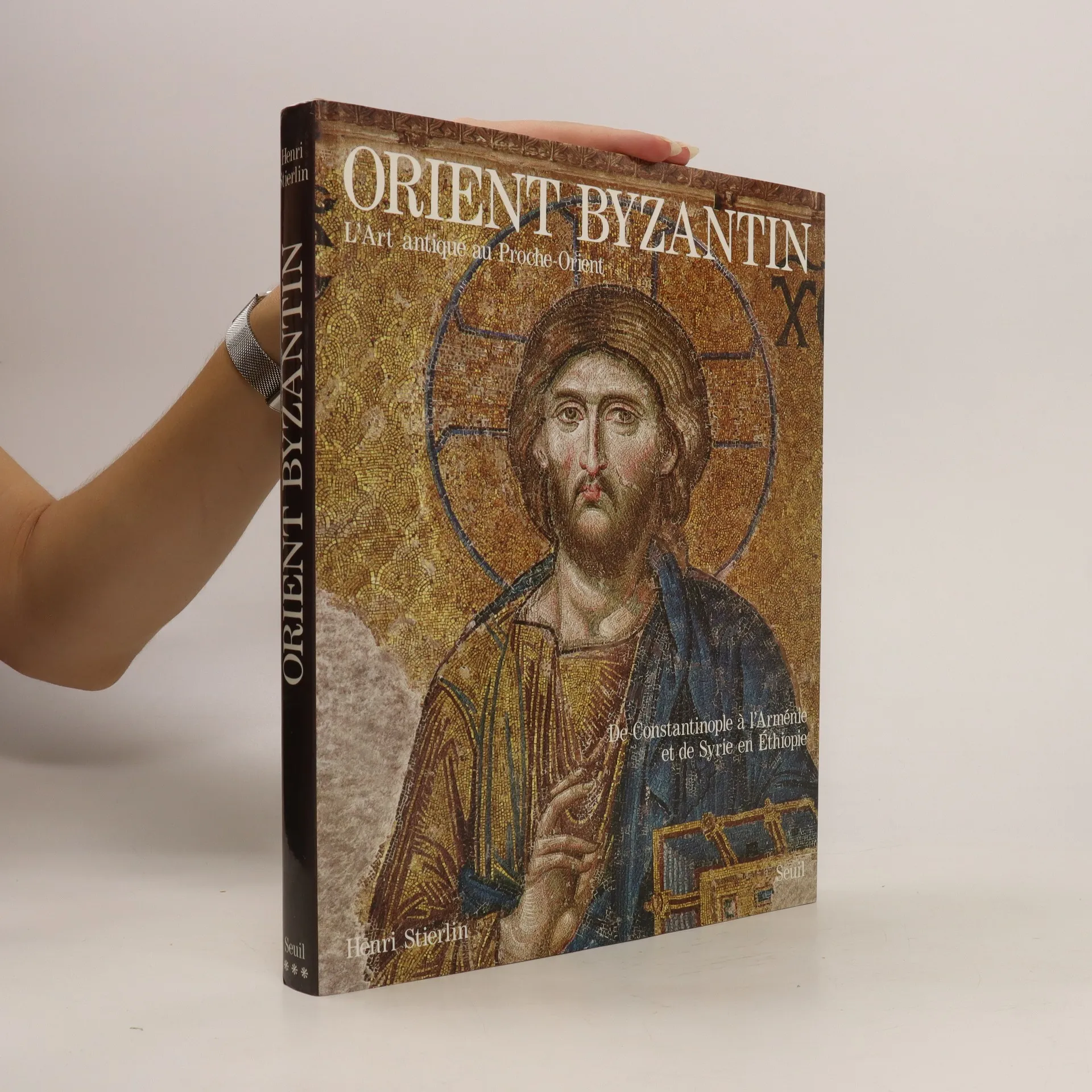
This volume deals with Roman architecture in Italy, France, Spain, the Rhineland, and North Africa. It covers all the major Roman amphitheatres and arenas, temples and baths, aqueducts and fortresses, as well as Pompeii and Hardpan's Villa at Tivoli.
This volume retraces the development and magnificent flowering of Mayan architecture in Mexico, Guatemala, Honduras and Belize over the period 300 B.C.-A.D. 1500. Tikal, the earliest Mayan religious centre, Palenque famous for its ceremonial centre, and Copan with its hieroglyphic staircase featuring 2500 glyphs are among the cities featured, along with Chichen Itza and its ball court, and Bonampak and its frescoes. These astounding creations testify to the knowledge and refinement of the most advanced of the pre-Columbian civilizations. Book jacket.
This illustrated journey through the world of classical Greece focuses upon the significance of Greek antiquity; the wealth of its cultural treasures; and the various periods and the spread of Greek culture as far as southern Italy and Persia.
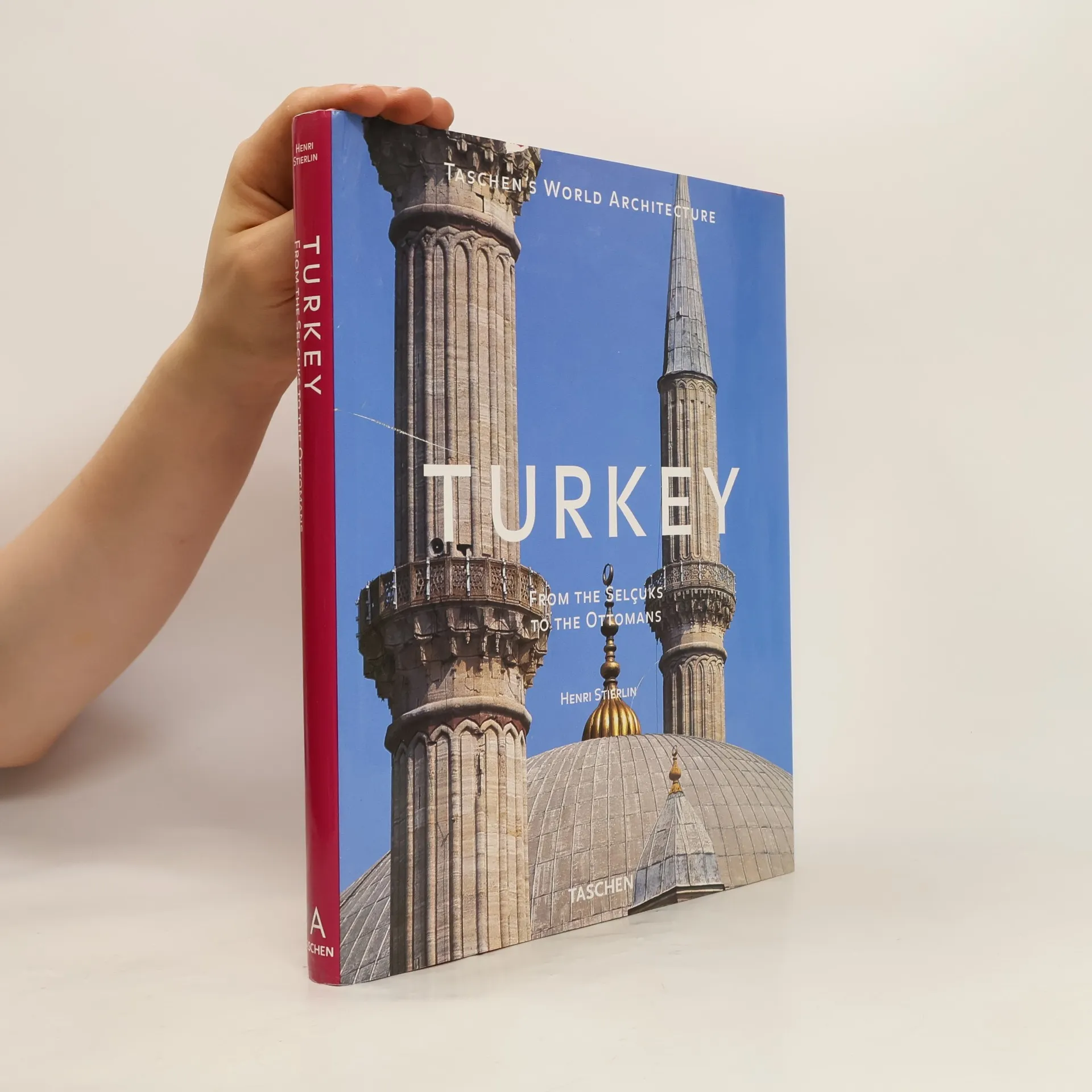
From the Selcuk period and the early Ottoman style of Iznik and Bursa to the classicism of Edirne and the masterpieces of Sinan, this volume sets out the achievements of Islamic architecture from the 13th to the 19th century. Henri Stierlin's vivid account includes portraits of such key figures as the celebrated court architect, Sinan, Sultan Suleyman the Magnificent and Grand Vizier Mehmet Pasa Sokollu.
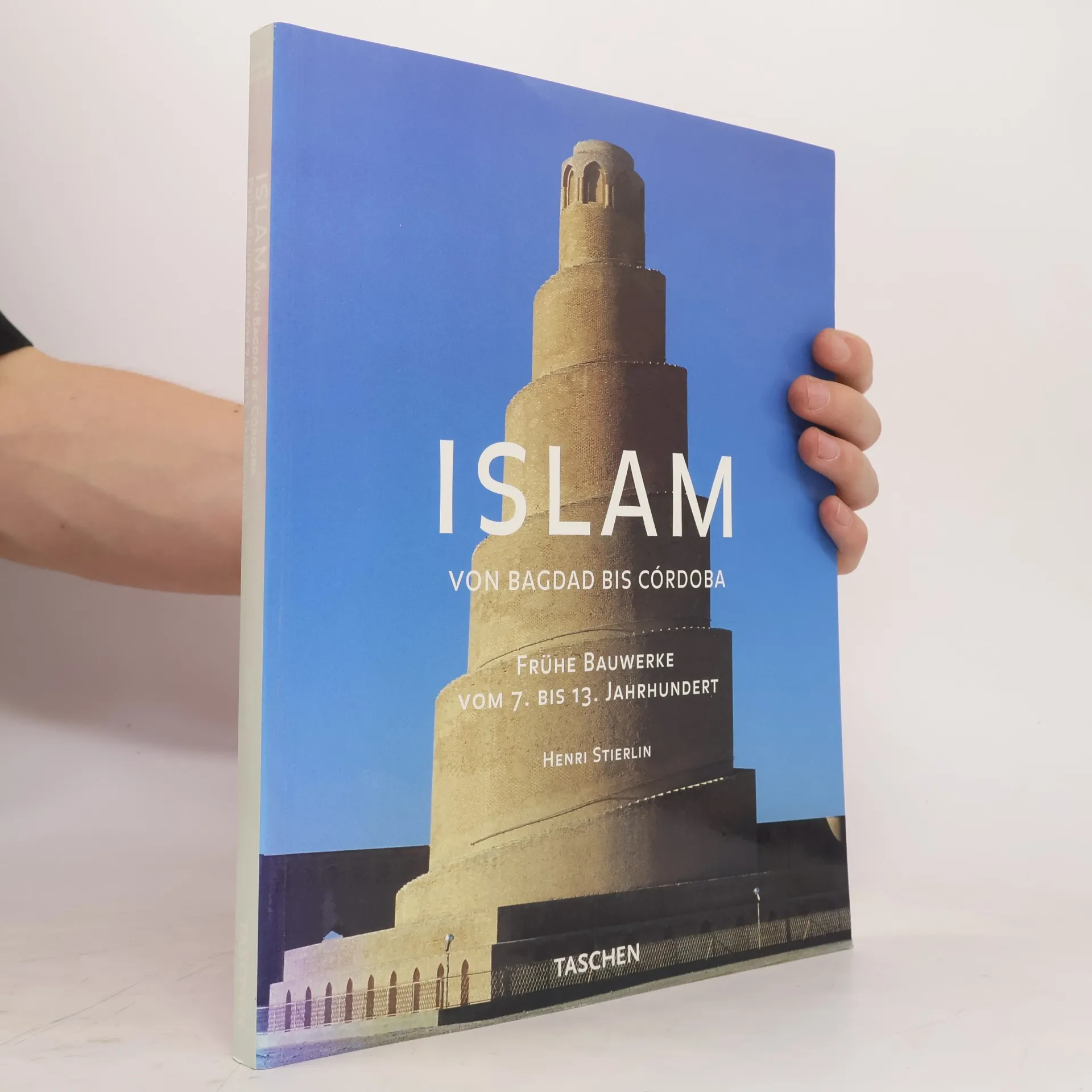
Dieser Band ist eine beeindruckende Übersicht über mehr als 600 Jahre islamischer Architektur, vom siebten bis zum dreizehnten Jahrhundert, in einer Region, die sich vom Nahen und Mittleren Osten bis nach Sizilien, zum Maghreb und nach Andalusien erstreckt. Er präsentiert Meisterwerke der islamischen Architektur, vom unvergleichlichen Felsendom in Jerusalem bis zu den geheimnisvollen Umayyadenpalästen in den Wüsten Syriens und Palästinas, von den prächtigen Residenzen der Kalifen in Samarra und Saragossa bis zu den Großen Moscheen von Damaskus, Kairouan und Córdoba.
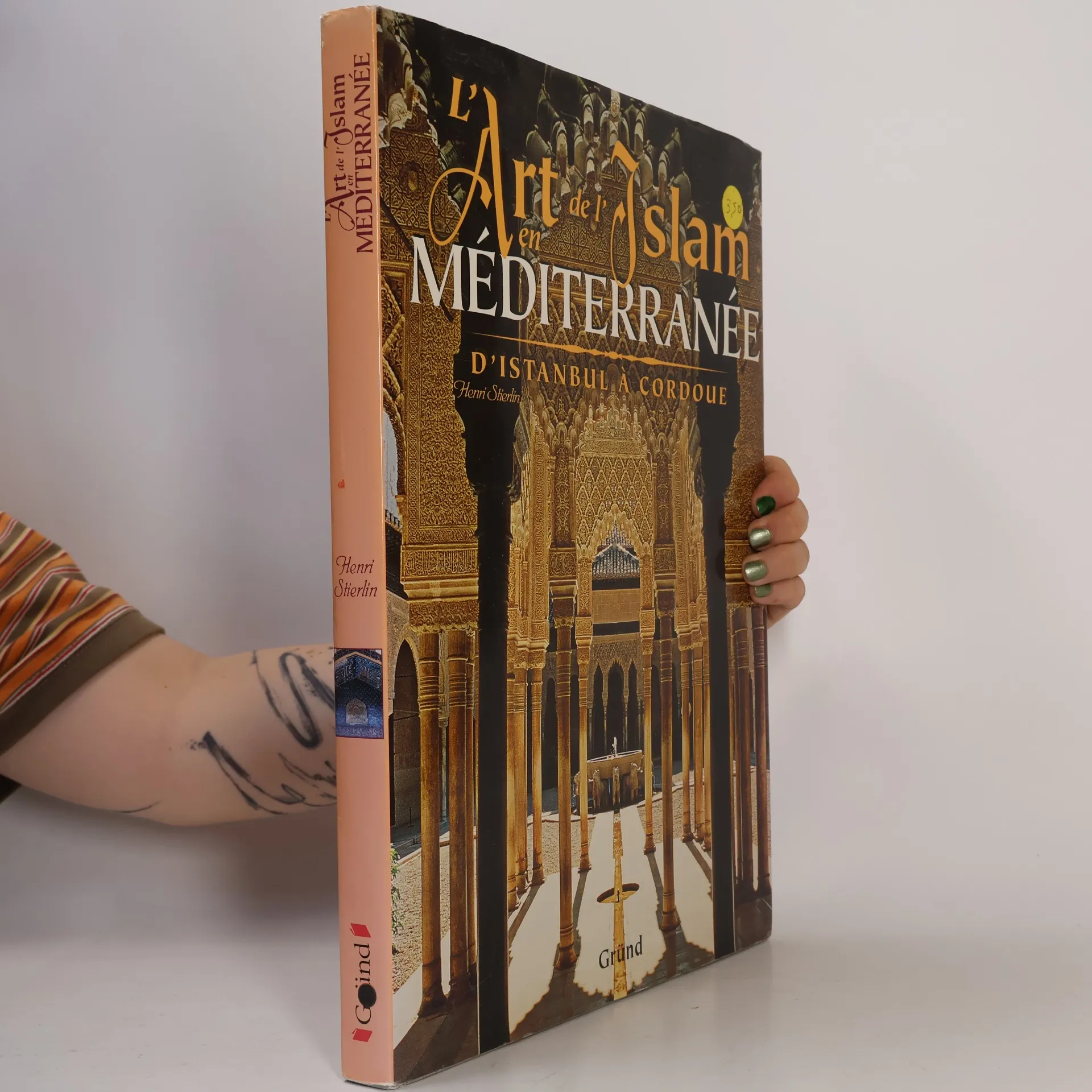
L'art islamique a toujours produit des merveilles. Dès 687, le Dôme du Rocher s'élève à Jérusalem, suivi de la Grande Mosquée à Damas, alors capitale d'un empire en pleine expansion. En 750, les chevaliers de l'Islam s'étendent jusqu'à l'Atlantique, faisant de Cordoue le cœur d'un puissant califat. Ce livre, riche de plus de 400 photographies, dévoile les réalisations fastueuses des dynasties qui ont marqué l'histoire pendant plus d'un millénaire : Omeyyades, Abbassides, Turcs seldjoukides, Fatimides, Ayyubides, Mamelouks, Aghlabides, Almohades, Mérinides, Nasrides et Ottomans. Les splendeurs artistiques et architecturales, de la miniature à la calligraphie, illuminent un Occident influencé par une foi nouvelle. Les arts, techniques et sciences prospèrent, notamment en architecture avec mosquées, écoles coraniques, palais, forteresses, aqueducs, jardins, hammams et mausolées. L'esthétique du décor abstrait, mêlant méandres, mosaïques géométriques et arabesques, illustre la créativité des artistes islamiques. Parmi les réalisations majeures figurent l'Alhambra et ses jardins, la mosquée Süleymaniye, la mosquée de Kairouan, les écoles coraniques de Fès, l'Aljaferia de Saragosse et la citadelle d'Alep, témoignant de la richesse et du raffinement de l'art islamique.