

Although Denmark and Norway were occupied for most of World War II, their patriot forces aided the Allied cause with the help of arms, equipment, and training supplied by the British Special Operations Executive (SOE). Based on closed papers, this official history of the SOE in Scandinavia draws on agents' contemporary reports to describe vital operations in Scandinavia against the Germans, the techniques of the agents, and the role played by the Royal Air Force and the famous Shetland Bus Service in equipping and transporting the patriots. The book also pays a special tribute to the women of the resistance in Denmark and Norway.
Charles Greig Cruickshank Poradie kníh (chronologicky)
1. január 1914 – 1. január 1989
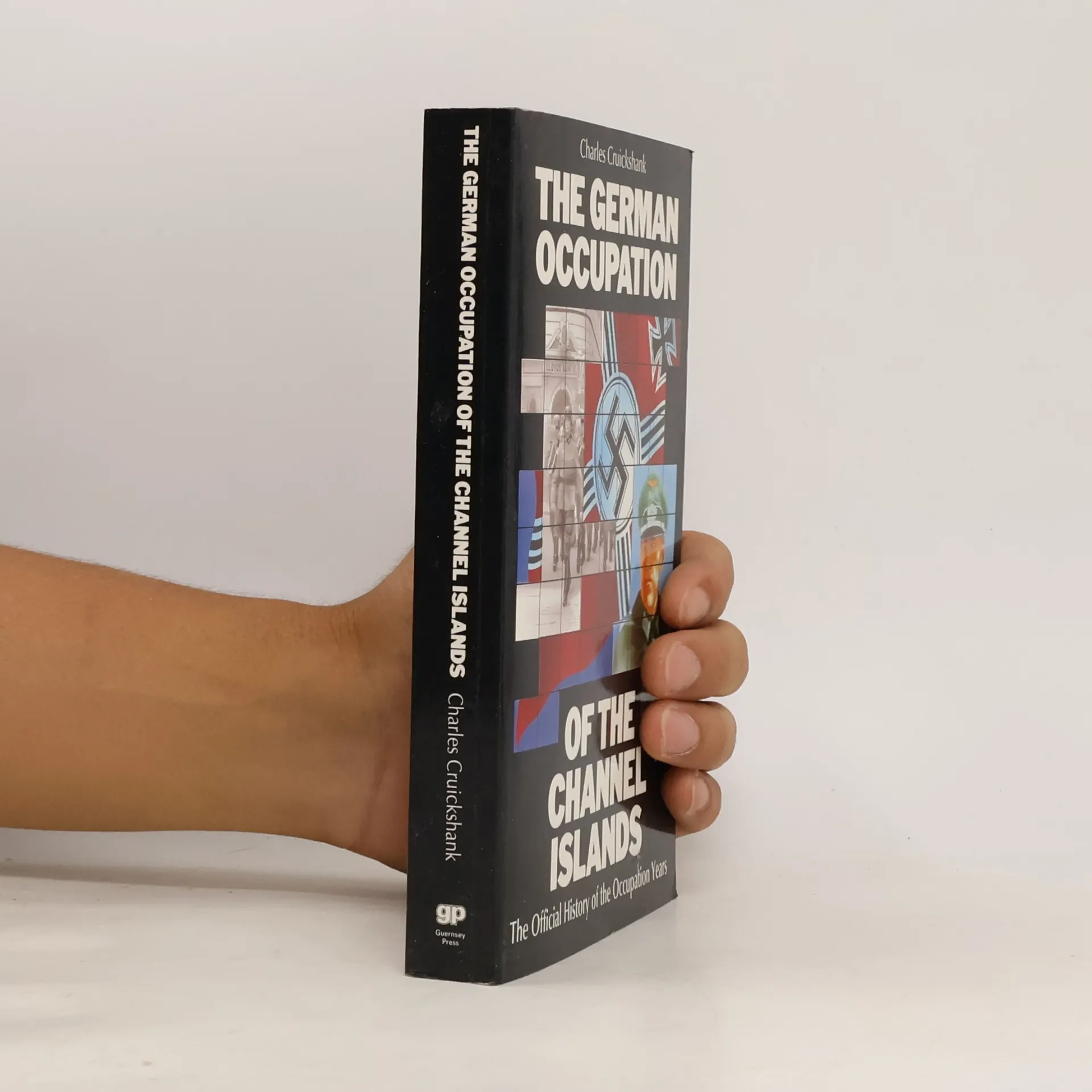

The German Occupation of the Channel Islands
- 370 stránok
- 13 hodin čítania
This official history details the German occupation of the Channel Islands, drawing on extensive records from British and German military and governmental sources, as well as wartime documents from the Islands themselves. The British kept the demilitarization of the Islands secret, leaving them vulnerable to German aerial attacks. The author provides a comprehensive account of the invasion, the landing of British agents, raids, and psychological warfare efforts aimed at ending the occupation. He explores the living conditions of both the Islanders and the Wehrmacht, highlighting the dynamics of resistance and collaboration. Notably, the book reveals Hitler's order to deport 2,000 UK-born Islanders, a decision that perplexed both the locals and the occupying forces. The occupation served as a test for a potential invasion of Britain. The narrative sheds light on the contrasting attitudes of Hitler and Churchill; Hitler's ambition to transform the Islands into a fortified stronghold consumed vast resources that could have bolstered the defense of mainland Europe during D-Day. In contrast, Churchill's indifference is evident in his 1944 remark, "Let 'em rot," even as the German garrison faced starvation, ultimately leading to the Islands' liberation only on the day the war in Europe concluded.