Virtual Art
- 430 stránok
- 16 hodin čítania
An overview of the art historical antecedents to virtual reality and the impact of virtual reality on contemporary conceptions of art.


An overview of the art historical antecedents to virtual reality and the impact of virtual reality on contemporary conceptions of art.
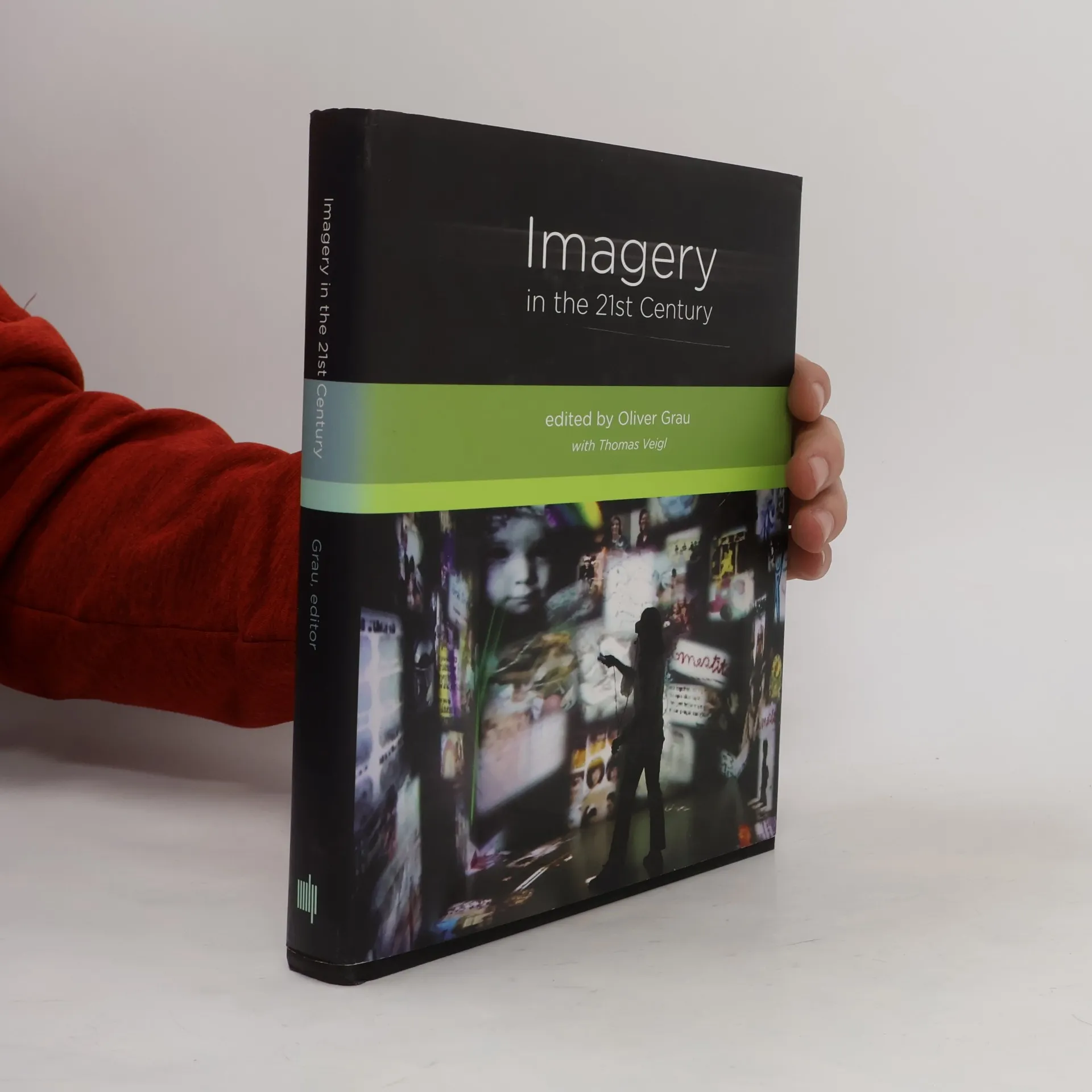
<b>Scholars from science, art, and humanities explore the meaning of our new image worlds and offer new strategies for visual analysis.</b> We are surrounded by images as never before: on Flickr, Facebook, and YouTube; on thousands of television channels; in digital games and virtual worlds; in media art and science. Without new efforts to visualize complex ideas, structures, and systems, today's information explosion would be unmanageable. The digital image represents endless options for manipulation; images seem capable of changing interactively or even autonomously. This volume offers systematic and interdisciplinary reflections on these new image worlds and new analytical approaches to the visual. <i>Imagery in the 21st Century</i> examines this revolution in various fields, with researchers from the natural sciences and the humanities meeting to achieve a deeper understanding of the meaning and impact of the image in our time. The contributors explore and discuss new critical terms of multidisciplinary scope, from database economy to the dramaturgy of hypermedia, from visualizations in neuroscience to the image in bio art. They consider the power of the image in the development of human consciousness, pursue new definitions of visual phenomena, and examine new tools for image research and visual analysis.
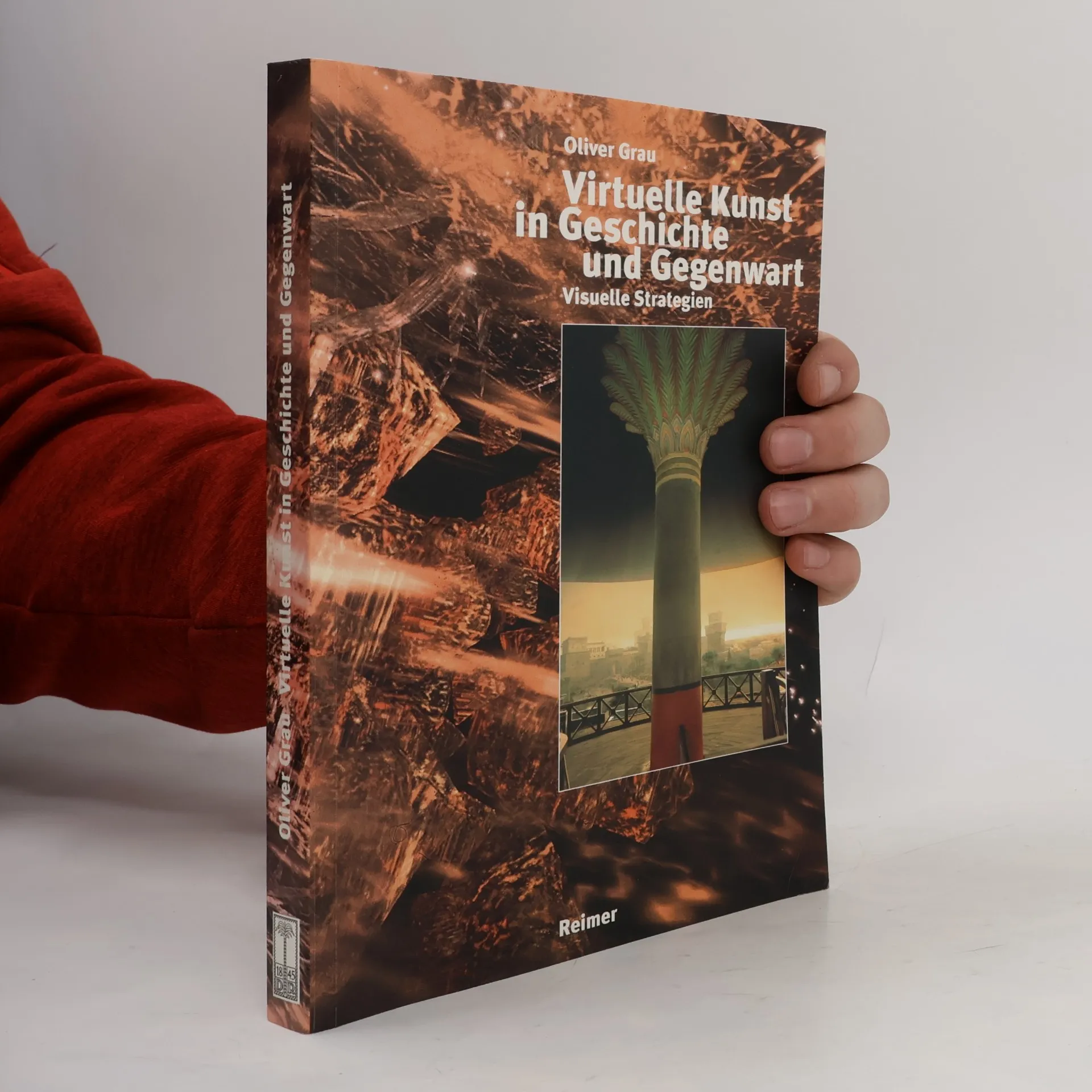
Oliver Grau spannt den Bogen virtueller Bildwelten von pompejanischer Wandmalerei über Illusionsräume der frühen Neuzeit, Panoramen, 3D- und IMAX-Kinos bis zu den jüngsten Vertretern der Computerkunst. Künstliche Welten aus dem Computer gelten als neuartiges Phänomen. Die Virtuelle Kunst ist jedoch mindestens 2000 Jahre alt. Die Mysterienvilla in Pompeji, der Sacro Monte bei Varallo, Anton von Werners Schlacht von Sedan; die Seerosen von Monet und die ersten bewegten Bilder der Brüder Lumière. Oliver Grau untersucht die historischen Illusionsräume. Der Autor zeigt, dass die Virtuelle Realität und ihre Kunst auf einer bislang unerkannten, dezidiert kunsthistorischen Tradition fußt, die sich bis in die Antike zurück verfolgen lässt und in den visuellen Strategien aktueller Medienkunst erneut zu Tage tritt. Grau zeigt welche Merkmale die virtuellen Bildsysteme von tradierten Bildern oder Filmbildern unterscheiden. Das Buch analysiert die neuen ästhetischen Potentiale, die vor allem aus neuen Gestaltungsparametern, wie Interfacedesign, Telepräsenz und dem Einsatz generativer Algorithmen erwachsen. Graus Analyse leistet einen grundlegenden Beitrag für die aktuelle Debatte um Medienkunst und Virtuelle Welten, indem sie deren meist ahistorische Argumentation durch ihre historische Perspektive und wissenschaftlich-kritische Distanz bereichert.