

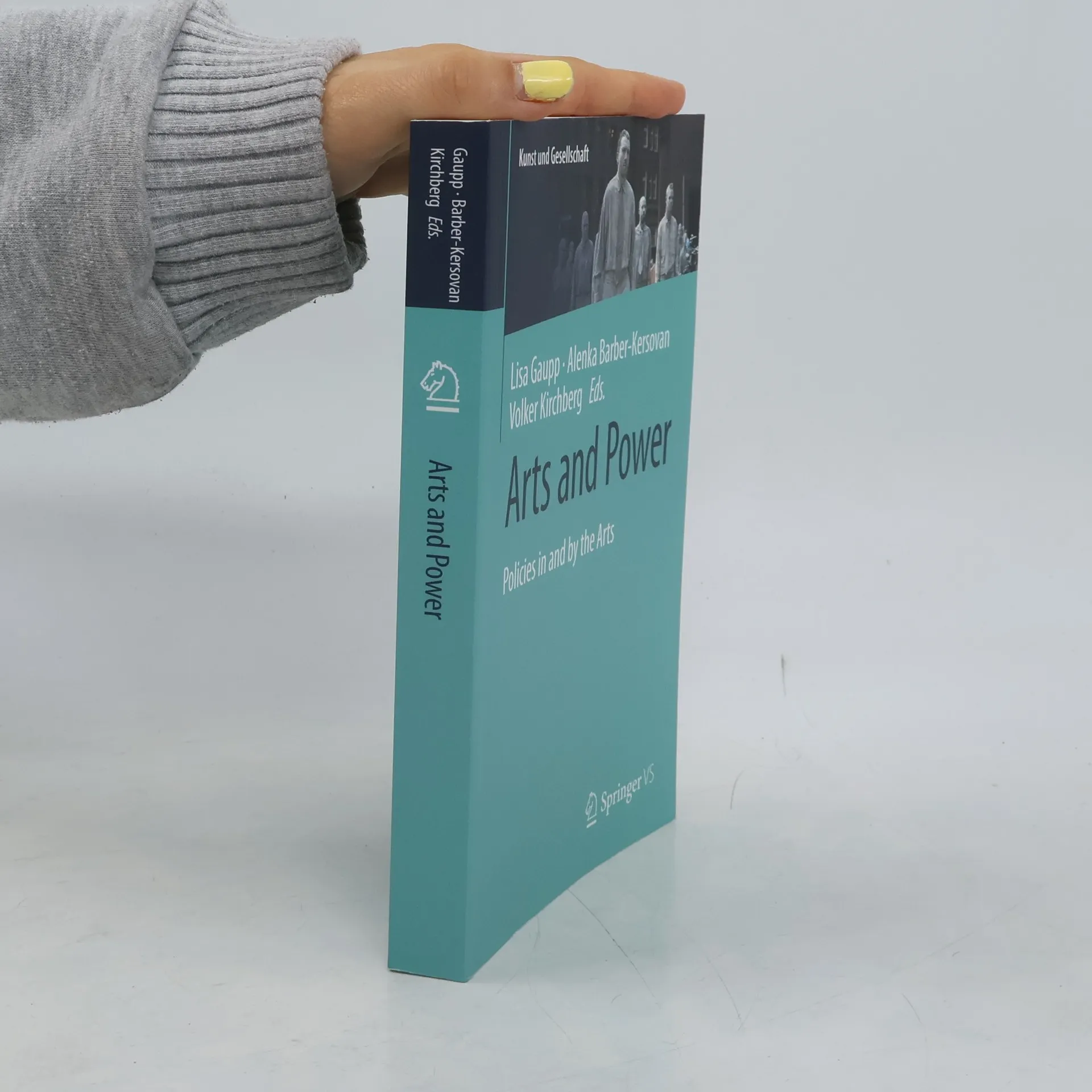
The exploration of power and domination within societal structures has been central to sociology since its inception. Max Weber’s definition of power as “imposing one’s will on others” remains pertinent in understanding processes in the arts, including production, communication, and consumption. Domination in the arts is enforced by both internal and external authorities through institutional frameworks and prevailing beliefs about legitimacy, which shape art tastes. The intricate relationship between the arts and power stems from the policies governing artistic production, distribution, and consumption, which can either facilitate or obstruct an aesthetic object's access to its audience. Curators, critics, and collectors utilize various forms of cultural communication to reflect and influence existing social, economic, and political conditions. This volume brings together diverse perspectives that examine the societal roles of art within contexts of domination and power, addressing both oppressive and progressive uses of art. The contributions serve as exploratory steps toward a more systematic and theoretically grounded sociological discourse on the intersection of arts and power, inviting further inquiry and discussion.
Alenka Barber Kersovan Poradie kníh (chronologicky)

Die Hamburger 'Swing-Jugend' ist fast schon ein Mythos. Sie waren die erste wirklich moderne Jugendkultur, die sich mit ihrem eigenwilligen Auftreten, dem dandyhaften Erscheinungsbild, besonders aber mit ihrer Begeisterung für angloamerikanische Swingmusik gegen Vereinnahmungen durch die Nazis sperrte. Im März 1940 kam es im Curiohaus zu dem denkwürdigen Einsatz der Gestapo gegen die 'Swing-Heinis' und 'Swing-Girls'. In dem aus einem Symposion hervorgegangenen Band, der die Hamburger Swingkultur in den Kontext gesellschaftlicher und kulturpolitischer Entwicklung stellt, wird erstmals ein Bogen gespannt von der Nazizeit über die Zeit nach 1945, als der Swing mit dem Jazz einherging und von den Alliierten zur 're-education' herangezogen wurde, bis in die heutigen Tage des insbesondere in Hamburg und Berlin stark vertretenen Swing-Revival. Einige Zeitzeugen erzählen ihre Lebensgeschichten und berichten von ihren Erfahrungen, wobei insbesondere die bislang kaum berücksichtigte Perspektive junger swingbegeisterter Frauen zu Worte kommt.