

Viac o knihe
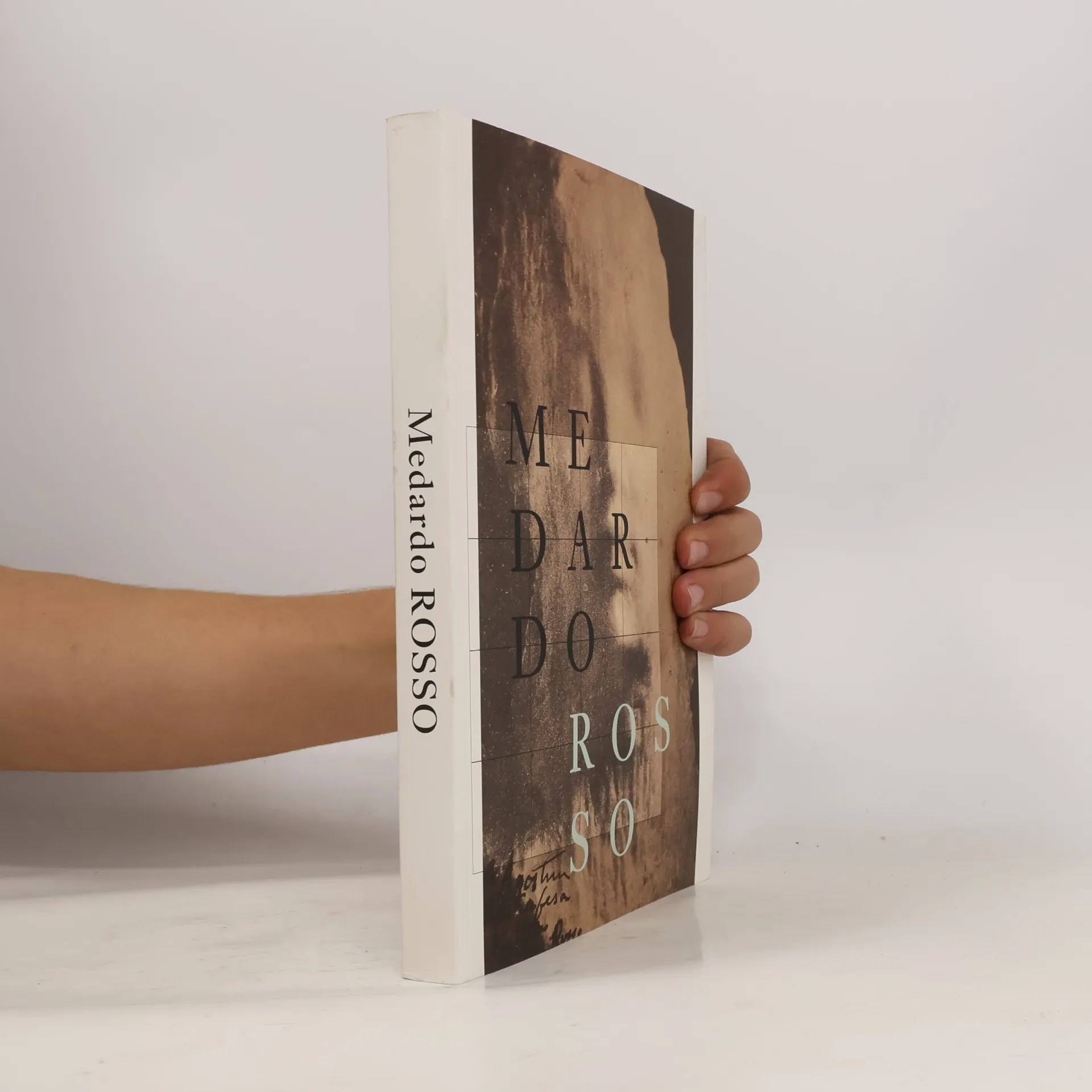
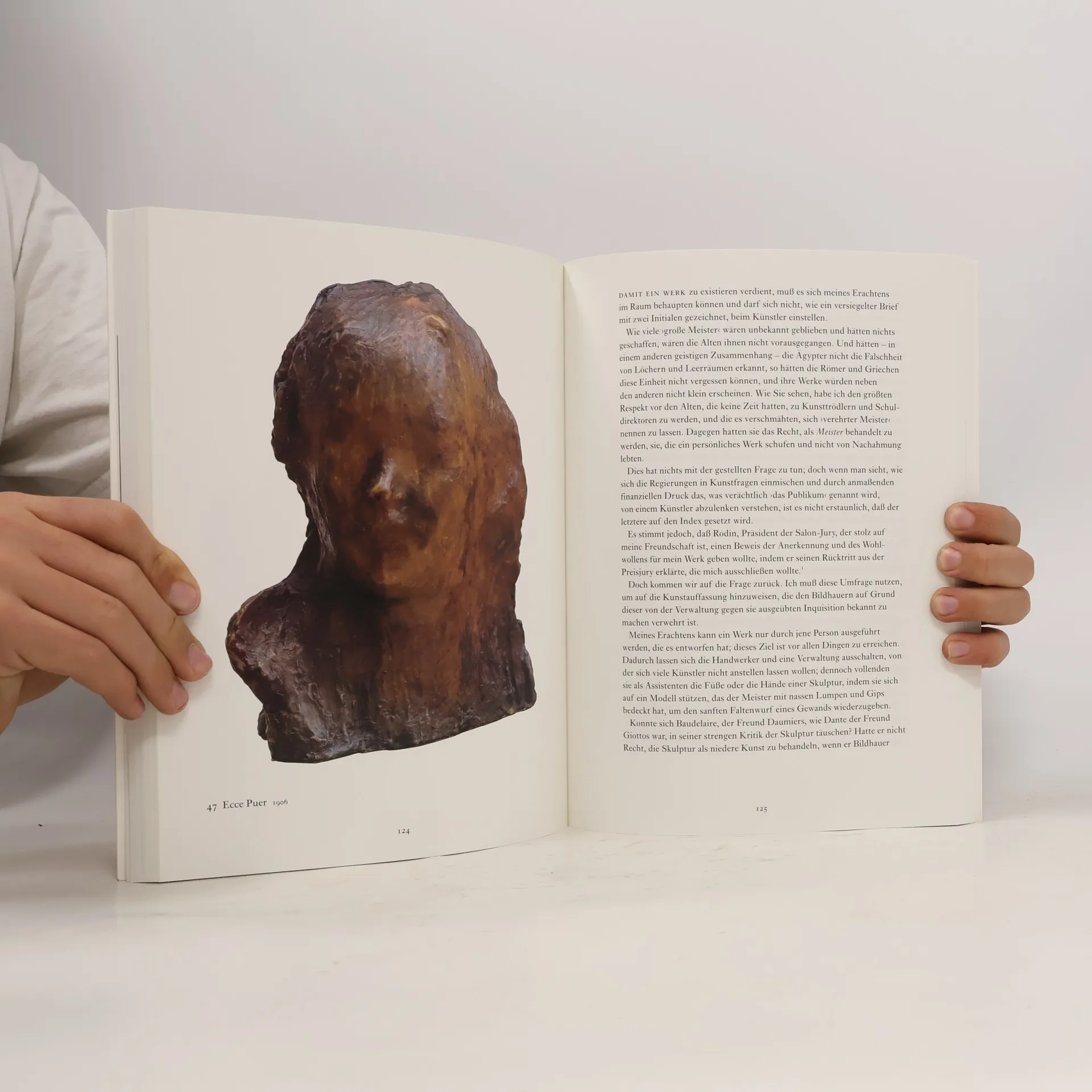
With his figures, Italian sculptor Medardo Rosso succeeded in contributing decisively to the development of modern sculpture. The artist's points of focus were the moment when the sculpture was perceived and the fusion of the figure with its surroundings. He worked almost exclusively on portrait heads; wax became a substitute for bronze, allowing him to work the surface of the sculpture to its finest perfection and to use different hues, adequate expression for the fleetingness of the apparition. And they are fleeting--one hardly knows if the portrayed faces are receding from the sculpture's surface or pushing up against it. In Paris, where Rosso spent the greater part of his life, he found understanding friends in Edgar Degas and the collector Henri Rouart, while friendship with Rodin miscarried because of the rivalry between the two sculptors. At around the turn of the century, Rosso's sculptures could be seen at many large European exhibitions; the Futurists would soon hold him up as a model. This publication, a scholarly survey of the artist's work, makes clear that although Rosso limited himself to very few motifs, their many different versions translated into independent works.
Nákup knihy
Medardo Rosso, Gottlieb Leinz, Dieter Schwarz, Erich Franz, Ludwig Hevesi, Giovanni Lista, Julius Meier-Graefe, Ettore Cozzani, Ardengo Soffici, Birgit Brunk, Margherita Sarfatti, Luigi Ambrosini
- Jazyk
- Rok vydania
- 2004
- Väzba
- (pevná),
- Stav knihy
- Dobrá
- Cena
- 48,99 €
Doručenie
Platobné metódy
Nikto zatiaľ neohodnotil.
- Titul
- Medardo Rosso
- Podtitul
- Engl. Ausgabe
- Autori
- Gottlieb Leinz, Dieter Schwarz, Erich Franz, Ludwig Hevesi, Giovanni Lista, Julius Meier-Graefe, Ettore Cozzani, Ardengo Soffici, Birgit Brunk, Margherita Sarfatti, Luigi Ambrosini
- Vydavateľ
- Richter
- Rok vydania
- 2004
- Väzba
- pevná
- Počet strán
- 176
- ISBN10
- 3933807956
- ISBN13
- 9783933807953
- Série
- Štítky
- Historické téma, Umenie, Taliansko, Západná Európa
- Anotácia
- With his figures, Italian sculptor Medardo Rosso succeeded in contributing decisively to the development of modern sculpture. The artist's points of focus were the moment when the sculpture was perceived and the fusion of the figure with its surroundings. He worked almost exclusively on portrait heads; wax became a substitute for bronze, allowing him to work the surface of the sculpture to its finest perfection and to use different hues, adequate expression for the fleetingness of the apparition. And they are fleeting--one hardly knows if the portrayed faces are receding from the sculpture's surface or pushing up against it. In Paris, where Rosso spent the greater part of his life, he found understanding friends in Edgar Degas and the collector Henri Rouart, while friendship with Rodin miscarried because of the rivalry between the two sculptors. At around the turn of the century, Rosso's sculptures could be seen at many large European exhibitions; the Futurists would soon hold him up as a model. This publication, a scholarly survey of the artist's work, makes clear that although Rosso limited himself to very few motifs, their many different versions translated into independent works.