

Parametre
- 224 stránok
- 8 hodin čítania
Viac o knihe
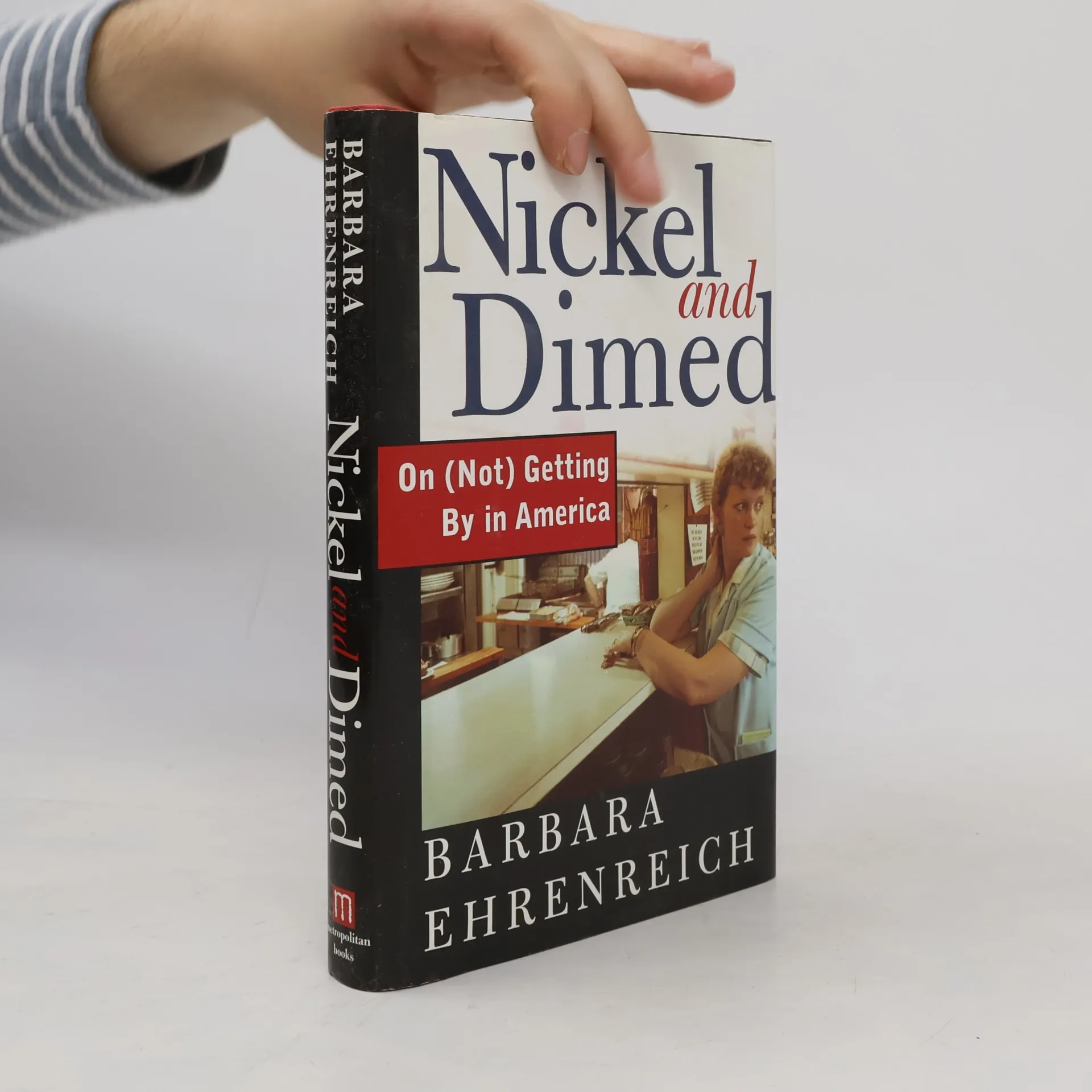
Essayist and cultural critic Barbara Ehrenreich challenges conventional wisdom with intelligence and clarity. With welfare reform pushing 12 million women into the labor market, she embarks on a journalistic quest to understand how they survive on unskilled wages of $6 to $7 an hour—far below a living wage. Ehrenreich immerses herself in the lives of these workers, taking on jobs as a waitress in Florida, where she is labeled "girl," and as a cleaning woman and nursing home assistant in Maine, navigating endless pre-employment tests filled with absurd questions. In Minnesota, she endures the oppressive scrutiny of Wal-Mart management, facing humiliation through mandatory drug tests. Despite her advantages—education, health, and initial funds—she juggles two jobs, seven days a week, and nearly faces homelessness. Ehrenreich's experience reveals that the poor possess survival strategies often overlooked by the middle class. She highlights a troubling reality: while rental prices soar, wages stagnate, forcing workers to take multiple low-paying jobs. With humor and outrage, she exposes the plight of the invisible poor, illustrating a world where hard work fails to guarantee escape from poverty and civil liberties are frequently disregarded.



Nákup knihy
Nickel and Dimed, Barbara Ehrenreich
- Jazyk

- Rok vydania
- 2001
- Väzba
- (pevná),
- Stav knihy
- Veľmi dobrá
- Cena
- 4,09 €
Tu nám chýba tvoja recenzia
- Titul
- Nickel and Dimed
- Podtitul
- On (Not) Getting By in America
- Jazyk
- anglicky
- Autori
- Barbara Ehrenreich
- Vydavateľ
- Metropolitan Books
- Rok vydania
- 2001
- Väzba
- pevná
- Počet strán
- 224
- ISBN10
- 0805063889
- ISBN13
- 9780805063882
- Série
- Kategórie
- Štítky
- Byznys, Politika, Sociálna spravodlivosť, Chudoba, Kapitalizmus
- Pôvodný názov
- Nickel and dimed
- Hodnotenie
- 3,65 z 5
- Anotácia
- Essayist and cultural critic Barbara Ehrenreich challenges conventional wisdom with intelligence and clarity. With welfare reform pushing 12 million women into the labor market, she embarks on a journalistic quest to understand how they survive on unskilled wages of $6 to $7 an hour—far below a living wage. Ehrenreich immerses herself in the lives of these workers, taking on jobs as a waitress in Florida, where she is labeled "girl," and as a cleaning woman and nursing home assistant in Maine, navigating endless pre-employment tests filled with absurd questions. In Minnesota, she endures the oppressive scrutiny of Wal-Mart management, facing humiliation through mandatory drug tests. Despite her advantages—education, health, and initial funds—she juggles two jobs, seven days a week, and nearly faces homelessness. Ehrenreich's experience reveals that the poor possess survival strategies often overlooked by the middle class. She highlights a troubling reality: while rental prices soar, wages stagnate, forcing workers to take multiple low-paying jobs. With humor and outrage, she exposes the plight of the invisible poor, illustrating a world where hard work fails to guarantee escape from poverty and civil liberties are frequently disregarded.