

Parametre
- 164 stránok
- 6 hodin čítania
Viac o knihe
Many people associate Surrealism with politics, but it was also permeated by occult ideas, a fact often overlooked by art historians. This occult influence goes beyond general themes to the movements very heart. This occult influence goes beyond general themes to the movements very heart. The antinomian stance of Surrealism can be traced directly to the influence of radical nineteenth century magi such as Eliphas L�vi, whose Dogma and Ritual of High Magic was widely read by Surrealisms ideologues. Amongst these we find its progenitor Andr� Breton. The book shows how many Surrealists and their predecessors were steeped in magical ideas: Kandinsky, with his involvement with Theosophy, the sorcery of Salvador Dali; the alchemy of Pablo Picasso and the shamanism of Max Ernst and Leonora Carrington. Surrealism did not establish itself in Britain until the 1930s but a select few felt something in the air. Almost ten years before the Surrealist experiments with automatic drawing, an obscure English artist, Austin Osman Spare had perfected the technique. Nadia Choucha shows, convincingly, that occult and surrealist philosophies were often interchangeable. Surrealism and the Occult is seminal reading for art historians and occultists alike, while artists will find it a vital guide to the unlocking of the imagination.



Nákup knihy
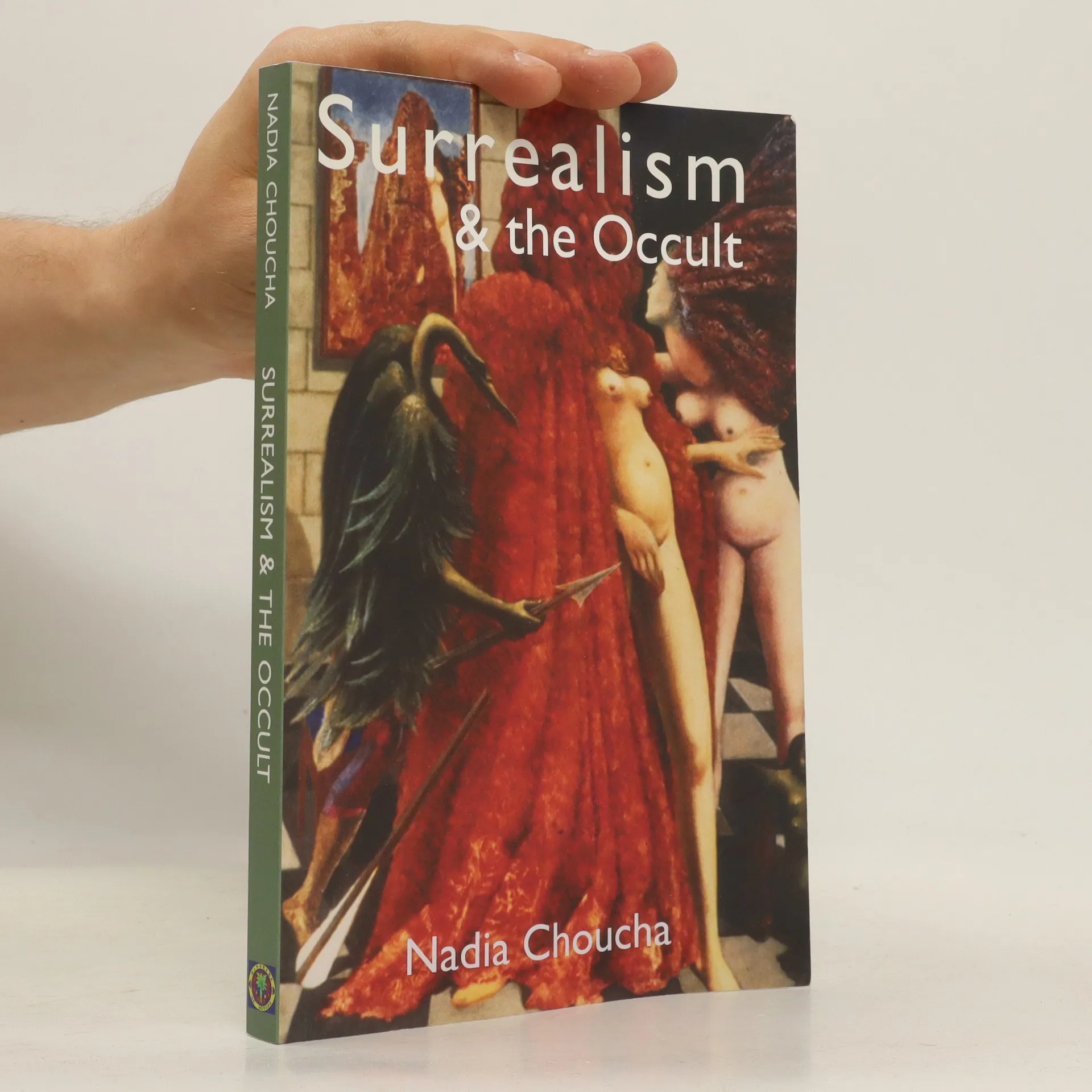
Surrealism & the Occult, Nadia Choucha
- Jazyk

- Rok vydania
- 2016
- Väzba
- (mäkká)
Tu nám chýba tvoja recenzia
- Titul
- Surrealism & the Occult
- Jazyk
- anglicky
- Autori
- Nadia Choucha
- Vydavateľ
- Mandrake
- Rok vydania
- 2016
- Väzba
- mäkká
- Počet strán
- 164
- ISBN10
- 1906958742
- ISBN13
- 9781906958749
- Série
- Kategórie
- Štítky
- Historické téma, Psychologická tematika, Filozofická tematika, Umenie, Spiritualita, Mágia, Dejiny umenia, Okultizmus, Surrealizmus, Hermetizmus
- Prvé vydanie
- 1991
- Pôvodný názov
- Surrealism & the Occult
- Hodnotenie
- 3,8 z 5
- Anotácia
- Many people associate Surrealism with politics, but it was also permeated by occult ideas, a fact often overlooked by art historians. This occult influence goes beyond general themes to the movements very heart. This occult influence goes beyond general themes to the movements very heart. The antinomian stance of Surrealism can be traced directly to the influence of radical nineteenth century magi such as Eliphas L�vi, whose Dogma and Ritual of High Magic was widely read by Surrealisms ideologues. Amongst these we find its progenitor Andr� Breton. The book shows how many Surrealists and their predecessors were steeped in magical ideas: Kandinsky, with his involvement with Theosophy, the sorcery of Salvador Dali; the alchemy of Pablo Picasso and the shamanism of Max Ernst and Leonora Carrington. Surrealism did not establish itself in Britain until the 1930s but a select few felt something in the air. Almost ten years before the Surrealist experiments with automatic drawing, an obscure English artist, Austin Osman Spare had perfected the technique. Nadia Choucha shows, convincingly, that occult and surrealist philosophies were often interchangeable. Surrealism and the Occult is seminal reading for art historians and occultists alike, while artists will find it a vital guide to the unlocking of the imagination.