

Viac o knihe
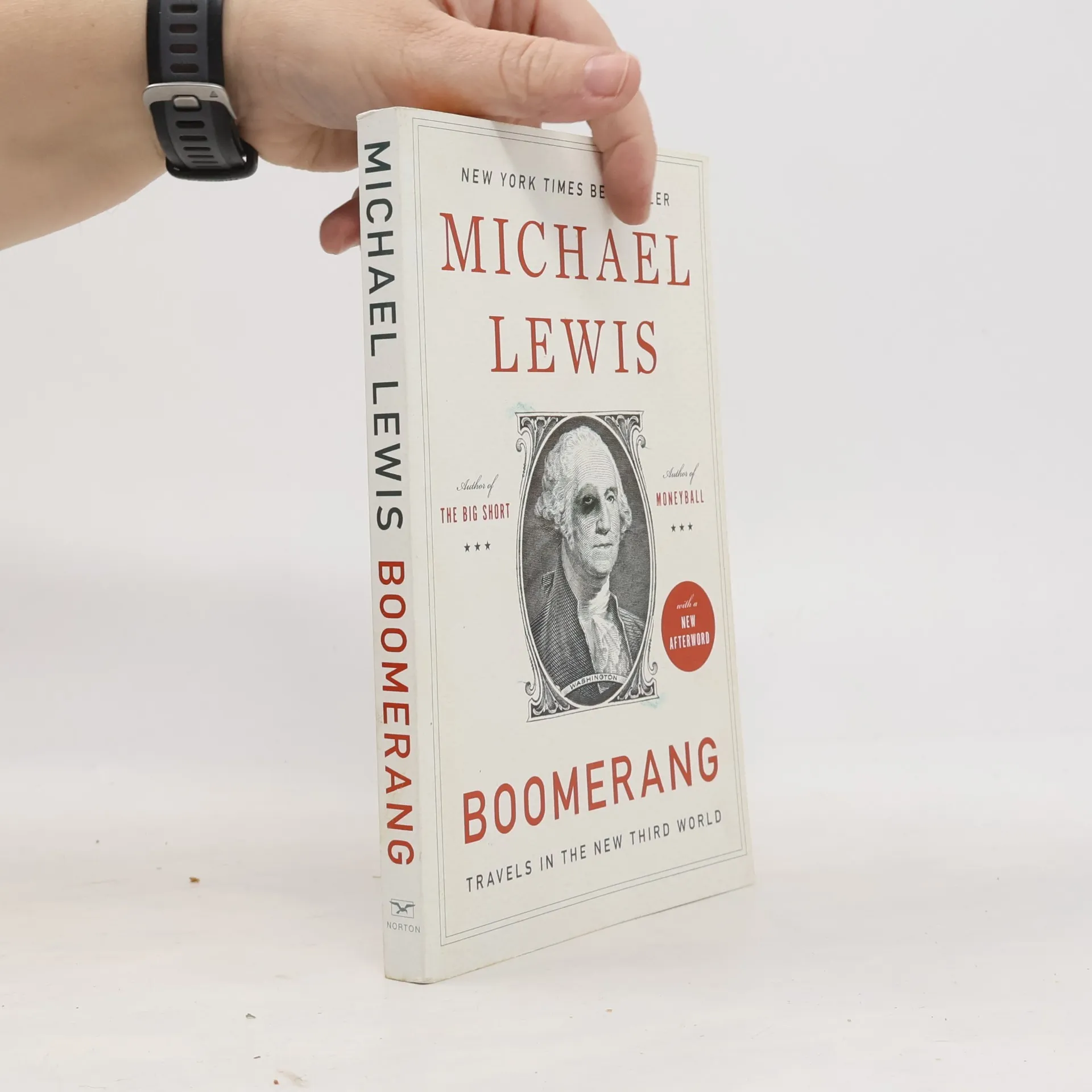
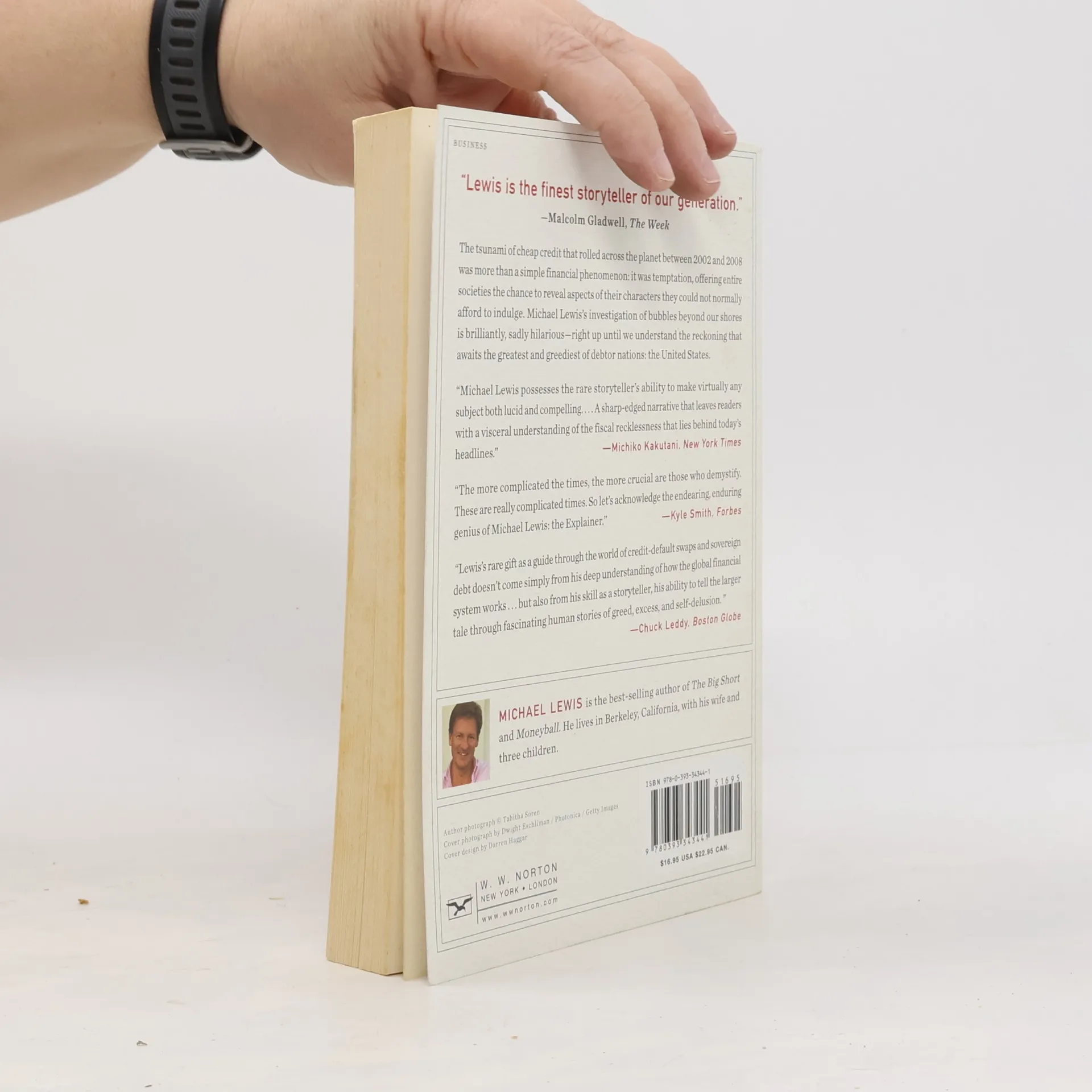
“Lewis shows again why he is the leading journalist of his generation.”—Kyle Smith, Forbes The tsunami of cheap credit that rolled across the planet between 2002 and 2008 was more than a simple financial phenomenon: it was temptation, offering entire societies the chance to reveal aspects of their characters they could not normally afford to indulge. Icelanders wanted to stop fishing and become investment bankers. The Greeks wanted to turn their country into a pinata stuffed with cash and allow as many citizens as possible to take a whack at it. The Germans wanted to be even more German; the Irish wanted to stop being Irish. Michael Lewis's investigation of bubbles beyond our shores is so brilliantly, sadly hilarious that it leads the American reader to a comfortable complacency: oh, those foolish foreigners. But when he turns a merciless eye on California and Washington, DC, we see that the narrative is a trap baited with humor, and we understand the reckoning that awaits the greatest and greediest of debtor nations.


Nákup knihy
Boomerang. Travels in the New Third World., Michael Lewis
- Jazyk

- Rok vydania
- 2012
- Väzba
- (mäkká),
- Stav knihy
- Poškodená
- Cena
- 3,37 €
Tu nám chýba tvoja recenzia
- Titul
- Boomerang. Travels in the New Third World.
- Jazyk
- anglicky
- Autori
- Michael Lewis
- Vydavateľ
- Norton
- Rok vydania
- 2012
- Väzba
- mäkká
- Počet strán
- 217
- ISBN10
- 0393343448
- ISBN13
- 9780393343441
- Série
- Kategórie
- Štítky
- Historické téma, Byznys, Cestovanie, Politika, Financie
- Hodnotenie
- 3,85 z 5
- Anotácia
- “Lewis shows again why he is the leading journalist of his generation.”—Kyle Smith, Forbes The tsunami of cheap credit that rolled across the planet between 2002 and 2008 was more than a simple financial phenomenon: it was temptation, offering entire societies the chance to reveal aspects of their characters they could not normally afford to indulge. Icelanders wanted to stop fishing and become investment bankers. The Greeks wanted to turn their country into a pinata stuffed with cash and allow as many citizens as possible to take a whack at it. The Germans wanted to be even more German; the Irish wanted to stop being Irish. Michael Lewis's investigation of bubbles beyond our shores is so brilliantly, sadly hilarious that it leads the American reader to a comfortable complacency: oh, those foolish foreigners. But when he turns a merciless eye on California and Washington, DC, we see that the narrative is a trap baited with humor, and we understand the reckoning that awaits the greatest and greediest of debtor nations.