

Viac o knihe
Stephen Nathanson's clear-sighted abridgment of Principles of Political Economy, Mill's first major work in moral and political philosophy, provides a challenging, sometimes surprising account of Mill's views on many important topics: socialism, population, the status of women, the cultural bases of economic productivity, the causes and possible cures of poverty, the nature of property rights, taxation, and the legitimate functions of government. Nathanson cuts through the dated and less relevant sections of this large work and includes significant material omitted in other editions, making it possible to see the connections between the views Mill expressed in Principles of Political Economy and the ideas he defended in his later works, particularly On Liberty. Indeed, studying Principles of Political Economy, Nathanson argues in his general Introduction, can help to resolve the apparent contradiction between Mill's views in On Liberty and those in Utilitarianism, making it a key text for understanding Mill’s philosophy as a whole.

Nákup knihy
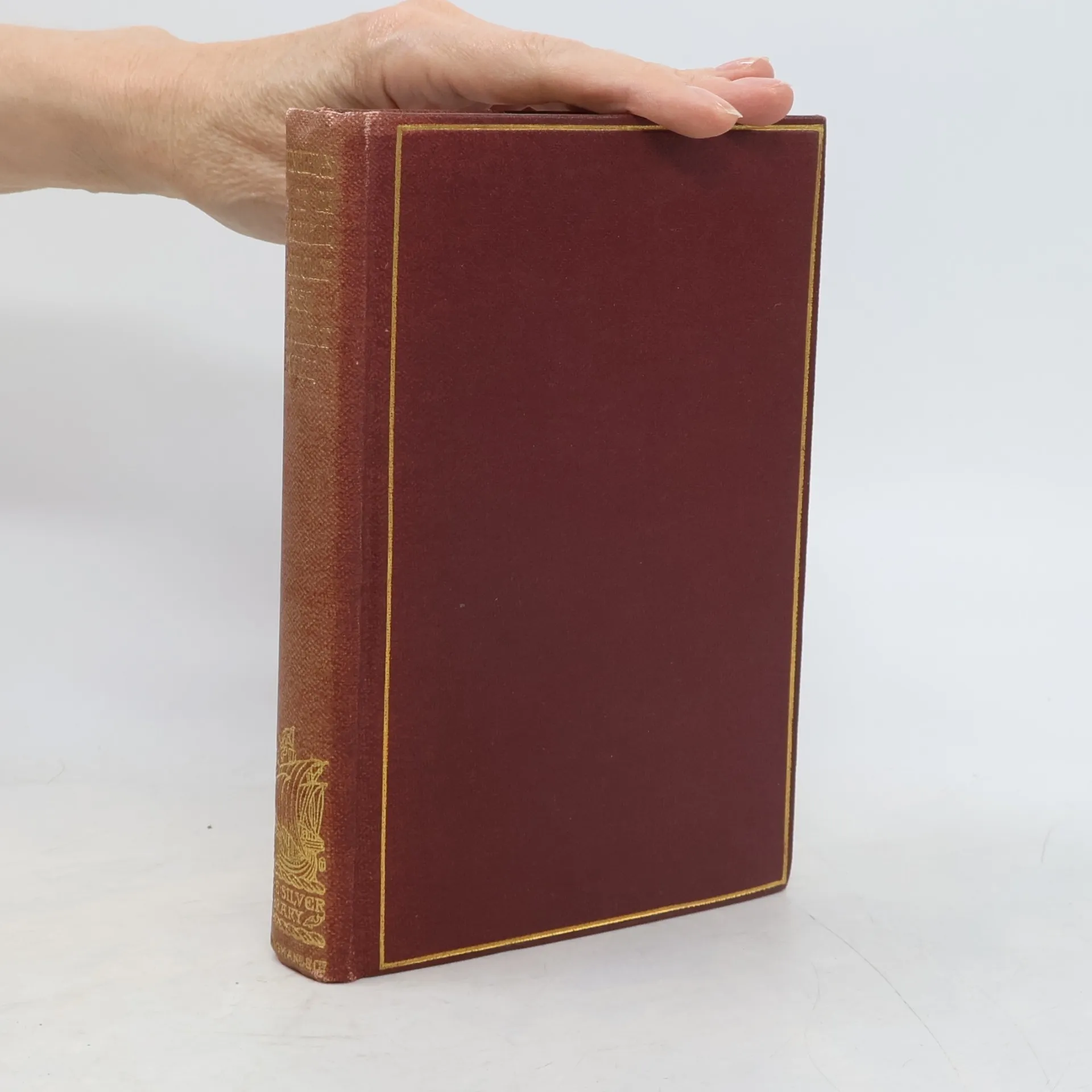
Principles of Political Economy, John Stuart Mill
- Jazyk

- Rok vydania
- 1902
- Väzba
- (pevná)
Doručenie
Platobné metódy
Tu nám chýba tvoja recenzia
- Titul
- Principles of Political Economy
- Jazyk
- anglicky
- Autori
- John Stuart Mill
- Vydavateľ
- Longman
- Rok vydania
- 1902
- Väzba
- pevná
- Série
- Kategórie
- Štítky
- Byznys, Filozofická tematika, Politika, Veda
- Hodnotenie
- 4 z 5
- Anotácia
- Stephen Nathanson's clear-sighted abridgment of Principles of Political Economy, Mill's first major work in moral and political philosophy, provides a challenging, sometimes surprising account of Mill's views on many important topics: socialism, population, the status of women, the cultural bases of economic productivity, the causes and possible cures of poverty, the nature of property rights, taxation, and the legitimate functions of government. Nathanson cuts through the dated and less relevant sections of this large work and includes significant material omitted in other editions, making it possible to see the connections between the views Mill expressed in Principles of Political Economy and the ideas he defended in his later works, particularly On Liberty. Indeed, studying Principles of Political Economy, Nathanson argues in his general Introduction, can help to resolve the apparent contradiction between Mill's views in On Liberty and those in Utilitarianism, making it a key text for understanding Mill’s philosophy as a whole.