

Parametre
- 96 stránok
- 4 hodiny čítania
Viac o knihe
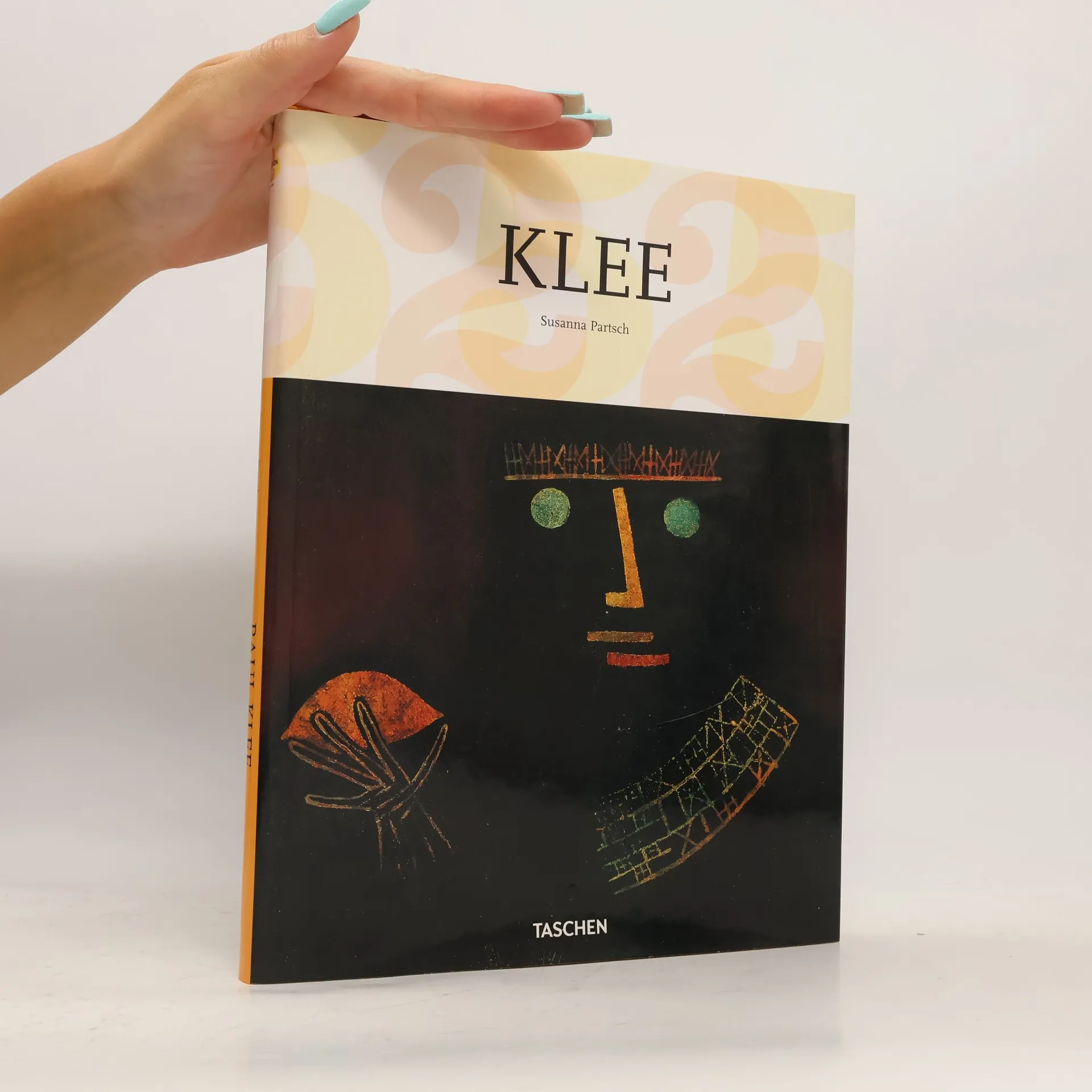
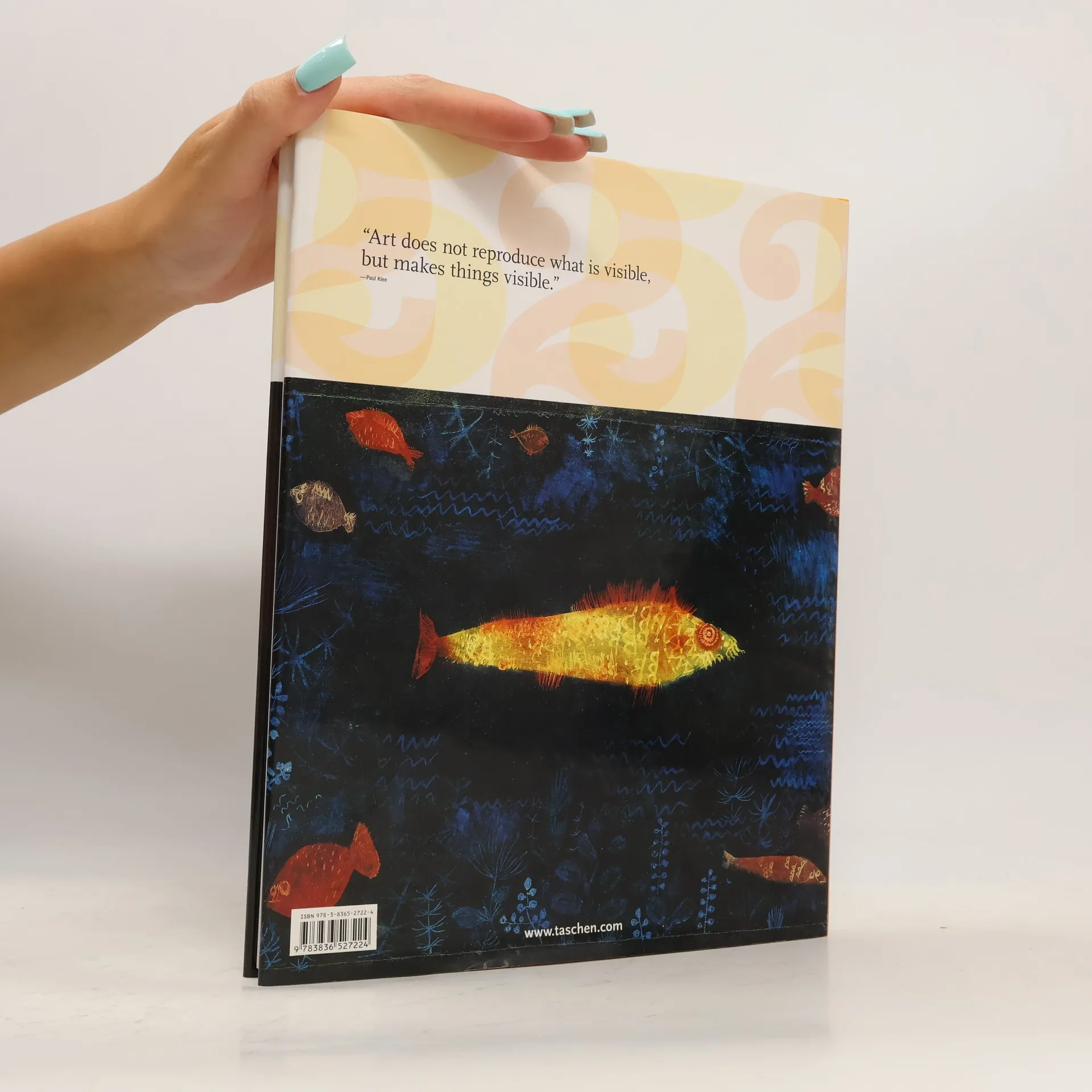
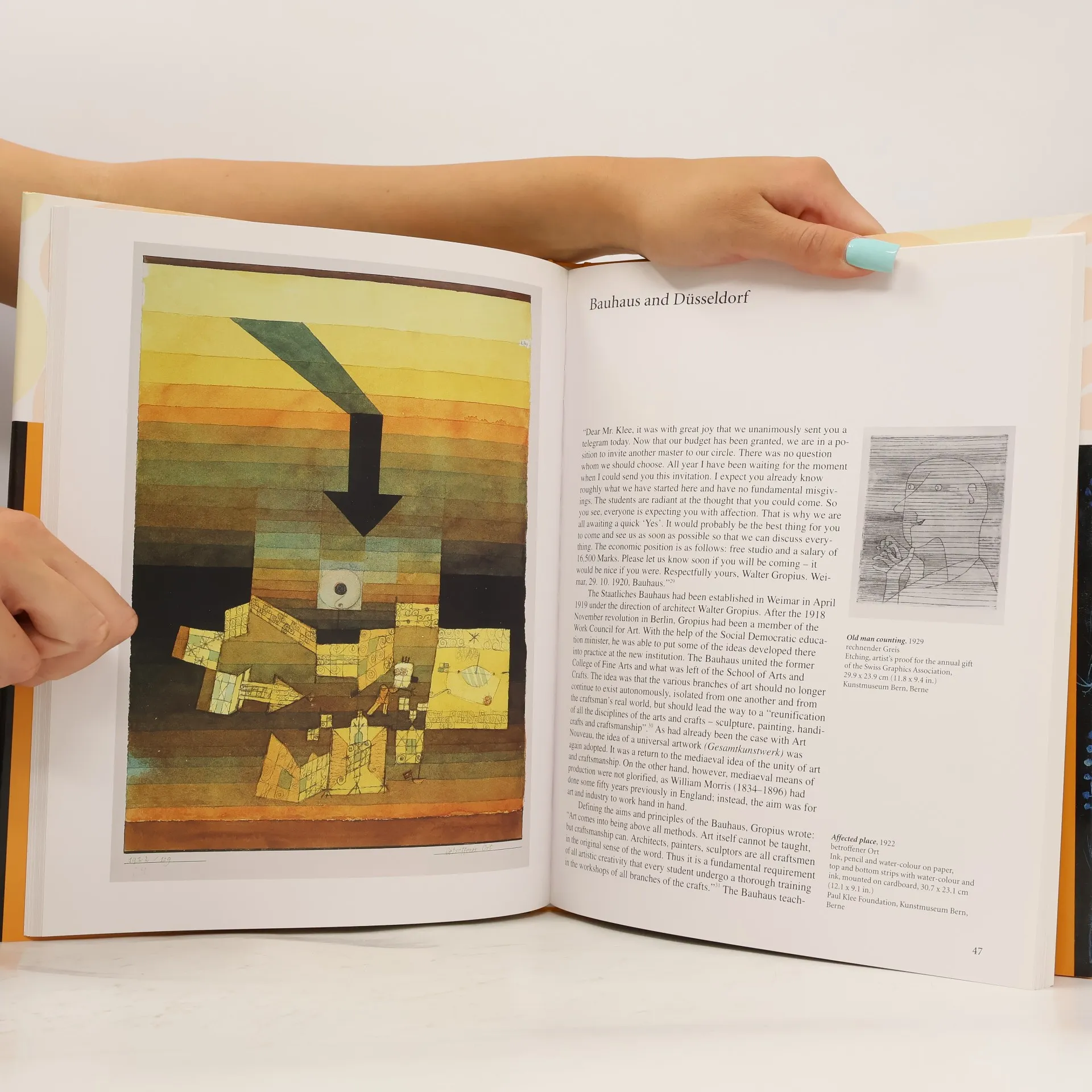
Geometrical figures and hieroglyphic elements: The delightfully unclassifiable work of a master painter Designated as "degenerate" by the Nazis, Paul Klee (1879-1940) is today considered one of the most important artists of the 20th century. His works stand out for the variety in their forms of artistic expression. His Tunisian water-colours depicting landscape, architecture and, above all, the North African light of this Mediterranean land constitute the true beginning of Klee's painting career. Although these paintings still fall under the heading of 'objective, ' they already exhibit indications of his tendency toward abstraction and a language of forms. Geometrical figures and hieroglyphic elements characterize the majority of these works, which for this reason seem reminiscent of 'naive' and playful children's painting. In reality, however, Klee's paintings have their roots in theoretical considerations, their recurrent symbols conveying personal and at times political content. About the Series: Each book in TASCHEN's Basic Art series features: a detailed chronological summary of the life and oeuvre of the artist, covering his or her cultural and historical importance a concise biography approximately 100 illustrations with explanatory captions




Nákup knihy
Paul Klee, Susanna Partsch
- Jazyk

- Rok vydania
- 2011
- Väzba
- (pevná)
Tu nám chýba tvoja recenzia
- Titul
- Paul Klee
- Jazyk
- anglicky
- Autori
- Susanna Partsch
- Vydavateľ
- Taschen
- Rok vydania
- 2011
- Väzba
- pevná
- Počet strán
- 96
- ISBN10
- 3836527227
- ISBN13
- 9783836527224
- Série
- Kategórie
- Štítky
- Náučná literatúra, Umenie & Kultúra, Historické téma, História, Skutočné príbehy, Životopisy, Výtvarné umenie, Maľba & Sochárstvo, Umenie, Nemecko, Teória & Dejiny umenia, Dejiny umenia, Maliarstvo, Umelci, Modernizmus, Umelecká monografia, Tašky
- Pôvodný názov
- Paul Klee
- Hodnotenie
- 3,9 z 5
- Anotácia
- Geometrical figures and hieroglyphic elements: The delightfully unclassifiable work of a master painter Designated as "degenerate" by the Nazis, Paul Klee (1879-1940) is today considered one of the most important artists of the 20th century. His works stand out for the variety in their forms of artistic expression. His Tunisian water-colours depicting landscape, architecture and, above all, the North African light of this Mediterranean land constitute the true beginning of Klee's painting career. Although these paintings still fall under the heading of 'objective, ' they already exhibit indications of his tendency toward abstraction and a language of forms. Geometrical figures and hieroglyphic elements characterize the majority of these works, which for this reason seem reminiscent of 'naive' and playful children's painting. In reality, however, Klee's paintings have their roots in theoretical considerations, their recurrent symbols conveying personal and at times political content. About the Series: Each book in TASCHEN's Basic Art series features: a detailed chronological summary of the life and oeuvre of the artist, covering his or her cultural and historical importance a concise biography approximately 100 illustrations with explanatory captions