


Parametre
- 480 stránok
- 17 hodin čítania
Viac o knihe
A tall, yellow-haired young European traveler, calling himself 'Mogor dell'Amore', arrives at the court of Emperor Akbar with a captivating tale that soon obsesses the imperial capital. He claims to be the child of a lost Mughal princess, Qara Koz, known for her beauty and rumored sorcery. Captured by an Uzbek warlord and later the Shah of Persia, she ultimately becomes the lover of Argalia, a Florentine soldier serving the Ottoman Sultan. When Argalia returns to Florence with Qara Koz, her presence mesmerizes the city, leading to significant turmoil. The narrative explores a woman's struggle for autonomy in a patriarchal society, intertwining two worlds: the opulent Mughal capital, where Akbar grapples with belief, desire, and familial betrayal, and the sensual Florentine realm, rich with courtesans and humanist thought, where Niccolò Machiavelli learns the harsh realities of power. Despite their geographical distance, these worlds reveal striking similarities, bound by the enchantments of women. The central questions arise: Is Mogor's story genuine? What fate befell the lost princess? And if he is deceitful, what consequences await him?




Nákup knihy
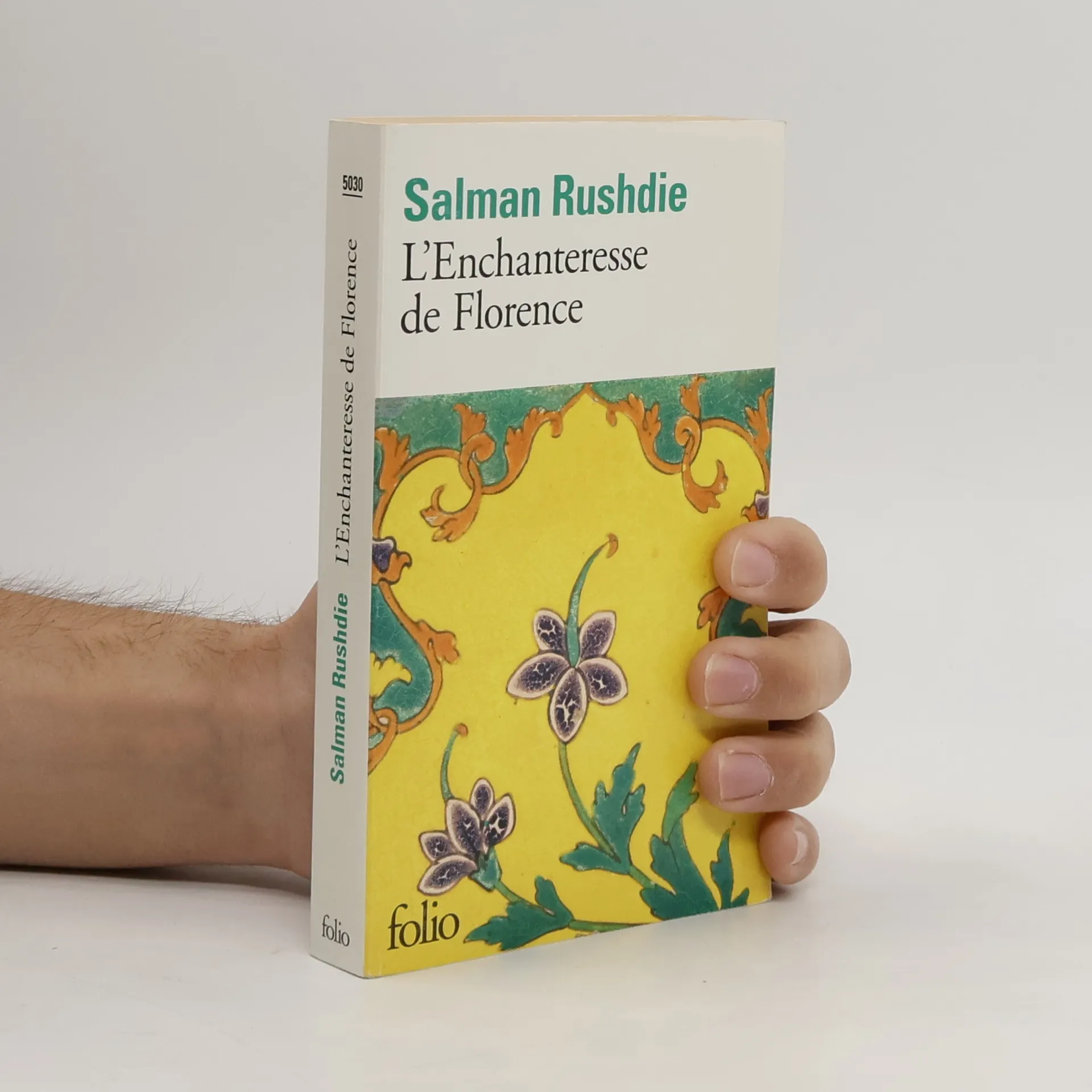
L'enchanteresse de Florence, Gérard Meudal, Salman Rushdie
- Jazyk

- Rok vydania
- 2010
- Väzba
- (mäkká)
Tu nám chýba tvoja recenzia
- Titul
- L'enchanteresse de Florence
- Jazyk
- francúzsky
- Autori
- Gérard Meudal, Salman Rushdie
- Vydavateľ
- Folio
- Rok vydania
- 2010
- Väzba
- mäkká
- Počet strán
- 480
- ISBN10
- 2070399052
- ISBN13
- 9782070399055
- Série
- Prvé vydanie
- 2008
- Pôvodný názov
- The Enchantress of Florence
- Hodnotenie
- 3,6 z 5
- Anotácia
- A tall, yellow-haired young European traveler, calling himself 'Mogor dell'Amore', arrives at the court of Emperor Akbar with a captivating tale that soon obsesses the imperial capital. He claims to be the child of a lost Mughal princess, Qara Koz, known for her beauty and rumored sorcery. Captured by an Uzbek warlord and later the Shah of Persia, she ultimately becomes the lover of Argalia, a Florentine soldier serving the Ottoman Sultan. When Argalia returns to Florence with Qara Koz, her presence mesmerizes the city, leading to significant turmoil. The narrative explores a woman's struggle for autonomy in a patriarchal society, intertwining two worlds: the opulent Mughal capital, where Akbar grapples with belief, desire, and familial betrayal, and the sensual Florentine realm, rich with courtesans and humanist thought, where Niccolò Machiavelli learns the harsh realities of power. Despite their geographical distance, these worlds reveal striking similarities, bound by the enchantments of women. The central questions arise: Is Mogor's story genuine? What fate befell the lost princess? And if he is deceitful, what consequences await him?