



Parametre
- 256 stránok
- 9 hodin čítania
Viac o knihe
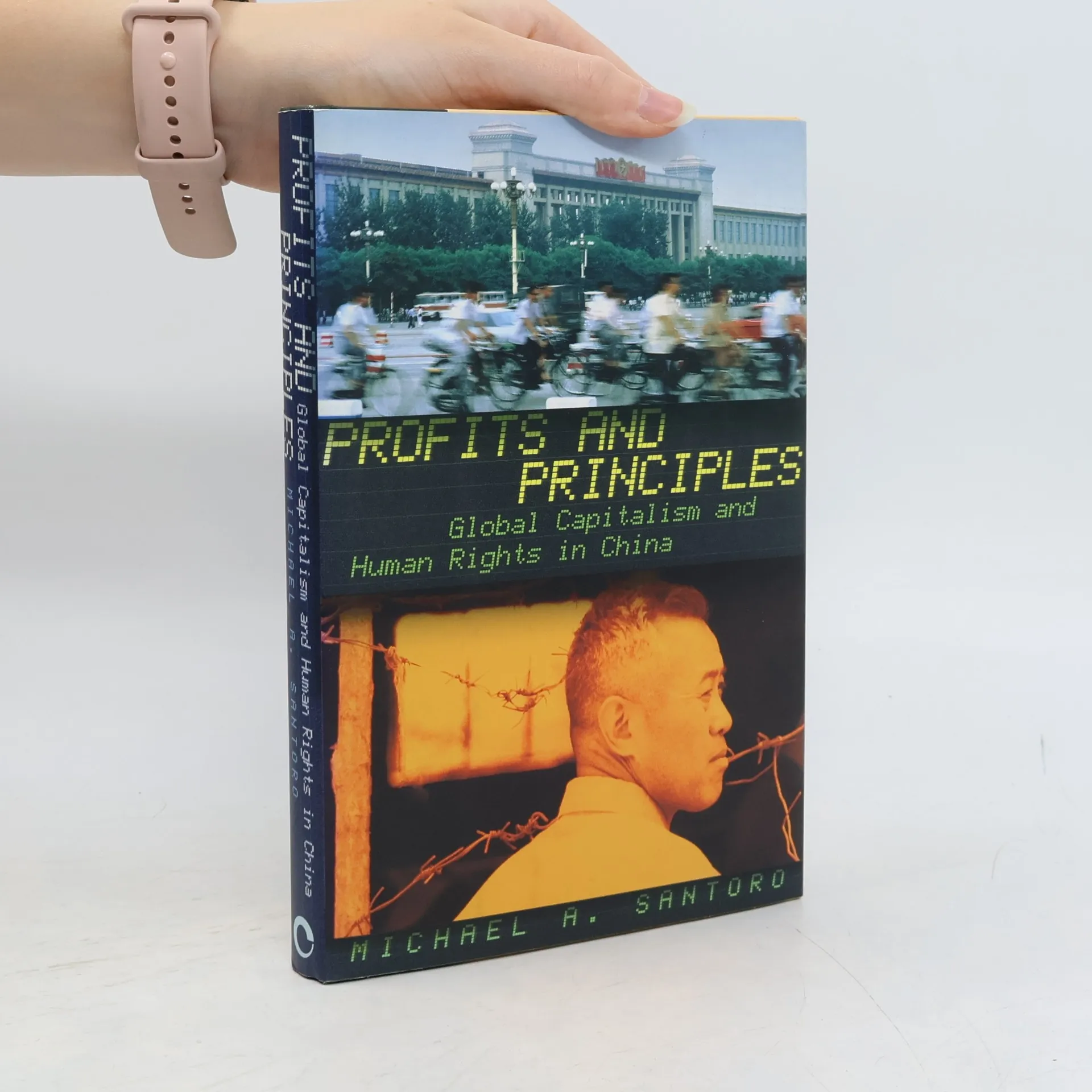
After the Tiananmen Square massacre, an intense international debate emerged regarding human rights in China and the role of multinational firms. Questions arose about whether corporations should engage in business there and take a stand on human rights issues. Reports of serious human rights violations in Chinese factories intensified concerns over the conflict between profits and principles. Michael Santoro explores these dilemmas, examining the democratic values that firms impart to employees versus the values they compromise for profit. Through interviews with foreign business executives, Chinese employees, human rights advocates, and consular officials, he presents diverse perspectives. His analysis of business responsibility for human rights in China also offers a framework for understanding the broader social trends linked to globalization. Santoro discusses the implications of corporate actions for U.S. foreign policy and provides practical management advice for executives operating in or considering entering the Chinese market. Interestingly, he argues that President Clinton's "comprehensive engagement" program, often criticized, may yield positive human rights outcomes. His "fair-share" theory thoughtfully delineates the moral obligations of businesses operating in China.
Nákup knihy
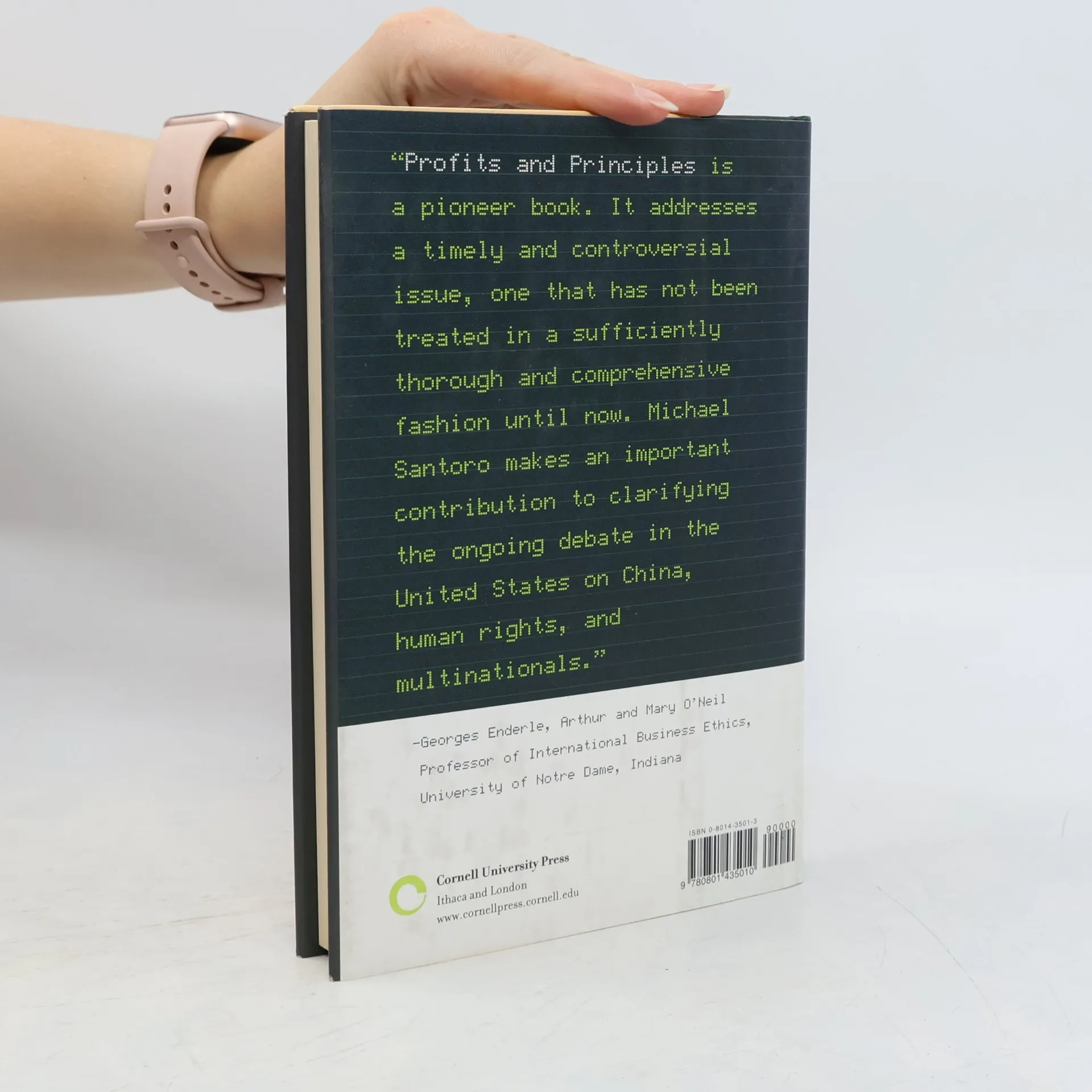
Profits and Principles, Michael A. Santoro
- Jazyk

- Rok vydania
- 2000
- Väzba
- (pevná),
- Stav knihy
- Poškodená
- Cena
- 2,27 €
Tu nám chýba tvoja recenzia
- Podtitul
- Global Capitalism and Human Rights in China
- Jazyk
- anglicky
- Autori
- Michael A. Santoro
- Vydavateľ
- Cornell University Press
- Rok vydania
- 2000
- Väzba
- pevná
- Počet strán
- 256
- ISBN10
- 0801435013
- ISBN13
- 9780801435010
- Série
- Kategórie
- Štítky
- Náučná literatúra, Spoločenské vedy, Byznys, Biznis & Manažment, Politológia & Politika, Ekonómia, USA, Manažment & HR, Odborná literatúra, Čína, Politické teórie, Priemysel, Ľudské práva, Hospodárska politika, Politická ekonomika, Medzinárodné hospodárske vzťahy
- Hodnotenie
- 5 z 5
- Anotácia
- After the Tiananmen Square massacre, an intense international debate emerged regarding human rights in China and the role of multinational firms. Questions arose about whether corporations should engage in business there and take a stand on human rights issues. Reports of serious human rights violations in Chinese factories intensified concerns over the conflict between profits and principles. Michael Santoro explores these dilemmas, examining the democratic values that firms impart to employees versus the values they compromise for profit. Through interviews with foreign business executives, Chinese employees, human rights advocates, and consular officials, he presents diverse perspectives. His analysis of business responsibility for human rights in China also offers a framework for understanding the broader social trends linked to globalization. Santoro discusses the implications of corporate actions for U.S. foreign policy and provides practical management advice for executives operating in or considering entering the Chinese market. Interestingly, he argues that President Clinton's "comprehensive engagement" program, often criticized, may yield positive human rights outcomes. His "fair-share" theory thoughtfully delineates the moral obligations of businesses operating in China.