

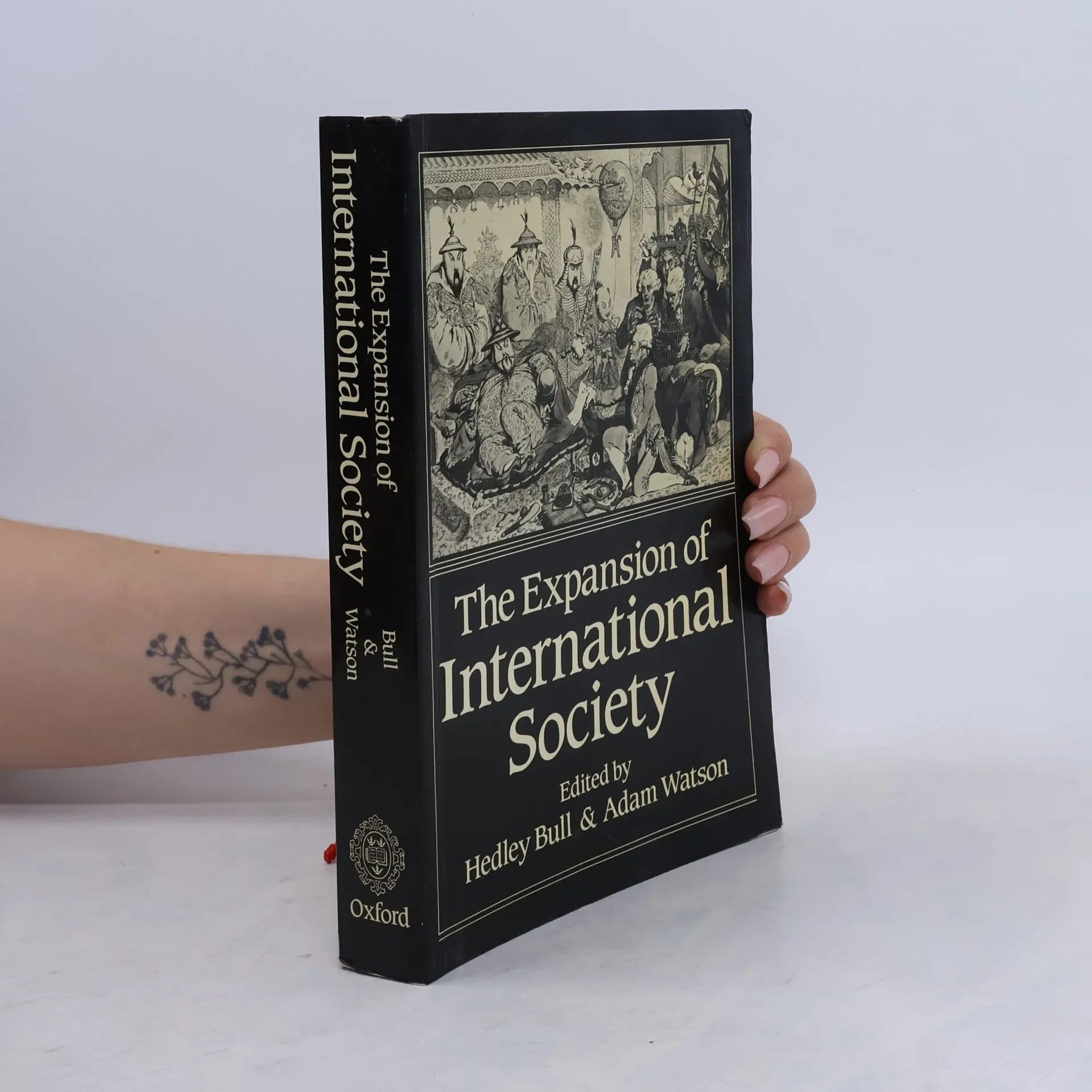


Parametre
- 479 stránok
- 17 hodin čítania
Viac o knihe
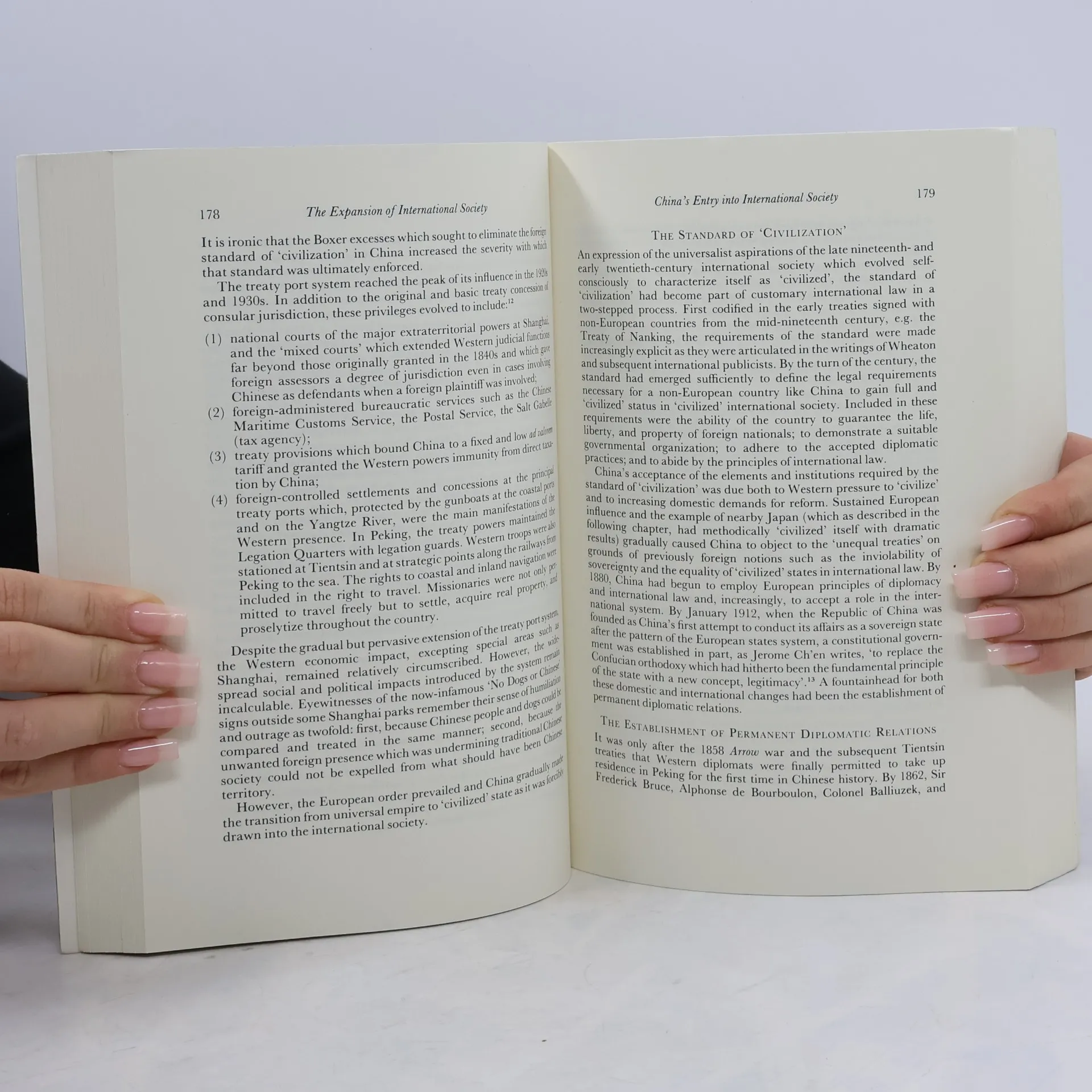
The work of a study group of distinguished scholars, this book is a systematic investigation of the origins and nature of the international society today. The first section of the book describes the flood tide of European expansion that began in the 16th century and united the world for thefirst time in a single economic strategic, and political unit. The second section analyzes the process whereby the non-European states came to take their place as members of the same society, while the third section examines the repudiation of European, Russian, and American domination by statesand peoples of the Third World, and the subsequent transition from a system based on European hegemony to one that is not. The book concludes with a discussion of the international order that has emerged from the ebb tide of European dominance.
Nákup knihy
The Expansion of International Society, Hedley Bull, Adam Watson
- Jazyk

- Rok vydania
- 1985
- Väzba
- (mäkká),
- Stav knihy
- Poškodená
- Cena
- 11,93 €
Nikto zatiaľ neohodnotil.
- Jazyk
- anglicky
- Autori
- Hedley Bull, Adam Watson
- Vydavateľ
- Oxford University Press
- Rok vydania
- 1985
- Väzba
- mäkká
- Počet strán
- 479
- ISBN10
- 0198219970
- ISBN13
- 9780198219972
- Série
- Štítky
- Náučná literatúra, Spoločenské vedy, Byznys, Biznis & Manažment, Politika, Ekonómia, Medzinárodné vzťahy, Vývoj, Sociálne skupiny
- Anotácia
- The work of a study group of distinguished scholars, this book is a systematic investigation of the origins and nature of the international society today. The first section of the book describes the flood tide of European expansion that began in the 16th century and united the world for thefirst time in a single economic strategic, and political unit. The second section analyzes the process whereby the non-European states came to take their place as members of the same society, while the third section examines the repudiation of European, Russian, and American domination by statesand peoples of the Third World, and the subsequent transition from a system based on European hegemony to one that is not. The book concludes with a discussion of the international order that has emerged from the ebb tide of European dominance.