




Viac o knihe
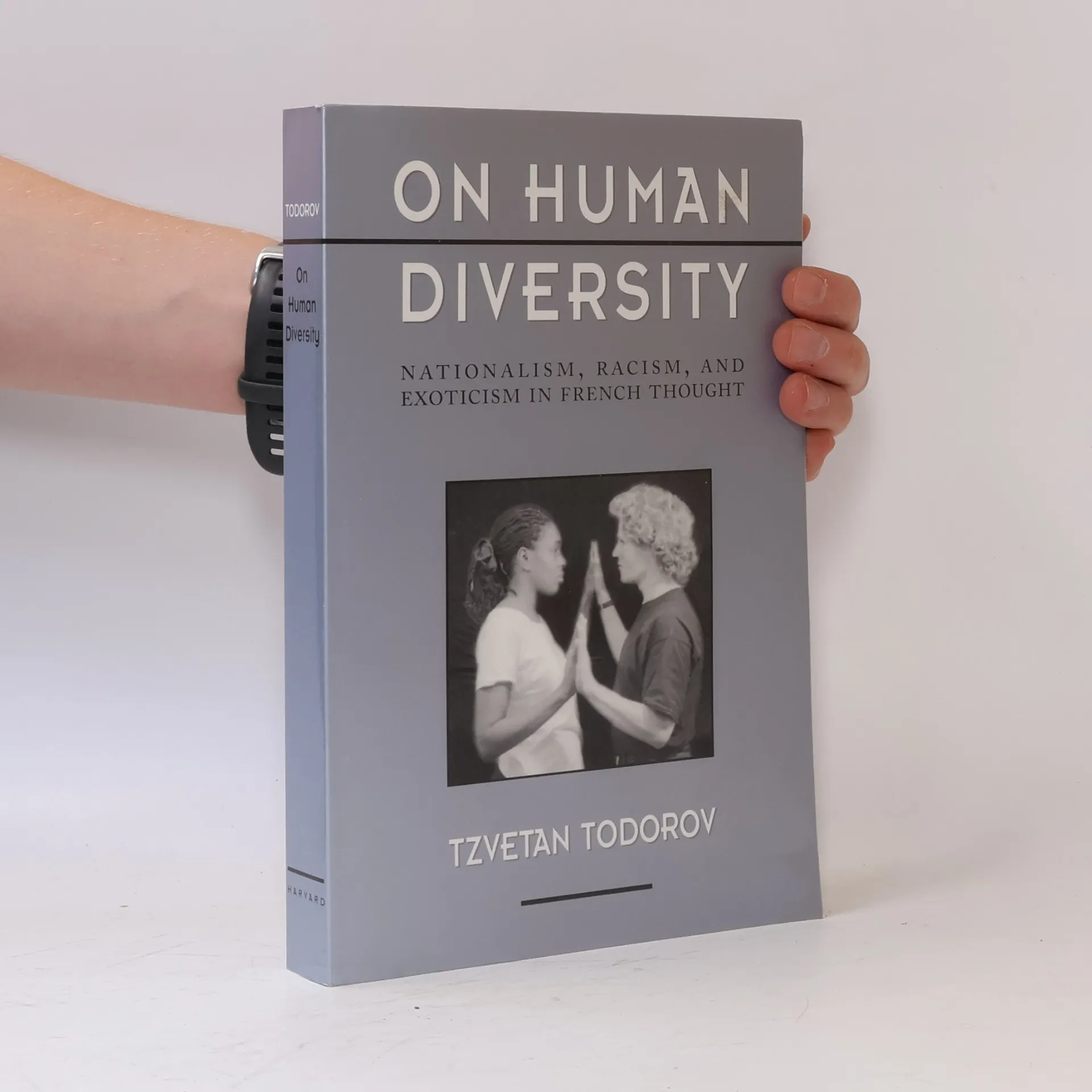
How can we understand cultures different from our own? In the early modern period, Europeans viewed human diversity through a lens of assumed superiority. However, the eighteenth century marked a shift, as thinkers began to recognize that other peoples possessed reason and deserved respect. Despite this progress, Enlightenment beliefs in universal human nature have faced criticism, particularly for their role in the prejudices and atrocities of the twentieth century. Tzvetan Todorov seeks to rehabilitate Enlightenment ideals, arguing that they can inspire humane thought and action today. He poses critical questions about how to navigate the dangers of distorted universalism and relativism. Focusing on the French intellectual tradition, Todorov analyzes key figures from Montaigne to Lévi-Strauss, illustrating how theories of human diversity emerged and were later misappropriated. The virtues of Enlightenment thought turned into vices due to the influences of racism, nationalism, and exoticism. Todorov advocates for a renewed acceptance of human diversity through a "critical humanism," echoing the ideas of Rousseau and Montesquieu. This work offers profound insights and a synthesis that can enhance our understanding of contemporary racial and ethnic tensions.

Nákup knihy
Convergences: Inventories of the Present: On Human Diversity, Tzvetan Todorov, Catherine Porter
- Jazyk

- Rok vydania
- 1994
- Väzba
- (mäkká)
Nikto zatiaľ neohodnotil.
- Titul
- Convergences: Inventories of the Present: On Human Diversity
- Podtitul
- Nationalism, Racism, and Exoticism in French Thought
- Jazyk
- anglicky
- Autori
- Tzvetan Todorov, Catherine Porter
- Vydavateľ
- Harvard University Press
- Rok vydania
- 1994
- Väzba
- mäkká
- Počet strán
- 448
- ISBN10
- 067463439X
- ISBN13
- 9780674634398
- Série
- Anotácia
- How can we understand cultures different from our own? In the early modern period, Europeans viewed human diversity through a lens of assumed superiority. However, the eighteenth century marked a shift, as thinkers began to recognize that other peoples possessed reason and deserved respect. Despite this progress, Enlightenment beliefs in universal human nature have faced criticism, particularly for their role in the prejudices and atrocities of the twentieth century. Tzvetan Todorov seeks to rehabilitate Enlightenment ideals, arguing that they can inspire humane thought and action today. He poses critical questions about how to navigate the dangers of distorted universalism and relativism. Focusing on the French intellectual tradition, Todorov analyzes key figures from Montaigne to Lévi-Strauss, illustrating how theories of human diversity emerged and were later misappropriated. The virtues of Enlightenment thought turned into vices due to the influences of racism, nationalism, and exoticism. Todorov advocates for a renewed acceptance of human diversity through a "critical humanism," echoing the ideas of Rousseau and Montesquieu. This work offers profound insights and a synthesis that can enhance our understanding of contemporary racial and ethnic tensions.