


Viac o knihe
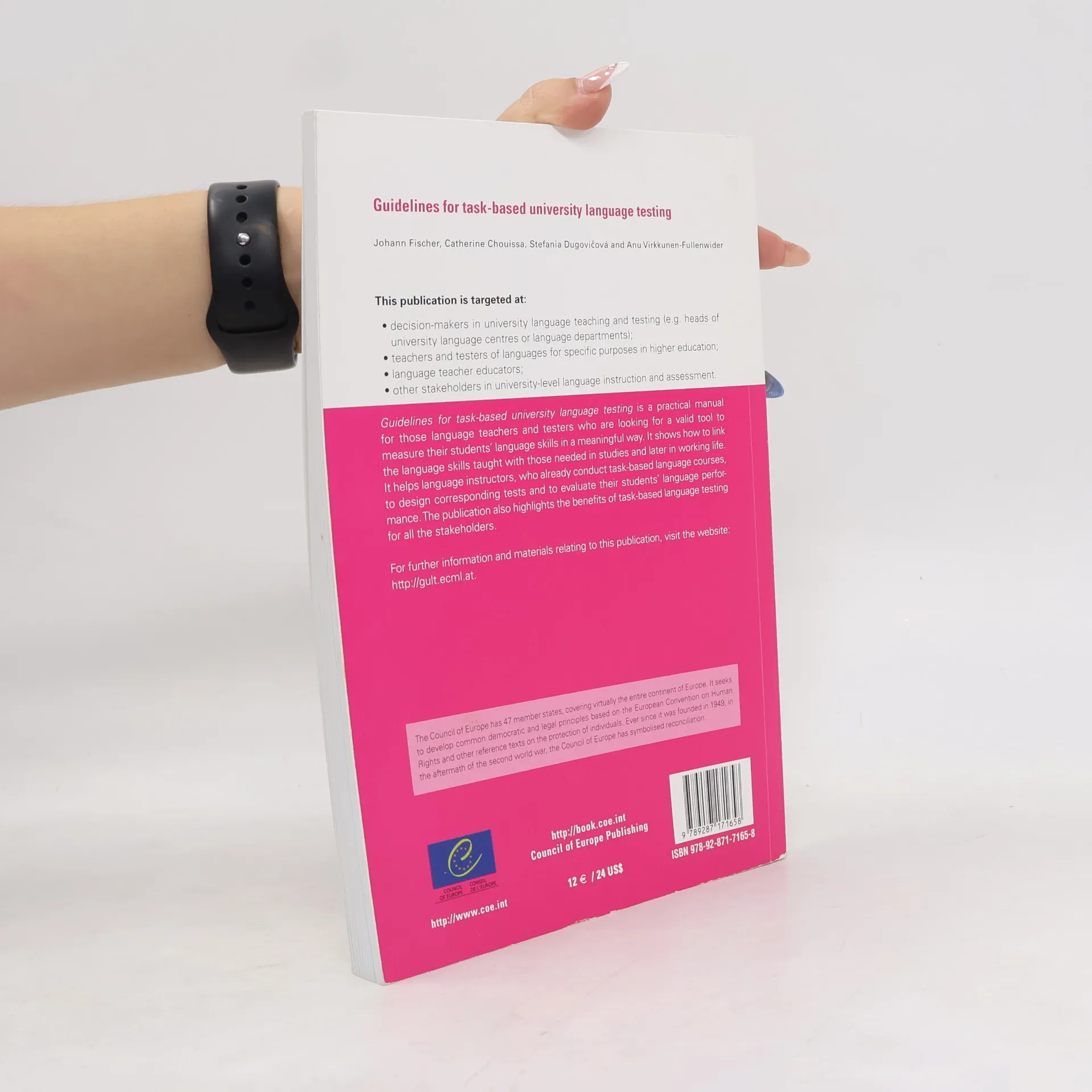
This publication is targeted at: • decision-makers in university language teaching and testing (e.g. heads of university language centres or language departments); • teachers and testers of languages for specific purposes in higher education; • language teacher educators; • other stakeholders in university-level language instruction and assessment. Guidelines for task-based university language testing is a practical manual for those language teachers and testers who are looking for a valid tool to measure their students' language skills in a meaningful way. It shows how to link the language skills taught with those needed in studies and later in working life. It helps language instructors, who already conduct task-based language courses, to design corresponding tests and to evaluate their students' language performance. The publication also highlights the benefits of task-based language testing for all the stakeholders.
Nákup knihy
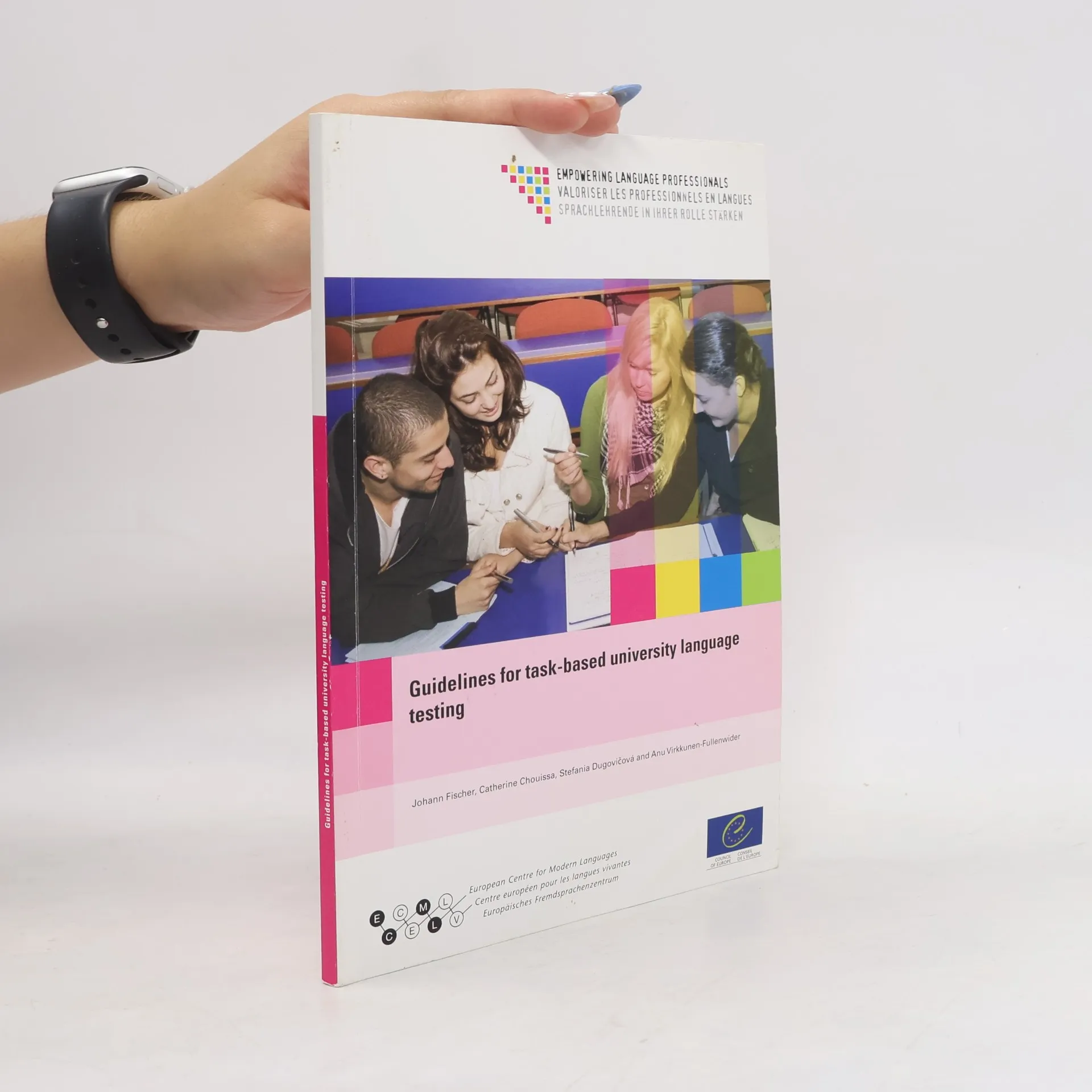
Guidelines for Task-Based University Language Testing, Johann Fischer, Catherine Chouissa, Štefánia Dugovičová, Anu Virkkunen-Fulenwider
- Jazyk

- Rok vydania
- 2011
- Väzba
- (mäkká),
- Stav knihy
- Dobrá
- Cena
- 2,89 €
Doručenie
Platobné metódy
Nikto zatiaľ neohodnotil.
- Titul
- Guidelines for Task-Based University Language Testing
- Jazyk
- anglicky
- Vydavateľ
- Council of Europe
- Rok vydania
- 2011
- Väzba
- mäkká
- ISBN10
- 9287171653
- ISBN13
- 9789287171658
- Série
- Štítky
- Anotácia
- This publication is targeted at: • decision-makers in university language teaching and testing (e.g. heads of university language centres or language departments); • teachers and testers of languages for specific purposes in higher education; • language teacher educators; • other stakeholders in university-level language instruction and assessment. Guidelines for task-based university language testing is a practical manual for those language teachers and testers who are looking for a valid tool to measure their students' language skills in a meaningful way. It shows how to link the language skills taught with those needed in studies and later in working life. It helps language instructors, who already conduct task-based language courses, to design corresponding tests and to evaluate their students' language performance. The publication also highlights the benefits of task-based language testing for all the stakeholders.