


Viac o knihe
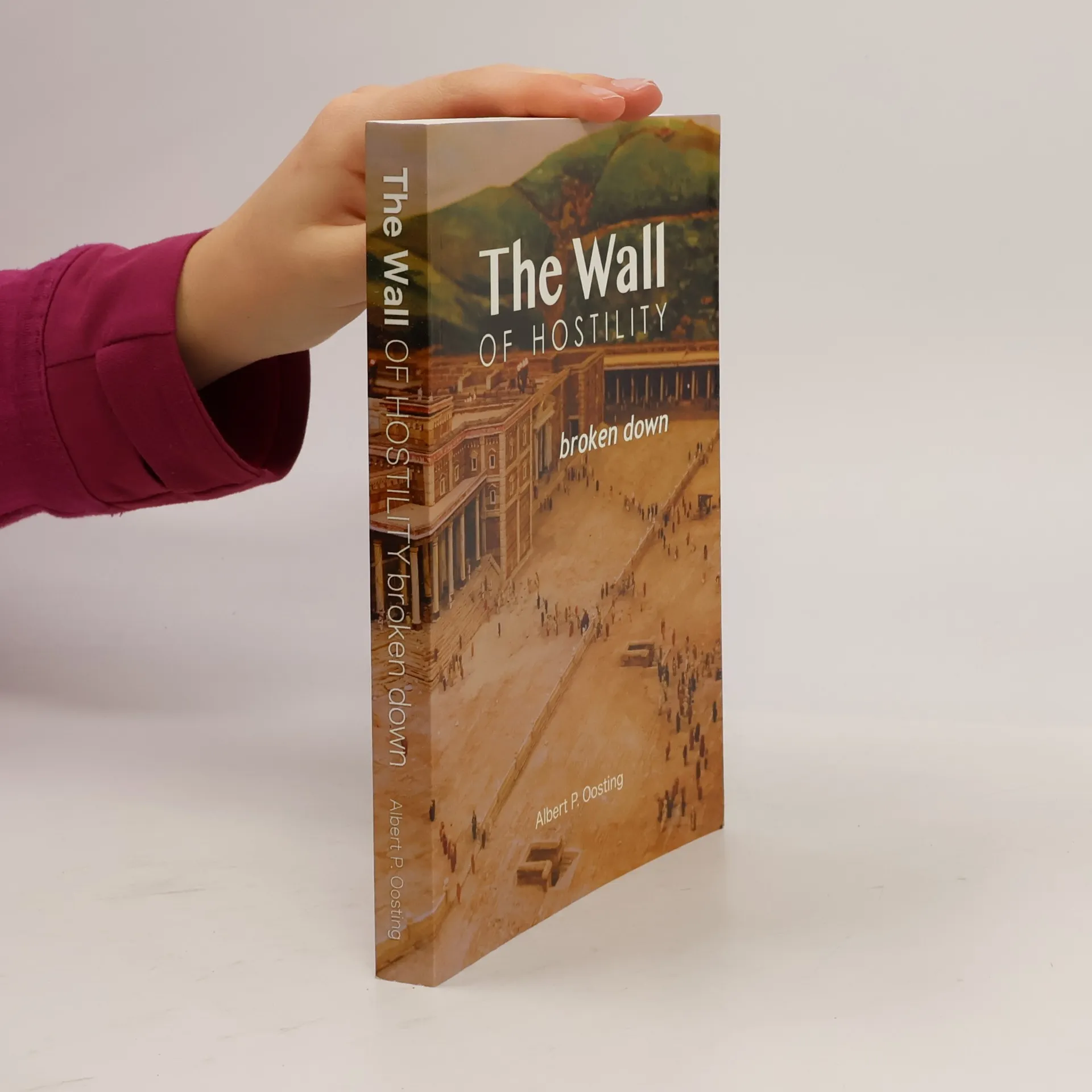
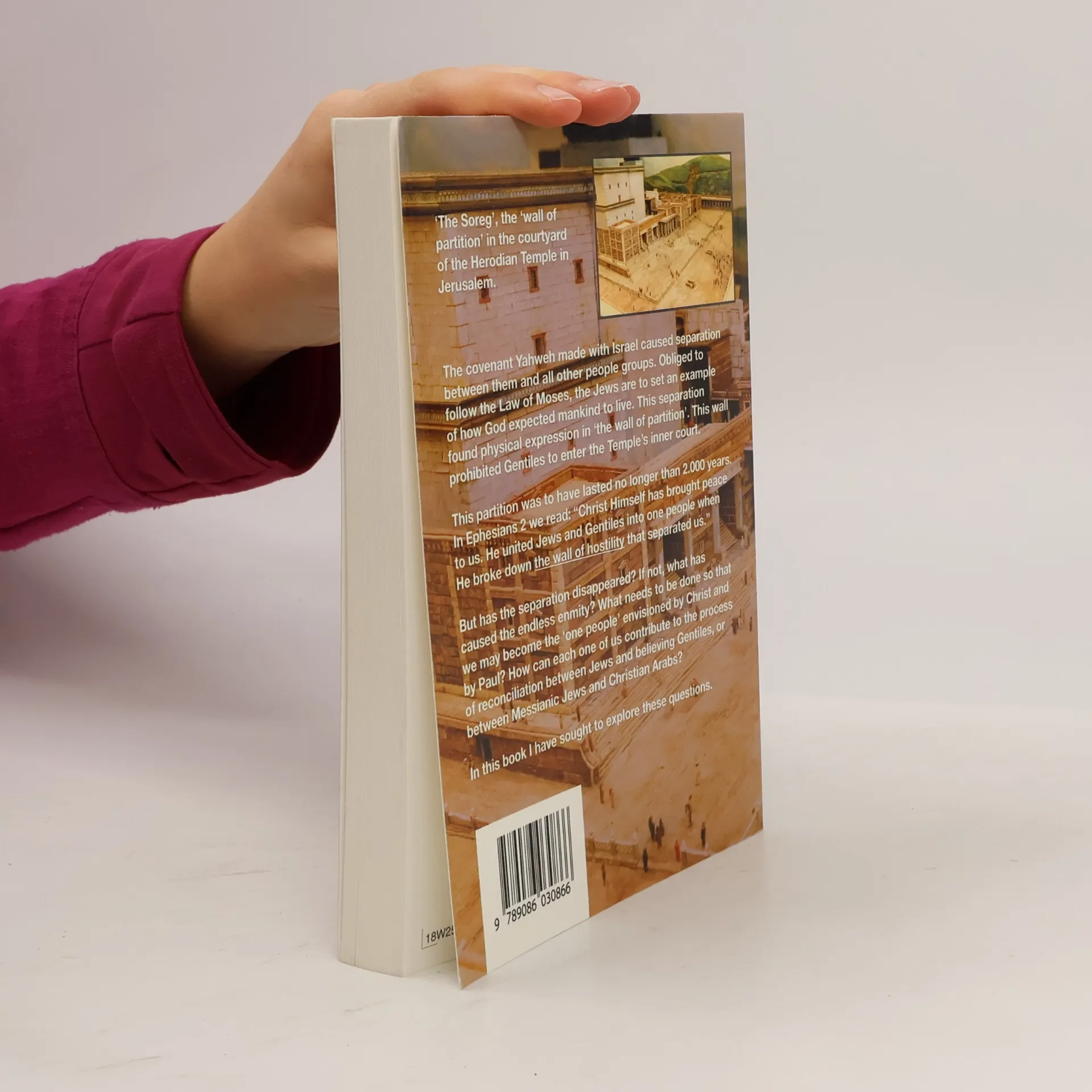
'The Soreg', the 'wall of partition' in the courtyard of the Herodian Temple in Jerusalem. The covenant Yahweh made with Israel caused separation between them and all other people groups. Obliged to follow the Law of Moses, the Jews are to set an example of how God expected mankind to live. This separation found physical expression in 'the wall of partition'. This wall prohibited Gentiles to enter the Temple's inner court. This partition was to have lasted no longer than 2.000 years. In Ephesians 2 we read: “Christ Himself has brought peace to us. He united Jews and Gentiles into one people when He broke down the wall of hostility that separated us." But has the separation disappeared? If not, what has caused the endless enmity? What needs to be done so that we may become the 'one people' envisioned by Christ and by Paul? How can each one of us contribute to the process of reconciliation between Jews and believing Gentiles, or between Messianic Jews and Christian Arabs? In this book I have sought to explore these questions.
Nákup knihy
The Wall of Hostility, Albert P. Oosting
- Jazyk

- Rok vydania
- 2016
- Väzba
- (mäkká),
- Stav knihy
- Veľmi dobrá
- Cena
- 16,39 €
Doručenie
Platobné metódy
Nikto zatiaľ neohodnotil.
- Titul
- The Wall of Hostility
- Podtitul
- Broken Down
- Jazyk
- anglicky
- Autori
- Albert P. Oosting
- Rok vydania
- 2016
- Väzba
- mäkká
- ISBN10
- 9086030866
- ISBN13
- 9789086030866
- Série
- Štítky
- Anotácia
- 'The Soreg', the 'wall of partition' in the courtyard of the Herodian Temple in Jerusalem. The covenant Yahweh made with Israel caused separation between them and all other people groups. Obliged to follow the Law of Moses, the Jews are to set an example of how God expected mankind to live. This separation found physical expression in 'the wall of partition'. This wall prohibited Gentiles to enter the Temple's inner court. This partition was to have lasted no longer than 2.000 years. In Ephesians 2 we read: “Christ Himself has brought peace to us. He united Jews and Gentiles into one people when He broke down the wall of hostility that separated us." But has the separation disappeared? If not, what has caused the endless enmity? What needs to be done so that we may become the 'one people' envisioned by Christ and by Paul? How can each one of us contribute to the process of reconciliation between Jews and believing Gentiles, or between Messianic Jews and Christian Arabs? In this book I have sought to explore these questions.