



Viac o knihe
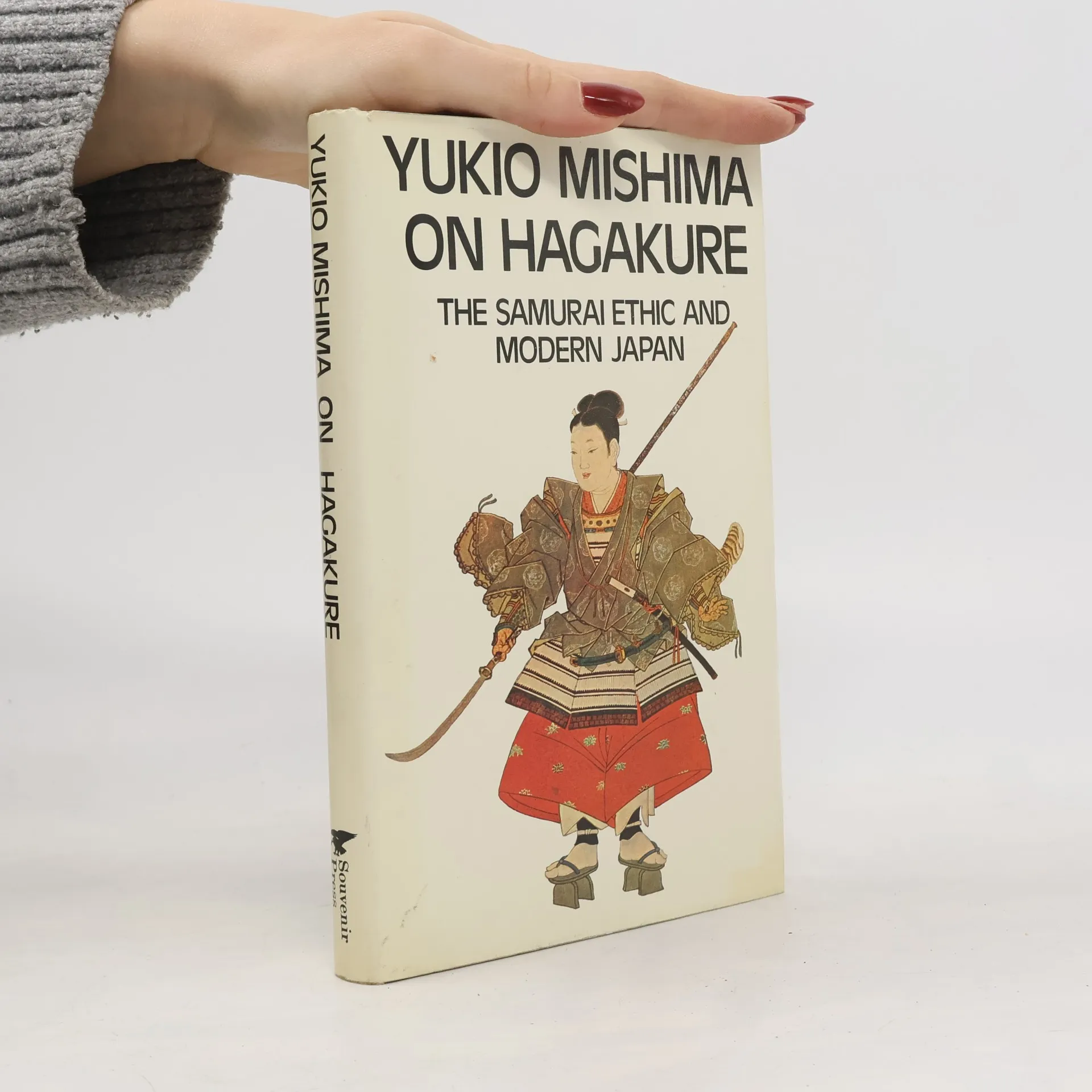
The original Hagakure contains the teachings of the samurai-turned-priest Jōchō Yamamoto (1659-1719), and was for generations preserved as moral and practical instructions for daimyo and samurai of Saga Han, a large domain in northwestern Kyushu. It later became known all over Japan, and during the Second World War Jōchō’s precept ‘I found that the Way of the Samurai is death’, became a slogan to spur on Kamikaze pilots. But the Hagakure is not only about death. In this, his adaptation and interpretation of it, Yukio Mishima deals with its teachings on action, subjectivity, strength of character, passion and love, and delights in giving prolific examples of Jōchō’s practical advice from proper behavior at a drinking party to child rearing. In the Hagakure , the most important influence on his life – and his death – Mishima saw striking similarities between his criticisms of materialistic post-war Japan and Jōchō’s criticisms of the sumptuous decadence of his contemporaries; and it is this emphasis which gives it its immediacy.

Nákup knihy
Yukio Mishima On Hagakure, Yukio Mishima
- Jazyk

- Rok vydania
- 1977
- Väzba
- (pevná),
- Stav knihy
- Poškodená
- Cena
- 42,99 €
Tu nám chýba tvoja recenzia
- Titul
- Yukio Mishima On Hagakure
- Podtitul
- The Samurai Ethic And Modern Japan
- Jazyk
- anglicky
- Autori
- Yukio Mishima
- Vydavateľ
- Souvenir Press Ltd
- Rok vydania
- 1977
- Väzba
- pevná
- Počet strán
- 176
- ISBN10
- 028564808X
- ISBN13
- 9780285648081
- Série
- Kategórie
- Hodnotenie
- 3,55 z 5
- Anotácia
- The original Hagakure contains the teachings of the samurai-turned-priest Jōchō Yamamoto (1659-1719), and was for generations preserved as moral and practical instructions for daimyo and samurai of Saga Han, a large domain in northwestern Kyushu. It later became known all over Japan, and during the Second World War Jōchō’s precept ‘I found that the Way of the Samurai is death’, became a slogan to spur on Kamikaze pilots. But the Hagakure is not only about death. In this, his adaptation and interpretation of it, Yukio Mishima deals with its teachings on action, subjectivity, strength of character, passion and love, and delights in giving prolific examples of Jōchō’s practical advice from proper behavior at a drinking party to child rearing. In the Hagakure , the most important influence on his life – and his death – Mishima saw striking similarities between his criticisms of materialistic post-war Japan and Jōchō’s criticisms of the sumptuous decadence of his contemporaries; and it is this emphasis which gives it its immediacy.