
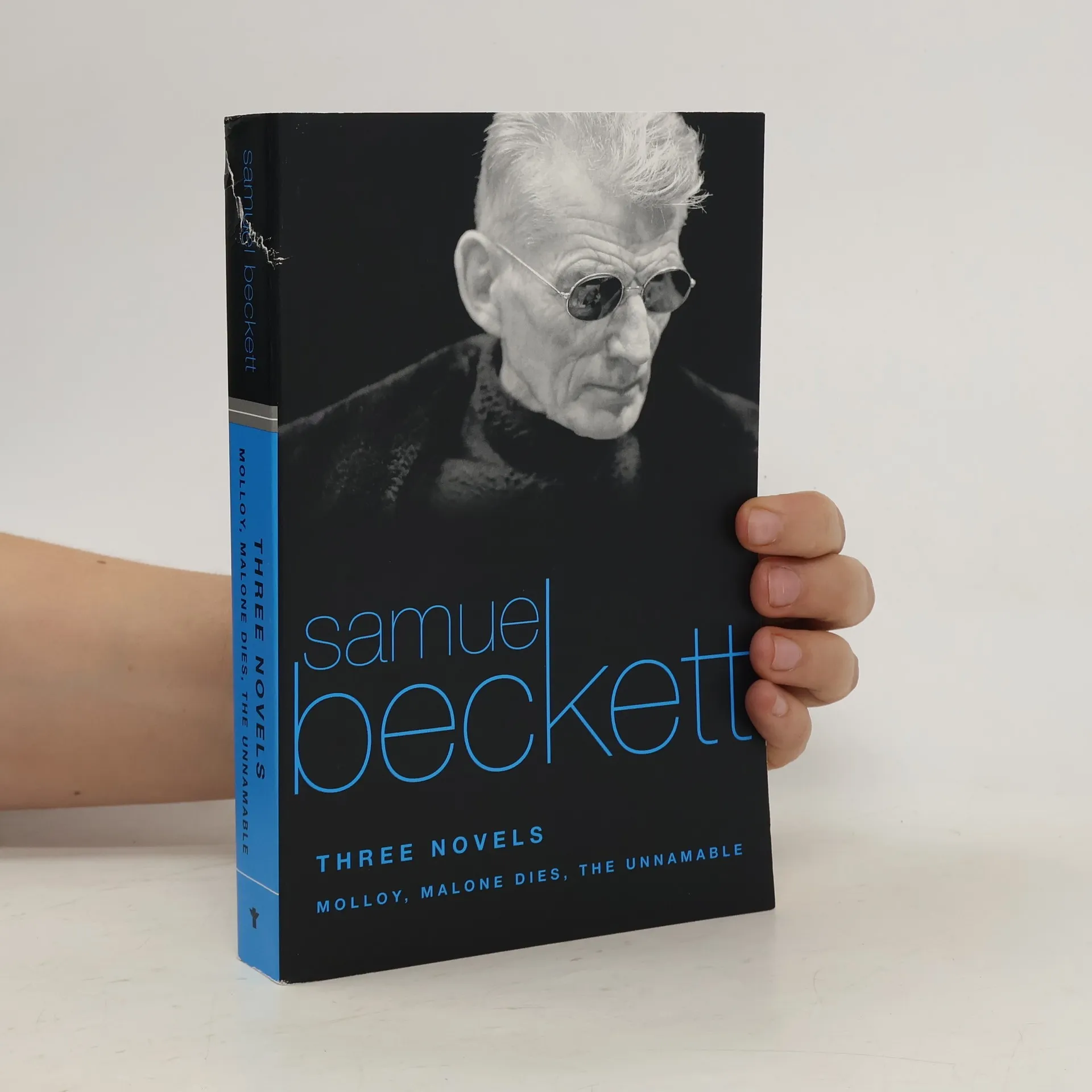
Táto séria sa ponorí do hlbín ľudskej existencie, skúma témy ako absurdita života, hľadanie identity a nevyhnutnosť smrti. S nekompromisným a často znepokojivým pohľadom na svet sa tieto diela vzpierajú tradičným naratívnym formám. Ponúkajú čitateľom introspektívnu cestu skrze existenčné dilemy, kde jazyk a štýl hrajú rovnako dôležitú úlohu ako samotný príbeh.
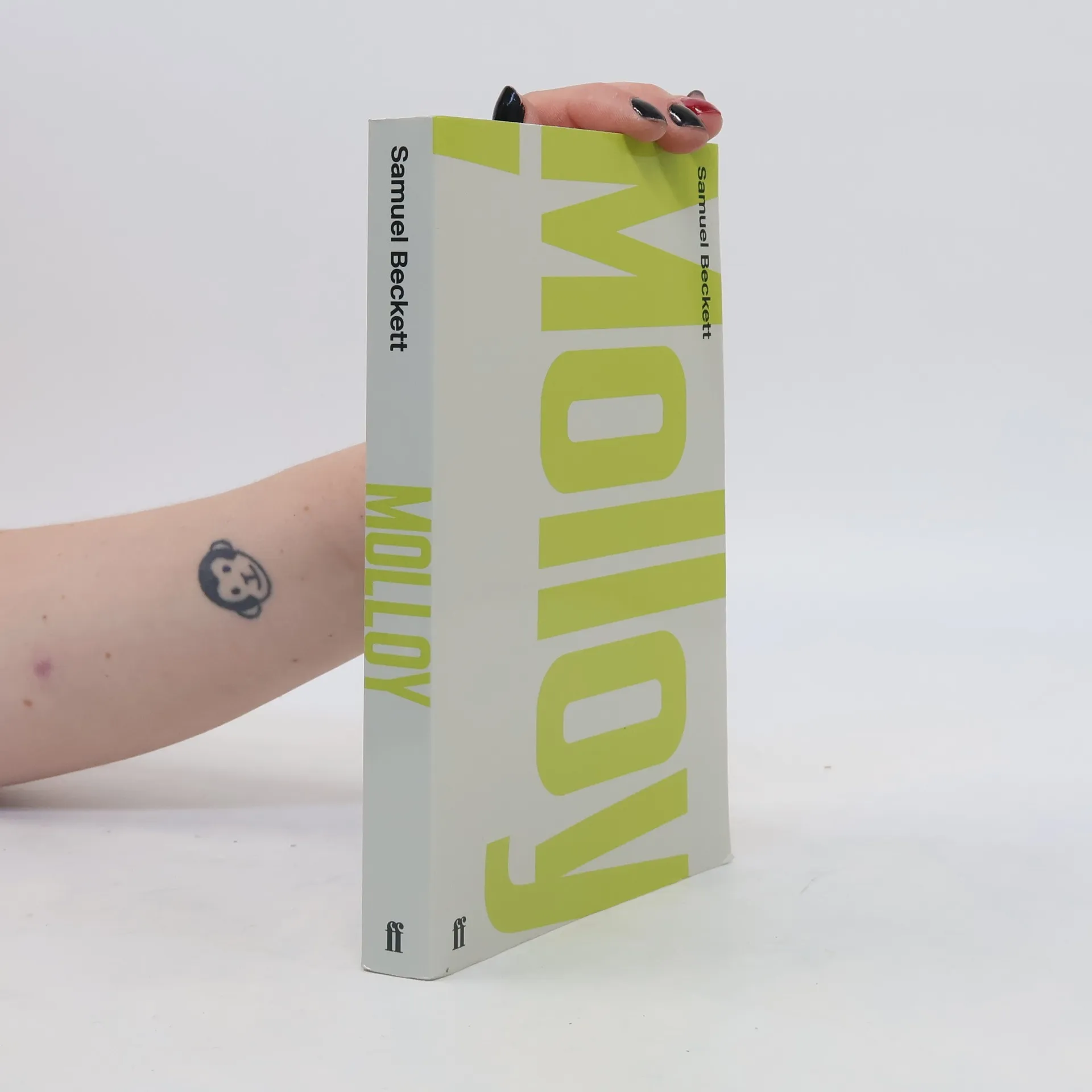
'Molloy' is Samuel Beckett's best-known novel, and his first published work to be written in French. It brings a world into existence with finicking certainties, at the tip of whoever is holding the pencil, and trades larger uncertainties with the reader.
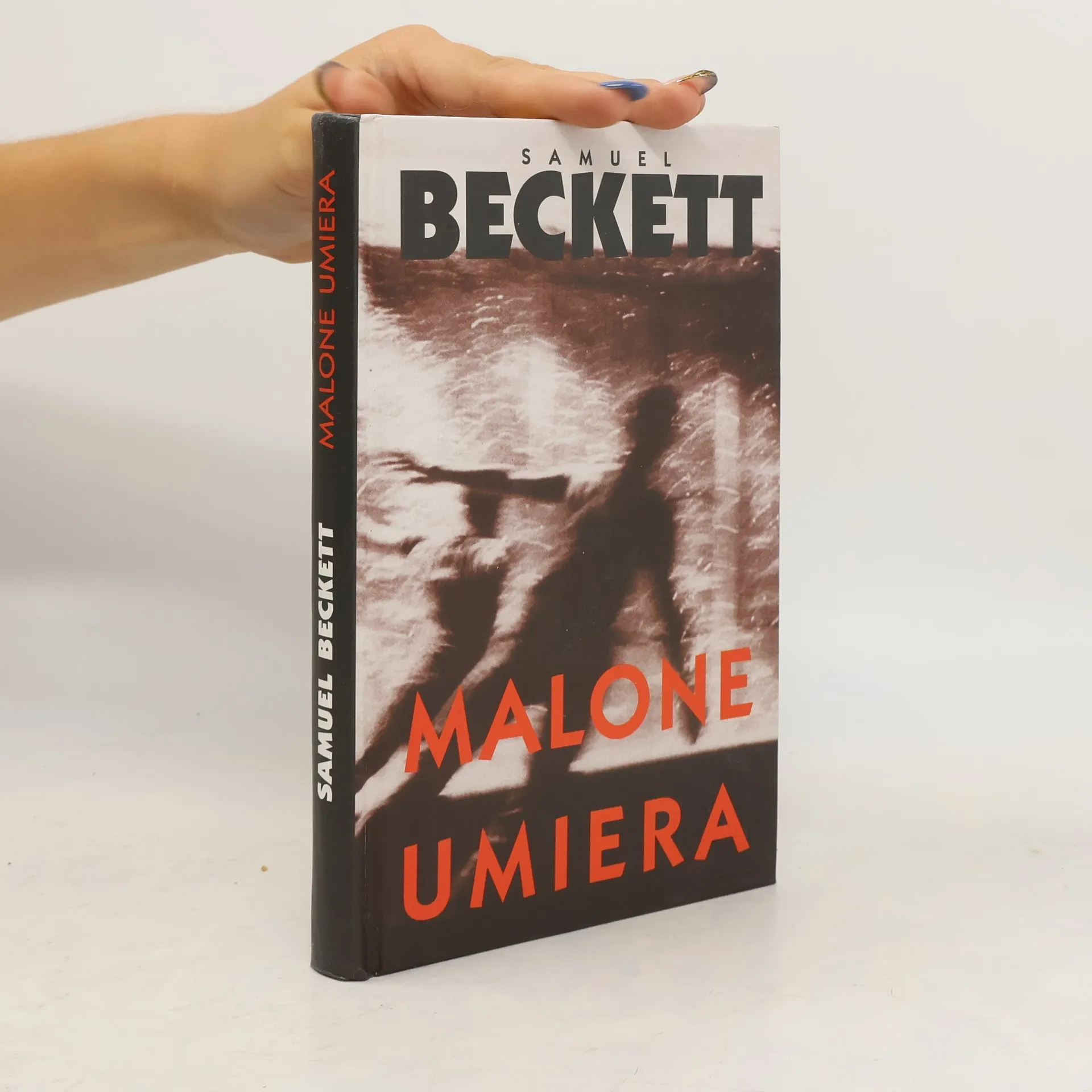
Román Malone umiera, ktorý vyšiel v roku 1951 ako druhý zväzok voľnej trilógie predstavujúcej lineárny vývin Beckettovej románovej poetiky, je jedným z autorových kľúčových diel spochybňujúcich tradičné románové prvky, ktoré významne ovplyvnili európsku a svetovú literatúru.
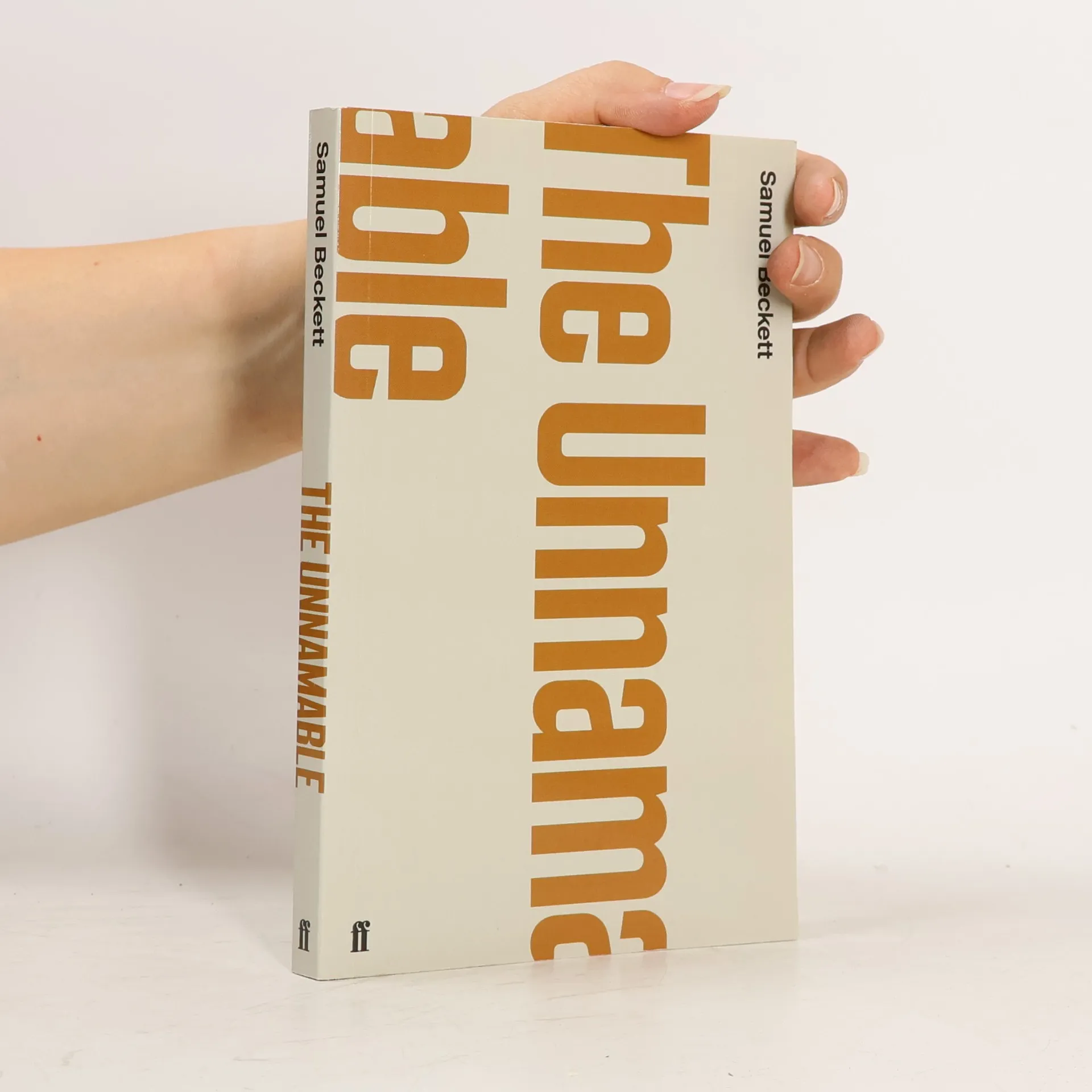
The Unnamable - so named because he knows not who he may be - is from a
nameless place. He speaks of previous selves ('all these Murphys, Molloys, and
Malones...') as diversions from the need to stop speaking altogether.
Few works of contemporary literature are so universally acclaimed as central to our understanding of the human experience as Nobel Prize winner Samuel Beckett’s famous trilogy. Molloy, the first of these masterpieces, appeared in French in 1951. It was followed seven months later by Malone Dies and two years later by The Unnamable. All three have been rendered into English by the author.
The first novel of Samuel Beckett's mordant and exhilirating midcentury trilogy intoduces us to Molloy, who has been mysteriously incarcerated, and who subsequently escapes to go discover the whereabouts of his mother. In the latter part of this curious masterwork, a certain Jacques Moran is deputized by anonymous authorities to search for the aforementioned Molloy. In the trilogy's second novel, Malone, who might or might not be Molloy himself, addresses us with his ruminations while in the act of dying. The third novel consists of the fragmented monologue - delivered, like the monologues of the previous novels, in a mournful rhetoric that possesses the utmost splendor and beauty - of what might or might not an armless and legless creature living in an urn outside an eating house. Taken together, these three novels represent the high-water mark of the literary movement we call Modernism. Within their linguistic terrain, where stories are taken up, broken off, and taken up again, where voices rise and crumble and are resurrected, we can discern the essential lineaments of our modern condition, and encounter an awesome vision, tragic yet always compelling and always mysteriously invigorating, of consciousness trapped and struggling inside the boundaries of nature.