
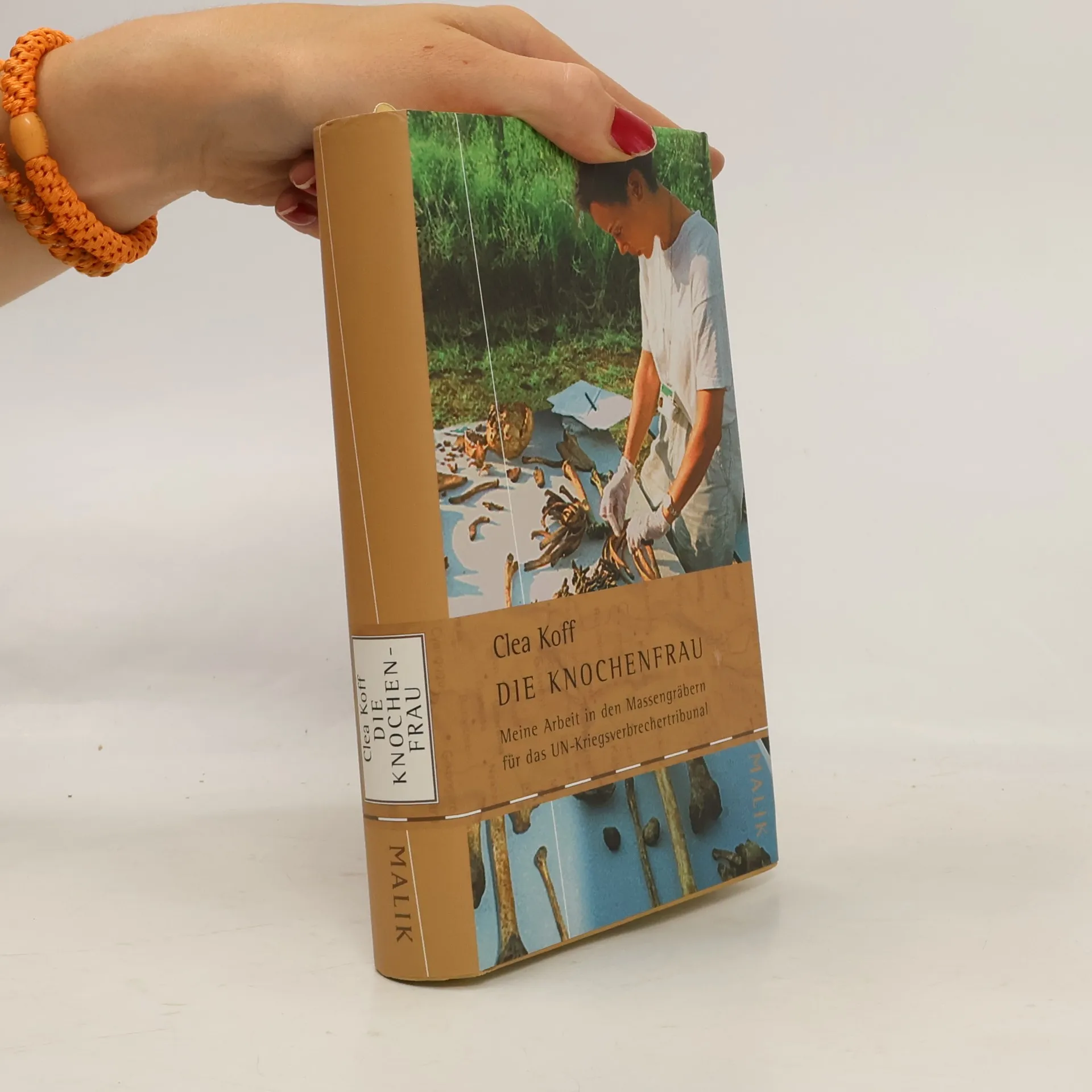

A powerful, deeply personal account of a forensic anthropologist's work to uncover the horrors of genocide.
Clea Koff Knihy
Clea Koff sa venuje témam súvisiacim s ľudskou dôstojnosťou a pamäťou, často prostredníctvom detailného skúmania pozostatkov. Jej práca vychádza z hlbokého záujmu o forenznú antropológiu a z osobnej skúsenosti s prácou na miestach vojnových zločinov. Prostredníctvom svojej literárnej tvorby sa snaží dať hlas obetiam a objasniť okolnosti ich úmrtí. Koff využíva svoj jedinečný prístup k skúmaniu minulosti a odhaľovaniu pravdy.


Silent Evidence
- 384 stránok
- 14 hodin čítania
The book captivates readers with its intense and gripping narrative, leaving them breathless with suspense. With a focus on emotional depth and compelling character development, it explores themes of resilience and survival. The story promises to engage audiences through its brilliant writing and unexpected twists, making it a must-read for those who enjoy thrilling and thought-provoking literature.
Deadly Evidence
- 384 stránok
- 14 hodin čítania
The chilling sequel delves deeper into the haunting mysteries introduced in its predecessor, Silent Evidence. Readers will encounter complex characters grappling with dark secrets and unresolved tensions. As the plot thickens, the atmosphere becomes increasingly suspenseful, drawing the audience into a web of intrigue and unexpected twists. This installment promises to elevate the stakes, ensuring that fans of psychological thrillers are captivated until the final page.
Die junge forensische Anthropologin berichtet über ihre Arbeit in Ruanda, Bosnien, Kroatien und im Kosovo, wo sie im Auftrag der UNO versucht, die Toten zu identifizieren.
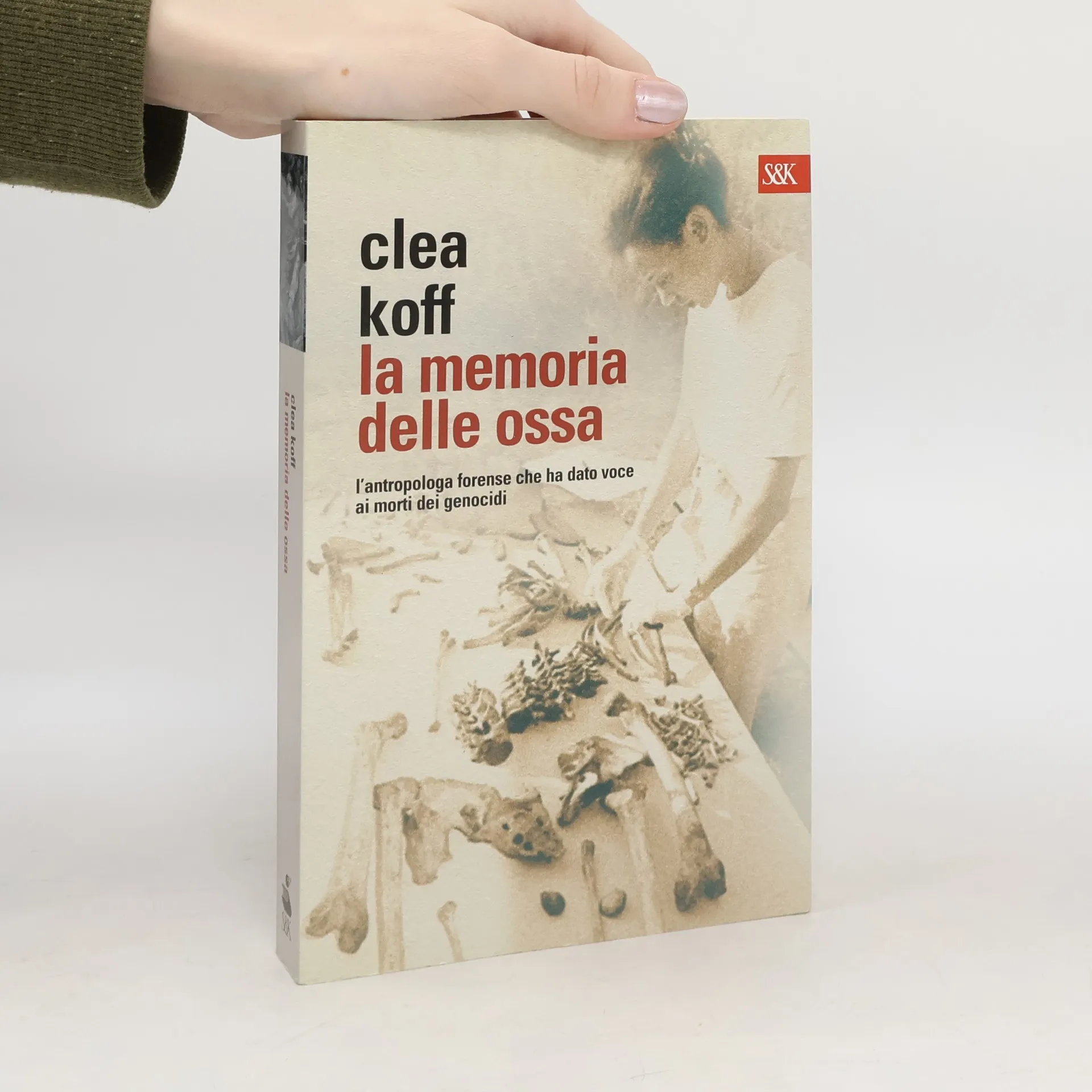
La memoria delle ossa
- 339 stránok
- 12 hodin čítania
1994. In Ruanda si scatena una delle più spaventose guerre civili che hanno insanguinato la fine del XX secolo. Due anni più tardi, Clea Koff, ventitreenne antropologa forense, viene inviata sul posto, con un gruppo di esperti, per conto del Tribunale internazionale dell'ONU. La sua missione è far parlare i morti. Attraverso l'analisi minuziosa dei corpi trovati nelle fosse comuni deve accertare l'identità delle vittime, l'età, il sesso, la razza e stabilire se si trattava di civili o di combattenti. Il suo lavoro non solo permetterà di raccogliere le prove occultate dalla propaganda governativa per incriminare i responsabili dell'atroce genocidio, ma restituirà anche ai famigliari sopravvissuti un nome su cui piangere.