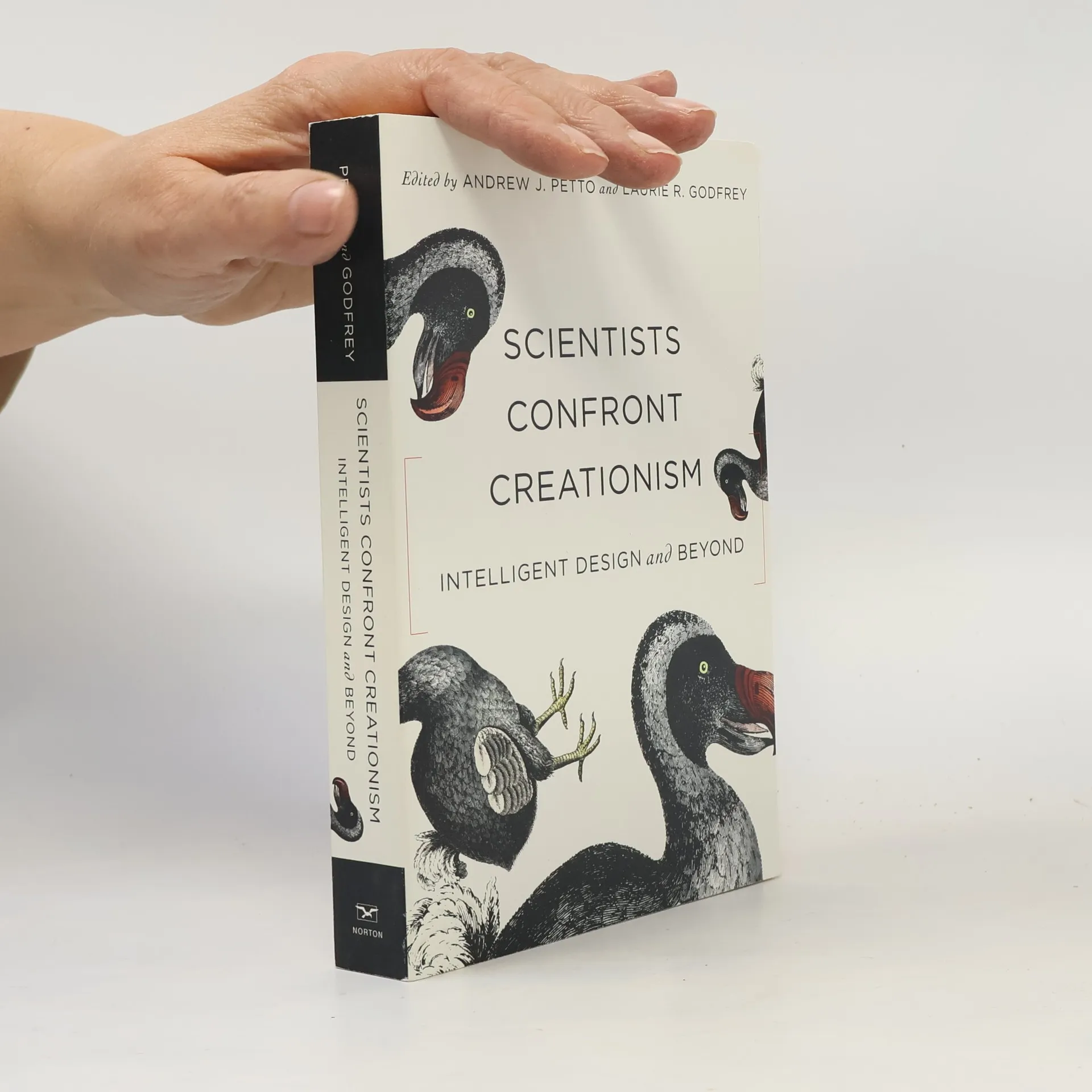
From leading scientists, lawyers, and educators-a decisive rebuttal to those who undermine science in the name of religion.
Stephen Jay Gould Poradie kníh (chronologicky)
10. september 1941 – 20. máj 2002
Stephen Jay Gould bol popredný americký paleontológ a evolučný biológ, ktorý sa preslávil svojím pôsobivým popularizačným písaním o vede. Zameriaval sa predovšetkým na suchozemské slimáky a spoluzaložil teóriu prerušovanej rovnováhy, ktorá popisuje rýchle evolučné zmeny. Gould oponoval striktnému selekcionizmu a sociobiológii, pričom obhajoval kompatibilitu vedy a náboženstva ako odlišných oblastí poznania. Jeho eseje a knihy priblížili zložité vedecké koncepty širokej verejnosti.

La sfida della complessità
- 448 stránok
- 16 hodin čítania
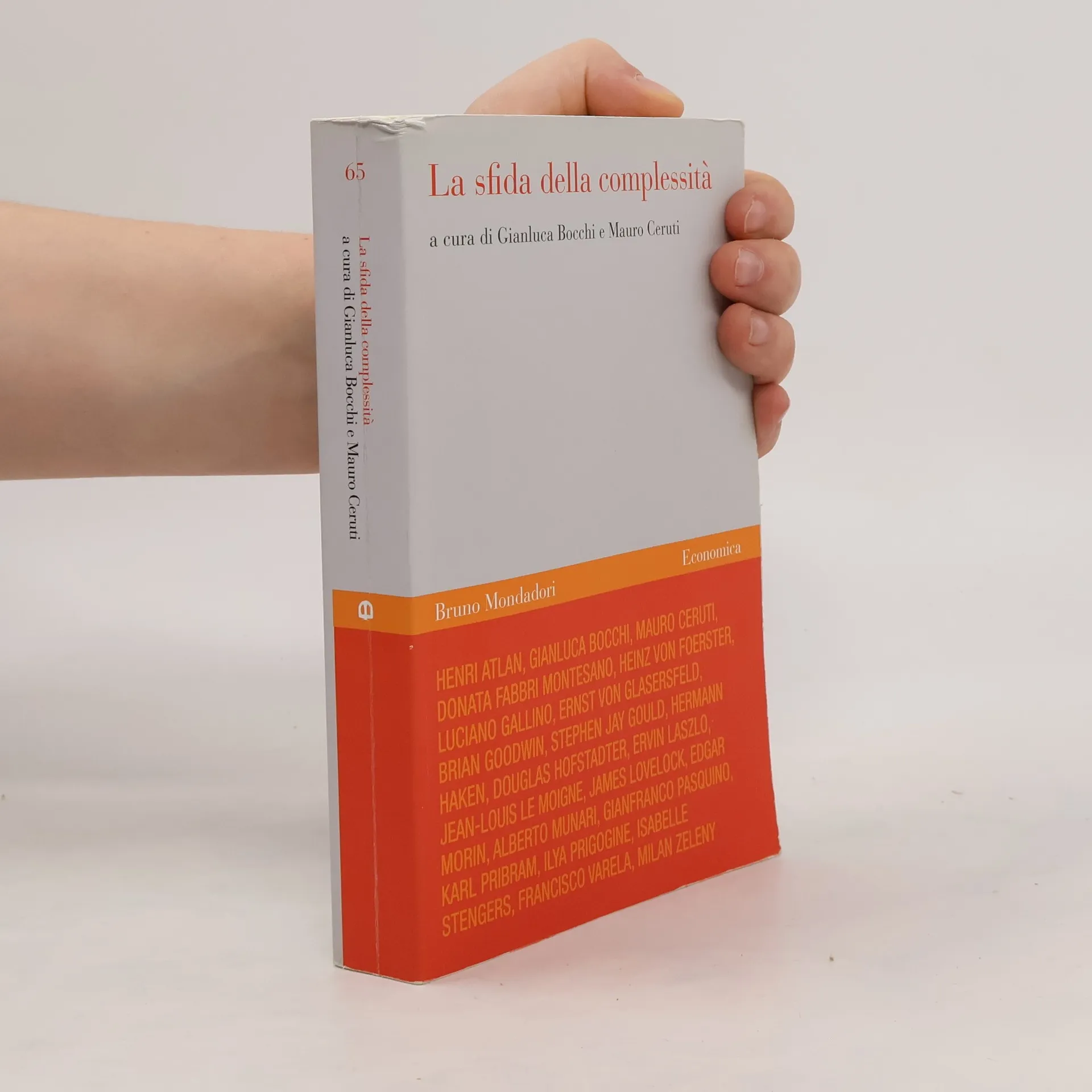
La sfida della complessità nasce dall'irruzione dell'incertezza nelle nostre conoscenze, dallo sgretolarsi dei miti che per secoli hanno regolato il cammino della scienza moderna. Ma d'altra parte la fine della certezza, della completezza, dell'esaustività e dell'onniscienza non segnala soltanto la fine di un ordine, ma rende ineludibile una trasformazione delle domande e delle risposte su cui è basato il nostro sapere. Chiamati a raccolta da Gianluca Bocchi e Mauro Ceruti a metà degli anni ottanta, scienziati e pensatori come Ilya Prigogine e Francisco Varela, Stephen Jay Gould e Heinz von Foerster presentano e confrontano i loro itinerari nella “nuova scienza”, in un'opera che ha mantenuto intatta la sua freschezza ed esemplarità.
Eight Little Piggies
- 480 stránok
- 17 hodin čítania
The title is a pun, and as always with Gould the joke has a point that illustrates the largest pattern of life's history. For millennia the animals that populated the earth had four toes on each foot, or six. If evolution had taken a tiny shift - if our a
The richness of life
- 656 stránok
- 23 hodin čítania
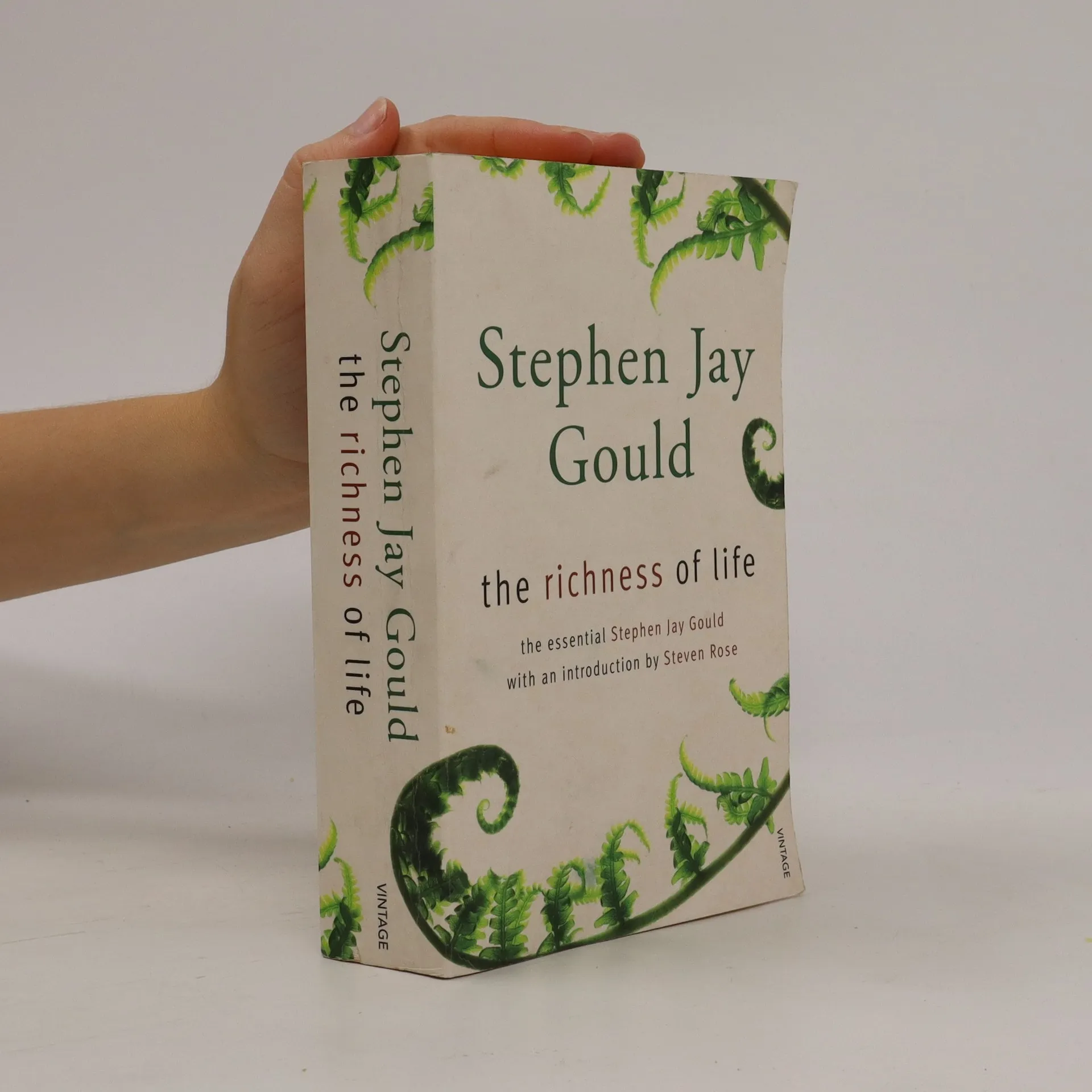
There aren't many scientists famous enough in their lifetime to be canonized by the US Congress as one of America's 'living legends'. It is still more unlikely that the title should have been conferred on a man regarded by many in the US as a notorious ra
The Hedgehog, the Fox, and the Magister's Pox
- 288 stránok
- 11 hodin čítania
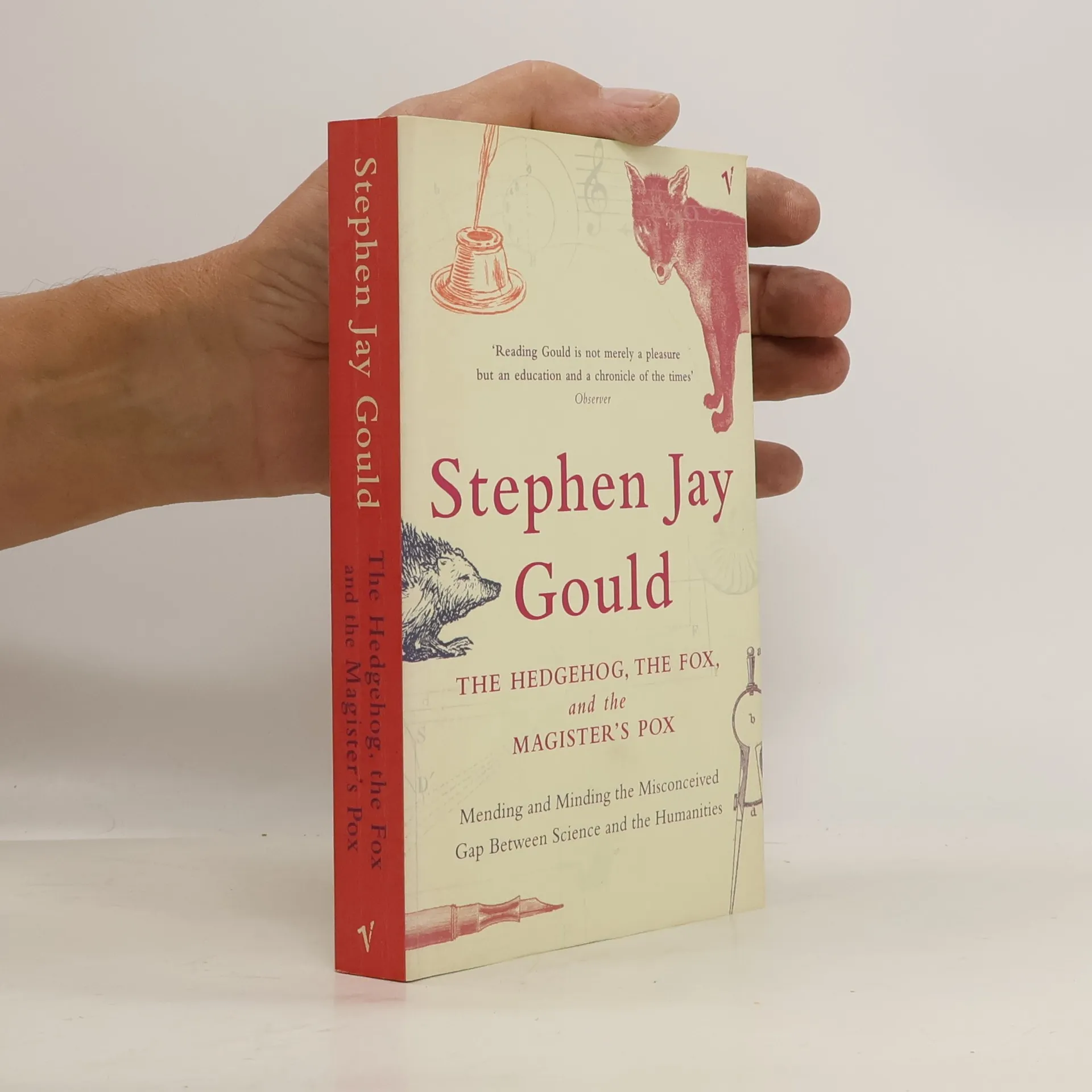
Completed shortly before his death, this is the last work of science from the most celebrated popular science writer in the world. In characteristic form, Gould weaves the ideas of some of Western society's greatest thinkers, from Bacon to Galileo to E. O. Wilson, with the uncelebrated ideas of lesser-known yet pivotal intellectuals. He uses their ides to undo an assumption born in the seventeenth century and continuing to this day, that science and the humanities stand in opposition. Gould uses the metaphor of the hedgehog - who goes after one thing at a measured pace, systematically investigating all; the fox - skilled at many things, intuitive and fast; and the magister's pox - a censure from the Catholic Church involved in Galileo's downfall: to illustrate the different ways of responding to knowledge - in a scientific, humanistic or fearful way. He argues that in fact each would benefit by borrowing from the other.
The Structure of Evolutionary Theory
- 1464 stránok
- 52 hodin čítania
The book critiques classical Darwinism by examining its fundamental components, historical development, and origins. It challenges established beliefs and proposes a new framework for understanding evolutionary theory, encouraging readers to rethink traditional concepts in light of contemporary insights.
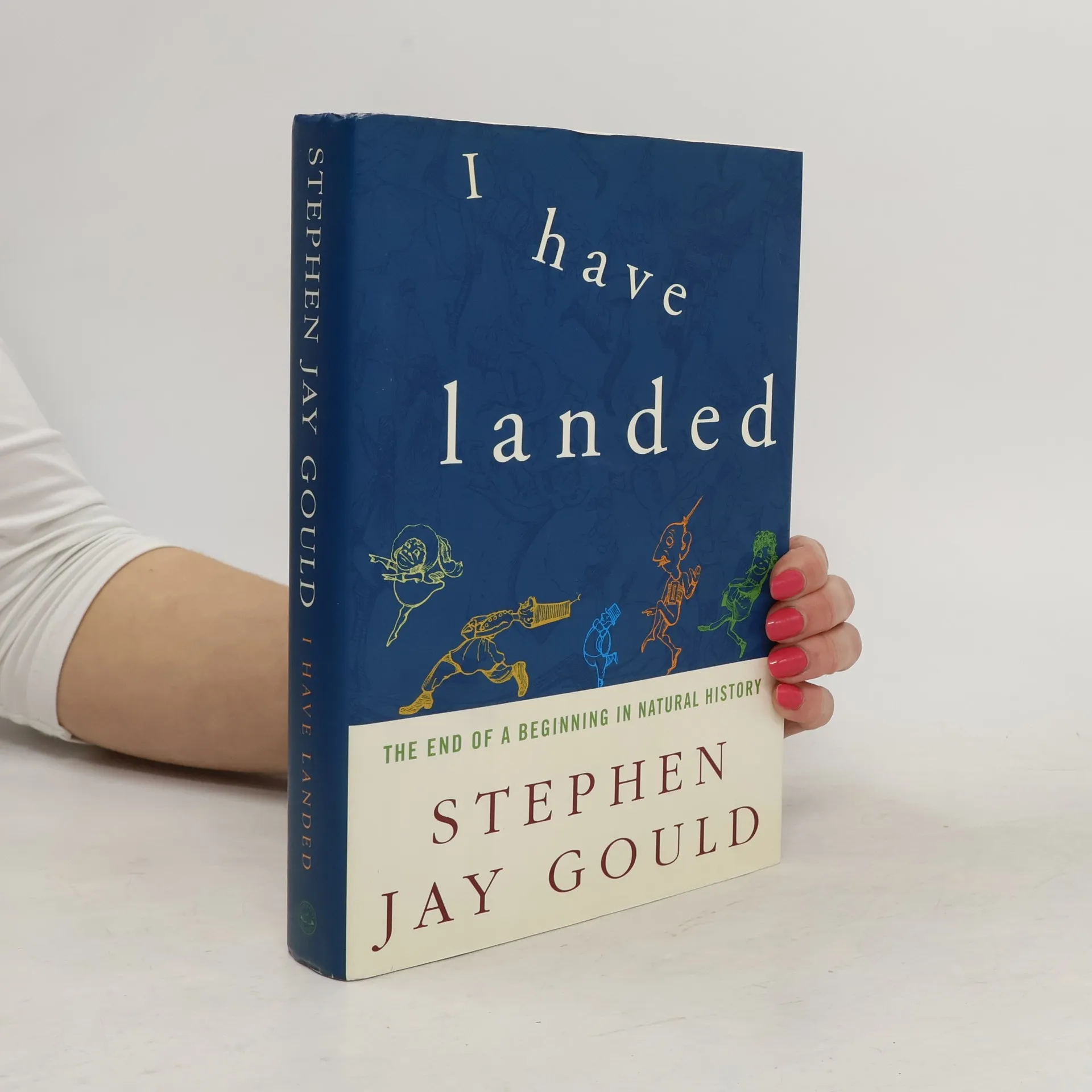
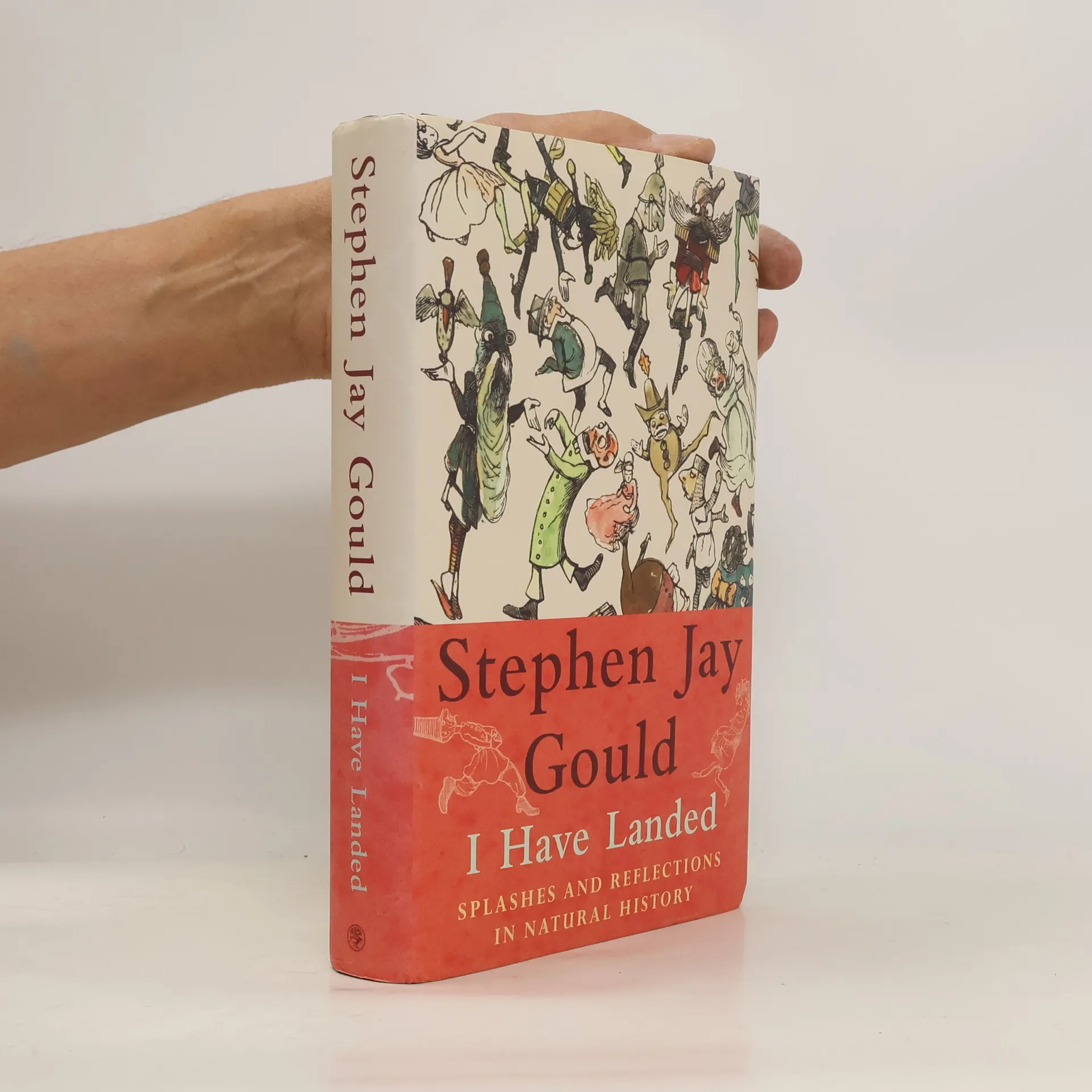
I Have Landed
- 320 stránok
- 12 hodin čítania
This collection of essays from "Natural History" magazine illuminate and elucidate key scientific concepts and their history, ranging from the discovery of the new scourge of syphilis by Fracastoro in the 16th century to Freud's weird speculations about human phylogeny.
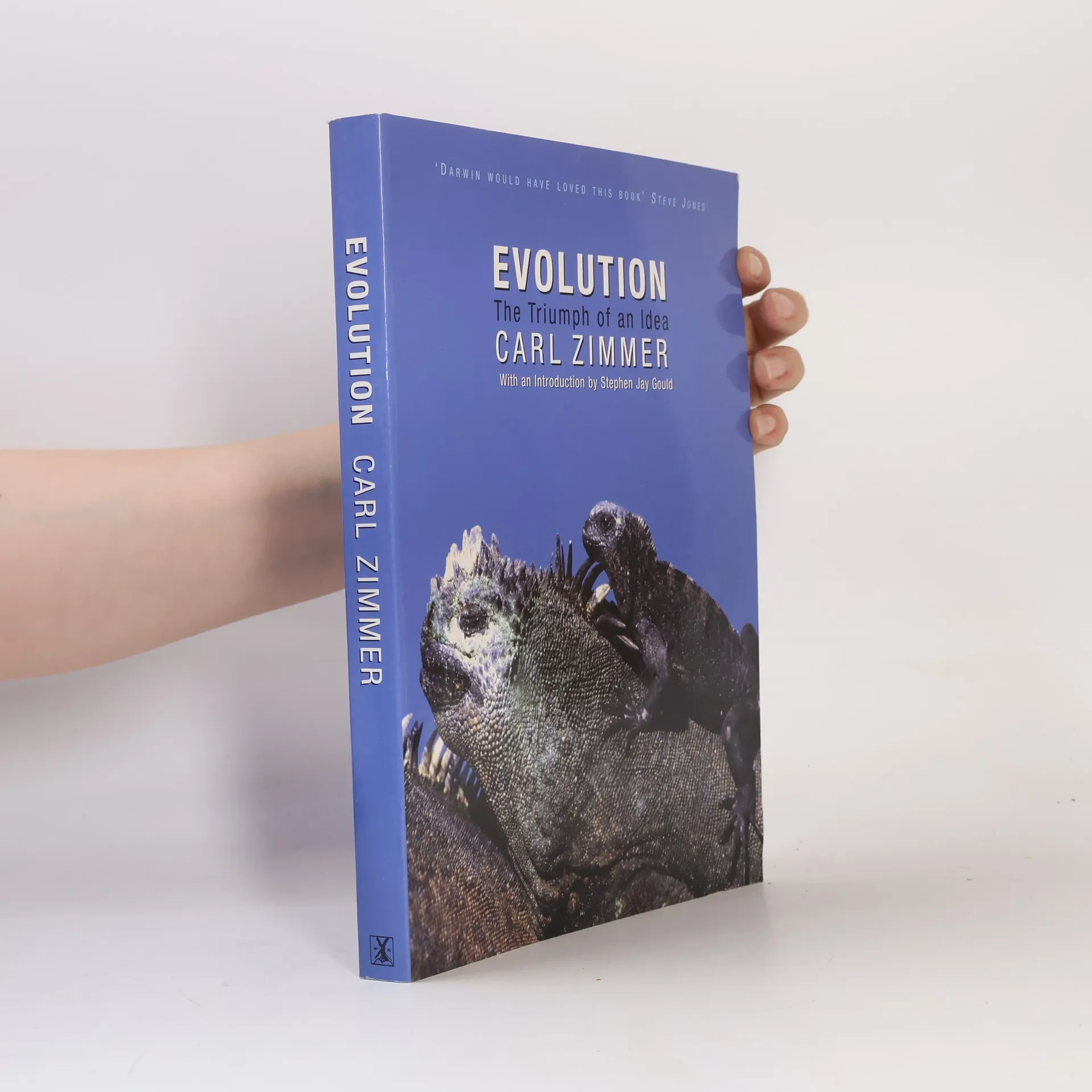
The theory of evolution stands over modern biology as quantum mechanics and relativity do over modern physics. And few modern scientists are as widely familiar and celebrated as Darwin. Yet most of us remain less than entirely clear as to how evolution by natural selection works and a series of celebrated titles by such writers as Steven Jay Gould and Richard Dawkins do little to help, being each so partisan of a particular, contentious, view of the subject. Carl Zimmer draws together the entire history of the subject, from Darwin's original insights on the voyage of the Beagle, through the 'modern synthesis', which combined genetics with natural selection, to the Darwinian medicine and the 'selfish gene' debates of today. There is no comparably balanced and wide-ranging book available at present, let alone one that is as well and accessibly written. For all of us who lack a comfortable familiarity with this most influential of scientific ideas, an idea that has as many implications for our understanding of child-rearing, AIDS and the fate of the rain-forest as it does for the 'origin of species', this is an ideal introduction.
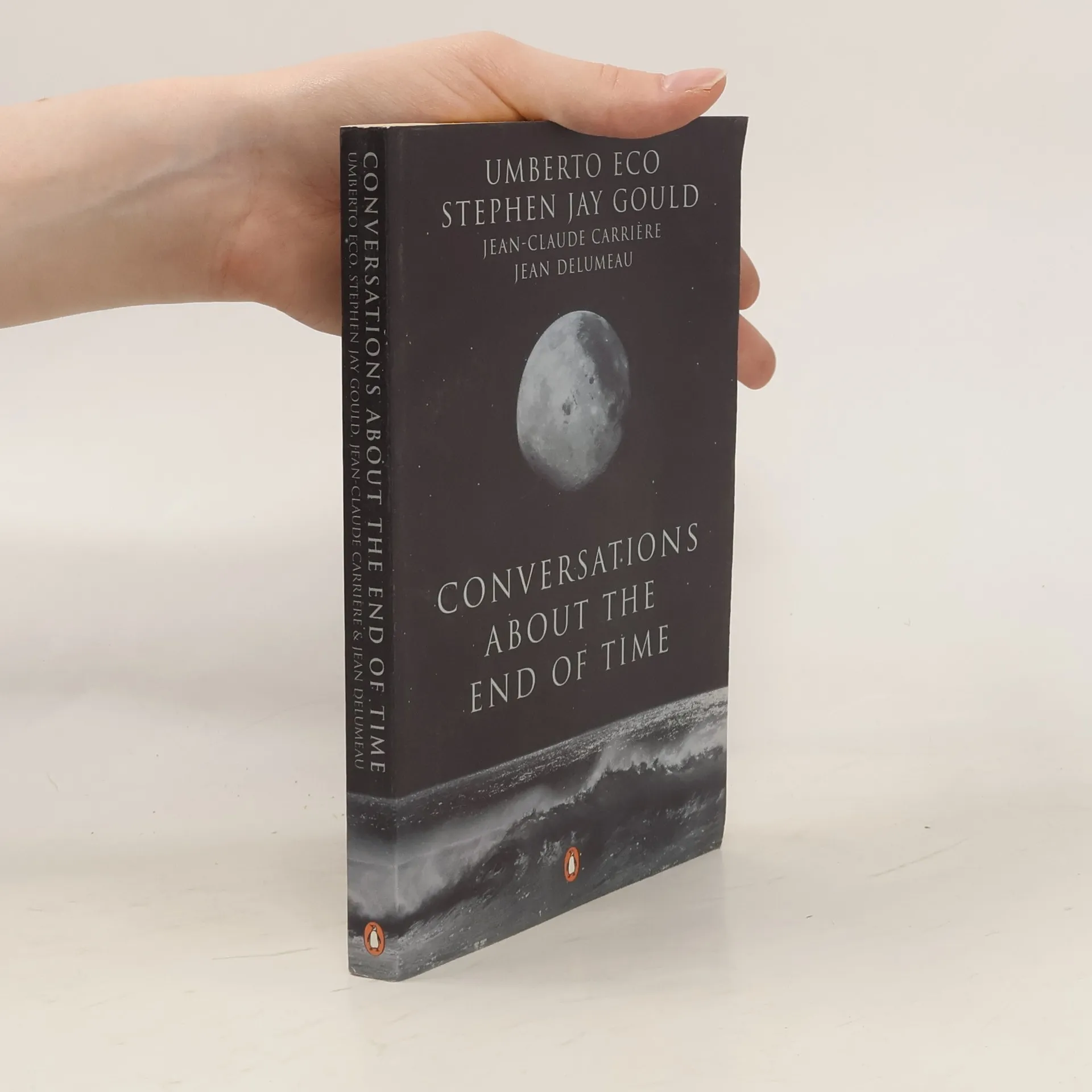
Conversations about the End of Time
- 228 stránok
- 8 hodin čítania
Where does our fascination with the Apocalypse come from? Is time cyclical or linear? Can society survive without ideology? Can children be philosophers? The contributors examine these questions and other of our preoccupations, cast back to the fears and hopes of previous generations and examine the challenges to come.
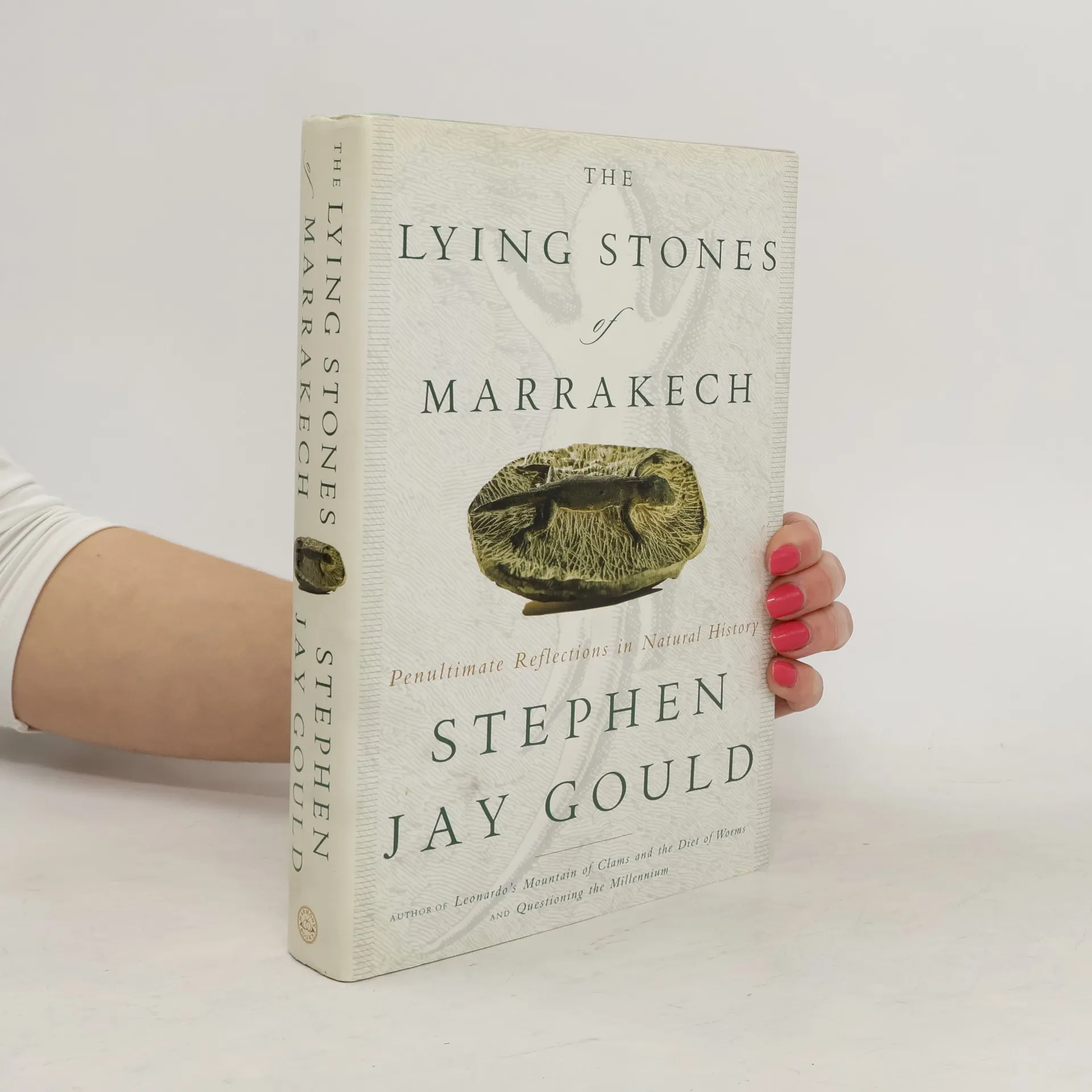
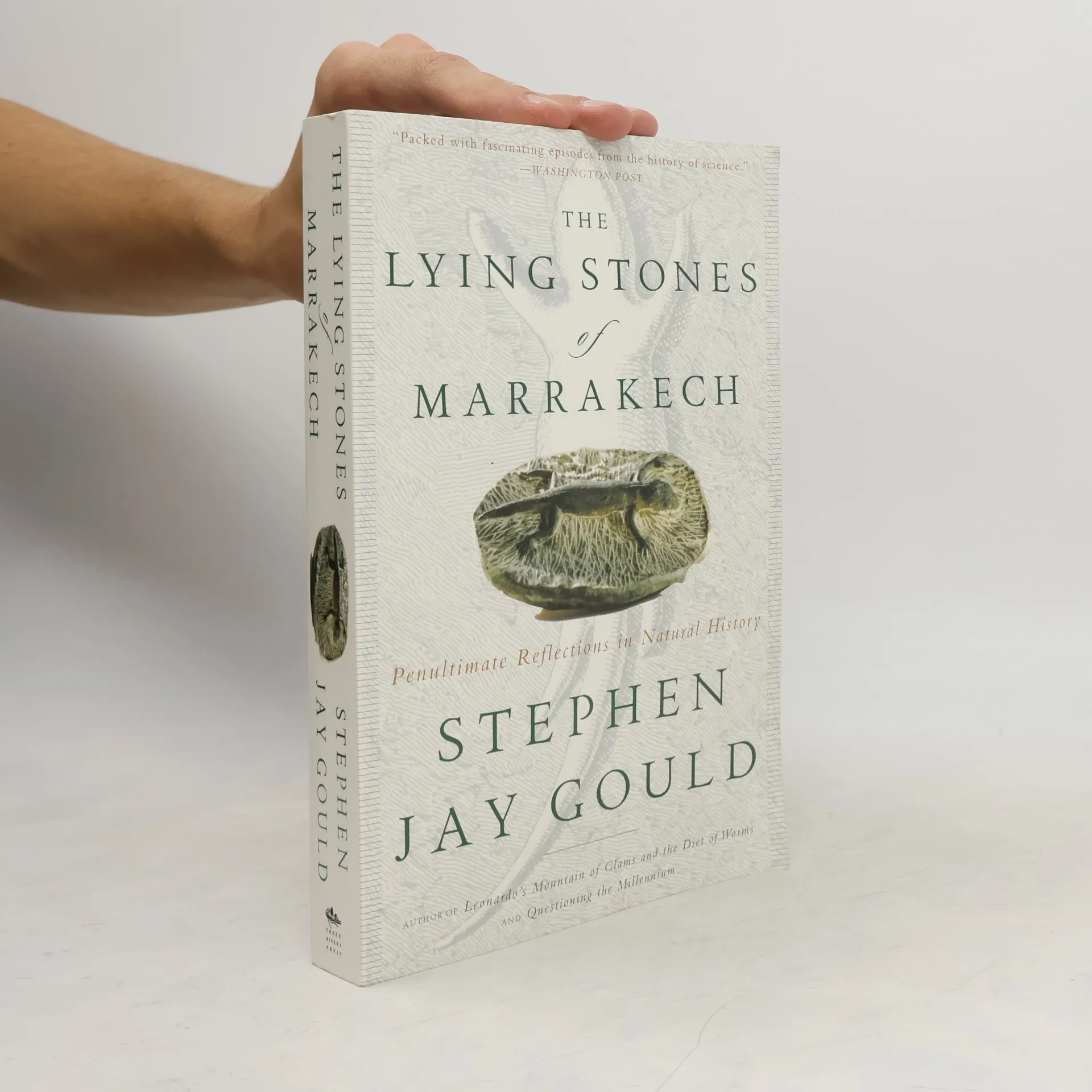
In his latest collection of essays, bestselling scientist Stephen Jay Gould once again offers his unmistakable perspective on natural history and the people who have tried to make sense of it. Gould is planning to bring down the curtain on his nearly thirty-year stint as a monthly essayist for "Natural History" magazine, the longest-running series of scientific essays in history. This, then, is the next-to-last essay collection from one of the most acclaimed and widely read scientists of our time. In this work of twenty-three essays, selected by "Booklist" as one of the top ten science and technology books of 2000, Gould covers topics as diverse as episodes in the birth of paleontology to lessons from Britain's four greatest Victorian naturalists. The Lying Stones of Marrakech presents the richness and fascination of the various lives that have fueled the enterprise of science and opened our eyes to a world of unexpected wonders.
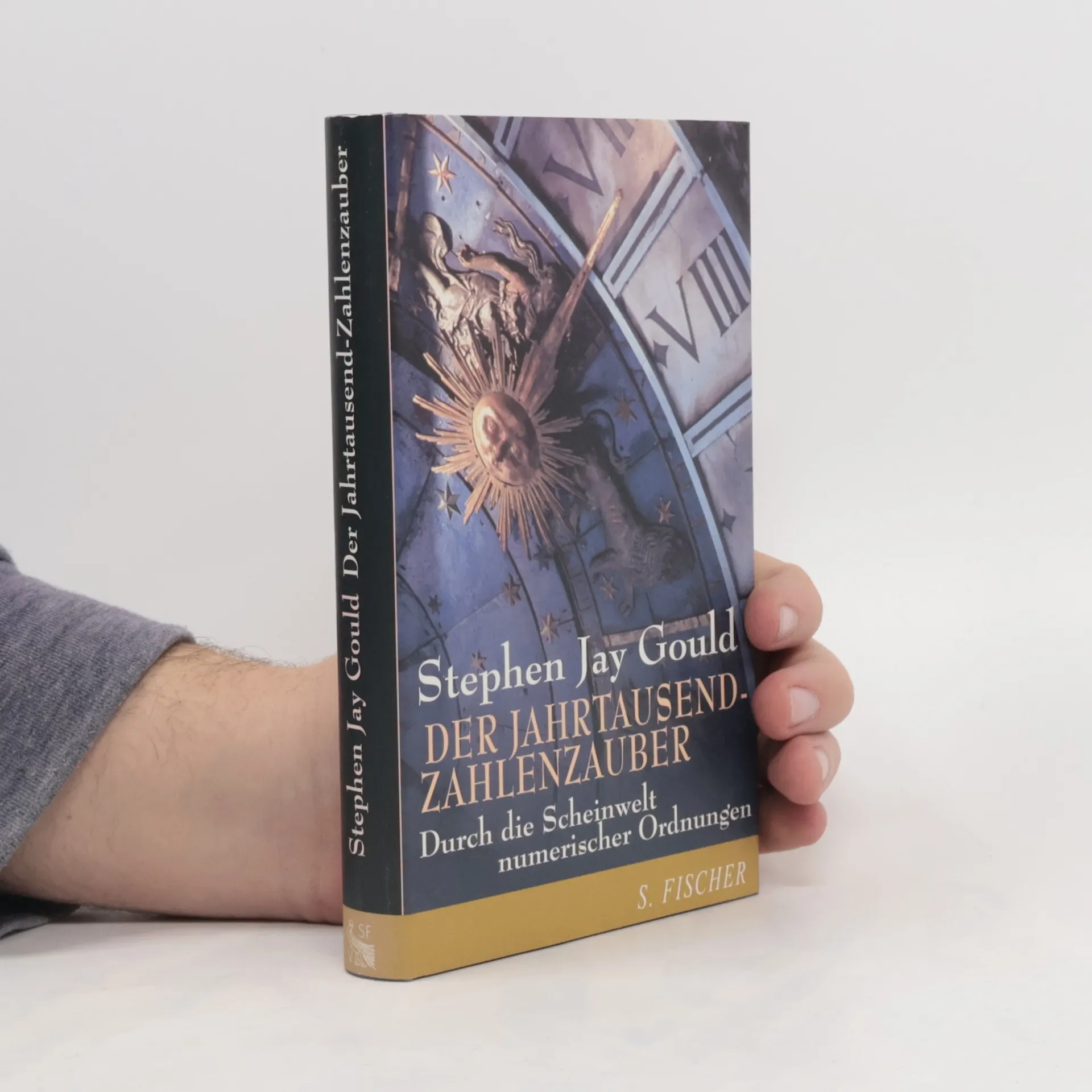
Der Jahrtausend-Zahlenzauber
- 224 stránok
- 8 hodin čítania
Was genau ist ein 'Millennium'? Und wie wurde aus diesem Begriff für die verheißene tausendjährige Regentschaft Christi auf Erden die säkulare, kalendarische Einheit des Jahrtausends? Wann beginnt das nächste Jahrtausend eigentlich? Am 1. Januar 2000 oder erst ein Jahr später? Warum überhaupt messen wir kalendarischen Fragen so große Bedeutung bei? Warum legen wir uns in der Silvesternacht 1999 nicht einfach schlafen, um am nächsten Morgen ausgeruht aufzuwachen? Von diesen Fragen ausgehend, widmet sich Stephen Jay Gould in seinem neuen Buch der menschlichen Obsession, alles in numerische Ordnungen zu bringen. Er erkundet, welchen Schemata solche Systeme folgen (vor allem Dichotomien, Dreier-, Fünfer- und Siebenerordnungen), welche Annahmen und/oder Irrtümer ihnen zugrunde liegen, und er zeigt, mit welchen Unregelmäßigkeiten wir trotz unseres Ordnungswahns leben, leben müssen: Monaten mit 28, 30 und 31 Tagen, Jahren mit mal 365, mal 366 Tagen, verschiedenen kalendarischen Reformen und dergleichen mehr. Stephen Jay Gould ist ein 'bezauberndes Buch' (so die New York Times) gelungen, in dem er auf sympathische, leichte und spielerische Weise mit vielen menschlichen Mythen und Illusionen aufräumt, die nur vermeintlich rational sind, weil sie auf angeblich unerschütterlichen numerischen Gesetzen beruhen.
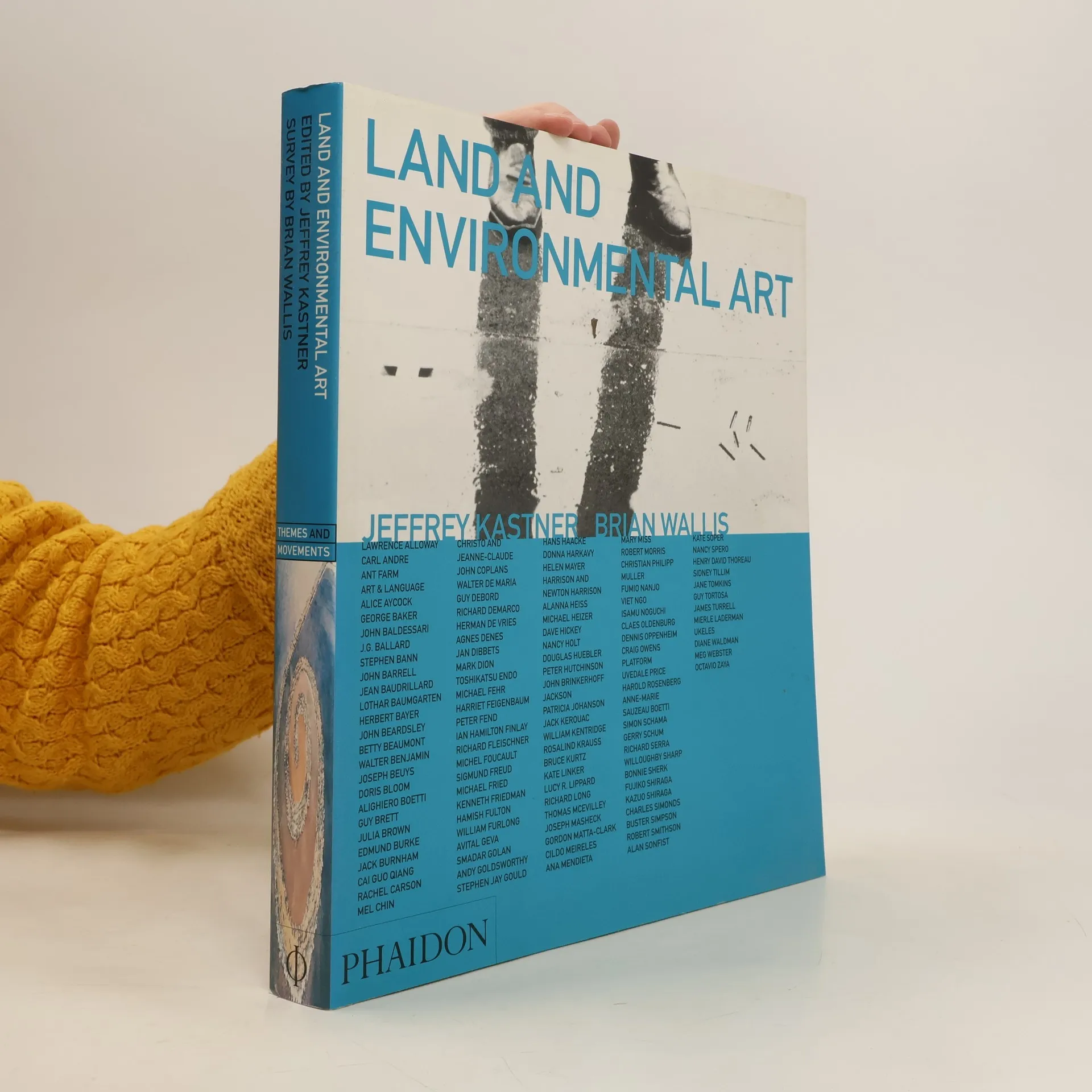
Land and Environmental Art
- 304 stránok
- 11 hodin čítania
The definitive survey of Land Art and contemporary environmental art, now available in paperback
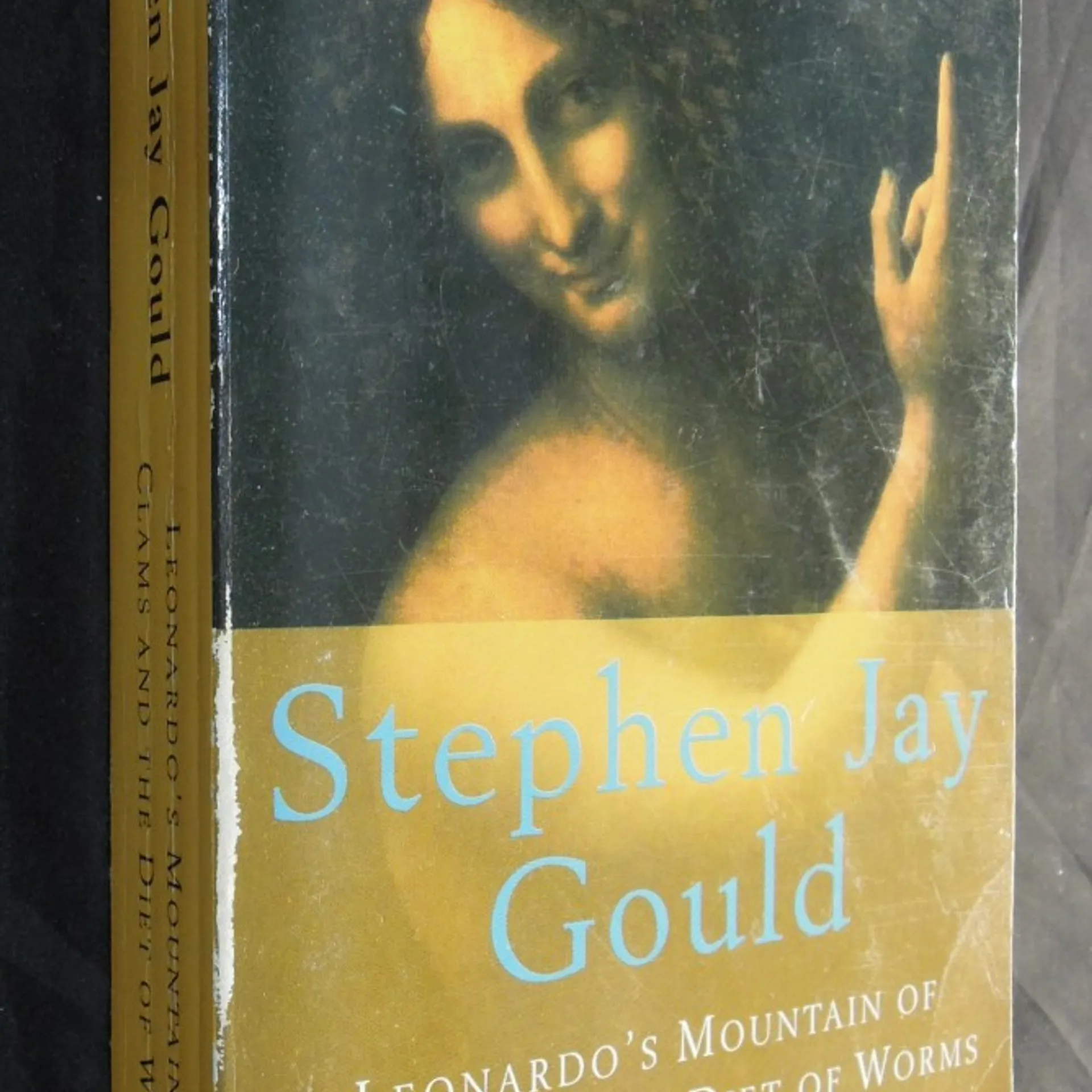
Leonardo's Mountain of Clams and the Diet of Worms
- 432 stránok
- 16 hodin čítania
Stephen Jay Gould's writing remains the modern standard by which popular science writing is judged. Ever since the last 1970s, his monthly essay in Natural History and his full-length books have bridged the yawning gap between science and the wider culture. This fascinating new collection of essays contains some of Gould's bestw riting on a variety of subjects ranging from Leonardo da Vinci and Martin Luther to fossils and the history of science. As always, these essays brillantly display his gift for colloquial and vivid explanation, and include fascinating oddities from the natural world and the printed word.
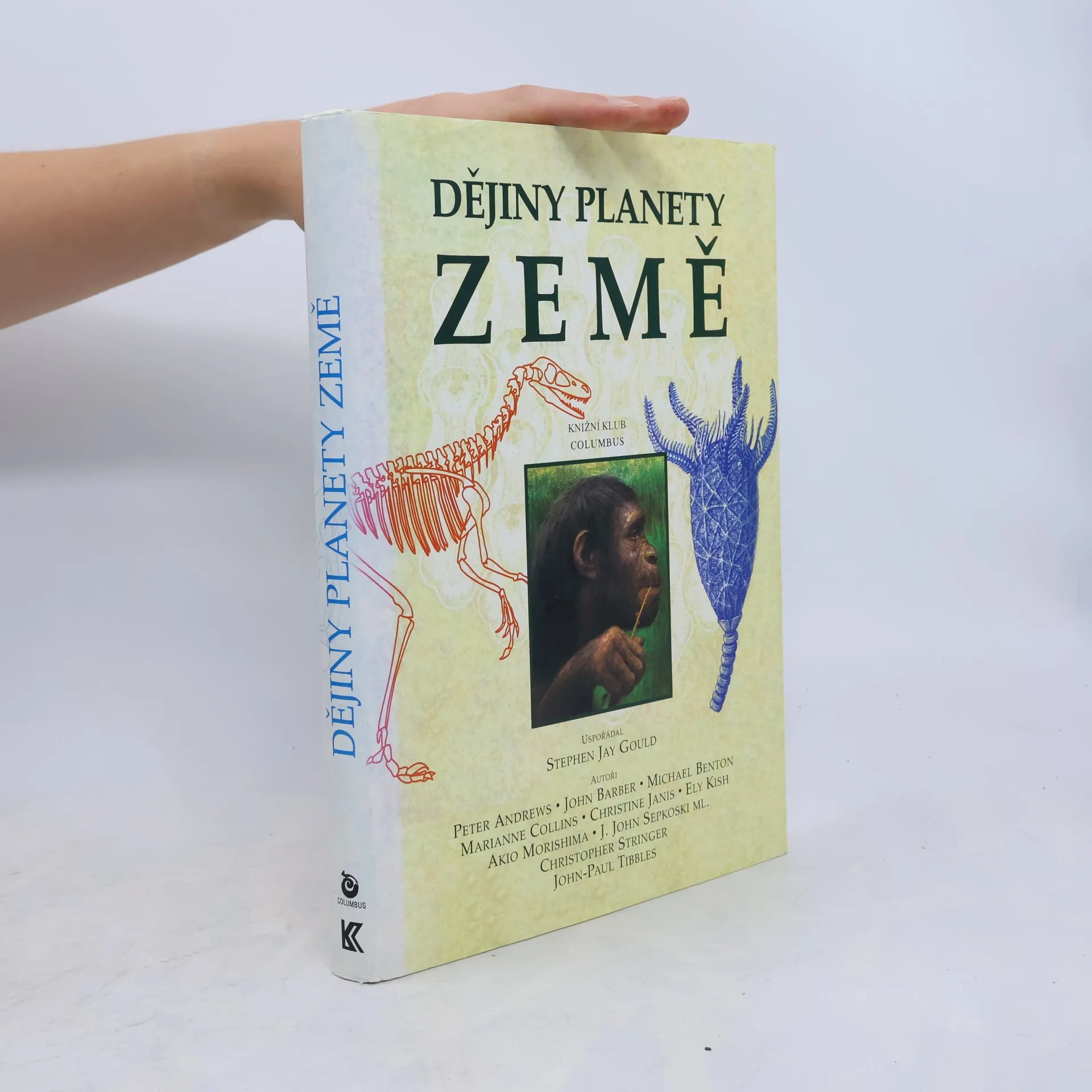
Dějiny planety Země
- 256 stránok
- 9 hodin čítania
Bohatě ilustrovaná publikace o vývoji života na naší planetě od jednobuněčných organismů po primáty. Dozvídáme se o změnách na povrchu naší planety, v její atmosféře, o podnebí, o pohybu pevninských ker a změnách flory i fauny. Autoři předkládají čtenáři nejen poslední výzkumy, ale také různé názory a rozepře vědců. Text je doplněn ilustracemi, tabulkami a grafy. V předmluvě se sestavovatel knihy zamýšlí nad způsobem znázorňování pravěké přírody....
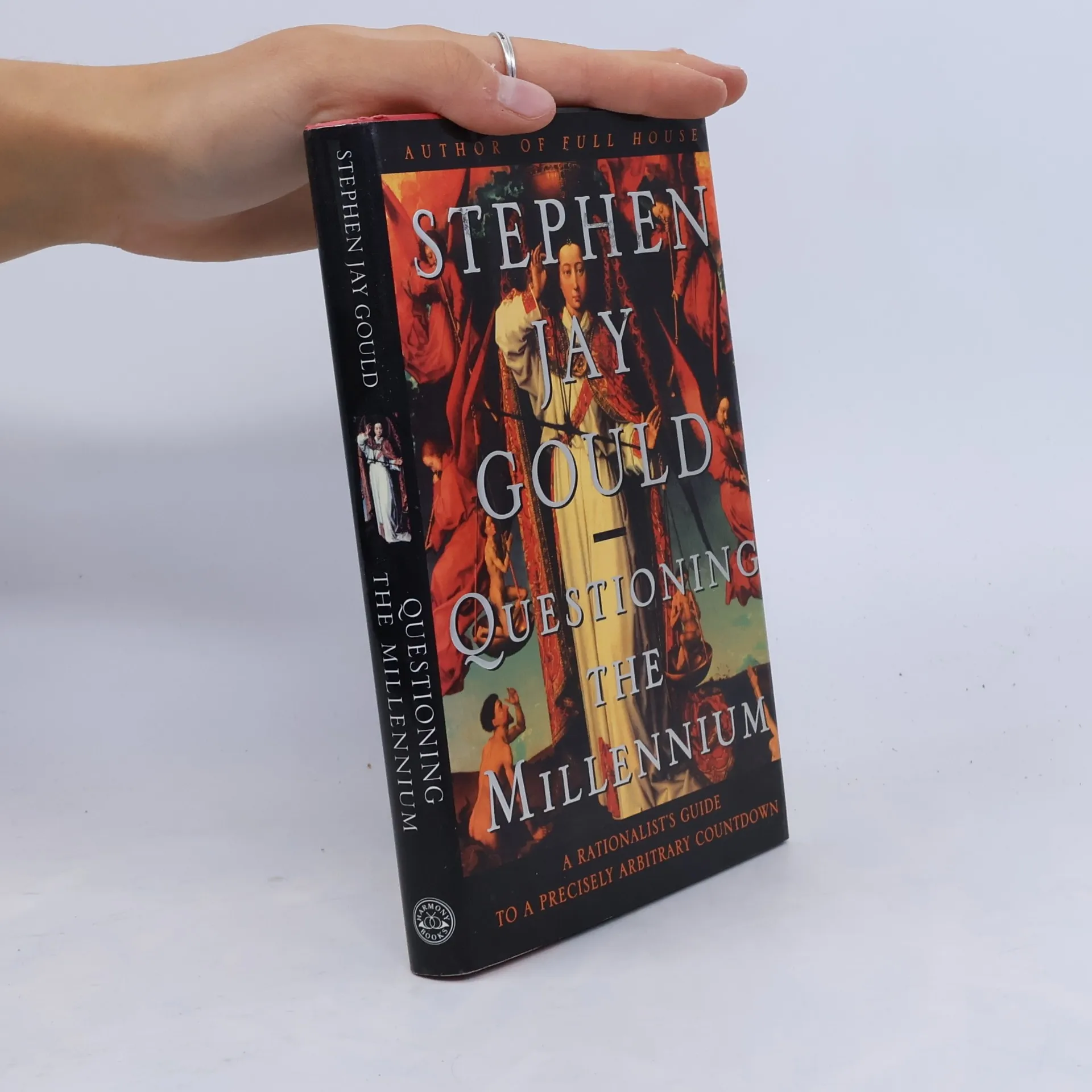
Questioning the Millennium
A Rationalist's Guide to a Precisely Arbitrary Countdown
- 190 stránok
- 7 hodin čítania
In this engaging exploration, Stephen Jay Gould delves into the significance of the millennium, a topic he began contemplating at age eight after reading a Life magazine issue. He presents a thoughtful inquiry into the concept of a millennium, examining how its meaning has evolved over time. Gould poses three central questions: What is a millennium, and how did its association with a future reign of Jesus Christ transition to a secular interpretation of a thousand years? When does the new millennium truly begin—January 1, 2000, or January 1, 2001? This debate, while seemingly minor, reveals much about twentieth-century cultural history. Lastly, he investigates why our calendars are so intricate, leading to our fascination with millennia. Gould enriches his narrative with a wealth of historical and scientific insights, including a brief history of millennial movements, diverse calendrical traditions, and the legacy of a sixth-century monk whose chronological miscalculations still affect us. He also highlights the remarkable story of a young autistic man with an extraordinary talent for date calculation. By traversing various phenomena—from the complexities of human calendars to the unpredictability of nature—Gould reflects on our millennial obsessions, exposing our quirks and humanity.
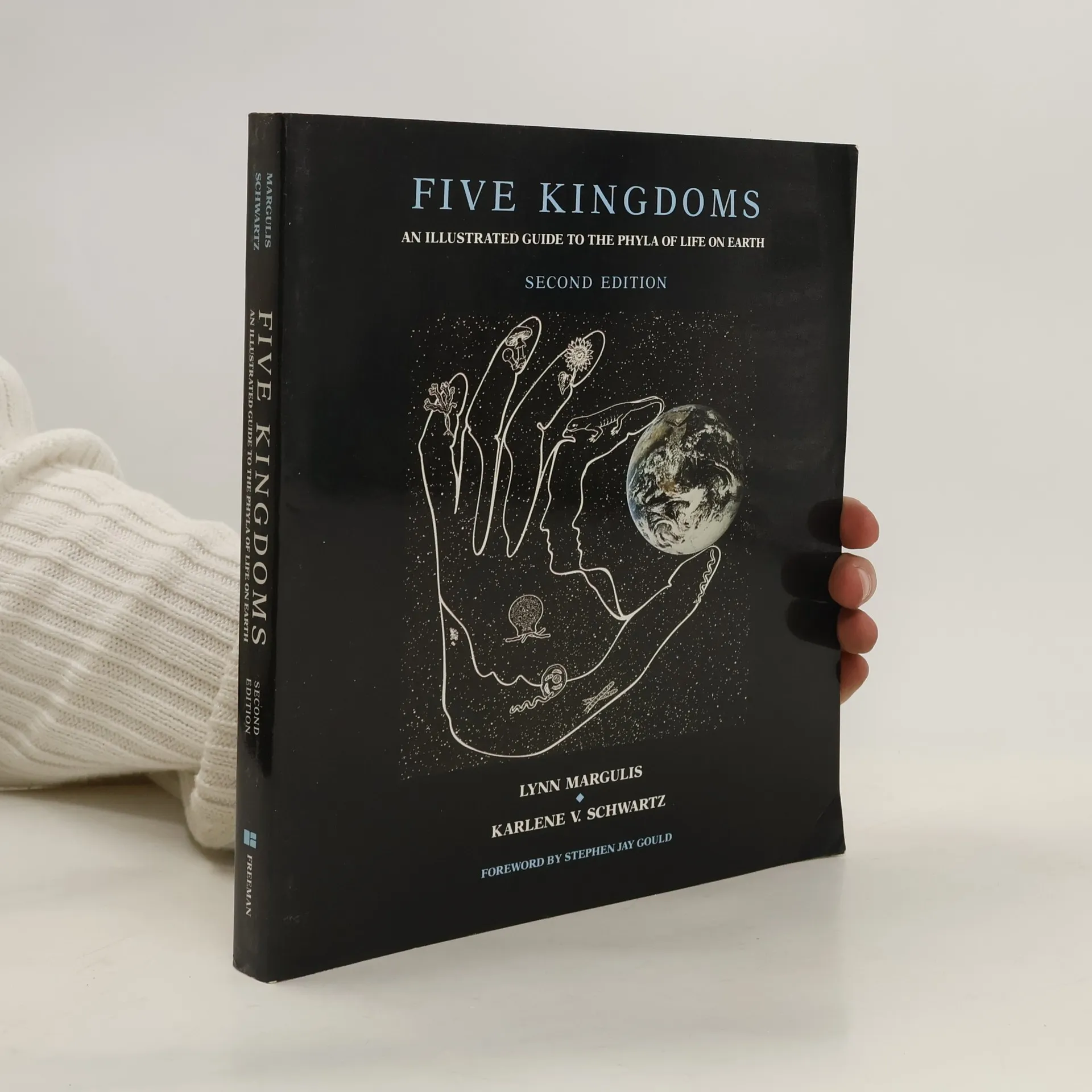
Five Kingdoms
- 376 stránok
- 14 hodin čítania
Offers an illustrated reference to both microbes and macroscopic organisms. Brief essays introduce broad outlines of kingdoms and phyla. Entries on specific organisms give information on appearance, environment, relations to other organisms, and how scientists group them, and include bandw photos and diagrams. An introduction explains classification systems. Includes lists of museums, geological sites, and Web sites, plus a glossary and lists of phyla and genera assigned to phyla. Six sets of 35-mm color transparencies are available. Useful for students of biology at any level. Annotation copyrighted by Book News, Inc., Portland, OR
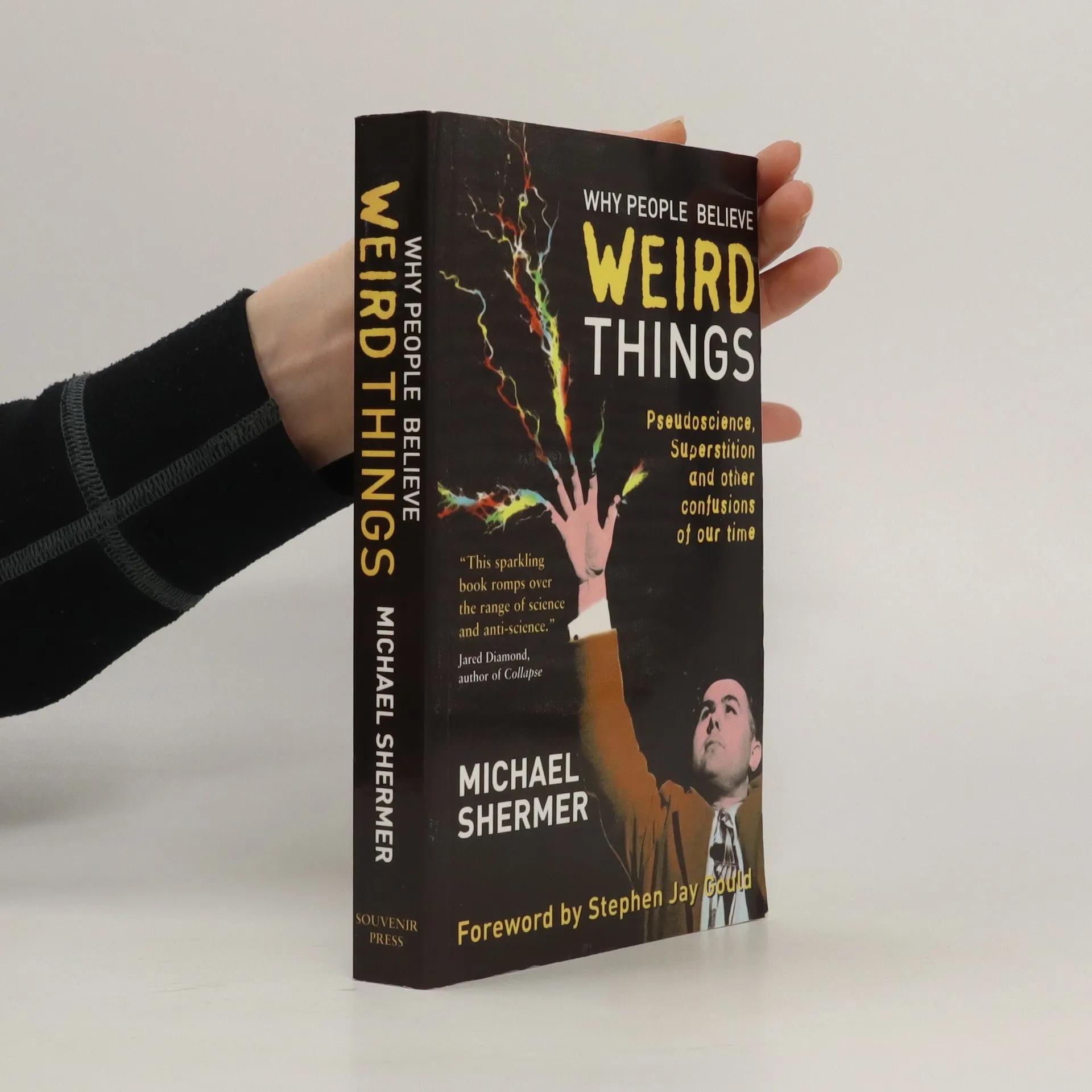
UFO abductions...television sychics...creationism...Holocaust denial. Faced with the rapid changes and anxiety of modern life, many people are turning to the alluring comforts of pseudoscience and the occult. In Why People Believe Weird Things, science historian Michael Shermer, the publisher of Skeptic magazine and director of the Skeptics Society, explores the very human reasons we find supernatural phenomena, conspiracy theories, and cults so appealing. Shermer also reveals the darker and more fearful side of wishful thinking, including Holocaust denial, creationism, the recovered memory movement, alien abduction experiences, the satanic ritual abuse scare and other modern witch crazes, extreme Afrocentrism, and ideologies of racial superiority. A compelling and often disturbing portrait of our immense capacity for self-delusion, Why People Believe Weird Things celebrates the scientific spirit and the joy to be found in rationally exploring the world's greatest mysteries even if many of the questions remain unanswered. Foreword by Stephen Jay Gould. 20 illustrations. --This text refers to an out of print or unavailable edition of this title.
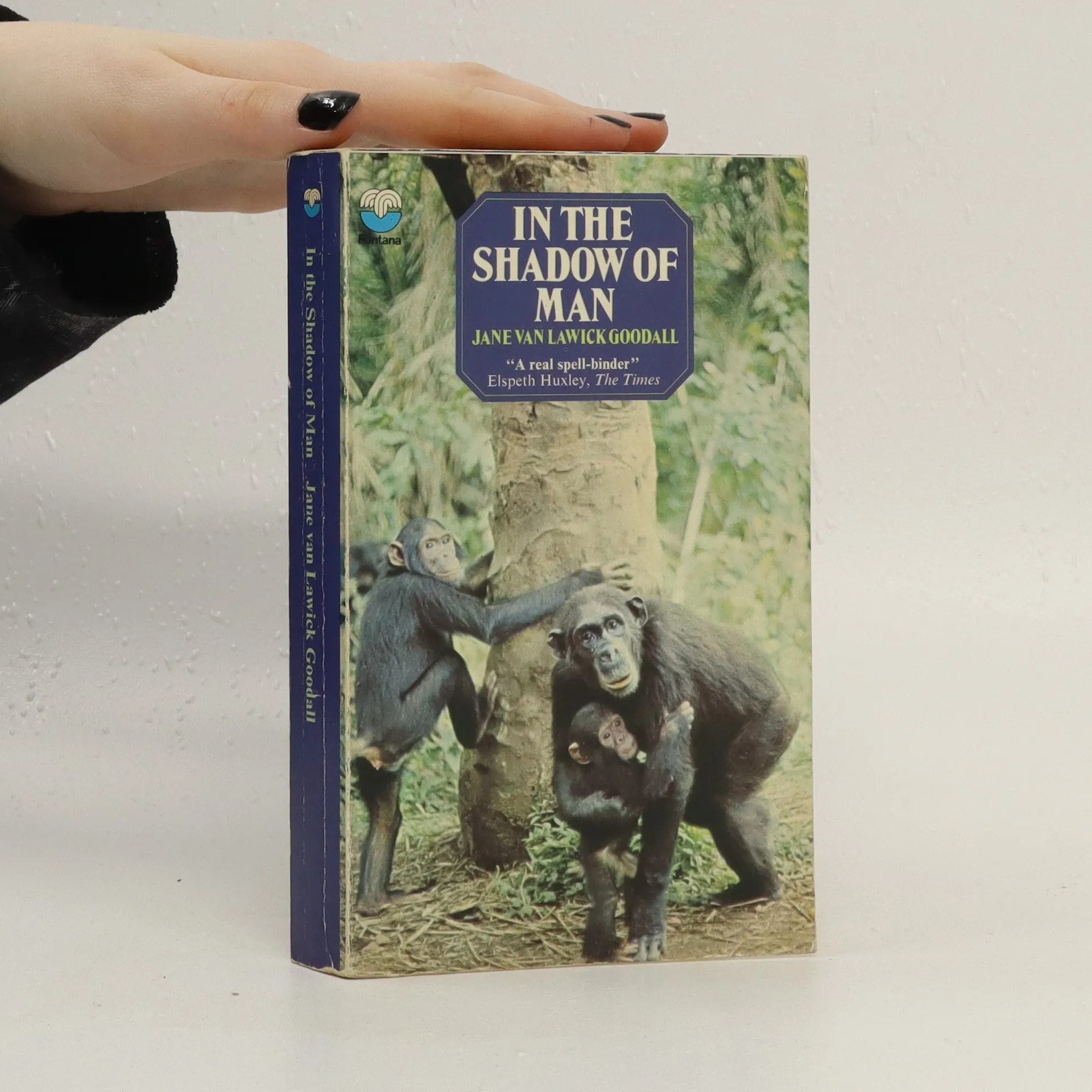
In the shadow of man
- 288 stránok
- 11 hodin čítania
World-renowned primatologist, conservationist, and humanitarian Dr. Jane Goodall’s account of her life among the wild chimpanzees of Gombe is one of the most enthralling stories of animal behavior ever written. Her adventure began when the famous anthropologist Dr. Louis Leakey suggested that a long-term study of chimpanzees in the wild might shed light on the behavior of our closest living relatives. Accompanied by only her mother and her African assistants, she set up camp in the remote Gombe Stream Chimpanzee Reserve in Tanzania. For months the project seemed hopeless; out in the forest from dawn until dark, she had but fleeting glimpses of frightened animals. But gradually she won their trust and was able to record previously unknown behavior, such as the use—and even the making— of tools, until then believed to be an exclusive skill of man. As she came to know the chimps as individuals, she began to understand their complicated social hierarchy and observed many extraordinary behaviors, which have forever changed our understanding of the profound connection between humans and chimpanzees. In the Shadow of Man is “one of the Western world’s great scientific achievements” (Stephen Jay Gould) and a vivid, essential journey of discovery for each new generation of readers.
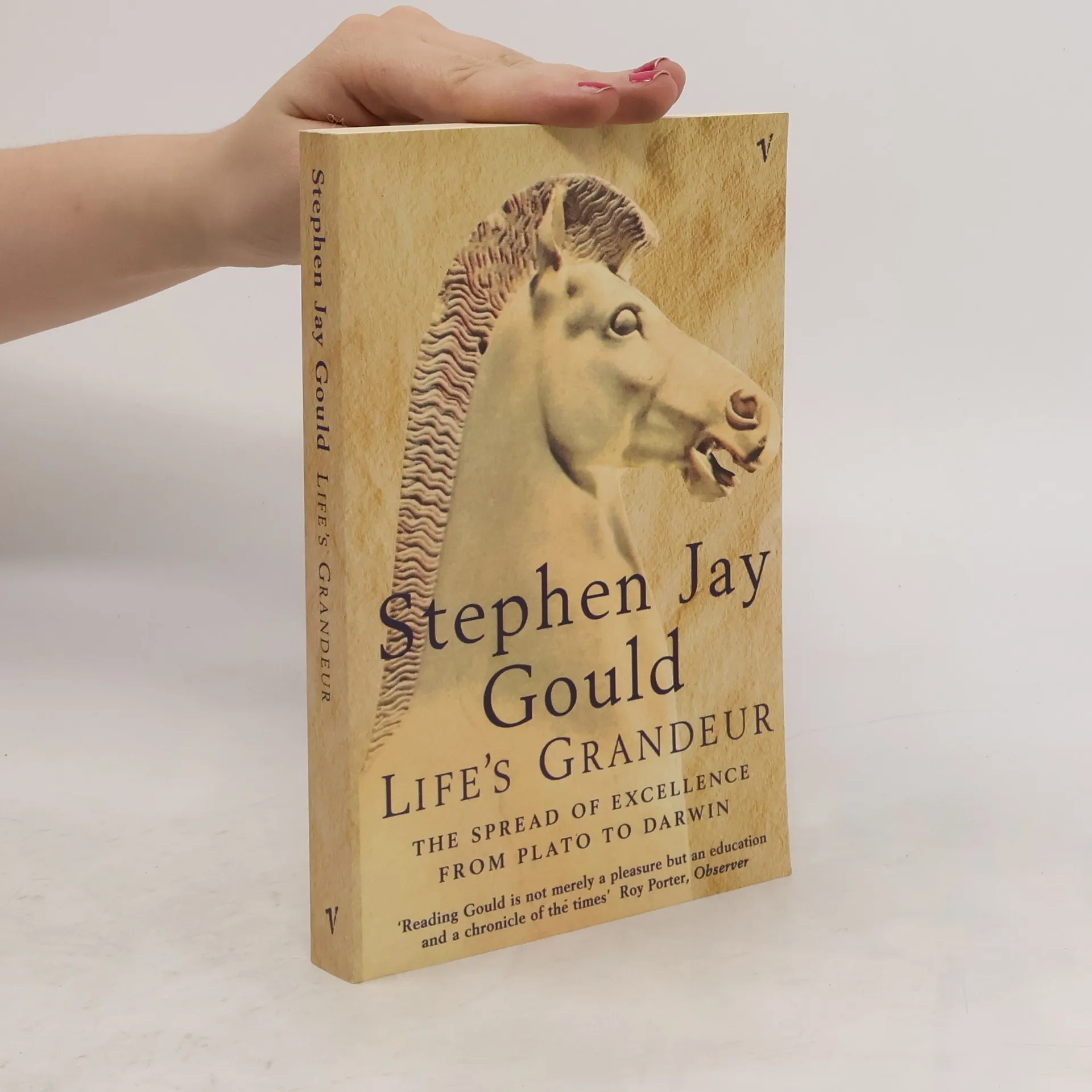
Life's Grandeur
- 272 stránok
- 10 hodin čítania
In his characteristically iconoclastic and original way, Stephen Jay Gould argues that progress and increasing complexity are not inevitable features of the evolution of life on Earth.
This seventh collection of Stephen Jay Gould's natural history essays covers subjects ranging from fossils to ship worms, starting with a solar eclipse in New York, and finishing with bus stops in Greece.
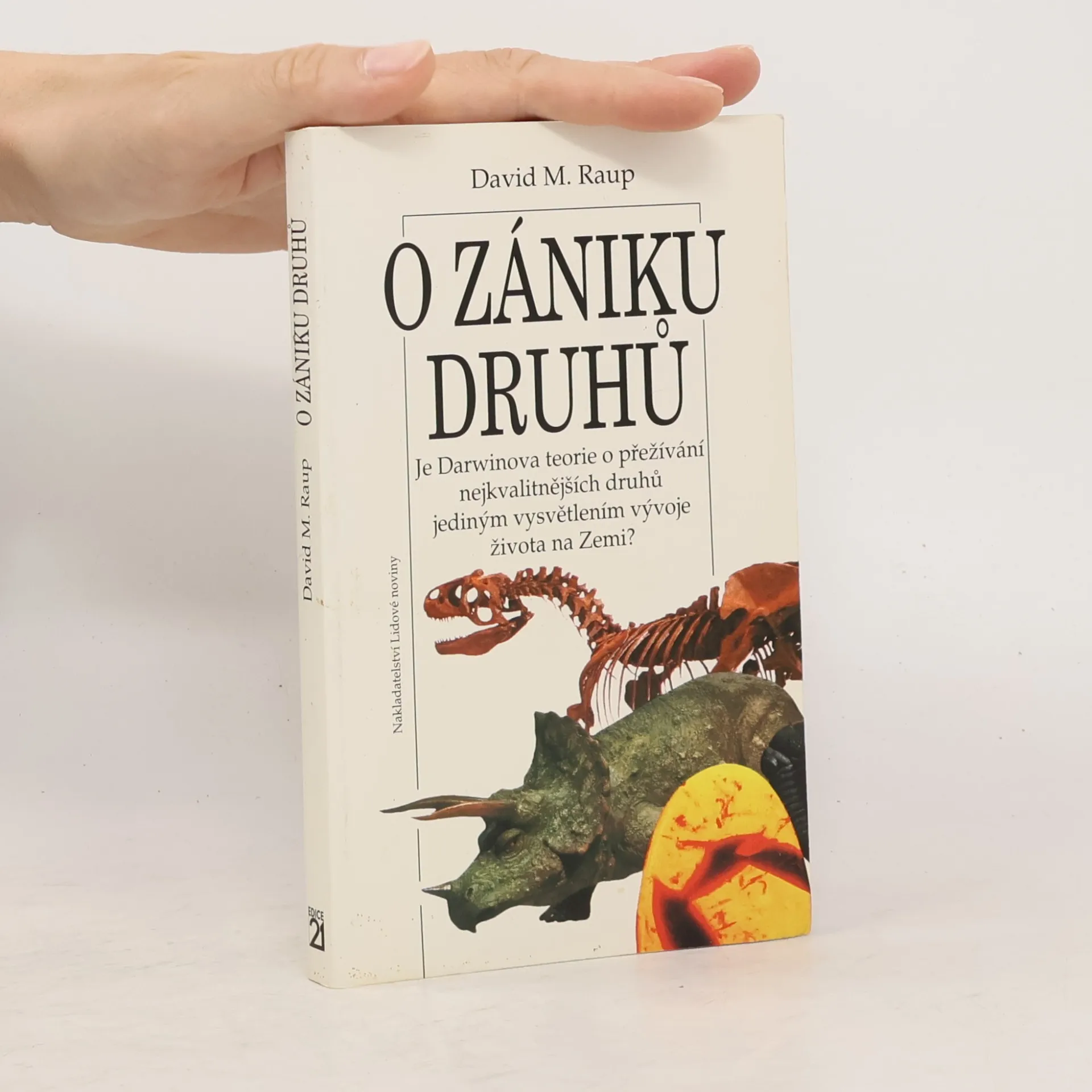
Je Darwinova teorie o přežívání nejkvalitnějších druhů jediným vysvětlením vývoje života na Zemi?
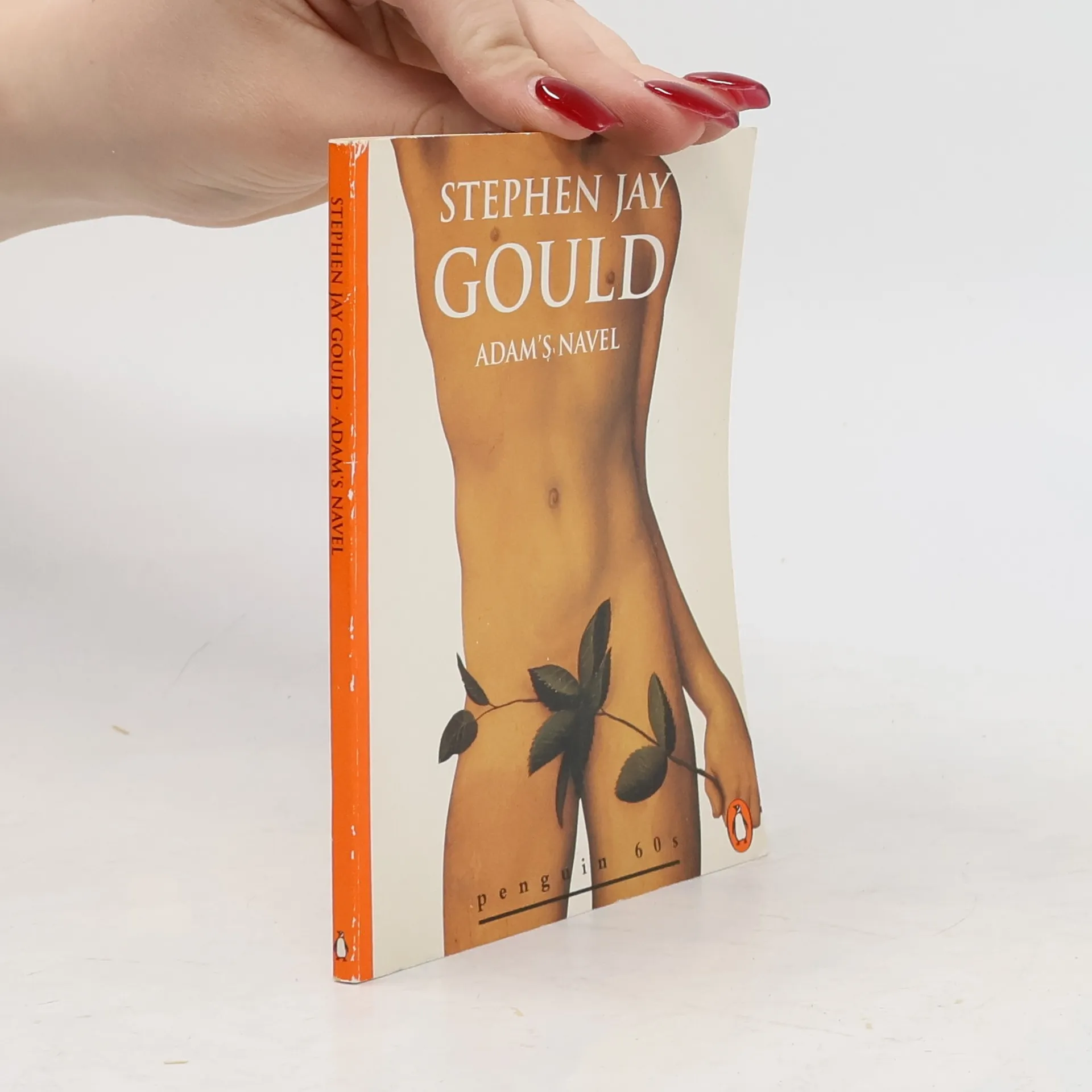
Penguin 60s: Adam's Navel and Other Essays
- 58 stránok
- 3 hodiny čítania
Four eloquent and thought-provoking essays on natural history. Stephen Jay Gould is one of the foremost science writers of today. A professor at Harvard, he is also a frequent and popular speaker on the sciences and has received worldwide acclaim for his work on biology, evolution and man's place in nature.Essays:- Adam's Navel- The Median Isn't the Message- Unenchanted Evening- Male Nipples and Clitoral Ripples
Een schitterend ongeluk
Wim Kayzer ontmoet Oliver Sacks, Stephan Jay Gould, Stephen Toulmin, Daniel C. Dennett, Rupert Sheldrake en Freeman Dyson / druk 13
- 471 stránok
- 17 hodin čítania
Wim Kayzer ontmoet Oliver Sacks, Stephen Jay Gould, Stephen Toulmin, Daniel C. Dennet, Rupert Sheldrake en Freeman Dyson.
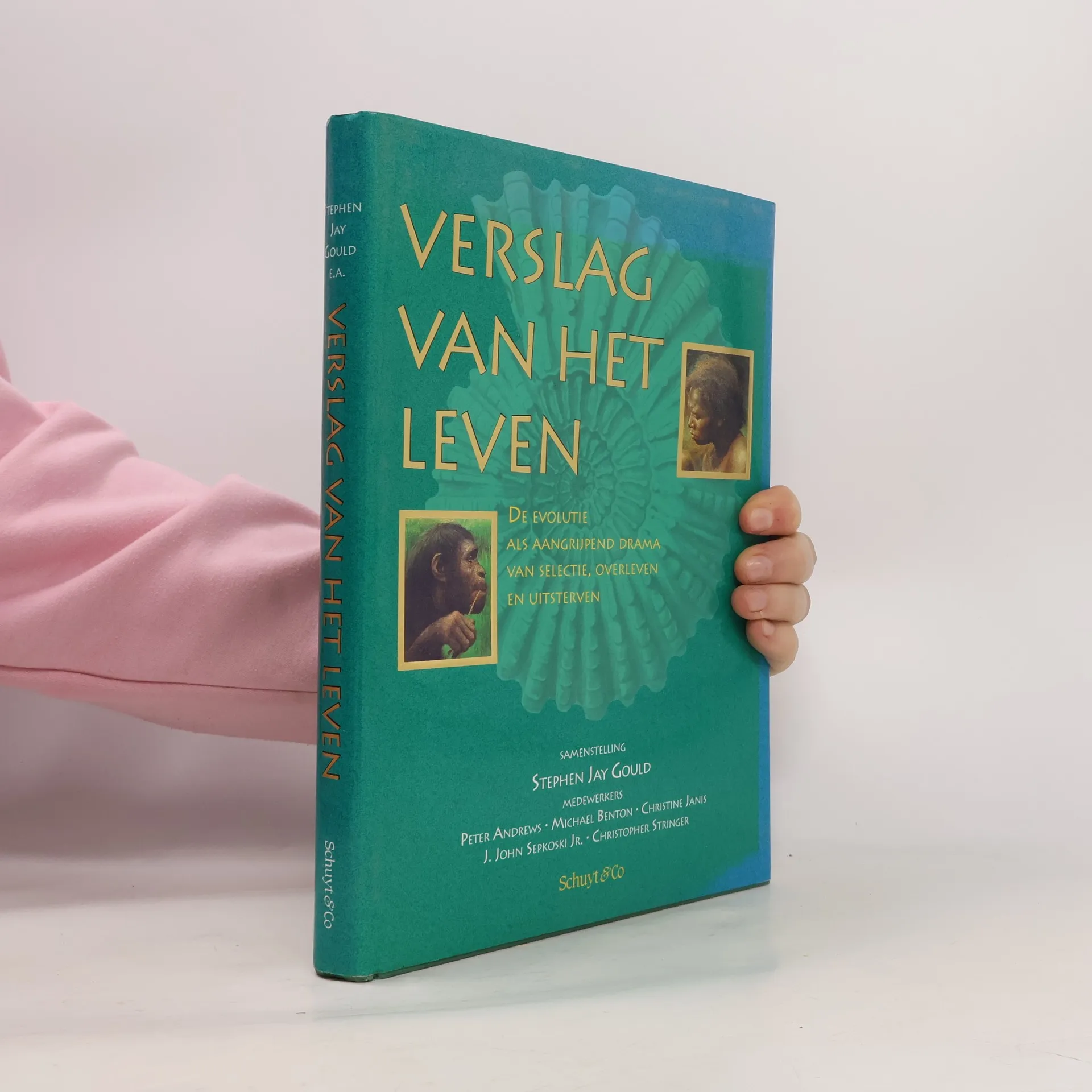
Verslag van het leven
De evolutie als aangrijpend drama van selectie, overleven en uitsterven
- 256 stránok
- 9 hodin čítania
Informatie in woord en beeld.
Das Buch des Lebens
- 256 stránok
- 9 hodin čítania
Reich illustrierte Geschichte des Lebens - von seiner Entstehung vor rund 4 Milliarden Jahren bis zur Entwicklung des Menschen vor 100000 Jahren.
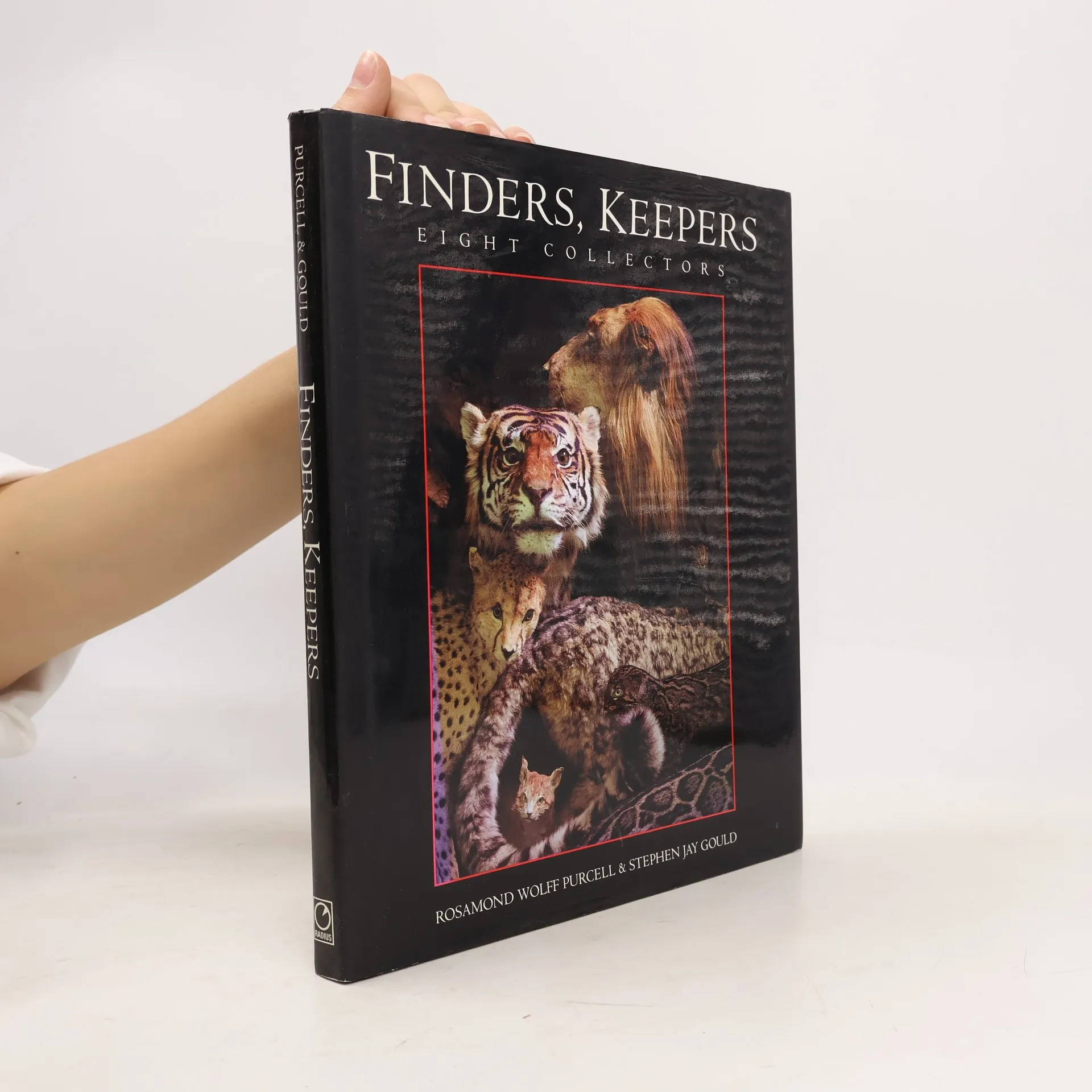
This is a combination of art, science and history. The European natural history collections of the 18th and 19th centuries contain bizarre objects, assembled by even stranger people.
This text is a metaphor for the way individuals and unpredictable events influence history. In response history, suggests the author, is the best model for evolution. The author explores the science of improbable outcomes in this wide ranging book written on the evolutionary theme.
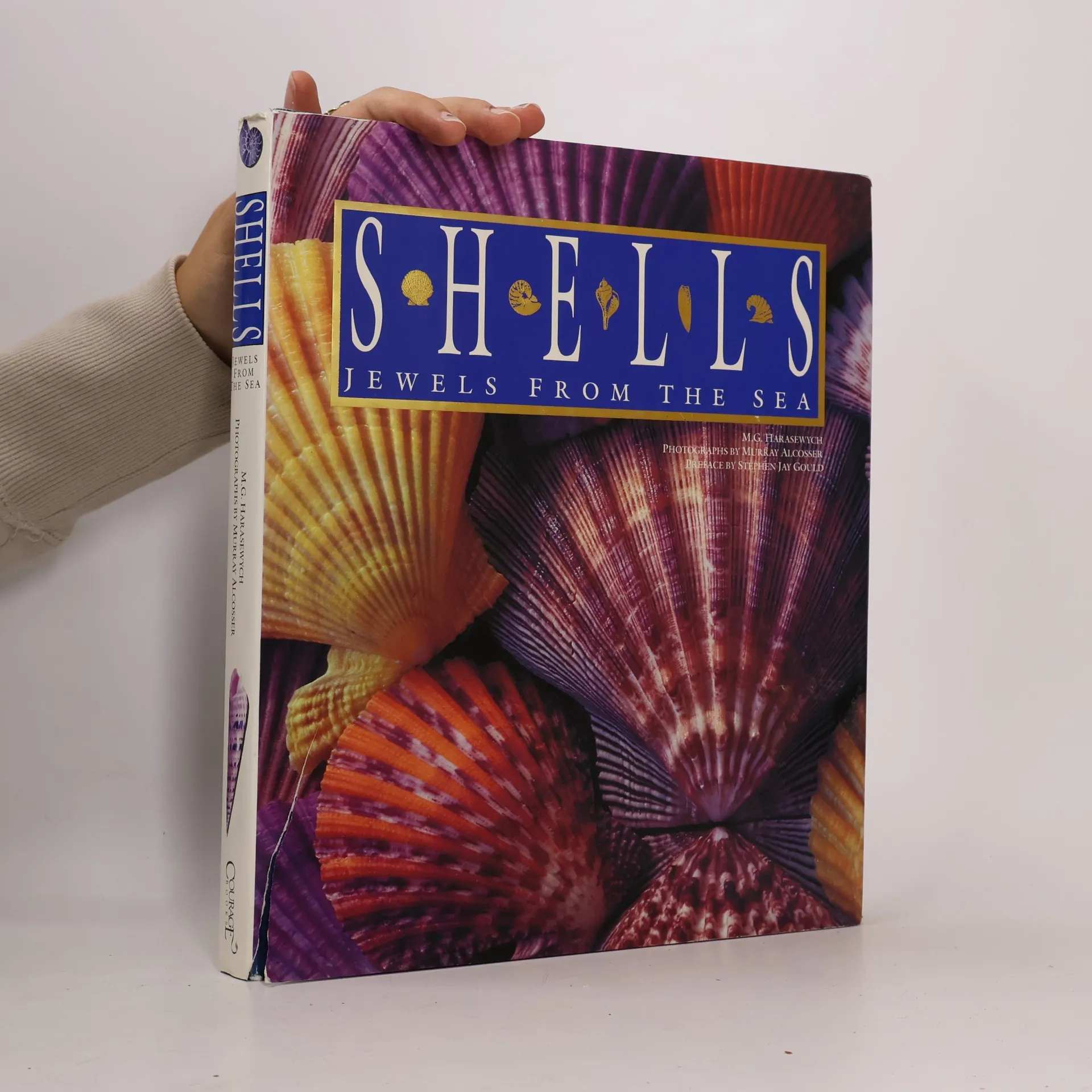
Chosen from the world's finest collection fo seashells and magnificently photographed in full color, here are nerely 600 examples representing a boundless diversity and a fantastic array of forms.Seashells represent a precise union of visual beauty and functional anatomical design. Renowned still-life photographer Murrey Alcosser lovingly captures the diverse shapes, colos, and textures of these evolutionary landmarks, providing a rare vision of perfection and order—"a windown enhancing our knowledge of the natural world."
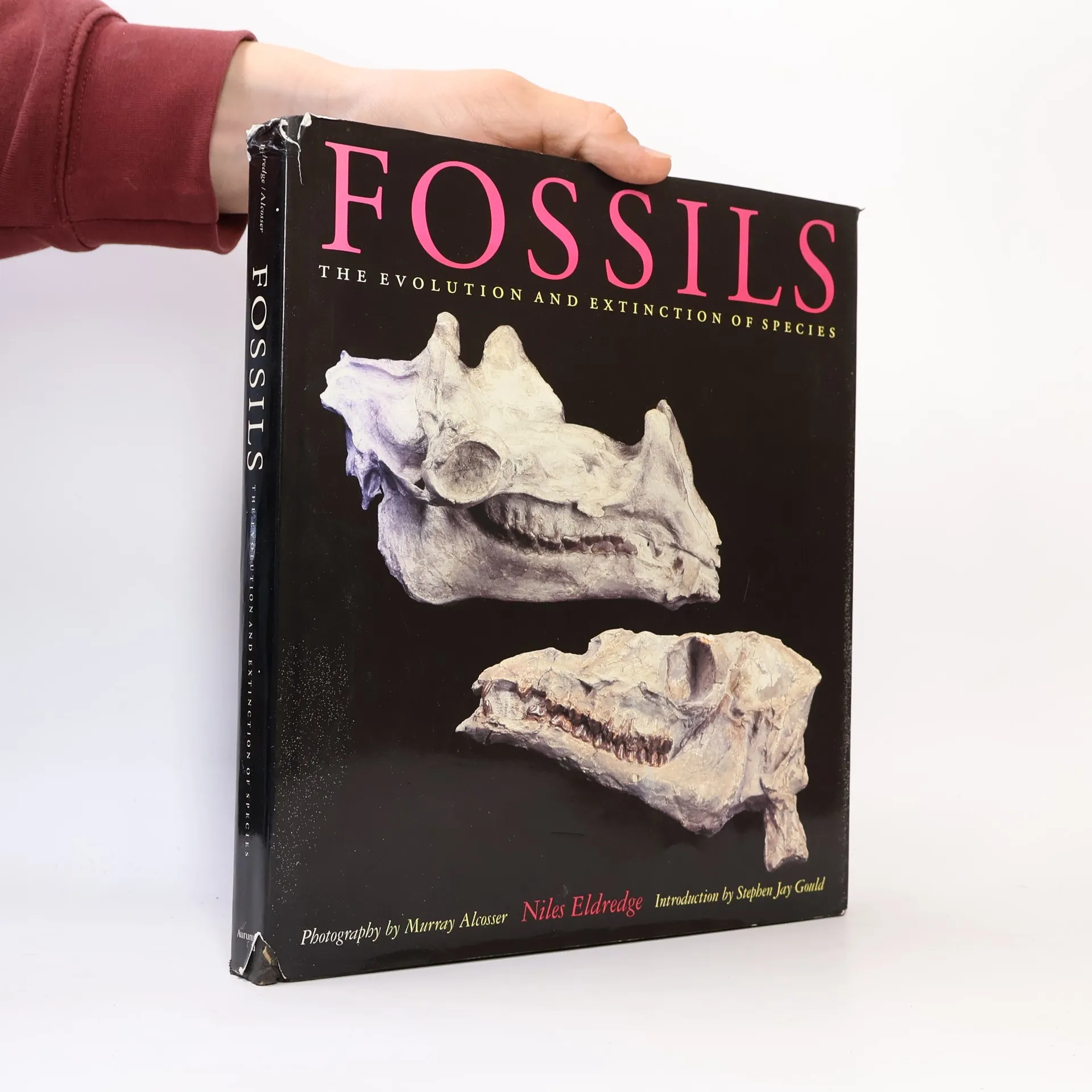
In this captivating exploration of the fossil record, Niles Eldredge challenges the conventional view of evolution as a slow, inevitable process, demonstrating that lifeforms typically do not undergo significant evolution until after major extinction events. This concept, known as punctuated equilibria, is illustrated through fossilized remains of ancient flora and fauna. Accompanying Eldredge's text are 160 stunning color plates by distinguished photographer Murray Alcosser, showcasing over 250 different fossil specimens. The new paperback edition makes this work accessible to a wide audience, including natural history enthusiasts and students. Critics praise the book for its engaging text and exceptional photographs. Ernest Mayr, author of "The Growth of Biological Thought," calls it splendid, while Donald C. Johanson, author of "Lucy: The Beginning of Humankind," commends Eldredge for effectively linking our understanding of living organisms with insights from the fossil record, reinforcing evolution as the unifying concept in biology. New Scientist highlights the book's ability to bridge the gap between informative content and aesthetic pleasure, noting that it serves as more than just a picture book; it is a readable, informative text covering the history of life, geology, biology, and anthropology, including topics like living fossils, stratigraphy, extinction, and evolution.
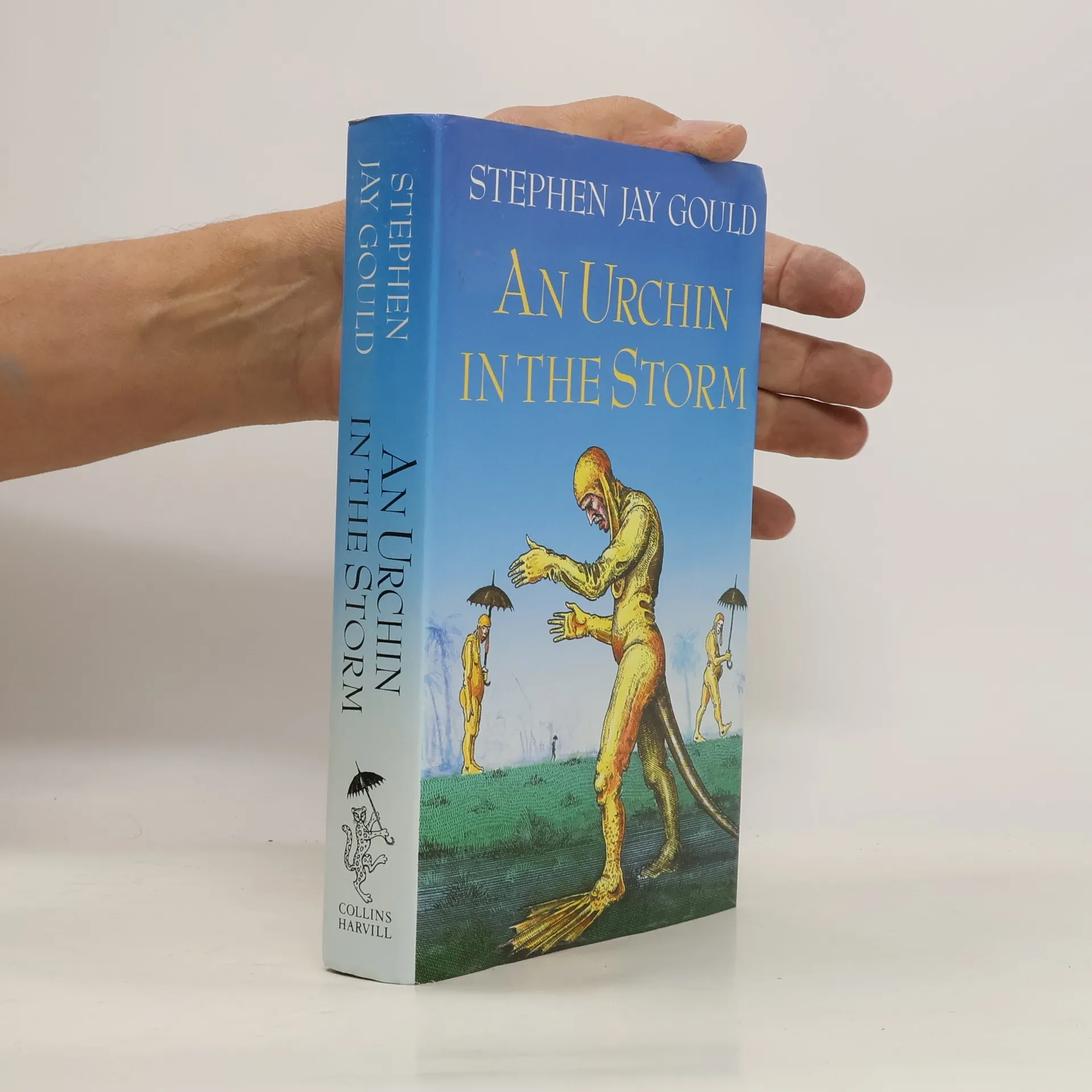
The 31 essays in this collection share the theme of "quirkiness and meaning" and explore the idea that natural oddities - the snail that changes sex, the jellyfish that feeds upside down - are extraordinary for a vital reason: they have found their evolutionary niche.
Die Entdeckung der Tiefenzeit
- 303 stránok
- 11 hodin čítania
Der berühmte amerikanische Paläontologe und Biologe Stephen J. Gould beschreibt hier eine der dramatischsten Episoden in der Geschichte der neuzeitlichen Naturforschung: die Entdeckung der schier unbegreiflichen Unermeßlichkeit der Vorgeschichte unserer Erde, der Tiefenzeit. Den großen Revolutionen durch Kopernikus und Darwin vergleichbar, hatte diese geologische Entdeckung im 18. und 19. Jahrhundert das alte Weltbild erschüttert.
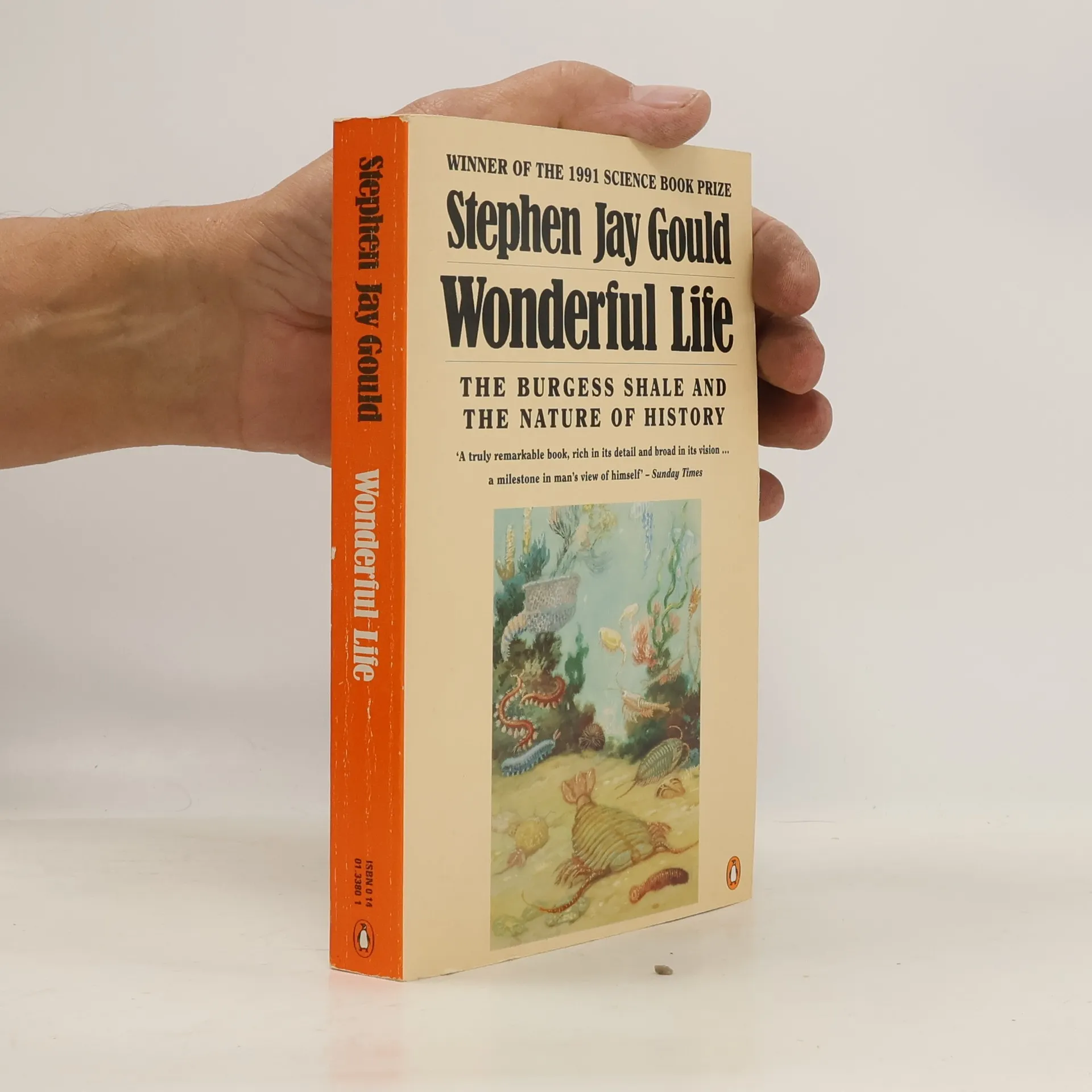
Wonderful Life
The Burgess Shale and the Nature of History
Basing his argument around the history of science's treatment of the fossils of the Burgess shale, the author presents a view of evolution as a non-progressive system, which saw a wide range of early designs for life winnowed down to the relatively few basic designs that exist today.
First published in 1988, a collection of review articles on modern science, in which the author provides fresh insight into geology and evolution, criticises the misuse of genetics for political purposes, and explores the uses and abuses of scientific methods.
Kniha esejů světově uznávaného amerického přírodovědce se zabývá dokonalostí a nedokonalostí, Darwinovou teorií, evolucí člověka, rozdíly mezi lidmi očima vědy a politiky, tempem změn, počátky života, velikostí a časem aj.
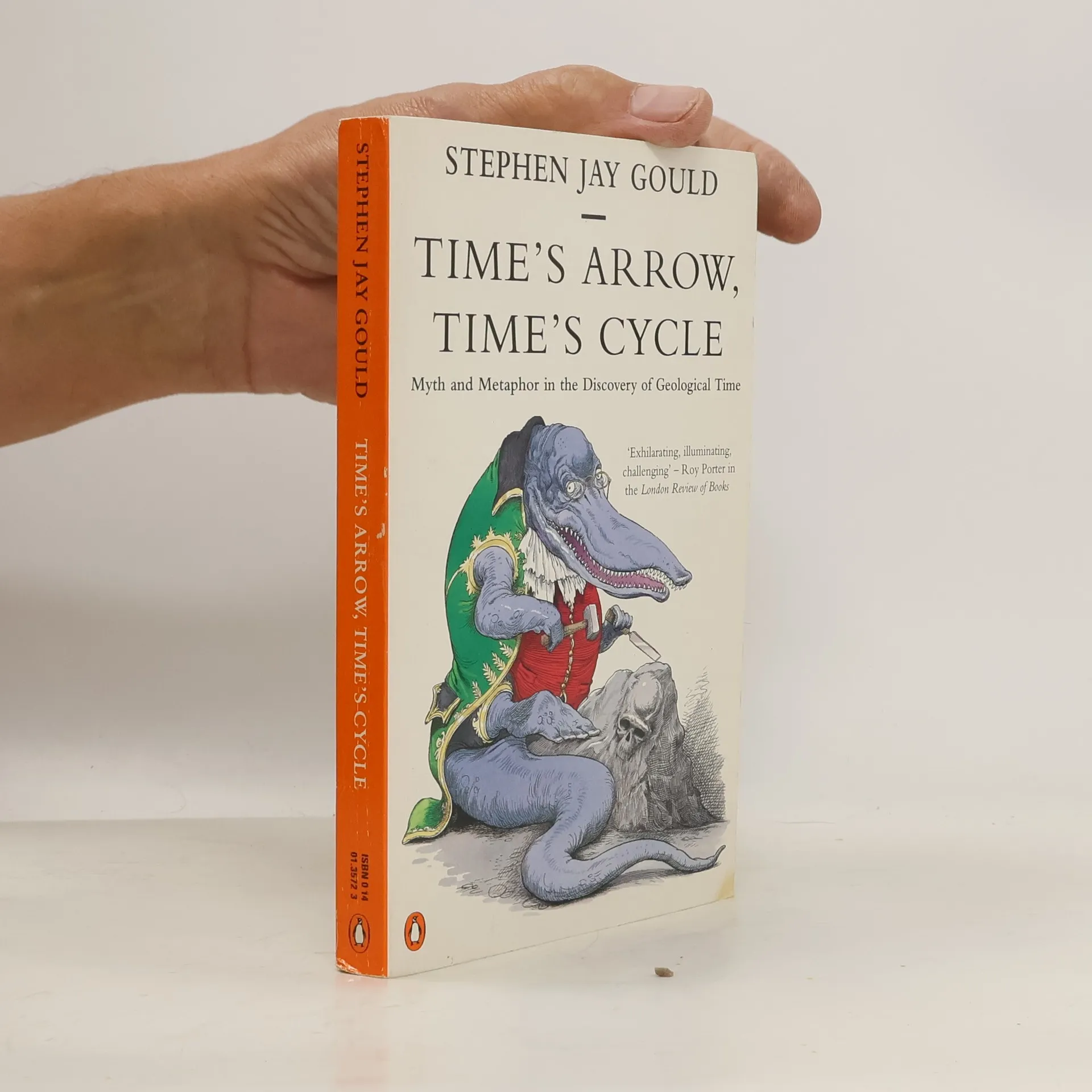
This excursion into the ways we conceptualize the past explores a central dichotomy between time's arrow (an unilinear Newtonian succession of unique events) and time's cycle (the recursive patterns that re-appear in a world that remains fundamentally unchanged).
Der Daumen des Panda
- 352 stránok
- 13 hodin čítania
Waren die Dinosaurier wirklich dümmer als Eidechsen? Warum werden eigentlich immer ungefähr gleich viele Männer wie Frauen geboren? Wie kam der berühmte Dr. Down zu seiner »Mongolismus«-Theorie und ihren rassistischen Implikationen? Inwiefern spiegelt die Entwicklung der Mickey Mouse unsere eigene Entwicklung wider? Was erzählen uns der magische »Daumen« des Pandas und die endlose Wanderung der Seeschildkröte über die Unvollkommenheiten, die die Evolution beweisen? Bei aller Vielfalt ihrer Themen stehen die brillanten Essays Stephen Jay Goulds doch in einem präzisen Zusammenhang: in ihrem Bezug zur Evolutionstheorie, die Gould in ihrer avanciertesten Version vertritt.
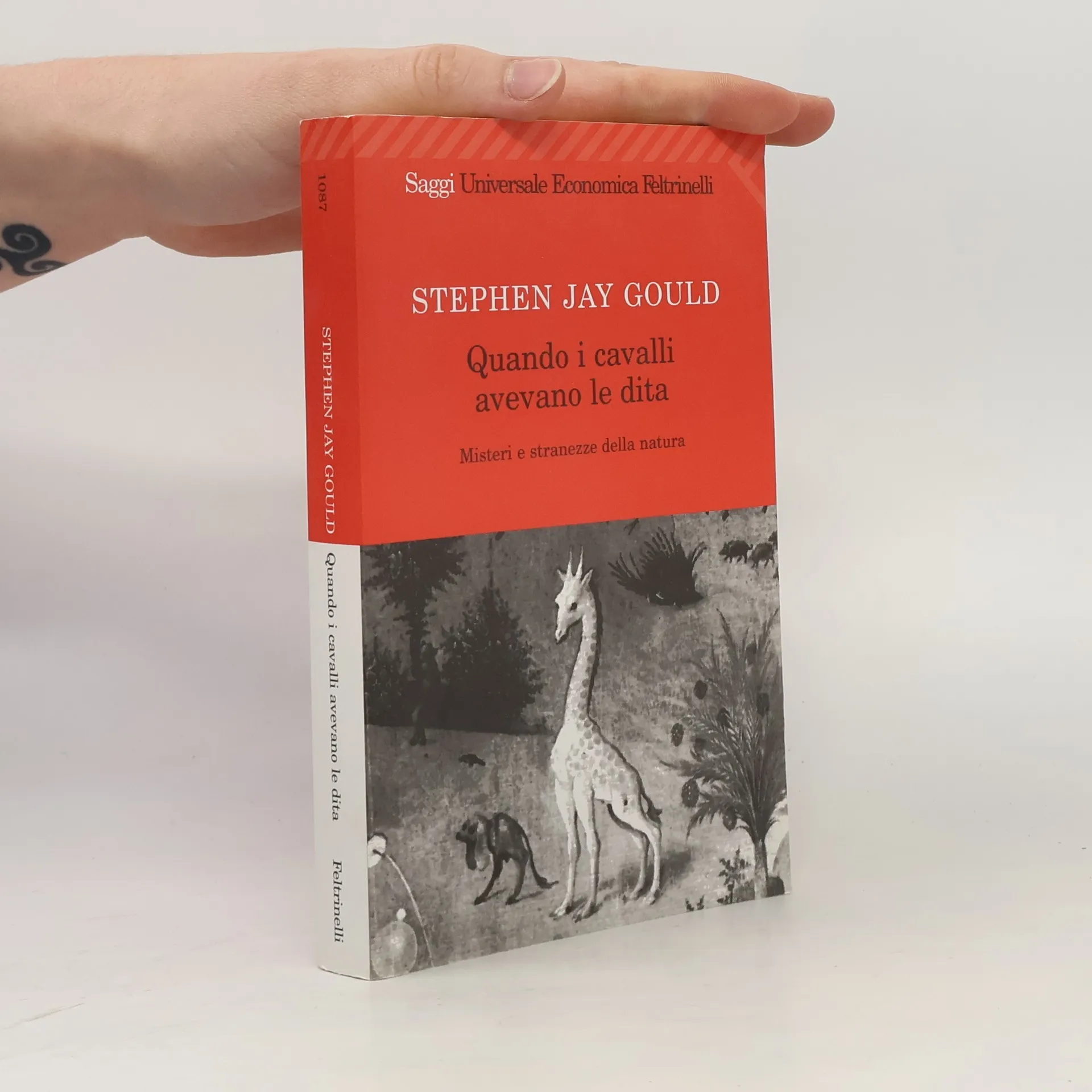
La zebra è bianca a strisce nere o nera a strisce bianche? Come mai non ci sono animali con le ruote? Perché le imperfezioni presenti negli organismi sono prova dell'evoluzione? Domande a volte bizzarre, aneddoti, mostri e meraviglie della natura sono altrettante occasioni di approfondite e brillanti indagini nel campo della paleontologia, della biologia, della storia naturale. Scienziato dalla curiosità insaziabile e scrittore di grande comunicativa, Stephen Jay Gould ha tenuto per anni una fortunata rubrica mensile sul "Natural History Magazine": "Quando i cavalli avevano le dita" raccoglie una parte dei saggi lì pubblicati. Gli spunti e i percorsi sono molteplici e possono apparire eterogenei - stranezze biologiche che si spiegano soltanto in rapporto al passato filogenetico delle specie, concezioni continuiste e discontinuiste dell'evoluzione, la frode di Piltdown, scienza e politica, l'estinzione delle specie ecc. - ma in realtà gli argomenti trattati si organizzano attorno al tema portante del libro, la costruzione di un'immagine storica della natura, contribuendo con la loro varietà a suggerire la complessità e il fascino delle problematiche connesse all'evoluzionismo.
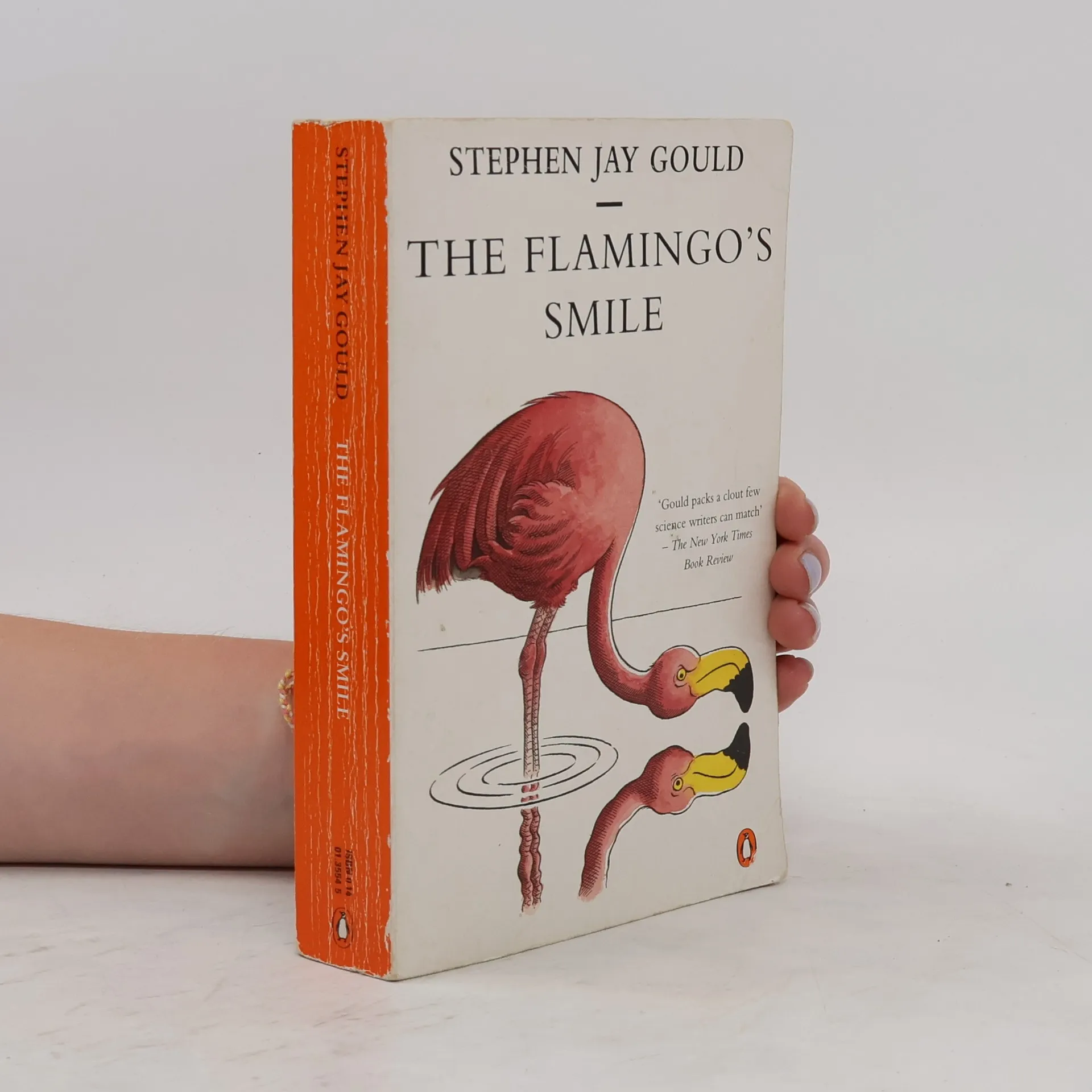
The flamingo's smile. Reflections in natural history
- 476 stránok
- 17 hodin čítania
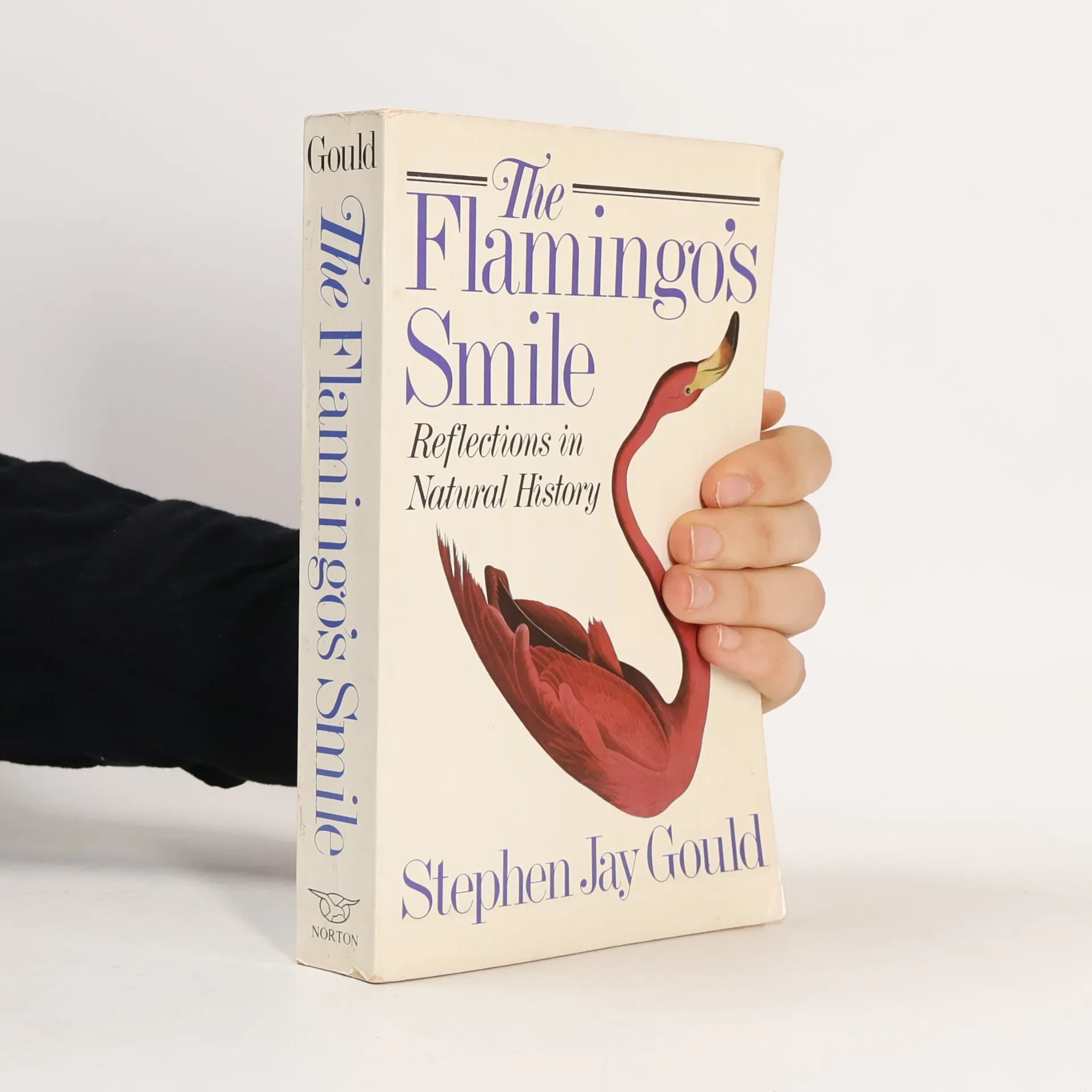
Contains thirty of the author's essays from monthly columns in Natural History Magazine.
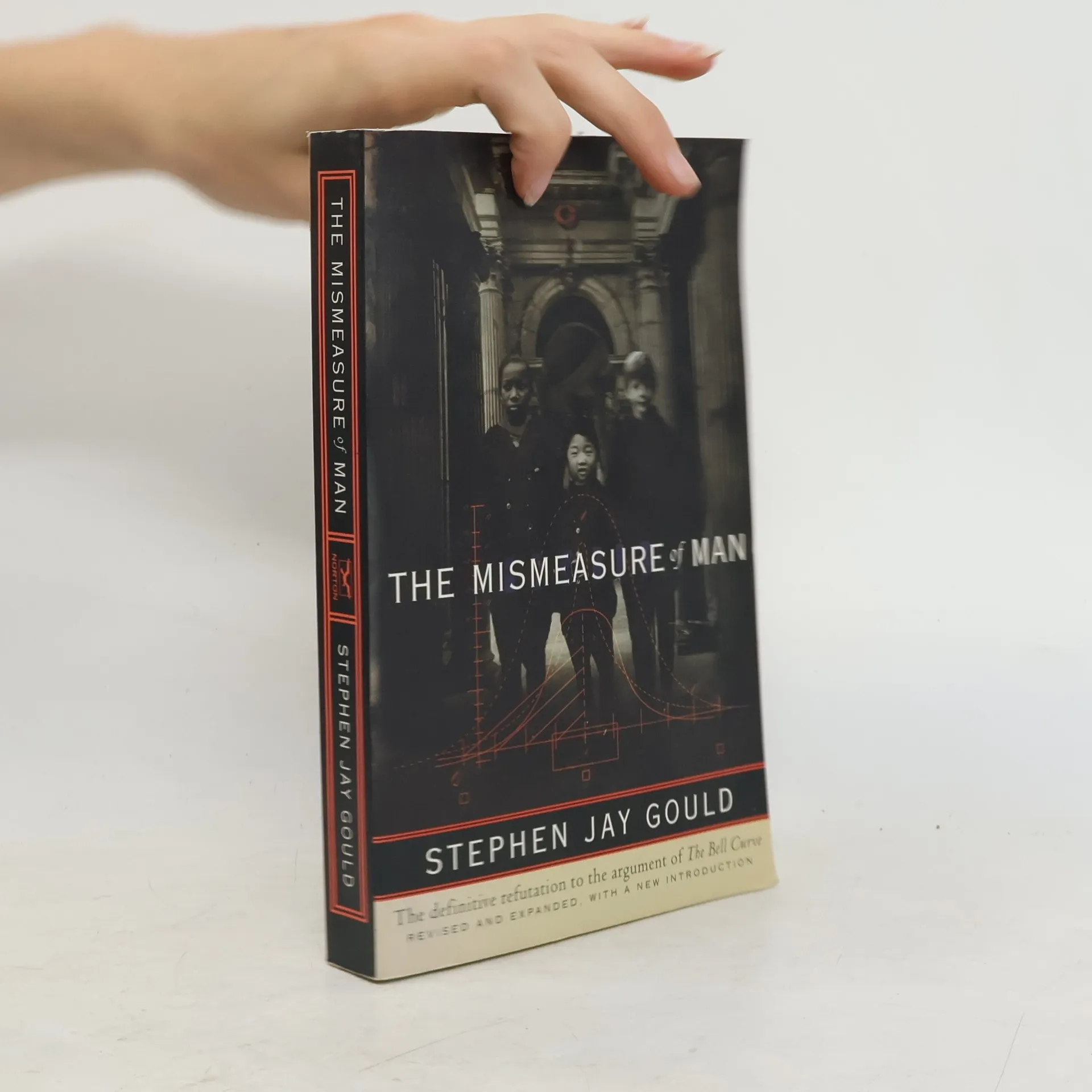
The Mismeasure of Man
- 432 stránok
- 16 hodin čítania
The definitive refutation to the argument of The Bell Curve.
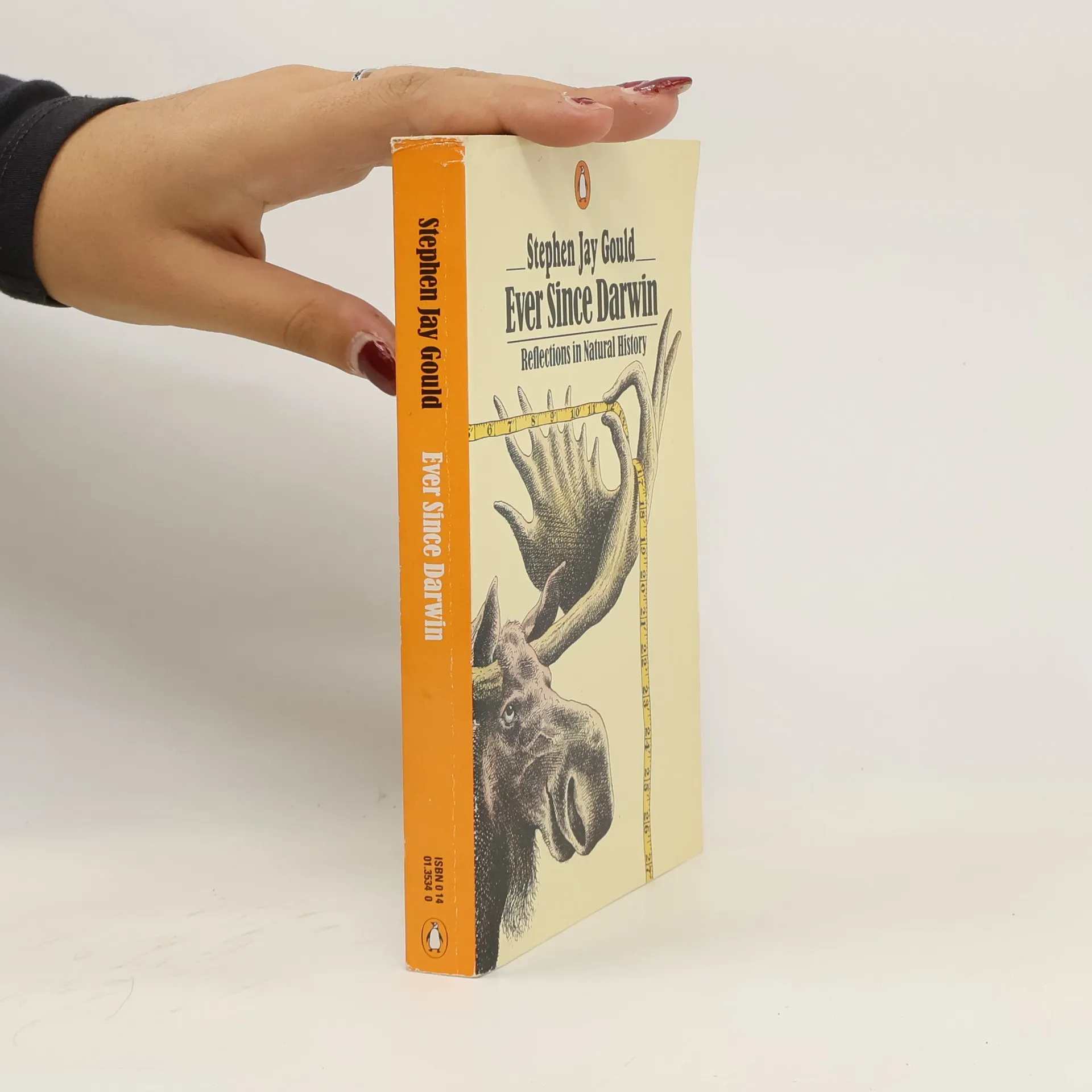
Ever Since Darwin, Stephen Jay Gould's first book, has sold more than a quarter of a million copies. Like all succeeding collections by this unique writer, it brings the art of the scientific essay to unparalleled heights.
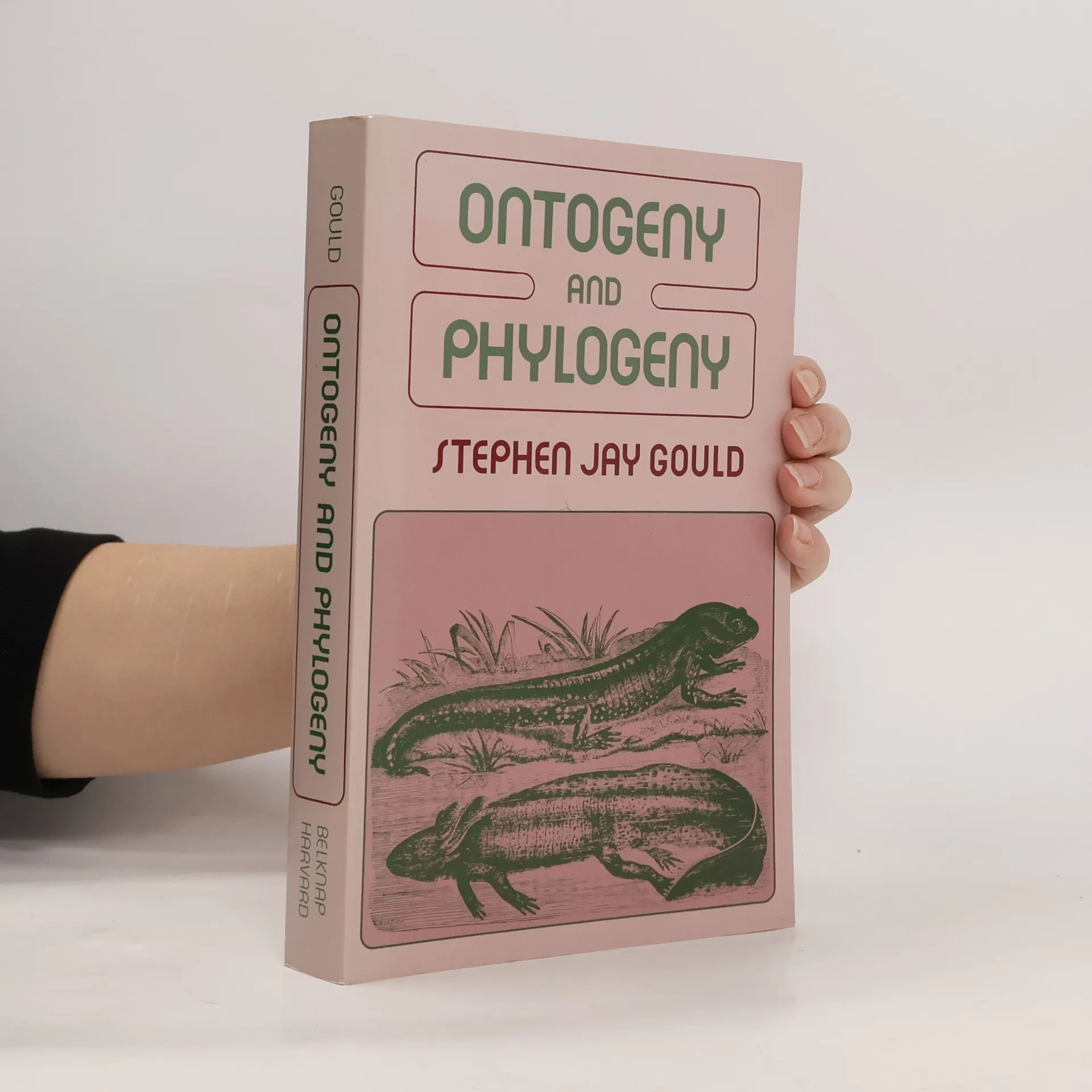
“Ontogeny recapitulates phylogeny” was Haeckel’s answer to 19th-century biology’s most vexing question: what is the relationship between individual development and the evolution of species and lineages? Gould documents the history of the idea of recapitulation from its first appearance among the pre-Socratics to its fall in the early 20th century.