

All of Candida Höfer’s editions in one book. Candida Höfer’s (b. Eberswalde, 1944) shots of deserted libraries, opera houses, concert halls, churches, and museums have made her a member of the international photographic avant-garde. One strand in her acclaimed oeuvre are editions—photographic prints in small formats issued in larger numbers—that Höfer produces to support institutions and art publishers. Gathered for the first time in this book, with an introductory essay by Anne Ganteführer-Trier, the around one hundred such editions she created between 1987 and 2020 offer a representative cross-section of Candida Höfer’s art. Candida Höfer studied in the first photography class of Bernd Becher at the Kunstakademie Düsseldorf. Her works have been exhibited at documenta 11 and in 2003 she represented Germany at the 50th Biennale di Venezia alongside Martin Kippenberger.
Anne Ganteführer-Trier Poradie kníh (chronologicky)
1. január 1965

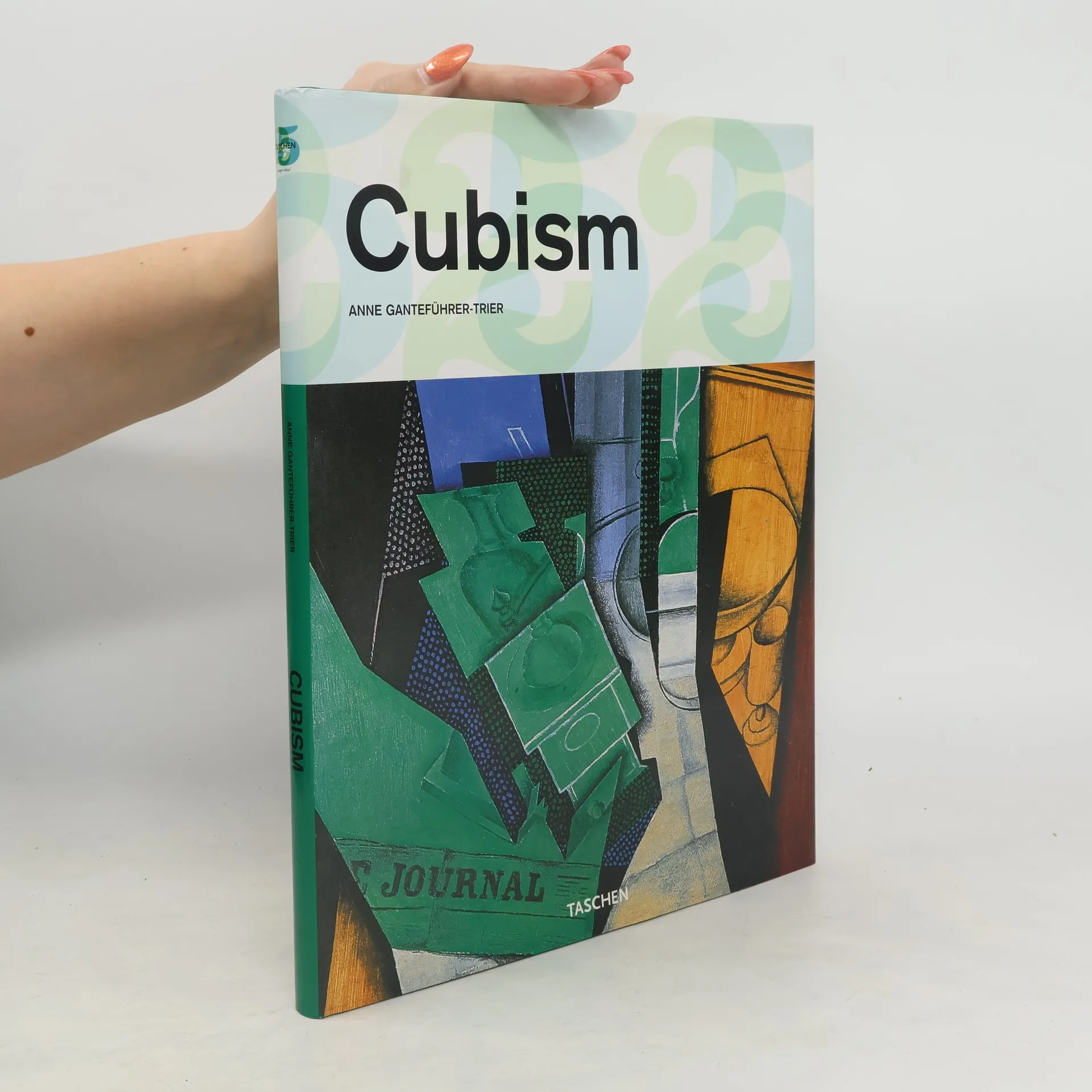
Cubism
- 96 stránok
- 4 hodiny čítania
Includes a detailed introduction with approximately 30 photographs, and a timeline of the most important events (political, cultural, scientific, sporting, etc.) that took place during the time period.
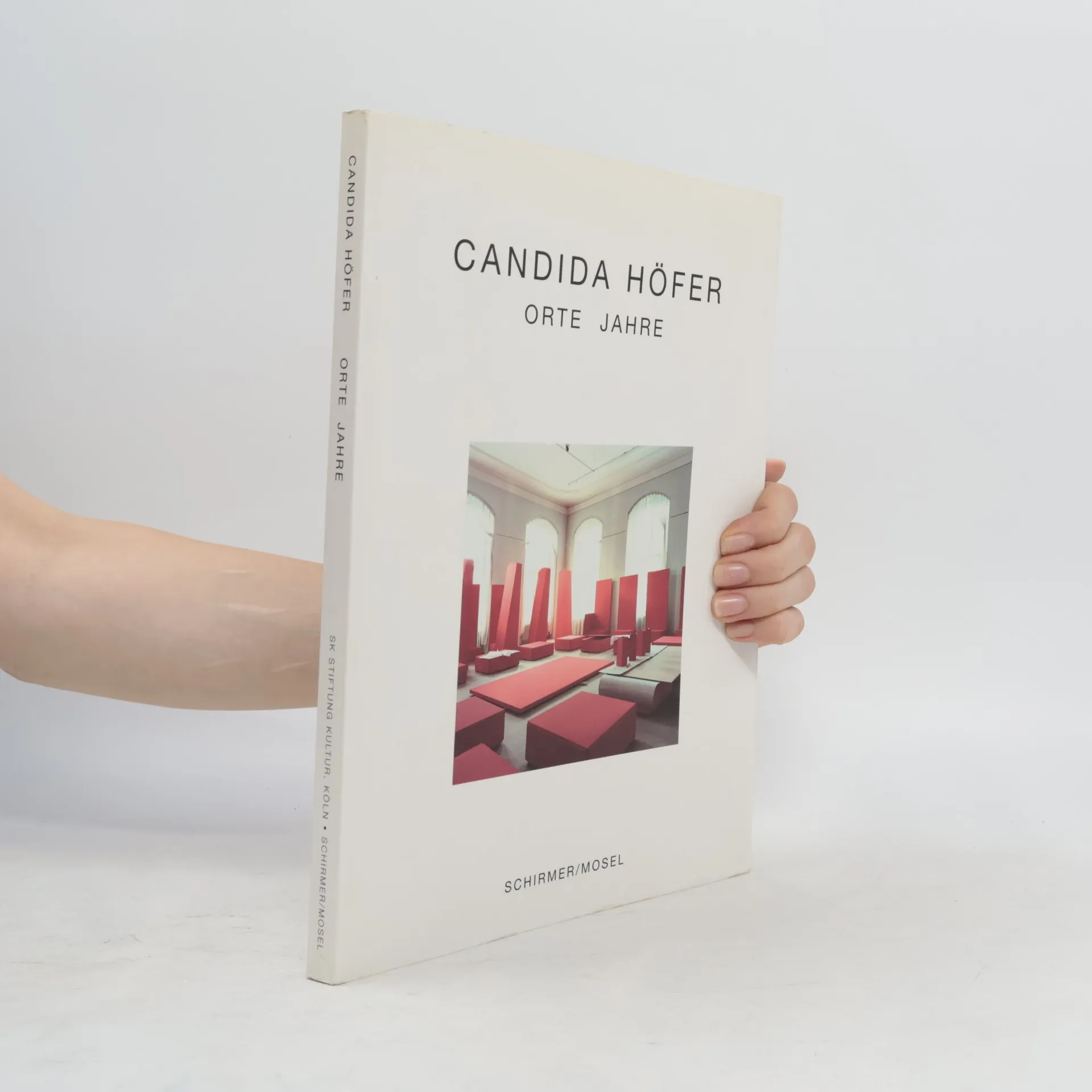
Candida Höfer, Orte Jahre
- 135 stránok
- 5 hodin čítania
The catalogue for a retrospective exhibition of the photographs of Candida Hofer, held at Die Photographische Sammlung, SK Stiftung Kulture in Cologne and at the Kunsthalle Nuremberg. Photographs by Hofer; texts by Anne Gantefuhrer-Trier, Susanne Lange, Barbara Hofmann, and Ellen Seifermann. 135 pages; color and b&w plates throughout; 8.5 x 11.25 inches. Biography, bilbiography, exhibitions lists, checklist. Text in German.