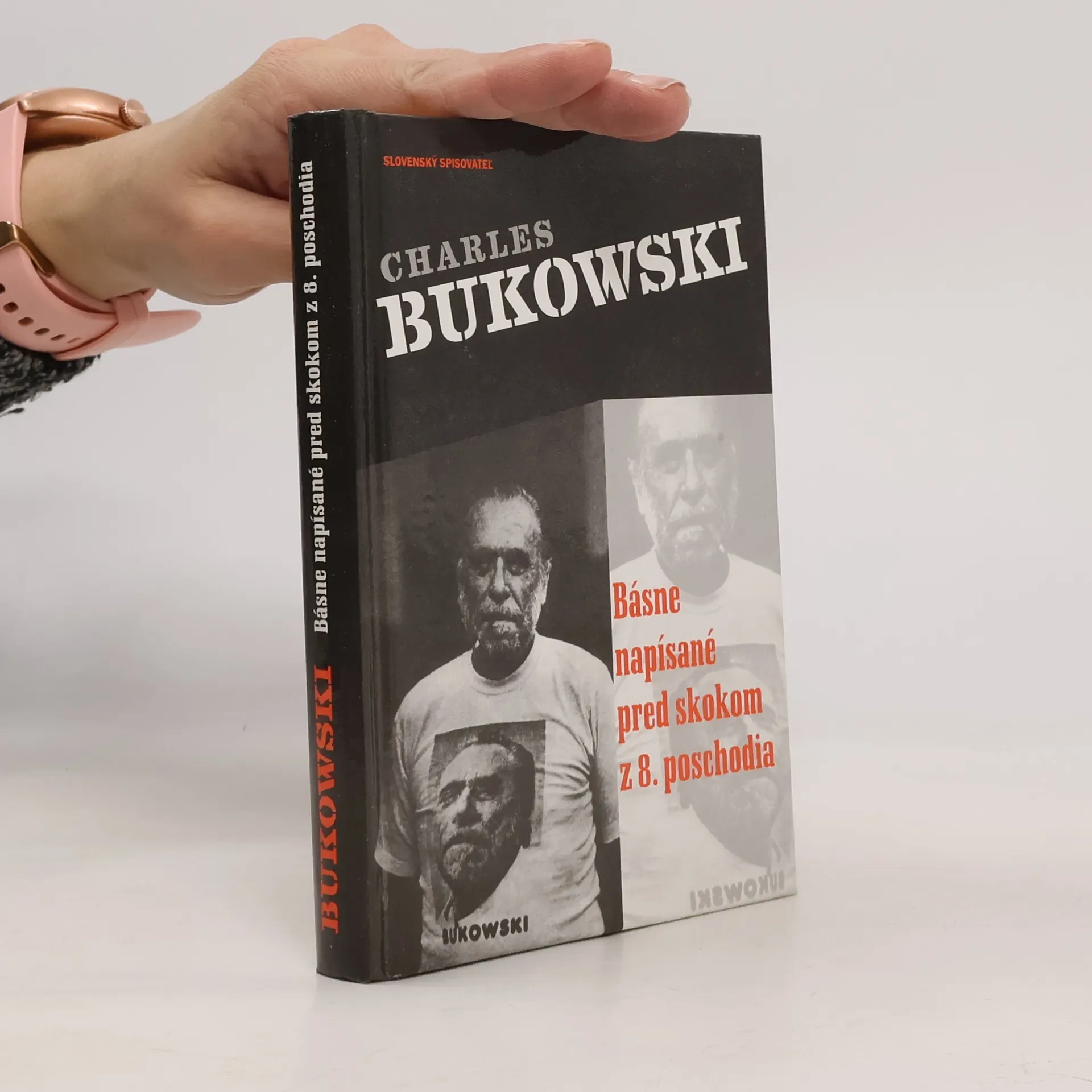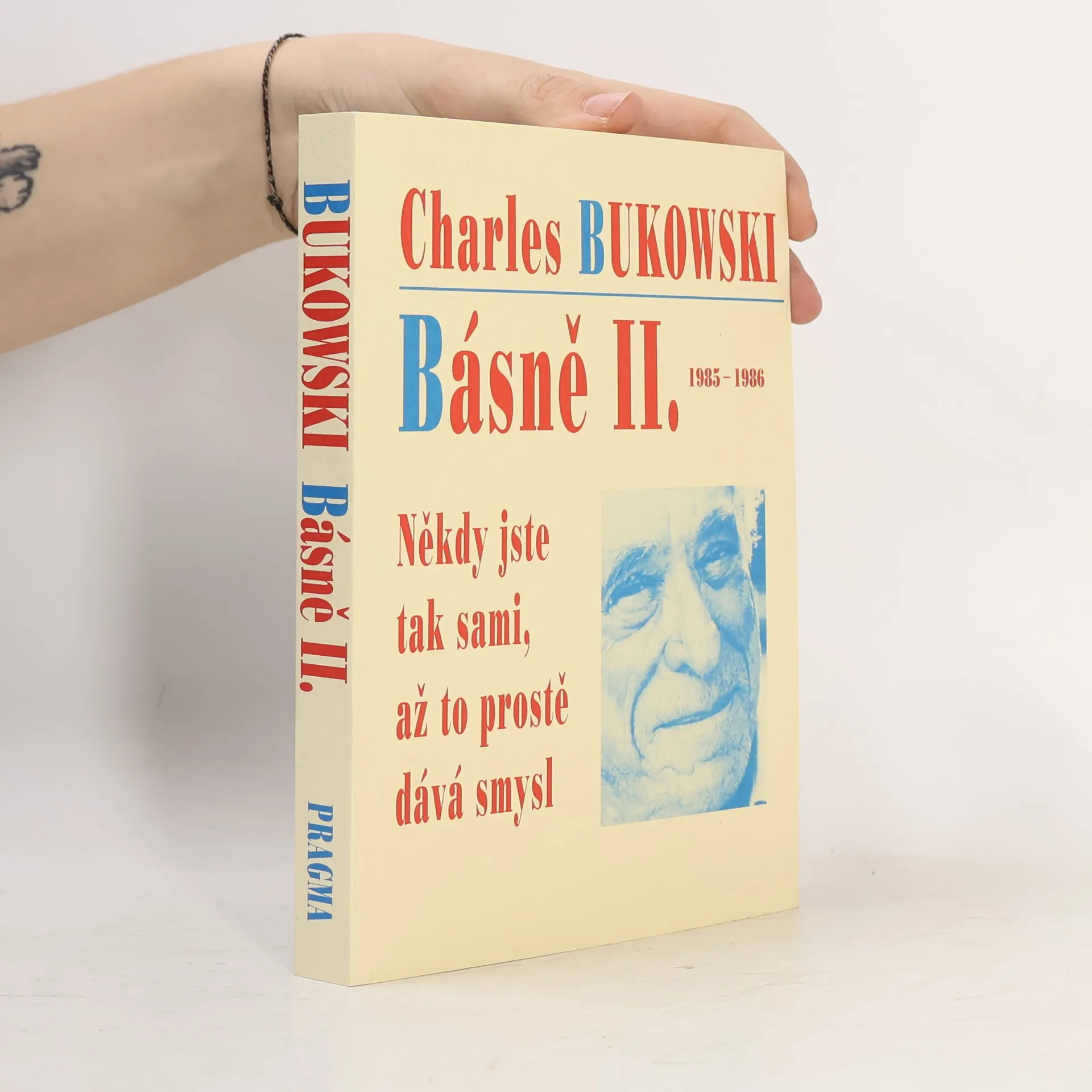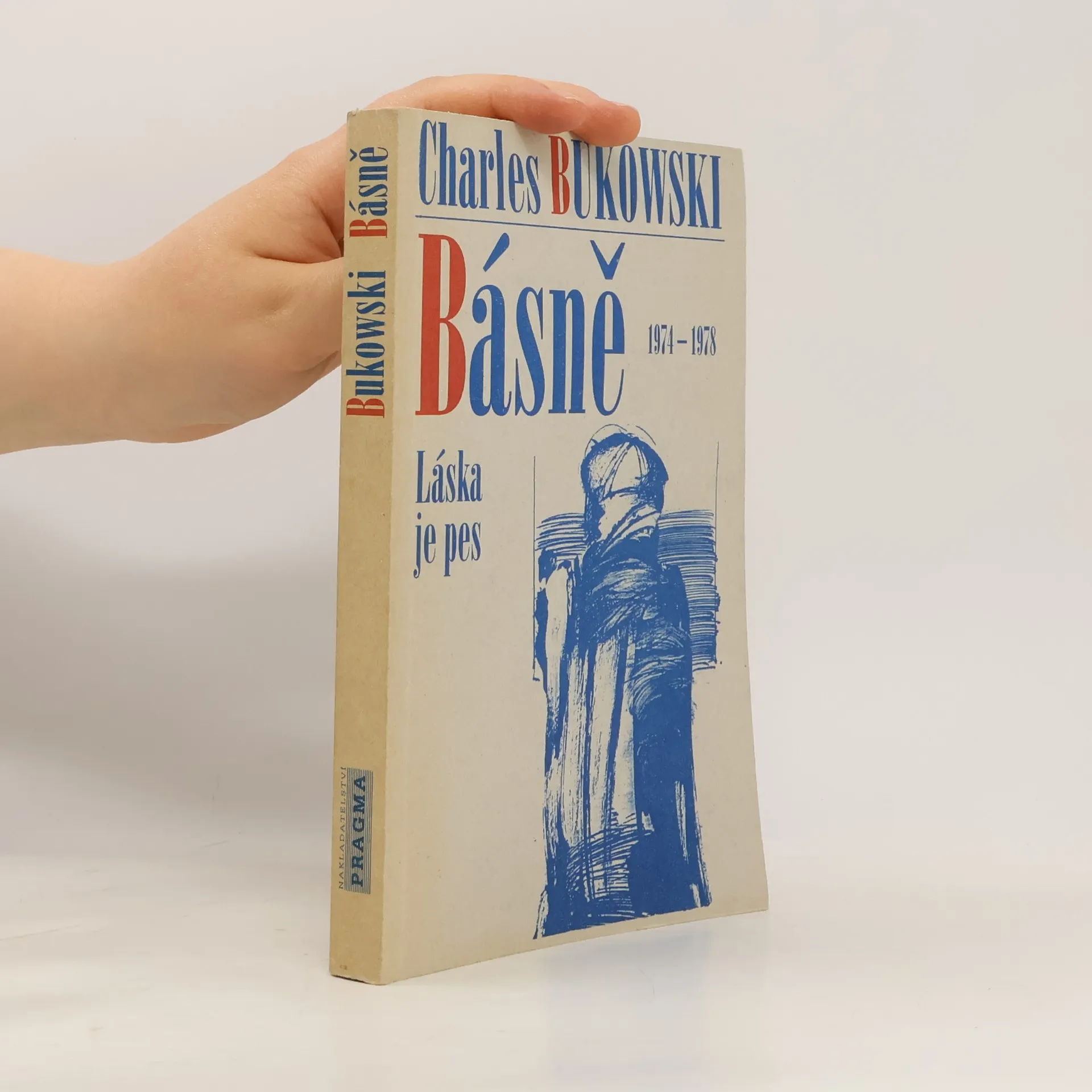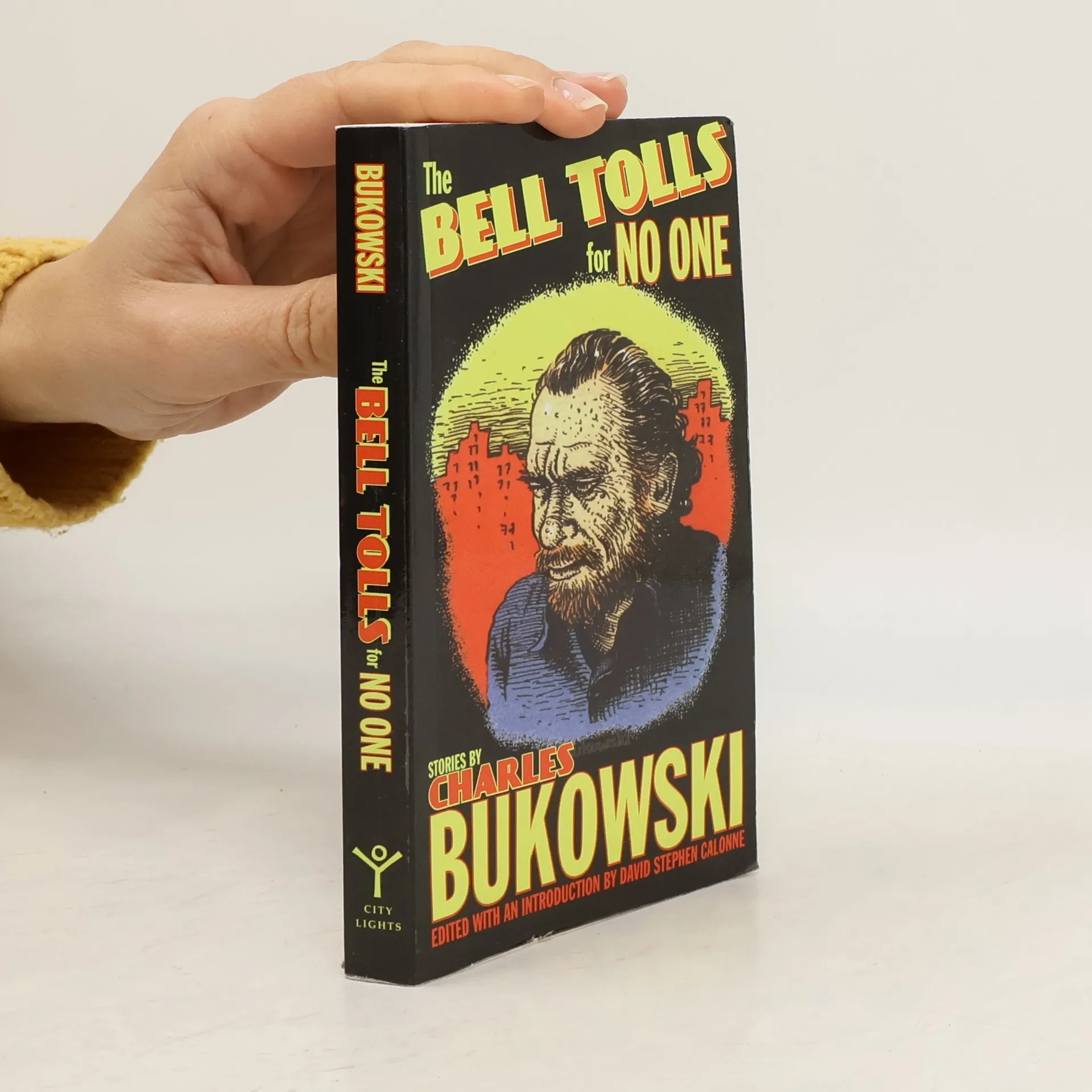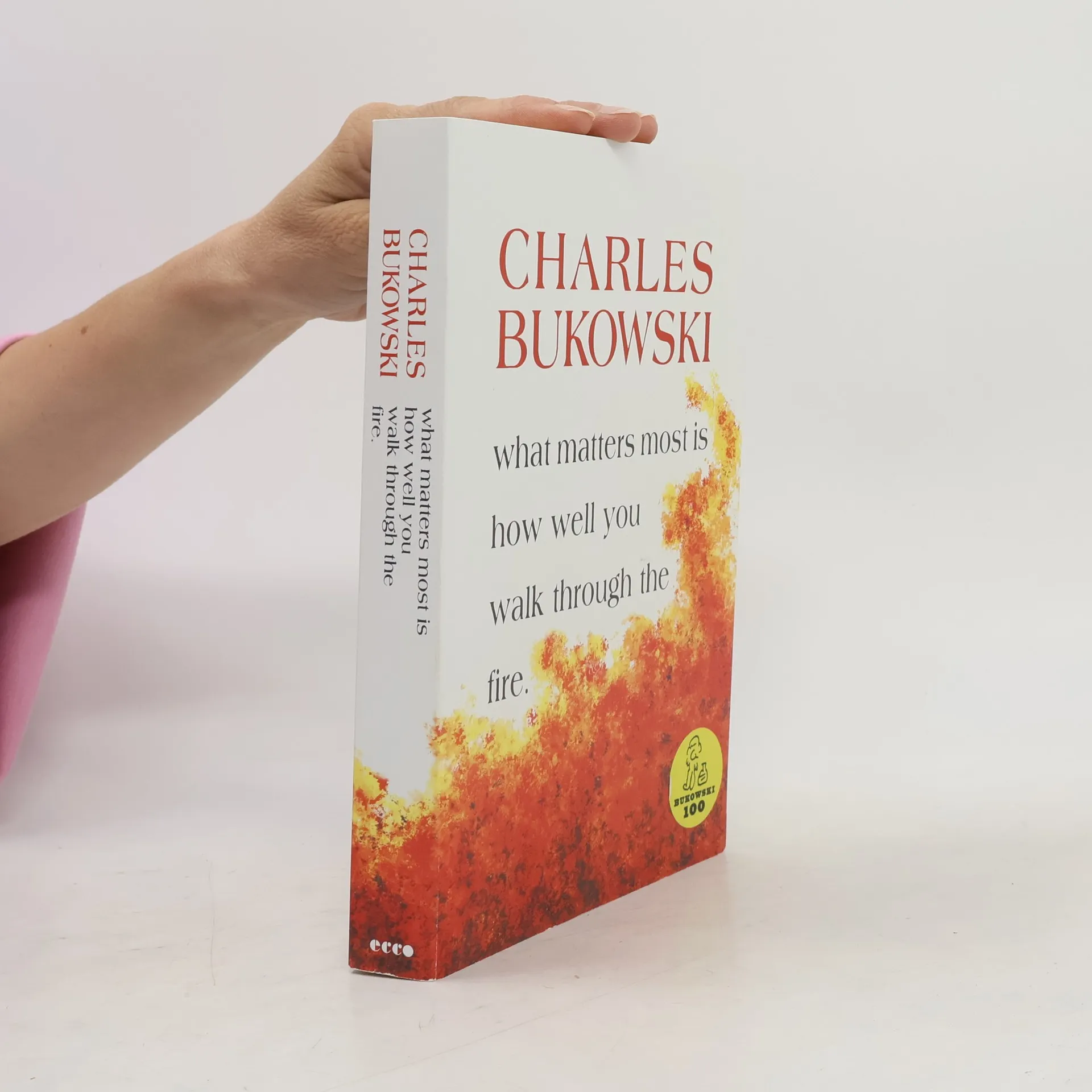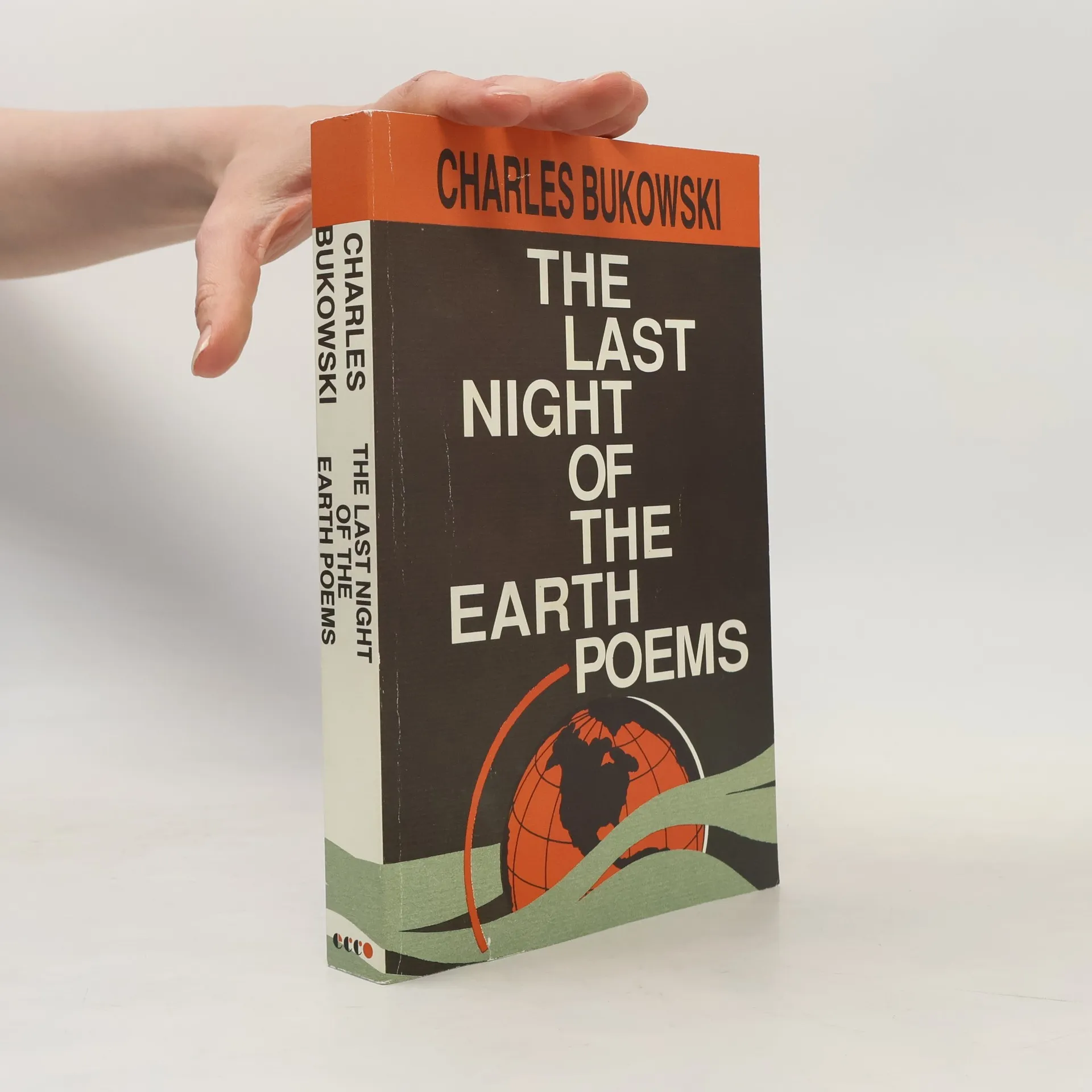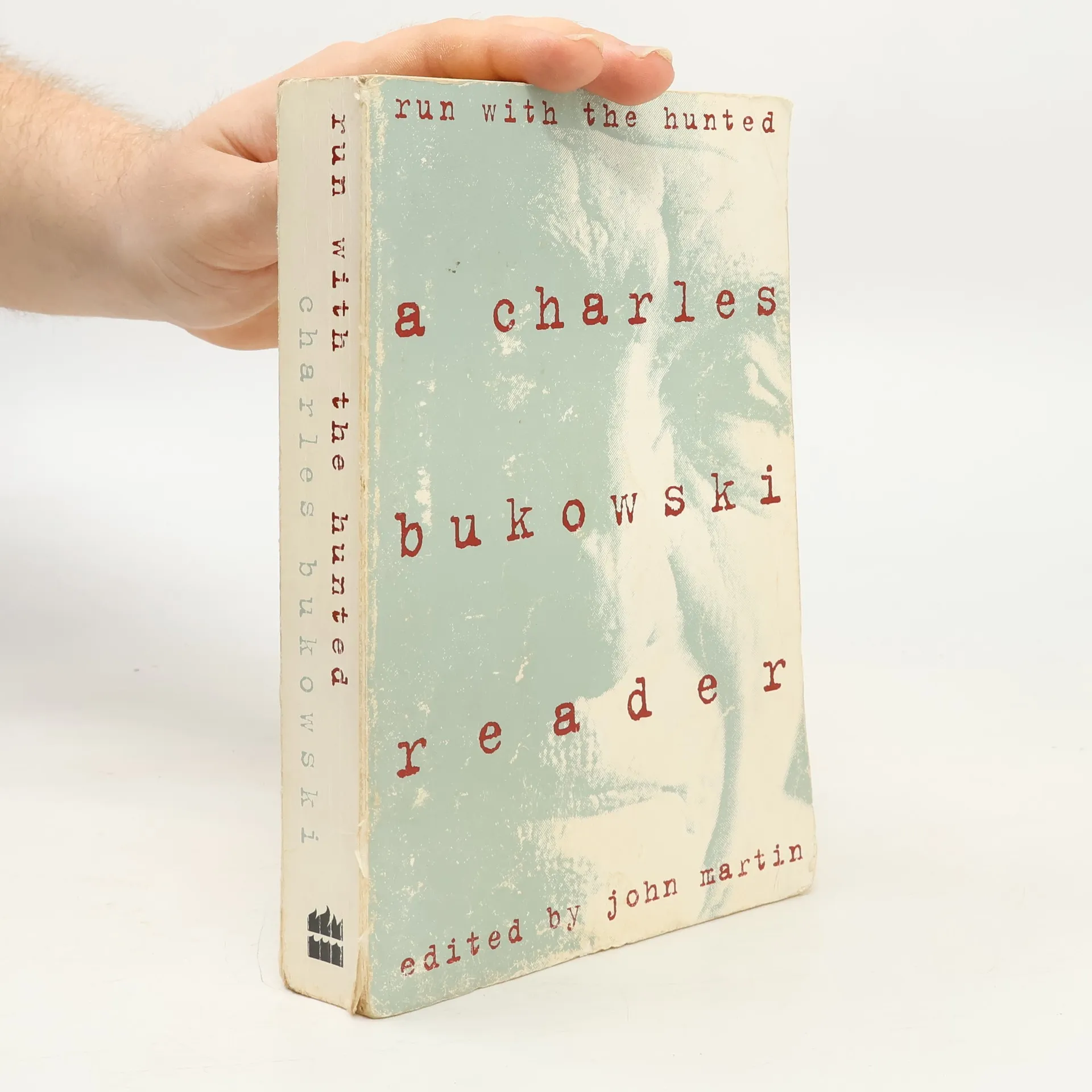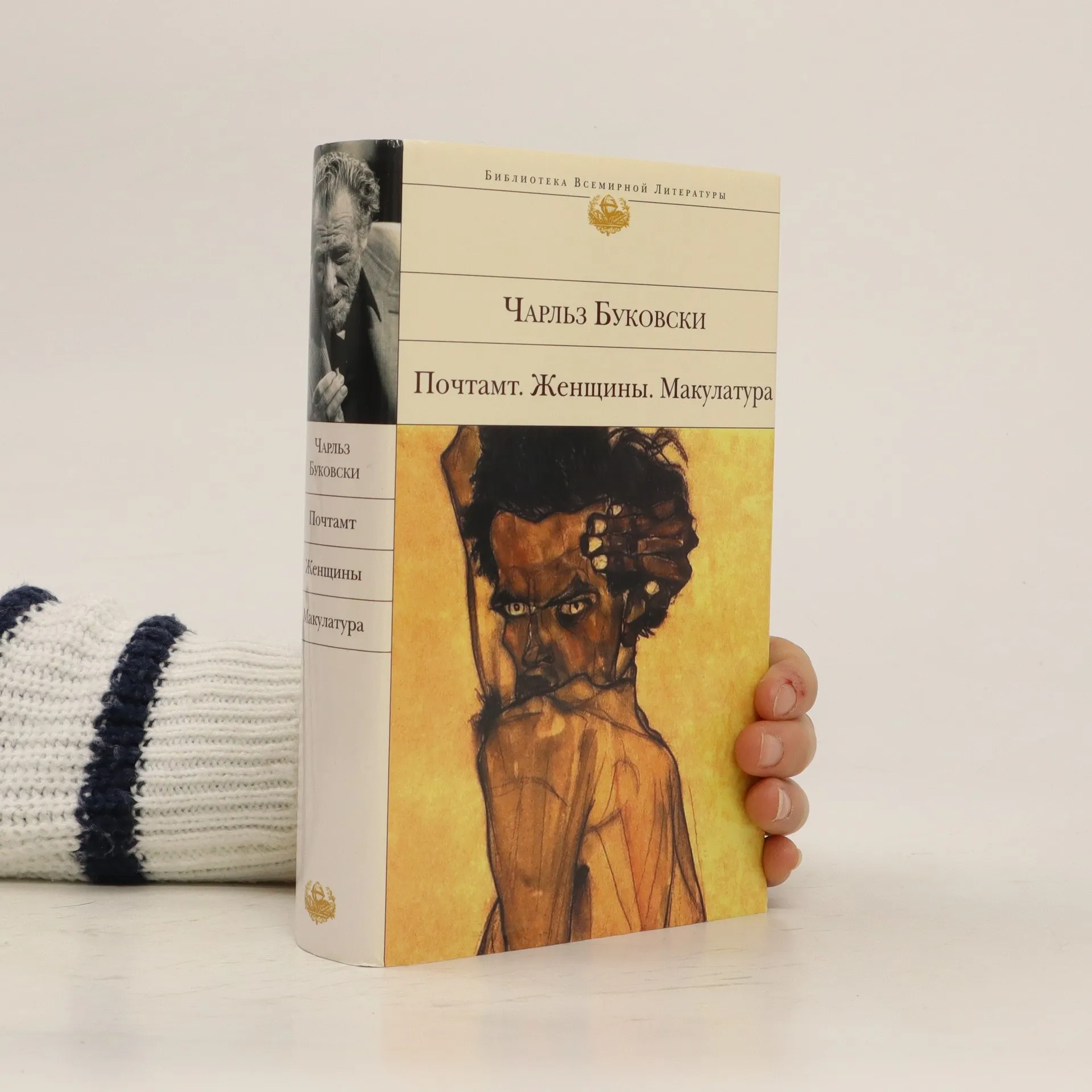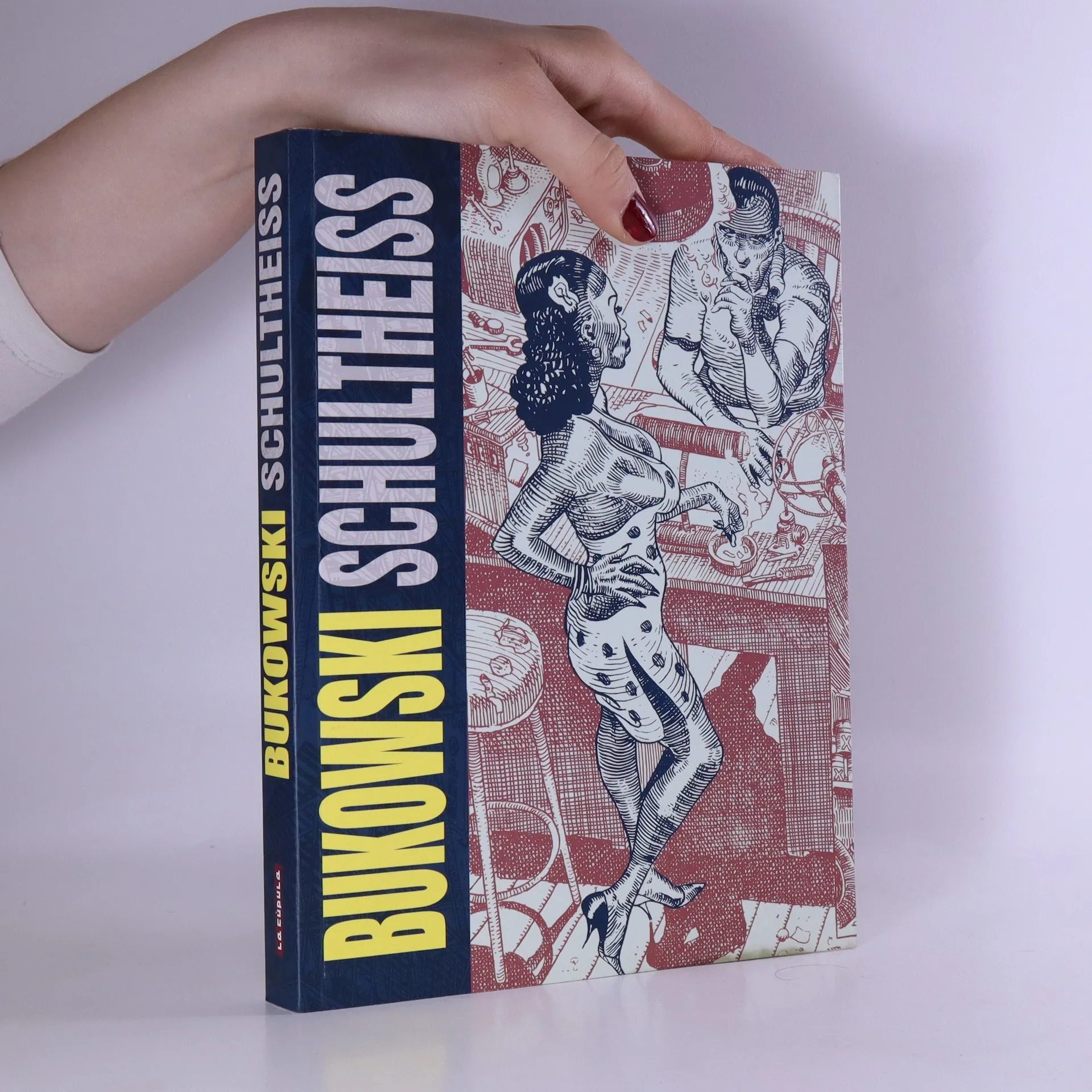



Tento autor zachytáva surovú realitu života v Los Angeles, zameriavajúc sa na obyčajných Američanov a témy ako písanie, alkohol a zložité vzťahy. Jeho štýl je priamy a nekompromisný, často čerpá z vlastných skúseností s ťažkou prácou a sociálnymi nepríjemnosťami. Prostredníctvom svojej rozsiahlej tvorby básní a prózy ponúka nefiltrovaný pohľad na ľudskú existenciu.
Ženy chcú mužov, čo zarábajú, ženy chcú mužov so zázemím. Koľko žien na úrovni žije s flákačmi v chudobnej štvrti? Nie že by som chcel ženu, respektíve nie na to, aby so mnou žila. Ako spolu vôbec ženy a muži vydržia? Aký to má zmysel? Jediné, čo som naozaj chcel, bola opustená jaskyňa niekde v Colorade, v ktorej by som mal zásoby jedla a pitia na tri roky. Riť by som si umýval pieskom. Bral by som hocičo, naozaj hocičo, čo by ma vytrhlo z tejto nudnej, triviálnej a zbabelej existencie.

Človek môže byť zaistený akurát tak v base. Tri metre štvorcové a žiadny nájom, komunálne poplatky, daň z príjmu, žiadne platenie alimentov. Nemusíte platiť za poznávaciu značku.Nedostávate pokuty za parkovanie ani za šoférovanie pod vplyvom alkoholu. Žiadne prehry na dostihoch. Bezplatná zdravotná starostlivosť. Spoznáte ľudí s podobnými záujmami.Kostol. Vychádzky. Pohreb zadarmo.Po skoro dvanástich rokoch sme z tej pôvodnej skupiny sto či dvesto ľudí zostali asi dvaja. Nie každý dokáže jazdiť taxíkom, robiť pasáka alebo predávať drogy, a rovnako tak nie každý chlap – alebo ženská – dokáže pracovať ako poštový úradník. Nemám im to za zlé. Za tie roky som nespočetne veľakrát videl, ako k nám napochodovalo komando stopäťdesiatich nováčikov a ako z každej skupiny zostali nakoniec len dvaja alebo traja – presne na to, aby nahradili tých, čo odišli do dôchodku.
Poviedky nie sú čítaním pre každého. Bukowski je priamy, tvrdý, úprimný, neúprosný, osobný, prostý, sprostý, hrubý, urážajúci, ohurujúci, pravdivý i absurdný, Jeho poviedky sú zo života, jeho poviedky sú šialenou mystifikáciou, na jeho poviedky často potrebujete „dobrý žalúdok“, ale ak sa do nich pustíte vtiahnu vás do sveta, kde sa už netreba červenať. Možno sa budete smiať a možno plakať, možno sa poučíte a možno budete zhrození a pohoršení, ale taký je život očami Charlesa Bukowského...
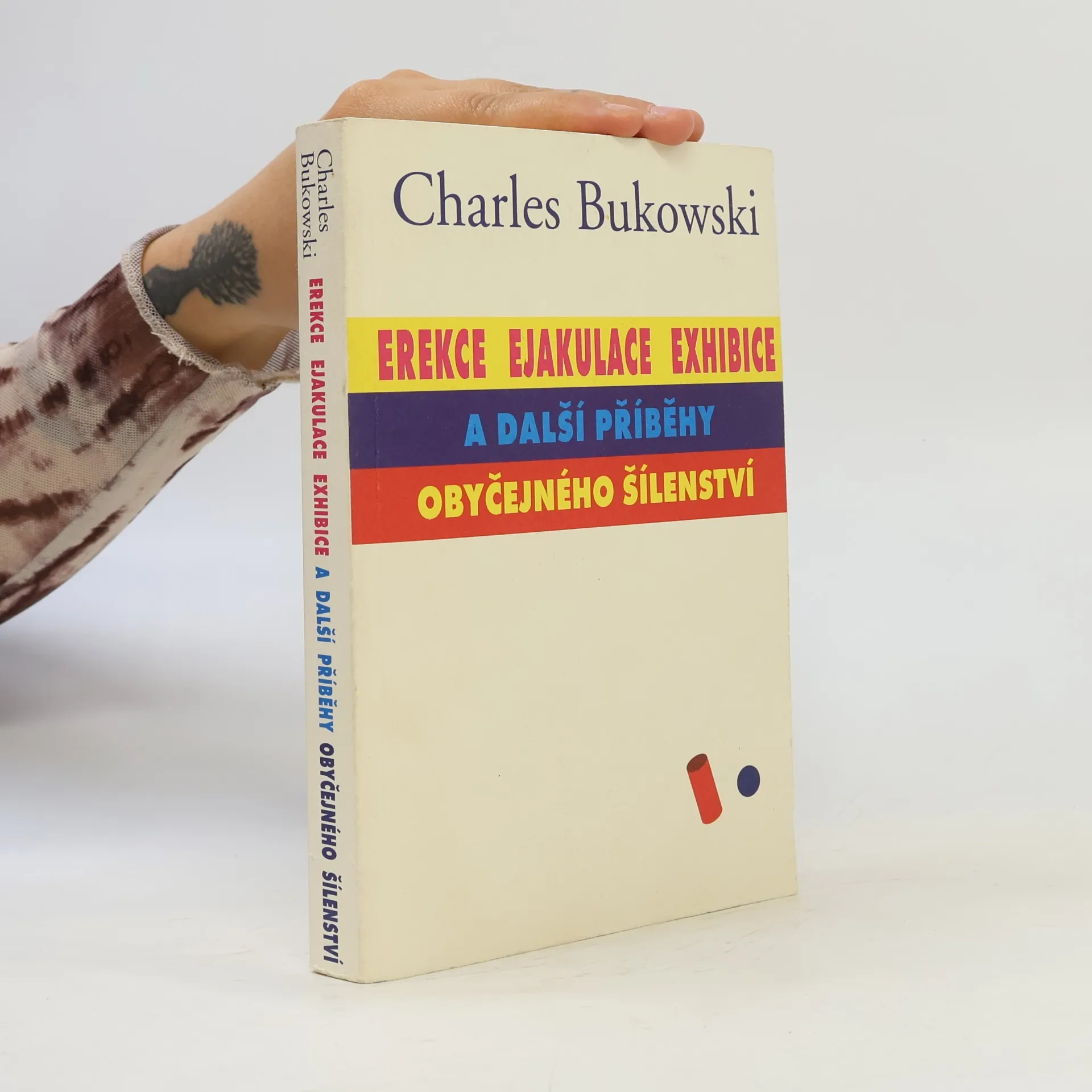
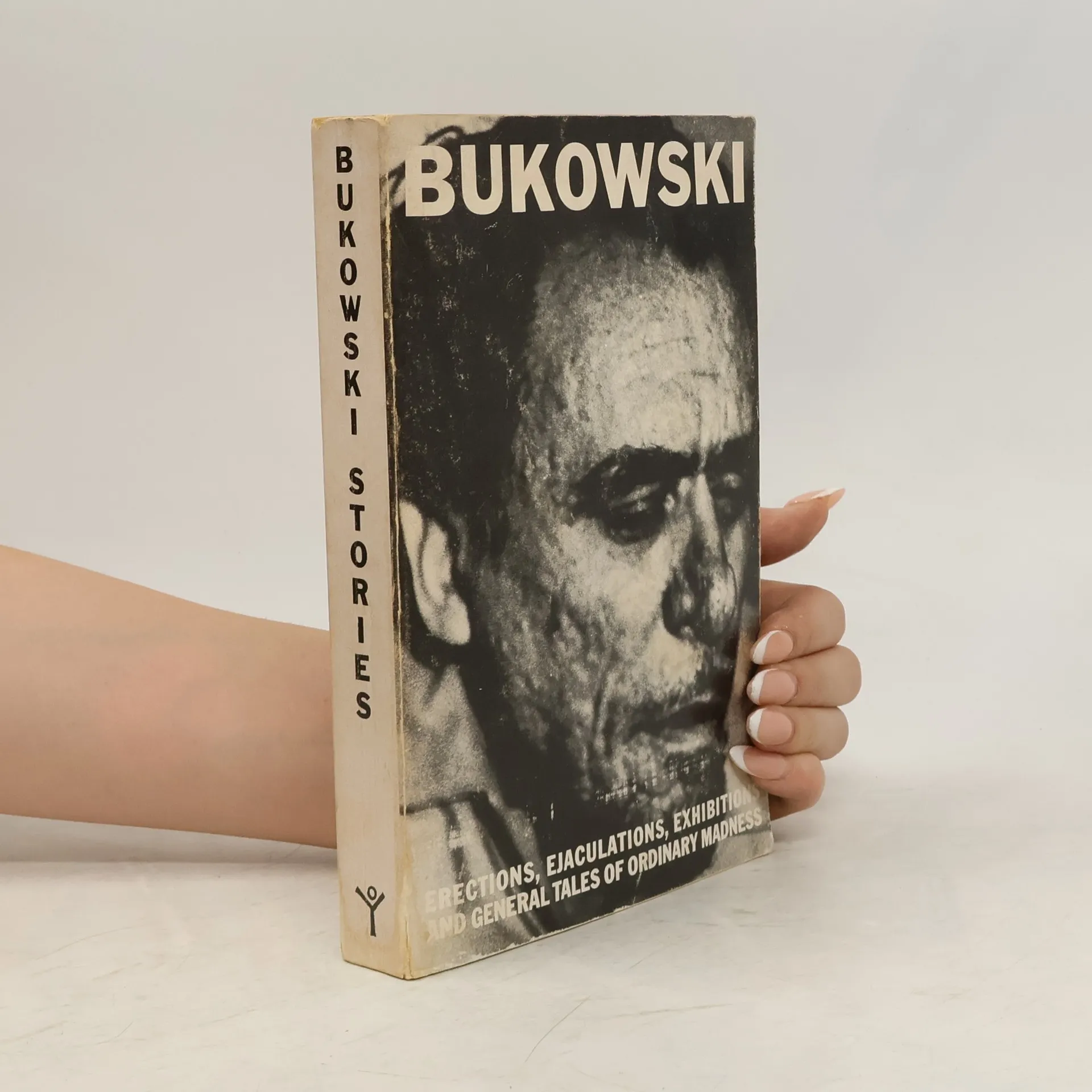
Tridsaťštyri poviedok amerického spisovateľa Charlesa Bukowskeho, ktoré písal v rokoch 1967 až 1983. V Príbehoch obyčajného šialenstva zobrazuje život v celej svojej nahote. Z jeho textov presakuje desivá úprimnosť a krutá realita, aj skúsenosť a poznanie. Skrytý za svoje postavy alebo sám za seba neopakovateľným spôsobom vyslovuje svoje názory, nastavuje ľudom zrkadlo, smeje sa i plače nad bezútešnosťou života. Sú to príbehy šialenstva, ľudia robia šialené veci, lebo život je šialený, on sám je šialený... píše o ženách, deťoch, väzňoch, bláznoch, o dostihoch, stávkaroch, spisovateľoch, narkomanoch... o ľuďoch, niekedy až šialene pravdivo.
Obkolesila ma parta sestrojebačov, mužov, ktorí mali veľké domy a čas smiať
sa, čítať, chodiť do divadla, nakupovať obrazy, ktorí už pomaly nedokázali
myslieť ani cítiť. Biela škrobenosť a moja porážka. Zhromaždenie. „Ako sa
cítiš?“ „Nádherne.“ „Teba tá ihla nebolí?“ „Jebem ťa.“ „Prosím?“ „Hovorím –
jebem ťa.“ „Je to ešte chlapec. Trápi ho to akné a niet sa čomu diviť. Koľko
máš rokov?“ „Štrnásť.“ „Chcel som ťa len pochváliť, ako statočne znášaš tú
ihlu. Si silný.“ „Jebem ťa.“ „Ale takto so mnou nemôžeš hovoriť.“ „Jebem ťa.
Jebem, jebem, jebem.“ „Nebuď taký zatrpknutý. Čo keby si bol, napríklad,
slepý?“ „To by som sa aspoň nemusel pozerať na tvoj ksicht.“ „To decko je
vadné.“ „Asi hej, dajte mu radšej pokoj.“
Keby som sa narodil ako žena, bol by som určite prostitútka. Ale narodil som sa ako muž, a tak som neustále prahol po ženách, tých najhorších z najhorších. Na druhej strane mi ženy dobré ženy naháňali strach, pretože tie nakoniec dostali vašu dušu a ja som si posledné zvyšky tej svojej chcelnechať pre seba. V podstate som fantazíroval o primitívnych ženách, o prostitútkach, lebo sú smrtiace a hrubé, nemajú žiadne osobné nároky. O nič som neprišiel, keď odišli. No zároveň som túžil po jedinej žene, nežnej a dobrej, a to aj napriek tej ohromnej cene. Tak či tak, bol som stratený. Silný muž by sa vzdal obidvoch možností. Ale ja som nebol silný. Takže som sa ďalej boril so ženami, respektíve s predstavou o ženách.
Aj tento Bukowského román rozpráva autorovo alter ego Henry Chinaski, tentoraz sa však s ním a jeho ženou Sarah dostávame do trochu nezvyčajného prostredia: do hollywoodskych filmových štúdií. Netreba dodávať, že aj pri tomto románe si prídu na svoje priaznivci svojrázneho Bukowského štýlu - aj tu hlavný hrdina zo všetkých síl flirtuje, gembluje na dostihoch, preháňa to s konzumáciou alkoholu a vôbec všeobecne zanedbáva životosprávu a dobré mravy.
Poslední dokončené dílo Charlese Bukowského, vydané krátce po jeho smrti roku 1994, se už svým názvem hlásí k žánru literárního braku. Využívá četné stereotypy šestákových románů a dovádí je ad absurdum. Bukowskému nezáleží na dokonalé konstrukci detektivní zápletky, spíš se vyžívá v barvitých popisech odvrácené tváře Los Angeles. Bukowski se rozloučil ve velkém stylu – v tomto případě se pro jeho román nadchli nejen čtenáři, ale i kritici.
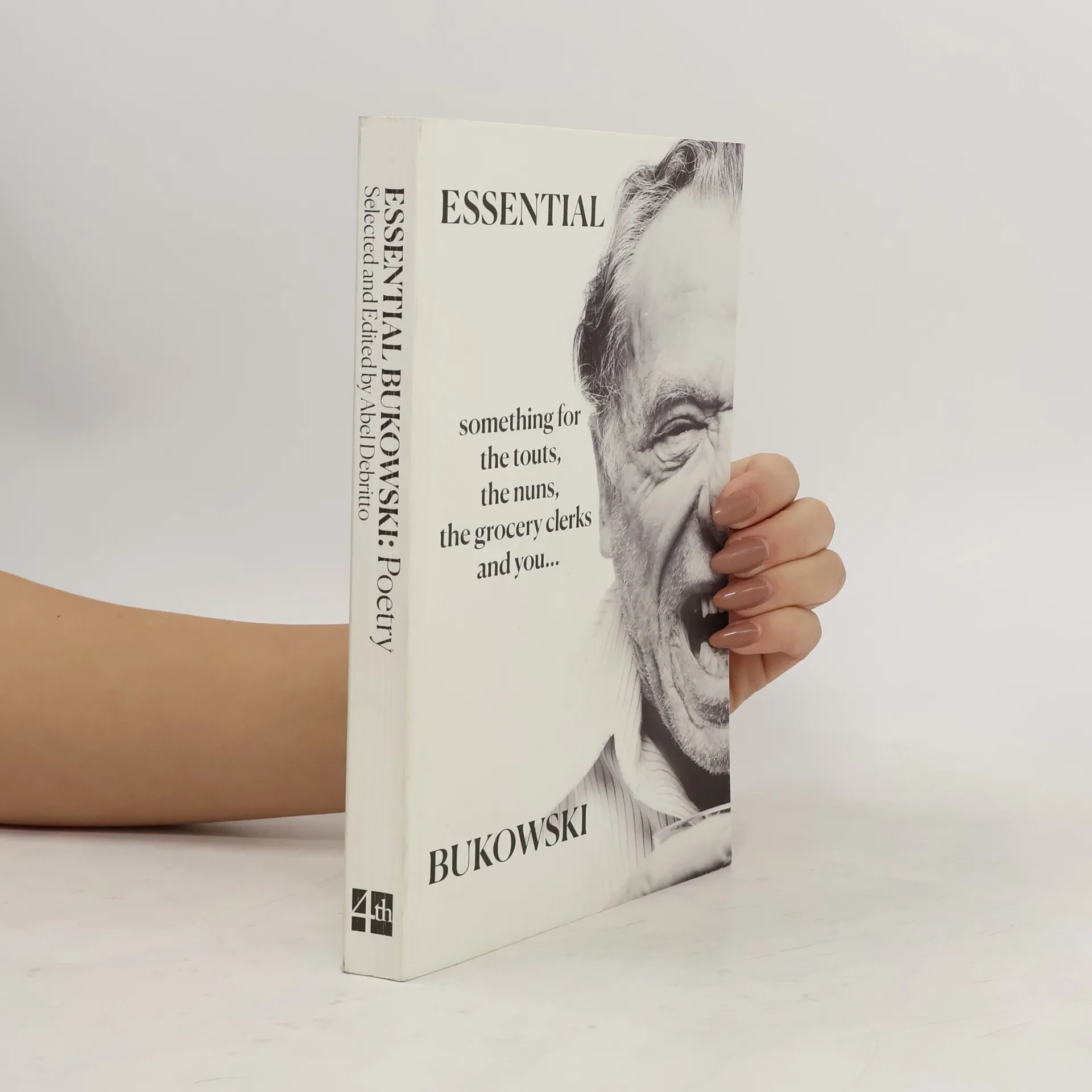
Vo výbere prekladateľa Daniela Heviera sú obsiahnuté Bukowského najdôležitejšie zbierky: Dni sa strácajú ako divé husi za kopcami, Horiace vo vode, topiace sa v plameni, Láska je pes z pekla, vojna celý čas a i.
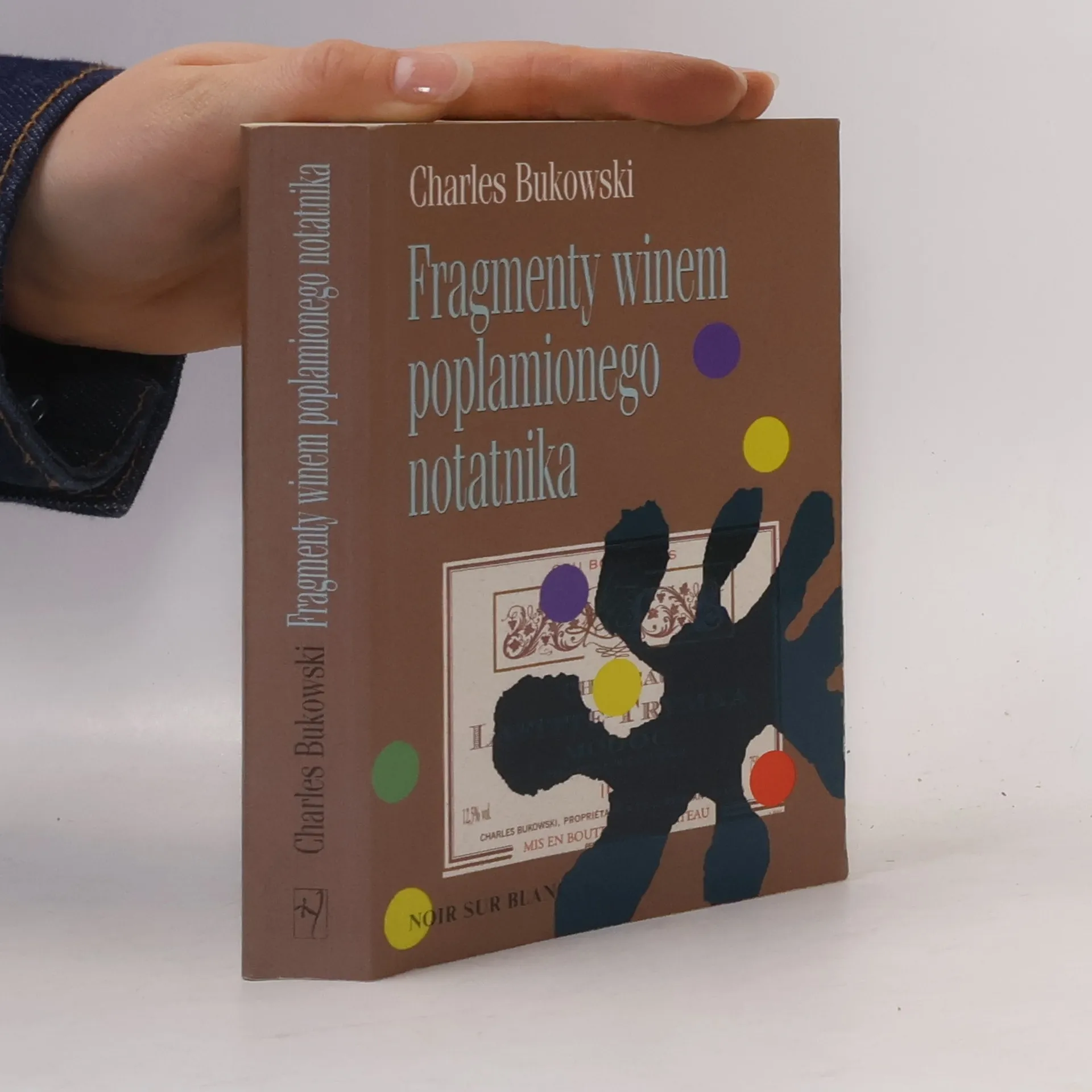
Na tom Fragmenty winem polamionego notatnika Charlesa Bukowskiego składają się utwory prozatorskie, które od ukazania się w podziemnych gazetkach, periodykach literackich, a nawet pismach pornograficznych nigdy potem nie zostały wydane drukiem. Wśród pomieszczonych w tomie tekstów na uwagę zasługują pierwsze i ostatnie opublikowane opowiadania pisarza, pierwsze i ostatnie eseje oraz przymiarki do - znanych z polskiego przekładu - Zapisków starego świntucha. Oprócz tego znajdziemy tu bardzo osobiste rozważania autora na ulubione tematy, rozmyślania o takich tuzach literatury, jak Ezra Pound i Ernest Hemingway, jak również minitraktaty estetyczne. Spod pozornie niedbałego stylu wyziera charakterystyczna dla Bukowskiego i jedyna w swoim rodzaju mieszanka chropawego liryzmu, autentyczności i poczucia humoru.
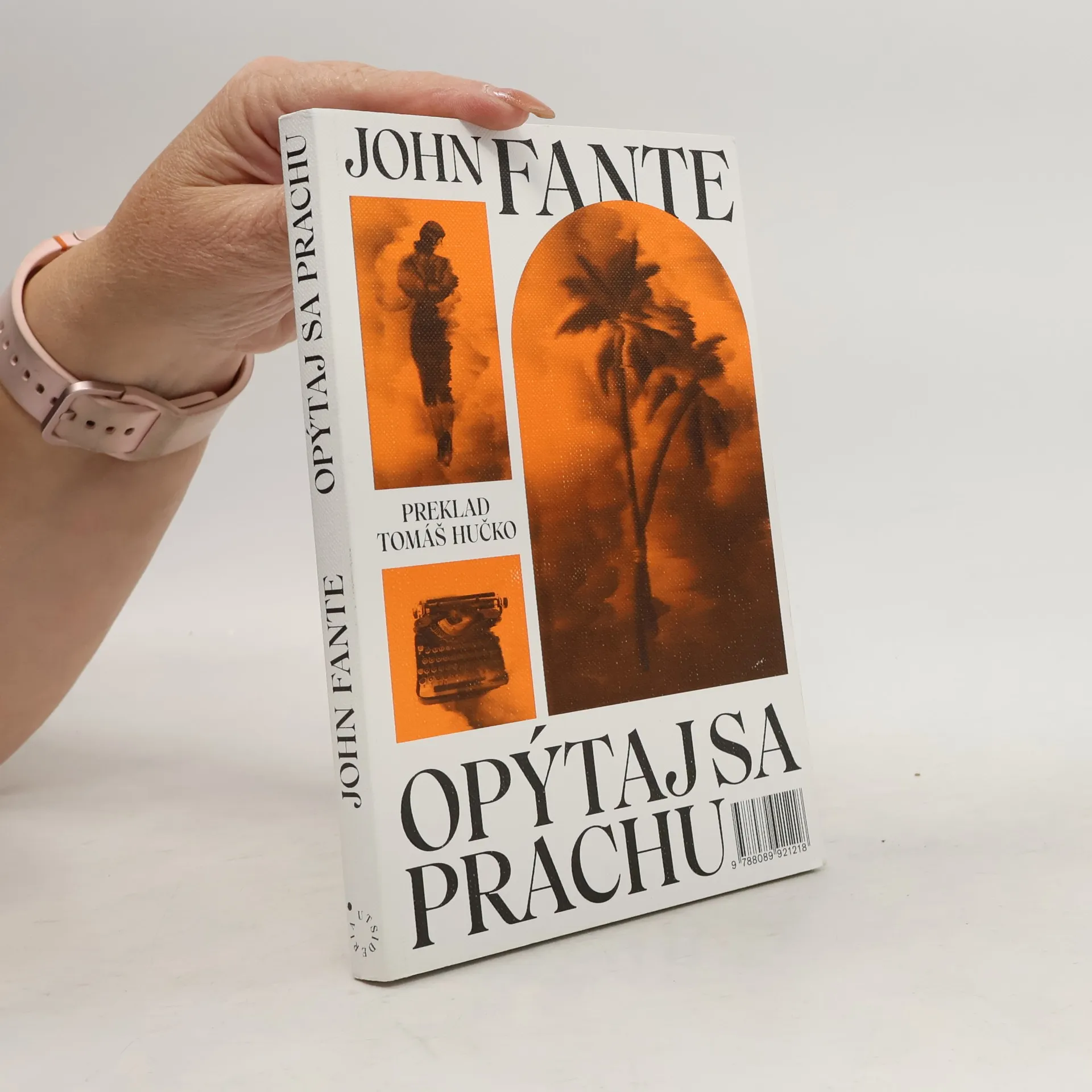
Dnes už kultový román Opýtaj sa prachu, medzičasom sfilmovaný v Hollywoode, sa pri príležitosti 80 rokov od prvého vydania dočkal aj slovenského prekladu. Fante (1909-1983) patrí k najvýraznejším hlasom americkej literatúry 20.storočia, literárnu slávu a uznanie však získal až po smrti. Záujem o jeho dielo sa zrodil najmä v 80. rokoch, a to aj zásluhou jeho obdivovateľov, ku ktorým patrili spisovateľ Charles Bukowski, scenárista Robert Towne či režisér Francis Ford Coppola.
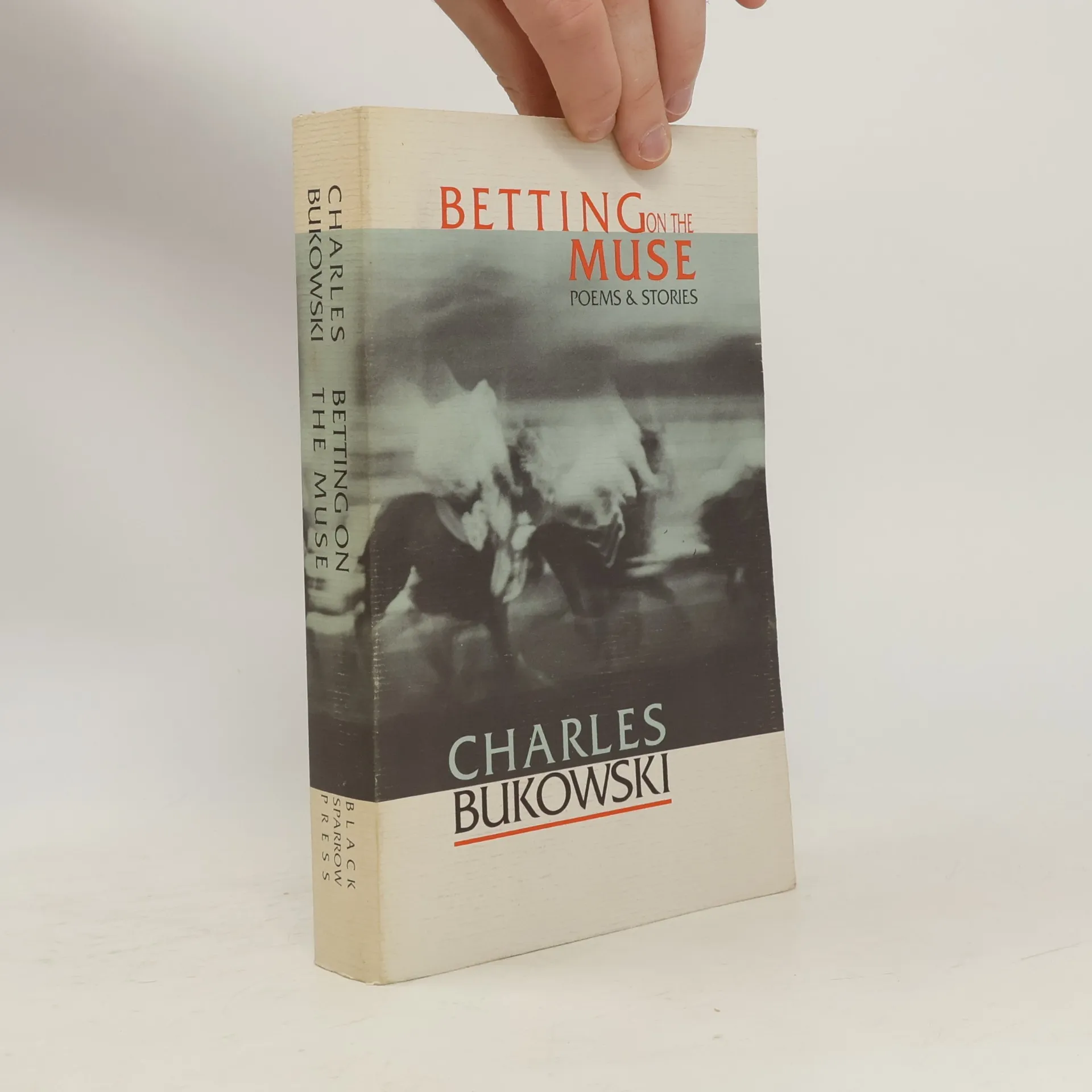
Betting on the Muse is a combination of hilarious poetry and stories. Charles Bukowski writes about the real life of a working man and all that comes with it.
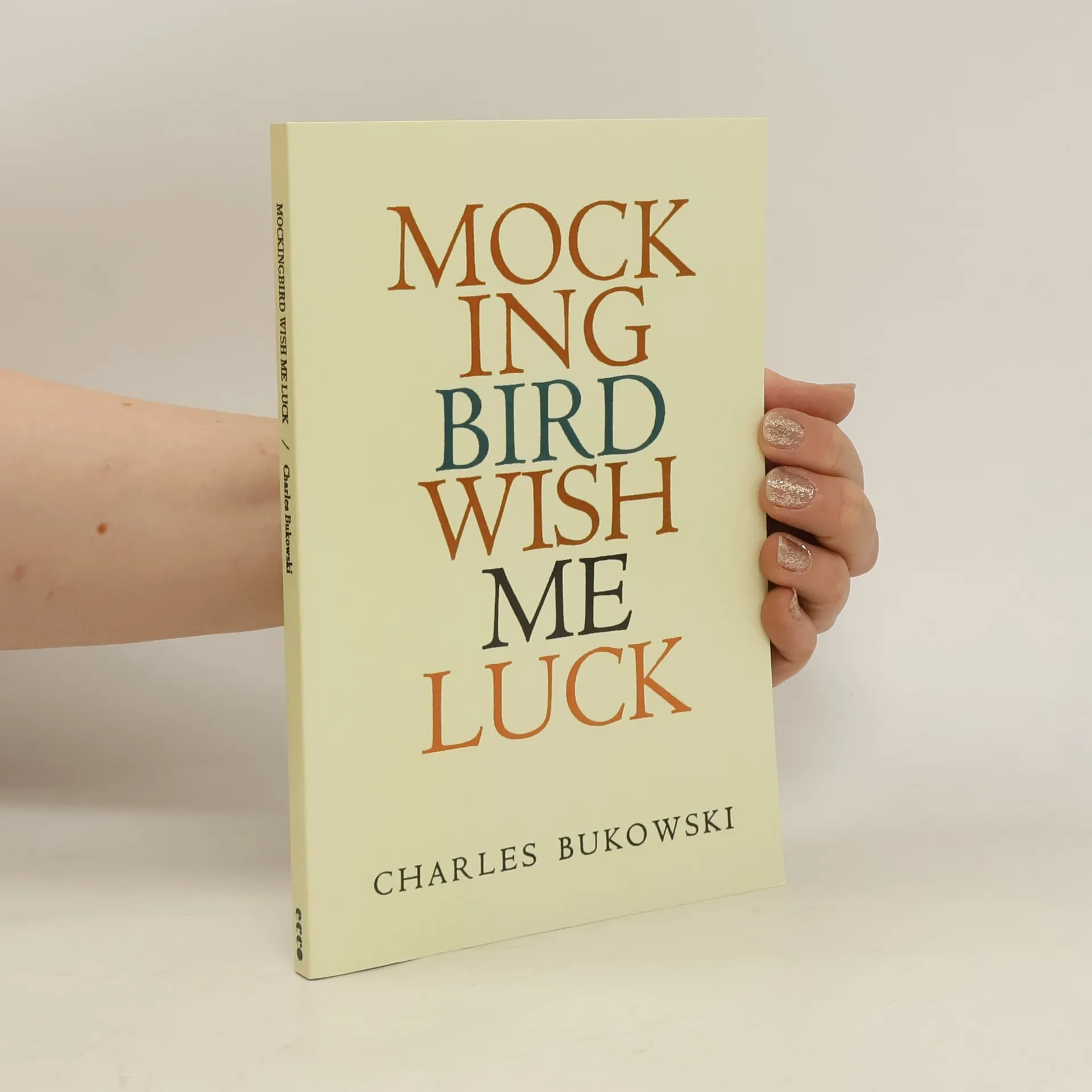
Mockingbird Wish Me Luck captures glimpses of Charles Bukowski's view on life through his poignant poetry: the pain, the hate, the love, and the beauty. He writes of lechery and pain while finding still being able to find its beauty.
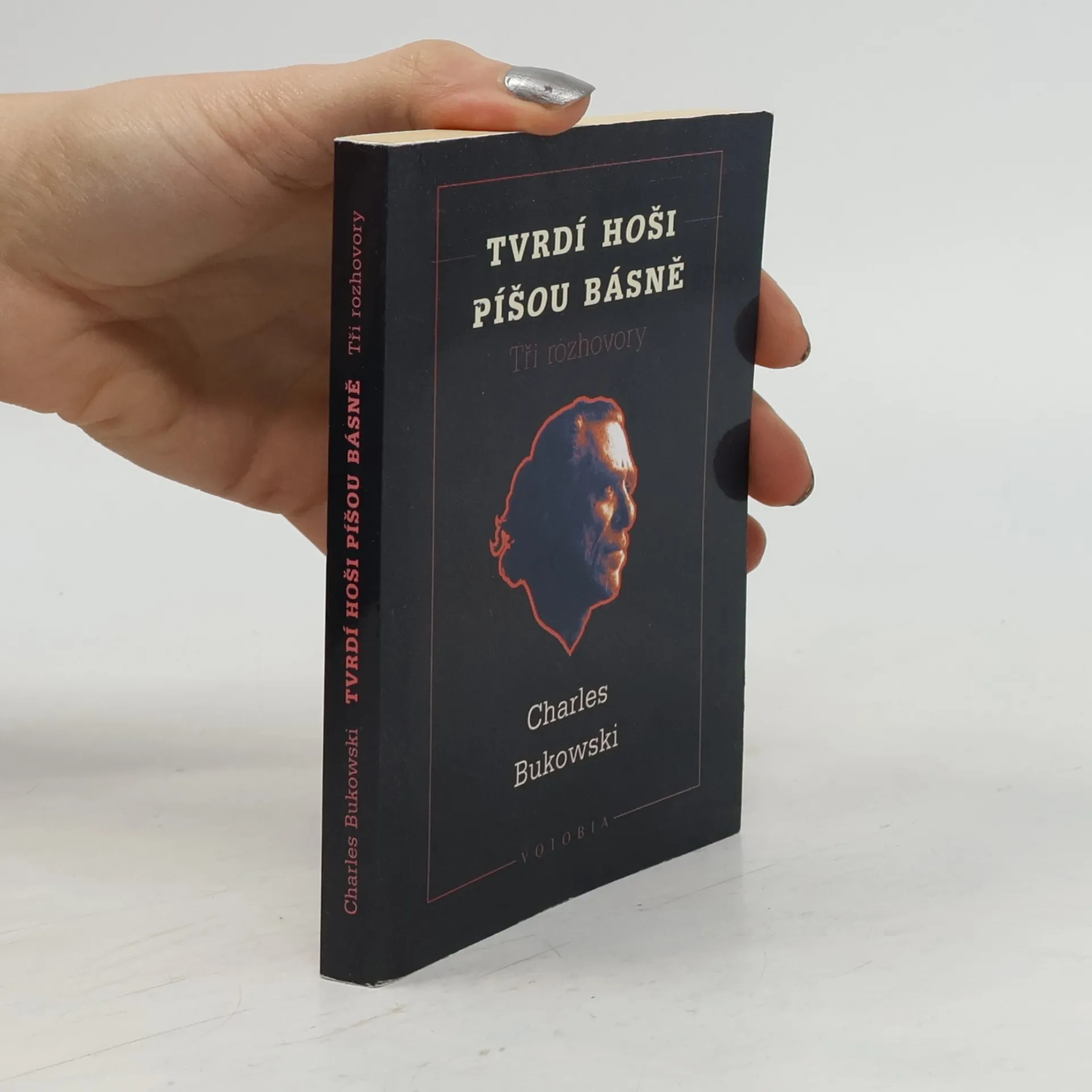
Kolekce tří rozhovorů s Ch. Bukowskim: – Paying for Horses (Vydělávám na dostihové sázky), London Magazine, 1974/1975 – Craft (Řemeslo), N. Y. Quaterly, 1985 – Tough Guys Write Poetry (Tvrdí hoši píšou básně), 1987
the gas line is leaking, the bird is gone from the cage, the skyline is dotted with vultures; Benny finally got off the stuff and Betty now has a job as a waitress; and the chimney sweep was quite delicate as he giggled up through the soot. I walked miles through the city and recognized nothing as a giant claw ate at my stomach while the inside of my head felt airy as if I was about to go mad. it’s not so much that nothing means anything but more that it keeps meaning nothing, there’s no release, just gurus and self- appointed gods and hucksters. the more people say, the less there is to say. even the best books are dry sawdust. —from "fingernails; nostrils; shoelaces"
The definitive collection of works on a subject that inspired and haunted
Charles Bukowski for his entire life: alcohol Charles Bukowski turns to the
bottle in this revelatory collection of poetry and prose that includes some of
the writer's best and most lasting work.
Co je tvrdší: týden starý chleba, nebo okoralá duše měšťáka? Trpíme více než zvířata? Za co nás ženy trestají? Seženu prachy na poslední dostih v životě? Basa básní známého ochlasty a hledače ryzího života.
Der abschließende Band aus dem Nachlass von Charles Bukowski - jetzt als Taschenbuch Der Ausstoß des »Maulwurfsgenies« (Tom Waits) war zu Lebzeiten so eruptiv, dass selbst die zahllosen Untergrundmagazine ihn nicht fassen konnten: Nun begleicht er posthum seine Wettschulden in Sachen Ruhm und Nachleben – mit Geschichten von Exzess und Pferdewetten, mit überbordenden Berichten von seinen berüchtigten Auftritten und von der Anstrengung, »einen auf Dichter zu machen«. Schließlich verläuft er sich sogar in Utah und steht allein im Wald.
Soubor čtyřiatřiceti krátkých povídek amerického básníka a prozaika přináší texty, publikované většinou v časopisech šedesátých let.
Tematicky se uvedené povídky neliší od ostatní tvorby, s obvyklou autenticitou zachycují život losangeleské periférie, atmosféru hospod, nevěstinců a barů, a nesentimentálně a barvitě líčí život člověka na okraji společnosti. Příběhy, úvahy a vzpomínky, erotické a pijácké zážitky podává autor bez zábran bohatým, nevybíravě drsným a plastickým jazykem.
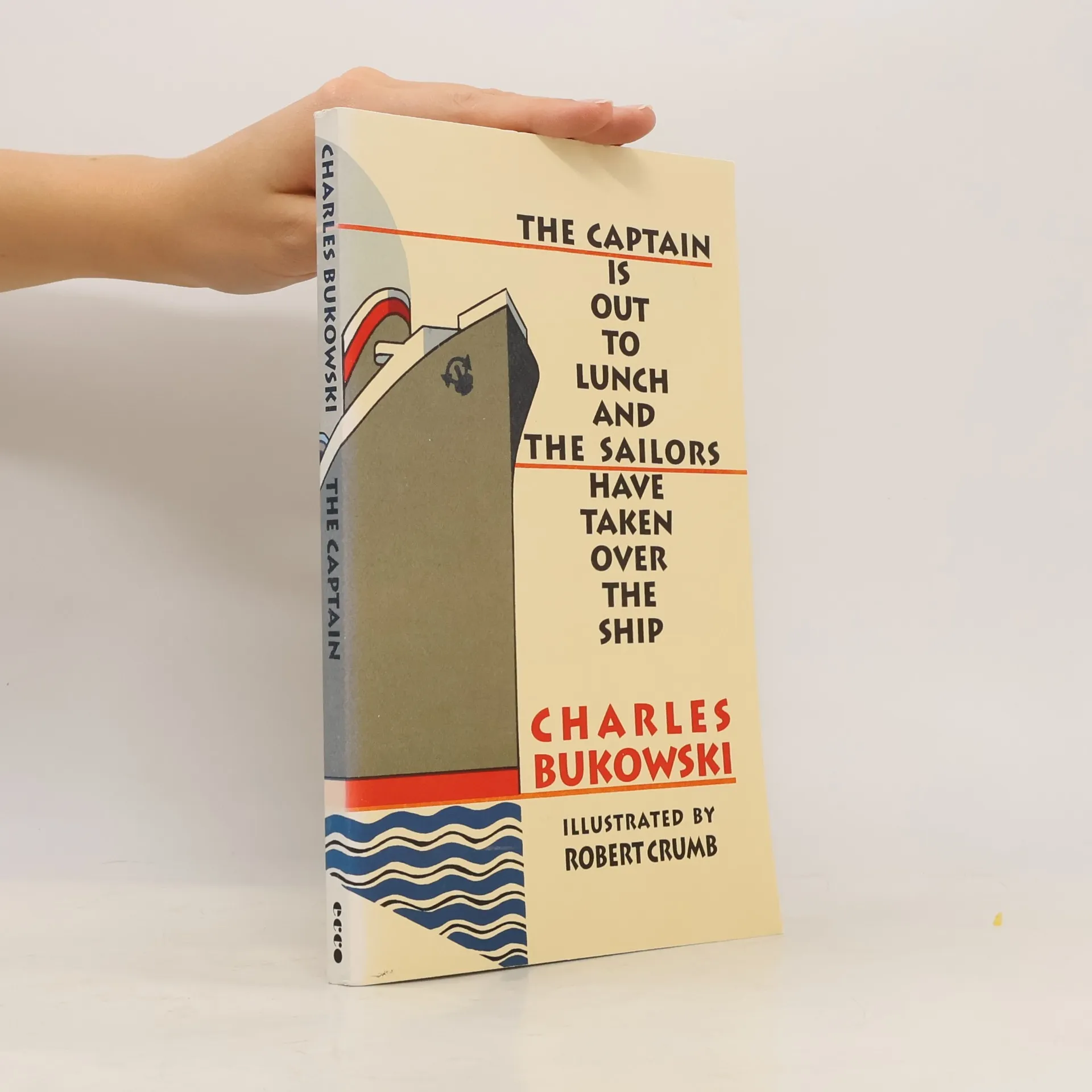
A book length collaboration between two underground legends, Charles Bukowski
and Robert Crumb. Bukowski's last journals candidly and humorously reveal the
events in the writer's life as death draws inexorably nearer, thereby
illuminating our own lives and natures, and to give new meaning to what was
once only familiar.
With his characteristic raw and minimalist style, Charles Bukowski takes us on a walk through his side of town in Hot Water Music. He gives us little vignettes of depravity and lasciviousness, bite-sized pieces of what is both beautiful and grotesque.The stories in Hot Water Music dash around the worst parts of town -- a motel room stinking of sick, a decrepit apartment housing a perpetually arguing couple, a bar tended by a skeleton -- and depict the darkest parts of human existence. Bukowski talks simply and profoundly about the underbelly of the working class without raising judgement. In the way he writes about sex, relationships, writing, and inebriation, Bukowski sets the bar for irreverent art -- his work inhabits the basest part of the mind and the most extreme absurdity of the everyday.
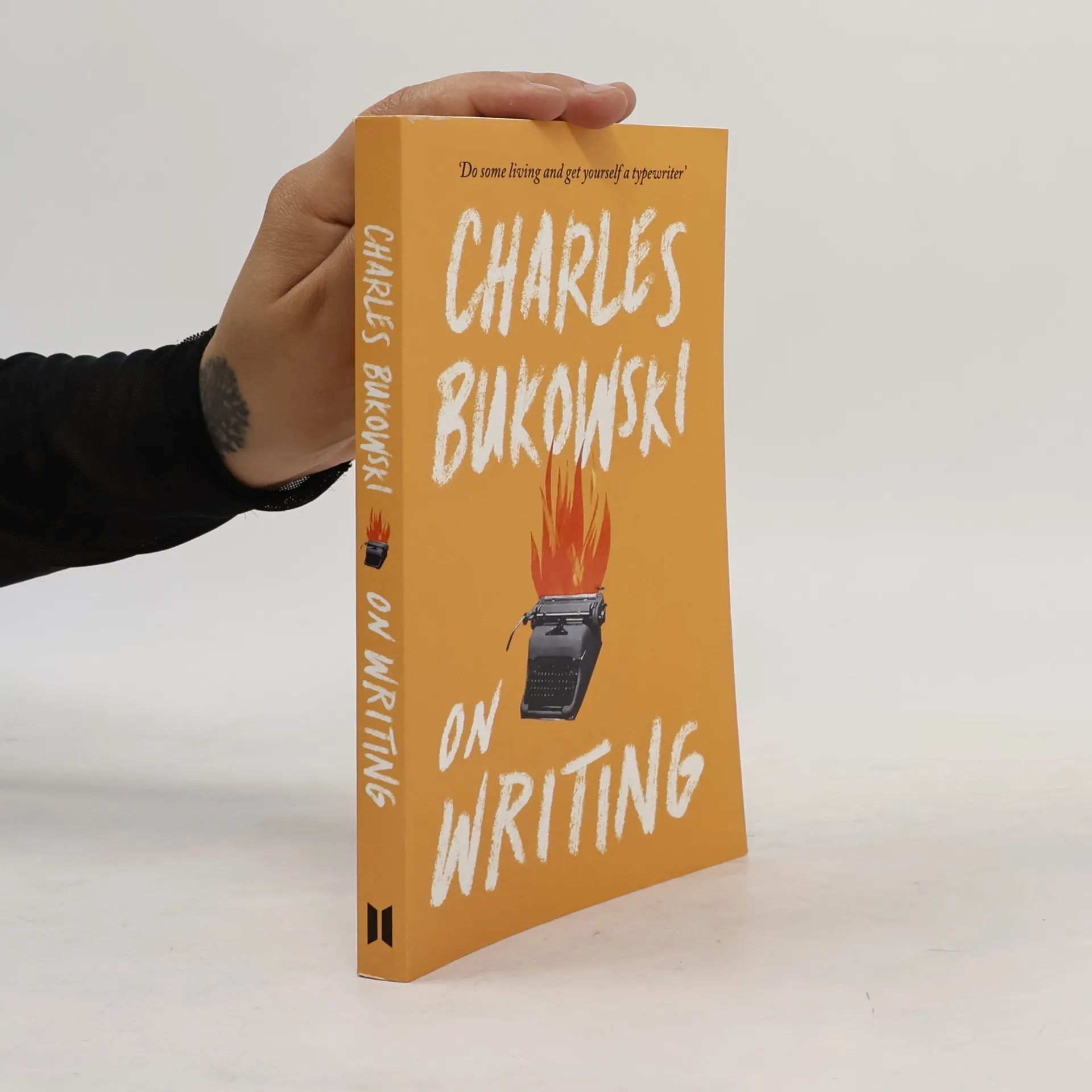
A collection of previously unpublished letters from America's cult icon on the art of writing.Charles Bukowski was one of our most iconoclastic, raw and riveting writers, one whose stories, poems and novels have left an enduring mark on our culture. On Writing collects Bukowski's reflections and ruminations on the craft he dedicated his life to. Piercing, unsentimental and often hilarious, On Writing is filled not only with memorable lines but also with the author's trademark toughness, leavened with moments of grace, pathos and intimacy. In the previously unpublished letters to editors, friends and fellow writers collected here, Bukowski is brutally frank about the drudgery of work and uncompromising when it comes to the absurdities of life and of art.
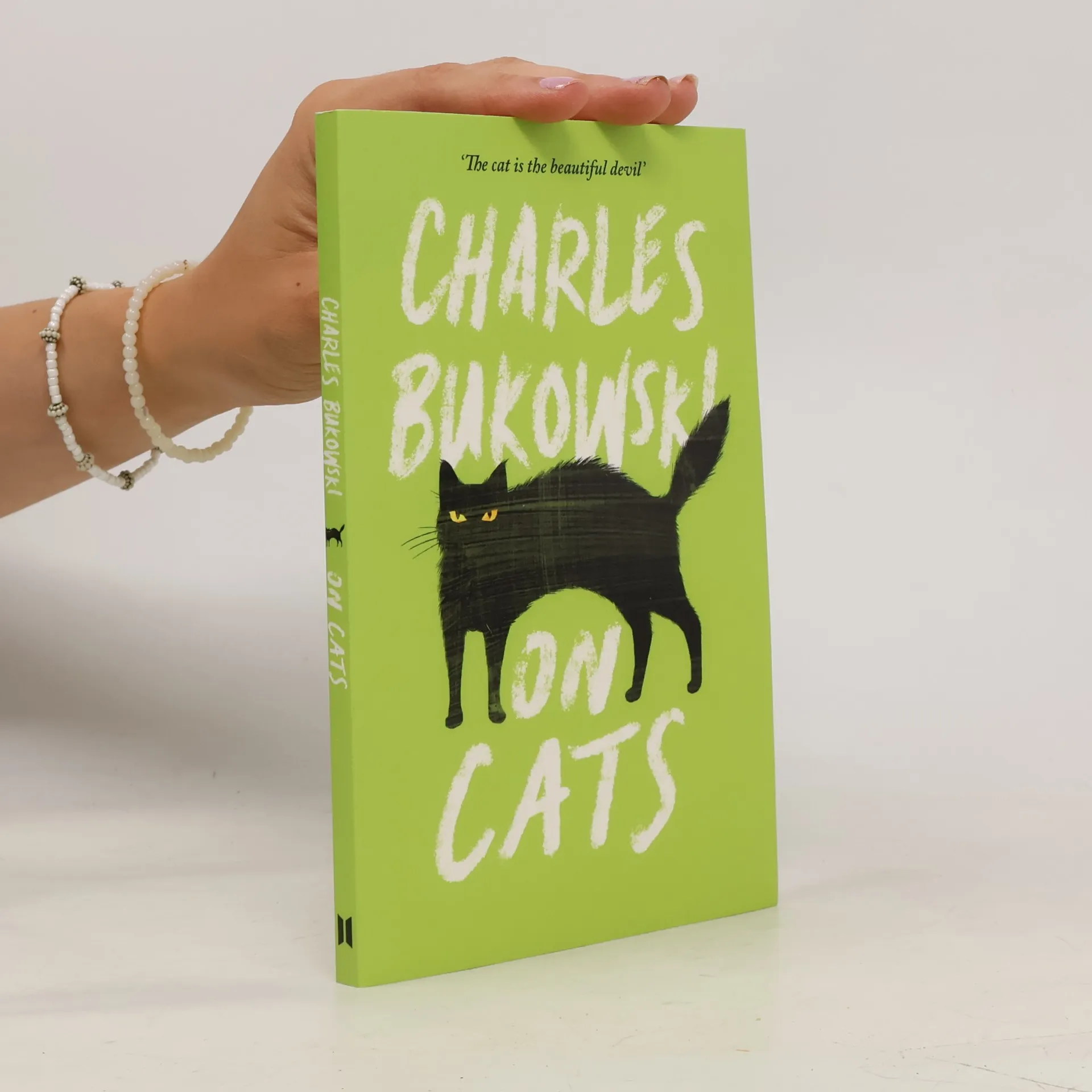
'A cat is only ITSELF, representative of the strong forces of life that won't let go'For Charles Bukowski there was something majestic and elemental about cats. He considered them to be sentient beings, whose searing gaze could penetrate deep into our being. Cats see into us; they are on to something. An illuminating portrait of one very special writer and a lifelong relationship with the animals he considered his most profound teachers, On Cats brings together Bukowski's reflections on the ruthless, resilient, indigent and endearing creatures he so admired.
Literary Nonfiction. Commentary. Interviews. Translated from the French by Alison Ardron. There are several reasons for this book. The principle one is pleasure—the pure joy of returning to Charles Bukowski and to the Beats, by dipping into their legend—particularly since the Beat movement is now enjoying a lively revival of attention through new editions, appearances of previously unpublished material, exhibitions, and other events. There is also the pleasure of rediscovering Charles Bukowski, cult author whose reputation continues to grow steadily all over the world. The full drama of his humor, of his angers, memories, frustrations, and distinctive grace come to life during Jean-François Duval's long interview with An Evening at Buk's Place . The pleasure also consists of having a close look at the links and contradictions between Bukowski and the Beat constellation.
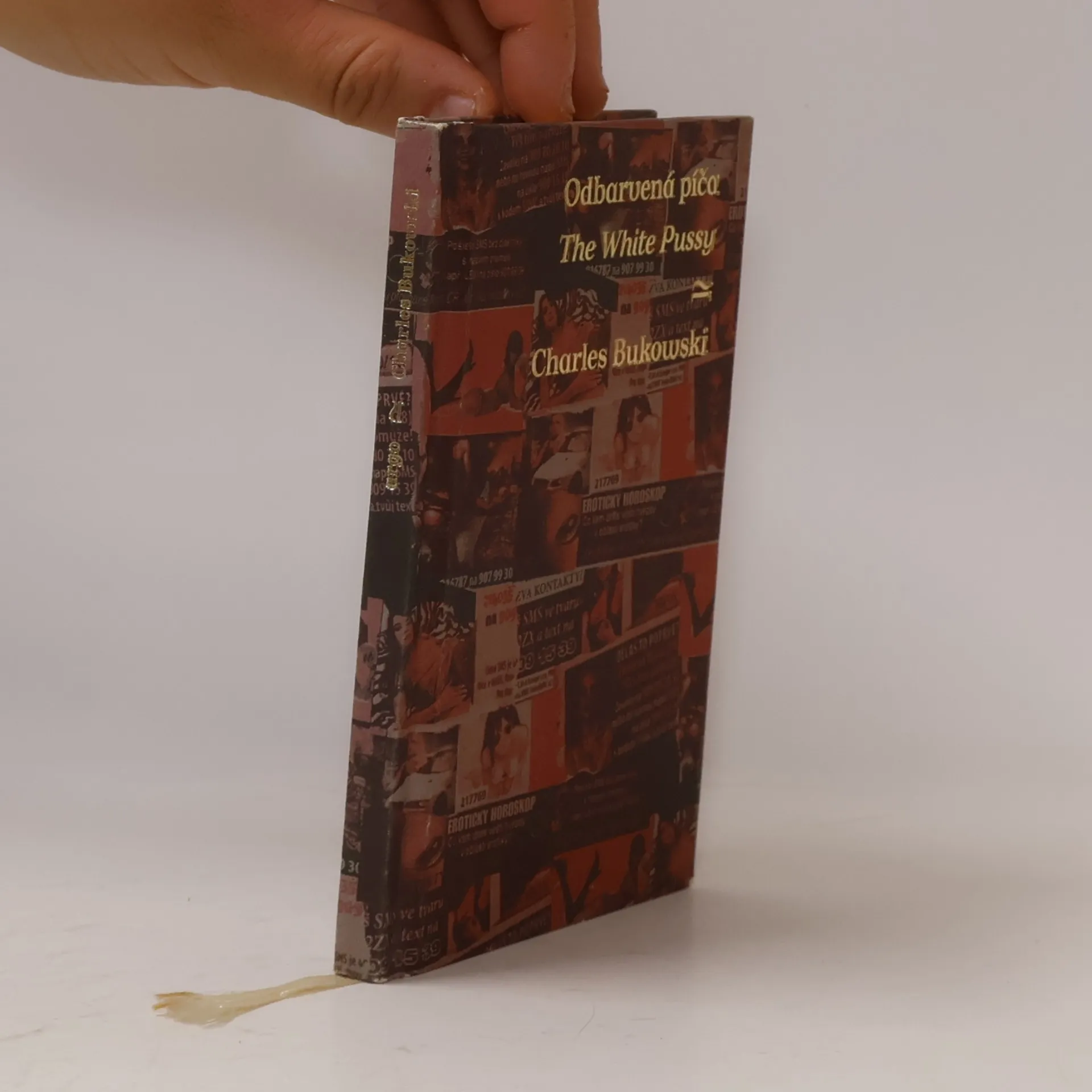
Tři povídky – „Odbarvená píča“, „Bílej plnovous“ a „Vražda Ramóna Vásqueze“ – od kultovního amerického autora, bohéma profesí a především krále nezávislé tvorby. Jedná se o dvojjazyčné vydání.
'I wrote letters to many in those days ... it was rather my way of screaming
from my cage.'The 1960's saw Charles Bukowski struggle for recognition and
slowly emerge as a unique, talented and prolific poet and writer, whilst
holding down a day job at the Post Office.
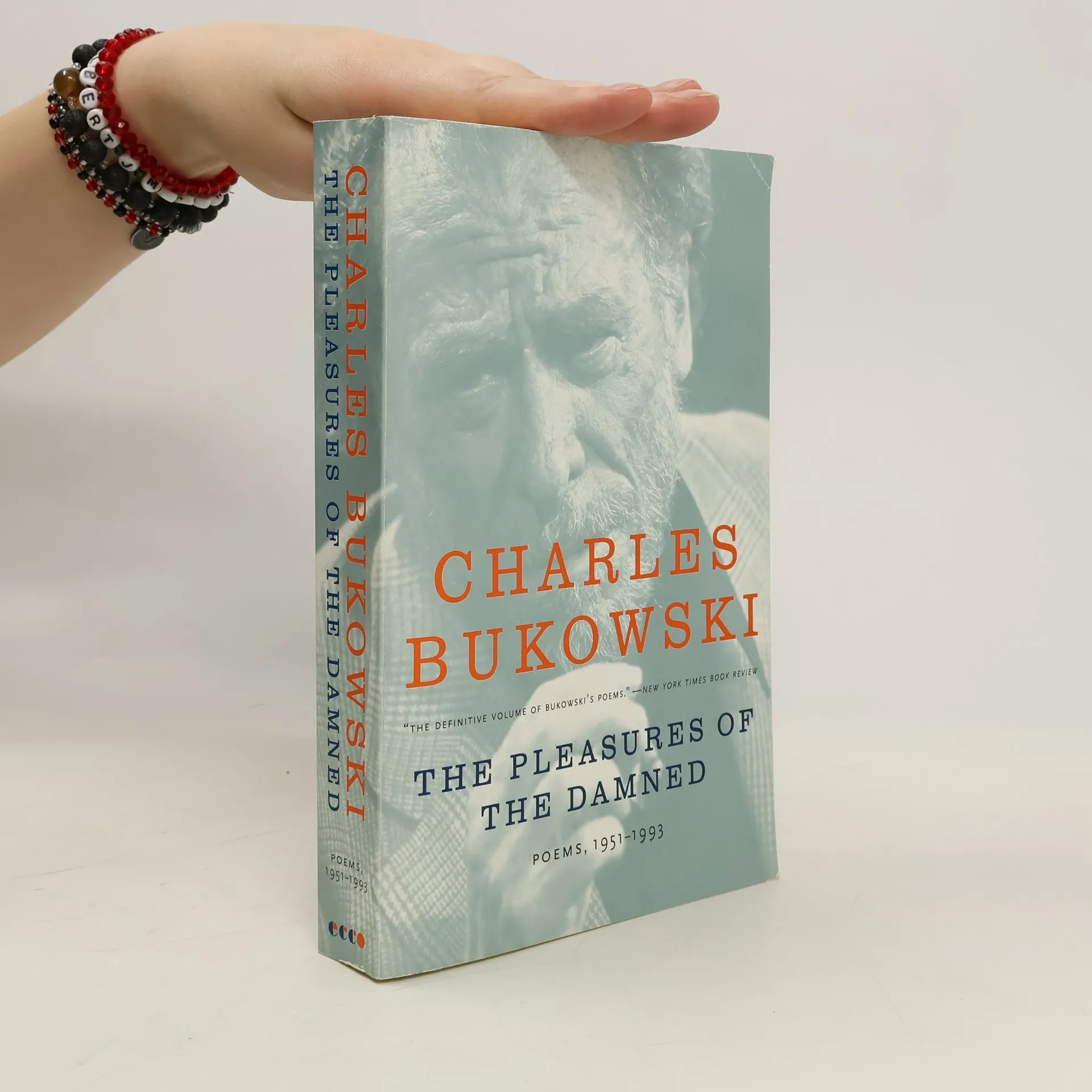
To his legions of fans, Charles Bukowski was—and remains—the quintessential counterculture icon. A hard-drinking wild man of literature and a stubborn outsider to the poetry world, he wrote unflinchingly about booze, work, and women, in raw, street-tough poems whose truth has struck a chord with generations of readers. Edited by John Martin, the legendary publisher of Black Sparrow Press and a close friend of Bukowski's, The Pleasures of the Damned is a selection of the best works from Bukowski's long poetic career, including the last of his never-before-collected poems. Celebrating the full range of the poet's extra-ordinary and surprising sensibility, and his uncompromising linguistic brilliance, these poems cover a rich lifetime of experiences and speak to Bukowski's "immense intelligence, the caring heart that saw through the sham of our pretenses and had pity on our human condition" (The New York Quarterly). The Pleasures of the Damned is an astonishing poetic treasure trove, essential reading for both longtime fans and those just discovering this unique and legendary American voice.
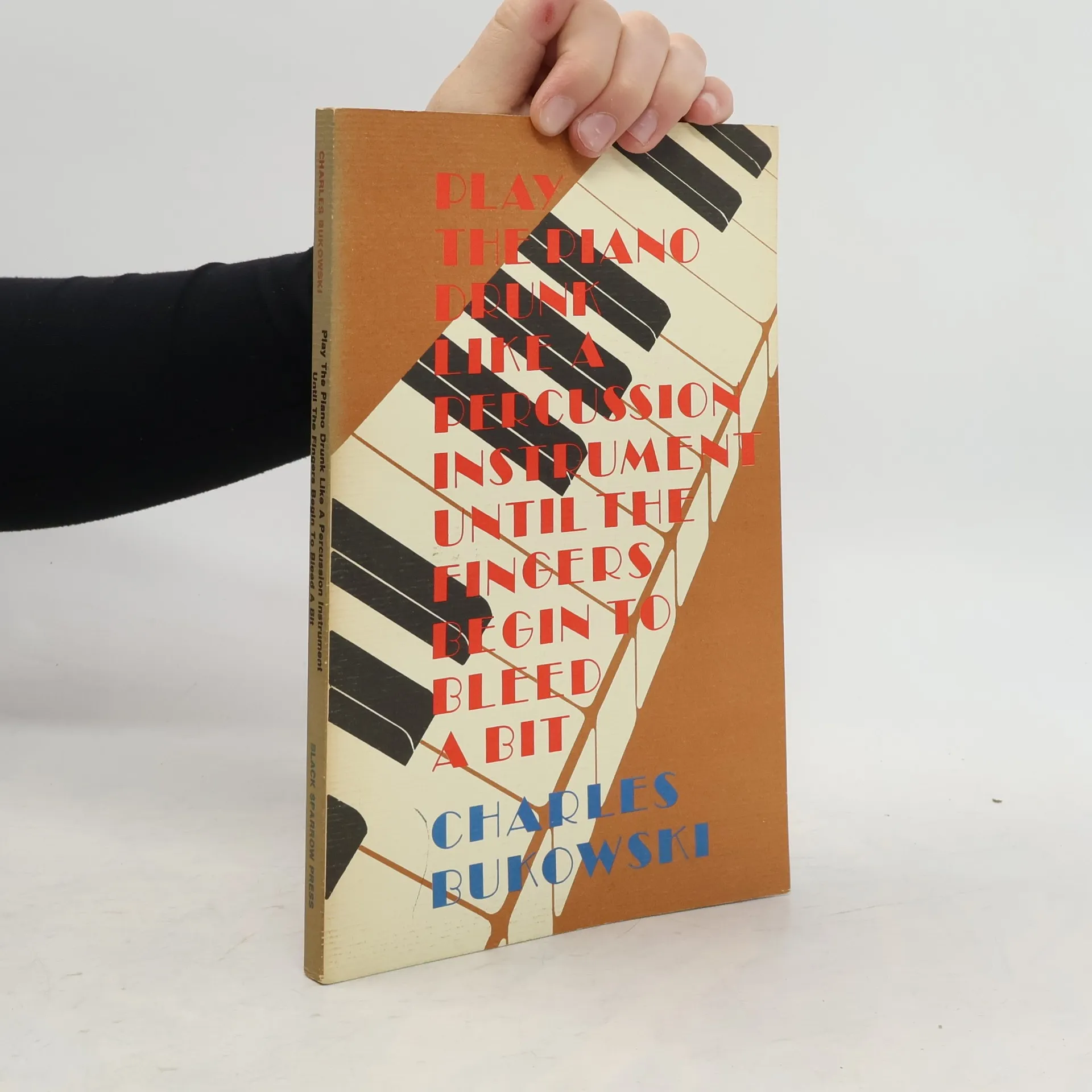
Play the Piano introduces Charles Bukowski's poetry from the 1970s. He leads a life full of gambling and booze but also finds love. These poems are full of lechery and romance as he struggles to mature.
This second posthumous collection from Charles Bukowski takes readers deep into the raw, wild vein of writing that extends from the early 70s to the 1990s.
Screams from the Balcony is a collection of letters chronicling Charles Bukowski's life as he tries to get published and work at a postal office, all while drinking and gambling.
The best of Bukowski's novels, stories, and poems, this collection reads like an autobiography, relating the extraordinary story of his life and offering a sometimes harrowing, invariably exhilarating reading experience. A must for this counterculture idol's legion of fans.
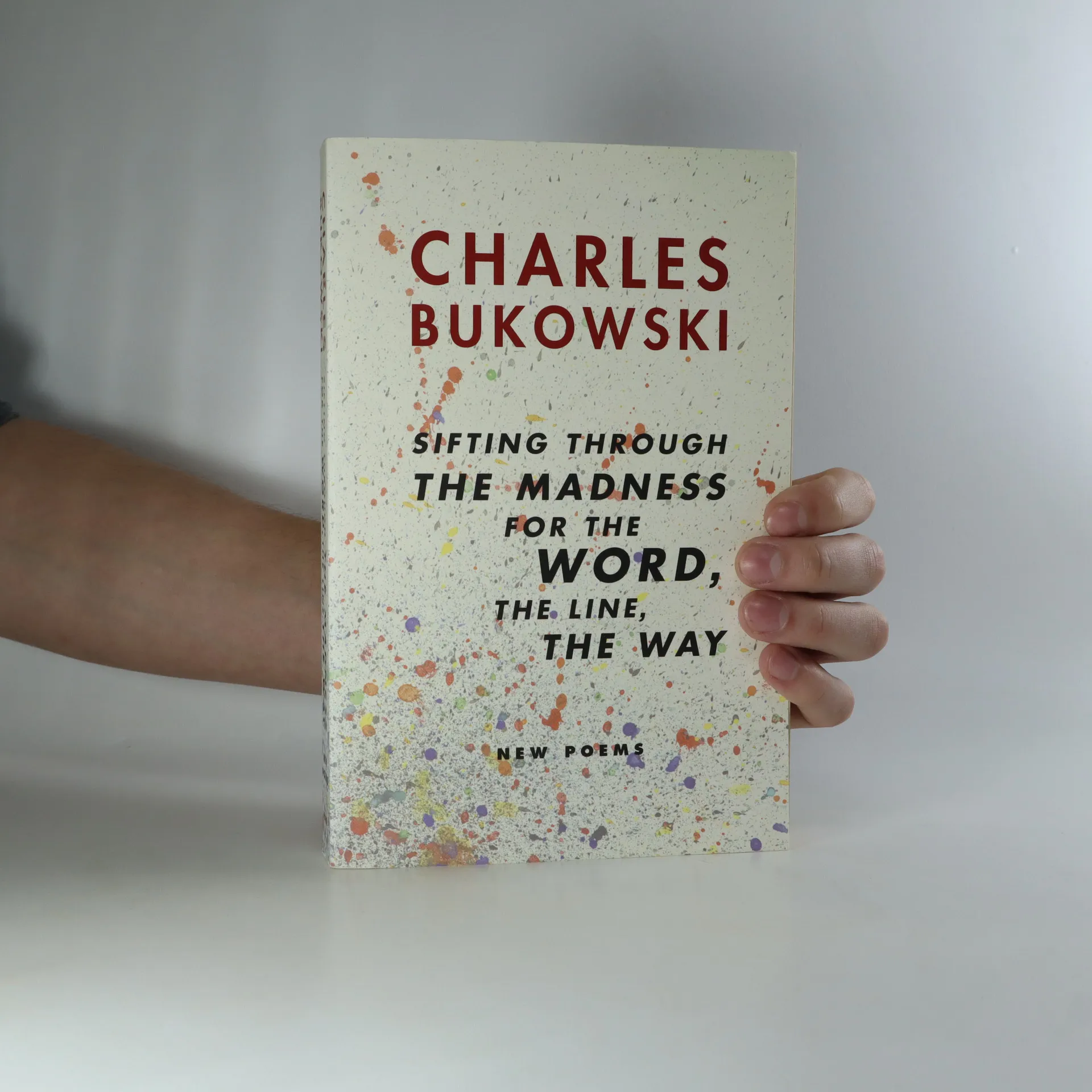
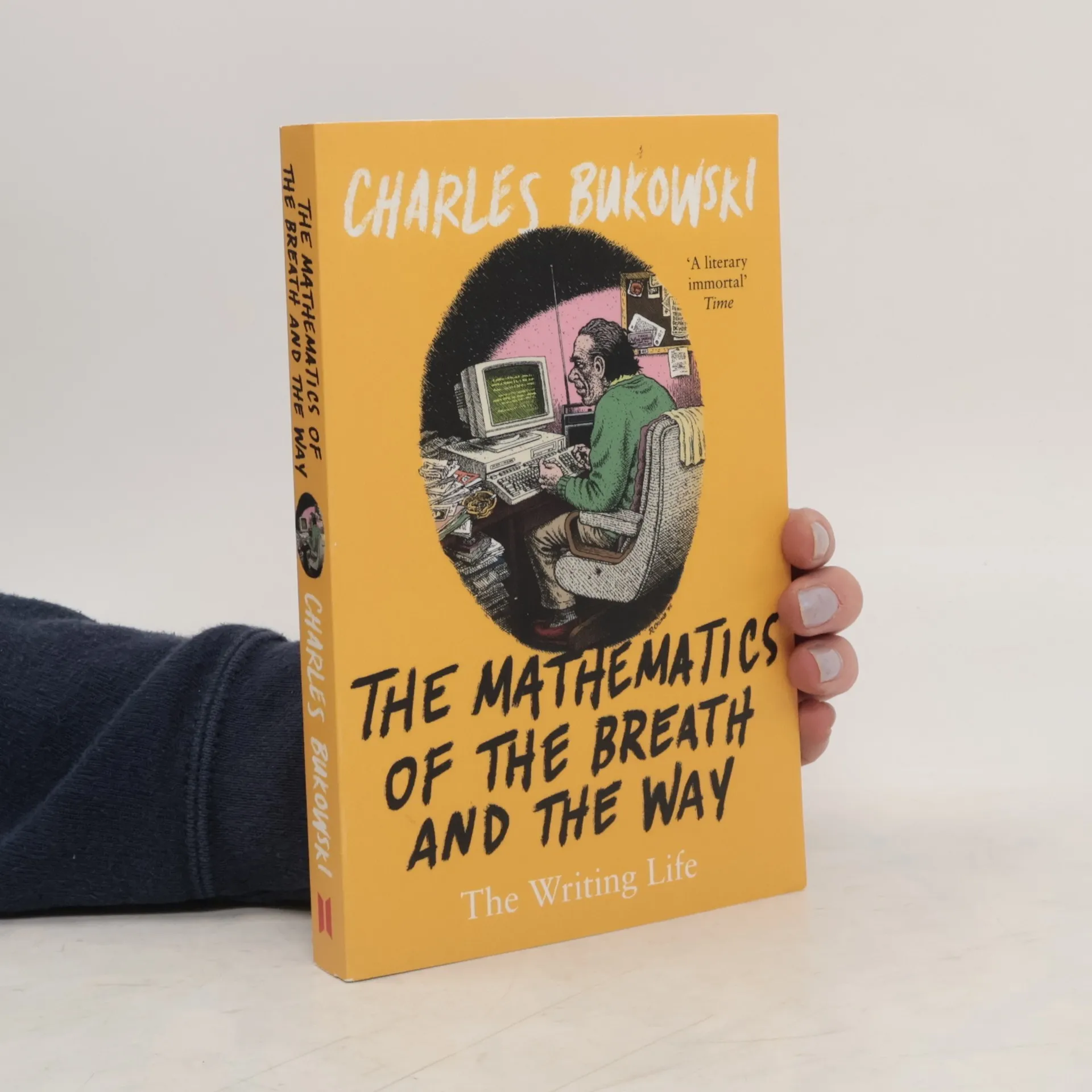
One of the most recognizable poets of the last century, Charles Bukowski is simultaneously a common man and an icon of urban depravity. He uses strong, blunt language to describe life as he lives it, and through it all charts the mutations of morality in modern America.Sifting Through the Madness for the Word, the Line, the Way is a treasure trove of confessional poetry written towards then end of Bukowski’s life. With the overhang of failing health and waning fame, he reflects on his travels, his gambling and drinking, working, not working, sex and love, eating, cats, and more.Sifting Through is Bukowski at his most meditative – published posthumously, it’s completely non-performative, and gets to the heart of Bukowski’s lifelong pursuit of natural language and raw honesty.We recommend you read this as Bukowski wrote: by sifting through the madness for what hits you as the word, the line, the way.
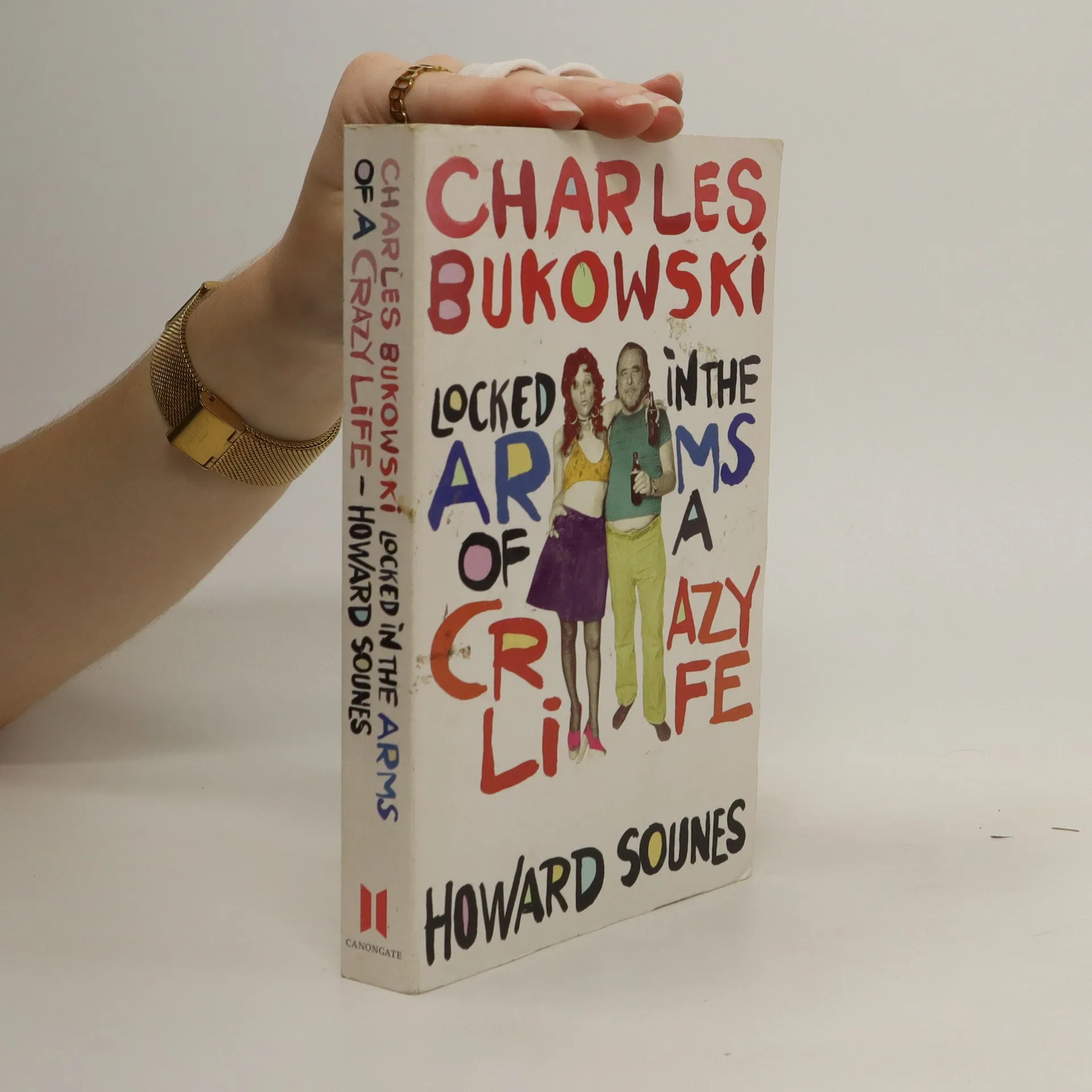
A former postman and long-term alcoholic who did not become a full-time writer until middle age, Charles Bukowski was the author of autobiographical novels that captured the low life and made him a literary celebrity. Drawing on new interviews with Bukowski's friends, family, and many lovers; unprecedented access to his private letters and unpublished writing; and commentary from various notable figures, Howard Sounes has uncovered the extraordinary true story of Bukowski.
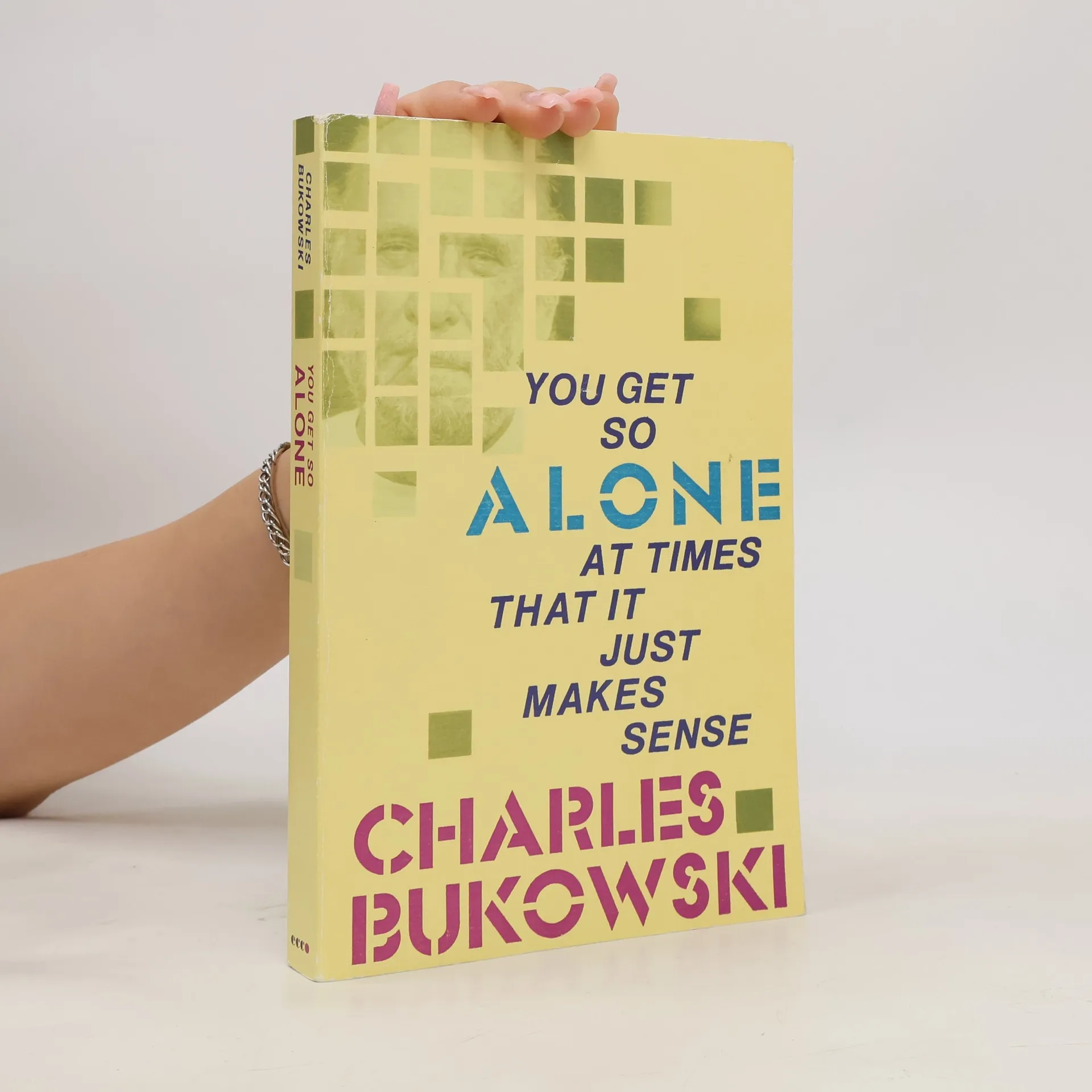
Charles Bukowski examines cats and his childhood in You Get So Alone at Times, a book of poetry that reveals his tender side. He delves into his youth to analyze its repercussions.
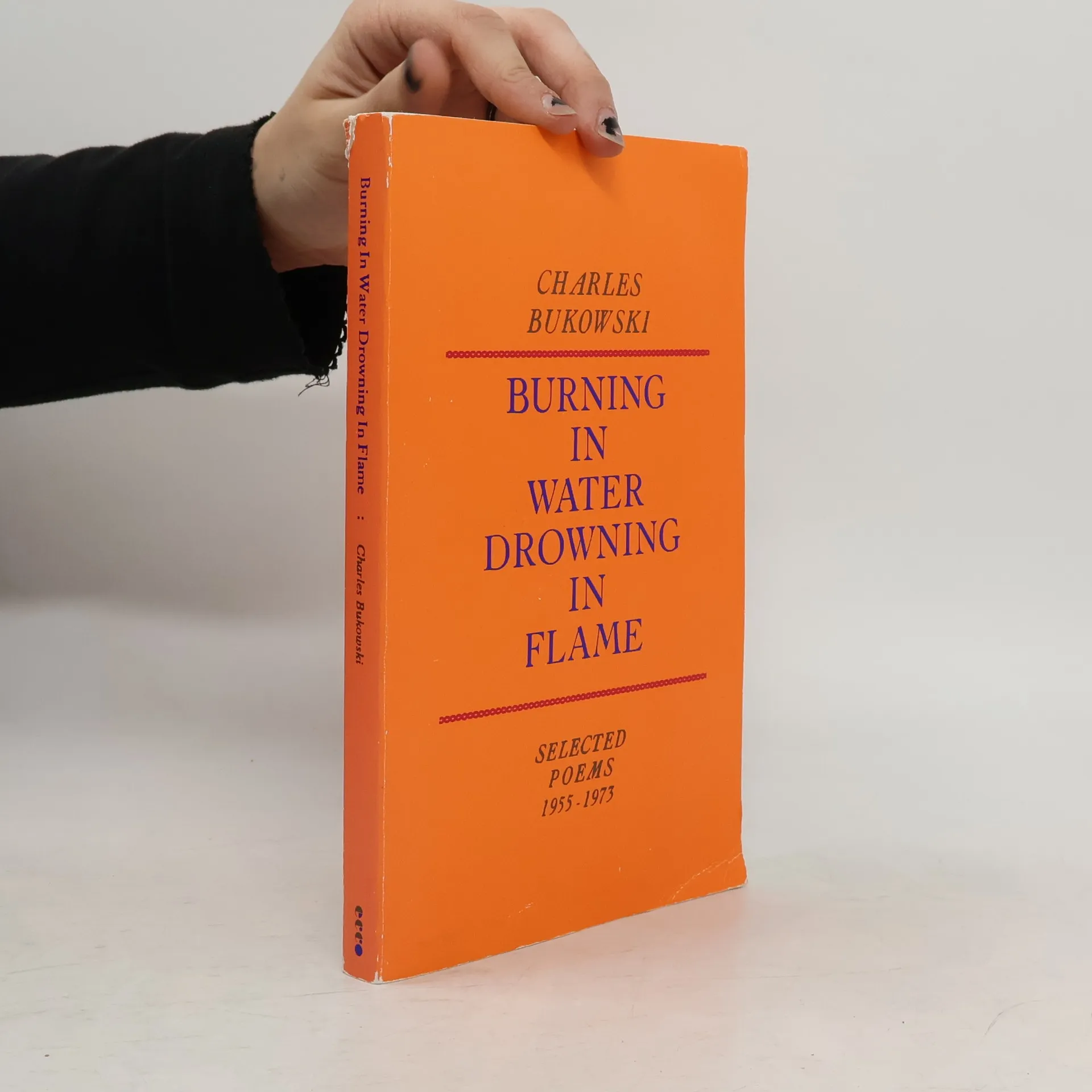
Burning in Water, Drowning in Flame is poetry full of gambling, drinking and women. In this selection of poems written between 1955 and 1973, Charles Bukowski writes realistically about the seedy underbelly of life.
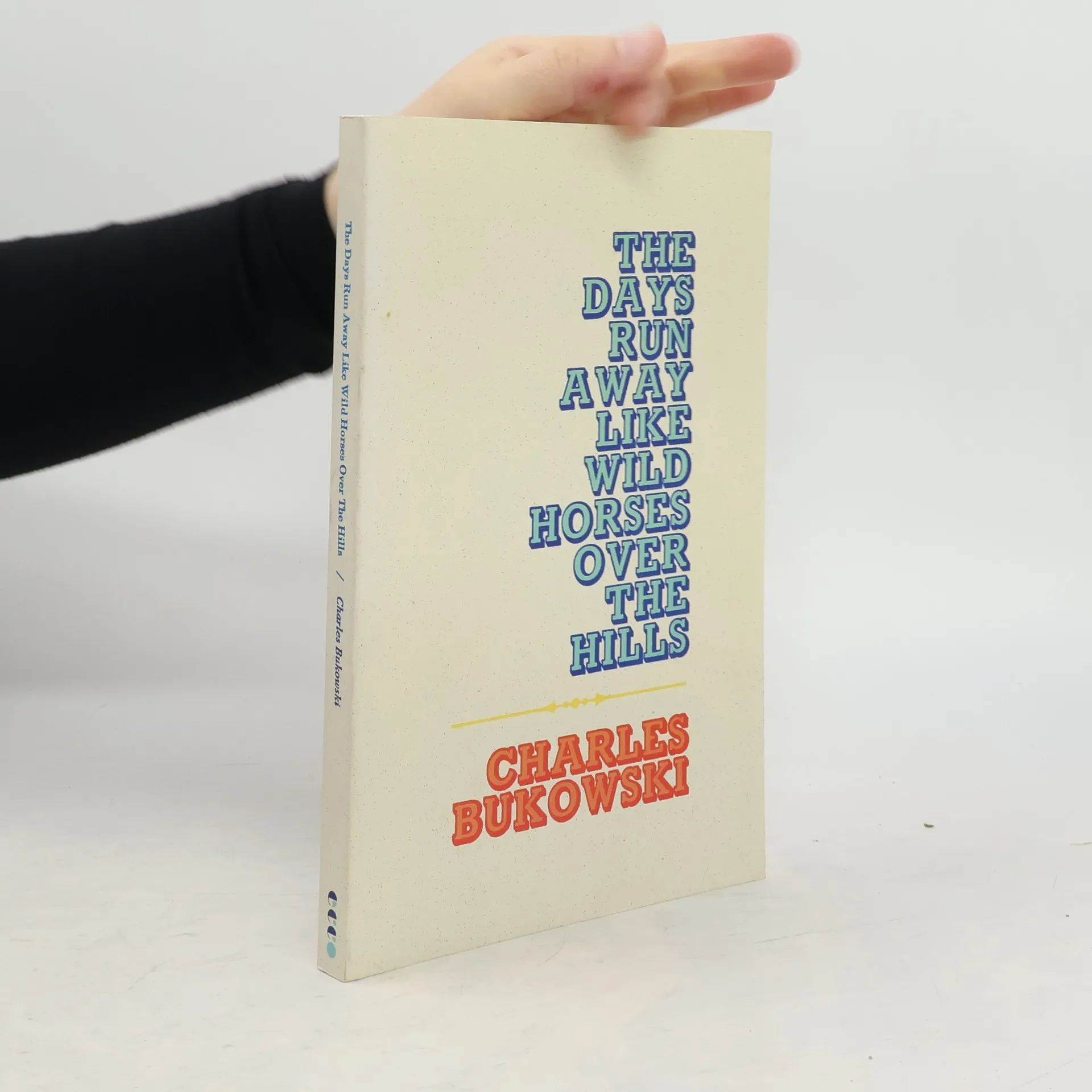
The Days Run Away Like Wild Horses is a book of poems written by Charles
Bukowski for Jane, his first love. These poems explore a more emotional side
to Charles Bukowski.
The best poet in America' Jean GenetHe brought everybody down to earth, even
the angels' Leonard CohenThe definitive collection from a writer whose
transgressive legacy and raw, funny, acutely observant writing has left an
enduring mark
There is not a wasted word in Dangling in the Tournefortia, a selection of poems full of wit, struggles, perception, and simplicity. Charles Bukowski writes of women, gambling and booze while his words remain honest and pure.
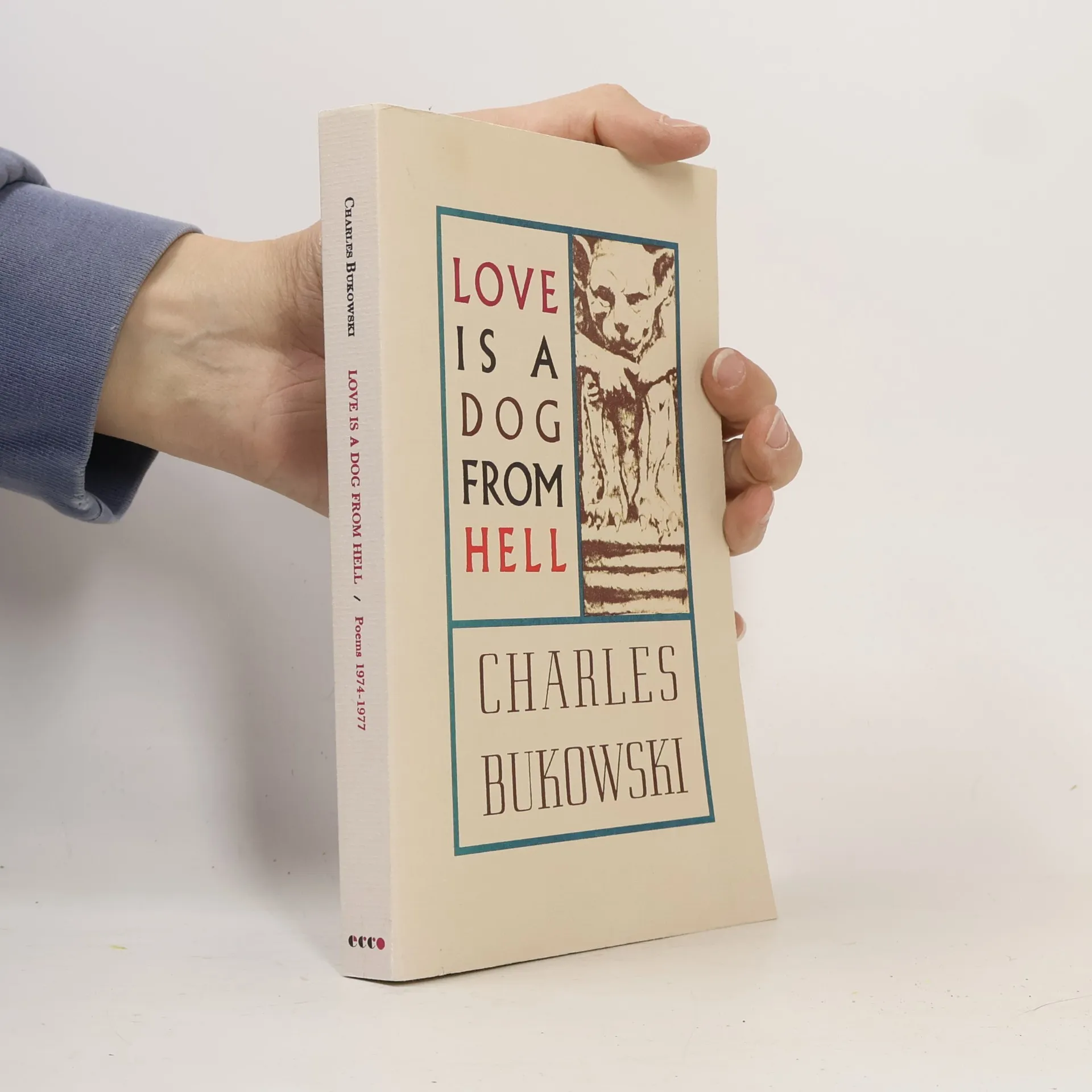
A classic in the Bukowski poetry canon, Love Is a Dog from Hell is a raw, lyrical exploration of the exigencies, heartbreaks, and limits of love.Charles Bukowski was a man of intense emotions, someone an editor once called a “passionate madman.” Alternating between tough and gentle, sensitive and gritty, Bukowski lays bare the myriad facets of love—its selfishness and its narcissism, its randomness, its mystery and its misery, and, ultimately, its true joyfulness, endurance, and redemptive power.
"Uncle Sam Hotel" represents America through twelve stories by Charles Bukowski, a poet of the American underground. These tales depict the gritty realities of life at the bottom: drinking, living with drunks and prostitutes, and navigating the bleakness of menial jobs. Bukowski explores relationships with women who couldn't hold him or chose to leave, delving into themes of loneliness and decay. His world is divided between those who are broken yet unaware and those who recognize their dysfunction and the chaos around them. Bukowski's writing transcends mere despair or a fascination with decay; it captures a peculiar sharpness of awareness as the narrator reflects on the fragments of ongoing life. The shock of his texts lies not only in their obscene, brutal, and miserable realities but also in their precise detail. Bukowski’s tales of drinking and love convey more tenderness than all the polished romance films combined, revealing that even the most brutal stories retain a hidden tenderness, despite pushing the limits of endurance.
A timeless selection of some of Charles Bukowski’s best unpublished and uncollected poems Charles Bukowski was a prolific writer who produced countless short stories, novels, and poems that have reached beyond their time and place to speak to generations of readers all over the world. Many of his poems remain little known since they appeared in small magazines but were never collected, and a large number of them have yet to be published. In Storm for the Living and the Dead, Abel Debritto has curated a collection of rare and never- before-seen material—poems from obscure, hard-to-find magazines, as well as from libraries and private collections all over the country. In doing so, Debritto has captured the essence of Bukowski’s inimitable poetic style—tough and hilarious but ringing with humanity. Storm for the Living and the Dead is a gift for any devotee of the Dirty Old Man of American letters.
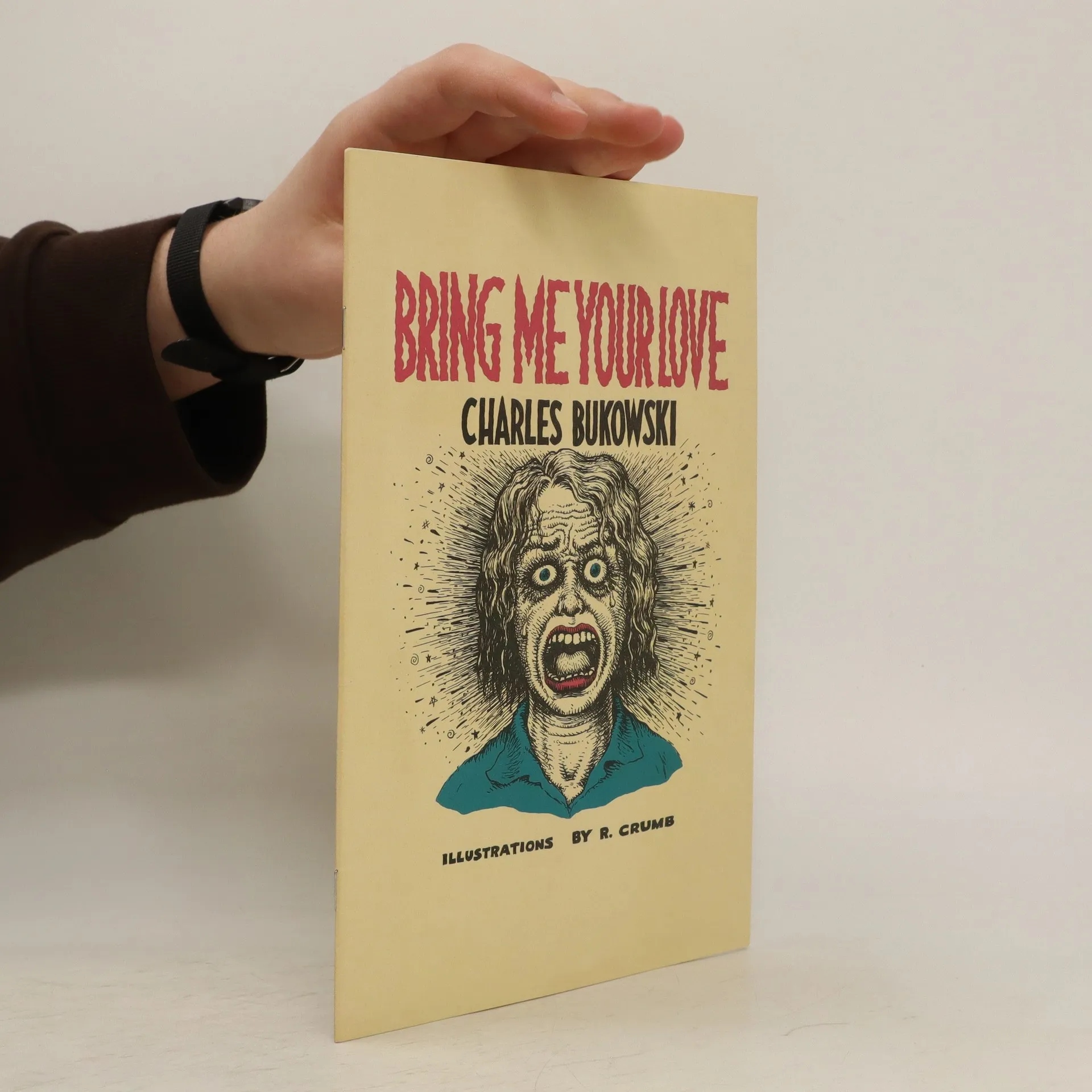
“The Walt Whitman of Los Angeles.”—Joyce Carol Oates, bestselling author “He brought everybody down to earth, even the angels.”—Leonard Cohen, songwriter Charles Bukowski's acerbic wit shines through in this dark short story about a cheating lover—accompanied by the illustrations of R. Crumb. Bring Me Your Love is must-have for every Bukowski collection.
In On Love, we see Charles Bukowski reckoning with the complications of love and desire. Alternating between the tough and the tender, the romantic and the gritty, Bukowski exposes the myriad faces of love in the poems collected here - its selfishness and its narcissism, its randomness, its mystery and its misery, and, ultimately, its true joyfulness, endurance and redemptive power.Whether writing about his daughter, his lover, or his work, Bukowski is fiercely honest and reflective, using love as a prism to look at the world and to view his own vulnerable place in it.
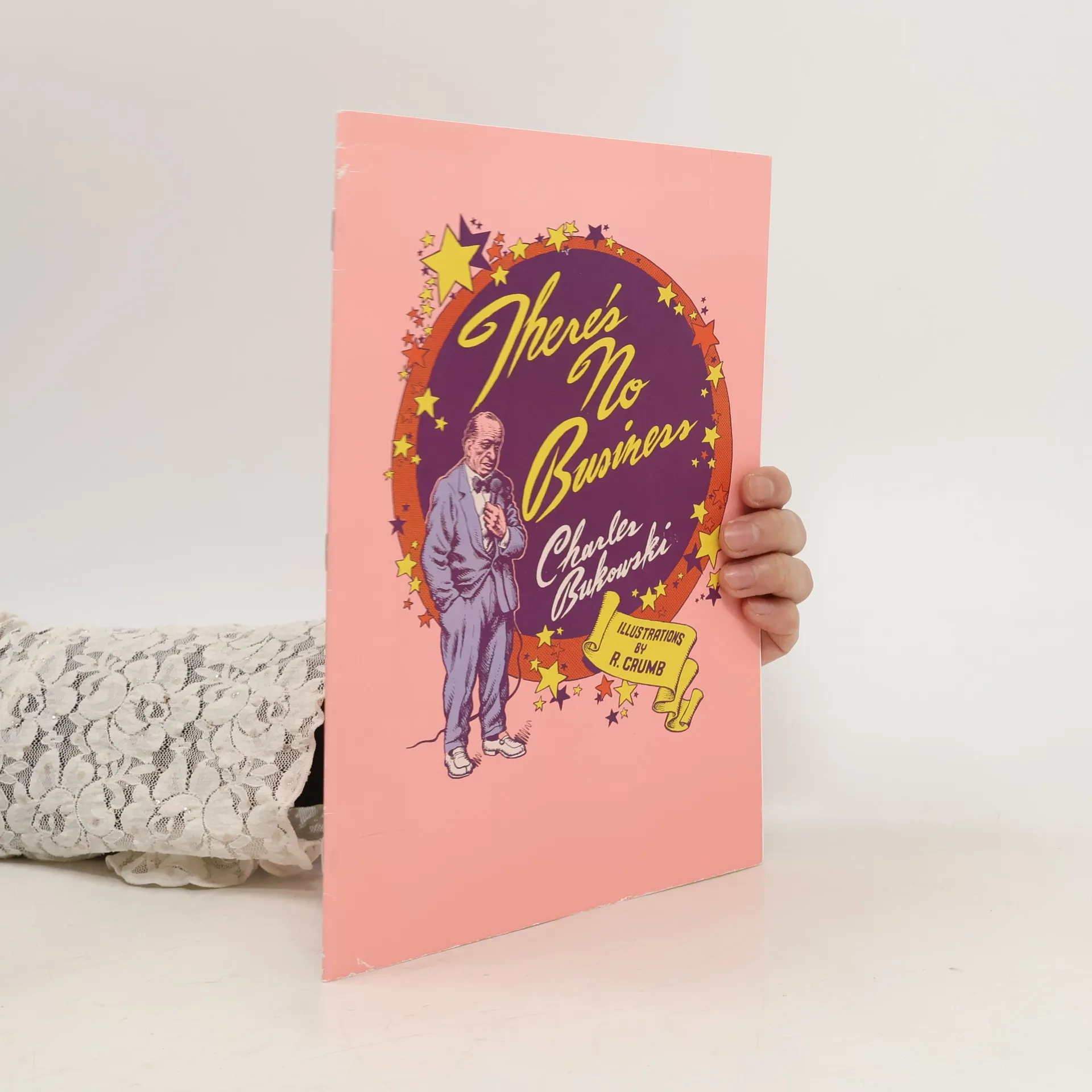
Bukowski in a Nutshell – mit Illustrationen von Robert Crumb Zwei Erzählungen von Charles Bukowski aus dem Nachlass, mit Illustrationen von Robert Crumb. Ob sich ein abgehalfterter Alleinunterhalter auf der Bühne durch einen Störenfried im Publikum aus der Fassung bringen lässt oder ein Mann seine kranke Frau im Sanatorium besucht und gleichzeitig mit seiner Geliebten telefoniert – es sind vor allem die Verlierer der Gesellschaft, die Versager und Säufer, die Charles Bukowski mit unnachahmlicher Ehrlichkeit und in krassen Situationen beschreibt. Die beiden Erzählungen erscheinen in deutscher Erstveröffentlichung und in einer zweisprachigen Ausgabe.
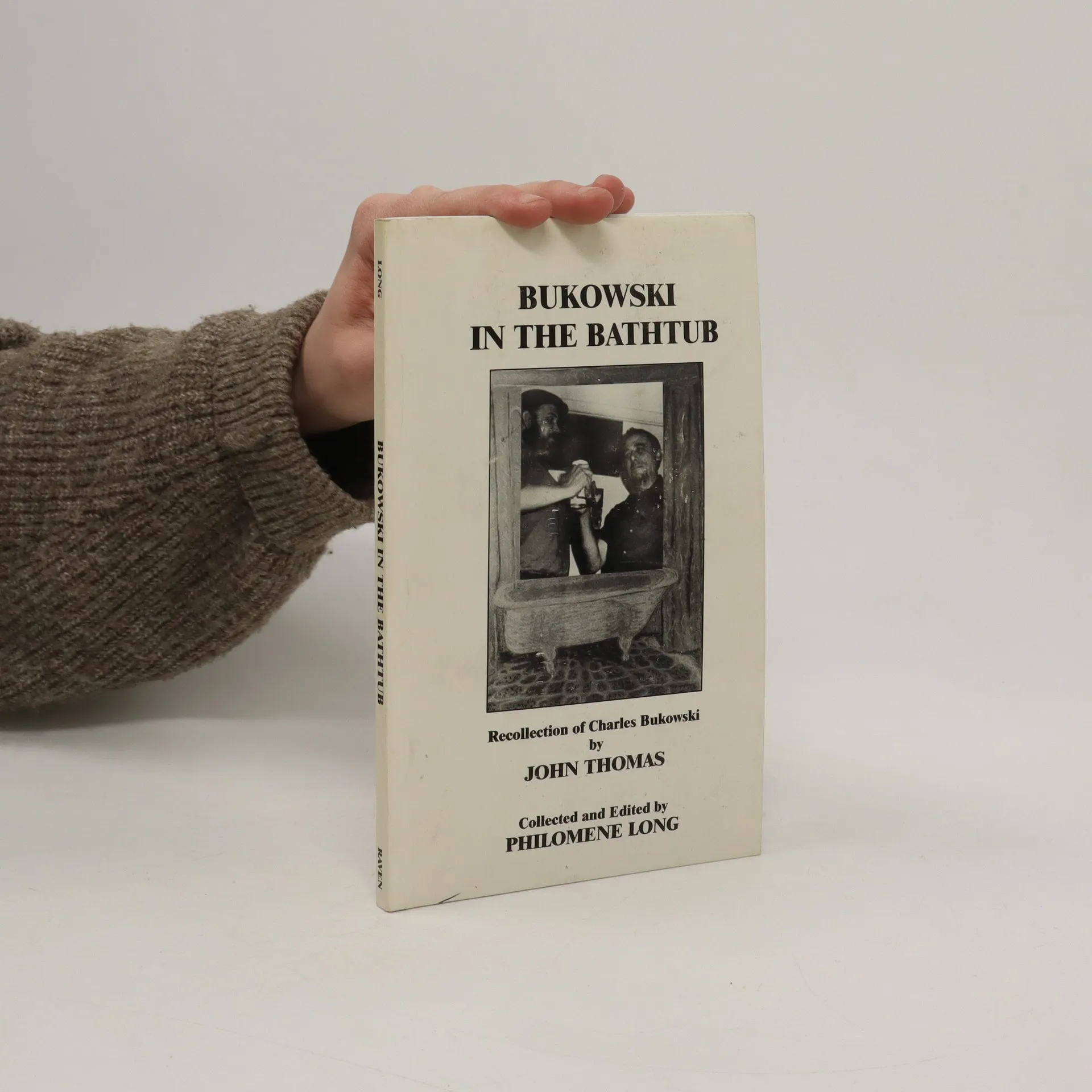
A conversation between Philomene Long and John Thomas, who was an intimate friend of Charles Bukowski from 1965 to 1971. This concise yet insightful book draws from their mutual visits and discussions, capturing observations, moods, and life attitudes. It serves not only as a testament to a remarkable partnership but also as a reflection of an era that continues to captivate public interest today.
Charles Bukowski präsentiert in dieser Sammlung 119 neue Gedichte, die meisten erstmals veröffentlicht. Am Ende seines bewegten Lebens hat Bukowski einige Gewissheiten: Manchmal ist ein Rückzug ins Motel notwendig, um die eigene Seele zu retten. Komische Gedanken sind wie Katerzustände – man fühlt sich besser ohne sie. Schmutzige Bademäntel schaden dem Sexleben, und einsame Herzen sind unerträglich. Miserable Barpianisten gehören erschossen, und das Leben ist eine Nebelwand voller Rasierklingen. Es ist in Ordnung, dem stummen Begleiter Tod gelegentlich einen Drink anzubieten. Bukowski selbst schrieb acht oder zehn Gedichte pro Nacht – das war für ihn das einzig Wahre. Jörg Fauser bemerkte, dass Bukowskis Gedichte komprimierte Kurzgeschichten sind, die stets einen Moment der Wahrheit einfangen. Bukowski hinterließ einen riesigen Fundus an Gedichten und Fragmenten, aus dem US-Verlage jährlich umfangreiche Lyrikbände veröffentlichen. Viele dieser „neuen“ Gedichte sind jedoch oft nur halbfertige Entwürfe. Bukowski selbst hielt nur einen Bruchteil seiner Werke für gelungen. Sein Freund und deutscher Übersetzer Carl Weissner hat diesen hohen Qualitätsanspruch für die neue Sammlung übernommen. Die Gedichte stammen größtenteils aus den siebziger und achtziger Jahren, wobei viele im ersten Teil („Der Mississippi bei Nacht“) deutsche Erstveröffentlichungen sind.
Charles Bukowskis Gedichte spiegeln nicht gerade das Leben eines kultivierten Mitteleuropäers. Wer aber schriebe schöner über einen Typen, der sich »auf seiner abgewetzten Ledercouch zurücklehnt, die Flasche Heineken ansetzt, schluckt, schmatzt, am Kinn ein paar Tropfen von dem stacheligen Ziegenbart abreibt, seufzend den massigen Bierbauch mit einem Fetzen seines Sporthemdes drapiert«, als der »Homer der Kloaken«, wie Karl Corino ihn nannte?
Die weltweit größte Sammlung. Zweitausendeins hat mit den Auswahlbänden „Kinoreklame“ und „Western Avenue“ entscheidend zum Erfolg des Dichters in Deutschland beigetragen. Beide Bücher in einem Band, erweitert um ca. 350 Seiten Gedichte aus dem Nachlass gibt es jetzt erstmals im Taschenbuch. Herausgegeben und übertragen von Bukowskis deutschem Freund Carl Weissner.
Neues über eine der schillerndsten Figuren der amerikanischen Literatur Der Einfluss von Charles Bukowskis Gedichten, Storys und Romanen auf die Literatur ist riesig. In diesen Briefen an Lektoren, Mäzene, Verleger, Freunde und Schriftstellerkollegen gibt der Autor Auskunft über den Schaffensprozess. Vom jungen Mann auf der Suche nach (auch finanzieller) Anerkennung bis hin zum alten und müden Bukowski – der Leser erhält neue Einblicke in den schillerndsten Autor der Underground-Literatur. Das Leiden und weniger die Freude an der Arbeit, die Absurditäten des Lebens und der Kunst – Bukowskis zutiefst menschlicher Fight um Geld, seine Leidenschaftlichkeit und zornige Lebenskunst machen ihn auch heute noch zur Ikone.
Die neue Ausgabe der KRACHKUL- TUR, »Deutschlands frechster Literaturzeit- schrift« (CICERO), widmet sich ausschließ- lich der Lyrik. Es ist die intimste und nach wie vor von einem breiten Publikum am wenigsten beachtete literarische Gattung.
»Dante Baby, das Inferno ist da!« sind 94 ausgewählte, bisher unbekannte Gedichte von Charles Bukowski. Die Auswahl zeigt alle Seiten von Bukowski: mal leidend, mal feiernd, mal wild, mal nachdenklich – »poems in all their raw glory«. Da die Gedichte zwischen 1959 und 1993 geschrieben wurden, wird deutlich, wie vielschichtig Bukowskis Werk ist. Der schmutzige alte Mann trifft auf den süßen Liebenden; der betrunkene Lustmolch reicht dem nüchternen Philosophen die Hand. Dazu sehen wir deutlich Bukowskis Markenzeichen – klare Linien und prosaische Lyrik –, aber auch experimentelle Arbeiten, abseits der BUK-Klischees. In diesem Band wurden zudem Gedichte aufgenommen, die bisher verworfen wurden, weil sie als zu wild oder obszön galten. Es ist offensichtlich, dass Bukowski einige für ihre Schockwirkung geschrieben hat: Schwarzer Humor ist eine seiner Stärken. Nach dem Tod von Bukowski wurden seine Gedichte in den USA jedoch verharmlost oder verwässert. Dieser Band dagegen ist im originalen Wortlaut übersetzt und unzensiert. Nachdem ab 1974 Bukowskis Erfolg im deutschsprachigen Raum im MaroVerlag begann, spannt »Dante Baby, das Inferno ist da!« einen wunderbaren Bogen in das gegenwärtige Verlagsprogramm.
Charles Bukowski hatte viele gute und schlechte Gründe, immer wieder zur Flasche zu greifen und so zieht sich denn auch das Thema Alkohol wie ein roter Faden durch sein Werk. Auch Schlechtes ist ihm in seinem Leben mehr als genug widerfahren: Eine schlechte, durch väterliche Brutalität überschattete Kindheit, schlechte und mies bezahlte Jobs oder ein schlechter Gesundheitszustand infolge eines jahrzehntelangen, durch Alkoholabusus gekennzeichneten Lebenswandels, der einmal sogar in einem lebensgefährdenden Magendurchbruch endete. Er brauchte den Alkohol wie die Luft zum Atmen, als Muse, Motor und unverzichtbaren Partner bei der Freisetzung seiner schier überbordenden Fantasie und Kreativität. Der vorliegende Band enthält jede Menge erstmals auf Deutsch erscheinende Texte und darüber hinaus einige, die u. a. von Carl Weissner übersetzt wurden. In Gedichten, Kurzgeschichten, Interviews und Briefen gewährt der Dirty Old Man einen Einblick in das von Höhen und Tiefen begleitete Leben eines eingeschworenen Alkoholikers, der immer wieder verzweifelt versucht, sich von seinem Laster loszusagen, was ihm höchstens so lange gelingt, bis die Zeit für das nächste Sixpack gekommen ist.
»Ich bin ein alter Witz. Und schlafe ein.«
Ein Querschnitt durch die Lyrik Charles Bukowskis, vom jungen bis zum alten, Schnappschüsse aus seinem Leben: L. A., die Bars, die schmuddeligen Hotels, die Highways, die Rennbahn, die Frauen, das Schreiben und das Leben.
Seitdem Charles Bukowski 1994 starb, ist sein Ruhm nur noch größer geworden, er ist ein Klassiker der Undergroundliteratur. Seine Leser wachsen nach, denn er spricht noch immer die Sprache der jungen Generation.
»Ende der Durchsage« enthält die Bände »Die letzte Generation«, »Auf dem Stahlross ins Nirwana«, »Umsonst ist der Tod« und »Kamikaze-Träume«.
»Seine Gedichte sind Berichte und Momentaufnahmen von kaputten Leuten in einer kaputten Welt. Sie sprechen eine Sprache, die sich nicht um literarische Konventionen schert und doch erstaunlich durchgearbeitet erscheint.« (Frankfurter Rundschau)
Чарльз Буковски - культовый американский автор, в творчестве которого отразилась целая эпоха. Его произведения предельно автобиографичны, и их главный герой Генри Чинаски, по сути, является альтер эго писателя
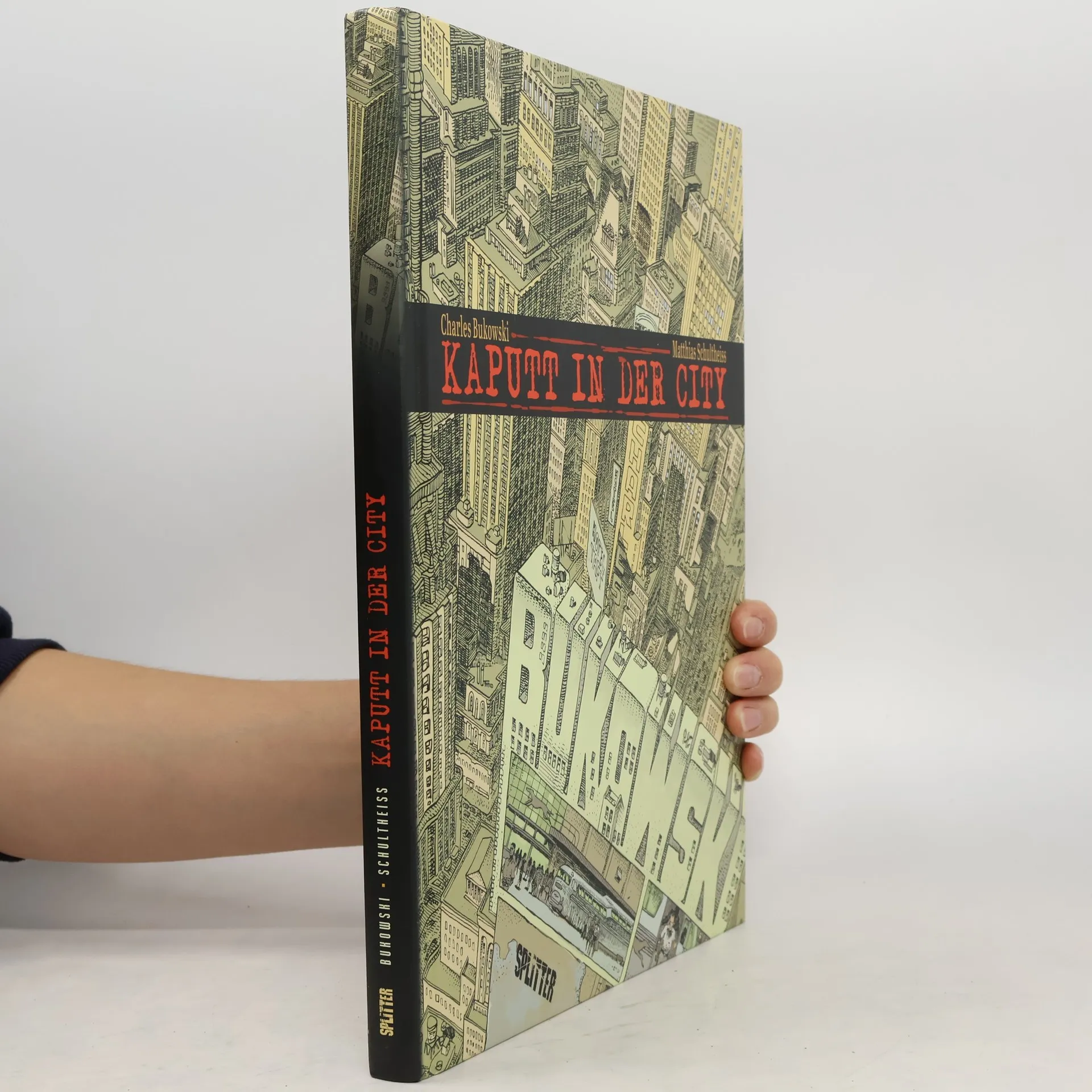
Charles Bukowski, der »Dirty Old Man« der US-amerikanischen Underground-Literatur, war ein Autor ohne Kompromisse: Apokalyptische Visionen seiner Wahlheimat Los Angeles, die unmenschliche Härte des Alltags in der working class und der schleichende Tod, den der unheilige Bund aus Einsamkeit und Alkohol mit sich bringt, waren seine Themen. Wer könnte Bukowski besser auf die Comicseite bannen als Matthias Schultheiss? »Die Haie von Lagos«, »Die Wahrheit über Shelby«, »Daddy« – gebrochene Helden, allumfassender Zynismus und gleichgültige Brutalität begegnen uns in seinen Werken an jeder Ecke. »Kaputt in der City« umfasst Schultheiss‘ Interpretationen von 8 Bukowski-Kurzgeschichten, die bis ins Mark gehen. Der Klassiker erstmals in Farbe! Matthias Schultheiss selbst besorgt die Koloration dieser hochwertigen Neuausgabe von »Kaputt in der City«. Auch erhältlich als limitierte Vorzugsausgabe mit alternativen Cover und signiertem Kunstdruck
Gedichte vom jungen und vom alten Charles Bukowski aus den Jahren 1960 bis 1990. Die Gedichte im ersten Teil dieser Sammlung stammen aus einer Zeit, als er sich nicht nur mit seinem ständigen Durst herumquälte, sondern auch mit ewigen Geldnöten. Die Gedichte der späteren Jahre zeigen, daß Bukowski - bis zum Schluss seinen Leidenschaften treu ergeben - irgendwann gelassener geworden ist, heiter und aufmüpfig.§§
Wenn man einem Sportskameraden, der den Jungs von der Mafia gehört, die Rippen bricht, wird man selber verdroschen. Wenn man den Teufel ins Haus holt, ist man im Handumdrehen die Frau los. Wenn man als Profi-Killer arbeitet, darf man nicht fragen: »Warum?« Und wenn man Geschichten wie Charles Bukowski schreibt, braucht man sich nicht zu wundern, dass einen die feinen, kultivierten Leute nicht mögen.
Ein Mann fühlt sich verfolgt. Er sieht jemanden aus seinem Badezimmer kommen, den er auf den ersten Blick für sich selber halten würde. Auf der Rennbahn passiert es ihm wieder -- ein Mann, der aussieht wie er selbst. Der Anblick irritiert ihn. Er kommt nach Hause und stellt fest, dass seine Freundin in der Zwischenzeit mit einem Mann zusammen war, von dem sie der festen Überzeugung war, er selbst wäre es gewesen. Eine Weile ist Ruhe, dann fängt es wieder an. Der Mann verfolgt ihn. Daraufhin verfolgt er ihn selbst, versucht, ihm an die Gurgel zu gehen, und wird nur selbst verletzt. Daraufhin beschließt er, ihn töten zu lassen... Oh mein Gott! Ich habe selten eine so grottenschlechte Erzählung gelesen. Gut, dass sie nur 50 Seiten hat, und außerdem auch noch sehr groß geschrieben ist, und mindestens 10 Seiten mit (im übrigen sehr guten, der einzige Lichtblick) Bildern von Bukowski verbraucht werden. Dafür will der Verlag dann auch noch knapp 30 DM. Ein Fall für hartgesottene Fans, die einfach alles haben müssen; aber ich bin überzeugt davon, dass Bukowski selbst diese Erzählung wohl nicht veröffentlicht hätte. Mal ganz davon abgesehen, dass ein anderer Autor ohne diesen Namen wohl kaum die Chance bekommen hätte, so etwas der Öffentlichkeit zu präsentieren.Die Erzählung ist plump, witzlos und noch nicht mal gut geschrieben -- ihr seid hiermit gewarnt! --Daniela Ecker
Zoff, Sixpacks und sinnliche Frauen
Sehnsucht nach Wärme - mit Zoff, Sixpacks und sinnlichen Frauen.
Inhalt:
- Satansbraten
- Ein Arbeitstag
- Das Leben eines Penners
- Die Rache der Verdammten
- Der Jockey
- Action
- Camus
- Solzimer
- Ruhm
- Schlechte Nacht
- Bring mir deine Liebe
- Poeten unter sich
- Blockiert
- Entschuldigung
- Rote Karte
- Neunzehn Prozent
- Höhenkoller
- Spendier mir ne Handvoll Hühnerfutter
- Der Sieger
- Szenen einer Ehe
- Kein Business
- Nächtliche Tour
- Nackter Wahnsinn