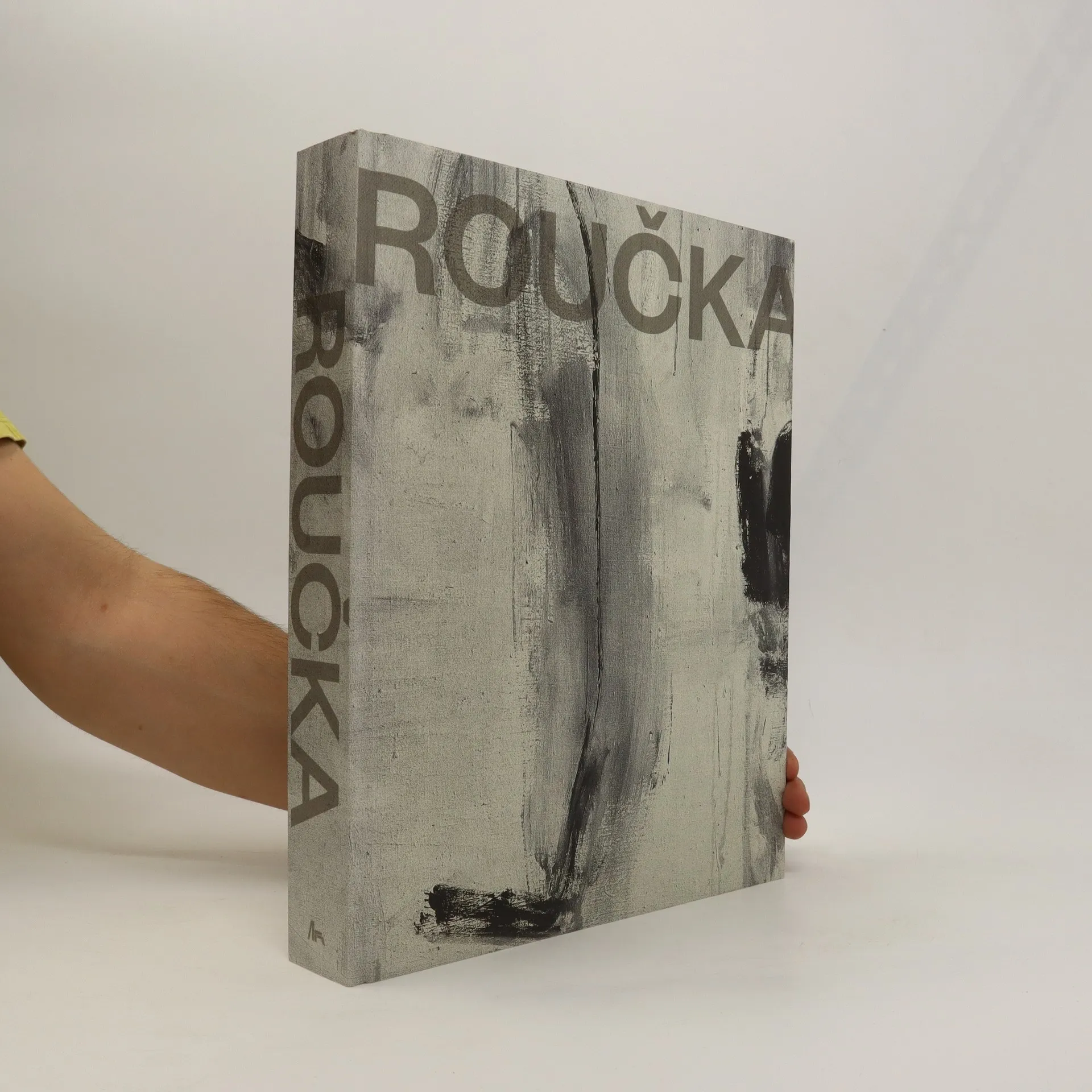
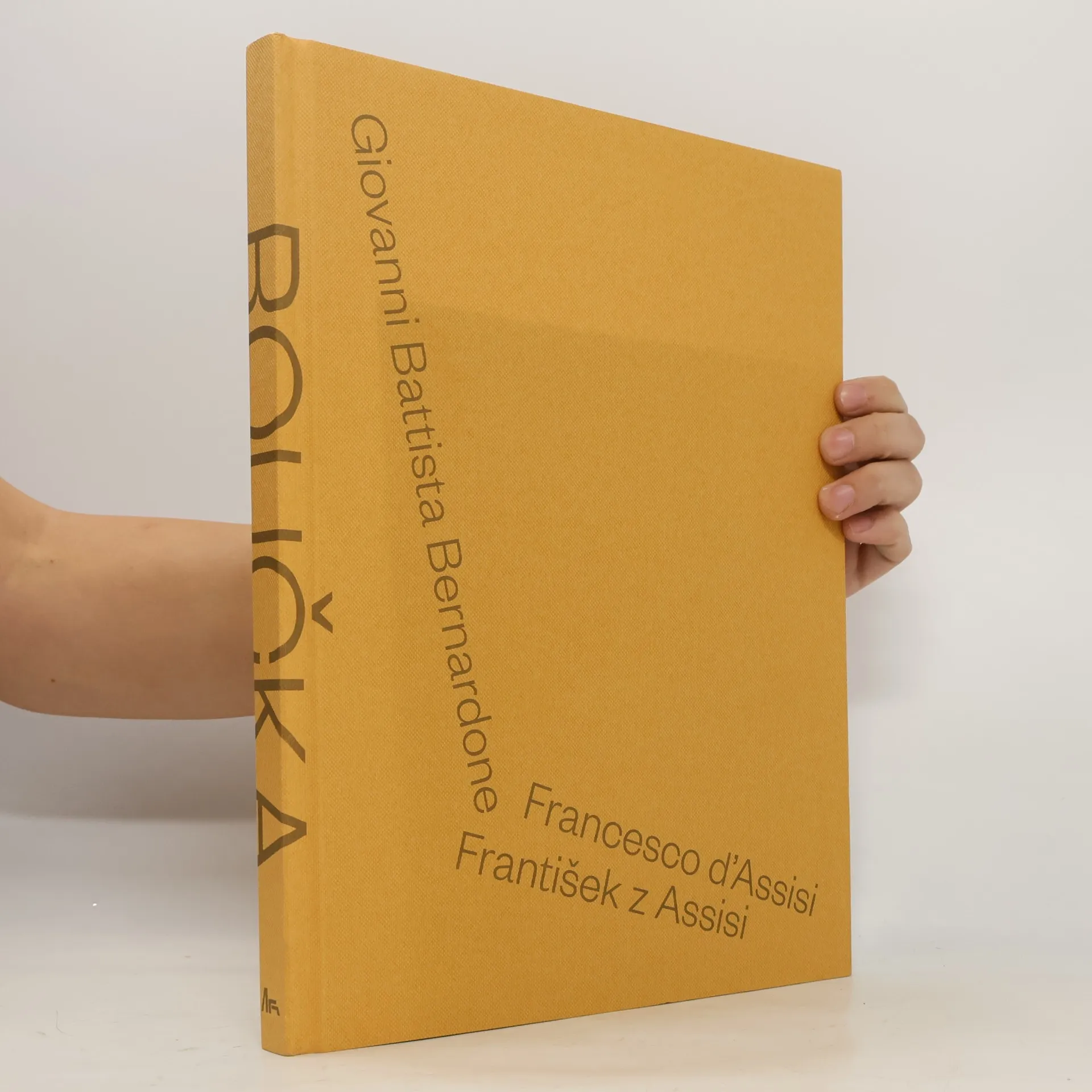
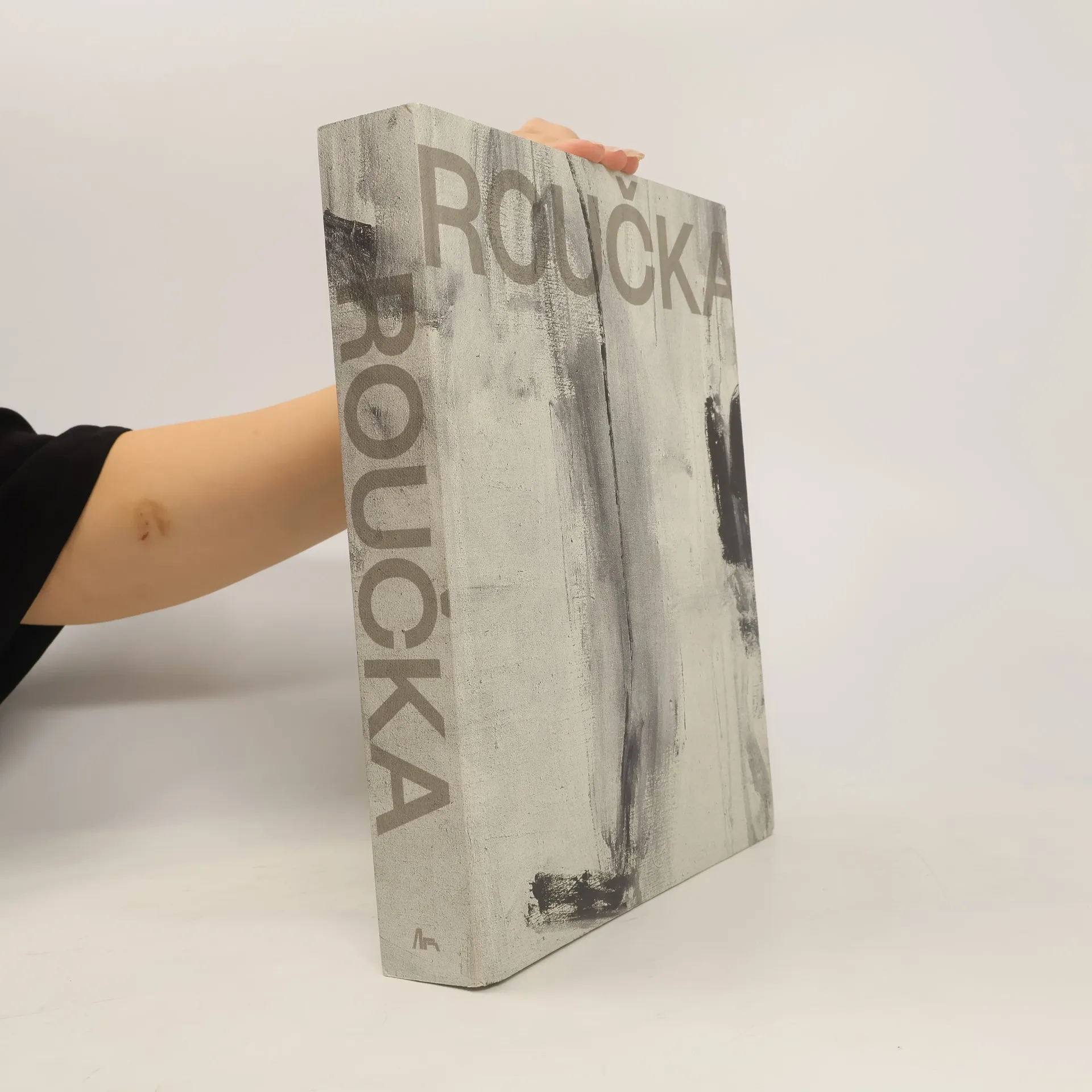
Pavel Roučka Knihy
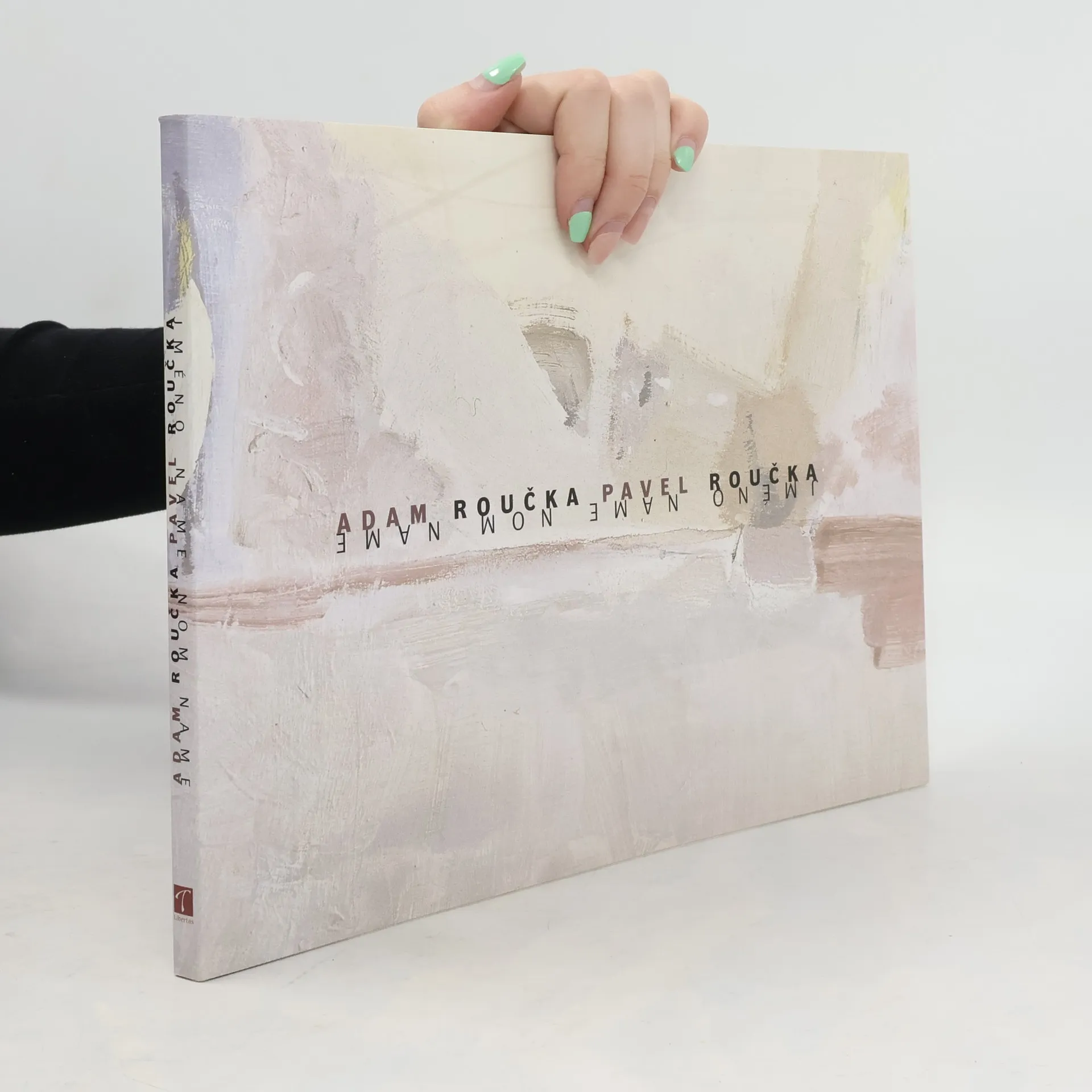
Jméno - name - nom - name
- 49 stránok
- 2 hodiny čítania
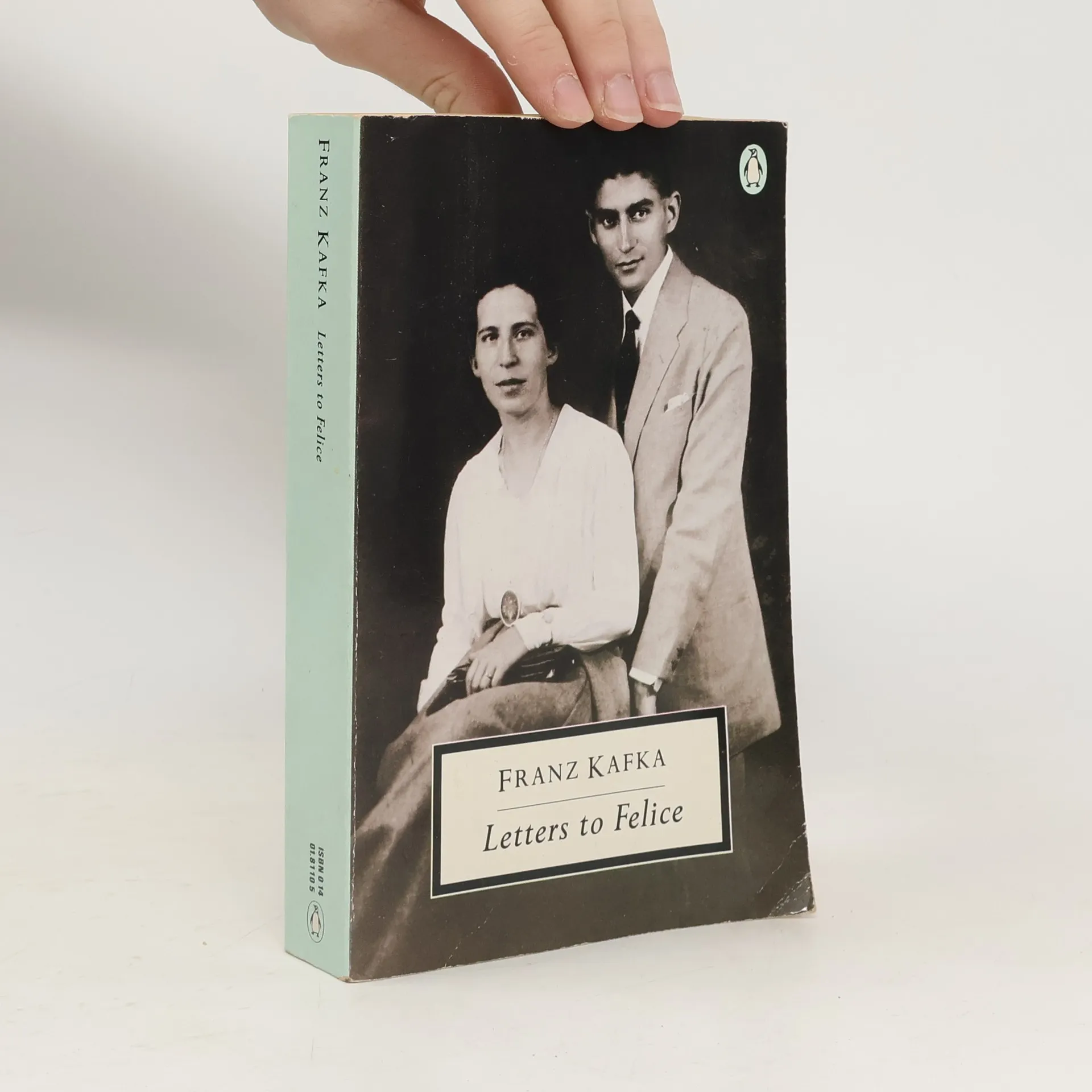
Letters to Felice
- 704 stránok
- 25 hodin čítania
Franz Kafka met Felice Bauer in August 1912, at the home of his friend Max Brod. Energetic, down-to-earth, and life-affirming, the twenty-five-year-old secretary was everything Kafka was not, and he was instantly smitten. Because he was living in Prague and she in Berlin, his courtship was largely an epistolary one--passionate, self-deprecating, and anxious letters sent almost daily, sometimes even two or three times a day. But soon after their engagement was announced in 1914, Kafka began to worry that marriage would interfere with his writing and his need for solitude.The more than five hundred letters Kafka wrote to Felice--through their breakup, a second engagement in 1917, and their final parting in the fall of that year, when Kafka began to feel the effects of the tuberculosis that would eventually claim his life--reveal the full measure of his inner turmoil as he tried, in vain, to balance his desire for human connection with what he felt were the solitary demands of his craft.
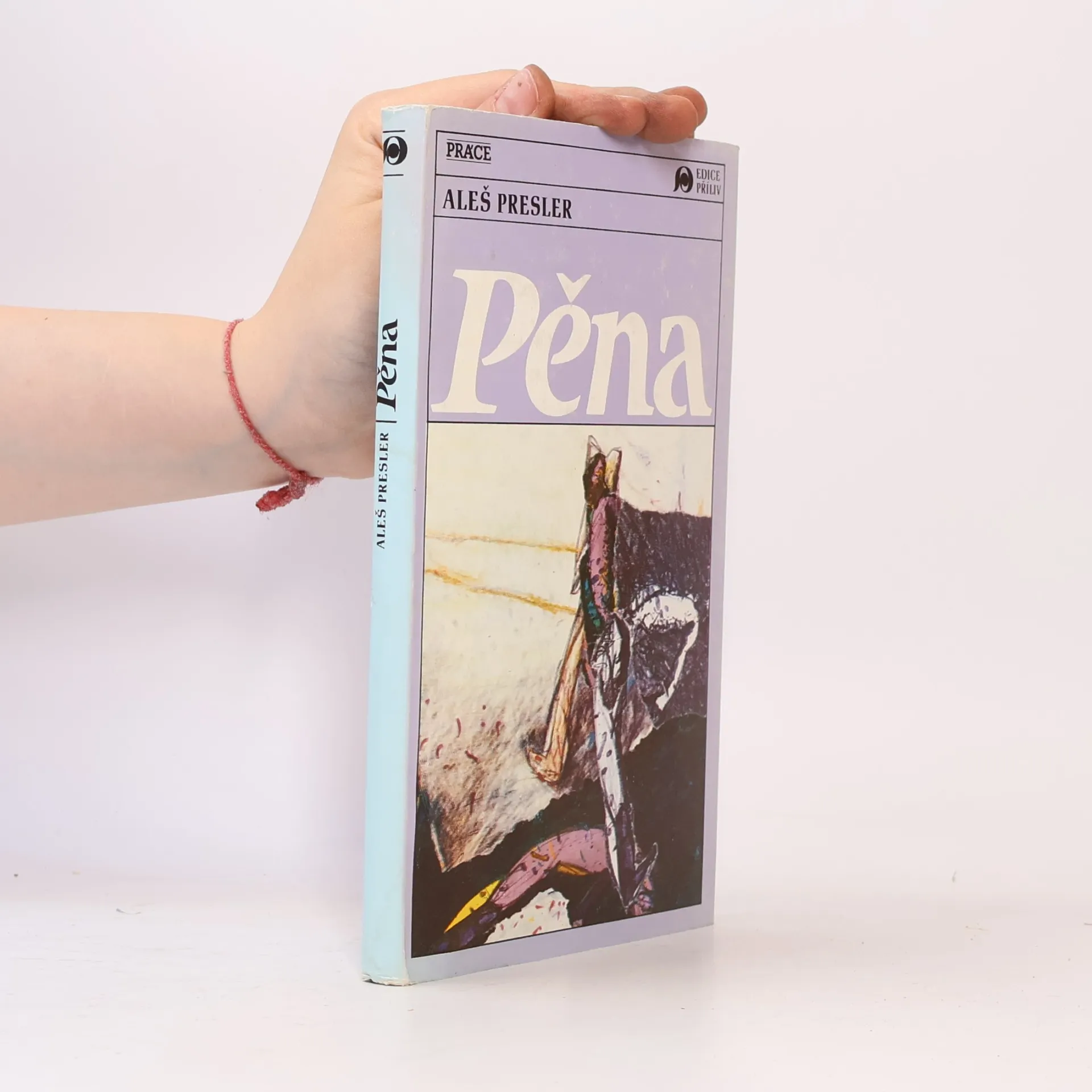
Mladý hrdina knížky Aleše Preslera nemá jméno ani příjmení. Ne proto, že by byl tak anonymní, ale právě že je tak konkrétní jako mnozí jeho vrstevníci mezi dvaceti až třiceti lety. Tiskárna, kde mladý muž pracuje, je "jako živá", hospoda, v níž se tlačí u jedné pípy ředitelé, náměstci, mistři i dělníci, je jakoby snímaná skrytou kamerou. Hrdina chodí do práce, chodí za zábavou a chodí s pěkným děvčetem. Ožení se, má děti a má problémy v práci i v rodině, jak to tak často bývá v životě kolem nás. Cítí, že je kolečkem v zaběhnuté mašinérii, kde je nejlépe mlčet a vézt se s ostatními, že nemá cenu čemukoli a komukoli se protivit, protože se nic nezmění a kritik nadřízených ještě dostane přes nos...
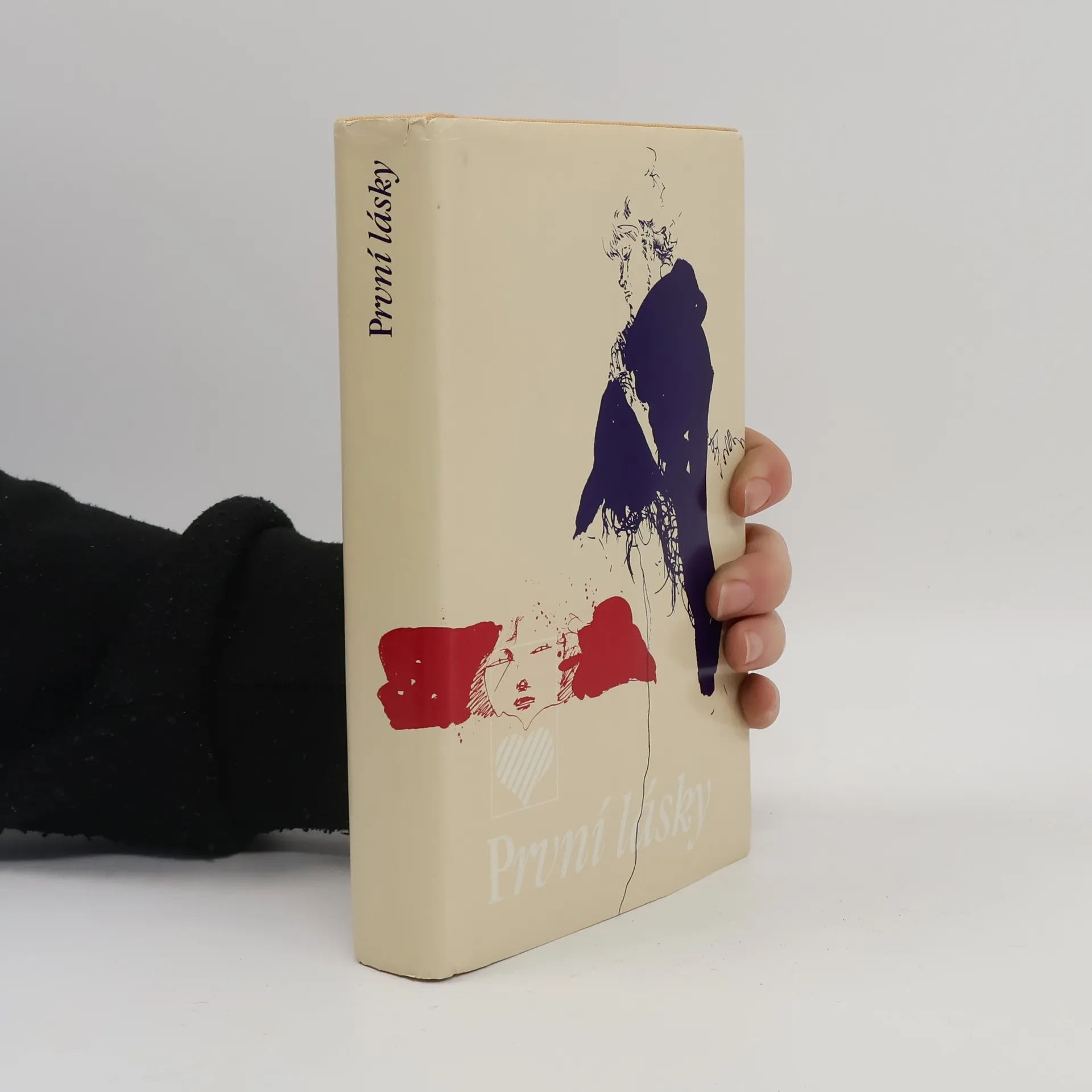
Soubor povídek na téma První láska od ruských autorů např. Pasternak, Jesenin, Gorkij a jiní. Sestavil Jan Zábrana
První polovina této básnické sbírky je tvořená "soukromým zrcadlem" posmutněle končící skončenou láskou, druhá část je cesta samotou, bez lásky.
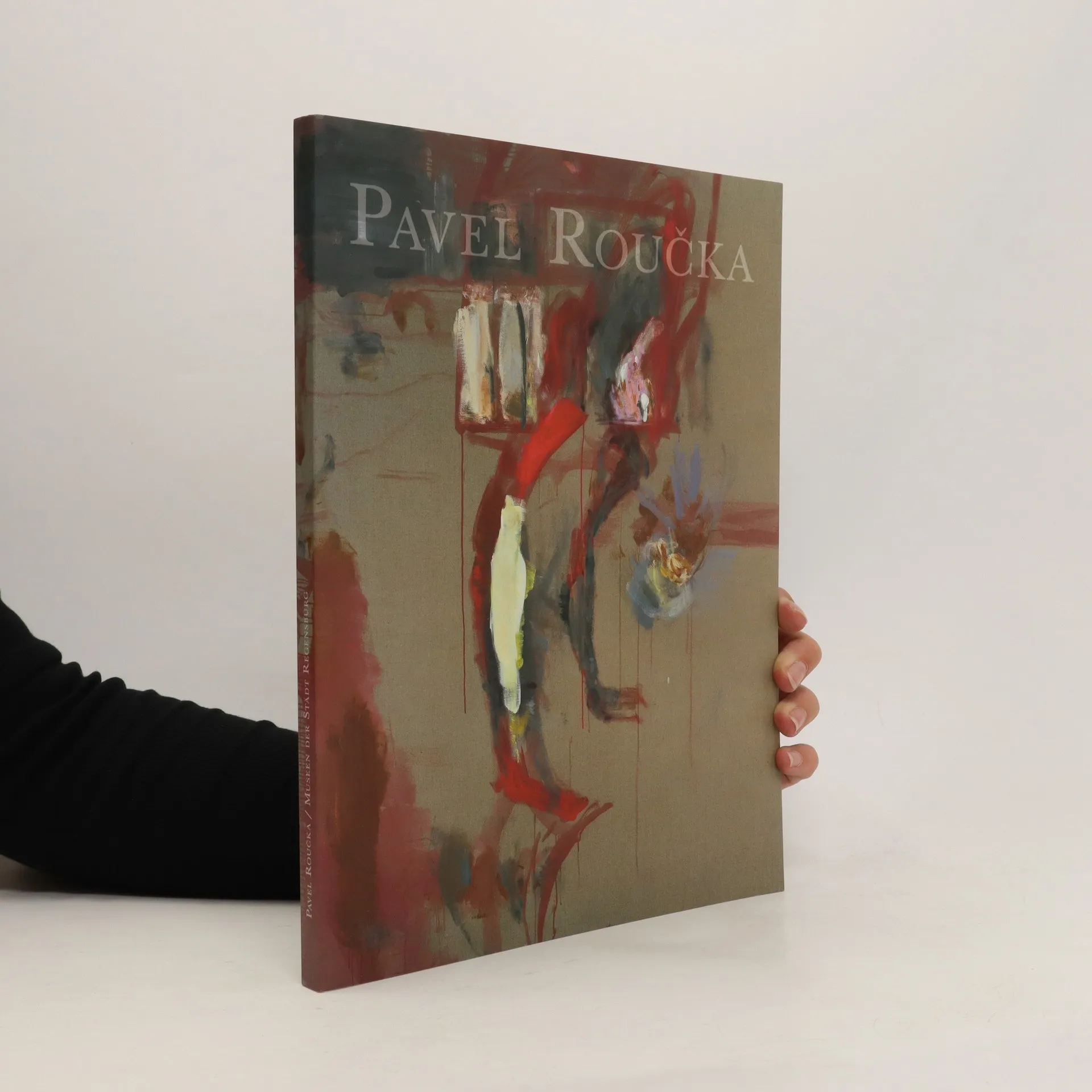
Großformatige und farbige Gemälde des bekannten tschechischen Malers Pavel Roucka. Die Präsentation fand 2007 in der Minoritenkirche statt, die zum Historischen Museum Regensburg gehört.