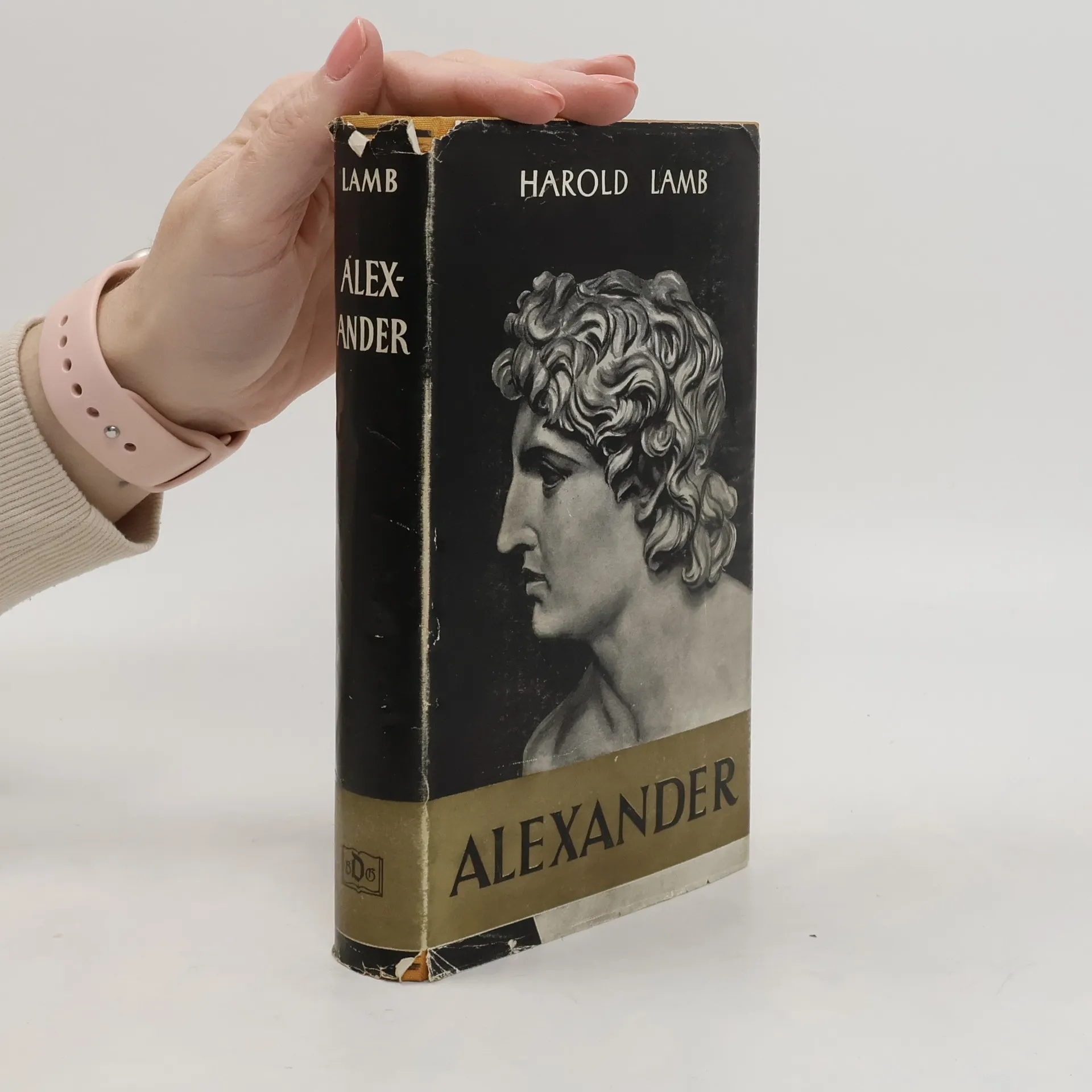
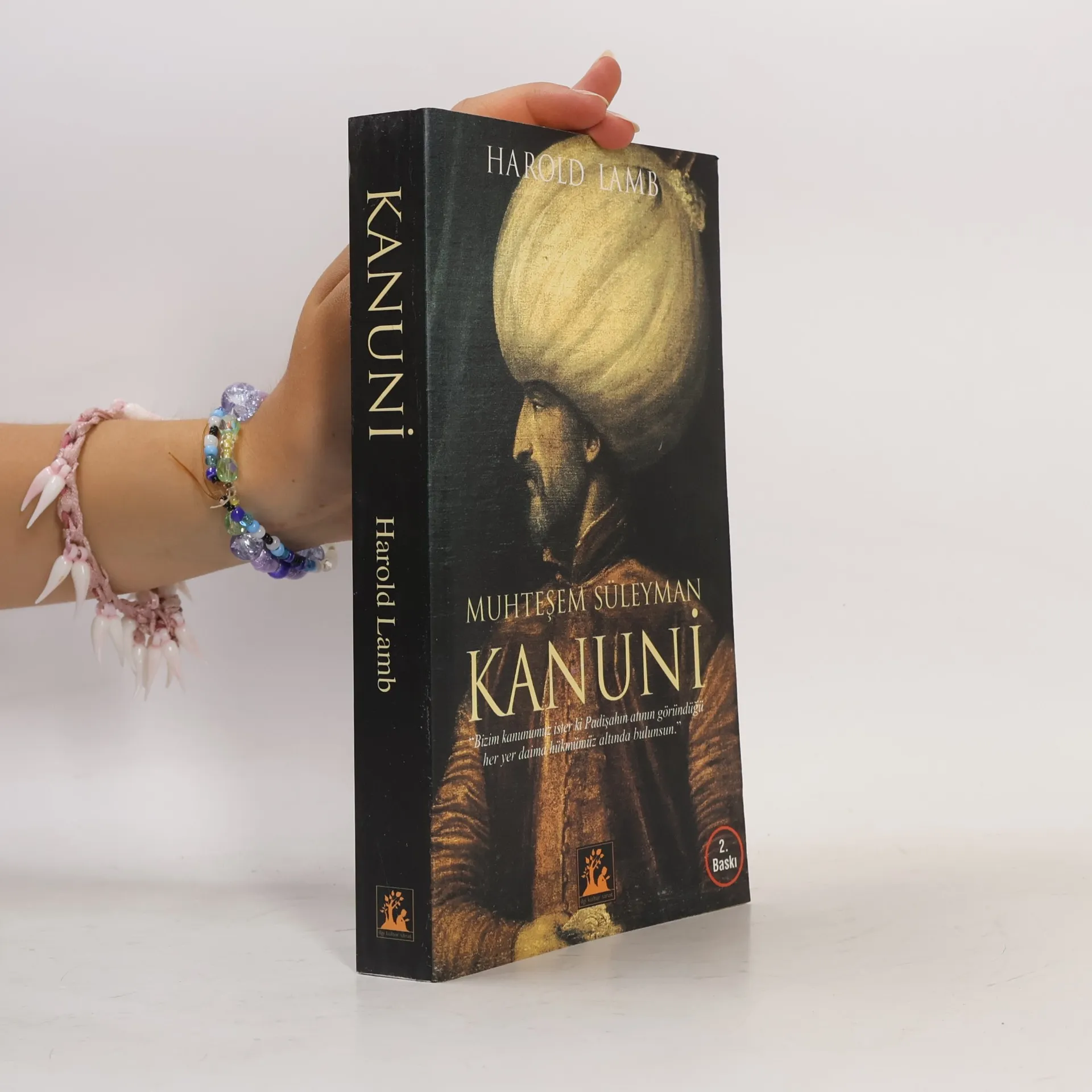
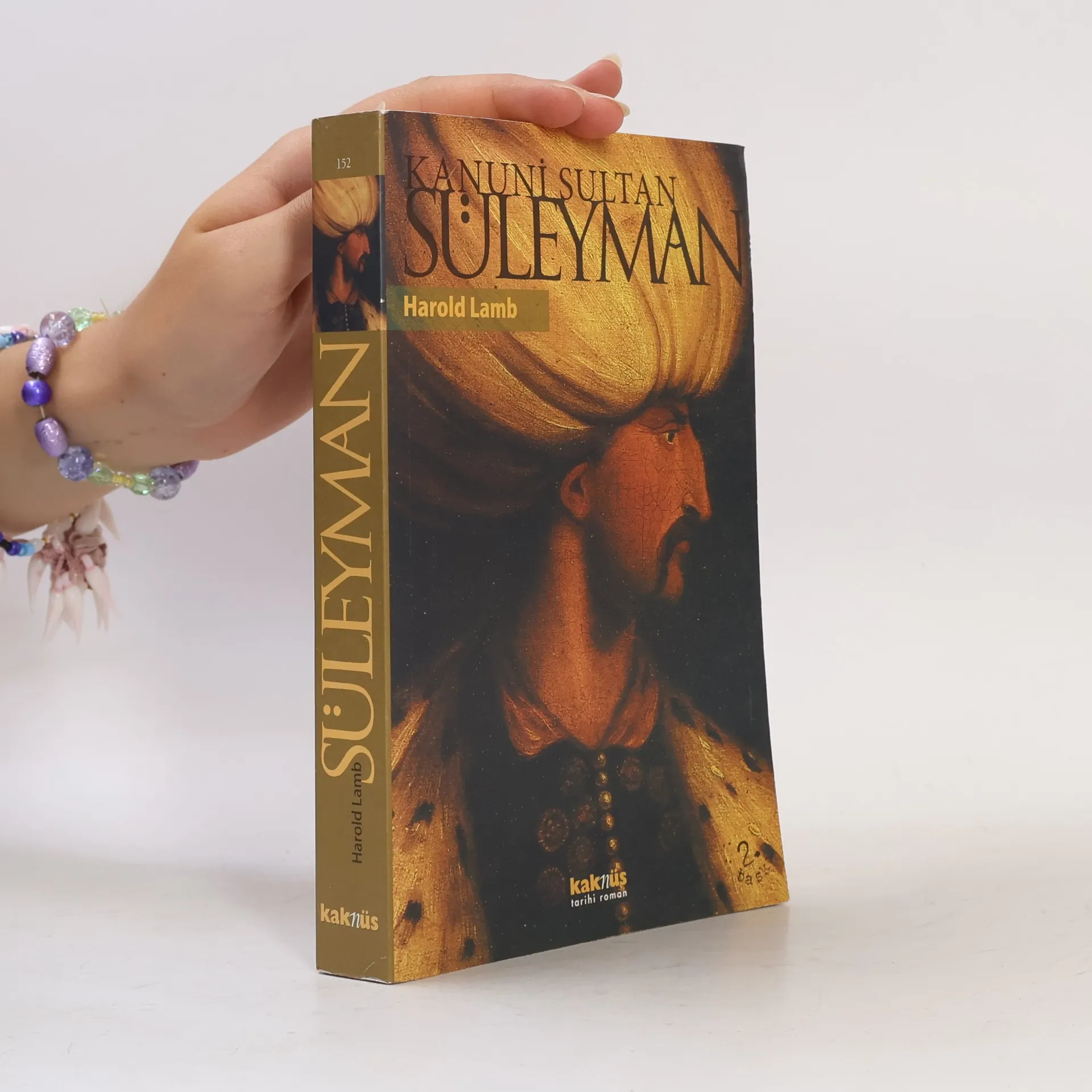
Harold Lamb bol americký historik a spisovateľ, ktorý sa preslávil svojimi pútavými dielami o ázijskej histórii a vojenstve. Svoje rozsiahle znalosti a fascináciu historickými postavami a udalosťami zúročil v historických románoch aj odborných publikáciách. Jeho štýl sa vyznačuje živým vykreslením dávnych čias a hlbokým porozumením motívom jeho hrdinov, čím čitateľov vtahuje do minulosti. Lambova schopnosť oživiť históriu a jej aktérov z neho robí významnú postavu populárno-náučnej literatúry.
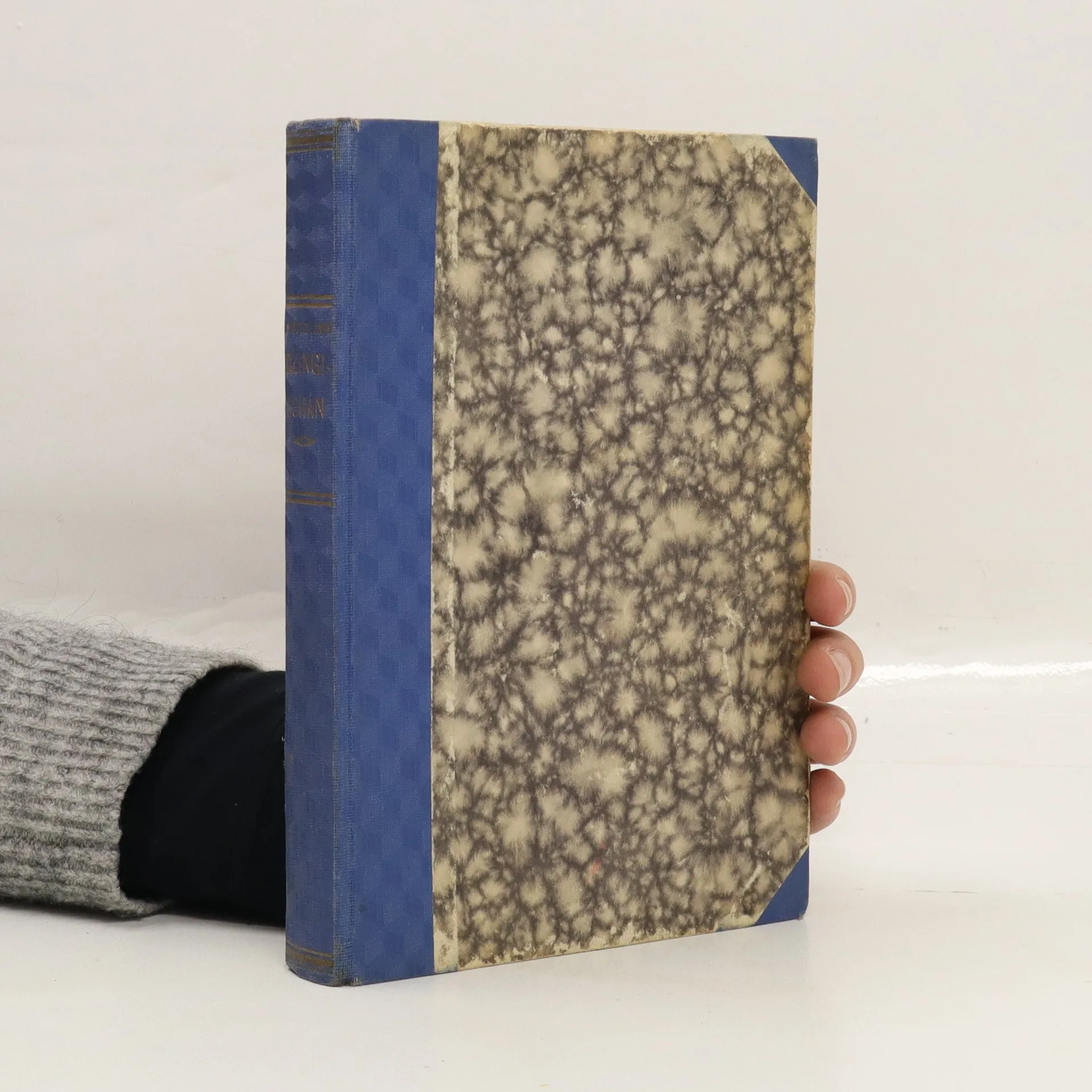
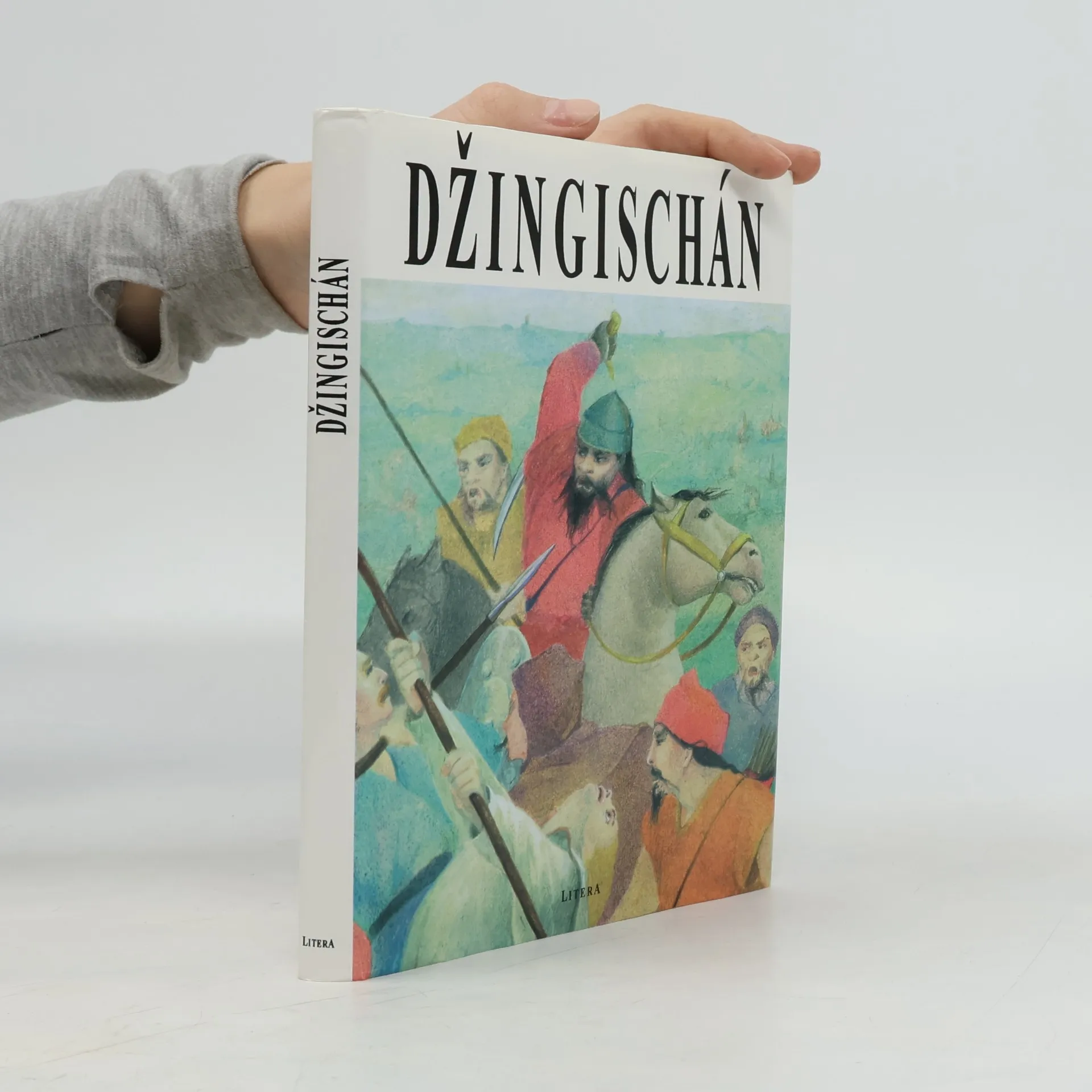
Rozmanité okolnosti jsou příčinou, že osoba Džingischánova je pro nás zastřena závojem tajemství. Historikové stojí bezradní před jeho říší, prostírající se od Arménie po Koreu, od Tibetu k Volze, vykouzlené z ničeho pouhým barbarem. Jisto je, že říše tato byla jím stmelena tak pevně, že překonala tři pokolení.
Knihu tuto bude každý čísti jako napínavý román.
Rozmanité okolnosti jsou příčinou, že osoba Džingischánova je pro nás zastřena závojem tajemství. Historikové stojí bezradní před jeho říší, prostírající se od Arménie po Koreu, od Tibetu k Volze, vykouzlené z ničeho pouhým barbarem. Jisto je, že říše tato byla jím stmelena tak pevně, že překonala tři pokolení. Knihu tuto bude každý čísti jako napínavý román.
Ciro el Grande, rey de Persia en el siglo VI a.C., es uno de los misterios más desconcertantes de la historia antigua. En esta obra, Harold Lamb revive a esta figura legendaria con una visión erudita y casi clarividente de un mundo antiguo lleno de mitos y supersticiones. La narrativa nos transporta a la época de Ciro el Aqueménida, hace veinticinco siglos, combinando hechos conocidos con detalles sobre el carácter del pueblo persa de entonces. Aunque la leyenda ha envuelto a Ciro en misterio y poco se sabe con certeza de su vida, todos los personajes presentados han existido, y otros, como Vishtaspa, se basan en leyendas sólidas. La historia narra la vida de un rey, hijo de un padre rudo, que liberó a su patria de la dominación de los medos, conquistó Media y venció a Creso, extendiendo sus dominios desde la India hasta el mar Egeo a través de numerosas batallas. Este libro es un intento de explorar y comprender la vida de un líder que dejó una huella indeleble en la historia.
Temudschin kommt 1162 mit einem Omen in die Welt: Er hält einen Blutklumpen in seiner Hand, was bedeutet, dass ihm Großes bevorsteht. Er wächst nach dem harten Gesetz der Steppe auf. Als sein Vater von feindlichen Tataren vergiftet wird ist er gerade dreizehn Jahre alt. Zwei Jahrzehnte später erheben ihn mehrere Mongolenstämme zu ihrem Oberhaupt und nennen ihn Dschingis Khan, ozeangleicher Herrscher. Er eint die Mongolen in einem Staat und unterwirft ihre Feinde. Er zieht mit seinem Reiterheer gegen die Tataren, erobert die Mandschurei, Peking, Korea, schlägt die Russen. Er macht sich zum Herren über die Hälfte der damals bekannten Welt und brachte Schrecken über die Menschheit, der Generationen überdauern sollte. Er bekam im Laufe der Zeit viele Namen. „Allmächtiger Menschenbezwinger“, „Geißel Gottes“, „Vollkommener Held“ oder „Herrscher über Kronen und Throne“. Er war ein Weltherrscher, dem diese Titel mit Recht zukamen und der bei seinem Tode im Jahr 1227 ein mächtiges Reich hinterlässt, das sich vom Chinesischen Meer bis zu den Pforten Europas erstreckt.