

Exploring the alcohol-soaked origins of civilization, this book delves into humanity's evolutionary desire for intoxication. It offers an entertaining and enlightening examination of how these historical and cultural aspects have shaped societies. Through a blend of history and anthropology, the narrative reveals the significant role alcohol has played in human development and social interactions.
Edward G. Slingerland Poradie kníh (chronologicky)
Tento autor skúma rané čínske myslenie, porovnávacie náboženstvo a etiku optikou kognitívnych vied. Jeho práca sa zameriava na integráciu humanitných a vedeckých disciplín a na skúmanie toho, ako naše kognitívne procesy ovplyvňujú naše chápanie cnosti a konania. Čitatelia sa môžu tešiť na myšlienkovo bohaté texty, ktoré prepájajú dávnu múdrosť s moderným vedeckým poznaním. Autorov prístup ponúka jedinečný pohľad na ľudské správanie a etické rozhodovanie.
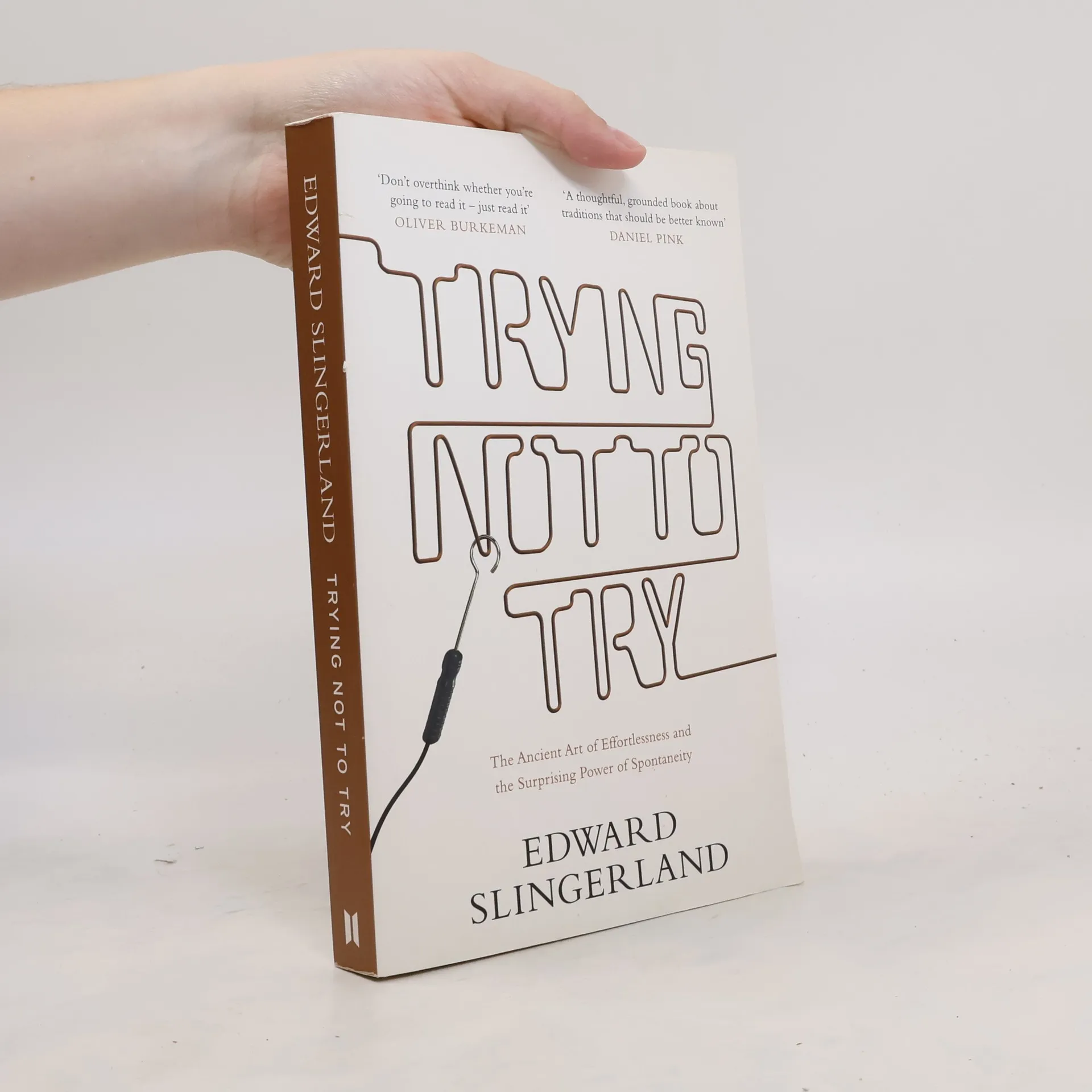


Trying Not to Try
The Ancient Art of Effortlessness and the Surprising Power of Spontaneity
- 295 stránok
- 11 hodin čítania
A deeply original exploration of the power of spontaneity - and why it's essential to our wellbeing, both as individuals and as a society.
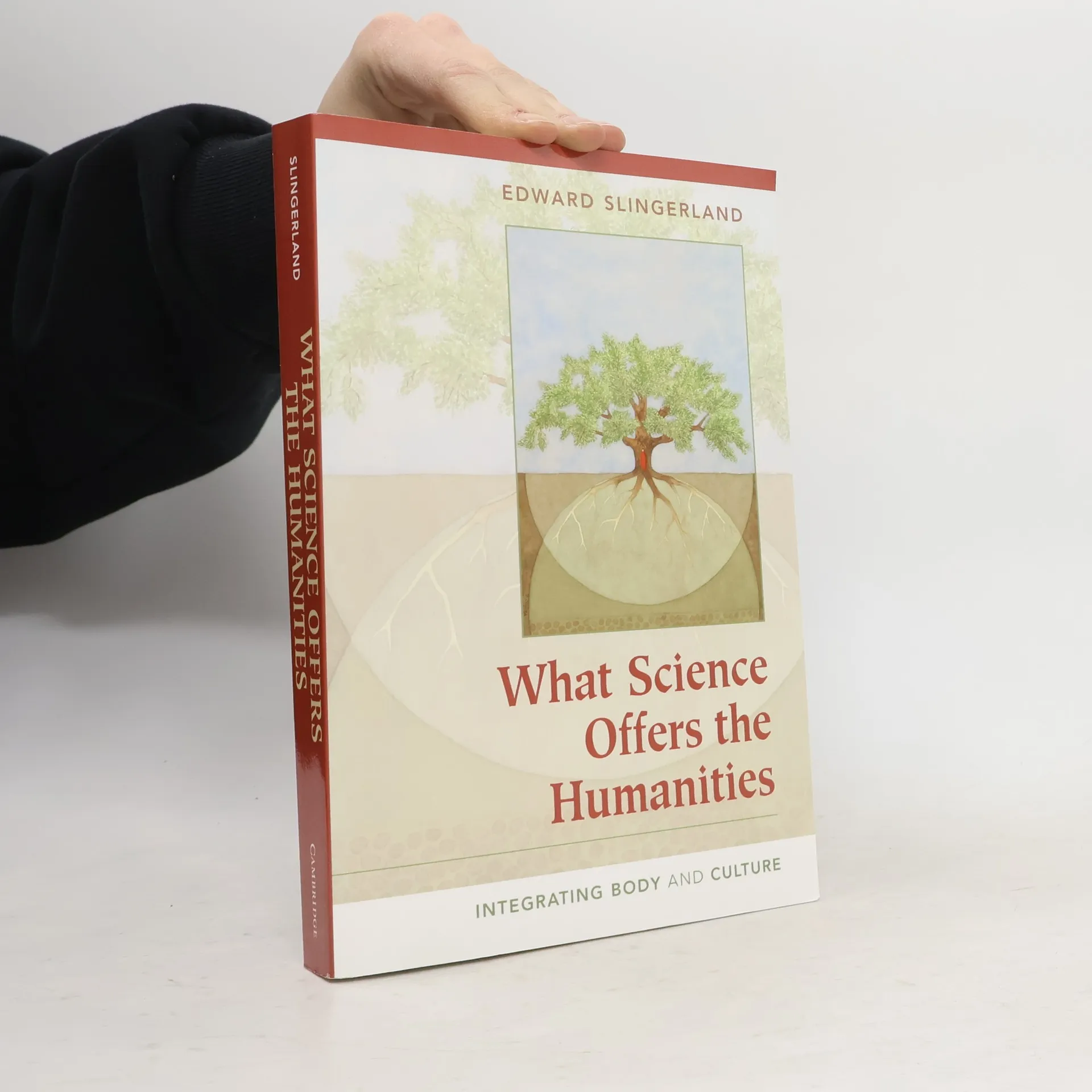
What Science Offers the Humanities examines some of the deep problems facing current approaches to the study of culture. It focuses especially on the excesses of postmodernism, but also acknowledges serious problems with postmodernism's harshest critics. In short, Edward Slingerland argues that in order for the humanities to progress, its scholars need to take seriously contributions from the natural sciences-and particular research on human cognition-which demonstrate that any separation of the mind and the body is entirely untenable. The author provides suggestions for how humanists might begin to utilize these scientific discoveries without conceding that science has the last word on morality, religion, art, and literature. Calling into question such deeply entrenched dogmas as the "blank slate" theory of nature, strong social constructivism, and the ideal of disembodied reason, What Science Offers the Humanities replaces the human-sciences divide with a more integrated approach to the study of culture.
Effortless Action: Wu-wei As Conceptual Metaphor and Spiritual Ideal in Early China
- 368 stránok
- 13 hodin čítania
This book systematically explores the personal spiritual ideal of wu-wei—translated as "effortless action"—in early Chinese thought. Edward Slingerland's analysis reveals that wu-wei embodies a broader set of metaphors related to a state of effortless ease and unself-consciousness, serving as a shared ideal for both Daoist and Confucian thinkers. He highlights a conceptual tension within this ideal, known as the "paradox of wu-wei," which raises the question of how one can consciously "try not to try." Methodologically, the work applies contemporary theories of conceptual metaphor to the study of early Chinese thought, offering insights that extend beyond this context. The exploration of wu-wei is pertinent to those interested in later East Asian religious thought and the Western "virtue-ethics" tradition. Additionally, the conceptual metaphor analysis and the principle of "embodied realism" provide a novel theoretical framework for comparative thought, religion, intellectual history, and the humanities. This work aims to introduce scholars in the humanities and social sciences to this methodology, demonstrating its application within a specific sub-field.