Borge Ousland beschreibt in seinem Bericht über die erste Solo-Durchquerung der Pole seine packenden Erlebnisse. Mit Demut, Witz und menschlicher Wärme schafft er es, den Leser in seine Lage zu versetzen und das Abenteuer einer Reise, egal welcher Größe, nachvollziehbar zu machen.
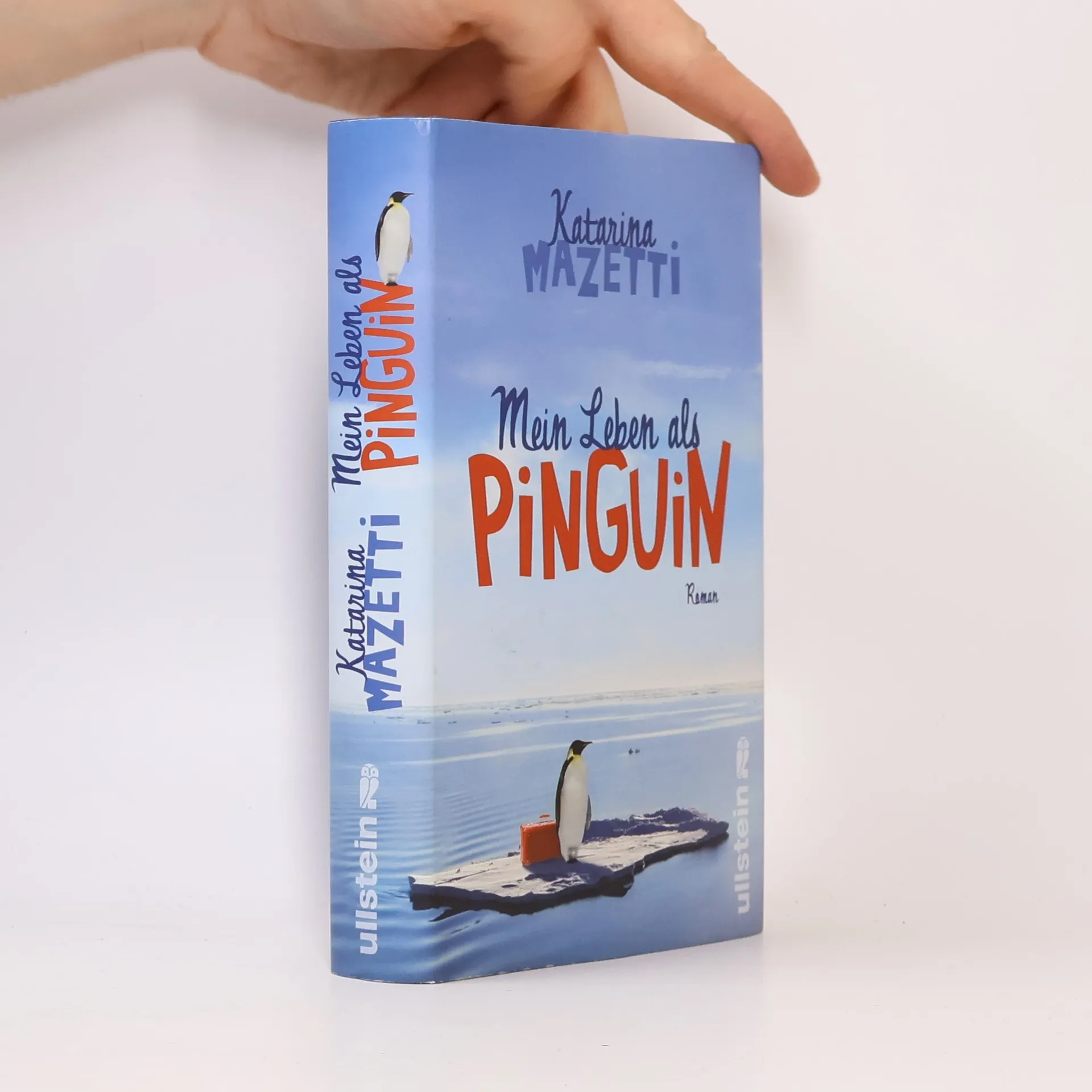
Doch am Flughafen in Paris geht wieder mal fast alles schief: Erst in letzter Minute stolpert sie buchstäblich ins Gate und Tomas direkt in die Arme. Der wurde vor kurzem von seiner Frau verlassen und vermisst seine Kinder. Traurig sucht er die Einsamkeit – doch da hat er nicht mit Wilma gerechnet. An Bord der MS Orlowskij entdecken sie, dass man zusammen weniger allein ist – denn stehen Pinguine nicht immer ganz eng beieinander im eisigen Wind am Ende der Welt?
Patrik Hedström a jeho kolegovia z tanumhedskej policajnej stanice prežili pomerne pokojnú zimu. No s príchodom jari sa odrazu všetko mení. Do mestečka prichádza filmový štáb, nakrúcajúci rozporuplnú reality šou, a Fjällbacka a stáva dejiskom brutálnej vraždy. Ukazuje sa, že to, čo sa najprv zdalo ako bežná havária, je v skutočnosti zločin. Keď Patrik odhalí súvislosť s podobnými prípadmi vo Švédsku, začína mu byť jasné, že páchateľ má na svedomí viac ľudských životov. Na dôvažok zakrátko nájdu jedného z účinkujúcich v televíznej šou mŕtveho na smetisku. Ide o ďalšiu obeť sériového vraha, po ktorom polícia tak horúčkovito pátra? Smoliar je napínavý, vzrušujúci a mimoriadne aktuálny kriminálny román, v ktorom Patrik Hedström stojí pred svojou najväčšou profesionálnou výzvou.
Ergebnisse der Ausgrabungen im Vorfeld des Braunkohlentagebaus
243 stránok
9 hodin čítania
This study presents a systematic evaluation of finds and contexts from excavations in the medieval village of Kausche, located in southern Lower Lausatia. Before its destruction by opencast lignite mining, Kausche underwent extensive archaeological investigation. The research begins with an initial reconstruction of the village's origins, followed by a detailed presentation of individual settlement contexts and a discussion of pottery and small finds. A significant focus is placed on the cultural-historical relevance of the findings, particularly the analysis of ceramics from a transitional region between globular and wheel-thrown vessels. The results aim to provide a regional framework for evaluating and dating ceramic assemblages, supported by dendrochronological dates from several wells and comparative analyses of finds from both northern and southern regions. Kausche is identified as being influenced by globular vessel traditions, despite the strong presence of wheel-thrown pottery in its early settlement phase. The village was established in an area previously unoccupied during the Slavic period, with colonization in Lower Lausatia beginning shortly before 1200 and intensifying in the early thirteenth century. This process of deforestation and settlement was likely coordinated by representatives of the Wettin Margrave Konrad II, with many of the first occupants originating from the Wettin dynasty's homelands.